Weingut Zull

Falstaff Winery - 4 Stars
Weingut Zull is a small family-run winery in Schrattenthal, working within the Weinviertel DAC frame with Grüner Veltliner, Riesling, Zweigelt, Pinot Noir and sparkling wine in view. The draw is terroir expression rather than spectacle: sustainable vineyard work, guided private tastings, and a quiet estate setting in Austria’s smallest wine town.

Pearl is the En Primeur Club membership app, where members save venues, book tables and use the concierge.

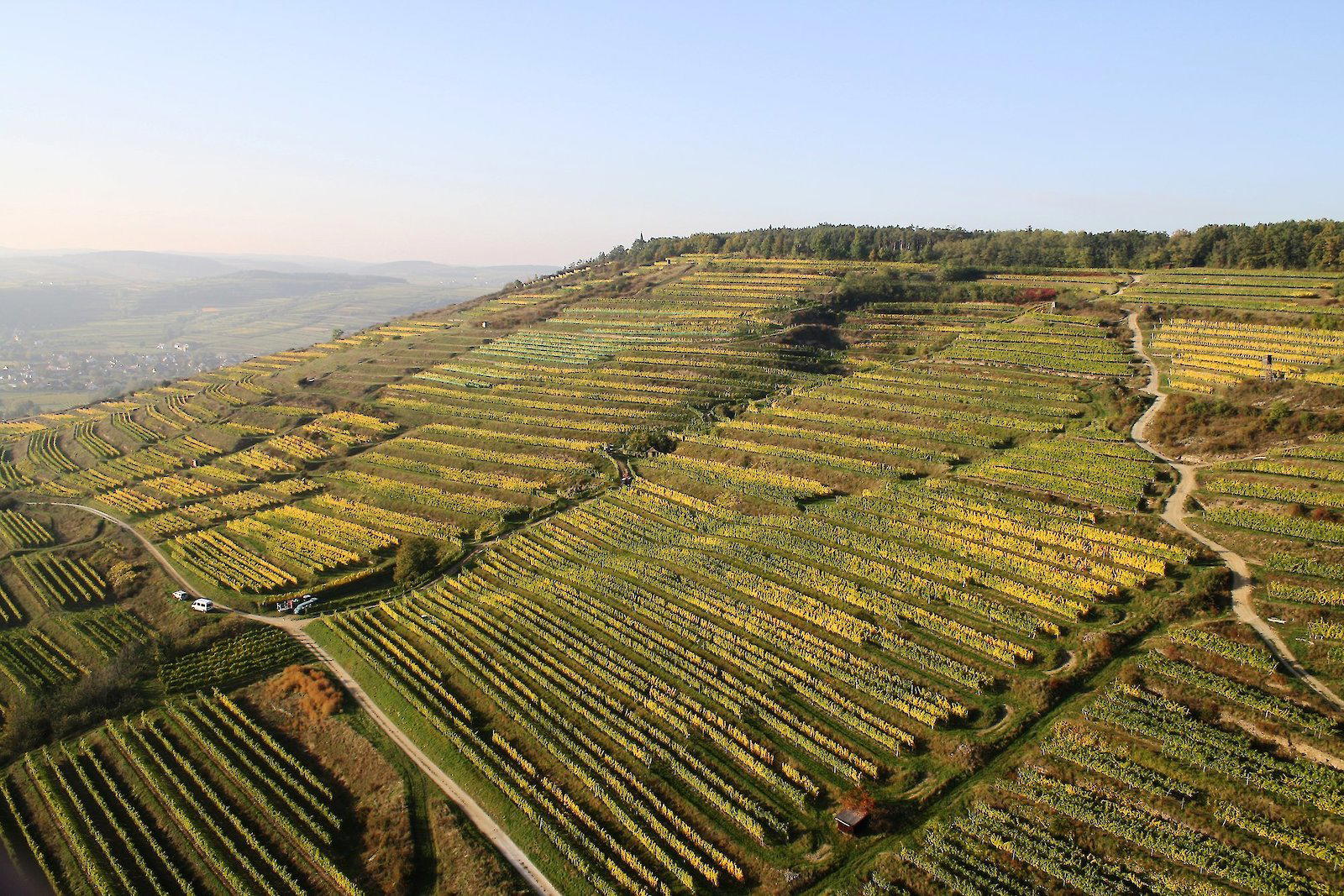
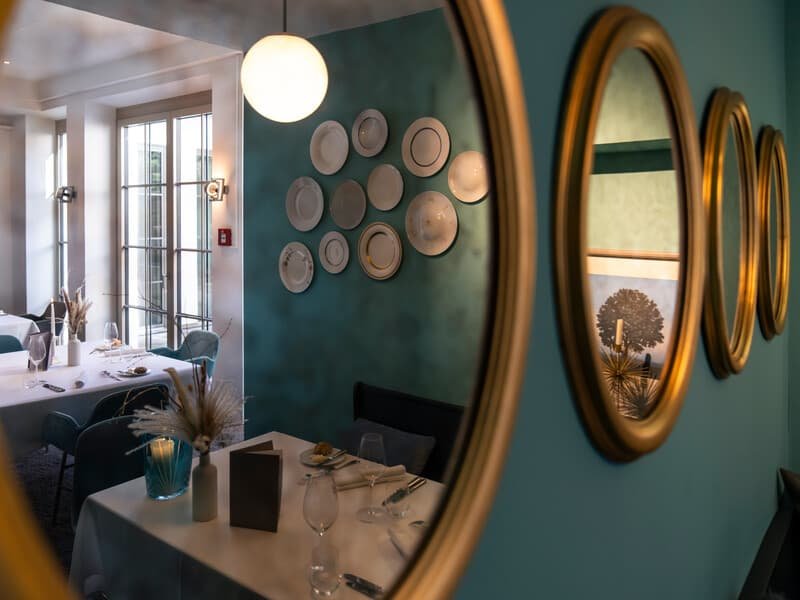
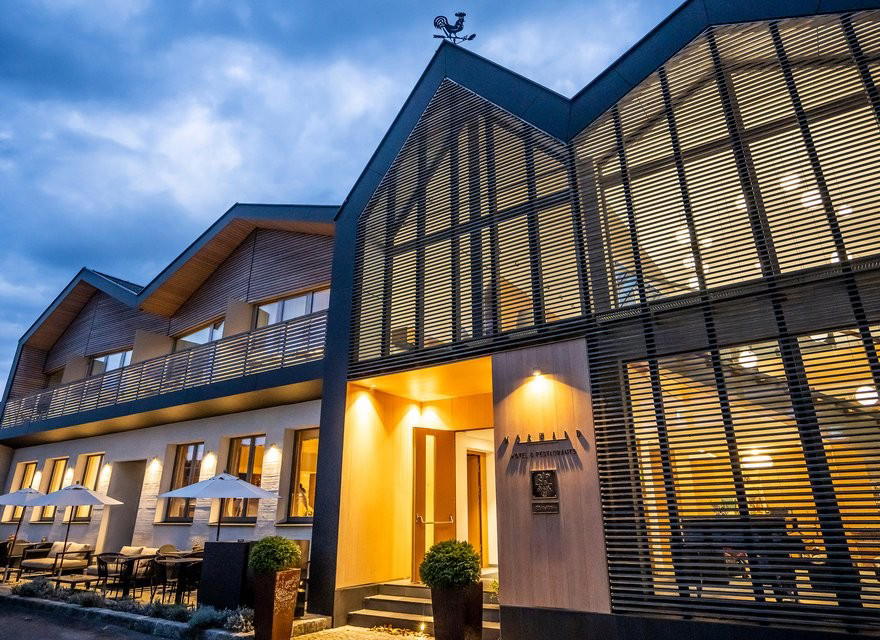
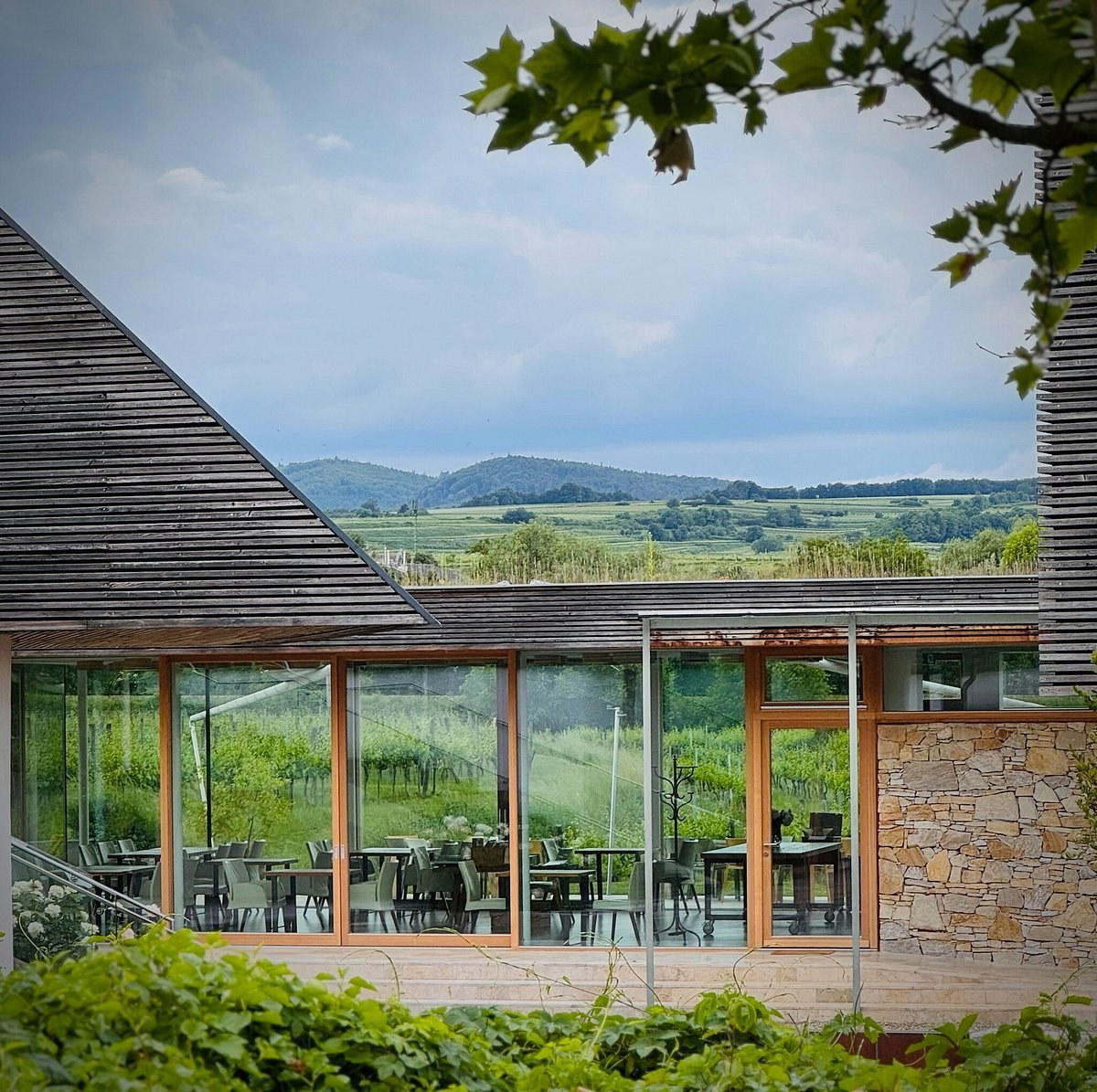
Schrattenthal wine country announces itself quietly: vineyard rows, working yards, low agricultural rhythm, and the kind of small-town scale that makes cellar work feel close to the land rather than staged for visitors. In that context, Weingut Zull is best described as an idyllic, hands-on winery whose appeal rests on a direct connection between place, vineyard work and the finished wine. The picture is simple but useful: this is a quiet, rustic, scenic and classic in Schrattenthal, with a focus on precise, elegant wines shaped by the local landscape and manual work in the vines.
That means the strongest way to approach Weingut Zull is not through invented service details, menu promises or award claims, but through the atmosphere the venue is known for. It reads as a working winery rather than a polished showpiece: grounded, rural and close to the landscape around it. For visitors or wine travellers comparing options in Schrattenthal, the important distinction is the estate’s emphasis on craft, vineyard attention and a calm setting rather than a high-volume hospitality format.
Weinviertel character through small-scale vineyard work
The serious signal here is not an award shelf or a celebrity narrative. The identity of Weingut Zull points instead to manual vineyard work and wines shaped by the local landscape. That is a meaningful frame for a winery visit because it keeps attention on the relationship between land, season and cellar rather than on claims about specific programs, bottle lists or rankings.
In practical terms, Weingut Zull should be read as a hands-on estate with an elegant, precise wine style. The setting is part of the experience: quiet, scenic and rustic, with a hidden-gem quality that suits travellers who prefer places that feel embedded in their surroundings. Nothing in the record supports building the page around specific grape varieties, tasting formats, food service, production scale or named personnel, so those details are intentionally not asserted here.
That restraint is important. A useful premium guide should not turn a thin but attractive profile into a fabricated itinerary. What can be said confidently is that Weingut Zull belongs to the quieter side of Schrattenthal wine travel: classic in feel, hands-on in atmosphere and focused on wines that aim for precision and elegance through landscape and manual vineyard work.
A winery experience built around atmosphere and place
The appeal of Weingut Zull is the atmosphere: idyllic, quiet, rustic and scenic. It is the kind of winery where the surrounding landscape matters to the visitor’s understanding of the place. Rather than promising guided tastings, private formats, vineyard tours, food pairings or family policies, the safer and more accurate expectation is a calm winery setting centered on the estate’s own wines and its connection to Schrattenthal.
For planning, treat the price level as $$ and the mood as relaxed but purposeful. The venue is not presented here as a restaurant, bar or hotel, and no unsupported claims are made about hours, reservations, menus, delivery, takeout, children, pets or accessibility. Visitors should confirm practical arrangements directly before making a special trip.
For travellers building a Schrattenthal day, the town’s small scale is part of the attraction. Other dining, lodging or drinks options in Schrattenthal should be researched separately and confirmed in advance. Weingut Zull’s place in that plan is clearest as a scenic winery stop with a hands-on, landscape-led identity rather than as a fully documented hospitality complex.
How to read Zull in the wider Austrian wine conversation
Austria’s premium wine discussion can easily become crowded with rankings, awards and highly specific producer narratives. For Weingut Zull, the case is more modest and more grounded: a Schrattenthal winery with an idyllic, hands-on atmosphere and a focus on precise, elegant wines shaped by the local landscape and manual vineyard work.
That is enough to make the venue legible without overstating it. The draw is not a confirmed accolade, a named tasting menu, a celebrity figure or a documented architectural spectacle. It is a quiet, rustic and scenic winery whose identity is tied to place. In a guide context, Weingut Zull is best recommended to readers who value calm settings, classic winery character and a visible connection between vineyard work and wine.
Recognition history
Dated appearances from independent guides and award organizations, with the underlying list record or original source where available.
Falstaff Winery - 4 Stars
Falstaff
Continue exploring
More in Schrattenthal
Wineries in Schrattenthal
All wineries in Schrattenthal →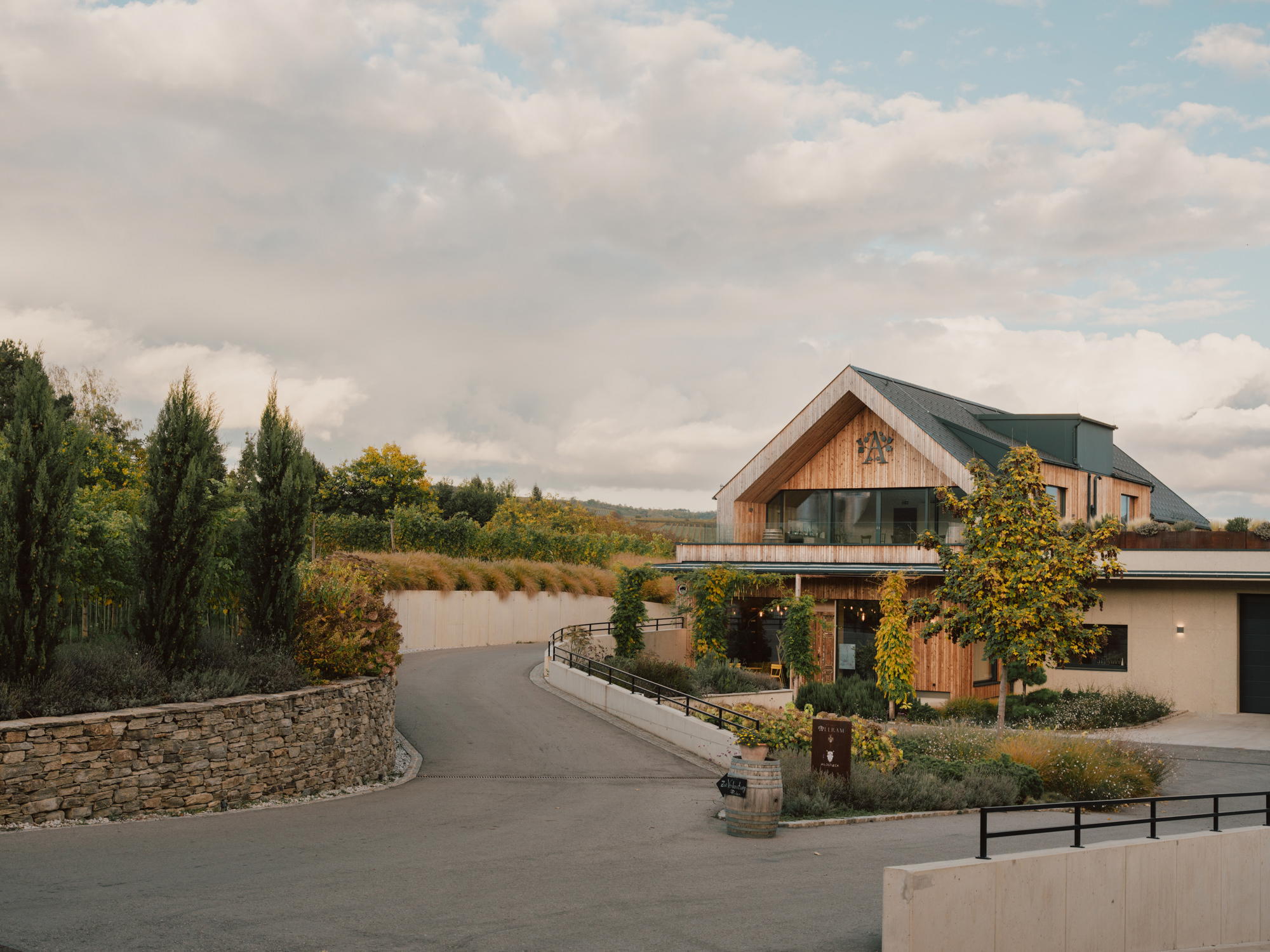
Bars in Schrattenthal
Browse all →
Restaurants in Schrattenthal
Browse all →
Details
- Quiet
- Rustic
- Scenic
- Classic
- Wine Education
- Group Outing
- Solo Exploration
- Estate Grounds
- Private Tasting
- Vineyard Tour
- Sustainable
- Vineyard
- Grüner Veltliner
- Riesling
- Zweigelt
- Pinot Noir
- Still White
- Still Red
- Sparkling
- Guided Tasting
- Private Tasting
Idyllic, hands-on winery atmosphere with a focus on precise, elegant wines shaped by the local landscape and manual vineyard work.