Weingut Stein

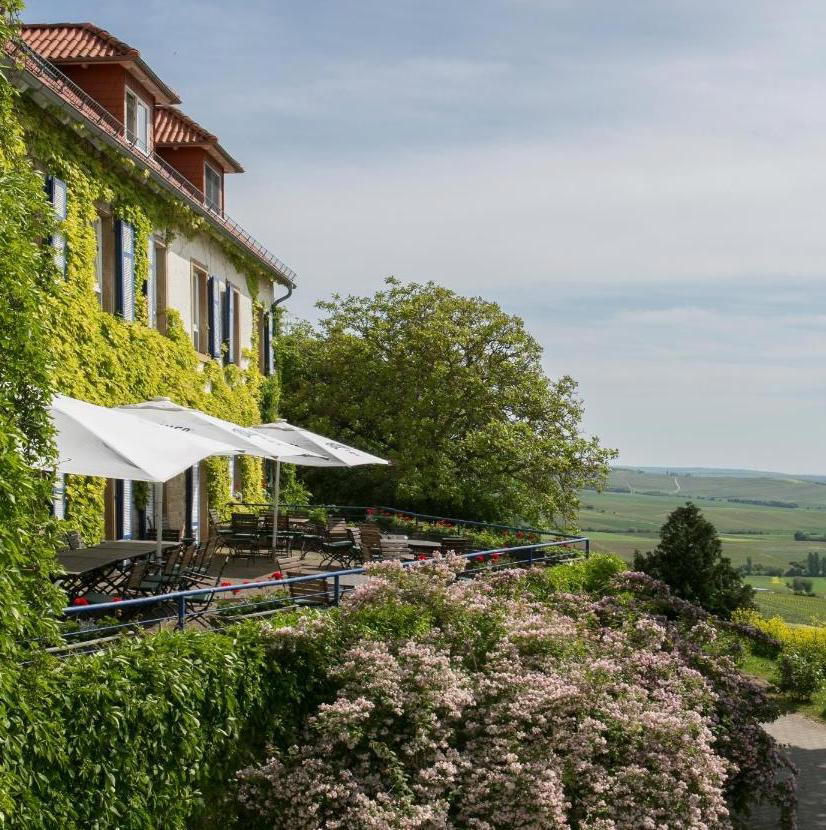
Weingut Stein is a small, family-run Nahe estate in Oberhausen shaped by more than 200 years of winegrowing continuity. Its appeal is not luxury polish or trophy-chasing visibility, but a quieter reading of place: vineyard-led production, ecological cultivation, steep-slope farming, and a traditional cellar-door rhythm rooted in the Nahe Valley.
Pearl is the En Primeur Club membership app — saves, bookings, and concierge access live there. Same editors, same standards.
- Address
- Oberhausen, Nahe, Rhineland-Palatinate, Deutschland
- Directions
- Get directions
 Saves & bookings on Pearl
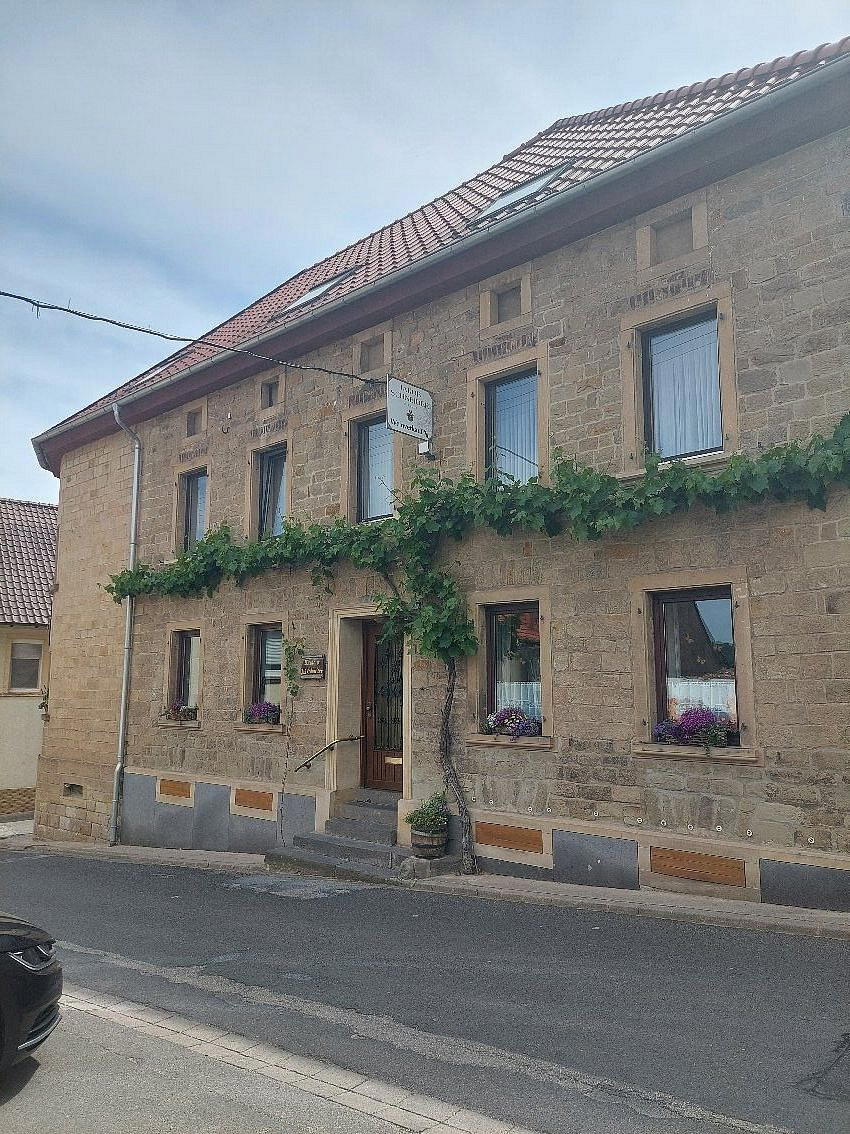
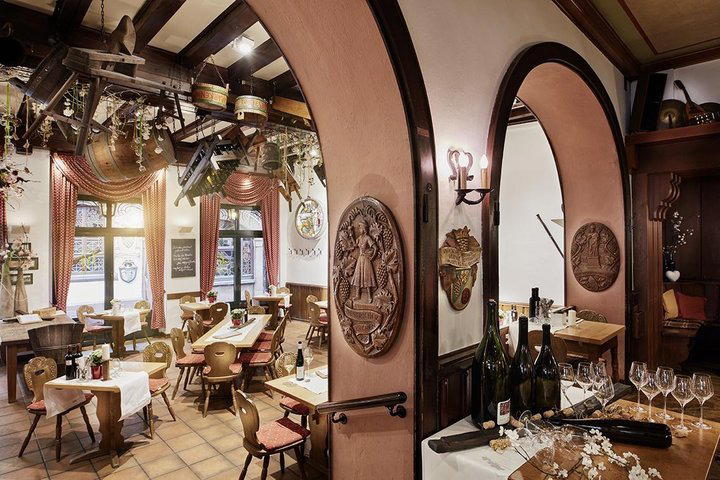
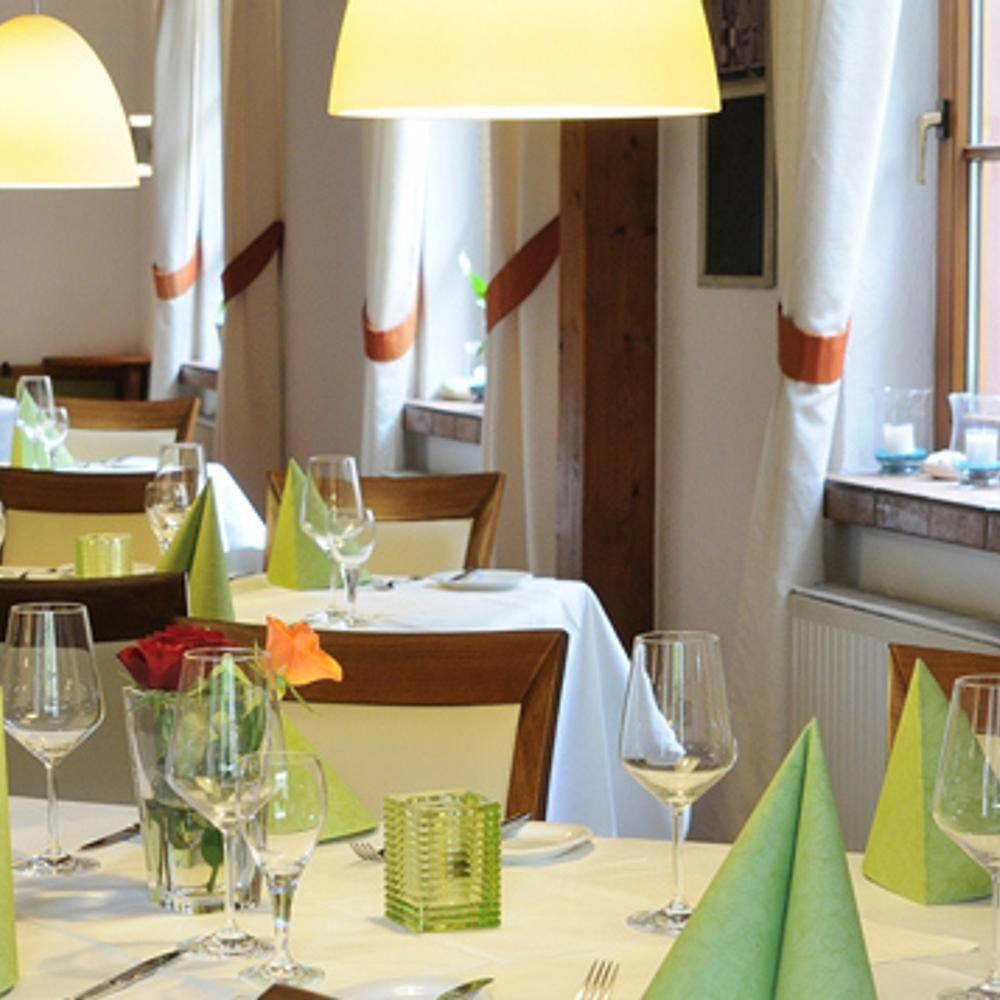
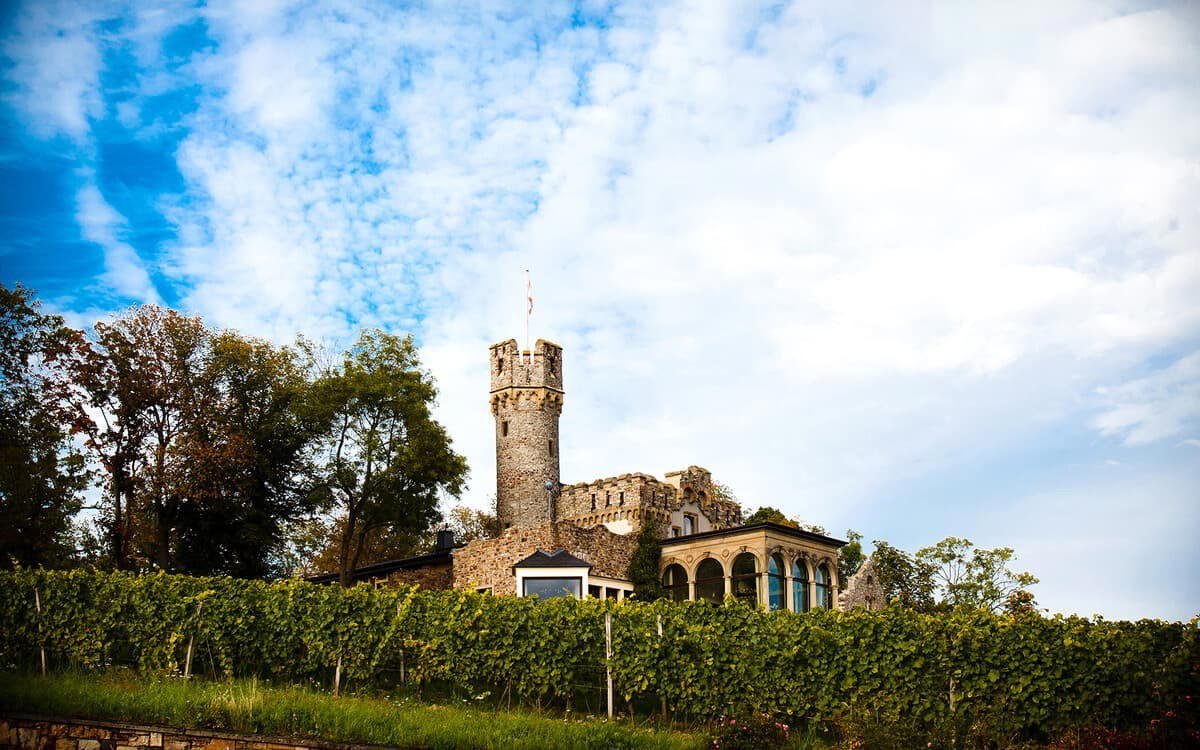
Weingut Stein in Oberhausen is best understood as a quiet, family-run winery rather than as a high-gloss destination built around spectacle. The picture is deliberately modest: a traditional winery atmosphere, a craft-focused approach, and an ecological mindset rooted in Nahe Valley heritage. That combination gives the venue its appeal for readers who value restraint, local continuity, and a sense of place over elaborate hospitality claims.
Because the confirmed information is limited, one honest way to frame Weingut Stein is through atmosphere and identity. It is described as rustic, classic, quiet, and somewhat hidden-gem in character. Those words point toward a low-key estate experience: not flashy, not presented as luxury-driven, and not dependent on public awards, celebrity ownership, or a heavily staged visitor format. The price indicator is $, which places it at the accessible end of the guide’s scale.
Nahe wine culture read through family continuity
The strongest context for Weingut Stein is its connection to Nahe Valley heritage. What can be said is simpler and more useful: this is a family-run winery in Oberhausen with an ecologically minded, craft-focused character.
That matters because the Nahe is often appreciated by travelers through its relationship between place, farming, and local wine culture. For the winery, the confirmed emphasis is not on luxury branding or trophy language, but on a traditional winery mood and a rooted sense of craft. Readers should treat it as a venue where the appeal comes from quiet regional identity rather than from a long list of public-facing amenities.
The ecological note is also important, but it should be kept proportionate. In editorial terms, that means the estate can be described as environmentally conscious in spirit, but not as proof of any particular technical standard unless that information is separately verified.
The tasting format favors conversation over ceremony
The confirmed atmosphere suggests a visit defined by understatement. The winery is traditional, rustic, classic, and quiet, with the feel of a family-run winery rather than a large entertainment venue. That is the useful expectation to set for readers.
For the right traveler, that restraint is a strength. The winery is likely to appeal most to people who want a calm Oberhausen winery with a craft-oriented identity and a sense of Nahe Valley continuity. The hidden-gem description should be read in that spirit: not as a claim of exclusivity, but as a signal that the venue’s character is quiet and local rather than highly commercial.
Expectations should remain practical. Visitors should therefore avoid assuming those features from the winery label alone. The reliable editorial takeaway is atmosphere: family-run, traditional, ecologically minded, and low-key.
Within Oberhausen, the winery is best positioned as a wine-focused stop rather than as a nightlife, hotel, or restaurant substitute. Other dining in Oberhausen can provide a separate context for meals, but the winery’s identity sits in the winery category. If comparing options, keep the comparison close and simple: the winery is the relevant named reference point here, and other local venues should be considered generically unless separately verified.
Where it fits in a wider German wine itinerary
The winery makes sense for travelers who appreciate small-scale atmosphere, family continuity, and a craft-focused reading of wine culture. The confirmed profile does not support claims about rankings, critic scores, awards, famous bottles, historic dates, named vineyard parcels, or a detailed drinks program. Its appeal is quieter: a traditional Oberhausen winery with Nahe Valley roots and an ecological sensibility.
That makes it a useful stop for a traveler whose itinerary is built around place rather than prestige. Instead of treating the venue as a trophy address, approach it as a grounded expression of local winery culture. The price indicator of $ reinforces that the guide’s emphasis should be on accessibility and atmosphere, not on luxury positioning.
The editorial case is therefore specific but restrained. The winery is a family-run winery in Oberhausen with a rustic, classic, quiet character and an ecologically minded, craft-focused approach connected to Nahe Valley heritage. That is enough to recommend it to readers who prefer understated regional character over elaborate claims. It should not be inflated beyond those facts.
Recognition history
Dated appearances from independent guides and award organizations, with the underlying list record or original source where available.
Falstaff Winery - 1 Stars
Falstaff
Continue exploring
More in Oberhausen
Wineries in Oberhausen
Browse all →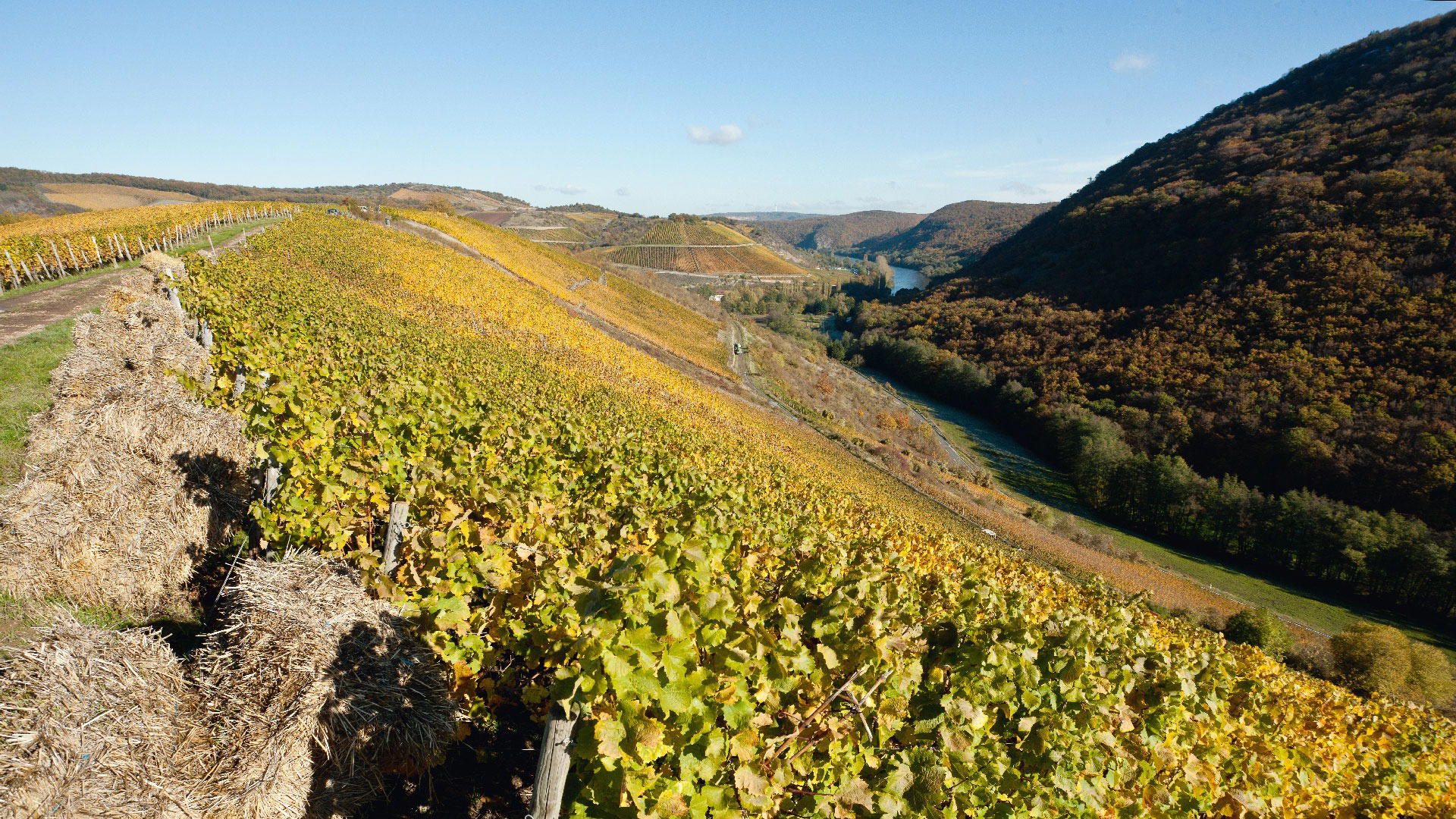
Bars in Oberhausen
Browse all →

Restaurants in Oberhausen
Browse all →
At a Glance
- Rustic
- Classic
- Quiet
- Solo Exploration
- Group Outing
- Wine Education
- Vineyard Tour
- Historic Building
- Sustainable
- Vineyard
- Nahe
- White
- Red
- Sparkling
- Still White
- Still Red
- Sparkling
- Wine Tasting
- Vineyard Tour
Traditional, family-run winery atmosphere with an ecologically minded, craft-focused approach rooted in Nahe Valley heritage.