Weingut Kramer

Falstaff Winery - Listed
Weingut Kramer is a family-run Falkenstein winery with roots documented to 1670, now led by Michael and Herbert Kramer in the sixth generation. Its Weinviertel identity is clear: Grüner Veltliner, Gelber Muskateller, Welschriesling, Weißburgunder, Sauvignon Blanc, Zweigelt and sparkling formats, shaped around nature-oriented viticulture and a 2019 rebuilt winery that pairs contemporary design with older elements.

Pearl is the En Primeur Club membership app — saves, bookings, and concierge access live there. Same editors, same standards.
- Address
- Falkenstein, Lower Austria, Österreich
- Directions
- Get directions

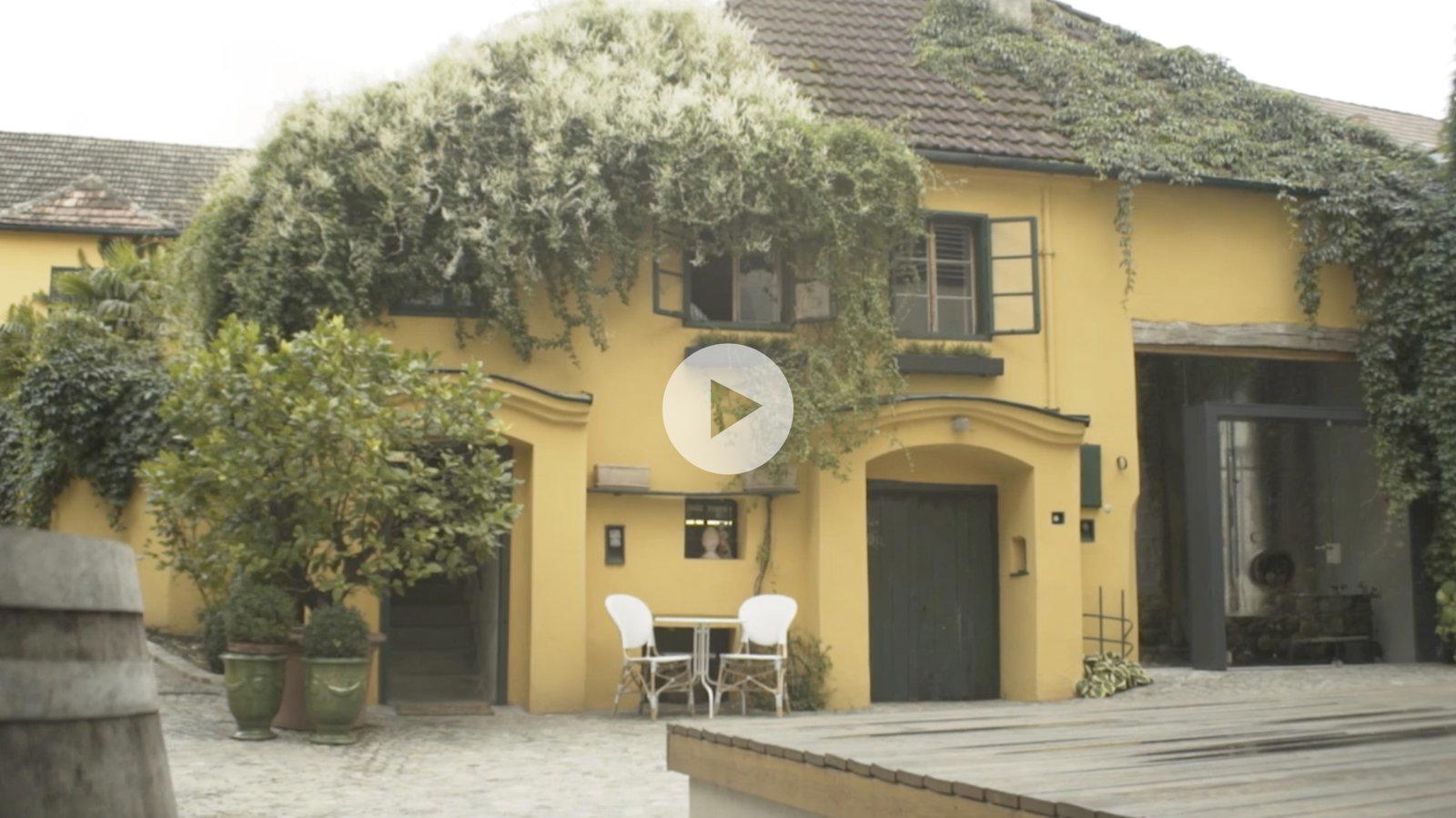
Weingut Kramer in Falkenstein is best understood through the few details that are rather than through a long list of assumed winery claims. The confirmed picture is of a modern-traditional winery setting: a structure rebuilt in 2019, combining contemporary design with older building elements, and an emphasis on natural winegrowing and relaxed enjoyment. That is enough to establish the venue’s basic character without overstating what is publicly here.
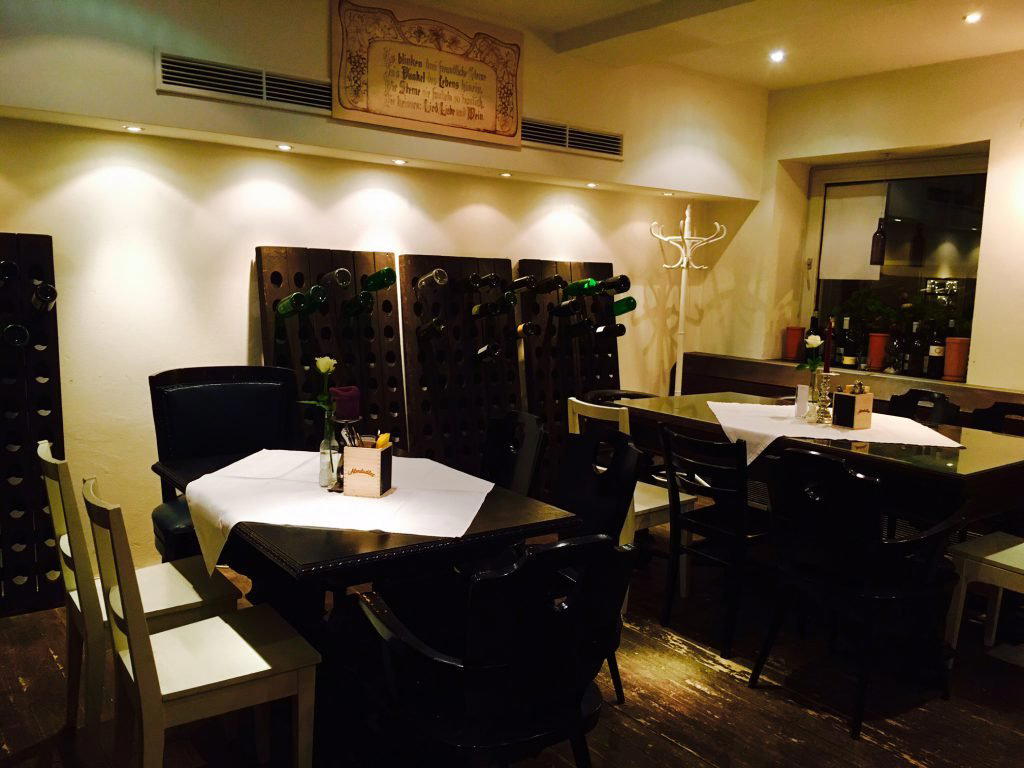
The useful starting point is atmosphere. Weingut Kramer is not presented as a formal fine-dining room, a high-concept tasting counter, or a nightlife venue. The available description points instead toward a modern, classic, cozy and rustic winery environment. In practical editorial terms, that means the appeal rests on the setting and the tone: Falkenstein, a rebuilt winery structure, old and new architectural elements, and an easygoing approach to wine enjoyment.
A modern-traditional winery setting in Falkenstein
The strongest detail is the 2019 rebuilt structure. That date matters because it gives the venue a clear architectural frame without requiring unsupported claims about a founding year, cellar history, ownership, vineyard size or production style. The building is described as contemporary while retaining older elements, so the honest reading is one of continuity rather than reinvention: a winery setting that uses modern design while keeping visible ties to its earlier fabric.
This balance is central to how Weingut Kramer should be positioned. “Modern” here should not be stretched into claims about a specific service format, a tasting-menu model, a named architect or a technical cellar program. “Traditional” should not be used to invent a family timeline, historical date or generational story. What can be said is simpler and more reliable: the venue presents a modern-traditional winery atmosphere in Falkenstein, with contemporary design softened by older building elements.
The mood descriptors also help set expectations. Modern, classic, cozy and rustic can coexist when a winery has been updated without losing the texture of older construction. For visitors, that suggests a place where the environment is part of the draw: not just a transactional stop, but a relaxed setting shaped by architecture, local context and winegrowing culture.
Natural winegrowing and relaxed enjoyment
Weingut Kramer is associated with an emphasis on natural winegrowing and relaxed enjoyment. That phrase should be handled carefully. It supports a general description of the winery’s outlook, but it does not verify specific certifications, farming methods, grape varieties, cellar techniques, bottle names or vintage details. The safest and most accurate interpretation is that the venue presents itself around a more natural, easygoing relationship to wine rather than a heavily formalized luxury experience.
That makes the price marker relevant. Weingut Kramer is listed as $$, which places it in a moderate bracket. The price category should not be translated into exact bottle prices, tasting fees, menu costs or purchasing advice unless those details are separately. Still, the combination of $$ pricing and relaxed enjoyment gives readers a useful high-level signal: this is framed as an accessible winery experience rather than a prestige-only destination.
Readers should treat the guide entry as an atmosphere-and-context profile, then confirm practical arrangements directly before making plans.
How to place it within a Falkenstein wine itinerary
Within Falkenstein, Weingut Kramer can be placed as a modern-traditional winery stop with a relaxed character.
For itinerary planning, that means Weingut Kramer works well as a venue to consider when the desired mood is calm, local and design-aware rather than showy. The appeal is not a confirmed award list, critic score, rare tasting format or elaborate culinary program. It is the simpler combination of Falkenstein location, modern-classic winery atmosphere, natural winegrowing language and relaxed enjoyment.
The editorial case is therefore intentionally focused. Weingut Kramer should be recommended for readers who value setting and tone, and who are comfortable verifying operational details independently. Based on the confirmed data, it is a $$ winery venue in Falkenstein with a modern-traditional, cozy and rustic feel, shaped by a 2019 rebuild that blends contemporary design with older building elements.
Recognition history
Dated appearances from independent guides and award organizations, with the underlying list record or original source where available.
Falstaff Winery - Listed
Falstaff
Continue exploring
More in Falkenstein
Wineries in Falkenstein
Browse all →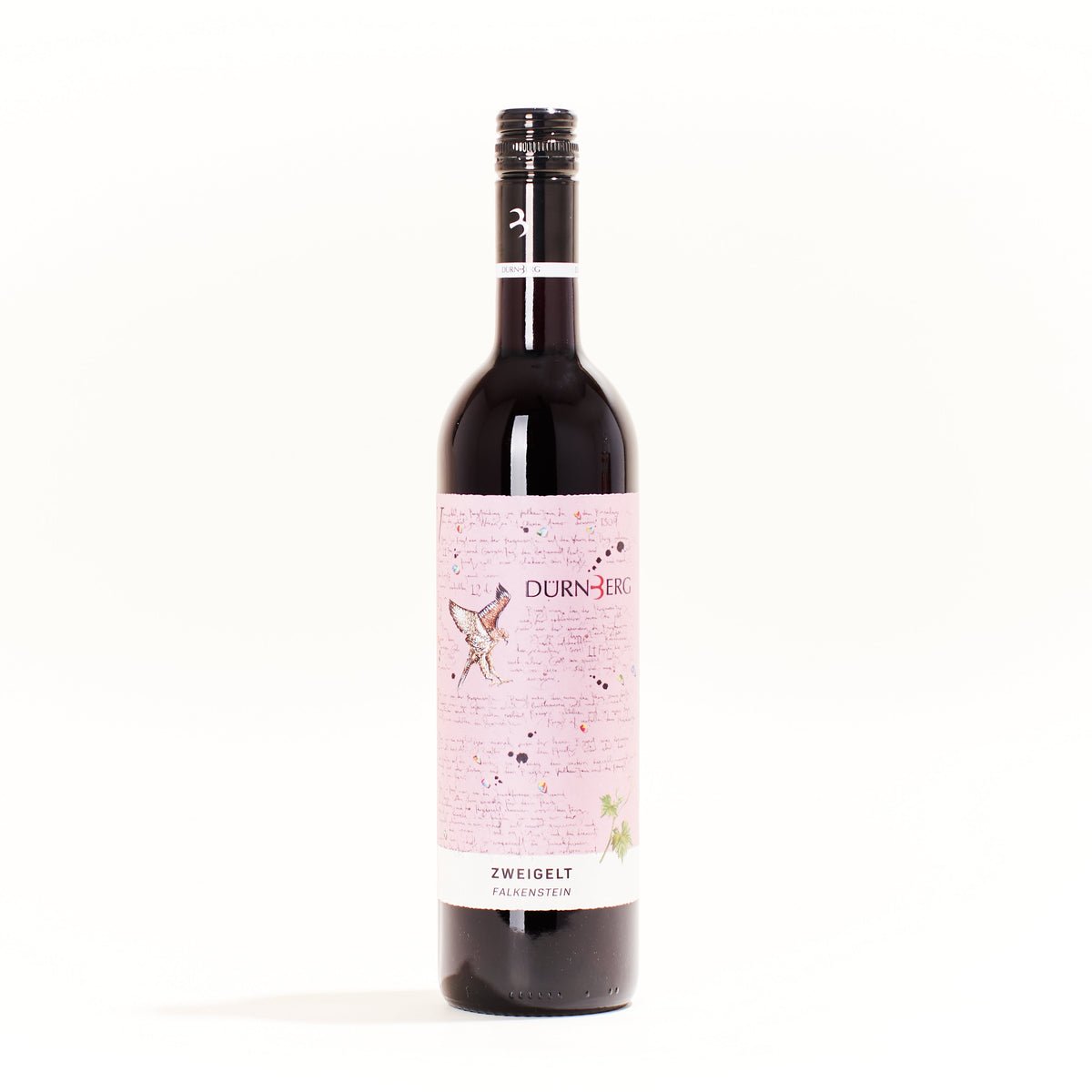
Bars in Falkenstein
Browse all →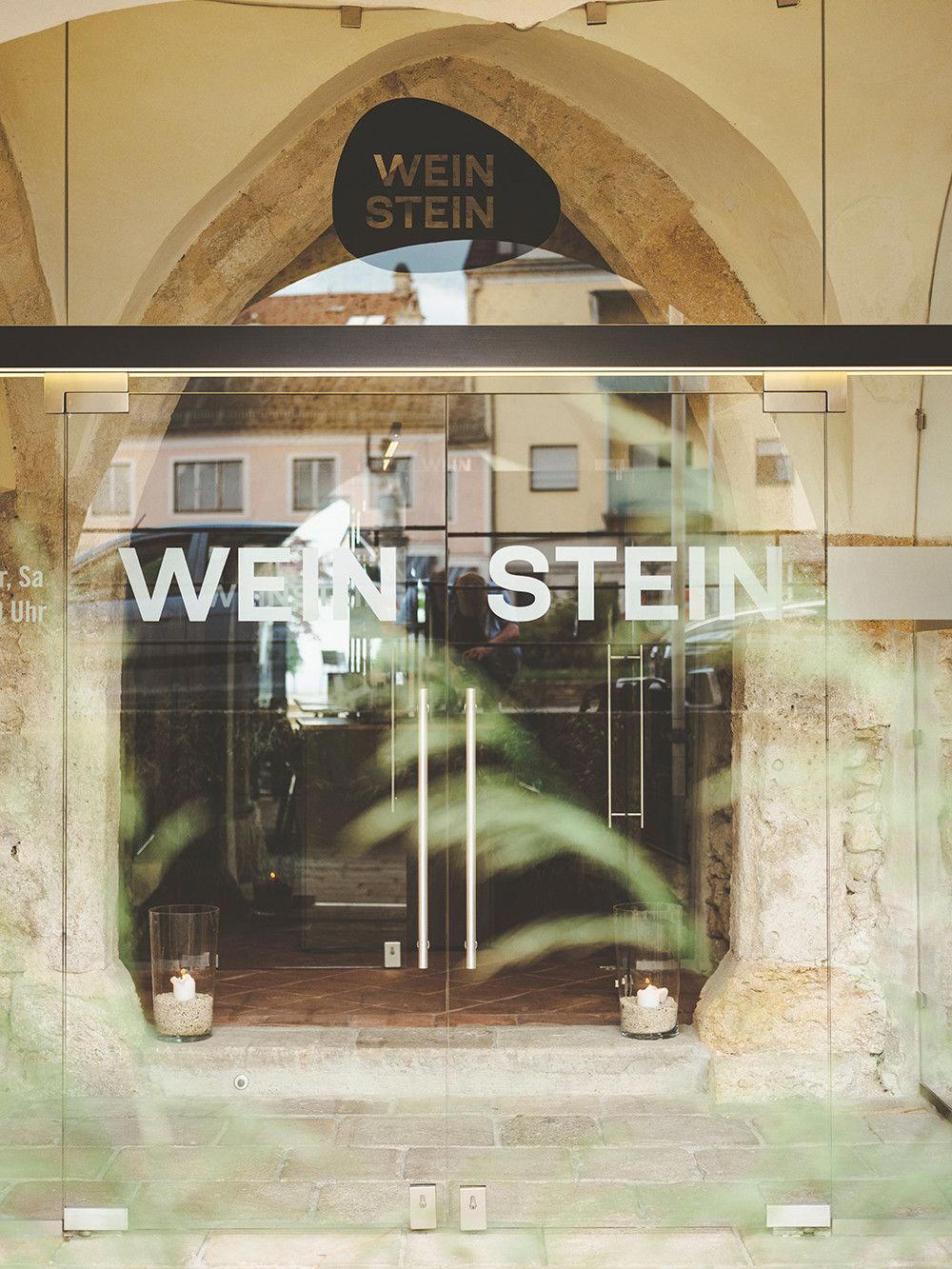

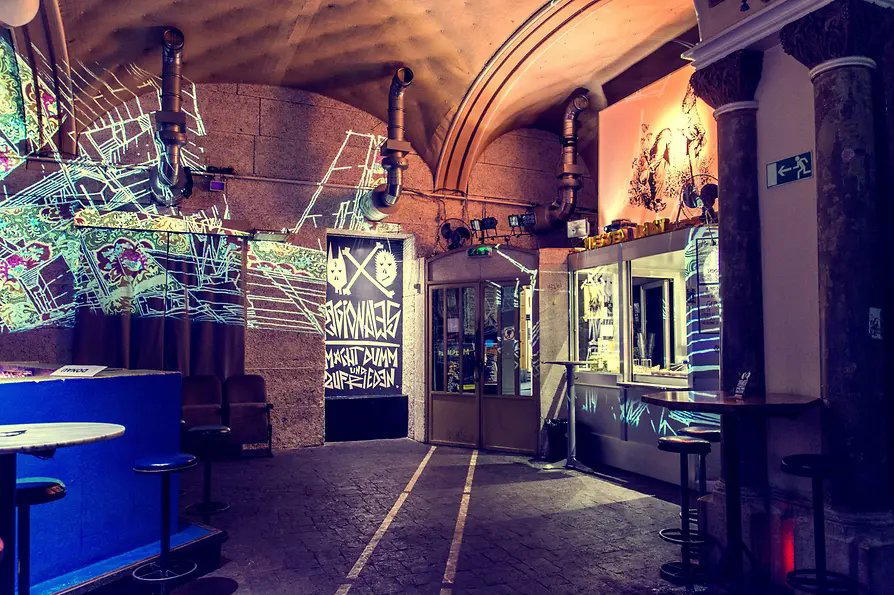
Restaurants in Falkenstein
Browse all →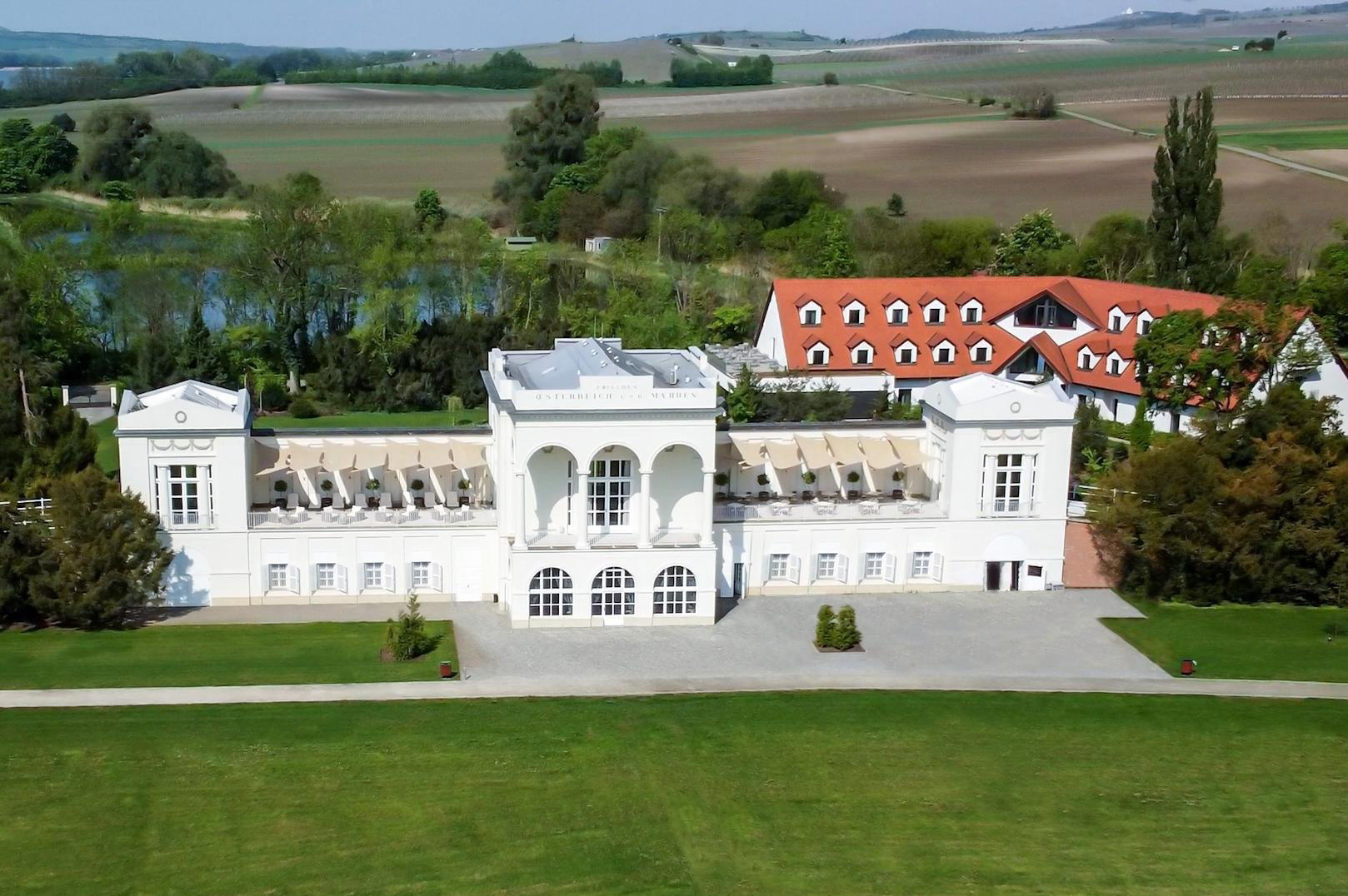
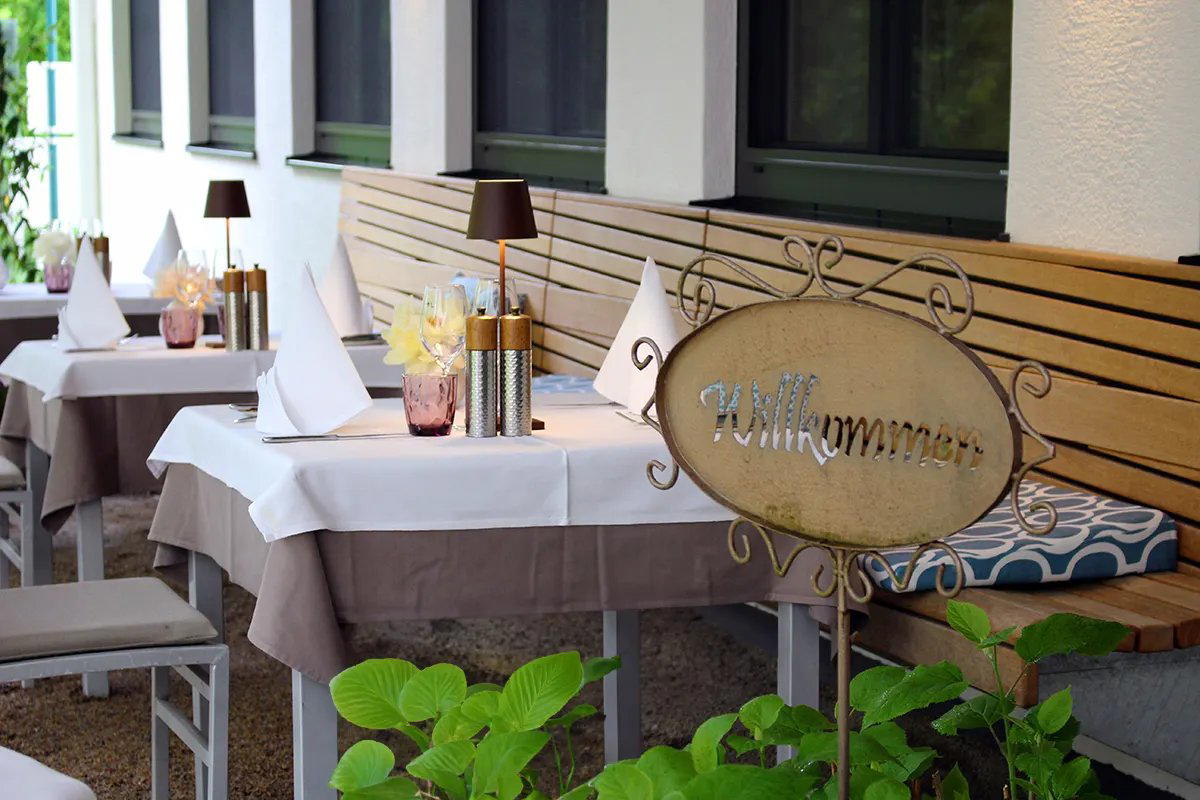
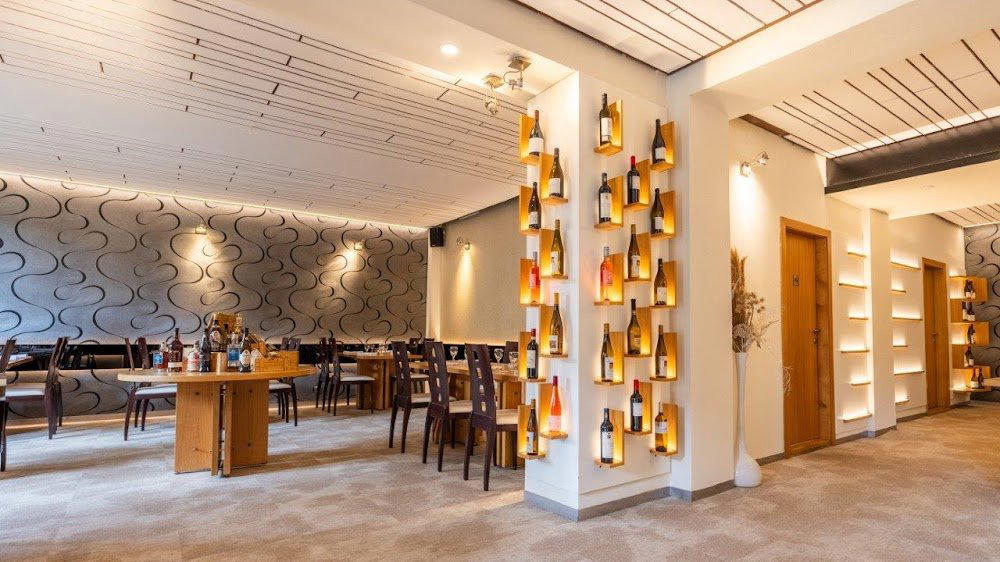
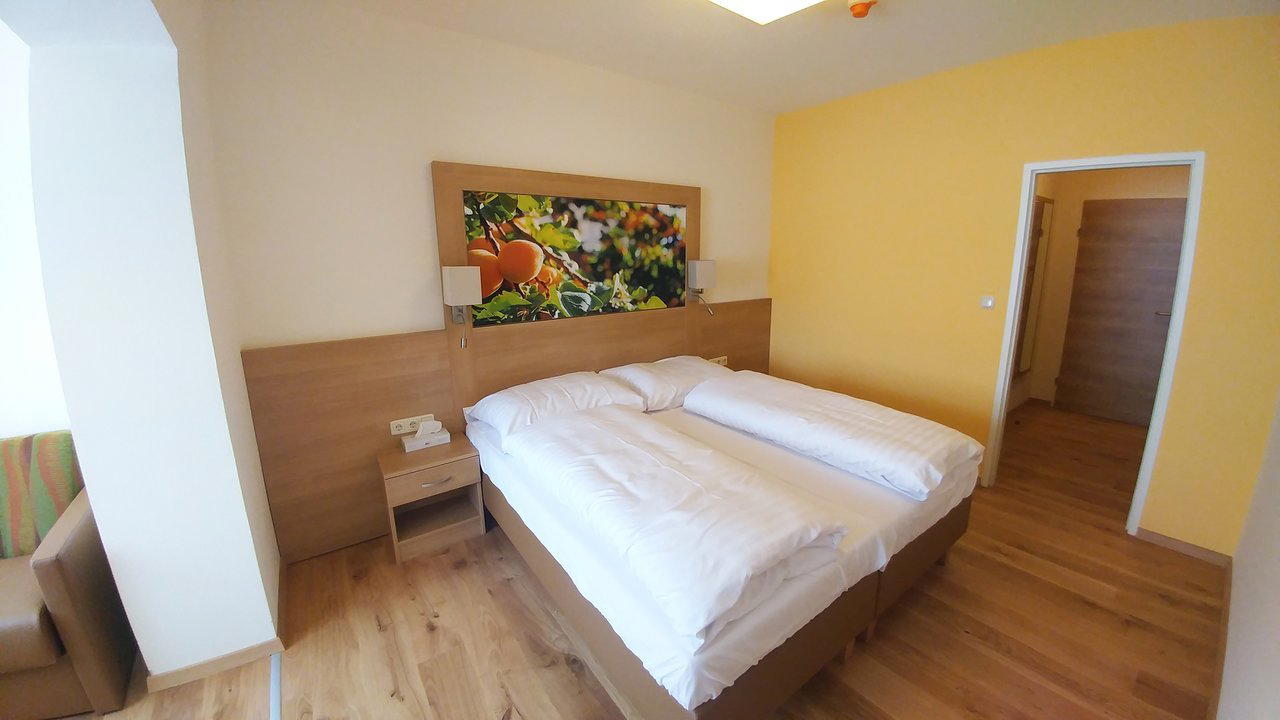
Hotels in Falkenstein
Browse all →
Details
- Modern
- Classic
- Cozy
- Rustic
- Wine Education
- Special Occasion
- Group Outing
- Solo Exploration
- Design Destination
- Historic Building
- Estate Grounds
- Sustainable
- Vineyard
- Grüner Veltliner
- Gelber Muskateller
- Welschriesling
- Weißburgunder
- Sauvignon Blanc
- Zweigelt
- Still White
- Still Red
- Sparkling
- Still Rosé
- Bottle Shop Tasting
- By Appointment Tasting
A modern-traditional winery setting with a 2019 rebuilt structure, combining contemporary design with older building elements, and an emphasis on natural winegrowing and relaxed enjoyment.