Borgo Agnese

On a quiet street in Brno's Střed district, Borgo Agnese sets a Mediterranean-influenced table inside a space where a glass-protected excavated church wall becomes part of the room. The menu moves between shrimp confit with saffron aioli, wild boar with cranberries and semolina, and gnocchi with goat cheese, available both à la carte and through curated tasting menus supported by a wine list spanning European labels.
Pearl is the En Primeur Club membership app — saves, bookings, and concierge access live there. Same editors, same standards.
- Address
- Kopečná 980, 602 00 Střed, Czechia
- Phone
- +420 515 537 500
- Website
- borgoagnese.cz
- Directions
- Get directions
 Saves & bookings on Pearl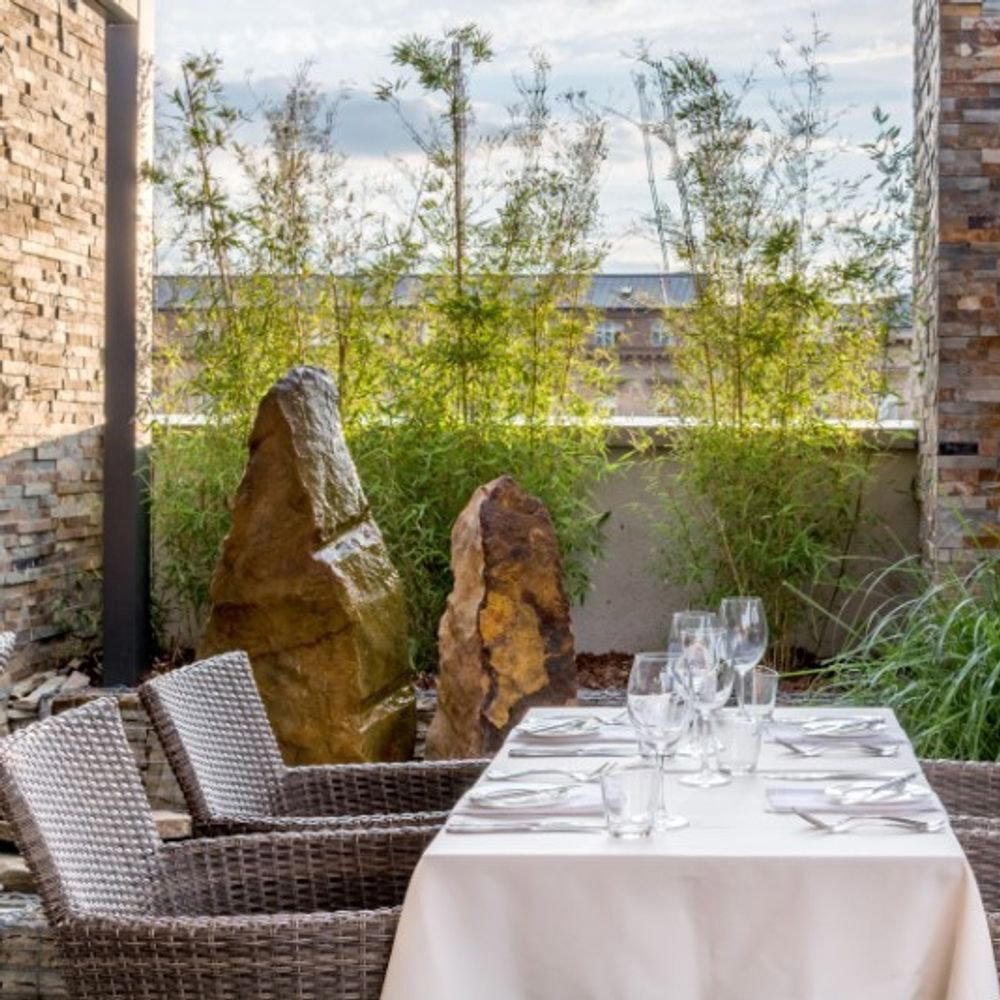
A Mediterranean Detour in Central Brno
In a city whose restaurant scene has been steadily broadening its frame of reference, the more pointed question is no longer whether Brno can sustain European cuisine beyond Czech tradition, but which formats that ambition takes. One strand leads toward steakhouse territory, represented locally by the likes of Pavillon Steak House and PRIME STEAK. Another threads through bistro and bar formats, as with ATELIER bar & bistro. Borgo Agnese is a contemporary Mediterranean restaurant in Brno, Czechia, with, served in a setting that bridges contemporary dining with the physical history of the building it inhabits.
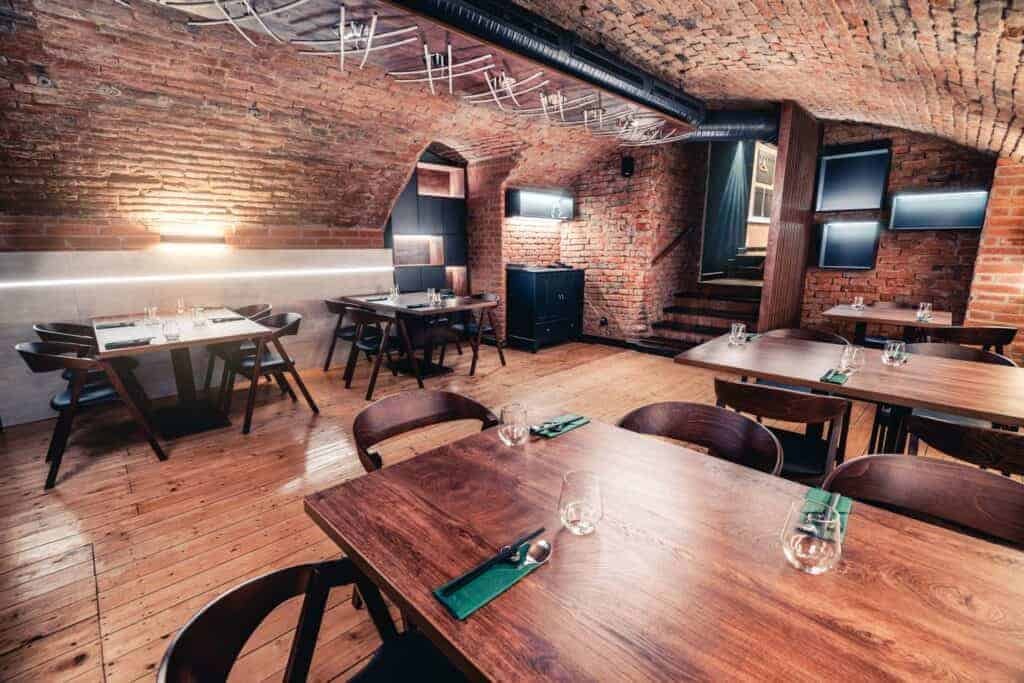
The address on Kopečná places the restaurant within Brno's Střed district, a central neighbourhood where the city's older fabric and its newer hospitality layer coexist. The approach to the room already signals a certain intention: the décor is bright and classically composed, but the defining detail is a section of excavated historical church wall, exposed and enclosed behind glass. It is architecture as context, not as theatre, and it sets a tone for a kitchen that similarly draws on older reference points while presenting them in a contemporary frame.
The Mediterranean Argument on a Central European Plate
Southern European cooking has always carried a particular weight as a transplant genre. Reproduced badly, it flattens into generic pasta and grilled fish. Reproduced thoughtfully, it requires attention to sourcing, technique, and the internal logic of how ingredients speak to each other across a menu. The dishes documented at Borgo Agnese suggest the latter orientation. Shrimp confit with potato, saffron aioli, and radish is a composition that takes its structural cue from the French-influenced coastal cooking of Provence and Catalonia: fat used as a cooking medium to preserve texture in shellfish, saffron as the aromatic marker of that tradition, radish as the acidic counter. The approach is technically specific, not decorative.
The gnocchi preparation, paired with mushrooms, pine nuts, beetroot, goat cheese, and herbs, works within a different Mediterranean grammar: the Italian north meeting the Adriatic, where earthy bitterness and dairy richness share the plate. Pine nuts anchor the dish to a pan-Mediterranean pantry that runs from Liguria to Lebanon. Wild boar with cream, cranberries, and semolina introduces Central European game into the mix, using semolina in a way that recalls Balkan and southern Italian polenta traditions rather than the heavier grain preparations of Czech cuisine. The menu's logic, taken together, is less "Italian restaurant" or "Spanish restaurant" than a broader argument about the shared language of European cooking along a Mediterranean axis.
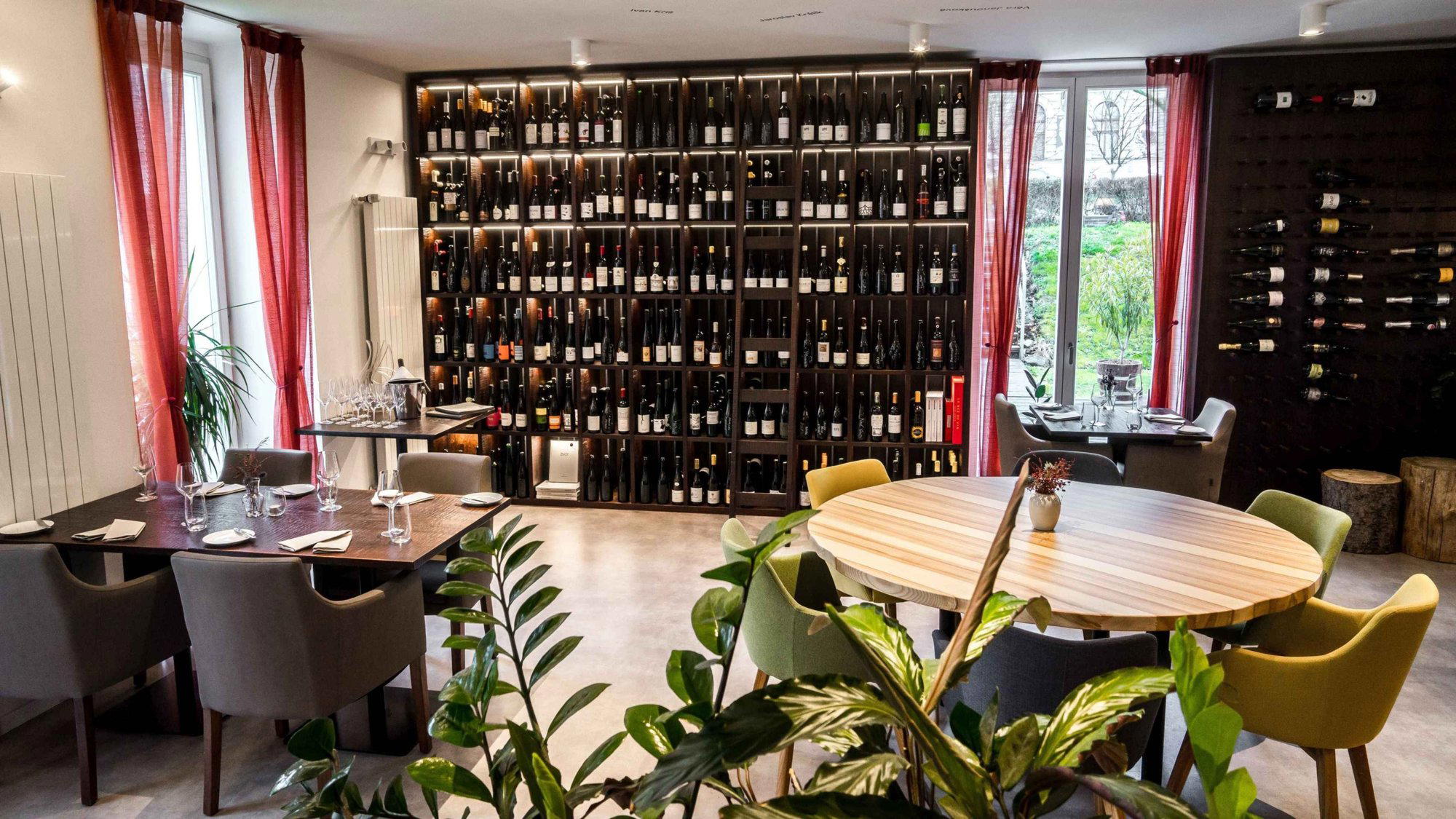
For Czech diners familiar with the Moravian wine country to the south, or with the broader European wine canon, the wine list at Borgo Agnese extends that conversation. The selection spans European labels, with the documentation noting some significant names in the range. Pairing a Moravian white with a saffron-accented seafood dish, or reaching for a southern French or Italian red alongside the boar, is the kind of decision this list is evidently calibrated to support. For context on what European fine dining wine programs look like at their most ambitious, the references point as far afield as Le Bernardin in New York City and the tasting-menu world of Atomix in New York City, where wine becomes a structural element rather than an afterthought.
Format and Flexibility
The menu operates on a structure that is less common in the mid-market than it deserves to be: a shared pool of dishes from which both à la carte and tasting menu paths are drawn. This means a diner who wants the full sequenced experience and one who wants to order selectively are working from the same kitchen output, with no quality differential built into the format itself. In Czech fine dining more broadly, this kind of structural hospitality signals confidence in the menu's range. La Degustation Bohême Bourgeoise in Prague represents the tasting-menu-only end of that spectrum; the restaurant's approach is more inclusive by design.
Service, as documented, is attentive and technically adept, which at this price and format level is the baseline expectation rather than a differentiator. What it does indicate is a front-of-house sensibility aligned with the kitchen's register: this is not a casual drop-in space, but it is not a forbiddingly formal one either. The setting's mix of classical elegance and exposed historical fabric creates a room that reads as considered without being stiff.
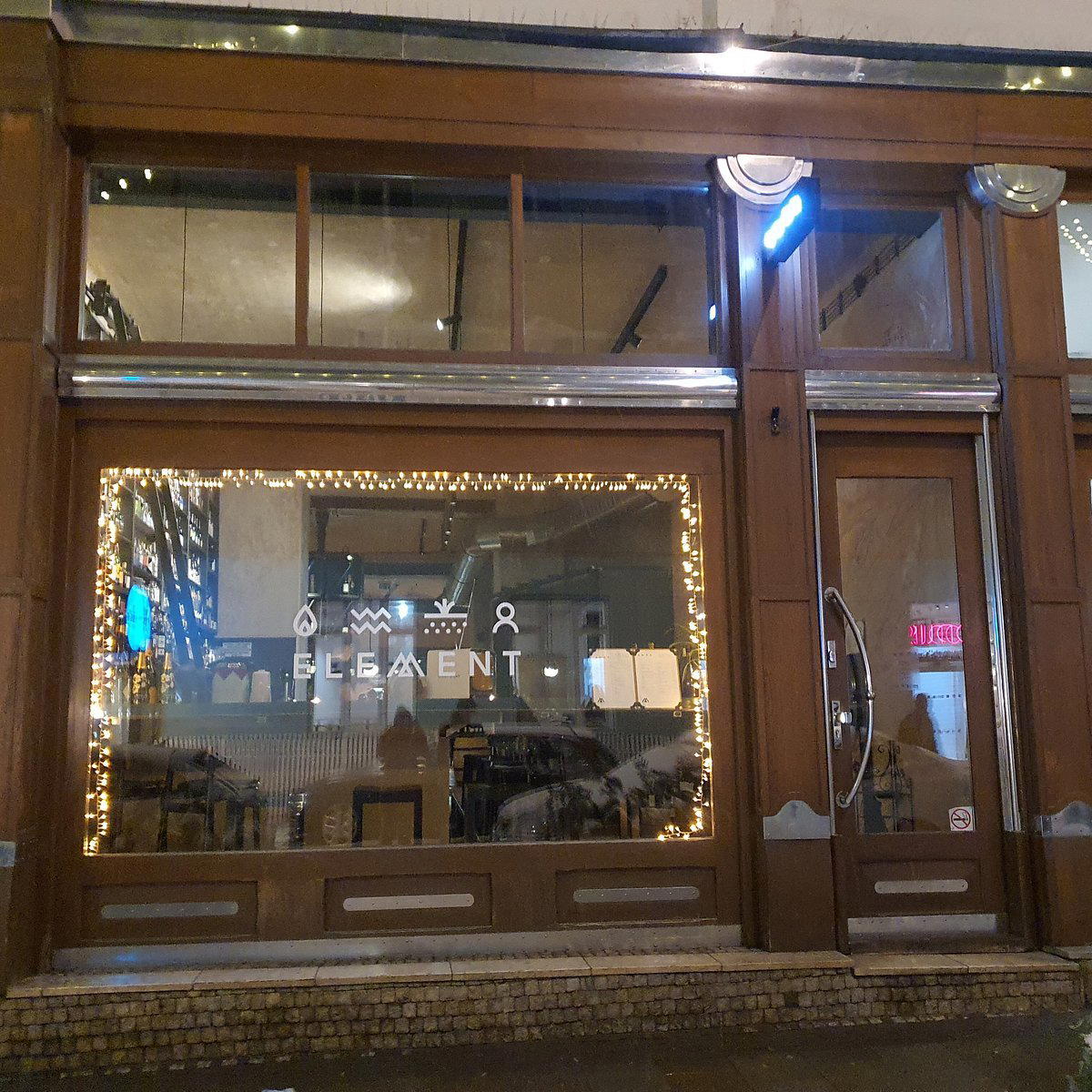
For those exploring the broader restaurant scene in Brno, ELEMENT and Kohout NA VÍNĚ represent other points on the city's dining compass.
Planning Your Visit
The restaurant is located at Kopečná 980, 602 00 Střed, Brno. Reservations are advisable for a kitchen and room of this character, particularly on weekend evenings when Brno's dining scene concentrates its demand. Reservations are recommended, and the restaurant is open Tue to Fri from 5 PM to 12 AM, Sat from 12 PM to 12 AM, and closed Mon and Sun. The à la carte format offers entry at a single-dish level, while tasting menus provide the fuller picture. Either way, the wine list warrants attention alongside the food.
Price Lens
Comparable venues nearby, for context on price, style, and recognition.
| Venue | Cuisine | Price | Awards | Notes |
|---|---|---|---|---|
| Borgo AgneseThis venue — the venue you are viewing | Brno-Střed, Contemporary Mediterranean | $$$$ | Michelin Plate | Not listed |
| Pavillon Steak House | city centre, New York-Style Steakhouse | $$$$ | Michelin Plate | Not listed |
| Kohout NA VÍNĚ | Not listed | $$$ | Michelin Plate | Brno centre, Modern European with Coq au Vin |
| PRIME STEAK | Královo Pole, Steakhouse | $$$$ | Michelin Plate | Not listed |
| Konoha | Not listed | $$ | Not listed | Žabovřesky, Modern Japanese Sushi & Omakase |
| BRATRS | Bystrc, Modern Fusion Bistro | $$ | Not listed | Not listed |
Recognition history
Dated appearances from independent guides and award organizations, with the underlying list record or original source where available.
Michelin Plate
Michelin
Continue exploring
More in Brno
Restaurants in Brno
Browse all →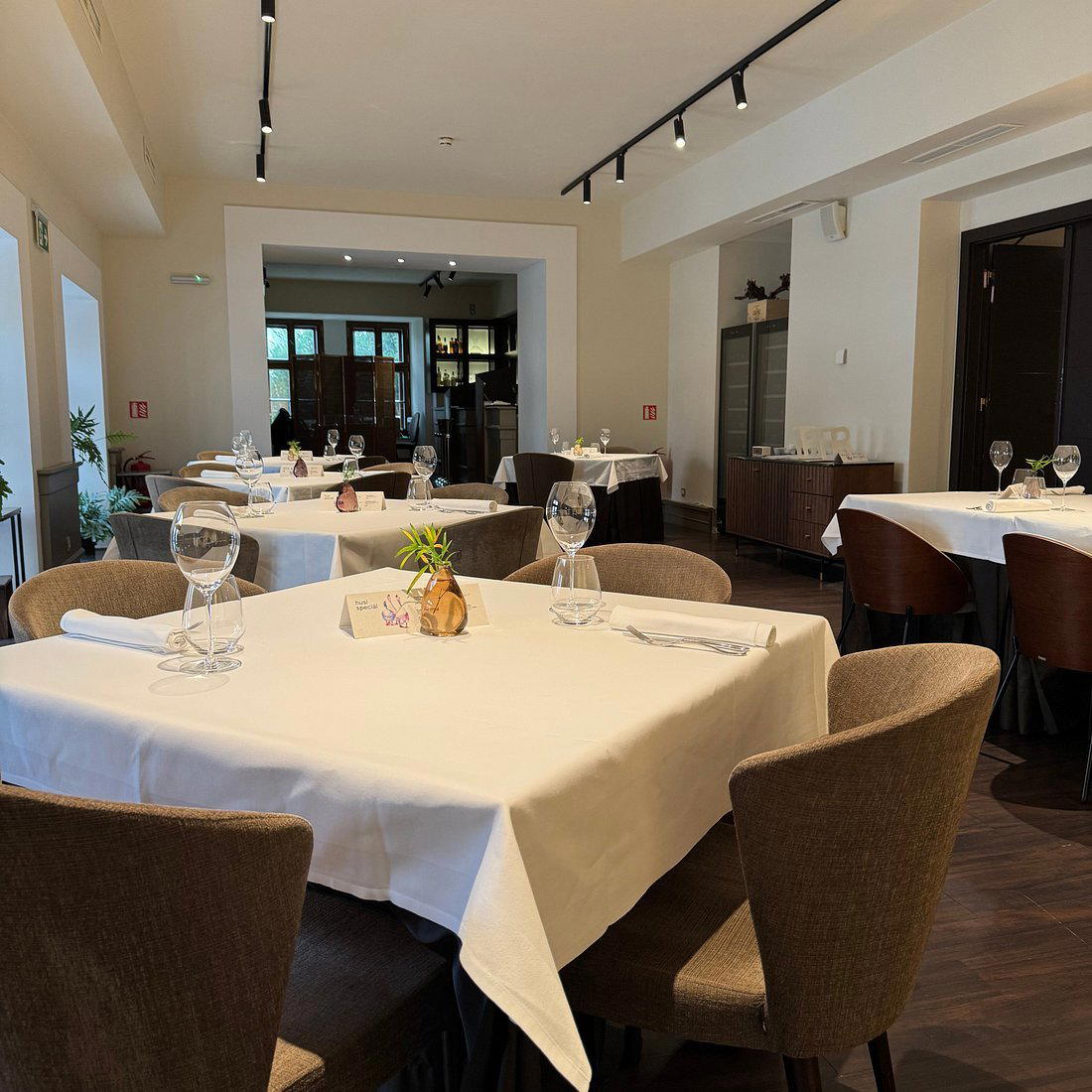

At a Glance
- Elegant
- Sophisticated
- Classic
- Intimate
- Date Night
- Special Occasion
- Business Dinner
- Private Dining
- Terrace
- Historic Building
- Extensive Wine List
- Local Sourcing
- Street Scene
Current opening hours
- Monday
- Closed
- Tuesday
- 5 PM–12 AM
- Wednesday
- 5 PM–12 AM
- Thursday
- 5 PM–12 AM
- Friday
- 5 PM–12 AM
- Saturday
- 12 PM–12 AM
- Sunday
- Closed
Hours can change for holidays and private events. Last verified .
Bright and classically elegant setting with modern Czech decor and a distinctive historical element.