Weingut Josef Burger

Weingut Josef Burger is a family-run Kamptal winery in Langenlois with winemaking roots dated to 1812 and 20 hectares of vines in Zeiselberg-Gobelsburg. The appeal is classic Lower Austrian range rather than spectacle: fruit-led whites, rosé, structured reds and reserve bottlings shaped by gentle pressing, cool fermentation and oak maturation for red wines.
Pearl is the En Primeur Club membership app — saves, bookings, and concierge access live there. Same editors, same standards.
- Address
- Langenlois, Kamptal, Lower Austria, Österreich
 Saves & bookings on Pearl
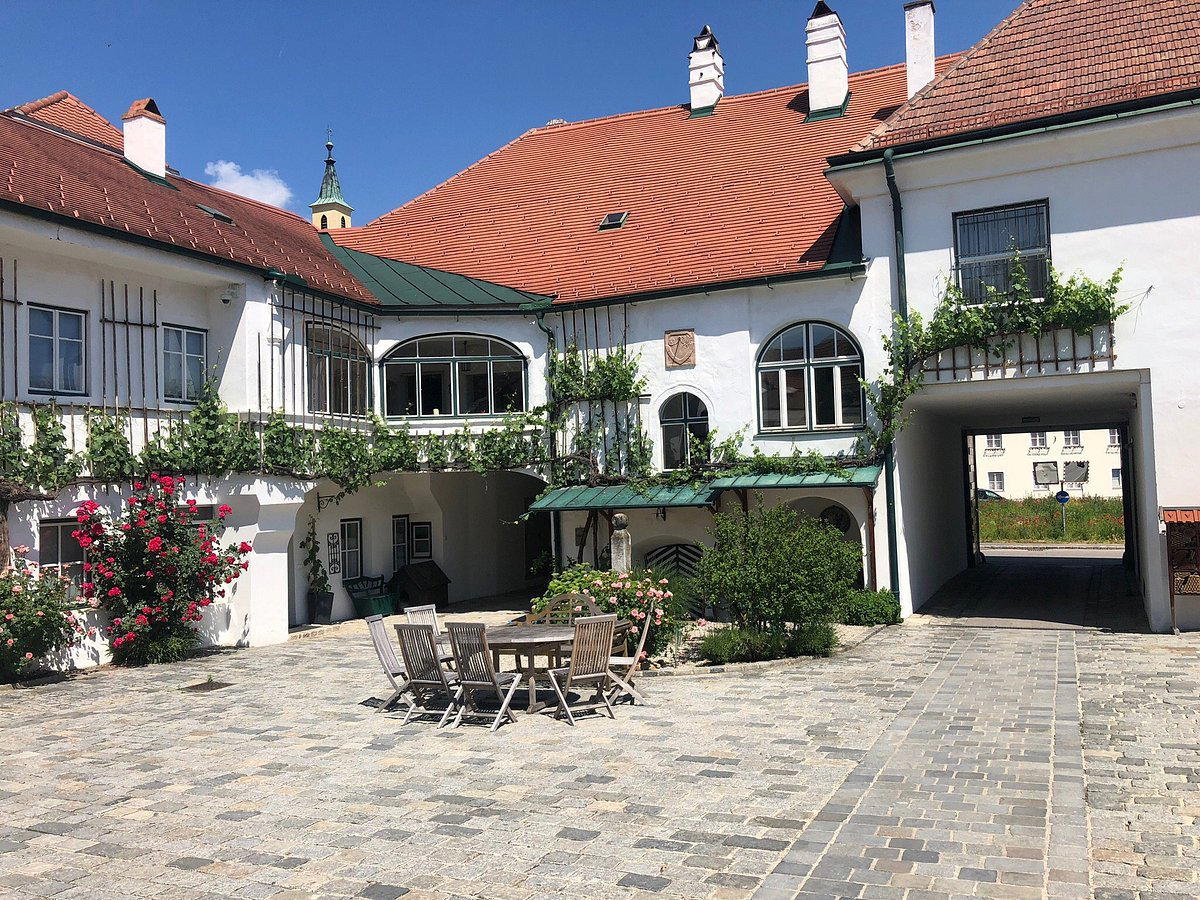
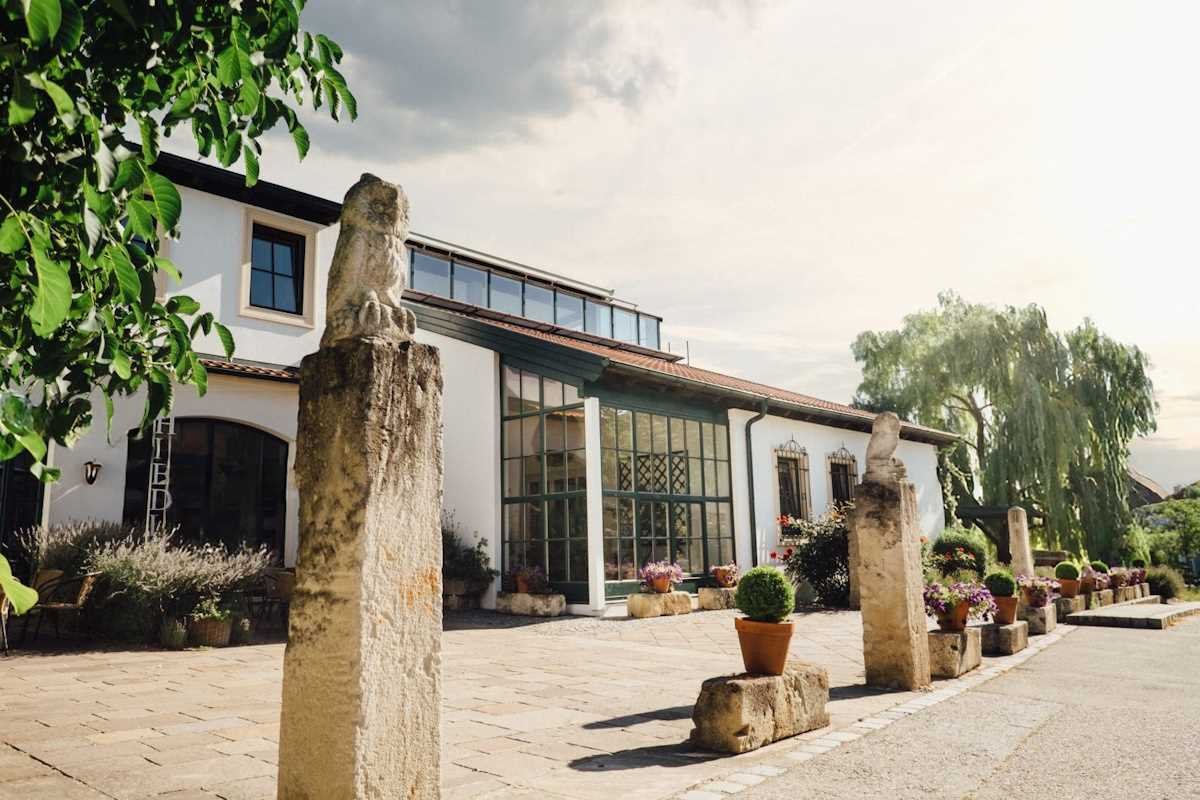
Weingut Josef Burger is a family-run winery in Langenlois, presented with a long winemaking tradition and a classic, rustic sense of place. The picture is not one of a restaurant, bar, or design-led hospitality venue; it is a wine estate whose identity rests on family continuity, grape handling, and a direct connection to the surrounding wine country.
One useful way to understand the estate is through its stated production approach. Grapes are gently pressed, fermentation is slow and cool, and the resulting style emphasizes fruit-forward white wines alongside barrel-aged reds. Those details are specific enough to give the winery a clear profile without needing to add claims about exact vineyard size, named varieties, tasting formats, awards, scores, or appointment policies.
For visitors planning time in Langenlois, that makes Weingut Josef Burger a direct choice for those who value traditional wine production and a scenic, rustic setting. It should not be framed around luxury service, elaborate dining, or a trophy-driven reputation unless those details are confirmed elsewhere.
Classic family-winery character in Langenlois
The language around Weingut Josef Burger points toward classicism rather than spectacle. “Family-run,” “long winemaking tradition,” “gently pressed grapes,” and “slow, cool fermentation” all describe a producer focused on careful handling rather than theatrical presentation. In practical terms, that means the winery is best approached as part of a wine-focused visit to Langenlois, not as a substitute for a full restaurant experience.
The style notes are especially useful because they describe both white and red wine direction. The white wines are described as fruit-forward, which suggests an emphasis on clarity and freshness. The reds are barrel-aged, which gives a grounded indication of cellar work and structure without making unsupported claims about specific barrels, varieties, cuvées, or aging periods.
That restraint matters for a premium venue guide. Many winery pages are tempted to fill gaps with assumed regional details, named grapes, invented tasting-room formats, or historical dates. Here, the confirmed facts are narrower but still meaningful. The winery can be recommended for travellers who want a traditional Langenlois winery profile: family ownership, gentle grape handling, cool fermentation, fruit-led whites, barrel-aged reds, and a scenic, rustic atmosphere.
What the production details actually tell you
Gentle pressing is a useful signal because it points to a careful approach at the start of winemaking. It does not, by itself, confirm a particular grape variety or wine label, but it does support the broader reading of a winery that values clean fruit expression. Slow, cool fermentation reinforces that reading, particularly for white wines where aromatic precision and freshness are often central to the drinking experience.
The barrel-aged red-wine detail adds a second dimension. It indicates that the winery is not described only through light, fresh whites; the estate also works with reds in a more structured cellar context. Still, it is enough to distinguish the winery from a page that can say only “wine is made here.”
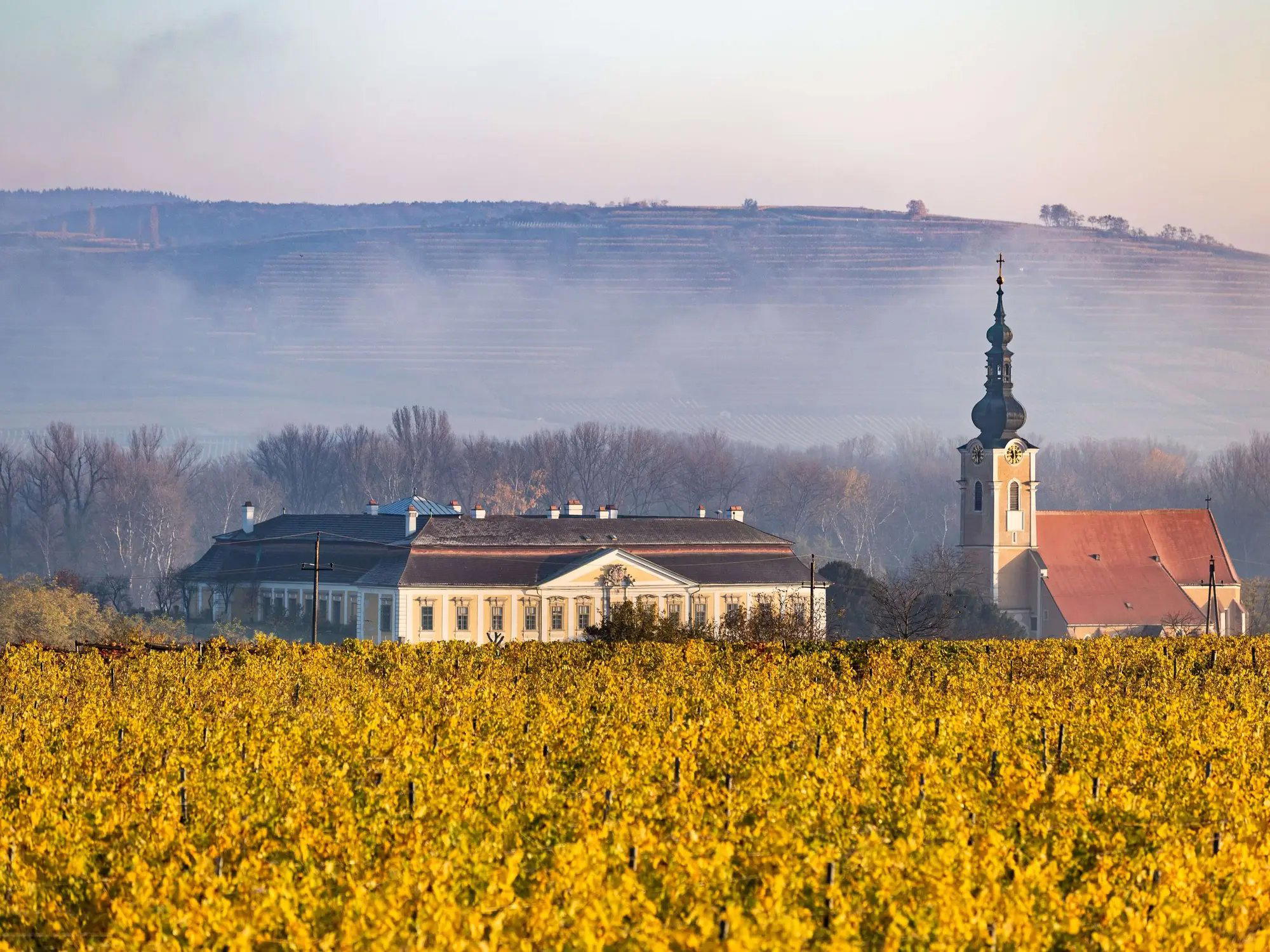
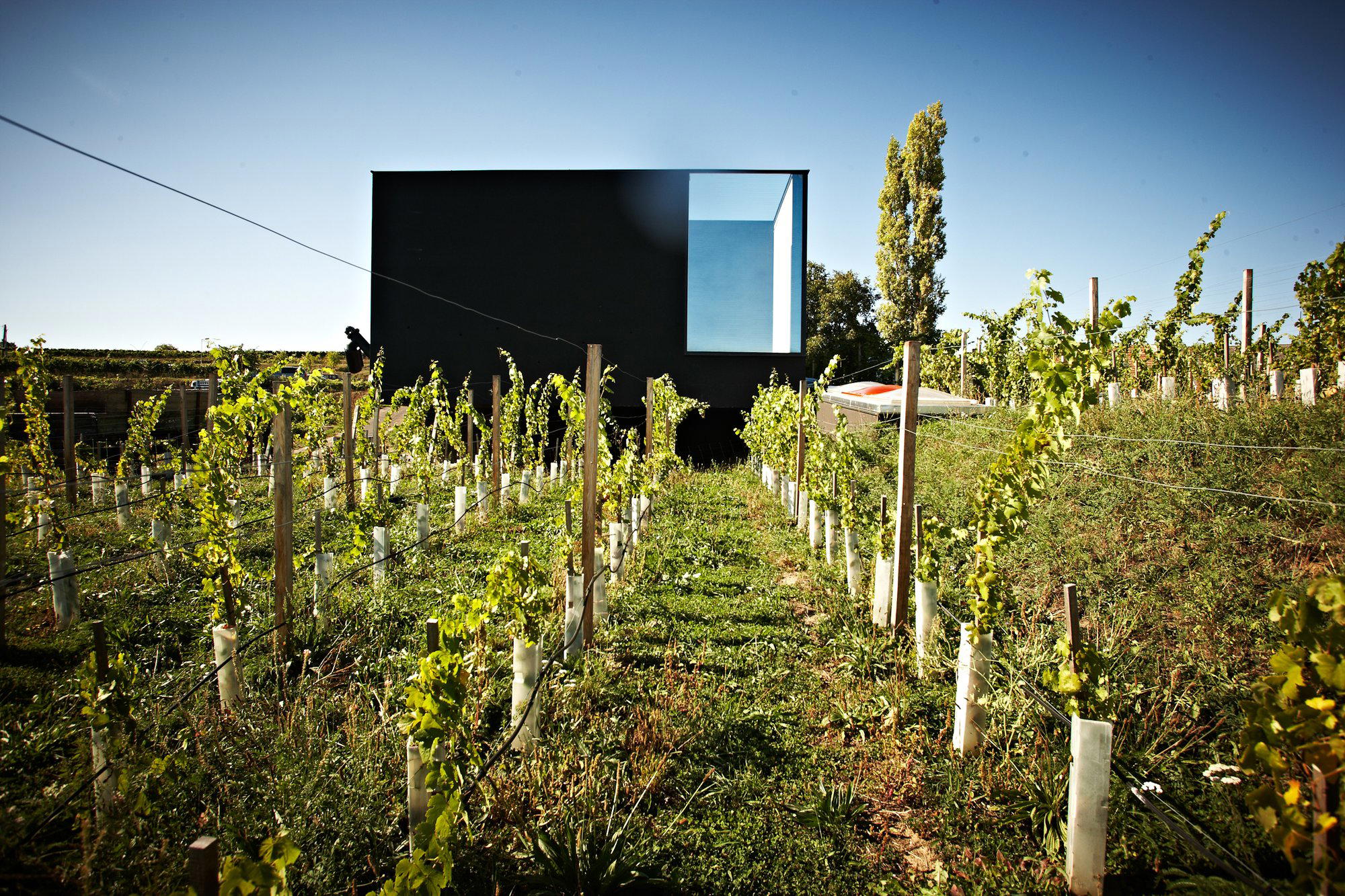
The setting also has value. The atmosphere is scenic, rustic, and classic. Those words are modest, but they are helpful for expectation-setting. Visitors should expect a traditional wine-country character rather than a heavily staged hospitality concept. That makes the estate better suited to travellers who appreciate place, continuity, and production method than to those looking for a highly specified dining or cocktail experience.
Who should put this on a Langenlois wine route
The winery works well for visitors building a wine route around Langenlois and looking for a family-run producer with a clear, traditional profile. The strongest reasons to include it are the long winemaking tradition, the gentle pressing of grapes, slow and cool fermentation, fruit-forward white wines, barrel-aged reds, and a scenic rustic setting.
It is also a good example of how to evaluate a venue when the public-facing data is limited. The absence of confirmed awards, critic scores, exact opening hours, specific tasting arrangements, or detailed menu information should not be filled in with assumptions. Instead, the decision should rest on what is actually known: this is a $$ winery in Langenlois with family-run character and a production approach centered on careful grape handling and fruit expression.
Travellers comparing options in the area can look at other dining and wine stops in Langenlois generically, but the winery’s own case is specific enough without naming unrelated venues. Its appeal is quiet and grounded: a classic family winery, a rustic scenic atmosphere, and wines described through fruit-forward whites and barrel-aged reds rather than hype, rankings, or unsupported claims.
Recognition history
Dated appearances from independent guides and award organizations, with the underlying list record or original source where available.
Falstaff Winery - Listed
Falstaff
Continue exploring
More in Langenlois
Wineries in Langenlois
Browse all →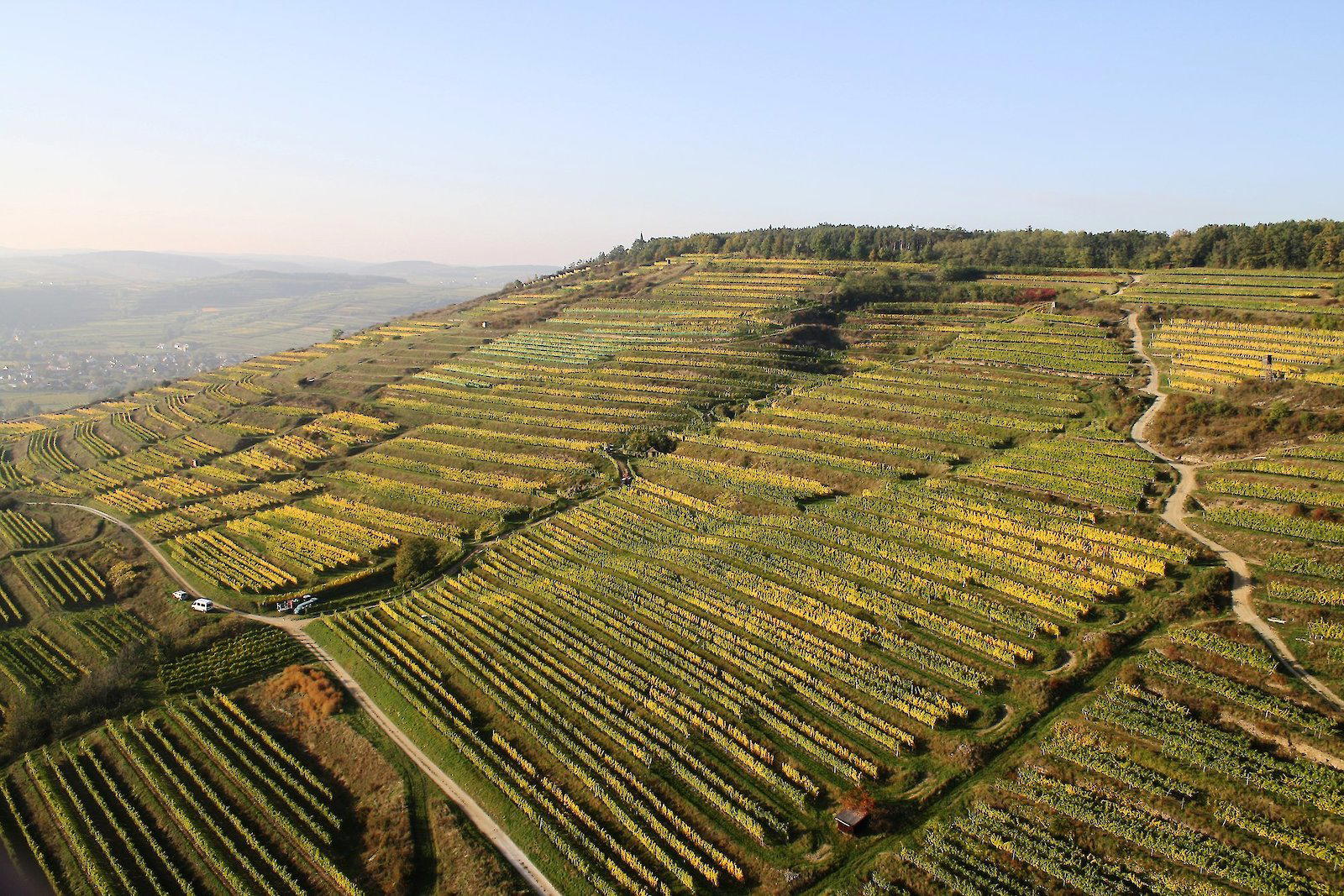
Bars in Langenlois
Browse all →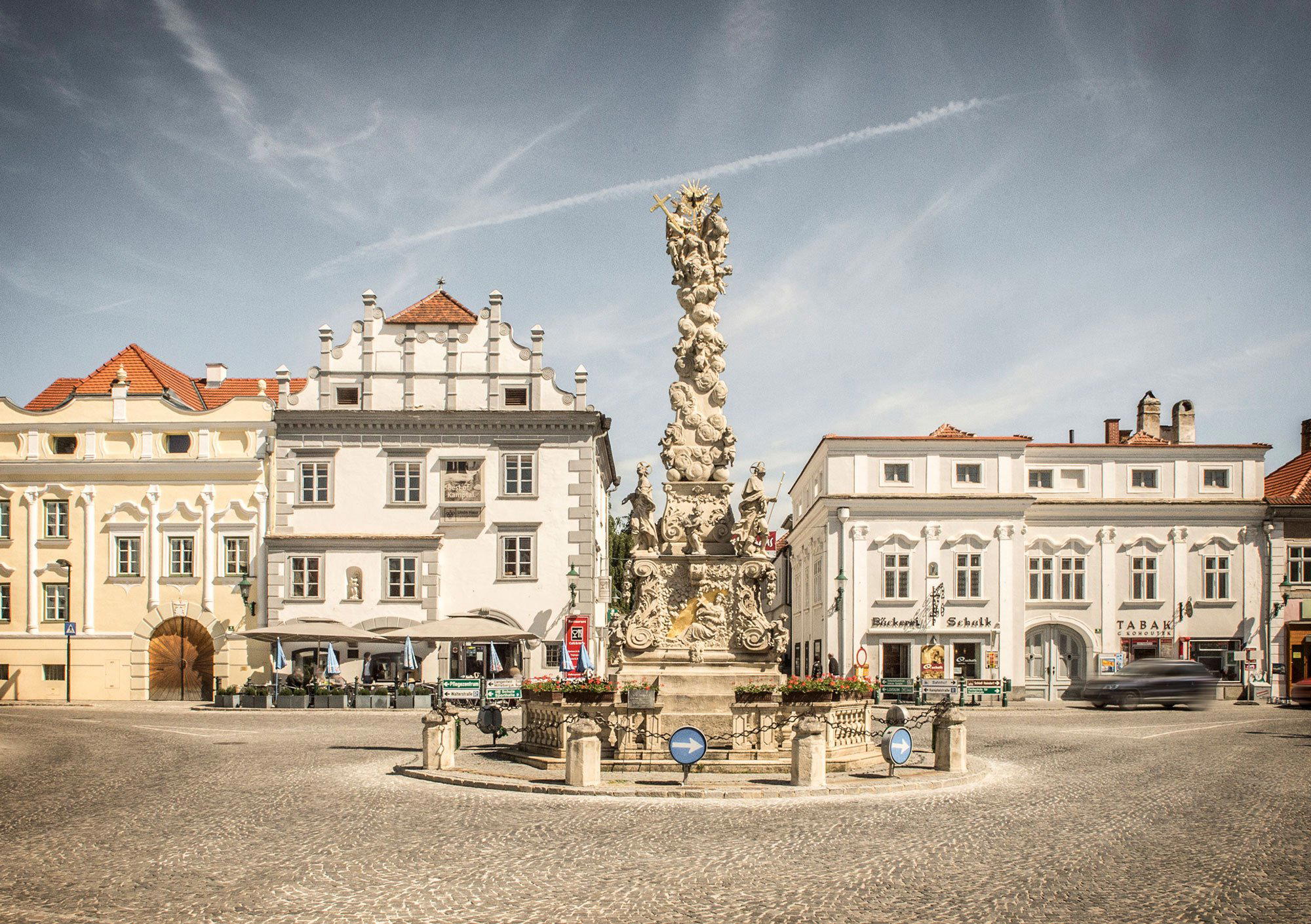
Restaurants in Langenlois
Browse all →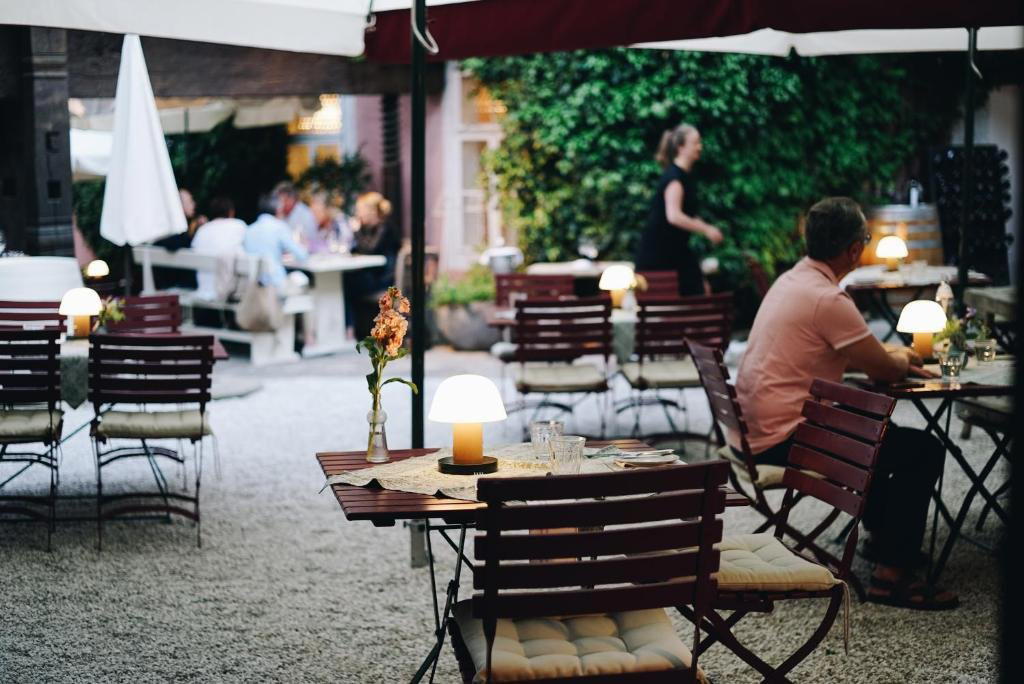
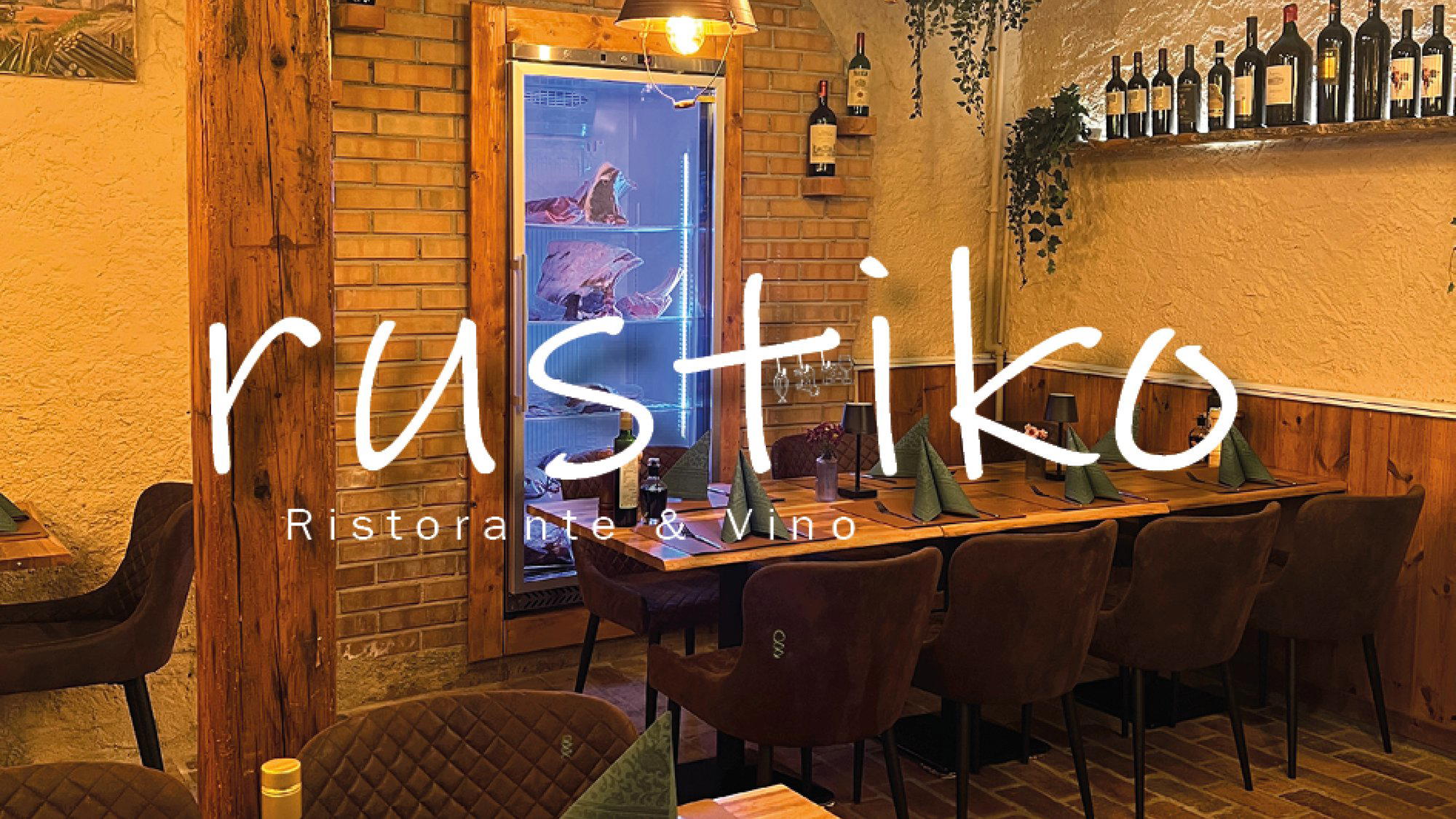
Hotels in Langenlois
Browse all →
At a Glance
- Scenic
- Rustic
- Classic
- Solo Exploration
- Special Occasion
- Wine Education
- Vineyard Tour
- Estate Grounds
- Historic Building
- Sustainable
- Vineyard
- Kamptal
- White
- Rosé
- Red
- Still White
- Still Rosé
- Still Red
A family-run winery with a long winemaking tradition, focused on gently pressed grapes and slow, cool fermentation that produces fruit-forward white wines and barrel-aged reds.