
Falstaff Winery - Listed
Weingut Jürgen Emrich is a small, fifth-generation family winery in Wonsheim, shaped by Rheinhessen’s village-scale wine culture rather than trophy-cellar theatre. Frederik and Giannina Emrich run a hands-on estate where environmentally conscious vineyard work, cellar production, and bottling remain inside the family operation.

Pearl is the En Primeur Club membership app, where members save venues, book tables and use the concierge.

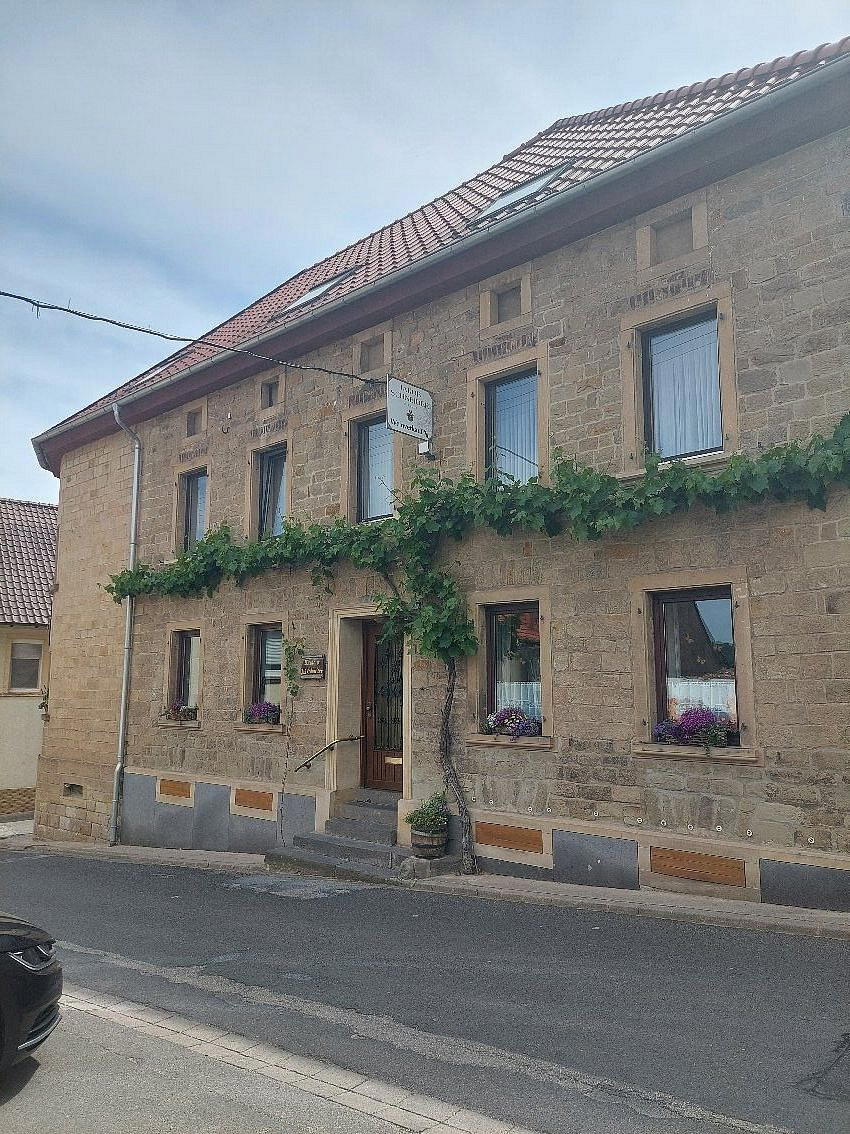
Wonsheim reads as wine country before it reads as hospitality: quiet village pace, agricultural calm, and a sense that a winery belongs to its surroundings rather than to a designed visitor script. In that context, Weingut Jürgen Emrich is best understood as a traditional family-run winery with a quiet, classic, rustic atmosphere. The appeal is not an elaborate hospitality concept or a list of formal accolades; it is the direct character of a hands-on producer in Wonsheim.
The available information supports a simple, useful reading. Weingut Jürgen Emrich is positioned as an accessible winery, with pricing listed as $. Its identity is tied to family operation, an environmentally conscious production attitude, and a practical, production-led style rather than showy luxury. For visitors comparing options in Wonsheim, that makes it a grounded choice when the priority is atmosphere, directness, and a traditional winery setting.
Wonsheim character, read through family control
The strongest argument for Weingut Jürgen Emrich sits in the connection between family work, environmental awareness, and bottle-focused production. The winery is described through a hands-on style, which matters because it frames the visit around the producer rather than around a heavily packaged experience. The language around the place is quiet and rustic, not theatrical.
That distinction is important for a premium venue guide. A winery can be valuable without needing invented specifics: no confirmed grape list, named cuvées, critic scores, award history, tasting format, or menu structure is needed to explain why this stop may matter. The profile is narrower and more honest. It points to a traditional family-run winery in Wonsheim with an environmentally conscious way of working and an accessible price level.
Environmental language in wine can range from formal certification to general stewardship. For Weingut Jürgen Emrich, the grounded claim is more modest: the production style is environmentally conscious and hands-on. That should not be expanded into certification claims, farming systems, or detailed technical practices. The reliable takeaway is that the winery presents itself with care for production and place, while retaining a classic, rustic family-winery atmosphere.
A small-estate alternative to destination-winery theatre
Premium wine tourism often splits into two broad experiences. One is highly staged: polished rooms, scripted service, formal packages, and a sense that the visit is as much performance as production. The other is quieter and more agricultural, where the interest lies in the producer’s working identity.
It also does not confirm named wines, vineyard sites, lunch service, or a culinary format. The better editorial approach is to treat the winery as a traditional Wonsheim producer with a quiet, classic setting and to plan flexibly around that limited public information.
Price positioning is part of the practical appeal. A $ listing places Weingut Jürgen Emrich in accessible territory rather than in a luxury-only category. For travellers building a Wonsheim wine day, that can be useful: the venue reads as a low-key producer stop rather than as a destination built around ceremony. The fit is strongest for visitors who value a traditional family-run atmosphere and a grounded production identity.
The caveat is expectation-setting. Visitors should not arrive expecting a restaurant-style experience, a confirmed pairing menu, a published list of tasting flights, or a formal tourism complex unless they have checked directly with the winery. Those who want broader local planning can pair it with Wonsheim winery research and other dining, hotel, bar, and experience options in Wonsheim.
How to place it within a wider German wine itinerary
For travellers mapping Germany through wineries rather than only through cities, Wonsheim offers a quieter frame. Weingut Jürgen Emrich fits that frame as a traditional family-run winery with a rustic, classic atmosphere. The point is not to position it against a long list of named rivals, but to understand what kind of stop it be: accessible, production-minded, and rooted in a family winery setting.
That makes it relevant for visitors who prefer directness over spectacle. In a wine market crowded with labels, formats, and hospitality promises, a restrained profile can be useful. Here, the reliable facts are enough to shape the recommendation: Wonsheim location, $ pricing, family-run identity, environmentally conscious hands-on production, and a quiet rustic atmosphere.
To broaden the itinerary beyond a single stop, compare Weingut Jürgen Emrich with other Wonsheim dining and hospitality options generically rather than assuming specific similarities. The key is to build the day around the type of experience desired. If the goal is polished service, extended dining, or a confirmed tasting program, check current details before committing. If the goal is a classic family-winery atmosphere in Wonsheim, Weingut Jürgen Emrich is a sensible name to consider.
The editorial verdict is compact: choose Weingut Jürgen Emrich for a low-key Wonsheim winery visit where the interest lies in family-run character, environmentally conscious hands-on production, rustic calm, and accessible pricing. It is not the right page on which to claim awards, grape varieties, services, or visitor formats. Its appeal is simpler: a traditional winery atmosphere in Wonsheim, presented without unnecessary theatre.
Recognition history
Dated appearances from independent guides and award organizations, with the underlying list record or original source where available.
Falstaff Winery - Listed
Falstaff
Continue exploring
More in Wonsheim
Wineries in Wonsheim
All wineries in Wonsheim →
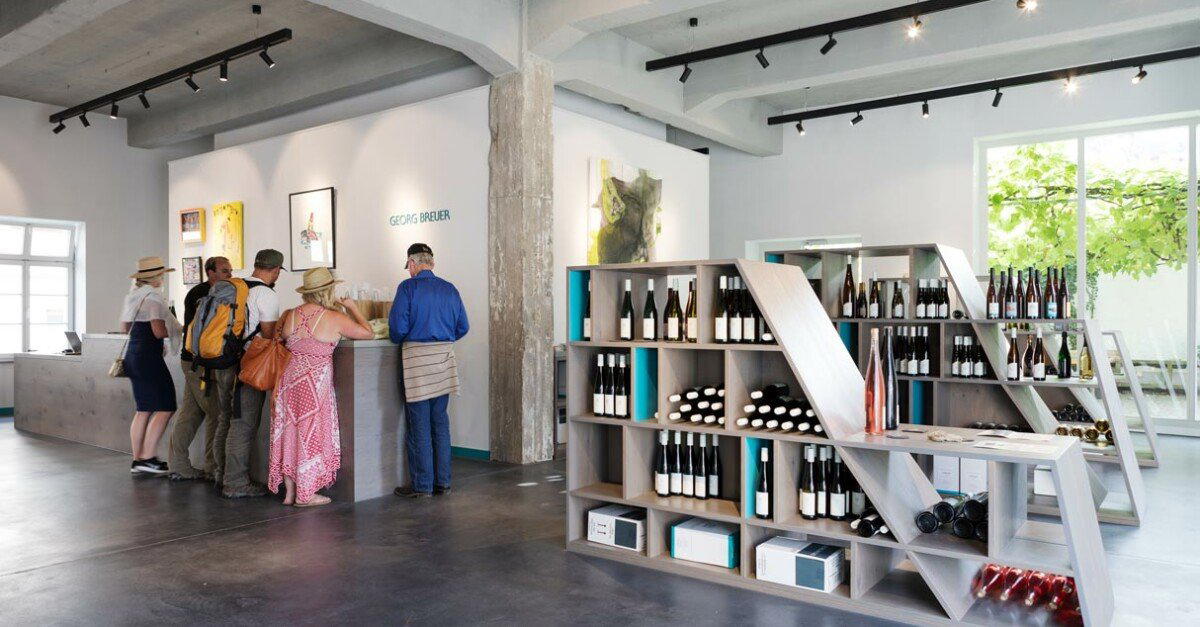
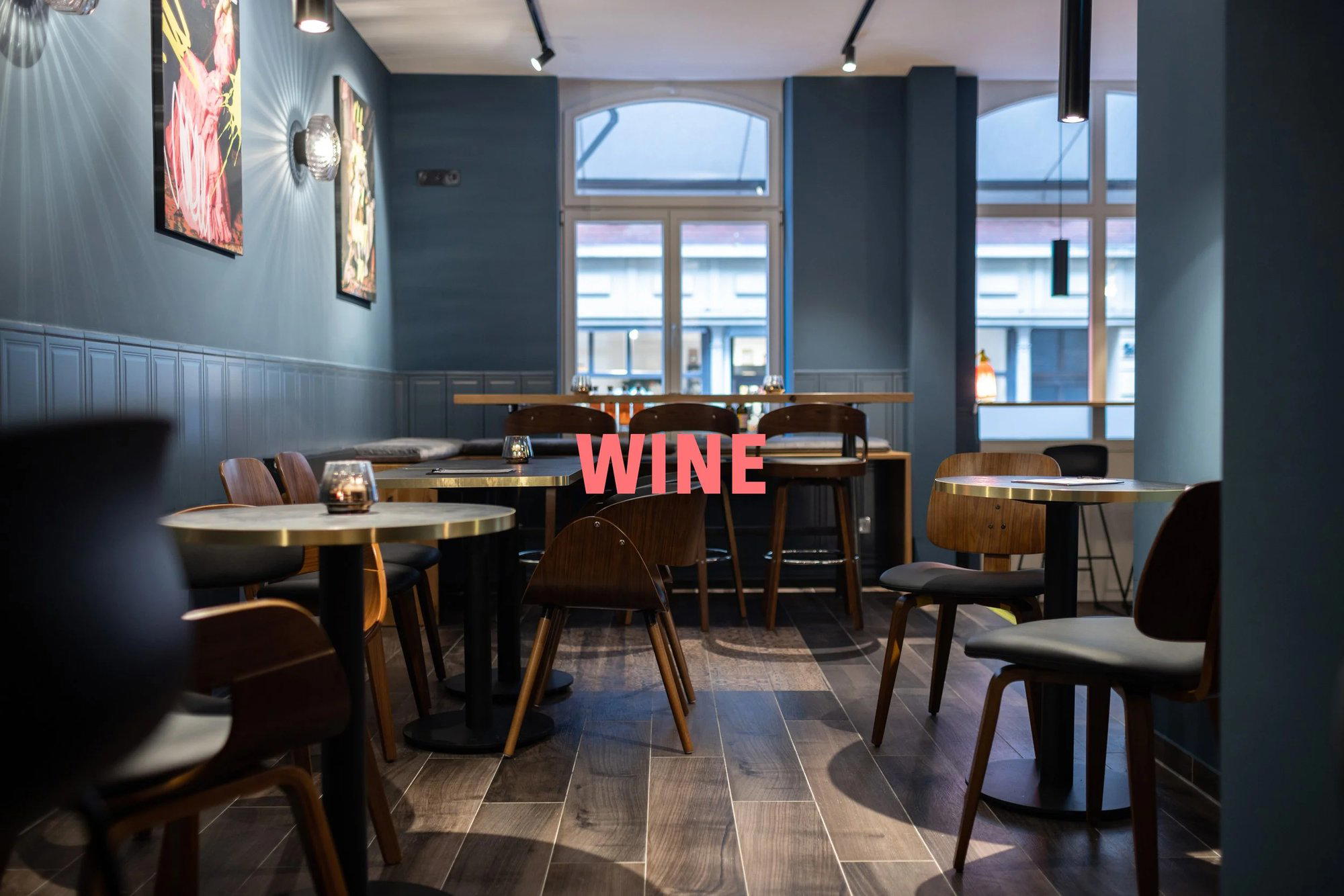
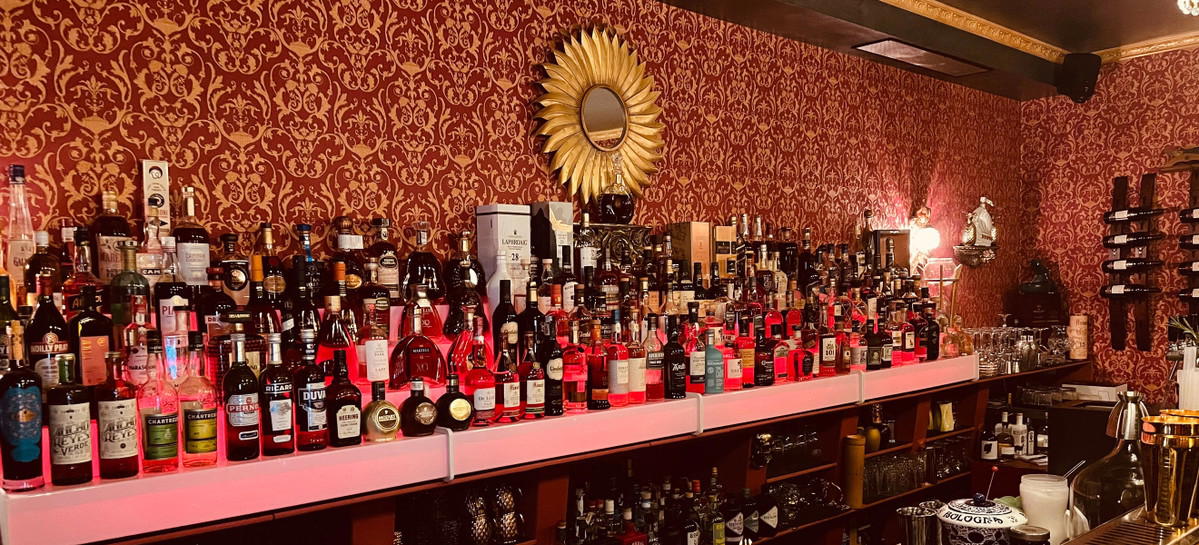
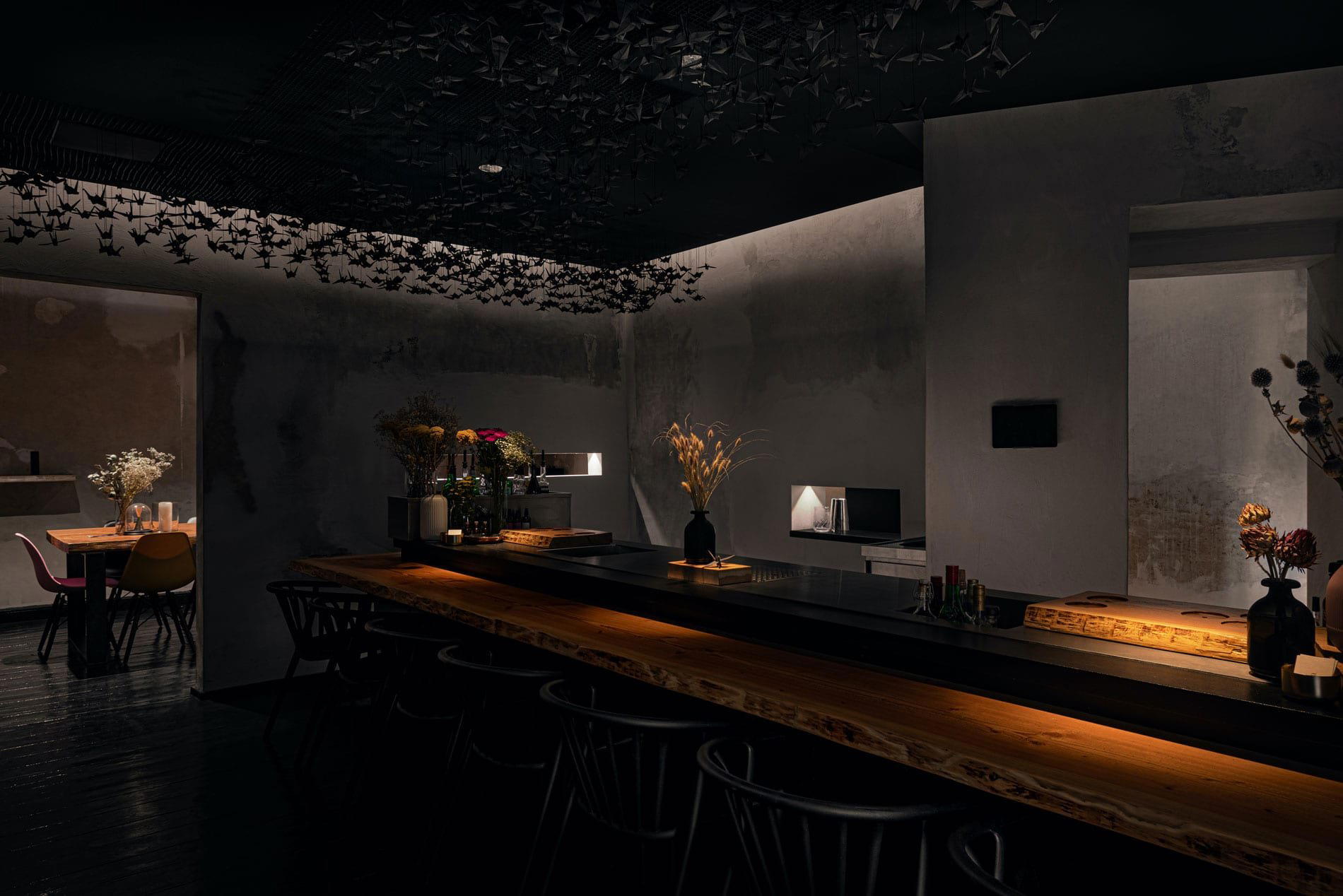
Details
- Quiet
- Classic
- Rustic
- Solo Exploration
- Wine Education
- Historic Building
- Estate Grounds
- Sustainable
- Vineyard
- Riesling
- Spätburgunder
- Grauer Burgunder
- Weißer Burgunder
- Still White
- Still Red
- Sparkling
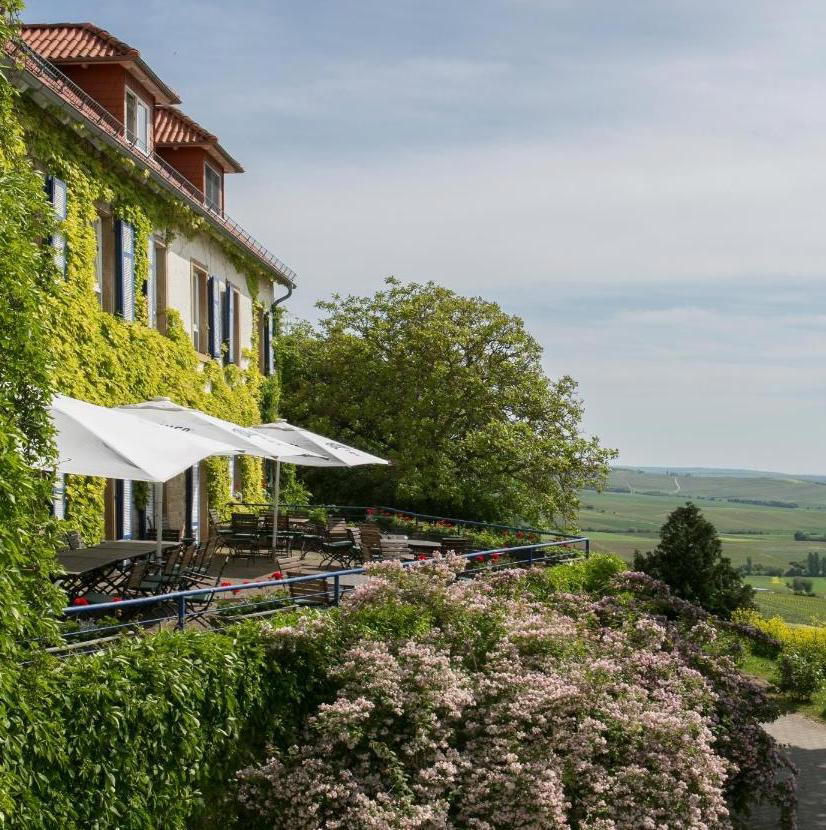
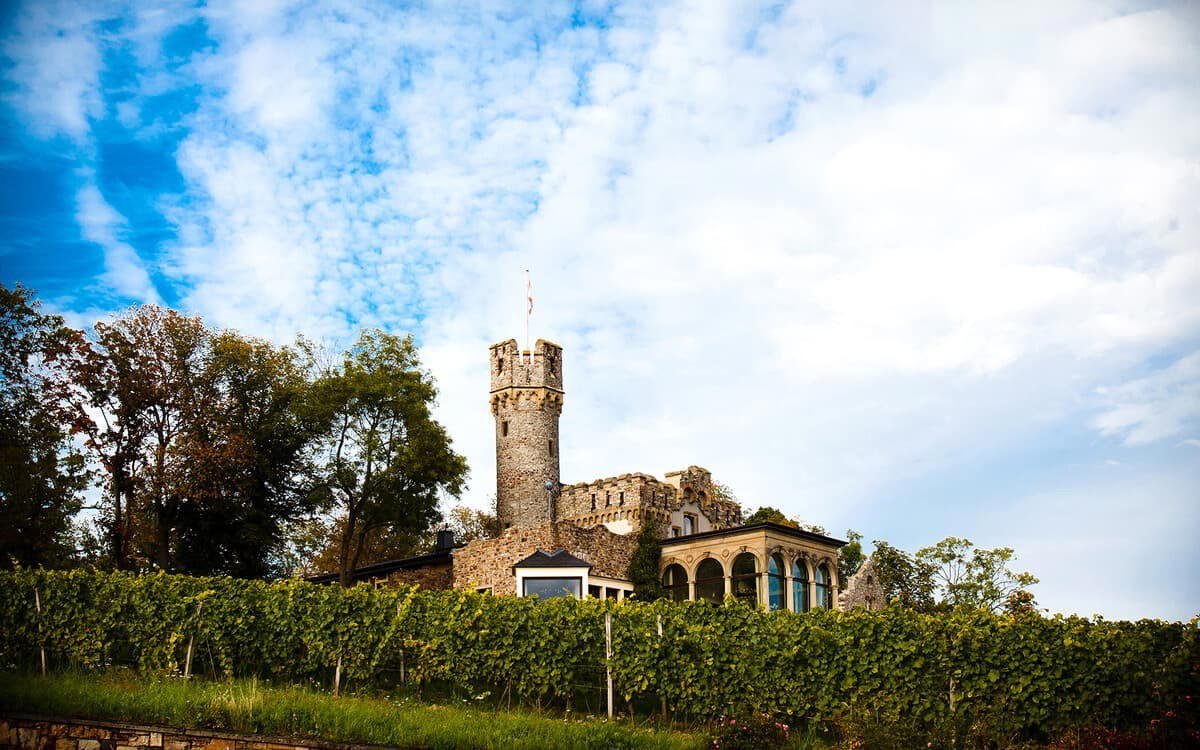
Traditional family-run winery atmosphere with an environmentally conscious, hands-on production style.