Weingut Groiss

Weingut Groiss is a small, family-run organic winery in Langenlois, shaped by Kamptal DAC white-wine country rather than trophy-room theatre. Its strongest signal is terroir: 17 hectares, much of it tied to Loiserberg, with primary rock soils and the push-pull of Pannonian warmth and Waldviertel coolness defining the estate’s position.
Pearl is the En Primeur Club membership app — saves, bookings, and concierge access live there. Same editors, same standards.
- Address
- Langenlois, Kamptal, Lower Austria, Österreich
 Saves & bookings on Pearl
Weingut Groiss in Langenlois is best understood as a quiet, rural winery rather than as a venue built around spectacle. The profile is simple but useful: it is a family-run organic winery in an idyllic countryside setting, with terroir-driven, high-quality wine production at the centre of its identity. For travellers comparing options in Langenlois, that makes it a strong fit when the priority is atmosphere, place, and a grounded wine experience rather than a more formal hospitality concept.
The appeal lies in restraint. Weingut Groiss is described as quiet, rustic, cozy, and somewhat hidden-gem in character. Those cues matter because they set expectations clearly. This is not a page where the dependable facts support detailed claims about a tasting format, named vineyard parcels, grape varieties, cellar methods, opening hours, or appointment policy. What can be said with confidence is that the winery’s identity is family-run, organic, rural, and focused on terroir-driven quality.
A rural Langenlois winery with a quiet sense of place
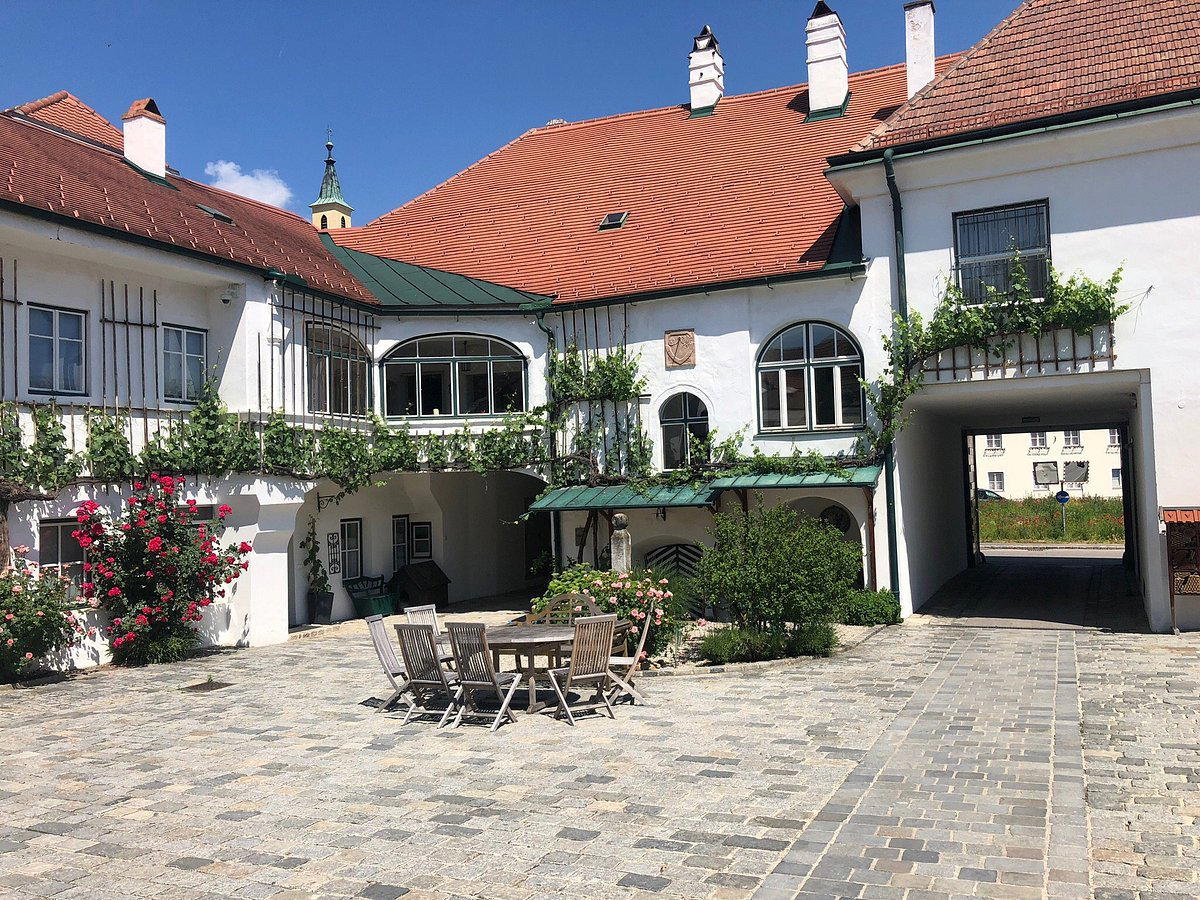
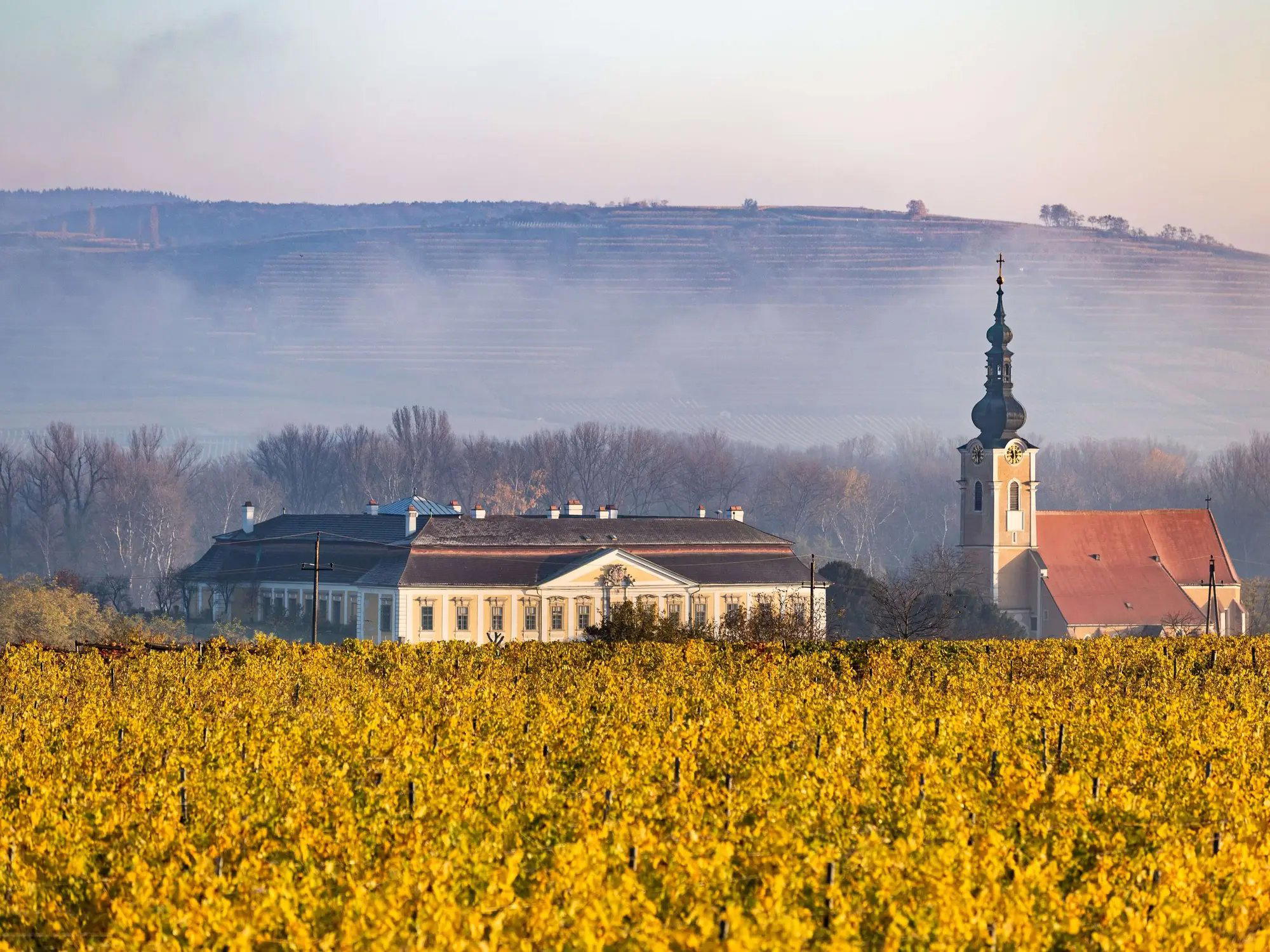
Langenlois has a strong wine identity, and Weingut Groiss fits that setting through a profile that emphasizes landscape and production rather than luxury staging. The description points to an idyllic rural environment, which is important for anyone choosing a wine stop based on mood. Expect the draw to be the quieter side of winery culture: a rustic setting, a cozy feel, and an experience shaped by the idea that wine should reflect where it comes from.
The page should not promise a particular route through the property, a specific tasting sequence, a named wine style, or a fixed visitor format. Instead, a reliable way to frame the winery is as an organic, family-run winery whose value rests on rural atmosphere and terroir-led production. That is still a meaningful distinction, especially for visitors who prefer smaller-feeling, less performative places.
The word “organic” is one of the few specific production descriptors that is here, so it carries weight. It suggests that the estate’s identity is connected to farming choices and to a broader respect for the vineyard environment. Paired with the emphasis on terroir-driven, high-quality wine production, it gives the winery a clear editorial position: the winery is about place-conscious wine in a calm Langenlois setting.
What the profile does and does not establish
For a premium guide, particularly useful service is sometimes restraint. It also does not verify specific vineyard names, grape varieties, tour types, or a formal reservation policy. Those details should be checked directly with the winery before planning around them.
What remains is still enough to understand the venue’s likely place in a Langenlois itinerary. Its atmosphere is quiet, rustic, cozy, and hidden-gem. Its core identity is that of a family-run organic winery in an idyllic rural setting. Its production profile is terroir-driven and quality-focused. Those are the grounded points that should shape expectations.
This makes the winery a good match for visitors who value calm over buzz. It is the kind of stop to consider when the goal is to connect Langenlois wine with the surrounding rural atmosphere, not simply to tick off a crowded list. The winery’s personality suggests a more reflective pace: arrive with interest in the place, the farming ethos, and the idea of wine as an expression of origin.
How to place it within a Langenlois wine itinerary
Within Langenlois, the winery works well as a terroir-focused anchor. That is especially important for rural wineries, where the public-facing rhythm may differ from restaurants, bars, or urban tasting rooms.
Use the estate as a quieter counterpoint to other dining and wine experiences in Langenlois. If your itinerary includes busier or more polished stops, the winery offers a grounded rural profile: family-run, organic, rustic, and cozy. If your plans are built around wine education, keep the questions broad and place-based unless the winery confirms more specific details. The safest expectations are not about a particular programme, but about an organic winery with a strong sense of setting.
The comparison point is direct: the winery is its own reference here. It should be chosen for the qualities that are actually verified, not for invented accolades or unsupported claims. In a Langenlois guide, that means presenting it as a hidden-gem winery with an idyllic rural feel, a $$ price level, and a terroir-driven approach to high-quality wine production. For visitors who want a calm, rustic, family-run organic winery, that is a clear and honest reason to keep it on the shortlist.
Recognition history
Dated appearances from independent guides and award organizations, with the underlying list record or original source where available.
Falstaff Winery - Listed
Falstaff
Continue exploring
More in Langenlois
Wineries in Langenlois
Browse all →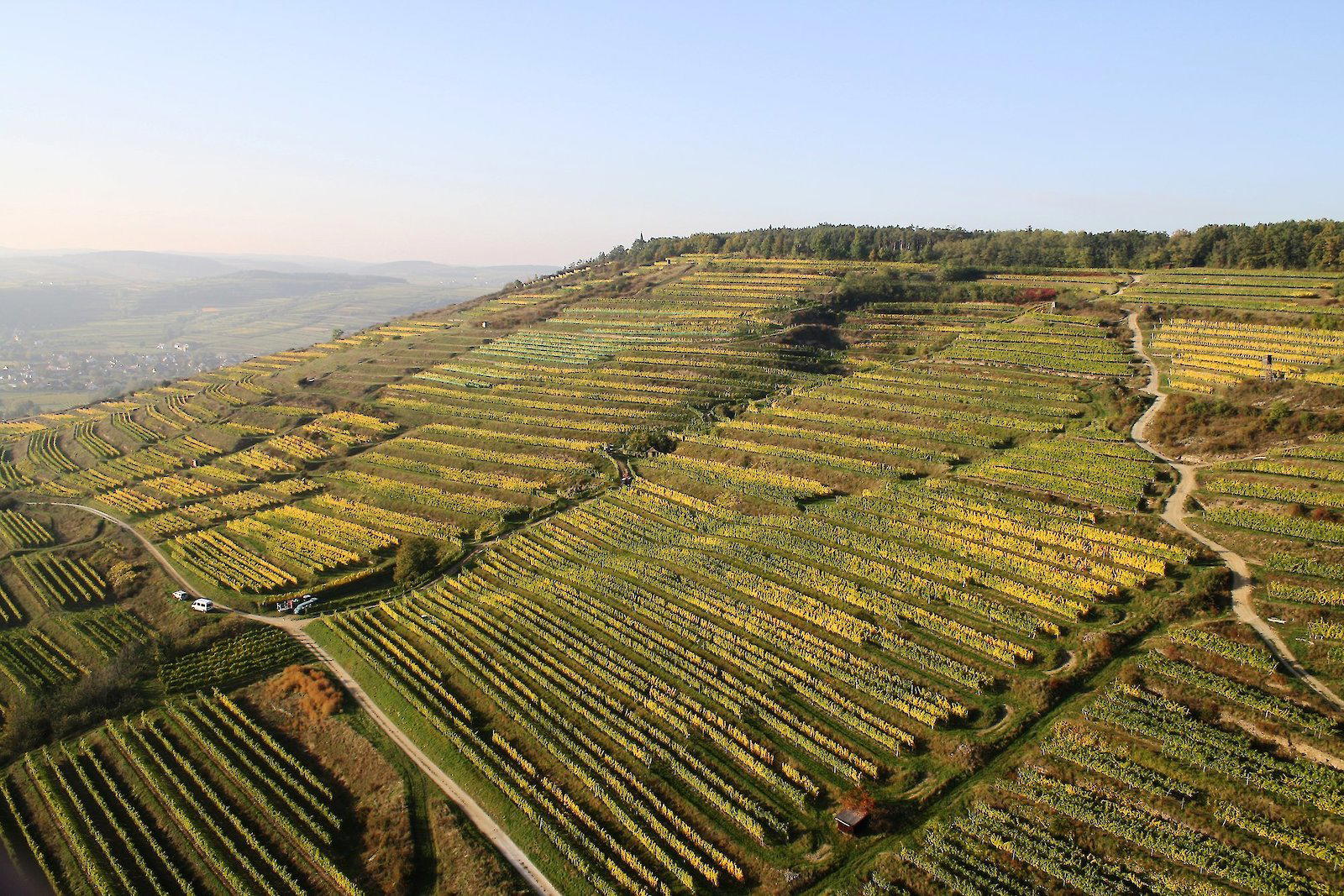
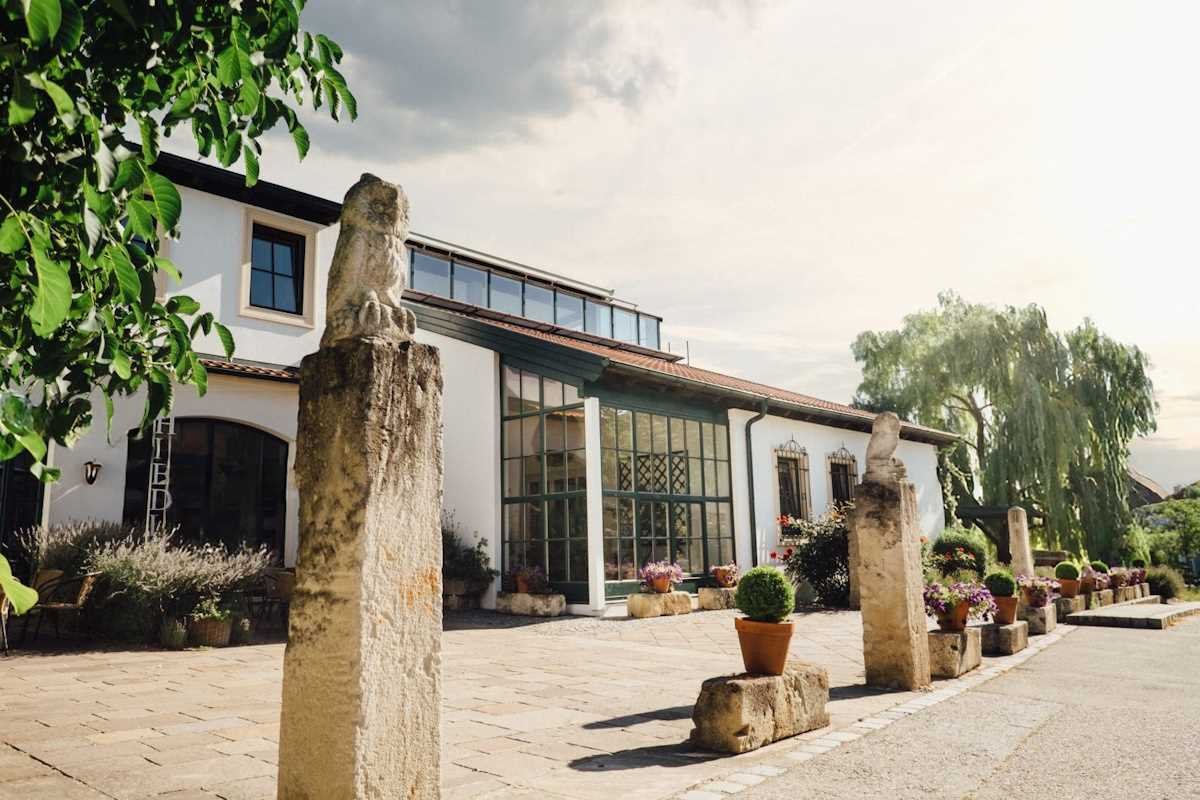
Bars in Langenlois
Browse all →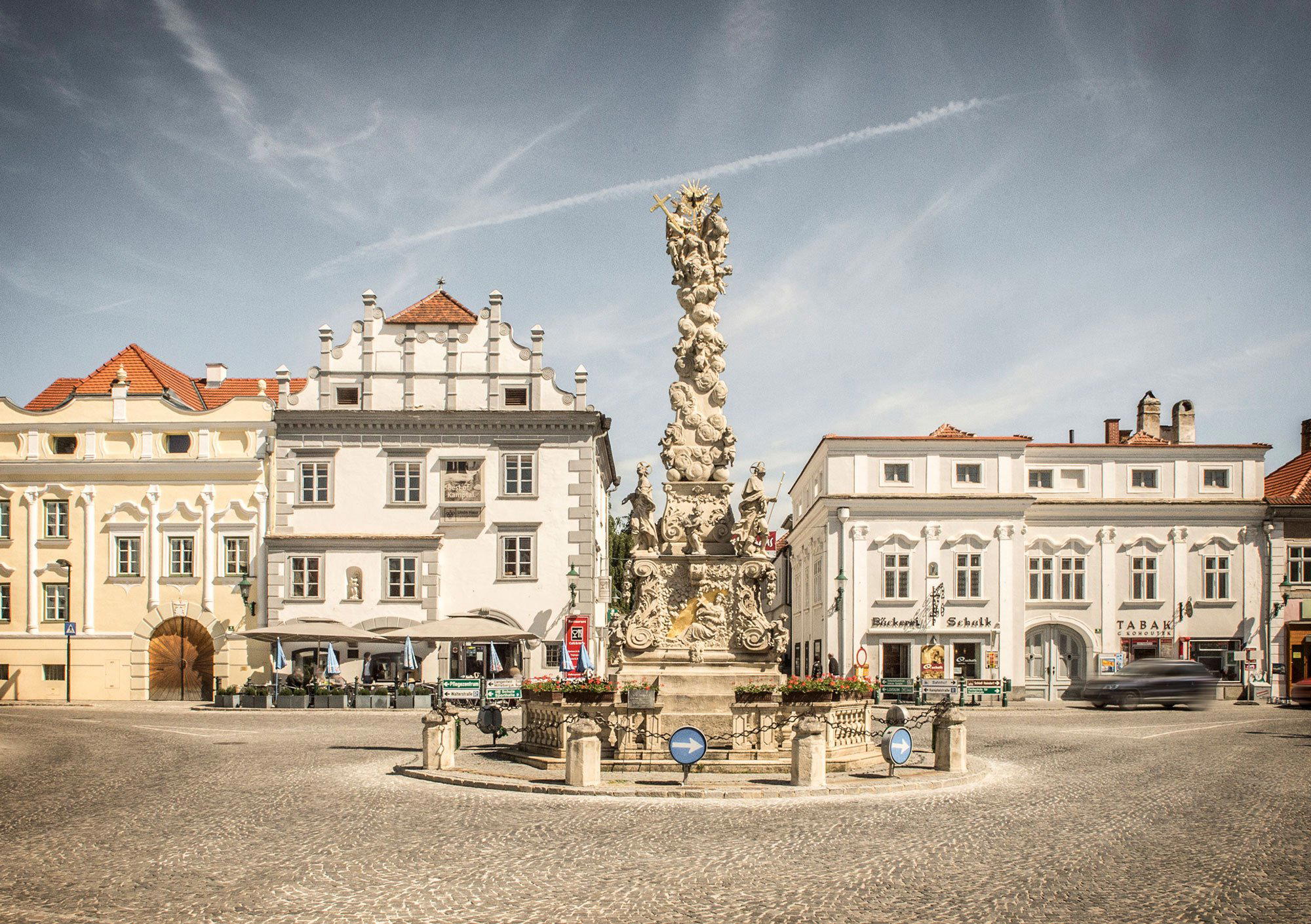
Restaurants in Langenlois
Browse all →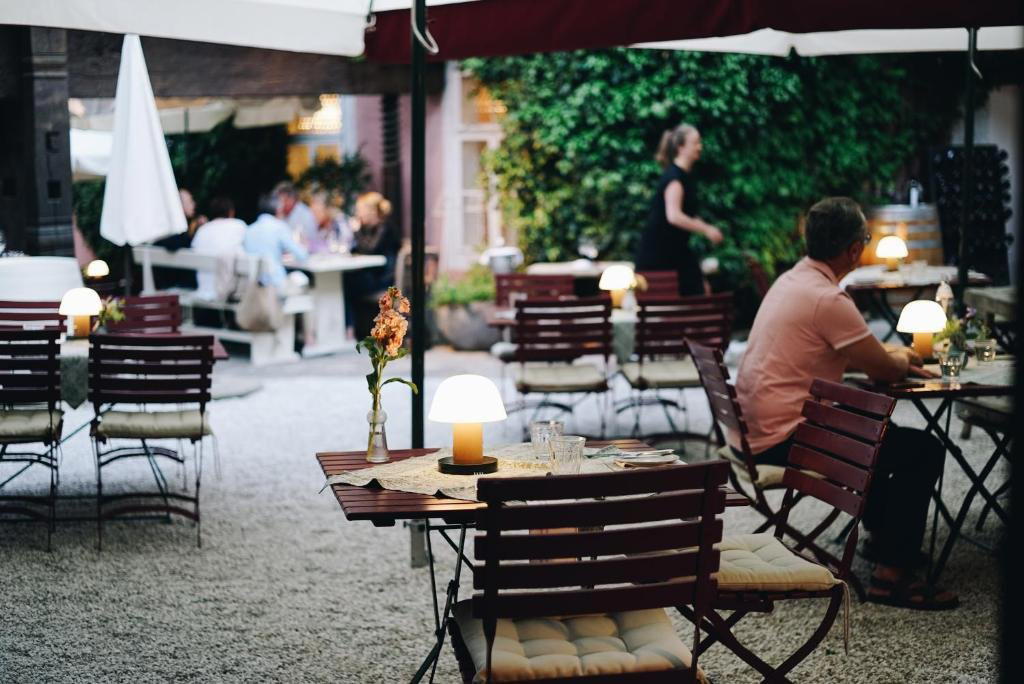
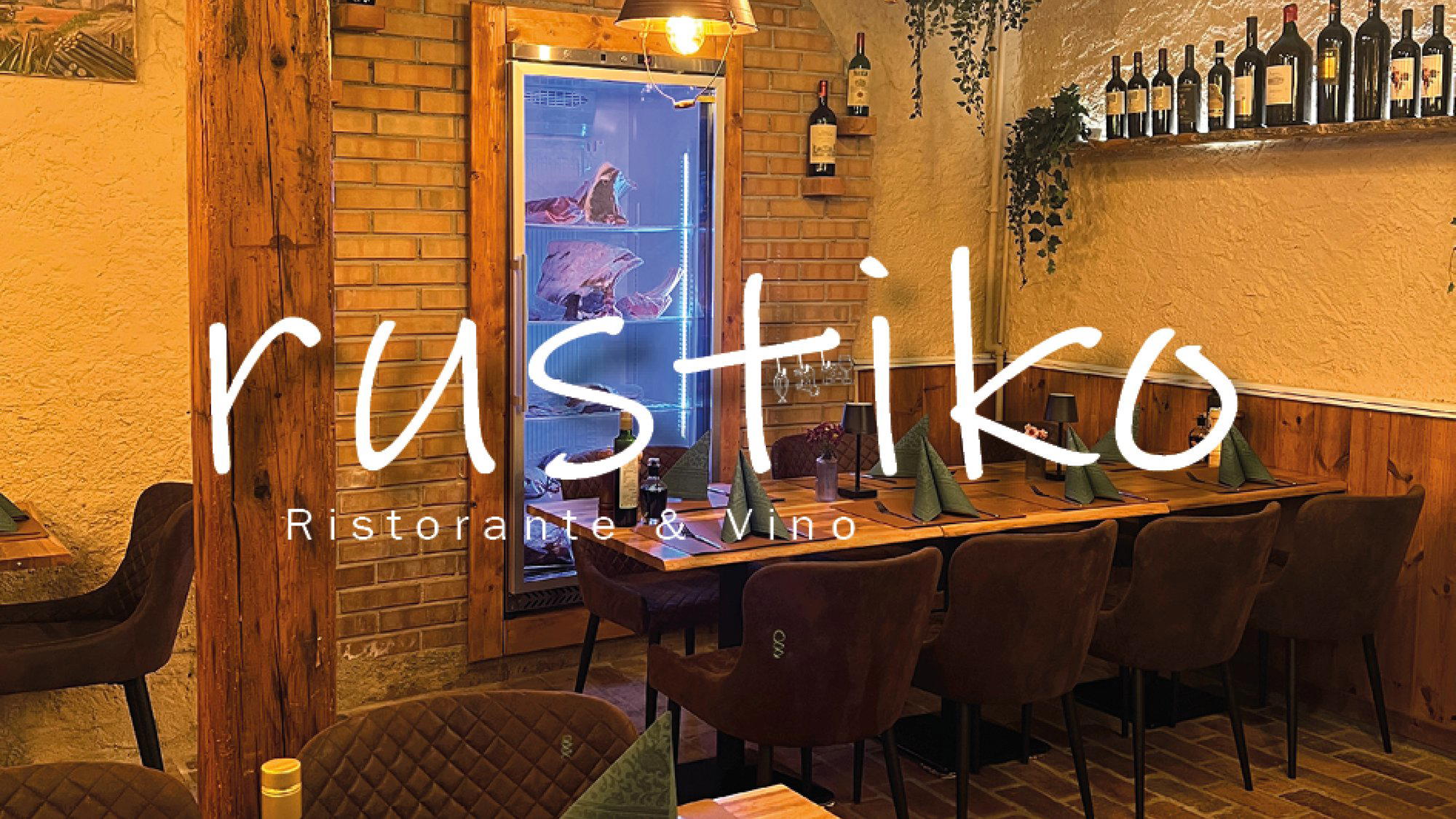
Hotels in Langenlois
Browse all →
At a Glance
- Quiet
- Rustic
- Cozy
- Wine Education
- Solo Exploration
- Special Occasion
- Group Outing
- Vineyard Tour
- Historic Building
- Private Tasting
- Vineyard
- Kamptal DAC
- Grüner Veltliner
- Riesling
- Still White
- Guided Tasting
- Cellar Tasting
Family-run organic winery in an idyllic rural setting with terroir-driven, high-quality wine production.