Weingut Graßmück

Falstaff Winery - 1 Stars
Weingut Graßmück is a family-run Pfalz winery in Birkweiler with roots traced to 1667, an aromatic-grape focus, and a visitor format built around guided and cellar tastings. Its appeal is strongest for travelers who want a traditional village estate with Riesling, Pinot Blanc, Pinot Gris, Pinot Noir, still wines, sparkling wine, and a grounded sense of Palatinate continuity.

Pearl is the En Primeur Club membership app — saves, bookings, and concierge access live there. Same editors, same standards.
- Address
- Birkweiler, Pfalz (Palatinate), Rhineland-Palatinate, Deutschland
- Directions
- Get directions

Approach the Birkweiler wine route and the mood shifts from generic German countryside to cellar-door country: village lanes, estate courtyards, and the quiet of wine regions built around family properties rather than spectacle. Weingut Graßmück belongs to that Pfalz tradition. Its public identity rests not on a celebrity winemaker or theatrical tasting script, but on continuity, aromatic grapes, and a family winery format dating to 1667.
That date matters because Birkweiler is no blank canvas for wine tourism. The southern Pfalz trades on accumulated practice: growers, parcels, cellars, festival courtyards, and the gradual refinement of varieties suited to warm, generous conditions. Here, persuasive wineries are not always the loudest brands, but those that fit the village rhythm. Weingut Graßmück reads as such an address: traditional in tone, modern enough in production feel, and oriented toward guests who want wine education without a luxury performance.
A Pfalz cellar shaped by aromatic grapes rather than spectacle
The clearest lens is varietal expression. The estate works with Riesling, Pinot Blanc, Pinot Gris, and Pinot Noir, placing it inside the classic Pfalz conversation between aromatic whites and increasingly serious red-wine ambitions. Riesling gives acid line and transparency; Pinot Blanc and Pinot Gris bring texture and orchard-fruit breadth; Pinot Noir adds a red-wine counterpoint without pulling the identity away from the Palatinate’s white-wine core.
The broader program spans still white, still red, and sparkling wine, suiting a medium-scale family estate with direct hospitality. This differs from a narrowly allocated prestige domaine: it suggests a producer for people who want to understand a house style across categories, not chase one bottle. The winery’s award-winning positioning adds recognition, though the stronger editorial point is its breadth, village location, and long family continuity.
Birkweiler’s importance is not decorative. The estate sits within the Pfalz appellation, where sun exposure, ripeness, and aromatic generosity often shape first impressions. The strongest regional style balances fragrance and fruit clarity with structure. Weingut Graßmück’s emphasis on aromatic grapes fits that grammar: wines framed around scent, varietal character, and accessibility rather than severe minimalism or heavy cellar imprint.
For travelers, this matters practically. A visit here is likely to teach the working language of Pfalz wine better than a trophy-only tasting. Riesling and the Pinot family sit close together, making acidity, body, fruit weight, and red-wine structure easier to read. For a wider Birkweiler itinerary, the estate is a useful anchor alongside the local winery scene covered in Our full Birkweiler wineries guide.
Family continuity, cellar tasting, and the village-winery format
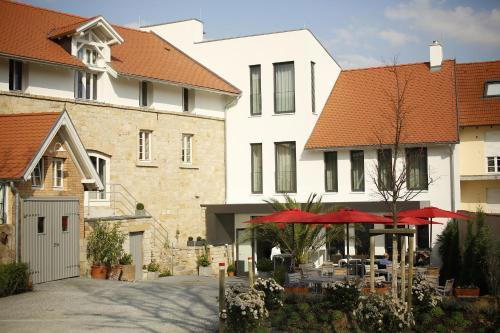
The hospitality style is small-estate Germany, not polished resort wine tourism. The setting is family-run, rustic, quiet, and courtyard-oriented during festival periods, with guided tasting and cellar tasting available. The cellar and estate grounds carry the experience, rather than a restaurant, food pairing program, or outdoor lounge. Food pairing is not listed, and outdoor seating is not part of the setup, so the value lies in the wine conversation.
Simon Graßmück is named as winemaker, but the more interesting frame is generational transmission. In old European wine villages, continuity need not mean nostalgia; it can mean accumulated judgment about picking, handling familiar varieties, and keeping a cellar legible to local drinkers and traveling guests. A conventional production philosophy places the estate in a recognisable, tradition-forward lane rather than the experimental natural-wine fringe.
The estate is group-friendly, which shapes the visit. Group outings or celebrations in a family winery can become chaotic without structure; here, the guided and cellar-tasting model gives the experience a defined center. The usual visit length is 90 to 120 minutes: enough to move beyond a quick retail pour without becoming a half-day commitment. For wine education, that timing is sensible: long enough to compare varieties, short enough for a multi-stop Pfalz day.
Price positioning is modest, marked at the entry level, making the estate relevant for travelers who want substance without a prestige surcharge. The point is access, not bargain-hunting. In regions where some cellar doors have become luxury stages, a traditional family estate with an open allocation posture and shipping available keeps the wine-visitor relationship direct.
How to place it within a Birkweiler itinerary
Birkweiler rewards a slow, wine-led day rather than a checklist. Build the route around fewer tastings and leave room to compare by variety: Riesling against Pinot Blanc, Pinot Gris against sparkling wine, Pinot Noir against the region’s white-wine bias. Weingut Graßmück suits first-time Pfalz visitors because its range establishes the local vocabulary, while repeat visitors can use the cellar tasting format to focus on vintage, variety, and house style.
For deeper planning in the same village, EP Club’s local pages are useful orientation tools rather than substitutes for a cellar appointment: Our full Birkweiler restaurants guide, Our full Birkweiler hotels guide, Our full Birkweiler bars guide, and Our full Birkweiler experiences guide. Nearby winery planning can include Weingut Dr. Wehrheim, Weingut Gies-Düppel, Weingut Herrenbergerhof, Weingut Scholler, and Weingut Siener.
Travelers extending the wine thread beyond Birkweiler can use broader German and Central European winery references such as & Handwein in Mannheim, 2 Naturkinder in Kitzingen, 3 Winner in Bechtheim, »der Steiner« Hans Steiner in Podersdorf am See, and ®walzer in Gneixendorf Bei Krems. The useful comparison is not prestige ranking, but how regions present tradition, varietal identity, and direct cellar hospitality.
The editorial case for Weingut Graßmück is direct: a centuries-old Pfalz family estate working with classic regional varieties, offering guided and cellar tastings, and giving visitors a grounded way into Birkweiler wine culture. For travelers who care about terroir expression as lived village practice rather than tasting-room slogan, that is reason enough to pay attention.
Recognition history
Dated appearances from independent guides and award organizations, with the underlying list record or original source where available.
Falstaff Winery - 1 Stars
Falstaff
Continue exploring
More in Birkweiler
Wineries in Birkweiler
Browse all →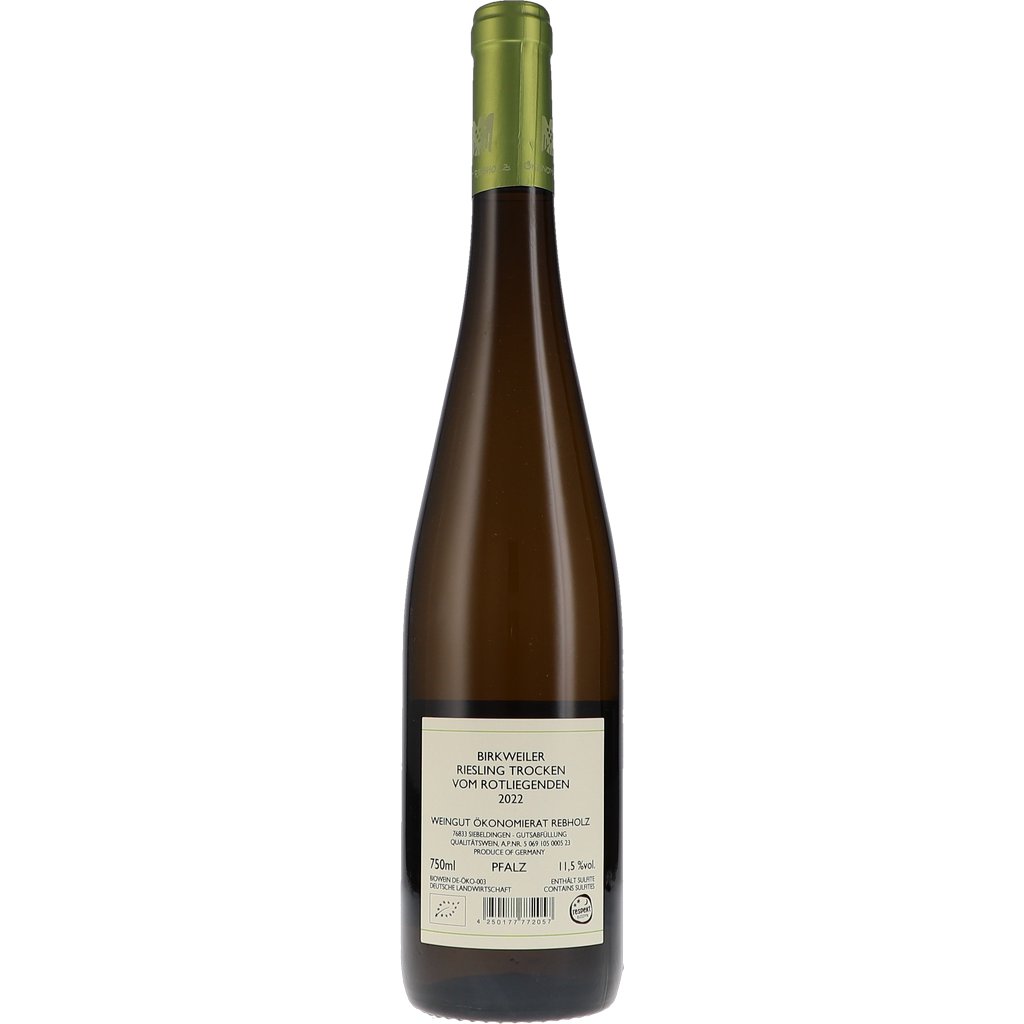
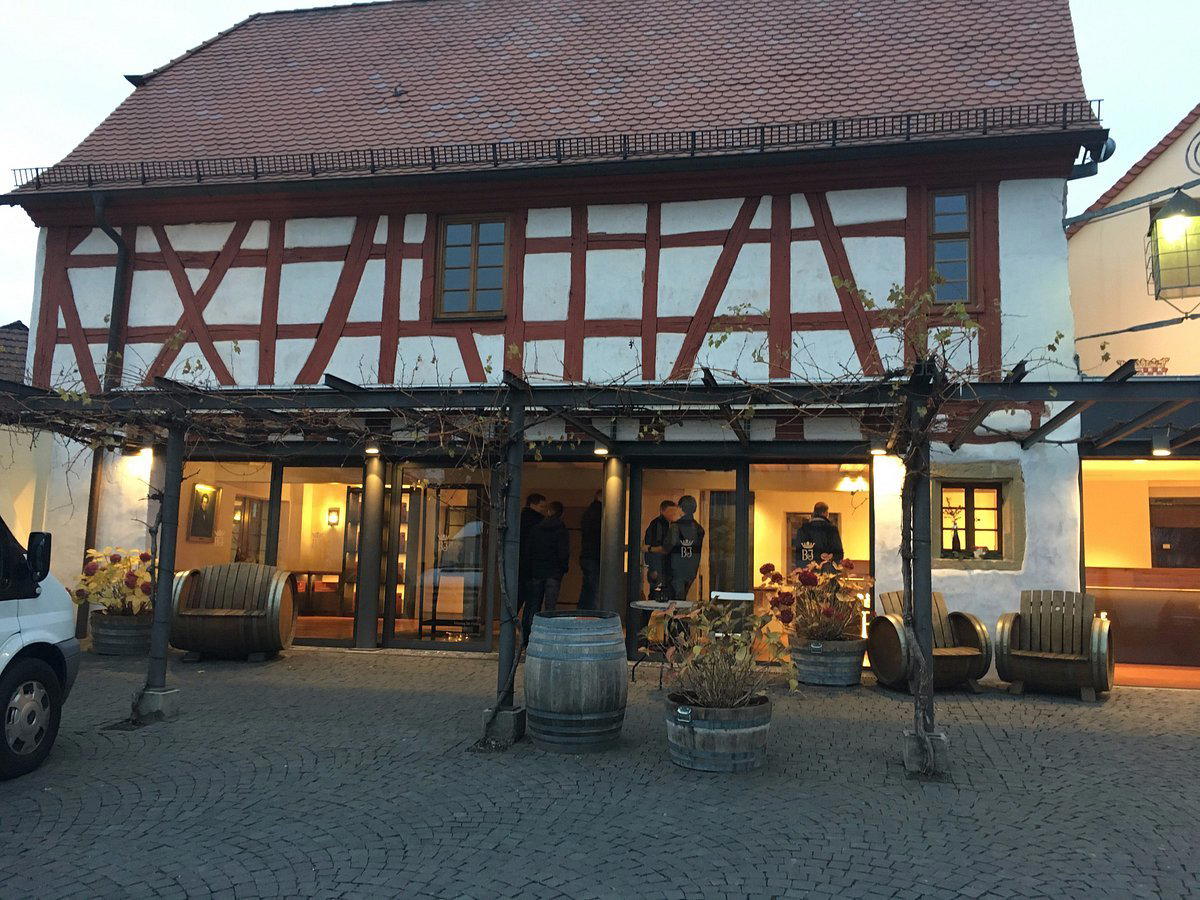
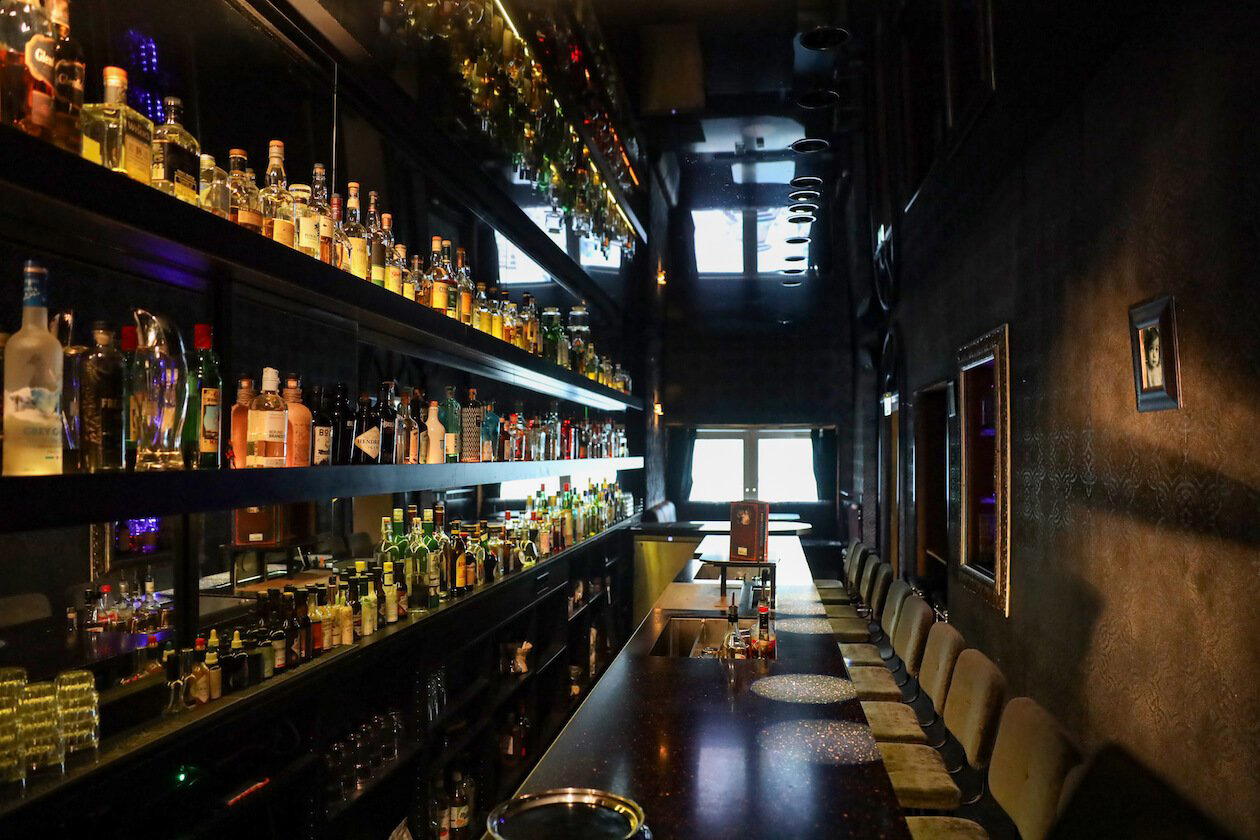
Bars in Birkweiler
Browse all →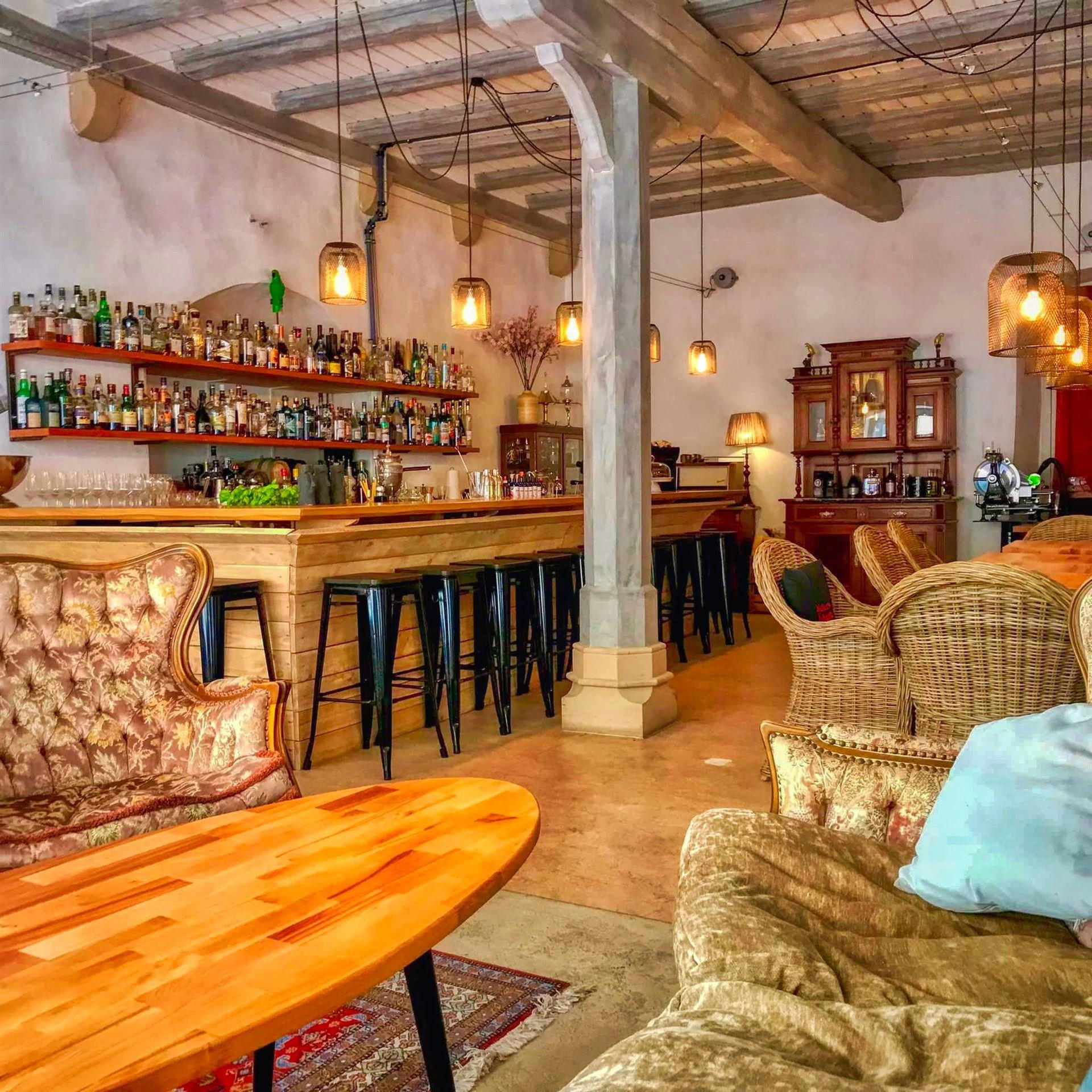
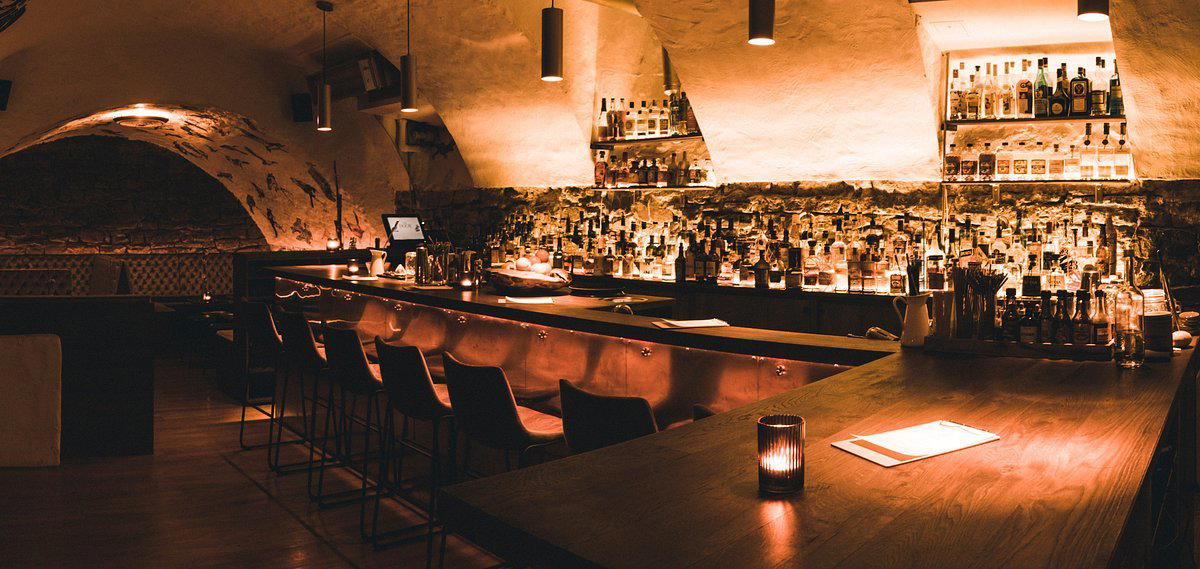
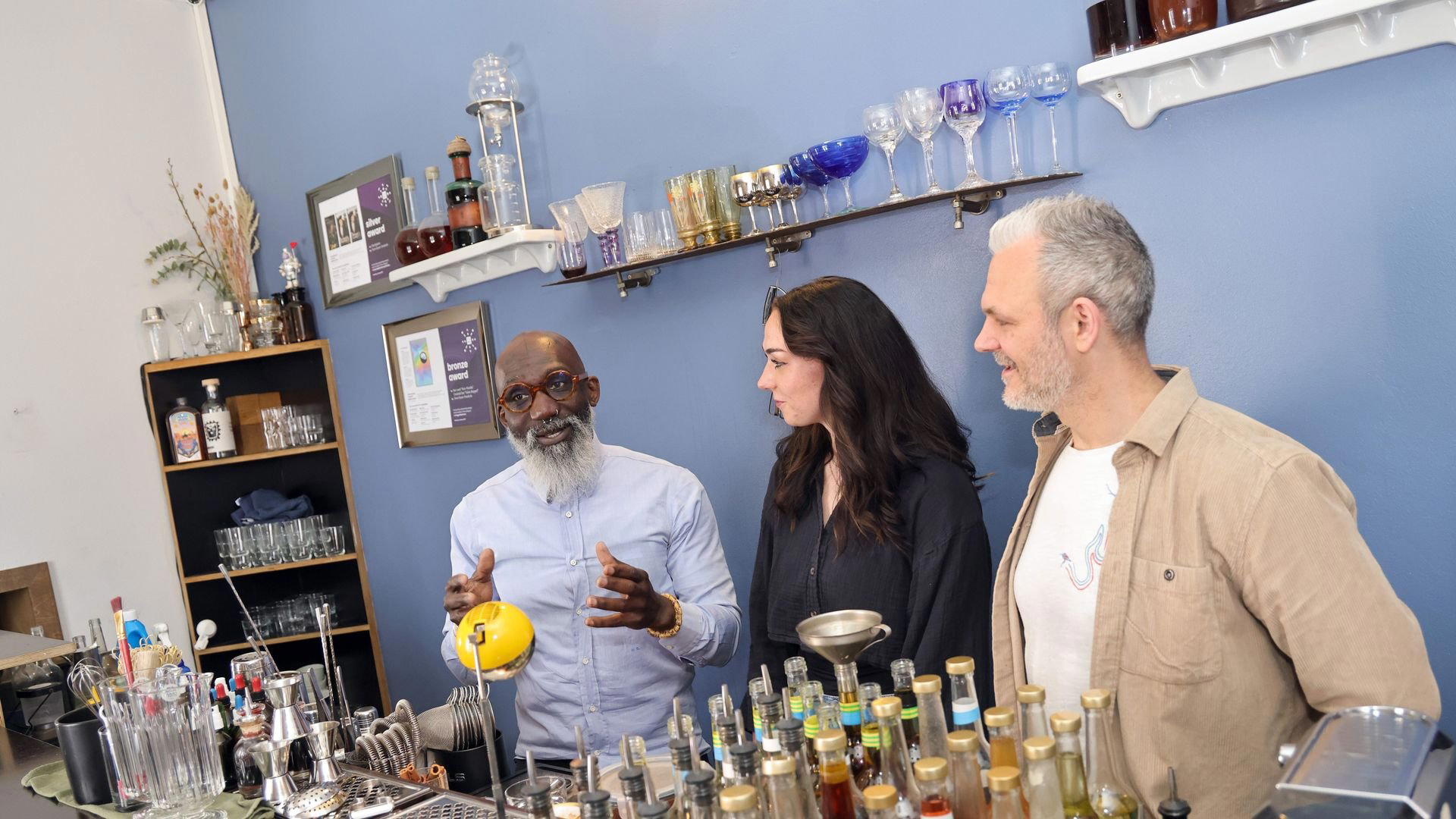

Restaurants in Birkweiler
Browse all →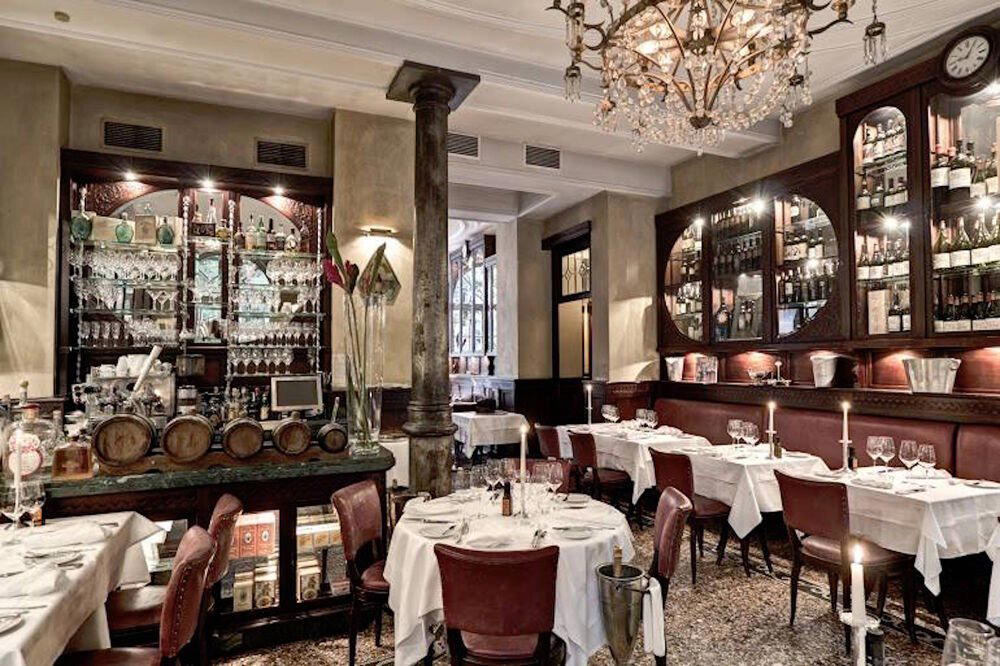
Details
- Classic
- Rustic
- Cozy
- Group Outing
- Celebration
- Wine Education
- Special Occasion
- Estate Grounds
- Historic Building
- Private Tasting
- Vineyard
- Riesling
- Pinot Blanc
- Pinot Gris
- Pinot Noir
- Still White
- Still Red
- Sparkling
- Guided Tasting
- Cellar Tasting
Family-run, tradition-forward winery atmosphere with a modern production feel and a lively courtyard event setting during festivals.