Weingut Freudhofmaier

Falstaff Winery - Listed
Weingut Freudhofmaier is a small family-run winery in Kreuzstetten with vine-growing roots traced to 1785. Its draw is not trophy culture but Weinviertel continuity: guided cellar tastings, a quiet rural setting, and the 350-year-old Heiligenkeller der Zünfte, where oval barrels and carved guild saints make the cellar central to the wine experience.

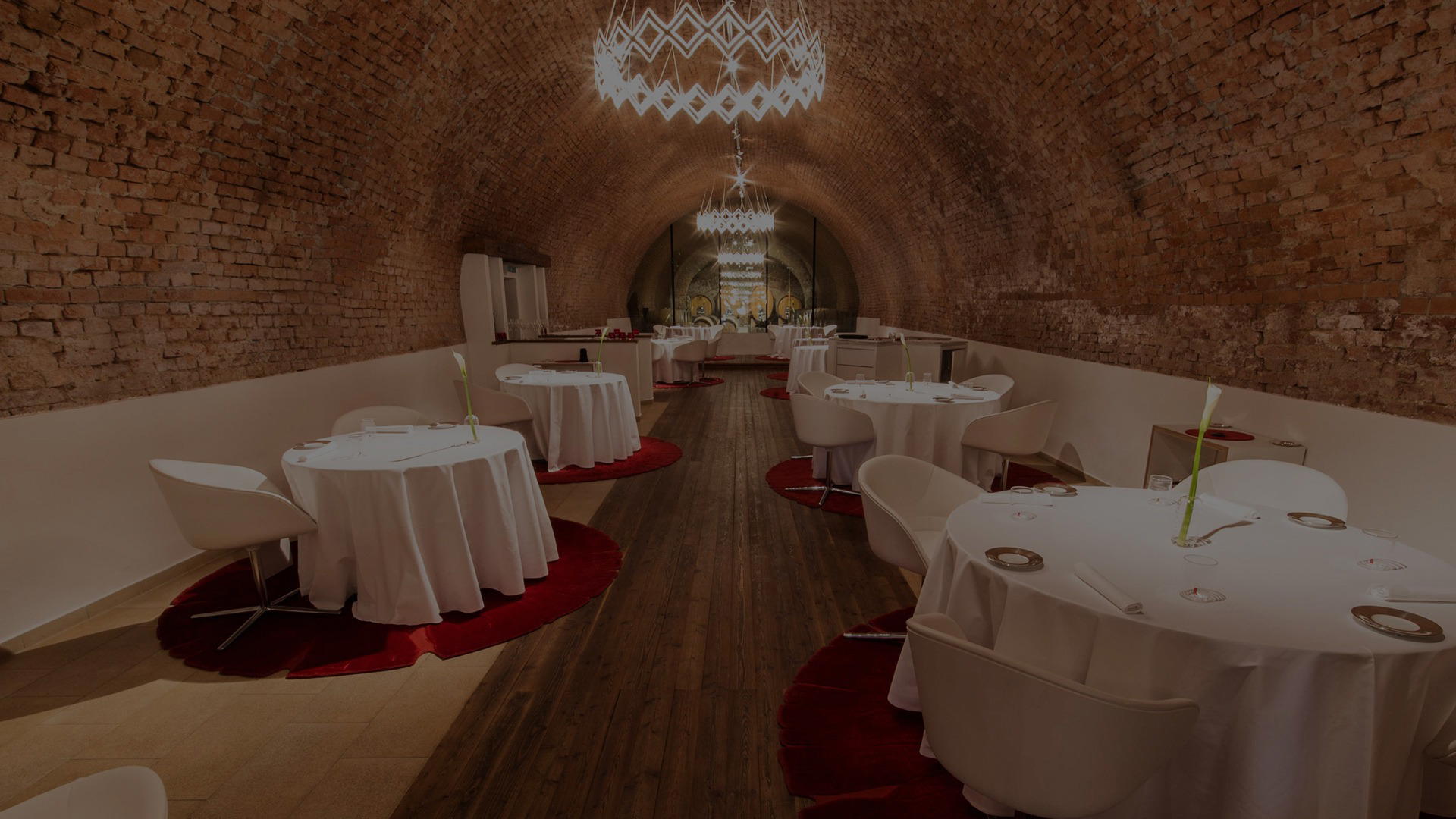
The cellar is the argument here. In Kreuzstetten, Weingut Freudhofmaier is best understood through atmosphere rather than through claims about menus, service formats, scores, or accolades. The draw is a 350-year-old manorial vault, an unusually evocative setting shaped by oval wooden barrels and carved saint figures. Those details give the venue a historic, cellar-focused character: rustic, quiet, classic, and cozy, with a special feel created by the age and presence of the room itself.
Because the public information is limited, the most accurate way to read Weingut Freudhofmaier is not as a place defined by a named dish, a critic ranking, a fixed tasting structure, or a detailed hospitality script. The reliable facts point instead to a historic wine-estate setting in Kreuzstetten where the built environment carries much of the appeal.
A Kreuzstetten cellar where atmosphere carries more weight than branding
Some venues are easy to summarize by cuisine, chef, awards, or a signature bottle. Weingut Freudhofmaier is different in the record available here. Its strongest confirmed identity is architectural and atmospheric: a centuries-old manorial vault, wooden barrels with an oval form, and carved saint figures that give the cellar a strongly historic feel. The result is not a generic tasting-room impression but a cellar-led sense of place, where age, material texture, and quietness define the visit more clearly than any programme or ranking could.
That distinction matters for planning. The price level is listed as $, so the venue sits at the accessible end of the guide’s price scale. Beyond that, the responsible editorial position is cautious. Rather than inventing those details, the guide should present what is known: Weingut Freudhofmaier offers a historic, cozy, rustic cellar atmosphere in Kreuzstetten, with the 350-year-old vault as the central point of interest.
The venue’s appeal is therefore best framed for travellers who value setting. The cellar’s age creates a sense of continuity; the barrels and saint figures add visual and cultural texture; the quiet tone suggests a slower, more reflective experience than a high-energy bar or highly designed modern room. None of those observations require claims about ownership, production methods, ceremonies, or scheduled tastings. They come directly from the confirmed character of the place.
For visitors comparing options in and around Kreuzstetten, Weingut Freudhofmaier should be considered on its own terms. It is not necessary to frame it through unnamed awards or a competitive hierarchy. Its confirmed strengths are simpler and more durable: historic cellar architecture, a classic rustic mood, and an accessible price category. Other dining in Kreuzstetten may serve different needs, but this venue’s identity is rooted in the cellar itself.
The experience is best approached as historic and cellar-focused
The guide can safely describe Weingut Freudhofmaier as cellar-focused because the information centres on the manorial vault and its atmosphere. What should not be assumed is a specific visit format. Those may or may not be true in practice, but they should be confirmed directly rather than stated as fact.
What remains is still useful for a premium venue guide. The mood is historic, rustic, quiet, classic, and cozy. The 350-year-old vault gives the room a special feel, while the oval barrels and carved saint figures create a distinct visual identity. For a guest deciding whether the venue fits a trip, that is the most reliable promise: not luxury spectacle, not a documented award trail, but a cellar environment with age, texture, and local character.
Practical planning should therefore stay general. If the cellar is important to the visit, contact the venue or check current information before making a special journey. Do the same for opening times, reservations, tastings, group arrangements, accessibility, food availability, and any other service detail not confirmed here. The profile supports a clear but narrow recommendation: Weingut Freudhofmaier in Kreuzstetten is notable for its historic cellar atmosphere and accessible price level, with its 350-year-old manorial vault as the defining feature.
Frequently asked questions
Is Weingut Freudhofmaier more formal or casual?
It reads as more casual than formal, with a rustic, quiet, historic, classic, and cozy atmosphere in Kreuzstetten. The 350-year-old cellar setting gives it a special feel, but no specific formal service format is here.
Where is Weingut Freudhofmaier located?
Weingut Freudhofmaier is located in Kreuzstetten.
What does it typically cost at Weingut Freudhofmaier?
Pricing at Weingut Freudhofmaier is listed as $.
What is Weingut Freudhofmaier known for?
It is known for its historic, cellar-focused atmosphere, especially the 350-year-old manorial vault with oval wooden barrels and carved saint figures.
Recognition history
Dated appearances from independent guides and award organizations, with the underlying list record or original source where available.
Falstaff Winery - Listed
Falstaff
Request a visit to Weingut Freudhofmaier
Tell us when you would like to go and how many people, and we put the request to the estate and reply to you by email.
Continue exploring
More in Kreuzstetten
Wineries in Kreuzstetten
All wineries in Kreuzstetten →
Bars in Kreuzstetten
Browse all →
Restaurants in Kreuzstetten
Browse all →

Details
- Rustic
- Quiet
- Historic
- Classic
- Cozy
- Special Occasion
- Group Outing
- Solo Exploration
- Historic Building
- Cave Tasting
- Sustainable
- Vineyard
- Still White
- Still Red
- Guided Tasting
- Cellar Tasting
Historic, cellar-focused atmosphere with a special feel created by the 350-year-old manorial vault, oval wooden barrels, and carved saint figures.