
Falstaff Winery - Listed
Weingut Dr. Scholl is a small family-run organic winery in Bornheim, working within Rheinhessen’s quieter, land-led register rather than the hospitality-heavy cellar-door model. Its defining signal is ECOVIN certification and a full conversion to ecological viticulture in 1988, with still white, still red and sparkling wines shaped around organic practice and old grape varieties.

Pearl is the En Primeur Club membership app — saves, bookings, and concierge access live there. Same editors, same standards.
- Address
- Bornheim, Rhine Hesse, Rhineland-Palatinate, Deutschland
- Directions
- Get directions

Weingut Dr. Scholl in Bornheim is best understood as a working organic winery rather than as a hospitality-driven venue. The profile is modest and practical: a family-operated producer with an ecological wine-production identity, a quiet rural character and a rustic, hidden-gem feel. For travelers using EP Club to decide whether a stop fits their day, the most reliable hook is not a named award, a formal tasting format or a detailed visitor program. It is the winery’s grounded profile: organic farming, family operation and a low-key setting in Bornheim.
That distinction matters because winery pages can easily overstate what is publicly known. For Weingut Dr. Scholl, the confirmed information supports a restrained read. It is not a page to build around specific opening hours, a seat count, a private tasting promise, named grape varieties, a dish-style analogy or a detailed service model. The safer and more useful description is simpler: this is an organic winery with a practical, trade-oriented character, suited to visitors who value quiet production context over spectacle.
Organic wine in Bornheim, without the showroom framing
The strongest point is the winery’s organic identity. In a wine context, that is more than a marketing adjective. It tells the visitor to think first about agricultural practice and the relationship between producer and land, rather than about a polished tasting-room script. Weingut Dr. Scholl’s profile is rooted in ecological wine production and family operation, which makes it a better fit for people interested in the working side of wine than for those seeking a highly staged hospitality experience.
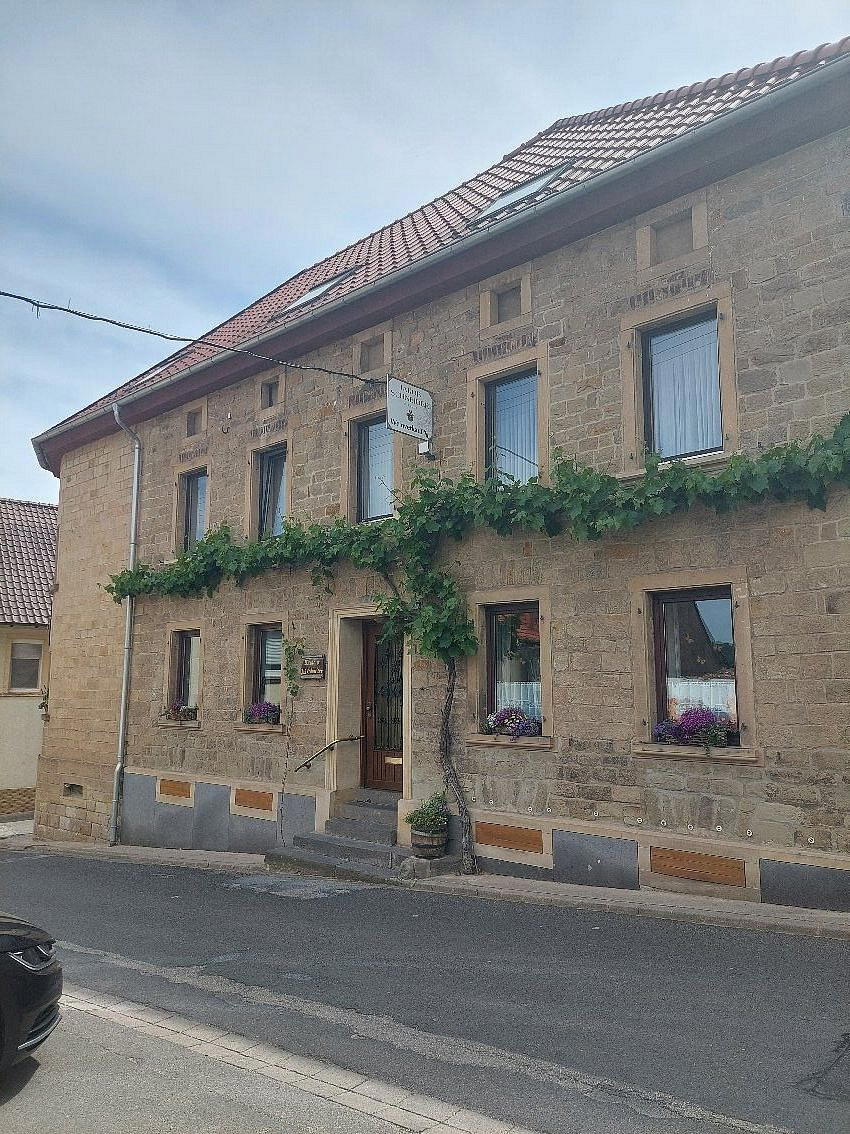
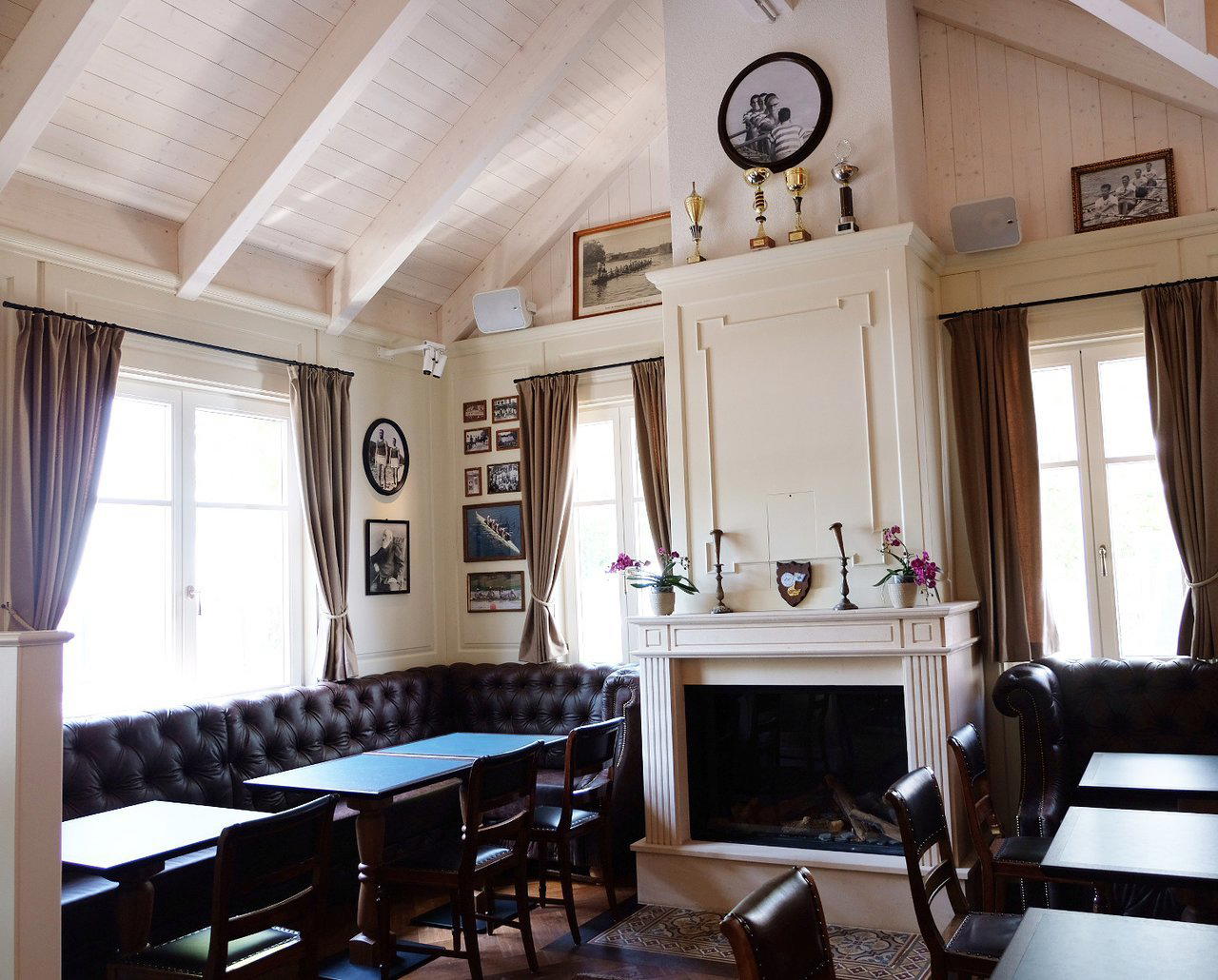
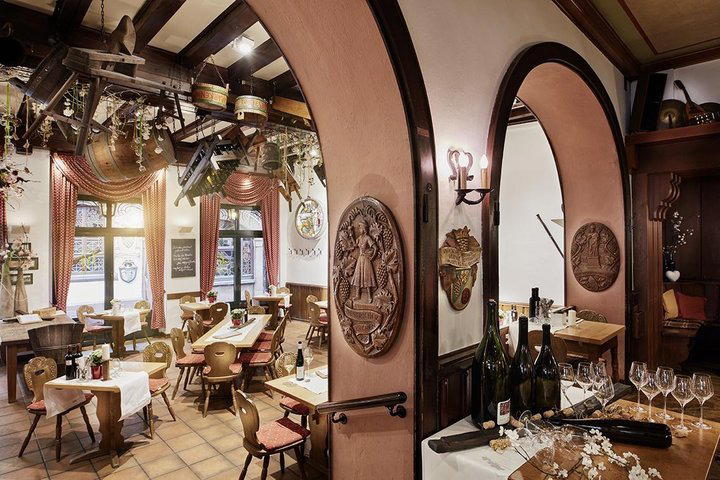
The atmosphere should be read in the same way. The venue is described as quiet, rustic and hidden-gem in character. Those words point toward a modest, unshowy environment rather than a grand arrival. They do not confirm a particular room layout, group size, tour structure or reservation policy, so those details should not be assumed. What can be said is that the winery’s appeal rests on its low-key identity in Bornheim and its organic production profile.
Price is listed as $, which places the venue at the accessible end of EP Club’s price shorthand. That price marker should be treated as a broad guide rather than as a promise about bottle prices, tasting fees or retail availability.
A practical, family-run winery profile
Weingut Dr. Scholl’s confirmed character is practical and trade-oriented. That makes it different from venues whose identity depends on a large visitor-facing program, a restaurant component or a heavily narrated experience. The available facts do not support claims about lunch, dinner, food service, take-out, delivery, a bar program or a named culinary style. This is a winery page, and the most accurate framing keeps the focus there.
Family operation is also part of the profile. It gives the venue a grounded identity without needing to invent a founder story, a generational timeline or a named owner narrative. In this case, the family-run aspect is best used to explain the scale and tone: a producer with an organic, practical orientation, not a venue defined by spectacle.
For planning, the Bornheim setting is the only location detail that should be relied on here. No street address or more granular location is necessary for the editorial read, and none should be used as a substitute for direct confirmation before visiting. Travelers comparing options can think of Weingut Dr. Scholl alongside other dining or wine-related stops in Bornheim generically, but the confirmed profile remains specific to this winery.
How to place it within a Bornheim visit
Weingut Dr. Scholl is a useful choice for visitors who prefer understated producers and organic wine over high-touch hospitality. The draw is the quiet, rustic atmosphere and the sense of a working ecological winery. It is especially relevant for people who like hidden-gem venues where the appeal is less about being seen and more about understanding a producer’s approach.
Anyone planning a visit should check directly with the winery for current practical information.
The editorial reason to pay attention is direct: Weingut Dr. Scholl represents the quiet end of wine travel in Bornheim. Its identity combines organic production, family operation, rustic atmosphere and a practical profile. That is enough to make it distinctive without adding unsupported claims. For the right visitor, the lack of theatrical framing is part of the appeal.
Recognition history
Dated appearances from independent guides and award organizations, with the underlying list record or original source where available.
Falstaff Winery - Listed
Falstaff
Continue exploring
More in Bornheim
Wineries in Bornheim
Browse all →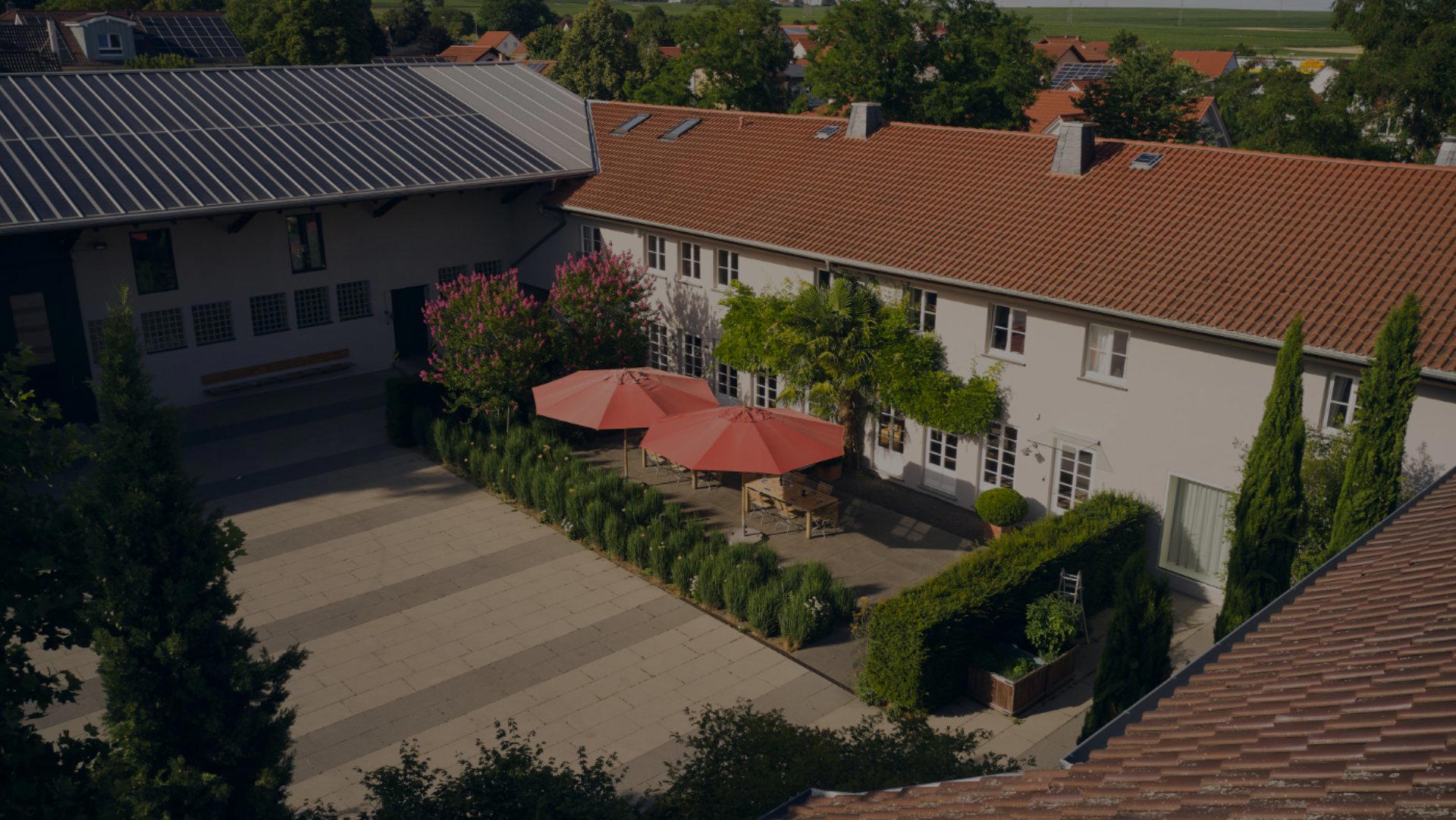
Bars in Bornheim
Browse all →


Restaurants in Bornheim
Browse all →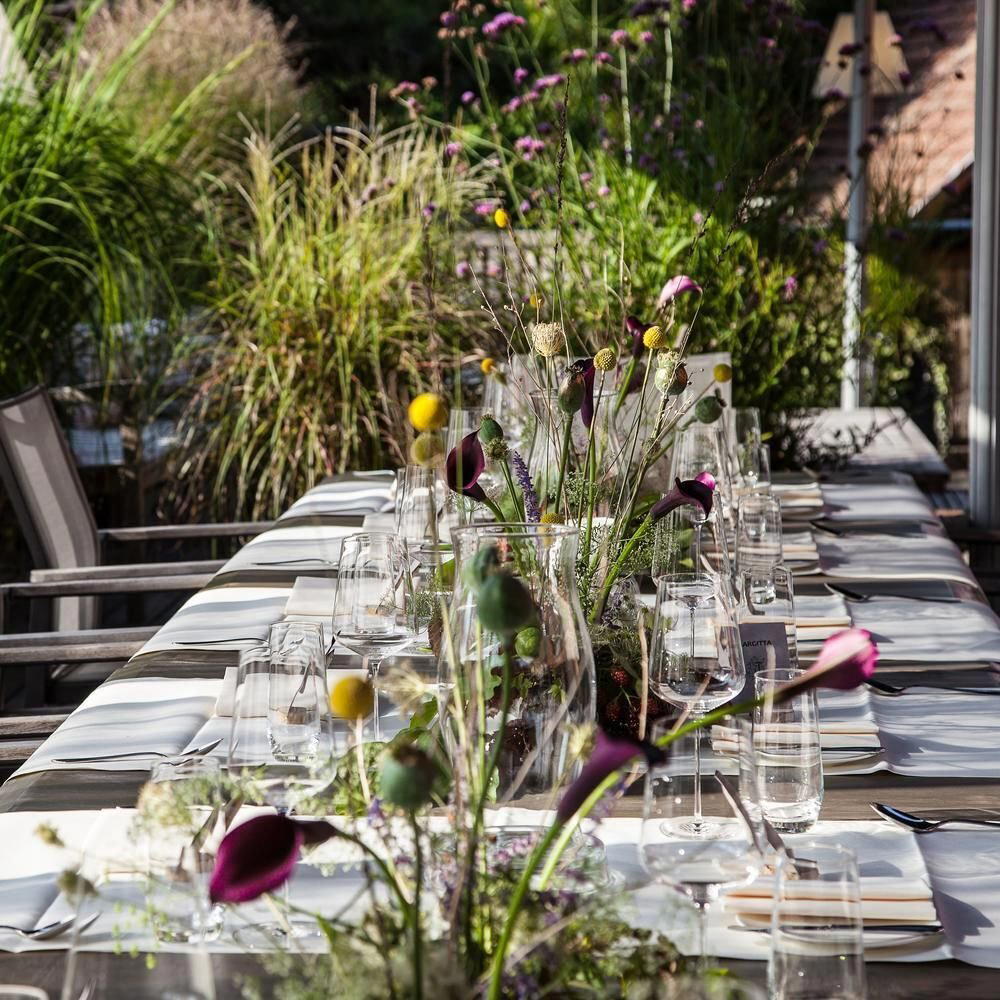
Details
- Quiet
- Rustic
- Solo Exploration
- Special Occasion
- Historic Building
- Private Tasting
- Organic
- Vineyard
- Old Grape Varieties
- Still White
- Still Red
- Sparkling
- Private Tasting
An organic winery with a practical, trade-oriented profile rather than a hospitality-heavy tasting room, rooted in ecological wine production and family operation.