Viña De Martino

Viña De Martino sits in Isla de Maipo, one of Chile's most historically significant wine-producing valleys, and carries a Pearl 3 Star Prestige rating for 2025. The estate occupies a tier of Chilean producers where terroir expression and regional identity carry more weight than varietal novelty. For visitors drawn to Maipo's Cabernet tradition and its relationship with Andean soils, De Martino offers a grounded entry point into that conversation.
 Discover on Pearl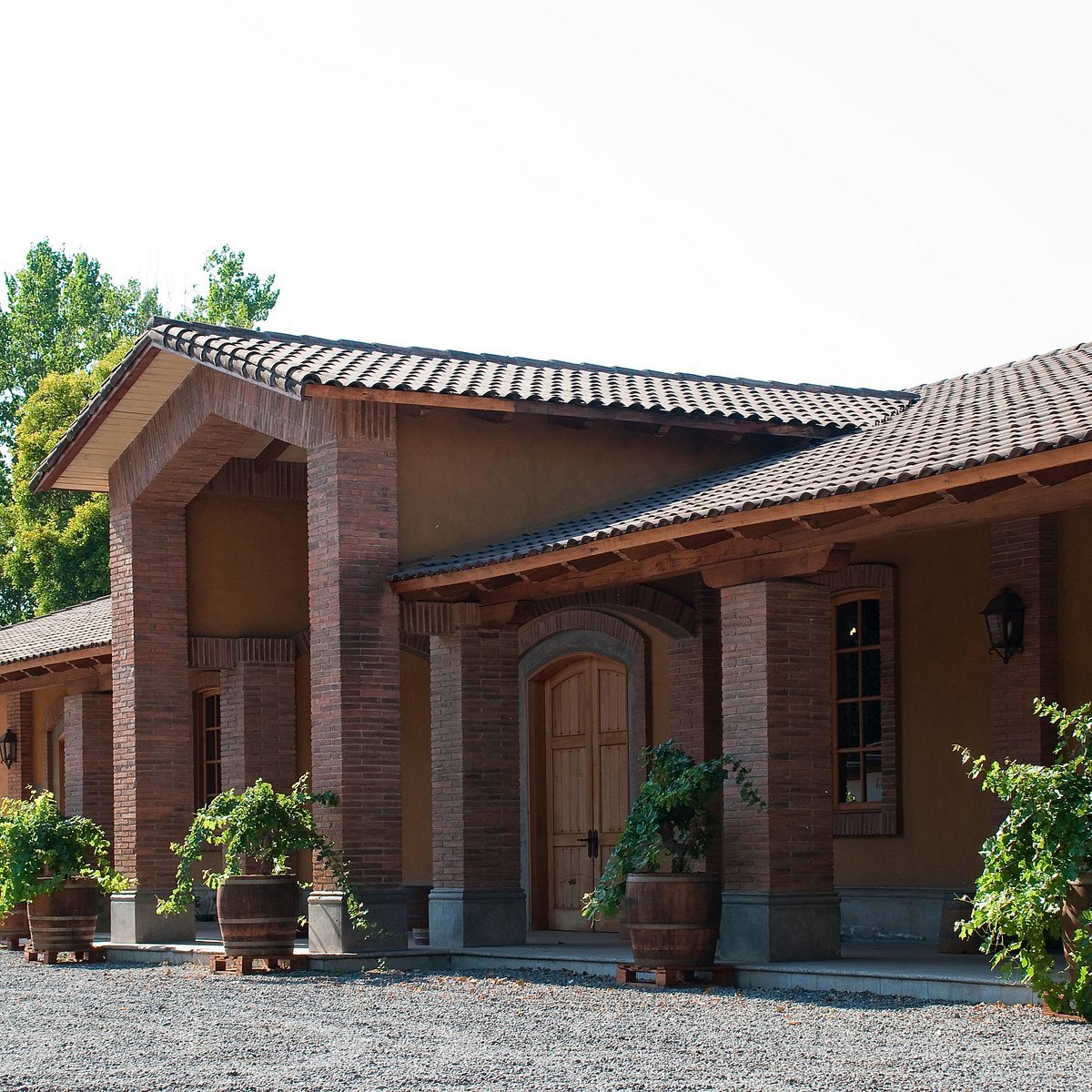
What Maipo Valley Tastes Like, and Why De Martino Is Part of That Answer
The road into Isla de Maipo runs south from Santiago through a corridor that has been producing wine longer than most New World regions have existed. The valley floor here sits between 300 and 600 metres above sea level, with the Andes providing both the drainage and the diurnal temperature swings that define the region's character. Before you arrive at any specific address, the physical logic of the place is already doing interpretive work: this is a valley built for Cabernet Sauvignon, and the producers who have stayed closest to that premise are the ones who tend to attract sustained critical attention.
Viña De Martino, located at Manuel Rodríguez 229 in Isla de Maipo, sits within that tradition. The estate earned a Pearl 3 Star Prestige rating in 2025, a recognition that places it in a peer set defined less by volume and more by the quality signals that serious wine buyers use to orient themselves. That kind of rating matters differently in Maipo than it might elsewhere: in a valley where the dominant narrative has sometimes been about scale and export efficiency, a prestige-tier recognition is a statement about which producers are operating with a different set of priorities.
The shortlist, unlocked.
Hard-to-book tables, cellar releases, and concierge-planned trips.
Get Exclusive Access →Maipo's Terroir Argument, Made in Soil and Altitude
Understanding what De Martino represents requires some context about what Maipo Valley actually is as a growing environment. The sub-valley of Isla de Maipo specifically benefits from alluvial soils deposited by the Maipo River over millennia, producing a well-drained, gravelly substrate that stresses vines productively and concentrates flavour without excessive water retention. This is structurally comparable to the gravel beds of the Médoc, which is not an accidental parallel: Chilean winemakers and their French counterparts identified this similarity in the nineteenth century, and the Bordeaux varieties planted then have never left.
What separates prestige-tier Maipo production from mid-range output is largely a question of how faithfully a producer reads and responds to these site conditions. The valley's Andean exposure creates a pronounced temperature difference between day and night during the growing season, sometimes exceeding 20 degrees Celsius. That thermal shift slows ripening and preserves acidity in a way that warm coastal climates cannot replicate. Producers who farm with this dynamic in mind, rather than engineering around it with heavy extraction or new oak, tend to produce wines with more identifiable site character. De Martino's placement in the prestige tier suggests it belongs to that group.
For comparison within the region, estates like Viña Tarapacá and Viña Santa Ema also operate from Isla de Maipo addresses, each with distinct positioning within the valley's competitive range. The fact that multiple prestige-flagged producers are concentrated in this one sub-region reinforces its status as Maipo's most precise expression of the valley's terroir argument.
Chile's Wider Wine Geography, and Where Maipo Sits in It
Maipo is only one chapter in Chilean wine geography, though it is among the most read. The country's wine regions extend from the Atacama Desert in the north, where producers like Viña Falernia in Vicuña work with high-altitude Syrah and Carménère under extreme solar conditions, to the cooler southern valleys where Pinot Noir and Chardonnay are gaining ground. In between, estates such as Viña Casa Silva in San Fernando represent the Colchagua Valley's contribution, while Viña MontGras in Palmilla and El Gobernador (Miguel Torres Chile) in Curicó demonstrate how the Central Valley's middle reaches have developed their own critical identity.
Further north, Pisco Alto del Carmen Distillery in Huasco operates in an entirely different category, distilling Muscat-derived spirits in the desert valleys of the Atacama, a reminder that Chile's fermented traditions predate the Bordeaux varietals entirely. The breadth of this geography matters because it frames what Maipo's specific contribution is: not Chile's most adventurous growing environment, but arguably its most legible, where Cabernet Sauvignon finds conditions that consistently produce wines with structural clarity and ageing potential.
Beyond Maipo and its near neighbours, estates like Viña Seña in Panquehue and Viña Undurraga in Talagante extend the Maipo and Aconcagua conversation into adjacent territories, while Viña Ventisquero in Santiago, Viña Santa Rita in Buin, and Viña Valdivieso in Lontué each occupy specific positions in Chile's prestige hierarchy. The peer set for a 3 Star Prestige-rated estate in Isla de Maipo is drawn from this tier, not from the country's export-volume producers.
Visiting and Planning
Isla de Maipo sits roughly 45 kilometres southwest of central Santiago, making it a practical half-day or full-day excursion from the capital rather than a destination requiring overnight logistics. The drive follows the Maipo River corridor south from the city, and the surrounding agricultural character of the valley becomes apparent well before the town itself. For visitors combining multiple properties in a single day, the concentration of prestige-rated estates in this sub-valley makes route planning relatively efficient. Phone and website details for De Martino are not listed in current records, so confirming visit availability in advance through direct outreach or a local concierge is the practical approach. Our full Isla de Maipo restaurants guide covers the broader range of options in the area and can help structure a fuller itinerary. For context on how Chilean prestige producers compare internationally, the contrast with Napa-based estates like Accendo Cellars in St. Helena or Scottish producers such as Aberlour in Aberlour illustrates how different terroir traditions produce different kinds of prestige signals, each legible within their own regional logic.
Frequently Asked Questions
- What's the leading wine to try at Viña De Martino?
- Without current menu or tasting-list data on file, a specific recommendation isn't possible to make responsibly. What the Pearl 3 Star Prestige rating (2025) signals, however, is that the estate's output sits in a tier where Maipo Cabernet Sauvignon is most likely the primary reference point, given the valley's soil profile and historical varietal emphasis. Reaching out directly to the estate before a visit is the most reliable way to confirm current releases and tasting formats.
- Why do people go to Viña De Martino?
- Isla de Maipo's position as Chile's historically dominant Cabernet-producing sub-valley draws visitors who want to understand the country's wine identity at its most established. De Martino's Pearl 3 Star Prestige recognition for 2025 places it among the valley's producers with a documented quality case, rather than simply a volume story. The proximity to Santiago, under an hour from the city centre, also makes it an accessible reference point for travellers building a structured Chilean wine itinerary.
- Can I walk in to Viña De Martino?
- Current contact details and booking policies are not available in our records, so walk-in access cannot be confirmed. Estates at the prestige tier in Maipo generally operate ticketed or appointment-based tastings rather than open walk-in formats, particularly during harvest periods. Contacting the estate through local tourism offices or a Santiago-based concierge before arrival is the most practical approach.
- When does Viña De Martino make the most sense to choose?
- If the goal is to understand what Maipo Valley Cabernet Sauvignon looks like at a prestige level, De Martino's 2025 Pearl 3 Star rating makes it a relevant stop regardless of season. Harvest season in Maipo runs roughly from late February through April, when the valley is most active and winery visits carry an additional layer of context. Visitors combining multiple Isla de Maipo estates in a single day will find the geographic concentration of prestige producers here more practical than spreading across Chile's longer north-south corridor.
- How does De Martino's prestige rating compare to other Isla de Maipo producers?
- The Pearl 3 Star Prestige recognition De Martino received in 2025 places it in the upper tier of rated producers operating in the Isla de Maipo sub-valley, a region already recognised as one of Chile's most historically significant Cabernet addresses. Within the local peer set, this rating signals a level of quality consistency that separates it from mid-range volume producers in the same valley. Visitors researching the Maipo scene can use that credential as a practical filter when building a focused tasting itinerary.
At-a-Glance Comparison
A fast peer set for context, pulled from similar venues in our database.
| Venue | Cuisine | Price | Awards | Notes |
|---|---|---|---|---|
| Viña De Martino | This venue | |||
| Viña Tarapacá | ||||
| El Gobernador (Miguel Torres Chile) | ||||
| Viña Casa Silva | ||||
| Viña Falernia | ||||
| Viña MontGras |
Access the Cellar?
Our members enjoy exclusive access to private tastings and priority allocations from the world's most sought-after producers.
Get Exclusive AccessThe shortlist, unlocked.
Hard-to-book tables, cellar releases, and concierge-planned trips.
Get Exclusive Access →