Somerston Estate
Somerston Estate on Sage Canyon Road sits at the quieter, more remote end of St. Helena's premium winery tier. The property occupies a distinct position among Howell Mountain-adjacent estates where elevation and site complexity drive the winemaking conversation, placing it alongside allocation-driven peers rather than tasting-room-first operations.

Pearl is the En Primeur Club membership app — saves, bookings, and concierge access live there. Same editors, same standards.
- Address
- 3450 Sage Canyon Rd, St Helena, CA 94574
- Phone
- (707) 967-8414
- Hours
- Daily 10 AM–4 PM
- Website
- somerstonestate.com
- Directions
- Get directions
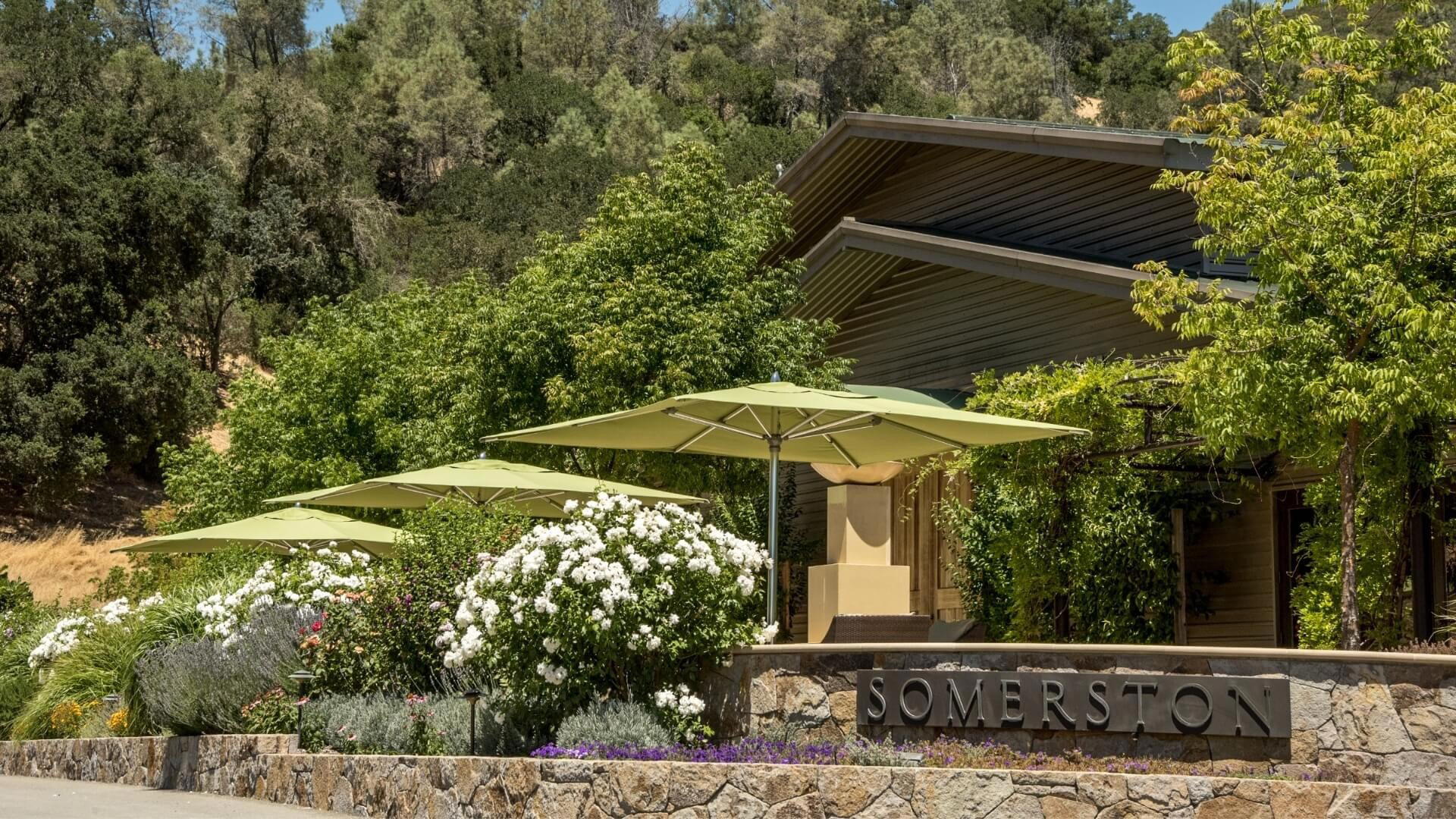
Up the Mountain Road: Arriving at Somerston
Sage Canyon Road does not ease you in. The drive east from St. Helena's main corridor climbs steadily through oak-covered hillsides, the valley floor dropping away behind you as the road narrows and the air changes. Properties out here are spaced far apart, and the approach to Somerston Estate at 3450 Sage Canyon Rd reflects that character: this is not a winery designed for casual drive-by visits, and the physical remove signals something deliberate about how the estate positions itself in Napa's increasingly segmented premium tier.
That segmentation matters more now than it did a decade ago. St. Helena has developed two distinct winery cultures operating in parallel. Along Highway 29 and the Silverado Trail's more accessible stretches, visitor-facing estates compete on hospitality architecture, tasting fee design, and Instagram throughput. Further out, on the hillside roads and remote canyon addresses, a smaller number of properties have moved in the opposite direction, trading accessibility for site specificity and visitor volume for depth of engagement.
Where Somerston Sits in the St.
The wineries that matter as reference points for Somerston are those operating in the hillside and mountain-adjacent tier of St. Helena and its immediate surrounds. Dana Estates and Chappellet Winery both occupy comparable elevation-influenced positions, where the conversation centers on soil composition, diurnal temperature variation, and the specific character that mountain fruit brings to Cabernet and its blending partners. Accendo Cellars and Brand Napa Valley operate further up the allocation-scarcity scale, while Charles Krug, as one of Napa's oldest operating wineries, represents the valley-floor heritage tradition that hillside estates have increasingly differentiated themselves from.
That award places it above the generalist tasting-room tier and aligns it with estates where the quality argument rests on terroir specificity and production restraint rather than hospitality scale. It is a peer-set signal as much as a quality marker.
The Evolution of Remote Napa: How This Address Has Changed
Sage Canyon and the roads feeding into the hills east of St. Helena have undergone a slow but substantial repositioning over the past fifteen years. Through the mid-2000s, the remote canyon addresses were associated primarily with large ranch holdings and a handful of boutique producers operating with minimal infrastructure. The post-2008 period compressed valuations and shifted investment away from speculative land plays, but it also concentrated serious winemaking ambitions into properties that could sustain themselves on quality-driven allocation models rather than tasting-room revenue.
The result, by the early 2020s, was a more clearly defined upper tier of canyon and hillside estates that had survived the compression precisely because their visitor model was never volume-dependent. Properties that stayed the course through consolidation and retained site integrity now occupy a different conversation than they did in the earlier, less differentiated era of Napa's hillside boom. The award, coming in 2025, is not simply a snapshot of present quality but a marker of where an estate lands after that longer arc of category evolution.
Across California's premium wine regions, this pattern repeats with variation. Adelaida Vineyards in Paso Robles navigated a similar transition as that appellation shifted from rustic outlier to recognised premium zone. Alban Vineyards in Arroyo Grande built its reputation through a comparable emphasis on site over scale. Even further afield, Adelsheim Vineyard in Newberg represents the Oregon parallel: a producer whose long-term site commitment has compounded into category authority. The through-line is patience with a specific piece of ground, and that patience is legible in how these estates price and present their wines relative to appellation averages.
What the Site Argument Means for the Wines
Napa's mountain and hillside appellations make a consistent claim: that elevation, volcanic or rocky soils, and the stress those conditions impose on vines produce wines with greater structure, longer aging curves, and more specific character than valley-floor fruit. That argument has been commercially validated over decades, with mountain Cabernets from Spring Mountain, Diamond Mountain, and Howell Mountain commanding premiums over floor-grown peers at comparable production scales.
Somerston's Sage Canyon address places it within the broader constellation of eastern Napa hillside sites where that elevation argument applies. The specific combination of aspect, soil type, and microclimate that defines any individual canyon property is what ultimately differentiates one estate from another within that shared framing.
For broader California context, the hillside premium model has parallels across the state's wine regions. Alexander Valley Vineyards in Geyserville and Alpha Omega Winery in Rutherford each operate from different site philosophies, while Artesa Vineyards and Winery in Napa built its identity around a prominent hillside site with a strong architectural statement. The range illustrates how differently Napa producers have interpreted the site-quality relationship, and where Somerston sits within that range.
Planning a Visit
Because Somerston operates at the remote end of St. Helena's winery geography, logistics require more planning than a valley-floor visit. Sage Canyon Rd is navigable but narrow, and the estate's positioning outside the main tourism corridor means it does not absorb walk-in traffic the way Highway 29 properties do. Visitors should anticipate that booking ahead is not optional at this tier: remote hillside estates in Napa's premium category typically operate by appointment, with availability often stretching several weeks out during the spring and fall harvest seasons when demand from serious collectors peaks.
St. Helena as a base offers the most practical access to this corridor. The town sits within reasonable driving distance of Sage Canyon Rd and provides the full range of accommodation and dining options that anchor a multi-day Napa itinerary. For a broader orientation to the area's wine and dining options, our full St. Helena restaurants guide covers the category in depth. Visitors planning around Somerston would do well to pair it with other hillside appointments rather than mixing it with valley-floor tasting rooms in the same day, since the travel time and the mode of engagement are different enough to make the combination inefficient.
For those building a California wine itinerary around similar estate experiences, Andrew Murray Vineyards in Los Olivos offers a Santa Barbara County counterpoint, while the international parallel set might include Aberlour in Aberlour and Achaia Clauss in Patras for those tracking how heritage site identity operates across different production traditions.
The Quick Read
Comparable venues nearby, for context on price, style, and recognition.
| Venue | Cuisine | Price | Awards | Notes |
|---|---|---|---|---|
| Somerston EstateThis venue — the venue you are viewing | Not listed | $150–200 | Not listed | Not listed |
| Vineyard 29 | Not listed | Not listed | Not listed | St. Helena, Cabernet Sauvignon, Cabernet Franc |
| Dana Estates | Not listed | Not listed | Falstaff Winery - Listed | Rutherford, Cabernet Sauvignon, Sauvignon Blanc |
| Sloan Estate | Rutherford, Cabernet Sauvignon, Merlot | Not listed | Falstaff Winery - Listed | Not listed |
| Faust | Coombsville, Cabernet Sauvignon, Merlot | $50–100 | Not listed | Not listed |
| Snowden Vineyards | Not listed | Not listed | Not listed | St. Helena, Cabernet Sauvignon, Cabernet Franc |
Continue exploring
More in St. Helena
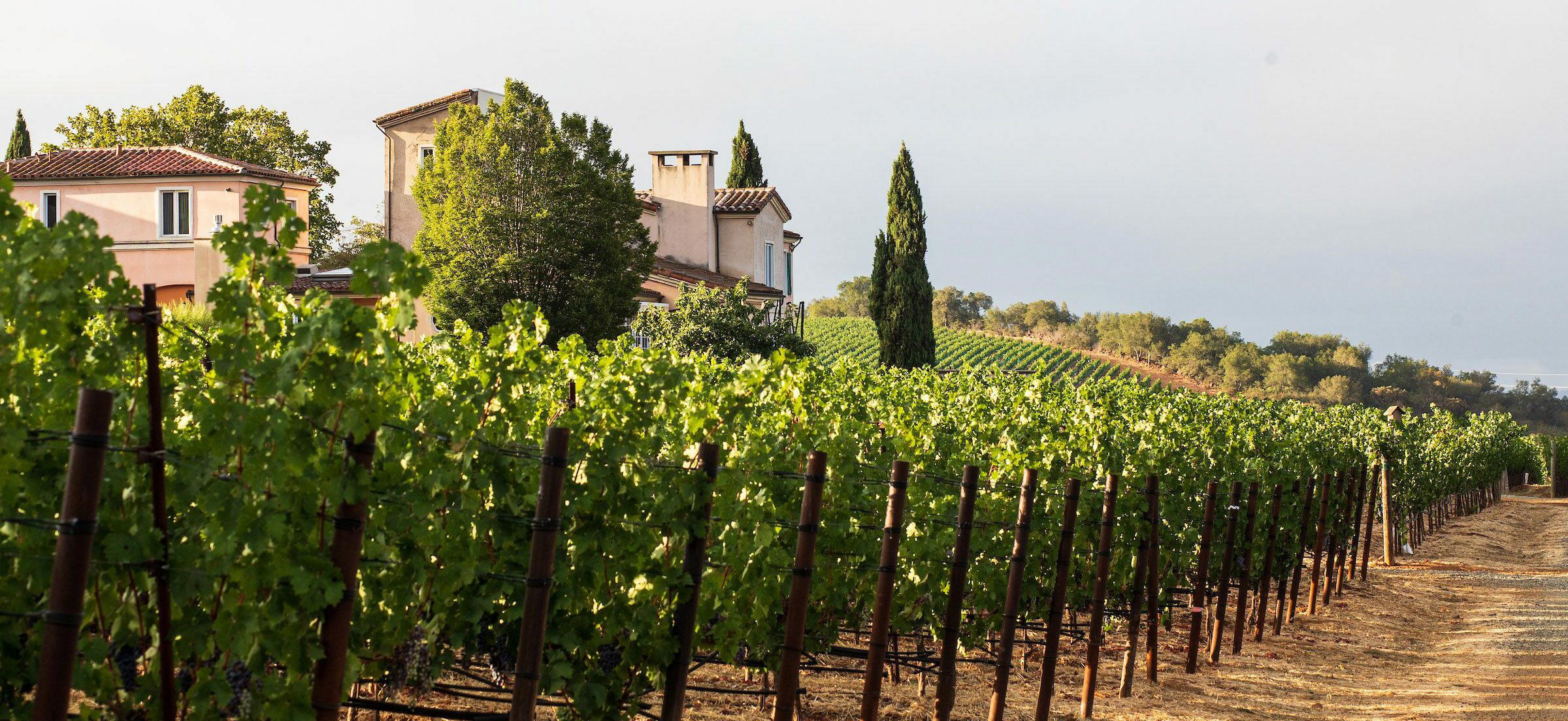
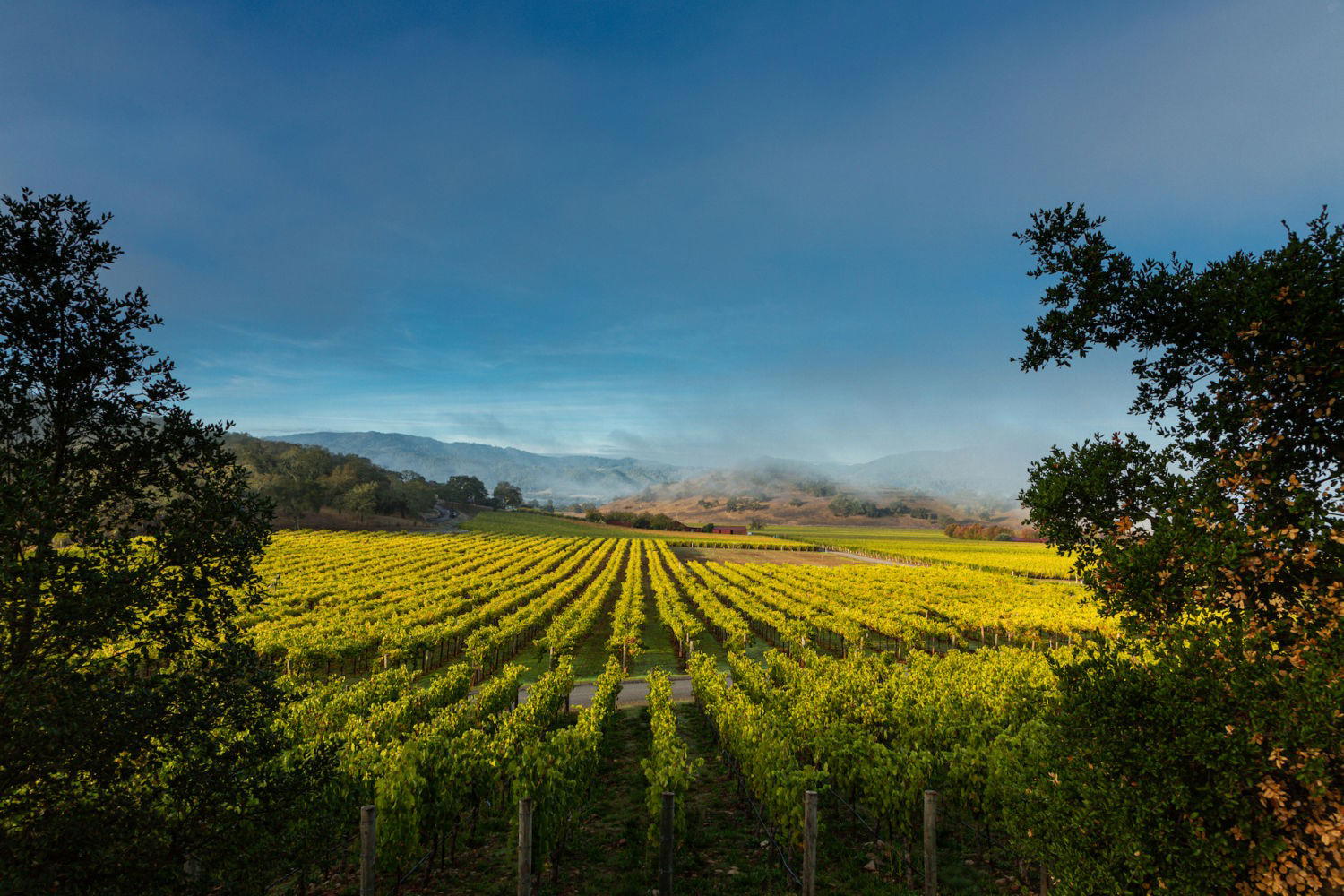
Wineries in St. Helena
Browse all →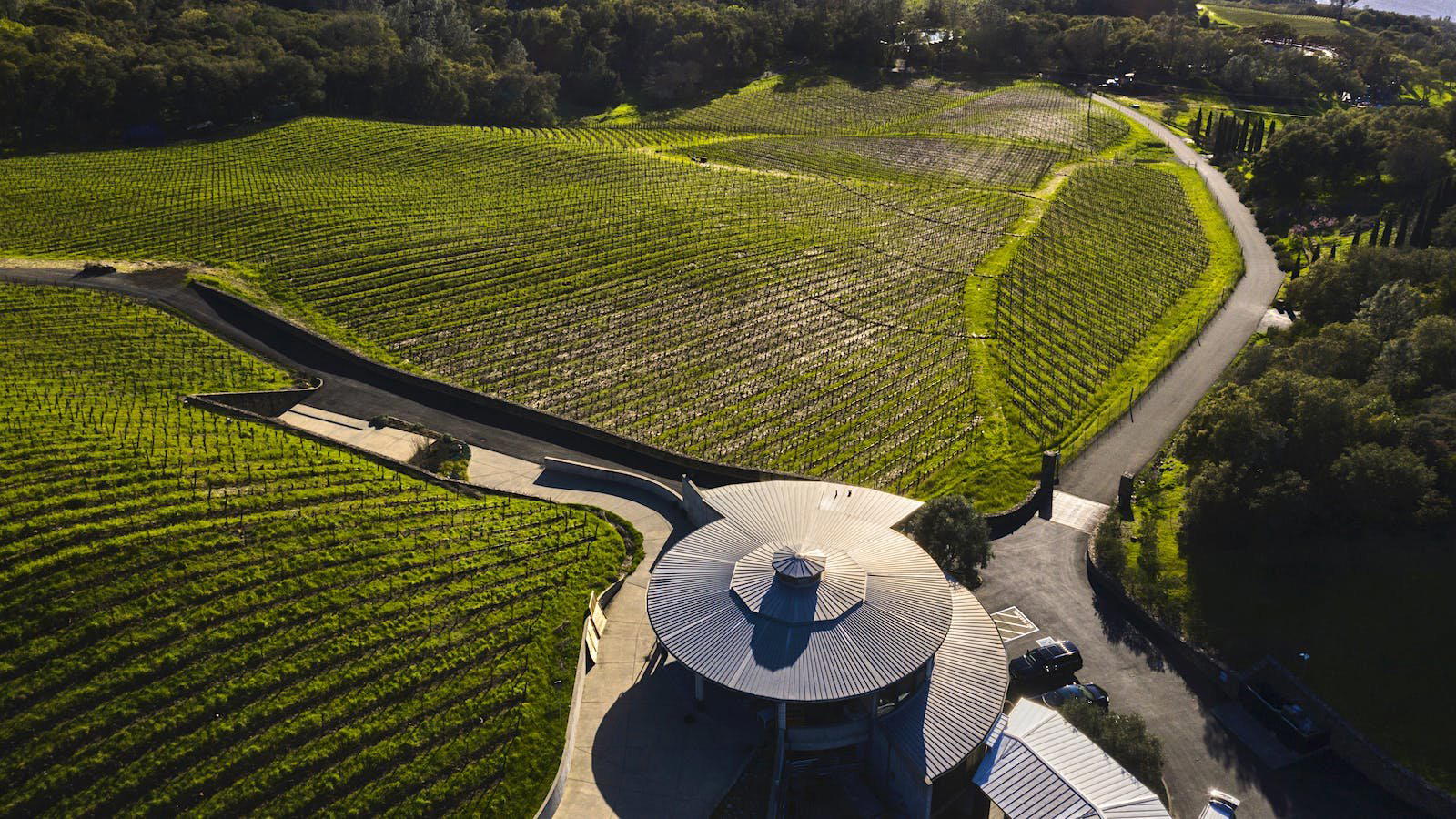
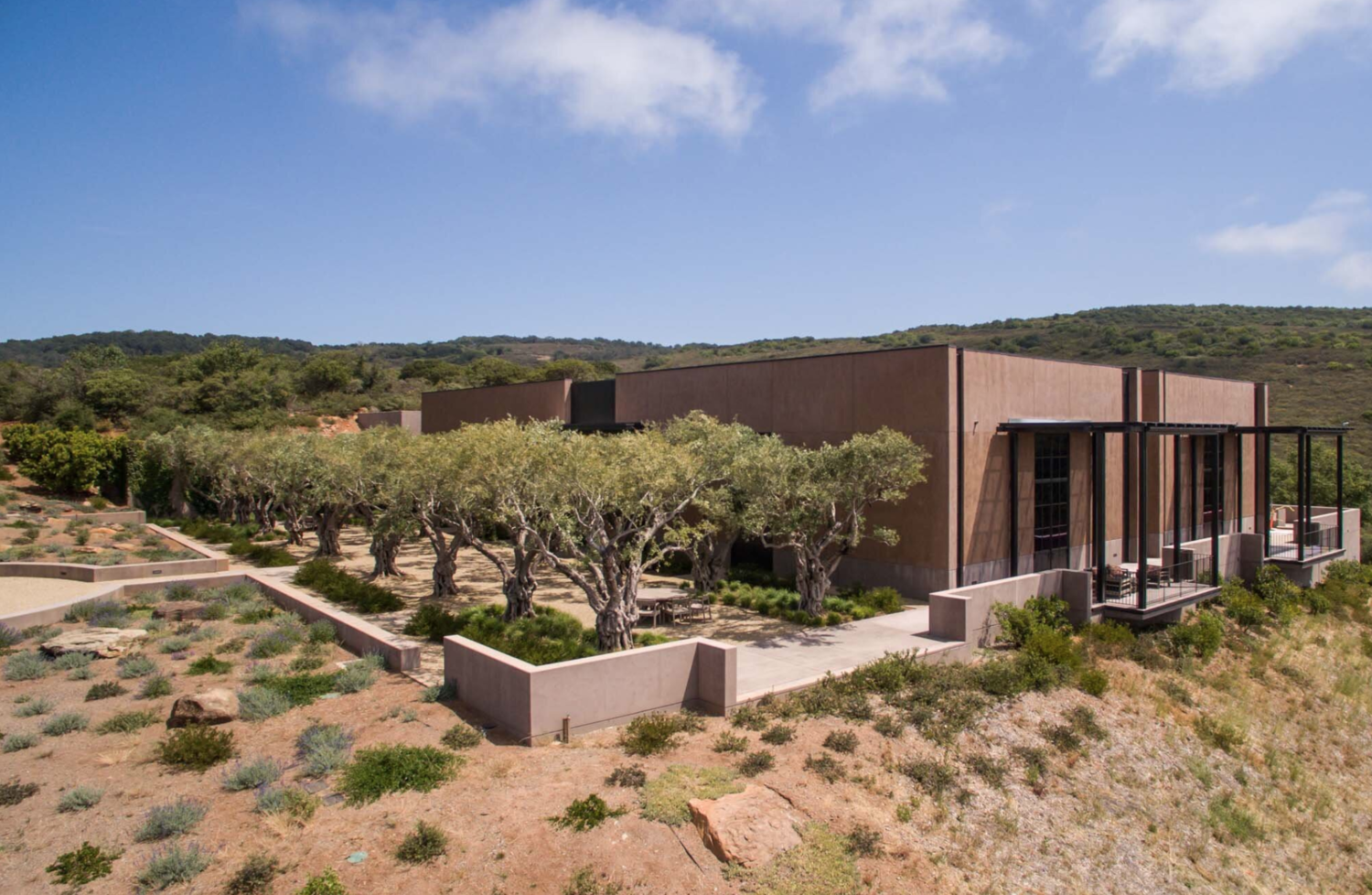
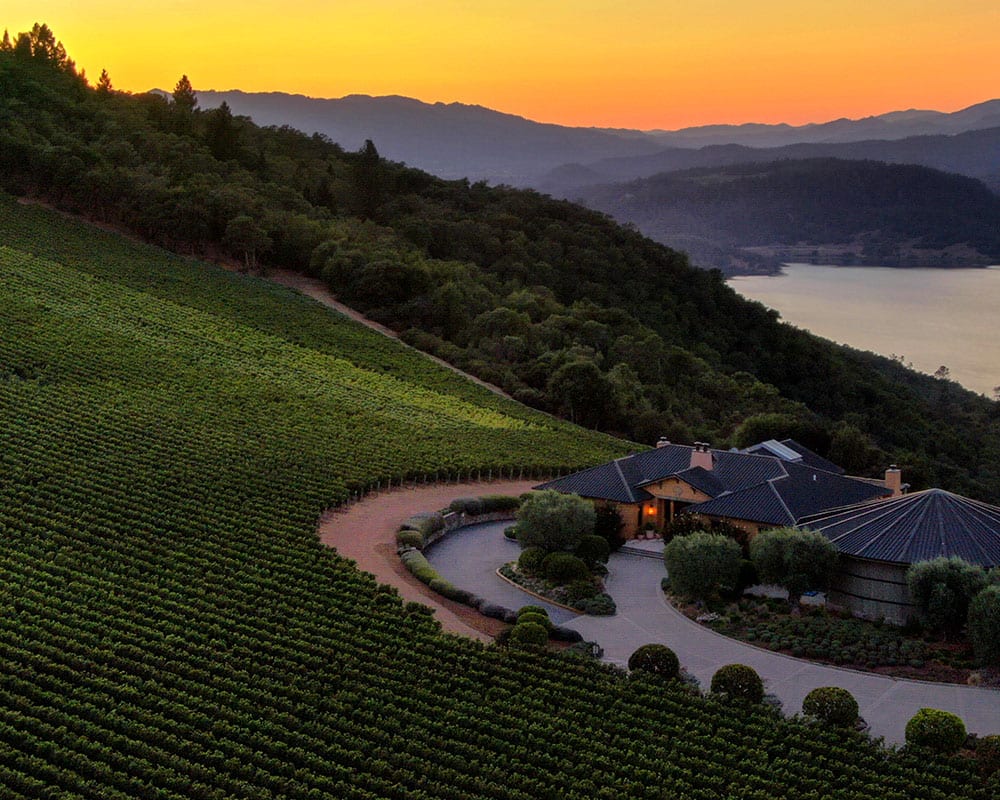
Bars in St. Helena
Browse all →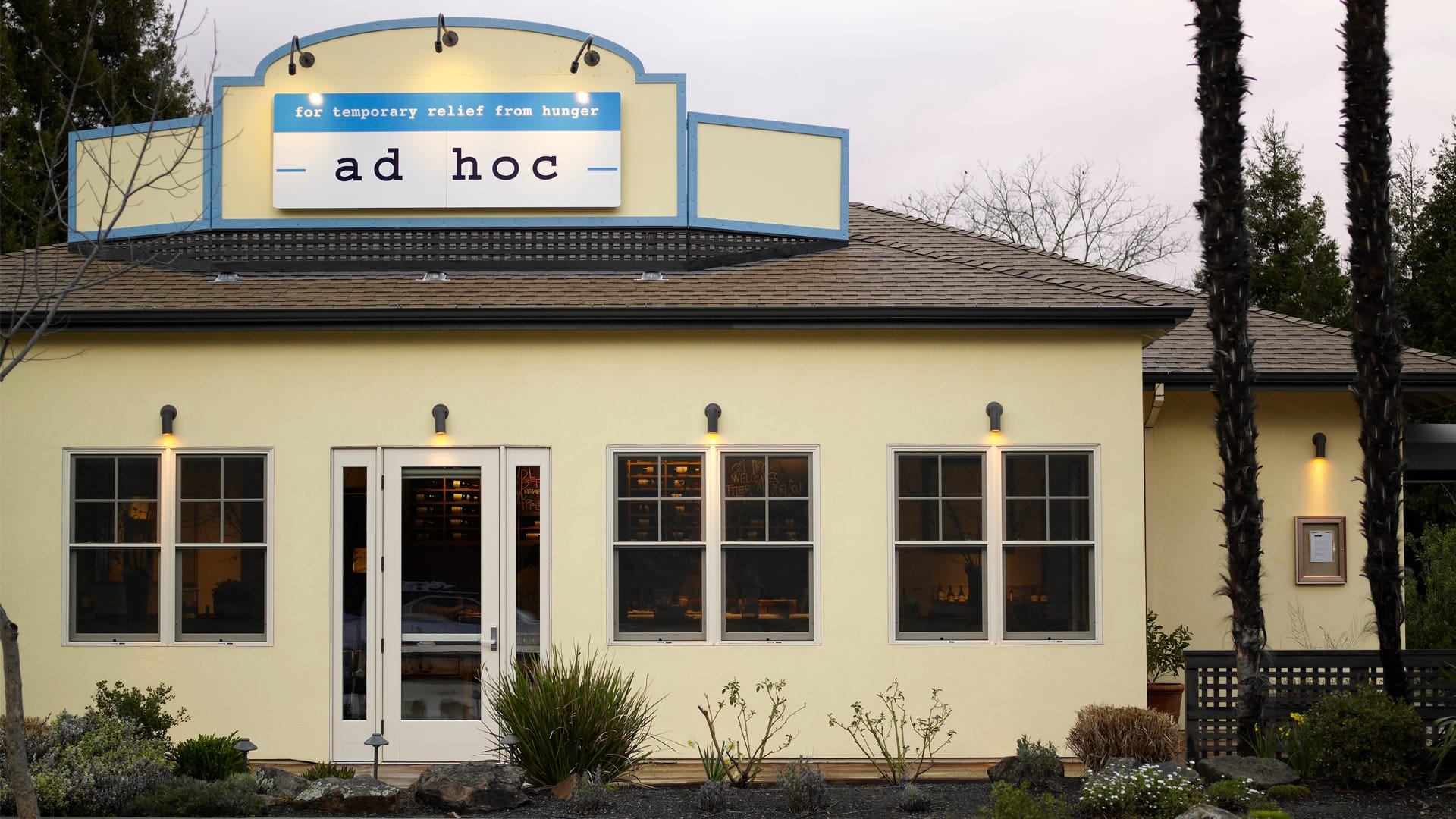
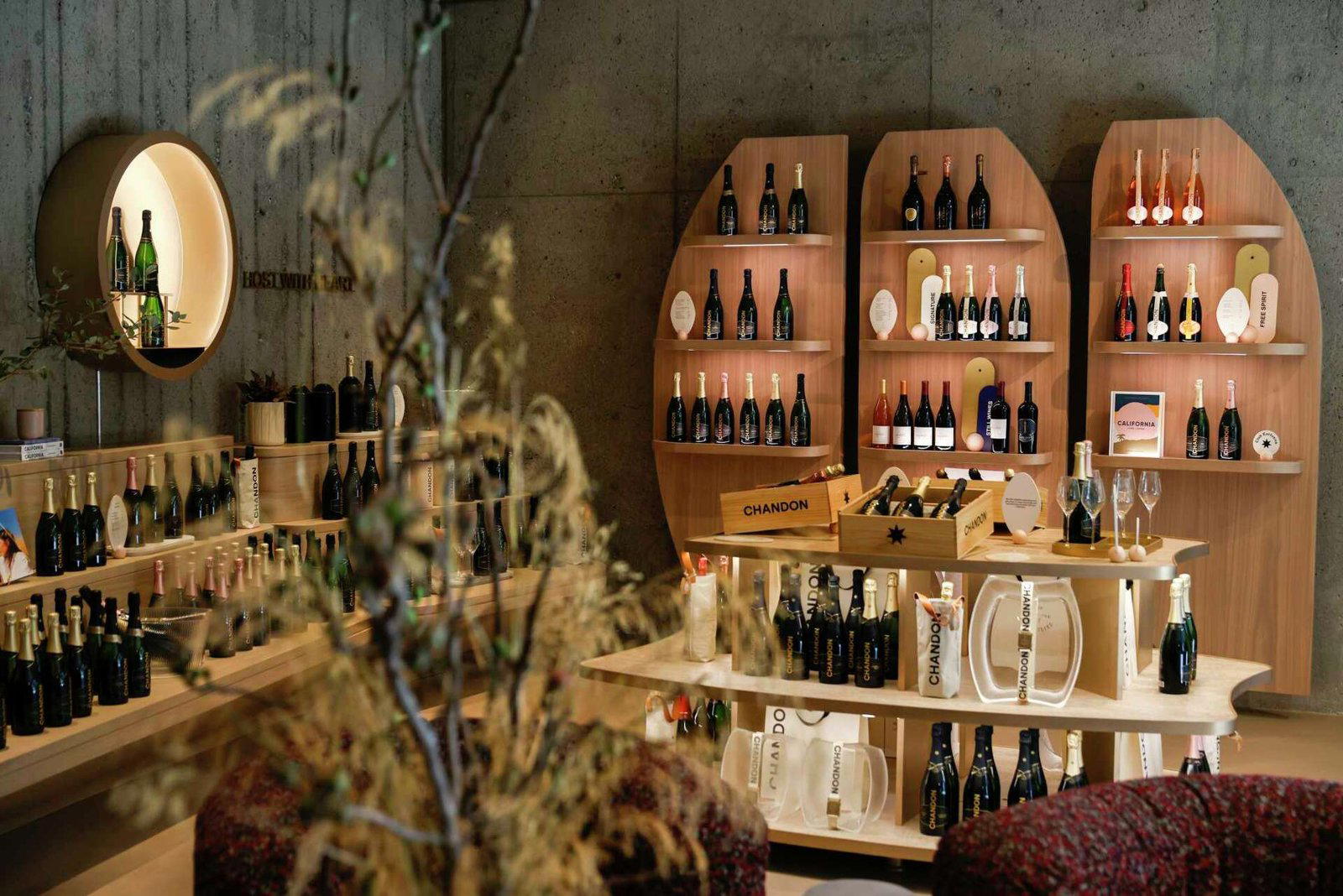
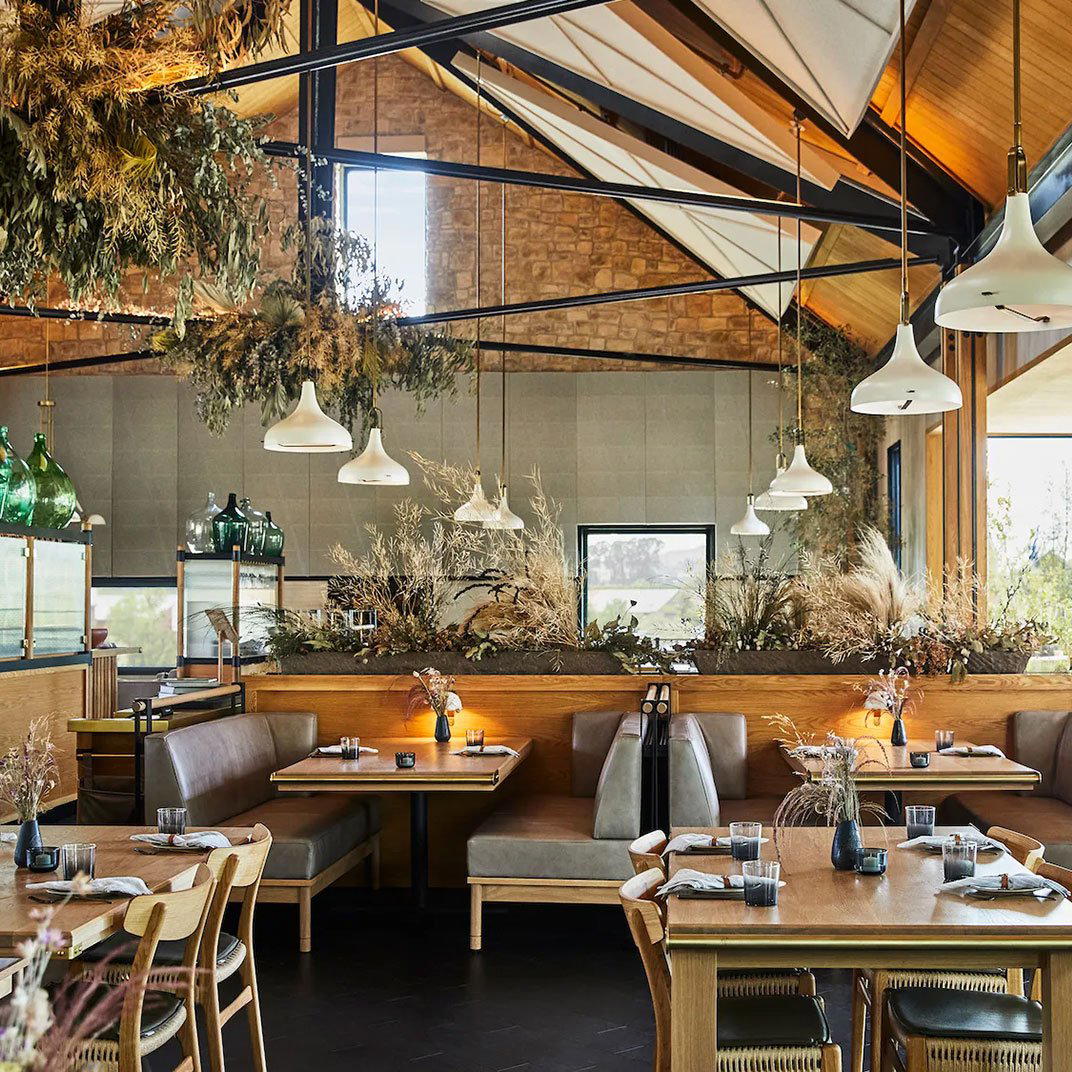

Restaurants in St. Helena
Browse all →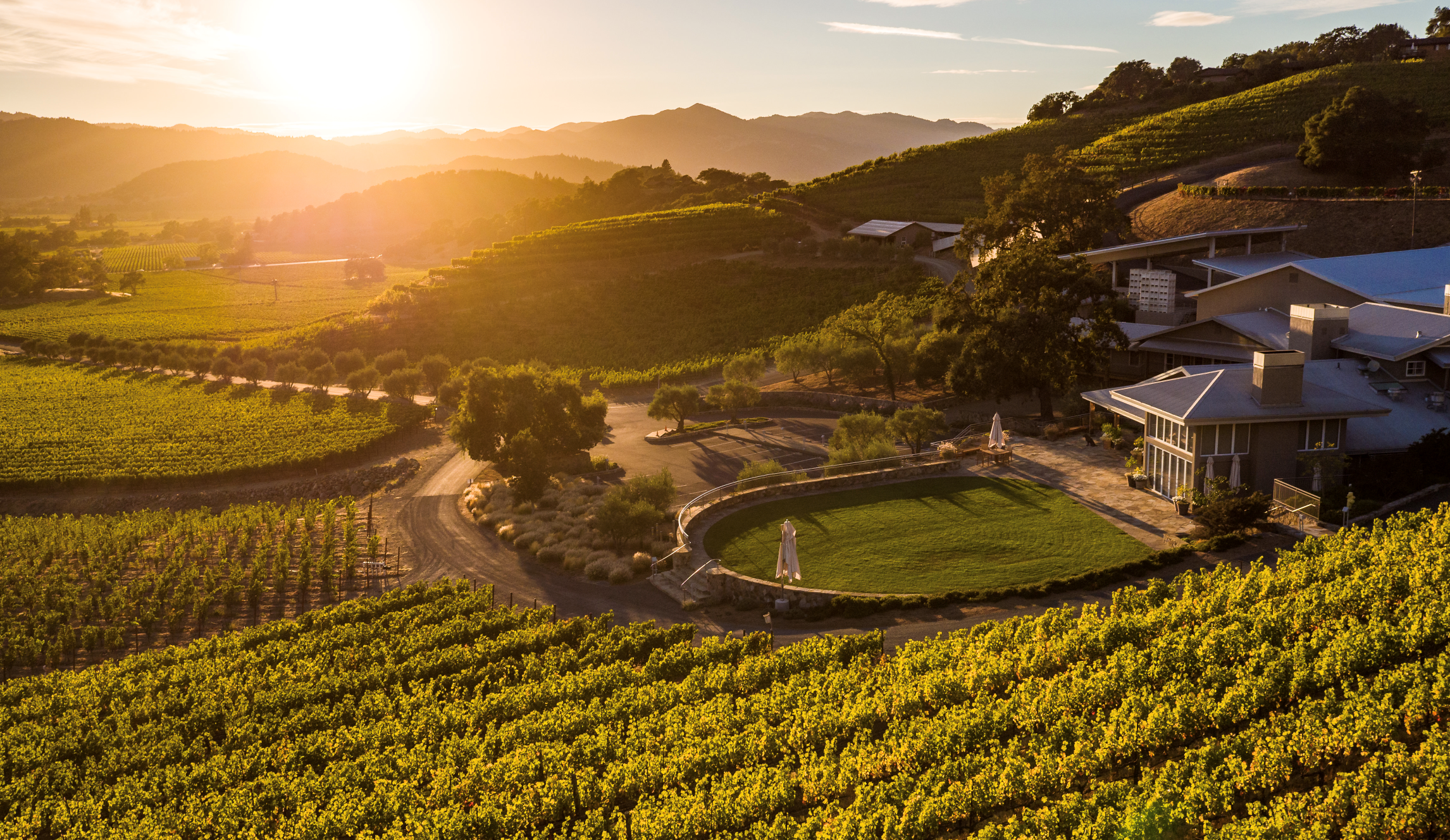
Details
- Romantic
- Scenic
- Elegant
- Rustic
- Sophisticated
- Romantic Getaway
- Wine Education
- Special Occasion
- Corporate Event
- Vineyard Tour
- Estate Grounds
- Private Tasting
- Panoramic View
- Sustainable
- Vineyard
- Mountain
- Garden
- Cabernet Sauvignon
- Merlot
- Cabernet Franc
- Sauvignon Blanc
- Petit Verdot
- Petite Sirah
- Grenache
- Viognier
- Still Red
- Still White
- Sit Down Wine Tasting
- Private Tasting
- Vineyard Tour With Tasting
- English
Current opening hours
- Monday
- 10 AM–4 PM
- Tuesday
- 10 AM–4 PM
- Wednesday
- 10 AM–4 PM
- Thursday
- 10 AM–4 PM
- Friday
- 10 AM–4 PM
- Saturday
- 10 AM–4 PM
- Sunday
- 10 AM–4 PM
Hours can change for holidays and private events. Last verified .
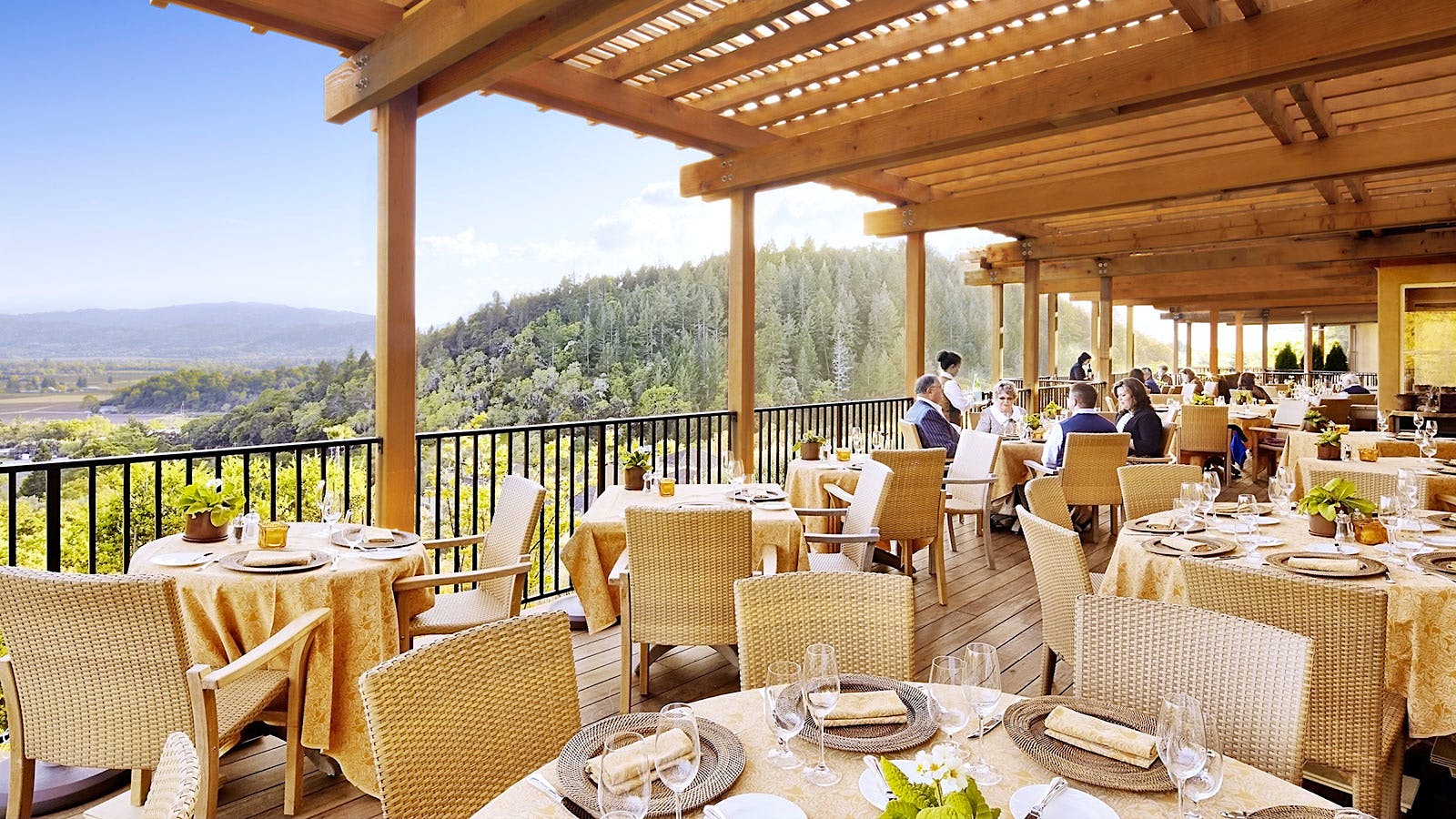
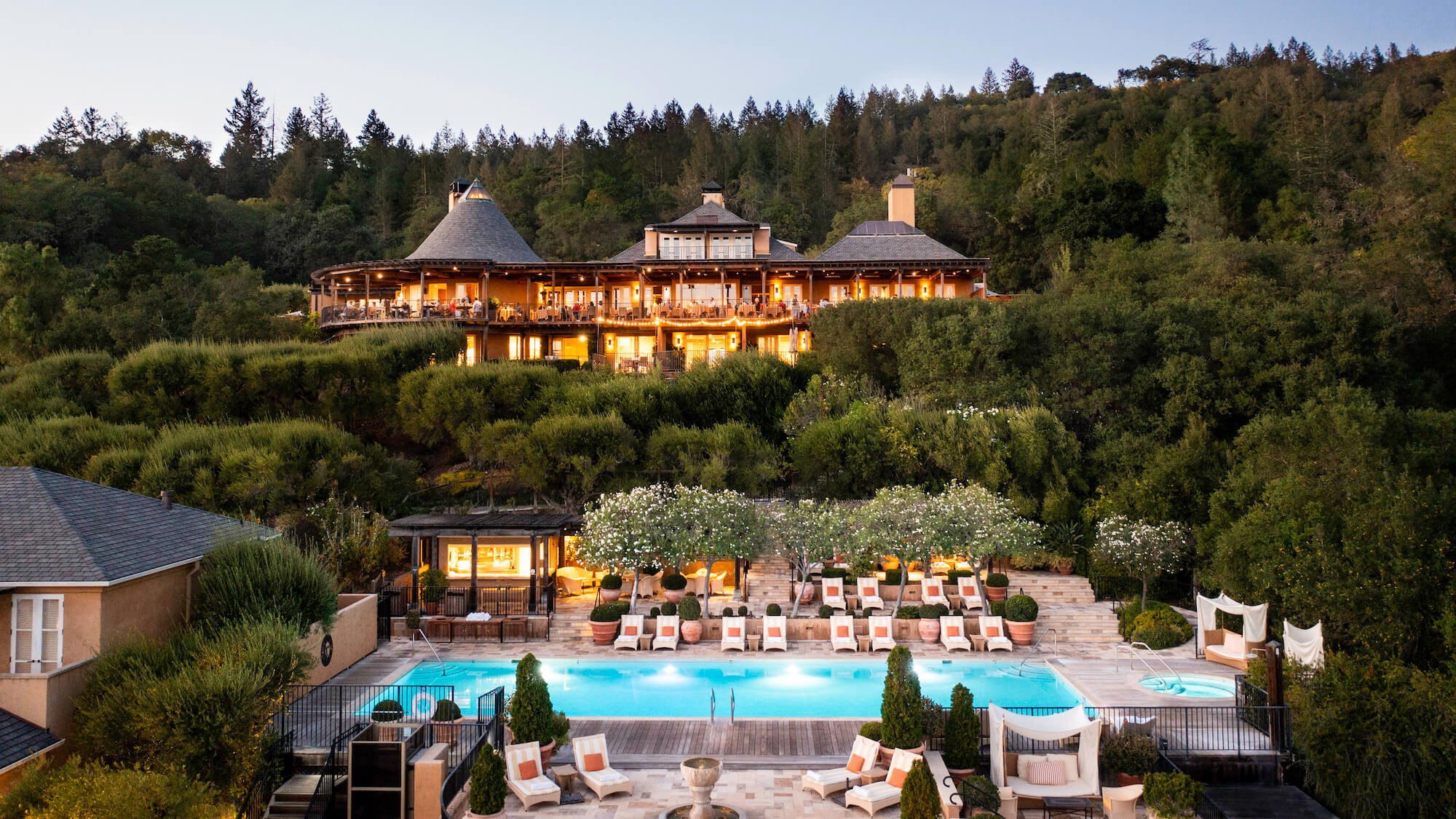
Serene and contemplative, with emphasis on terroir and minimal intervention; mountain vistas and rolling vineyard hillsides create a peaceful, off-the-beaten-path setting focused on wine quality and land stewardship.