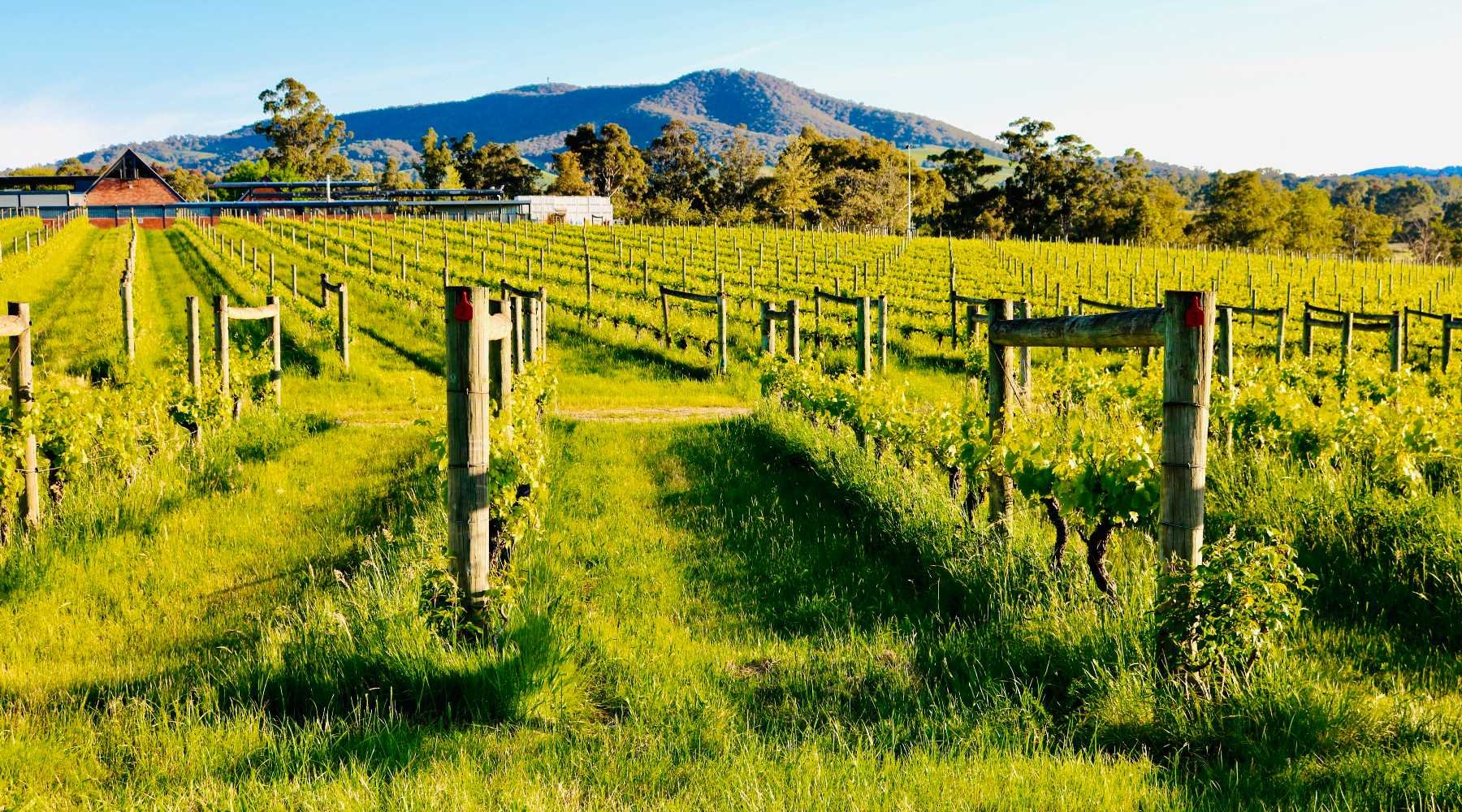
Scotchmans Hill sits on the Bellarine Peninsula outside Geelong. The property at Drysdale occupies terrain where maritime air off Port Phillip Bay shapes the growing season, placing it alongside a small peer group of Bellarine producers building serious reputations for site-expressive wine.
Pearl is the En Primeur Club membership app — saves, bookings, and concierge access live there. Same editors, same standards.
- Address
- 190 Scotchmans Rd, Drysdale VIC 3222
- Phone
- +61 3 5251 4431
- Website
- scotchmans.com.au
- Directions
- Get directions
 Saves & bookings on Pearl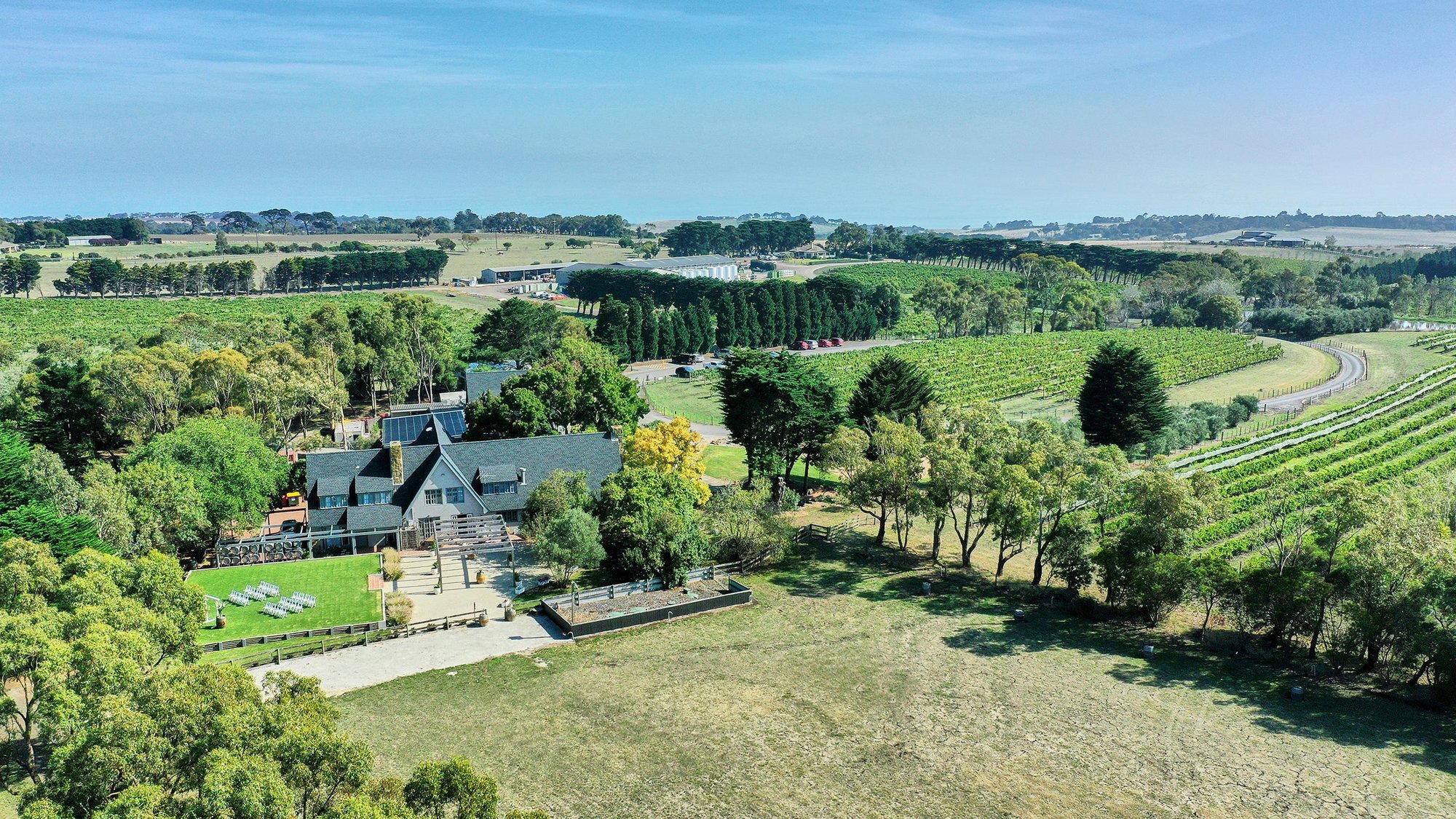
The Bellarine's Cool-Climate Case
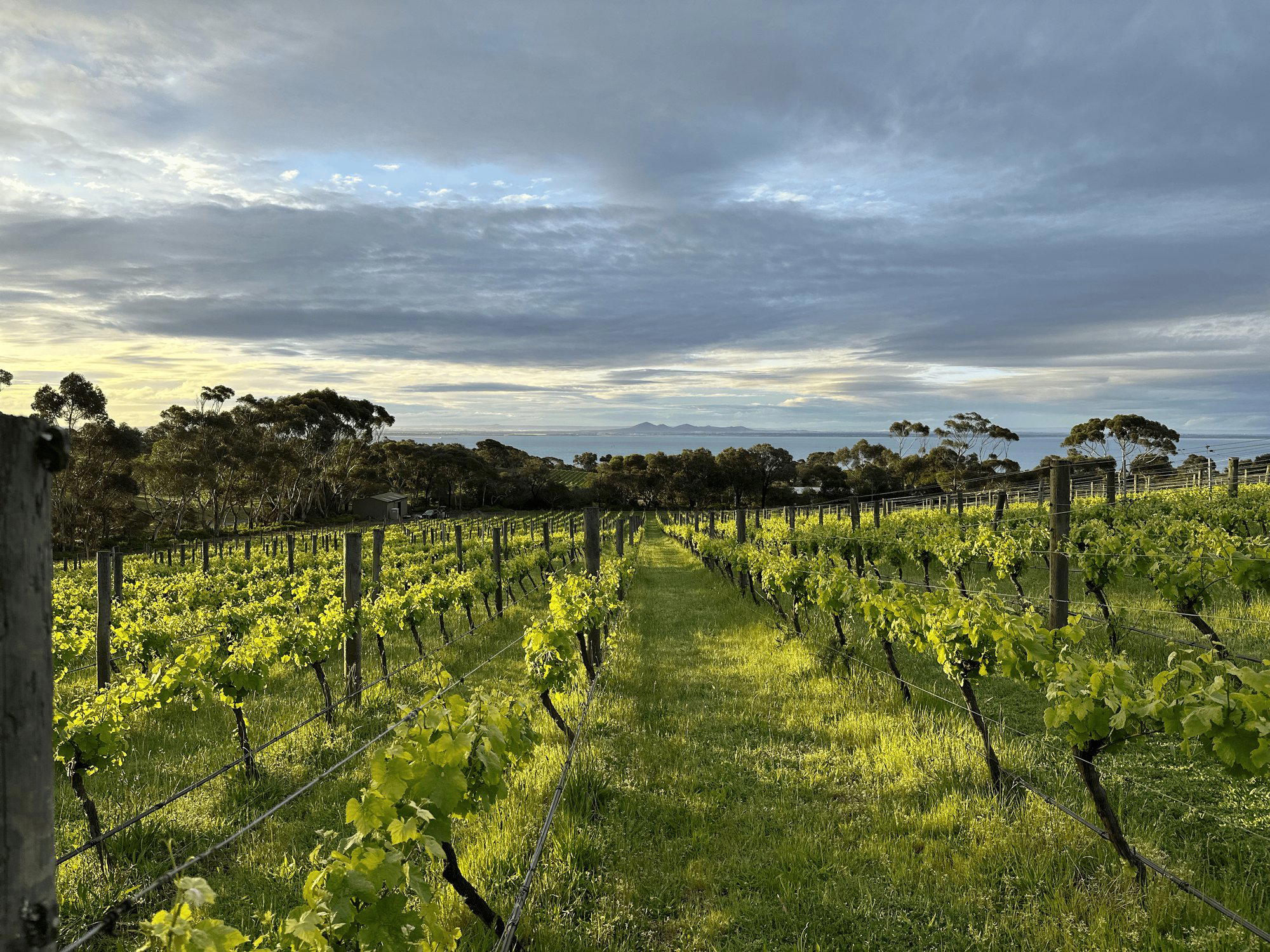
Drive south from Geelong toward the Bellarine Peninsula and the landscape shifts decisively within twenty minutes. The flat commercial fringe gives way to rolling basalt country, and the air carries a marine quality that distinguishes this corridor from inland Victoria. Scotchmans Hill sits at 190 Scotchmans Road, Drysdale, at a point where elevation and coastal exposure combine to create a growing environment that producers on this peninsula have spent decades learning to read. That combination is not incidental to the wines. It is the entire argument.
The Bellarine has long operated in the shadow of its neighbour, the Mornington Peninsula, which attracts more visitor traffic and more critical ink. But the two regions are not interchangeable, and serious wine drinkers who make the comparison tend to find Bellarine fruit carries a slightly different weight: a touch more structure in some vintages, a mineral quality that some attribute to the basalt soils that run across large sections of the peninsula.
Viticulture on Basalt: What the Site Actually Means
The land itself defines Scotchmans Hill. Victorian cool-climate viticulture at its most considered is about matching variety to geology and microclimate, then stepping back. Producers who work the Bellarine have learned that the peninsula's basalt-over-clay profiles retain moisture through dry periods, but that drainage management and canopy work determine whether that moisture becomes an asset or a liability. The growers doing this well across the region share a broadly site-responsive approach: they are not attempting to impose a house style on a piece of ground, but to articulate what that ground does in a given year.
Scotchmans Hill fits into the Geelong-region conversation in a few different ways. Bannockburn Vineyards operates further inland on the Moorabool Valley side of Geelong, working Pinot Noir and Chardonnay from a cooler, windier position. Wine by Farr in Bannockburn has Burgundy-trained lineage running through its program and sits in a comparable set defined more by weight of recognition than volume of production. Lethbridge Wines takes an organically minded approach from its Lethbridge base, and Mulline works a more minimal-intervention register. Each represents a distinct argument about what Geelong-region viticulture can do.
Sustainability and How the Region Is Moving
Australian premium viticulture has undergone a visible shift in the last decade toward regenerative and certified organic practices. The drivers are partly market-facing and partly agronomic: producers have found that reducing synthetic inputs over multiple seasons changes soil biology in ways that show up in wine texture and in the long-term viability of the vineyard block. The Bellarine's maritime climate brings its own challenges to this approach. Higher humidity relative to dryland inland regions means disease pressure is real, and the farms managing that pressure without conventional chemistry tend to require more hands-on canopy management and more willingness to accept yield variation.
Producers like Bass Phillip in Gippsland, where minimal intervention and low yields have long been the operating logic. Nationally, producers like Angove Family Winemakers in Renmark have certified their estate vineyards organically at scale, while Bird in Hand in the Adelaide Hills has built sustainability programs into its broader estate operations. The direction of travel across the premium tier is consistent, and Bellarine producers are not exempt from that pressure to account for how the land is managed.
What the 2025 Recognition Signals
The framework rewards consistency of output, site expression, and positioning within the broader comparable set, not a single strong vintage. For the winery, the recognition places it above the entry-level tier of Bellarine producers and into a bracket where it draws comparison with properties that have been building critical profiles over many years. That comparison group, within the Geelong region, is a short list. Outside the region, it aligns the winery with producers like Brokenwood in the Hunter Valley or Leading's Wines in Great Western that carry established reputations built over decades of consistent output in their respective regions.
For visitors planning a Geelong-region itinerary, the rating functions as a useful signal, particularly for those who want to understand Bellarine viticulture more closely. The contrast between a Bellarine estate visit and a cellar door stop at, say, a Moorabool Valley producer like Bannockburn, offers a more complete picture of what the wider Geelong region can do across different soil types and microclimates.
Planning a Visit to Scotchmans Hill
The winery is located at 190 Scotchmans Road, Drysdale, roughly an hour from central Melbourne via the Princes Freeway and the Bellarine Highway. The Drysdale township is the practical access point for the peninsula's wine producers, and a day structured around the Bellarine can reasonably include two or three cellar door visits. Those planning a broader Victorian wine trip will find Geelong well-positioned as a base: the full EP Club guide to the region covers the wider range of producers and food destinations worth including in an itinerary, and the full Geelong restaurants and experiences guide maps the food scene alongside the wine.
For visitors who travel beyond Victoria, the contrast between Bellarine cool-climate work and warmer-climate Australian estates can be instructive. Properties like All Saints Estate in Rutherglen or Blue Pyrenees Estate in the Pyrenees represent what Victorian viticulture looks like under different thermal conditions. Even a departure from wine entirely, to something like Archie Rose Distilling Co in Sydney, puts into relief how regional identity operates in Australian drinks culture more broadly. For a well-travelled drinker, the winery sits at an interesting point in that map: it is a serious estate in a region that has not yet attracted the same visitor volume as the Yarra Valley or Mornington, which means it remains accessible in the way that serious estates in more prominent wine regions are often not.
Awards and Standing
Comparable venues nearby, for context on price, style, and recognition.
| Venue | Cuisine | Price | Notes |
|---|---|---|---|
| Scotchmans HillThis venue — the venue you are viewing | Pinot Noir, Chardonnay | $$$ | Not listed |
| Mulline | Pinot Noir, Chardonnay | $$ | Sutherlands Creek |
| Bannockburn Vineyards | Chardonnay, Pinot Noir | $$$ | Moorabool Valley |
| Lethbridge Wines | Pinot Noir, Chardonnay | $$ | Moorabool Valley |
| Wine by Farr | Pinot Noir, Chardonnay | $$$ | Moorabool Valley |
| Yabby Lake Vineyard | Pinot Noir, Chardonnay | $$$ | Tuerong |
Continue exploring
More in Geelong
Wineries in Geelong
Browse all →

Bars in Geelong
Browse all →
Restaurants in Geelong
Browse all →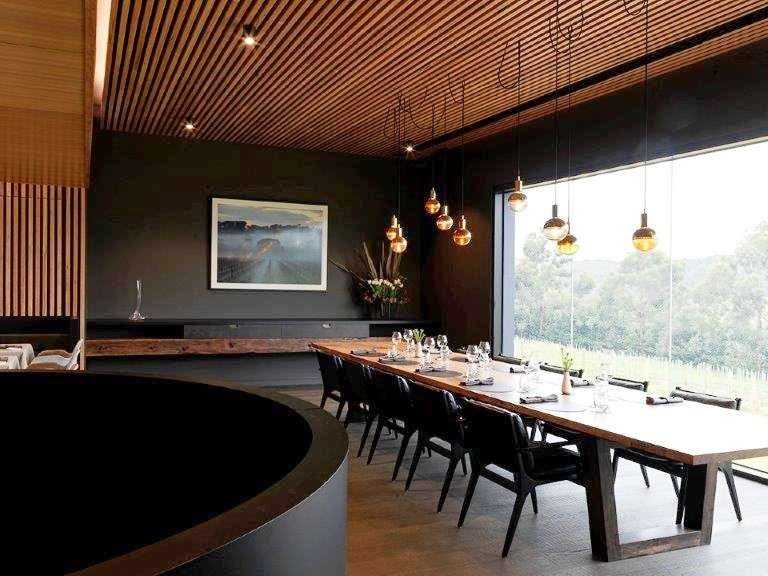


At a Glance
- Scenic
- Elegant
- Rustic
- Group Outing
- Celebration
- Family
- Wine Education
- Vineyard Tour
- Estate Grounds
- Terrace
- Panoramic View
- Sustainable
- Vineyard
- Waterfront
- Geelong
- Pinot Noir
- Chardonnay
- Shiraz
- Pinot Gris
- Riesling
- Sauvignon Blanc
- Still Red
- Still White
- Sparkling
- Cellar Door Tasting
- Premium Tasting
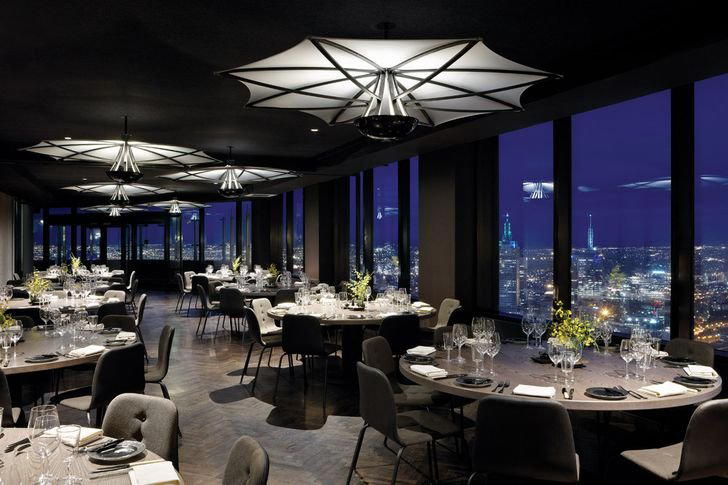
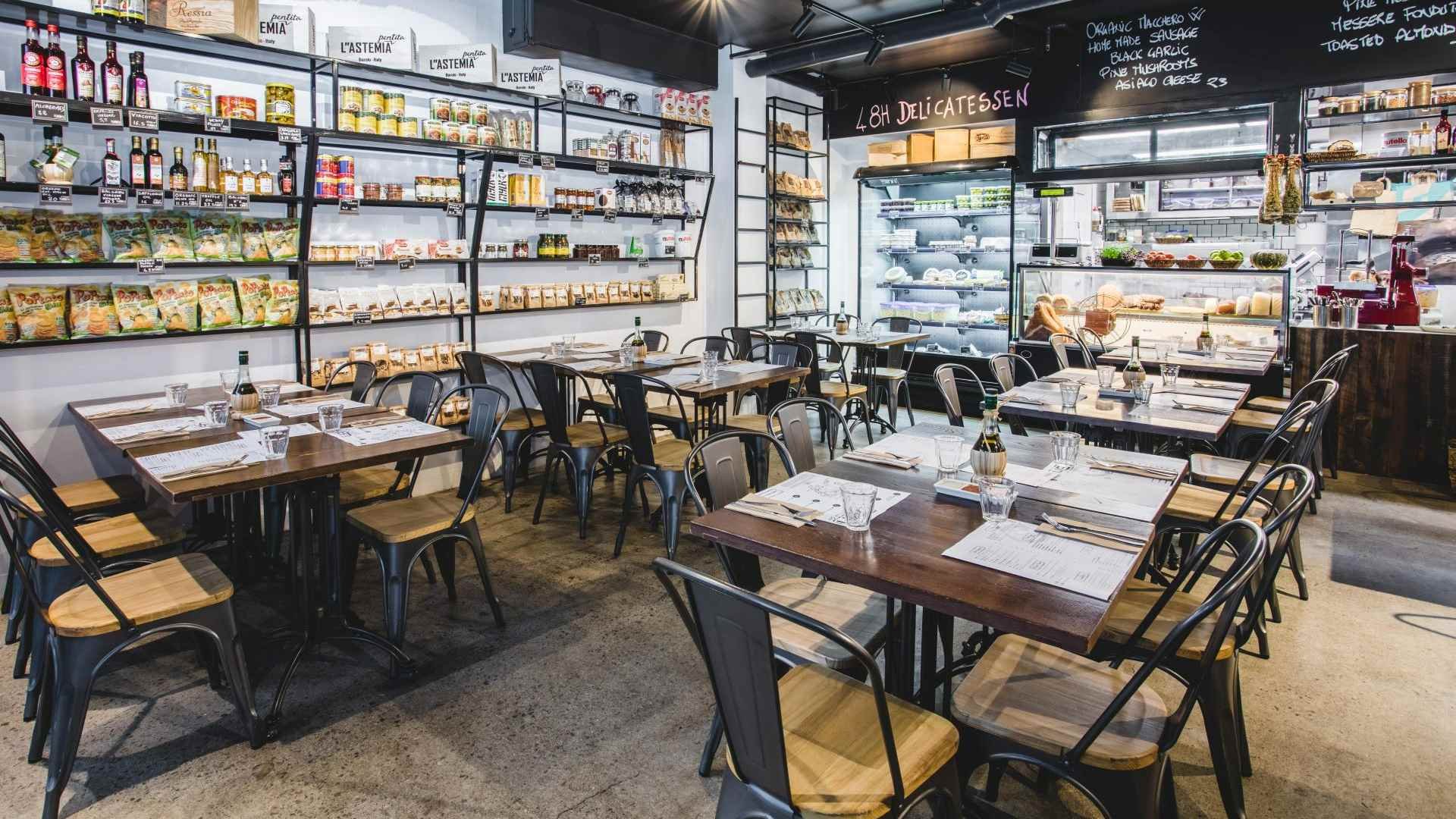
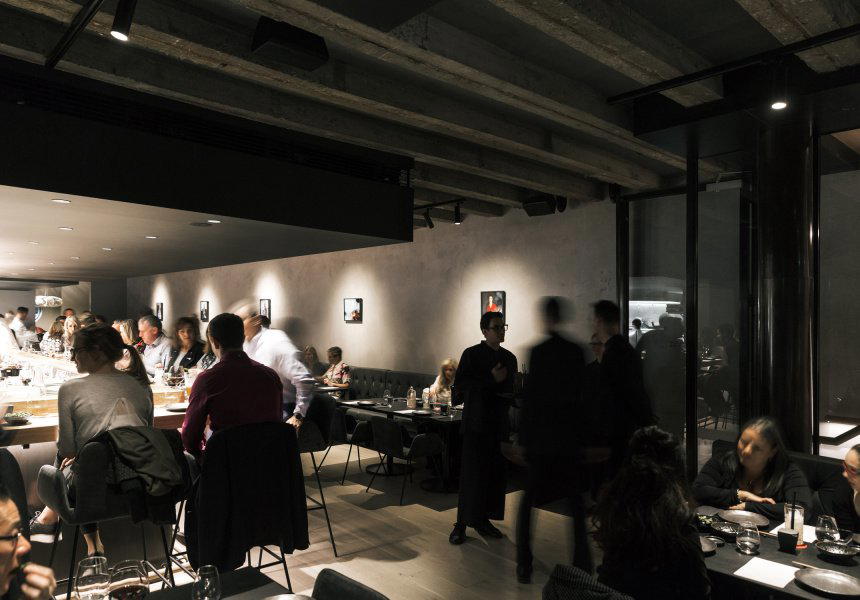
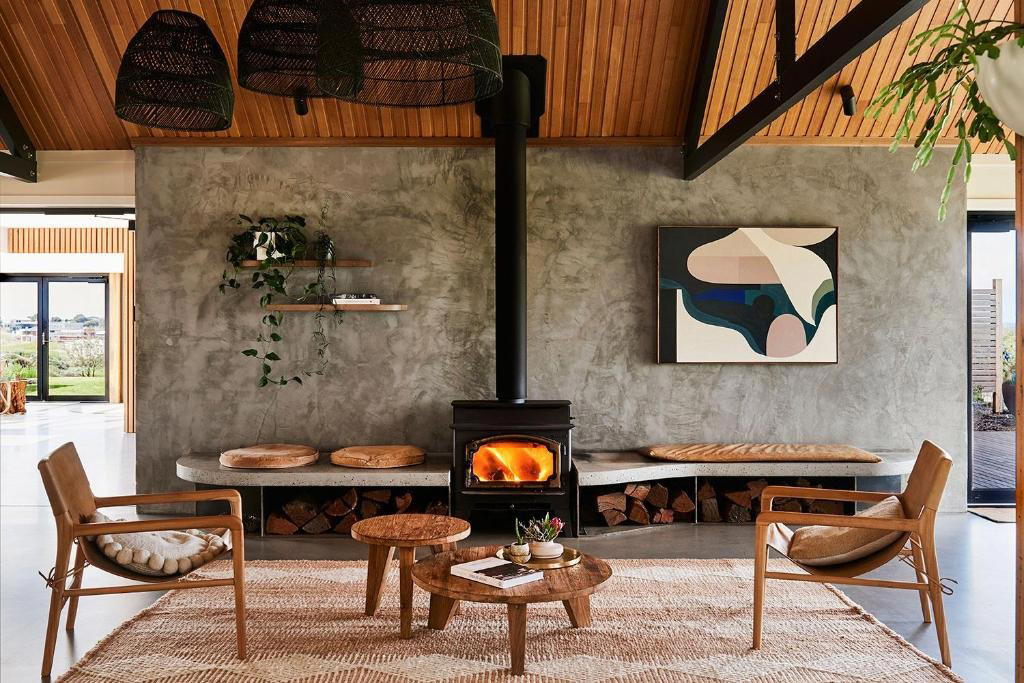
Semi-outdoor alfresco dining with serene vineyard and bay views, charming grounds with sculptures, relaxed and welcoming atmosphere.