Schlossgut Bachtobel

Falstaff Winery - 3 Stars
Schlossgut Bachtobel is a historic Thurgau estate in Weinfelden, with vine cultivation dating to 1784 and a visitor experience shaped by manor-house architecture, vineyard slopes, cellars, forest, and meadows. The estate’s identity is led by Pinot Noir, with Müller-Thurgau and Sauvignon Blanc giving the portfolio a clear Eastern Swiss cool-climate frame.

Pearl is the En Primeur Club membership app — saves, bookings, and concierge access live there. Same editors, same standards.
- Address
- Weinfelden, Upper Thur Valley, Canton of Thurgau, Schweiz
- Directions
- Get directions

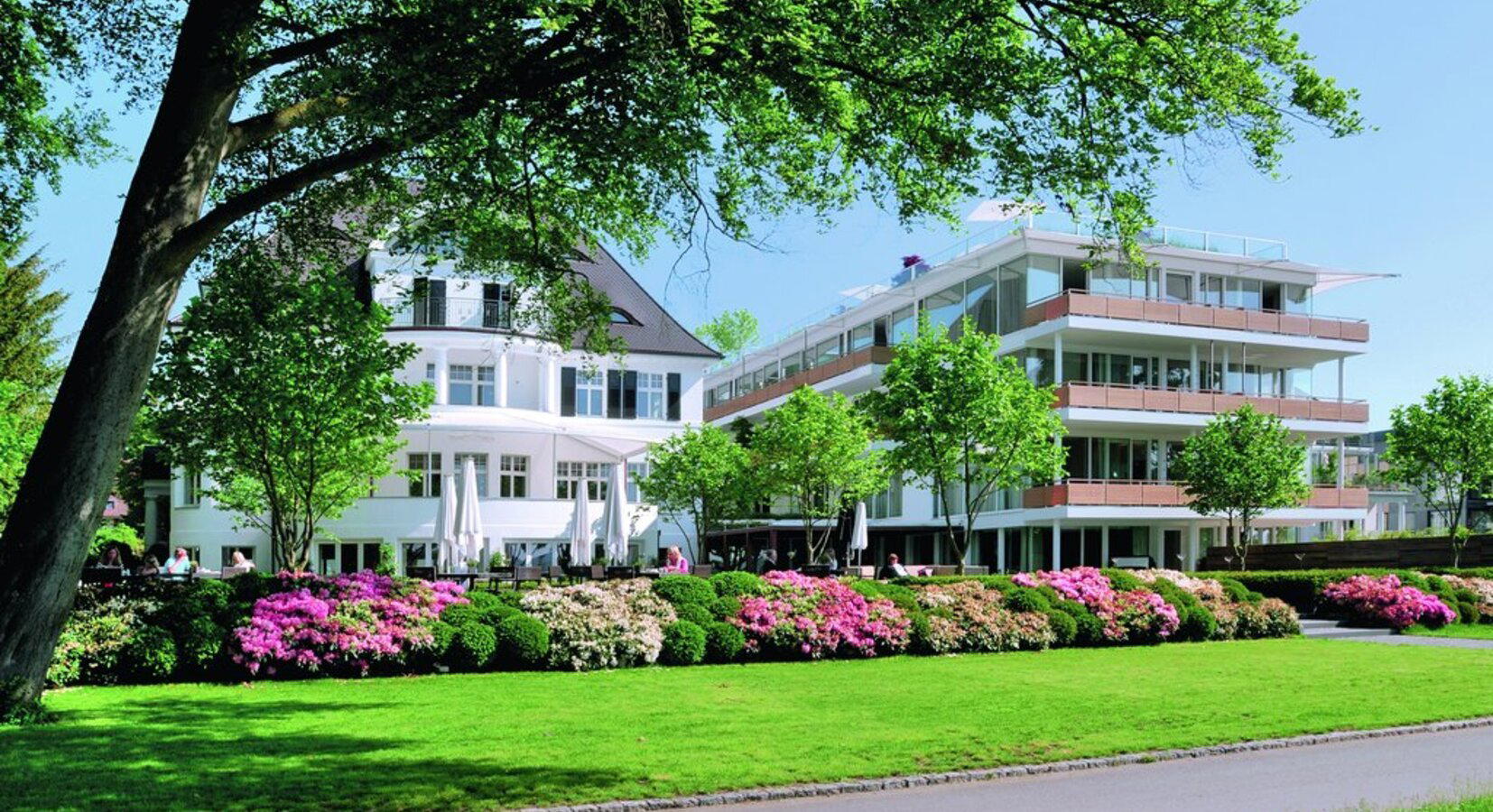
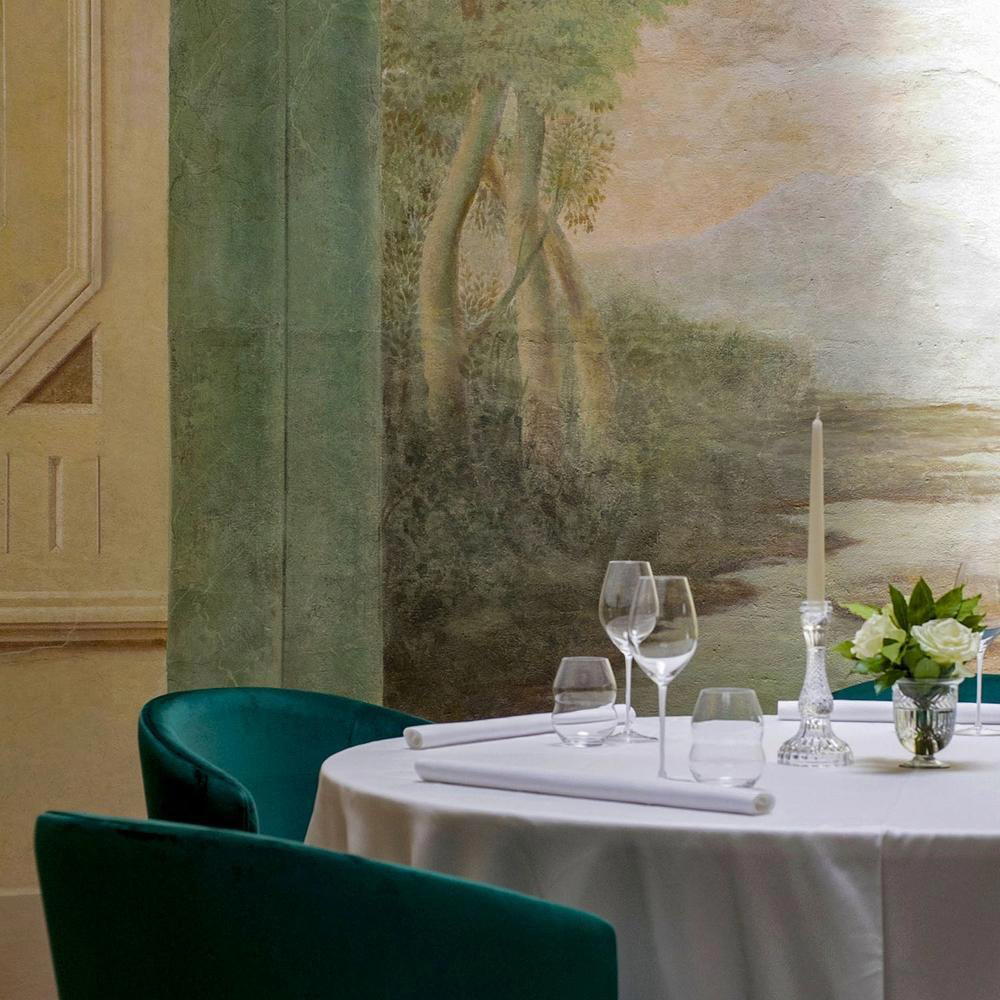
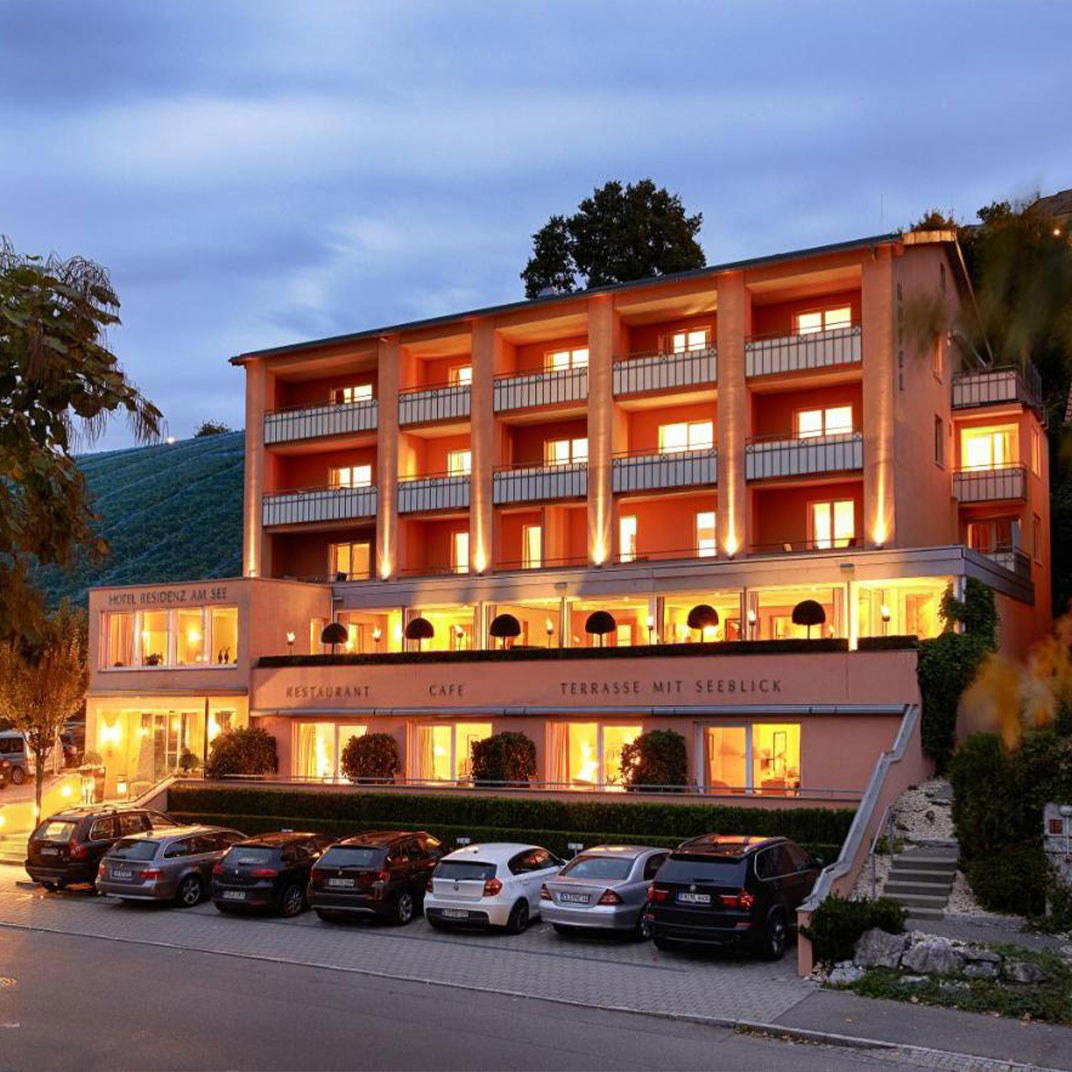
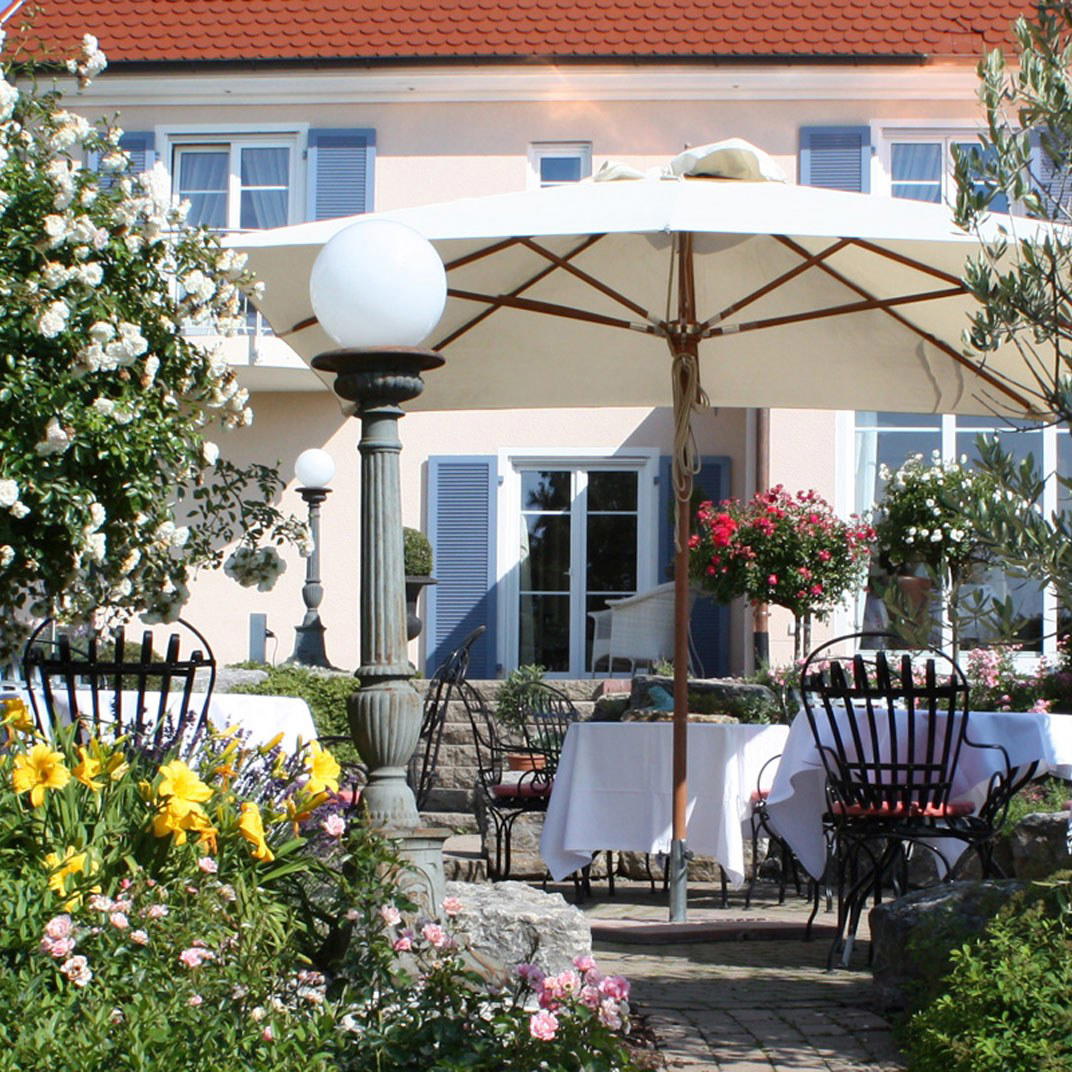
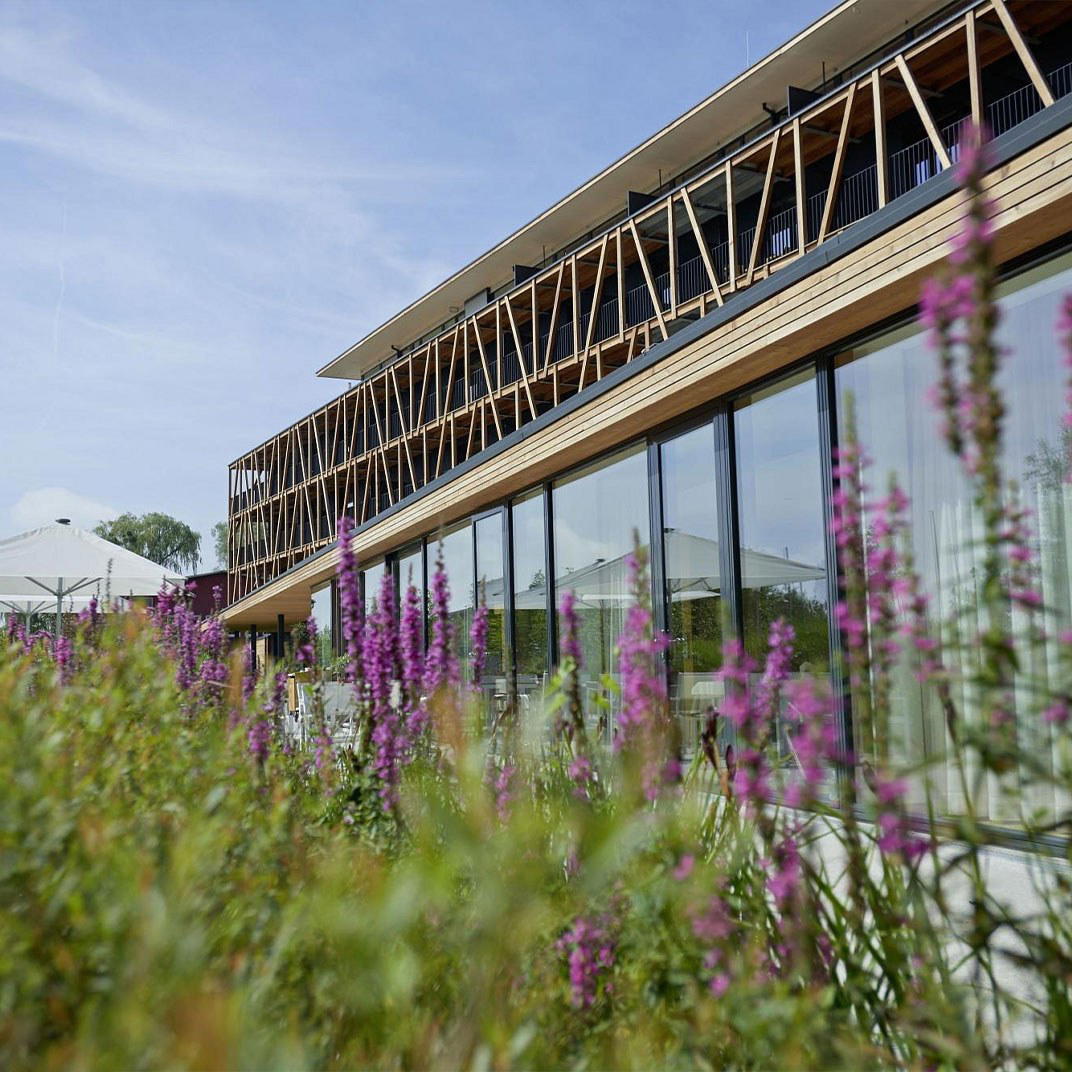
Schlossgut Bachtobel in Weinfelden is best understood as a historic estate wine destination rather than a casual urban stop. The appeal is the setting: a preserved manor house, vineyard slopes, and forested surroundings that create a classic, scenic, elegant, and quiet atmosphere. It is the kind of place where the surroundings do much of the storytelling, because the estate character gives the visit a sense of age, continuity, and calm before any specific wine detail is even considered.
The experience is associated with a refined, terroir-focused approach to wine. Beyond that, specific details such as grape varieties, tasting formats, opening arrangements, cellar features, production methods, food service, or accessibility should be confirmed directly before planning a visit. That restraint matters, because the venue’s confirmed appeal rests less on a list of services and more on the broader impression of a wine estate embedded in its landscape.
Terroir-focused wine in a historic setting
The strongest grounded reason to consider Schlossgut Bachtobel is the way its estate atmosphere supports a sense of place. The manor-house setting, slopes, and surrounding forest give the visit a historic and landscape-driven character, making it suitable for guests who value context and a quieter pace. Rather than feeling like a venue defined by quick service or an urban social rhythm, it reads as a destination where the land, architecture, and rural quiet are central to the experience.
This is important for understanding the terroir-focused reputation attached to the estate. Terroir is often discussed through technical details, but here the most reliable starting point is visual and atmospheric: vineyards on slopes, a preserved manor house, and wooded surroundings that frame the estate as part of a specific place. Even without making unsupported claims about varieties or production methods, the setting itself helps explain why visitors would approach Schlossgut Bachtobel as a wine destination with a strong relationship to landscape.
Because only limited details are available, it is better to frame the venue broadly: Schlossgut Bachtobel has a reputation for a refined, terroir-focused wine experience in Weinfelden. Claims about specific wines, guided formats, estate history, or service details should not be assumed without direct confirmation. This cautious framing does not weaken the recommendation; it simply keeps expectations aligned with what is actually known and avoids turning an atmospheric estate into a checklist of features.
A historic estate format rather than a casual wine bar
Schlossgut Bachtobel reads as a classic and elegant estate environment. The atmosphere is quiet and scenic, with the preserved manor house and vineyard slopes shaping the character of the place more than any publicly confirmed hospitality format. Visitors should therefore think of it first as a wine estate with historic presence, not as a casual bar-style option where the main question is what is available by the glass at a given moment.
That distinction is useful. A casual wine bar is usually chosen for immediacy, flexibility, and a simple drop-in mood. Schlossgut Bachtobel, by contrast, is better understood through its setting and reputation: a refined estate atmosphere in Weinfelden, defined by its manor-house character, vineyards, and surrounding forest. The mood suggested by the available information is slower, quieter, and more destination-oriented.
For planning, treat the available information as intentionally narrow. Do not assume that a particular format, schedule, tasting structure, or food component will be available simply because the place is associated with wine. The more sensible approach is to see the estate as a strong atmospheric candidate, then verify the practical details that matter for the specific visit.
For broader planning in Weinfelden, compare Schlossgut Bachtobel with other dining or wine-related options in the city generically, and confirm current details directly before making arrangements. It may suit a different kind of outing than a central, casual stop: more landscape-led, more historic in feeling, and more dependent on advance clarity about how visits are handled at the time.
Who should make the detour
Schlossgut Bachtobel is most compelling for travelers who appreciate historic estates, quiet scenic surroundings, and a terroir-focused wine reputation. It is not possible, from the information alone, to make specific claims about menus, varieties, tours, awards, or service style. That means the best audience is not someone looking for a guaranteed set of amenities, but someone drawn to atmosphere, setting, and the idea of wine connected closely to place.
It should also appeal to visitors who like their wine experiences to feel rooted rather than generic. The preserved manor house gives the estate a clear architectural anchor, while the vineyard slopes and forested surroundings add the scenic frame. Together, those elements create a refined and calm impression that can make the detour worthwhile for travelers who value mood and context as much as specifics.
That makes it a better fit for visitors seeking an atmospheric Weinfelden wine experience than for anyone choosing solely on the basis of unconfirmed specifics. The grounded draw is the combination of preserved manor-house character, vineyard slopes, forested surroundings, and refined estate atmosphere. Those are the reliable reasons to pay attention to Schlossgut Bachtobel, and they are enough to define its role as a distinctive estate-style option.
For any detailed itinerary, confirm current visit arrangements with Schlossgut Bachtobel directly. That final step is essential if timing, access, tasting format, service expectations, or any other practical element will affect the success of the visit.
Recognition history
Dated appearances from independent guides and award organizations, with the underlying list record or original source where available.
Falstaff Winery - 3 Stars
Falstaff
Continue exploring
More in Weinfelden
Wineries in Weinfelden
Browse all →Bars in Weinfelden
Browse all →

Restaurants in Weinfelden
Browse all →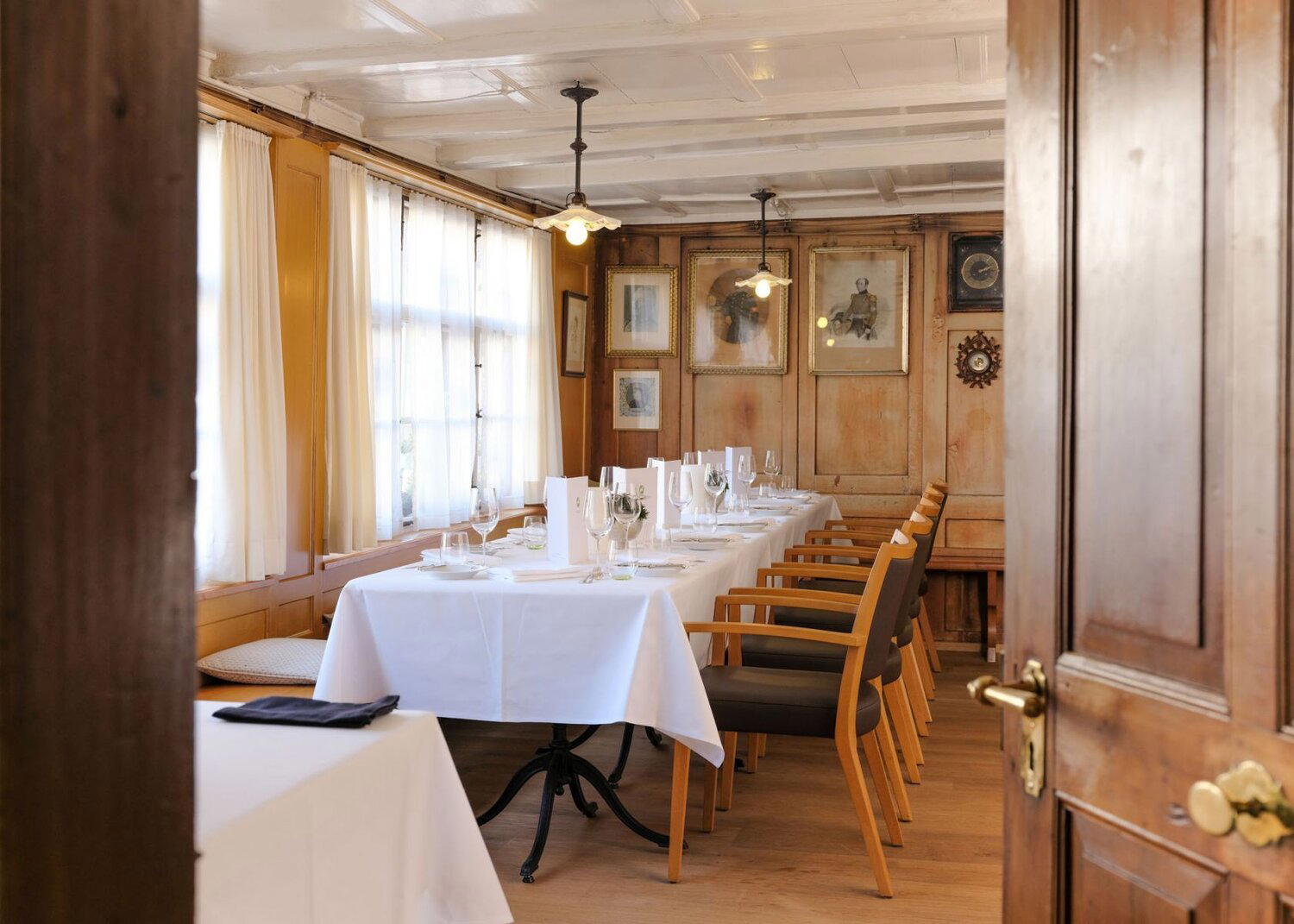
Details
- Classic
- Scenic
- Elegant
- Quiet
- Historic
- Wine Education
- Special Occasion
- Group Outing
- Historic Building
- Estate Grounds
- Vineyard Tour
- Private Tasting
- Organic
- Sustainable
- Vineyard
- Garden
- Pinot Noir
- Müller Thurgau
- Sauvignon Blanc
- Still Red
- Still White
- Sparkling
- Guided Tasting
- Private Tasting
- Cellar Door Tasting
Historic estate atmosphere with a preserved manor house, vineyard slopes, forested surroundings, and a reputation for a refined, terroir-focused wine experience.