Grüninger's Rebbau

Grüninger's Rebbau is a small family-run wine estate in Ermatingen, framed less as a polished tasting-room stop than as a direct-from-farm Swiss wine address. The appeal is local scale: rustic atmosphere, vineyard setting, cellar-style tasting, and a focus on wine sold close to where it is made.
Pearl is the En Primeur Club membership app — saves, bookings, and concierge access live there. Same editors, same standards.
- Address
- Ermatingen, Submarine, Canton of Thurgau, Schweiz
- Directions
- Get directions
 Saves & bookings on Pearl
Grüninger's Rebbau is a small family-run wine estate in Ermatingen, best understood through its modest scale and direct-from-farm sales. The atmosphere is simple, down-to-earth, quiet, rustic, classic, and intimate rather than polished or tourist-oriented. For visitors, the useful expectation is not a staged hospitality experience but a low-key local wine address focused on the connection between grower, bottle, and place. Its appeal is therefore less about spectacle and more about proportion: a compact, local setting where the wine estate is presented through its everyday character rather than through an elaborate visitor narrative.
Grüninger's Rebbau should be approached as a hidden-gem wine estate in Ermatingen with a practical farm-sales character, not as a venue defined by confirmed awards, named dishes, formal menus, or a documented visitor programme. That restraint matters, because over-describing a place like this would risk turning its modesty into something it is not. The clearest reading is simpler: a family-run wine address with a quiet presence and a local, direct-sales identity.
Small-scale wine without the tasting-room gloss
The format here is the story. Grüninger's Rebbau is described as a small family-run wine estate with direct-from-farm sales and a simple, down-to-earth atmosphere. That places it firmly in the world of local production rather than destination hospitality. The price level is listed as $, and the character is quiet, rustic, classic, hidden-gem, and intimate. Taken together, those descriptors suggest a venue whose value comes from closeness and plainness, not from polish, ceremony, or an expansive public-facing setup.
Do not expect the kind of infrastructure associated with a polished tourist tasting room. The information points instead to a direct and agrarian setting where the appeal lies in modest scale and local wine culture. That is not a weakness if the aim is to understand a smaller Ermatingen producer on its own terms. In fact, the absence of a glossy frame can be part of the point: the estate is easier to read as a working local address, where the practical act of buying from the farm carries more weight than any scripted experience.
The more accurate point is that winery is a small Ermatingen wine estate whose appeal rests on its family-run format and direct-from-farm sales. It should be evaluated in that register. Visitors looking for a grand hospitality operation may find the description too spare, while those drawn to restrained, local, family-scale wine culture will understand why the modesty is central rather than incidental.
Terroir read through place, not through spectacle
The useful fact is the place: the winery is in Ermatingen. The estate should be understood through its local, small-scale character rather than through technical claims. In this context, place does not need to be translated into a long list of production details to be meaningful. The important idea is that the wine estate is anchored in Ermatingen and presented through a direct, intimate model that keeps attention close to the source.
Travellers chasing critic scores, elaborate visitor infrastructure, or a documented formal tasting programme should keep expectations modest. Travellers interested in quiet, rustic, family-run wine estates have a clearer reason to pay attention. The draw is the simplicity of the farm-sales model and the intimate atmosphere. It is a venue to approach with a slower and more grounded mindset, where the experience is shaped by scale, setting, and directness rather than by a checklist of amenities.
For meals, drinks, hotels, or other activities around town, use broader Ermatingen planning resources and treat the winery as a low-key wine stop rather than a complete hospitality destination. Its strengths are its small scale, direct sales, and understated setting. That distinction is useful when planning: the estate can be part of a wider day in the area, but the reason to include it is specifically its quiet local wine character, not any confirmed broader programme beyond that.
How to place it within a wider local wine map
Because the winery is defined by local scale rather than public grandeur, it makes sense as one modest stop within a broader wine itinerary. The point is contrast: a quiet Ermatingen wine estate with direct-from-farm sales can offer a different perspective from more polished or touristic venues elsewhere. It represents the smaller, less performative side of local wine culture, where the farm-sales format and family-run identity are the main frame for understanding the visit.
Its value lies in small-scale family wine culture, a down-to-earth atmosphere, and direct-from-farm sales in Ermatingen. Read on those terms, the winery is not diminished by its limited public detail; it is clarified by it. The venue is best kept in focus as a simple, rustic, hidden-gem wine estate whose appeal depends on understatement, intimacy, and a direct relationship between place and bottle.
Recognition history
Dated appearances from independent guides and award organizations, with the underlying list record or original source where available.
Falstaff Winery - Listed
Falstaff
Continue exploring
More in Ermatingen
Wineries in Ermatingen
Browse all →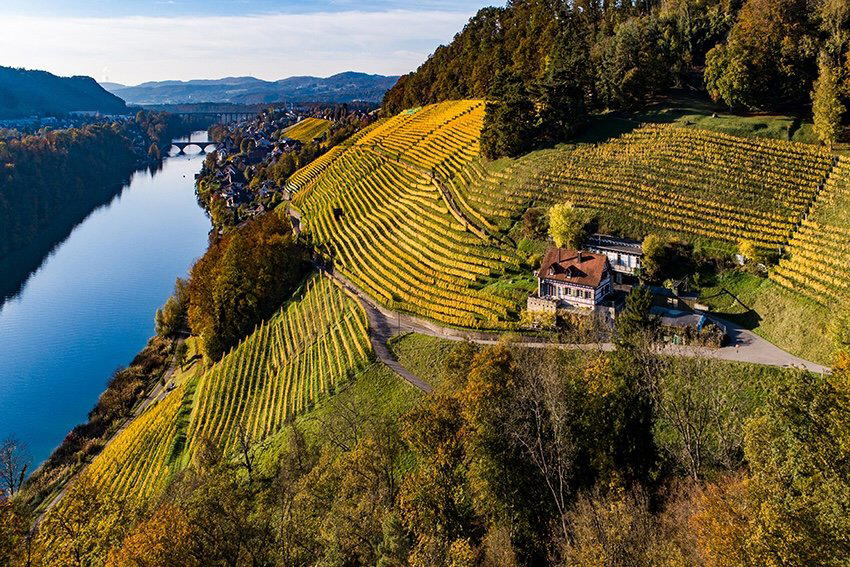
Bars in Ermatingen
Browse all →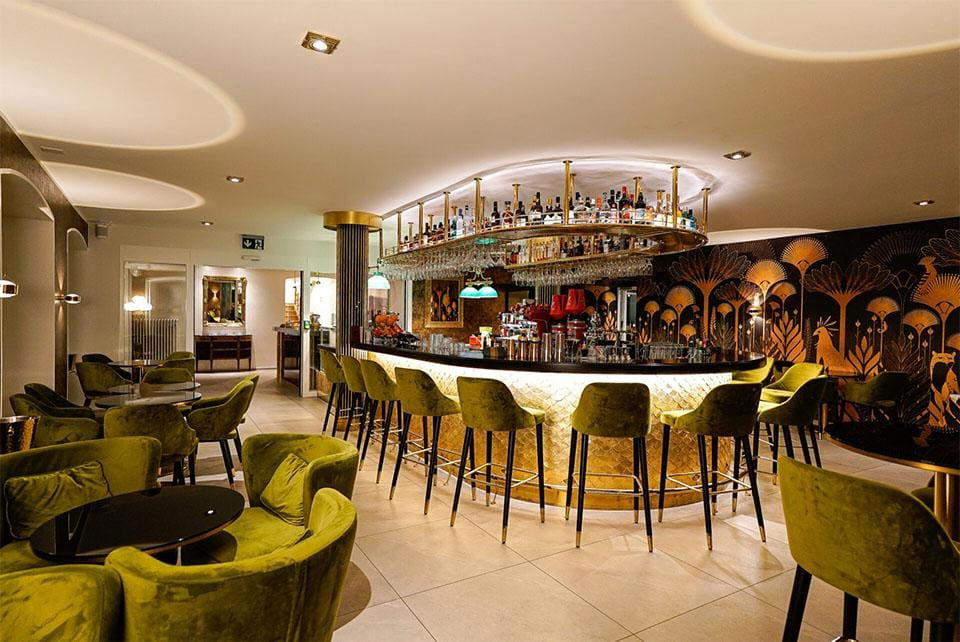

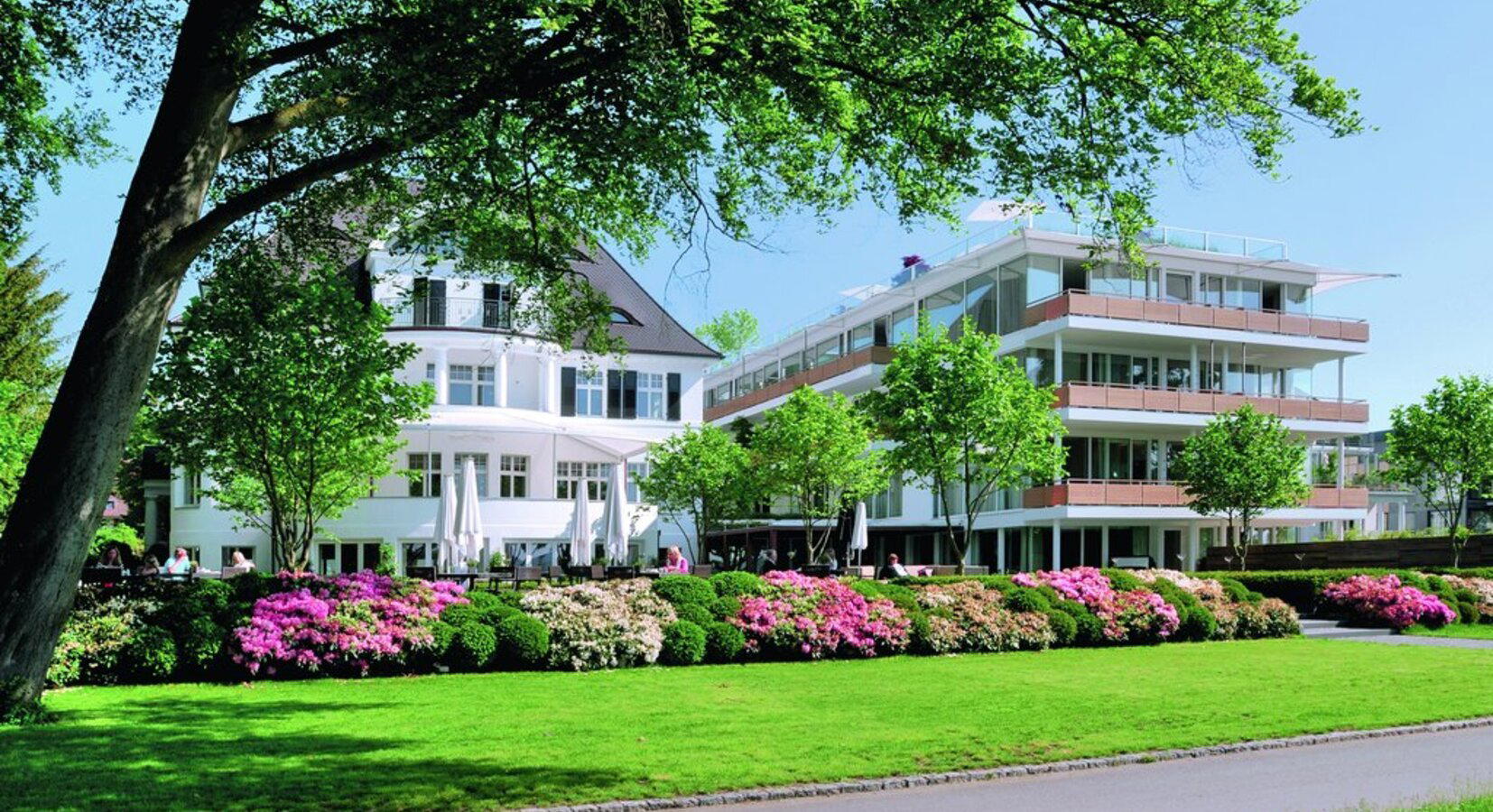
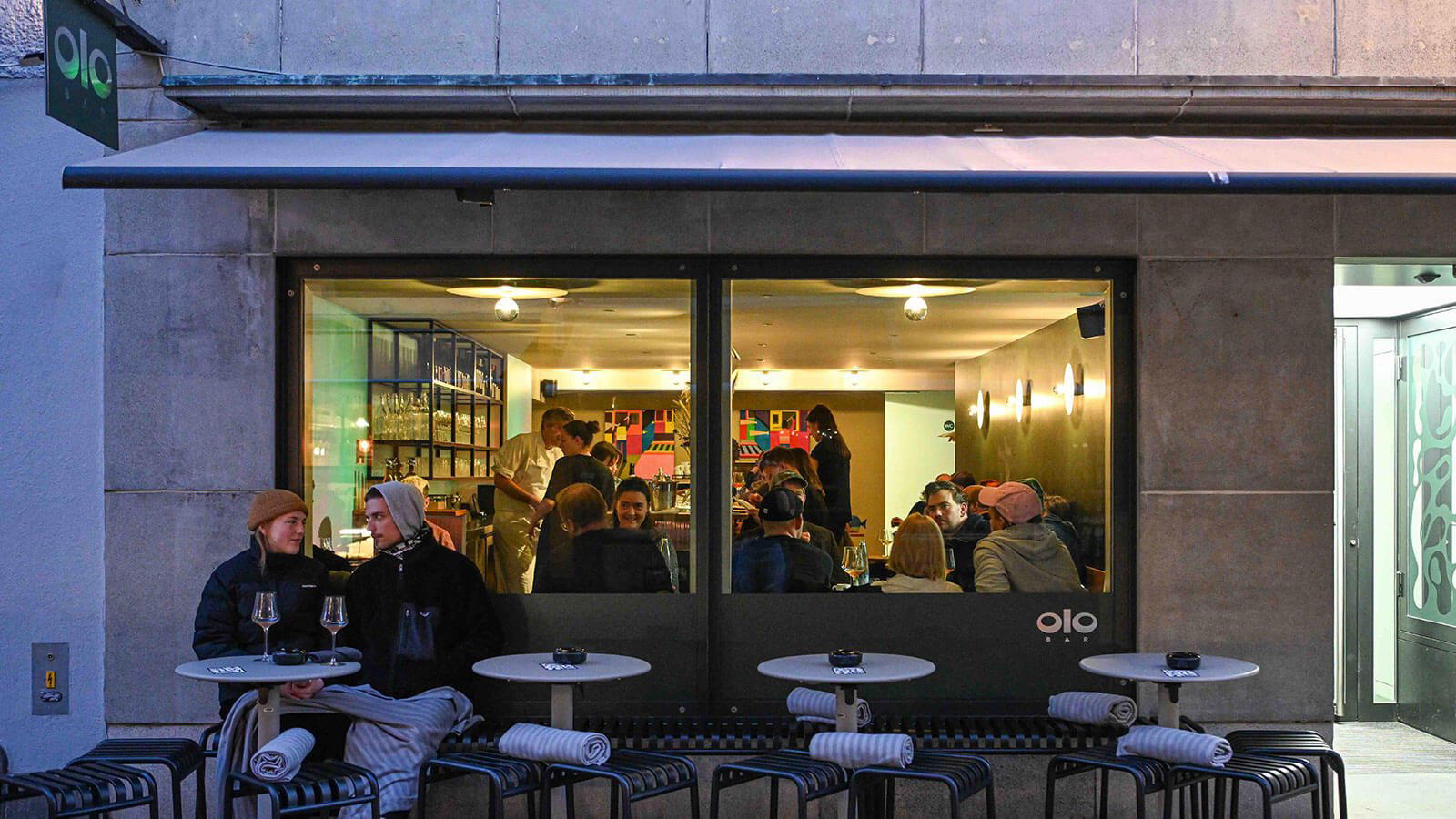
Restaurants in Ermatingen
Browse all →
At a Glance
- Quiet
- Rustic
- Classic
- Intimate
- Solo Exploration
- Wine Education
- Vineyard Tour
- Vineyard
- Cellar Tasting
Small family-run wine estate with a simple, down-to-earth atmosphere focused on direct-from-farm sales rather than a polished tourist tasting room.