
Samos Distillery, located at Malagari on the Aegean island of Samos, is one of Greece's most geographically distinctive spirit producers, operating where volcanic hillside terrain and maritime air directly shape its output. Awarded a Pearl 2 Star Prestige rating in 2025, it represents the island's tradition of distillation alongside its more widely recognized Muscat wine heritage. Visiting means engaging with a production culture tied closely to local agricultural identity.
 Discover on Pearl
Pearl is the En Primeur Club membership app — saves, bookings, and concierge access live there. Same editors, same standards.
- Address
- Malagari, Samos, Vathy 831 00
- Phone
- +30 2273 080085
- Website
- giokarinis.gr
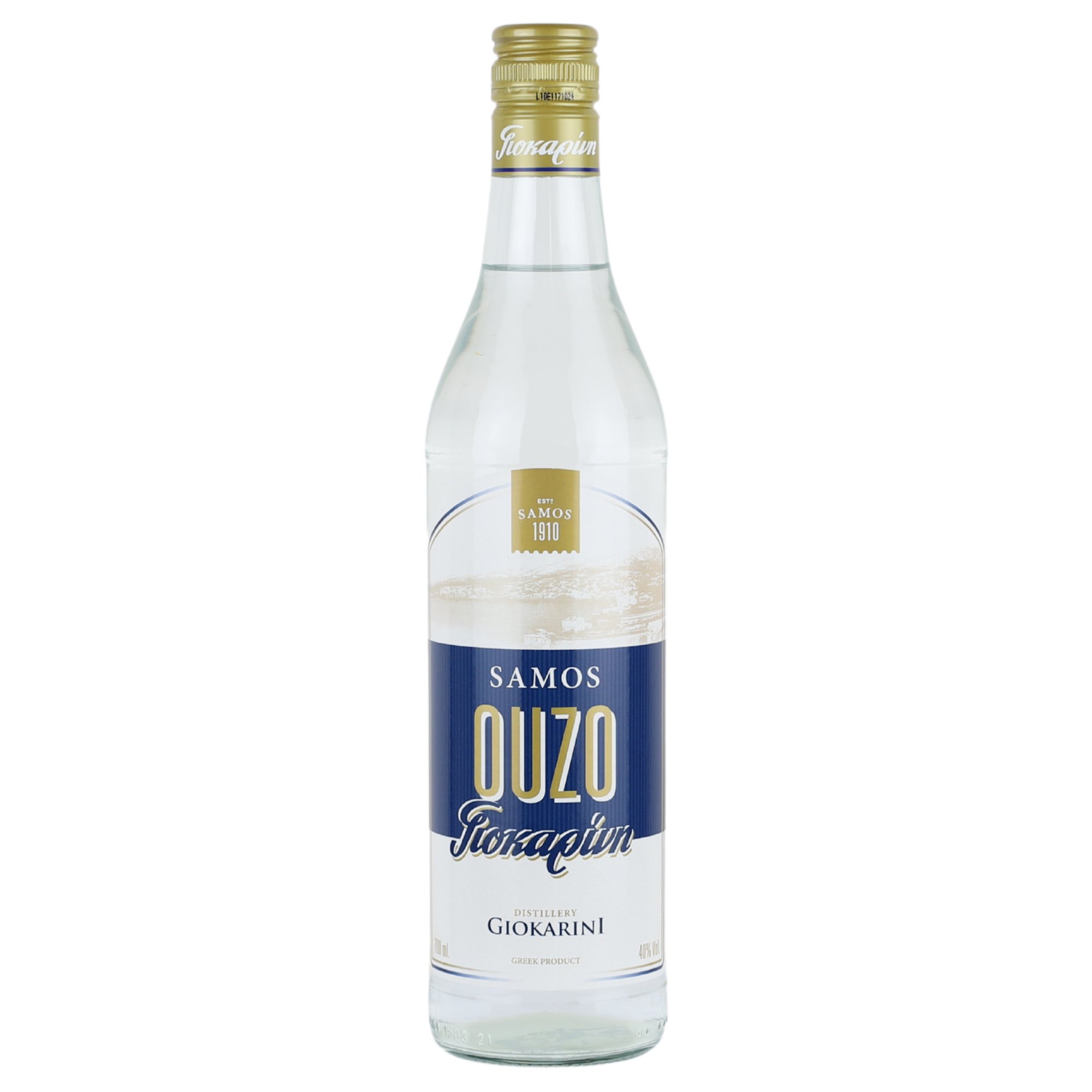
Where the Aegean Shapes the Spirit
Samos sits in the eastern Aegean, close enough to the Turkish coast that on clear days the mainland is visible from the island's higher ridges. The island's reputation in the wider drinks world has long been anchored by Muscat, specifically the intensely aromatic, late-harvest and fortified expressions produced by the Samos Wine Cooperative, one of the oldest and most structured wine-producing cooperatives in Greece. But Samos has a parallel distillation culture that tends to receive less international attention, rooted in the same agricultural raw materials and the same climatic conditions that define the island's viticulture. Samos Distillery, located at Malagari on the outskirts of Vathy, the island's capital, sits inside that tradition. Its 2025 Pearl 2 Star Prestige award places it within a recognised tier of Greek producers.
Terroir as the Operative Concept
The terroir argument is more commonly applied to wine than to distilled spirits, but on Samos it is difficult to separate the two disciplines. The island's geology is defined by metamorphic and schist-heavy soils on its higher slopes, with lower coastal areas influenced by alluvial deposits and immediate proximity to the sea. These conditions produce fruit with a particular aromatic intensity, the Muscat Blanc à Petits Grains that dominates Samian viticulture is among the most perfumed grape varieties grown anywhere in the Mediterranean, and the island's combination of altitude variation, summer heat, and consistent Aegean breezes concentrates sugars and aromatics in ways that are specific to this geography.
When those same raw materials feed into distillation rather than winemaking, the terroir signal does not disappear, it shifts register. Distillates derived from Samian fruit carry the aromatic character of the source material into a different format. This is the context in which Samos Distillery's output should be read: not as a production unit separate from the island's agricultural identity, but as an extension of it. Producers working in Greece's island distillation sector occupy a distinct position relative to mainland counterparts such as Apostolakis Distillery in Volos, where the raw material profile and climatic inputs differ substantially. Island producers work with more compressed growing zones, higher diurnal temperature variation in some areas, and an omnipresent maritime influence that affects both fermentation and ageing conditions.
The Malagari Location and What It Signals
Malagari, where Samos Distillery is based, lies along the northern coastal road west of Vathy. The location is not incidental: proximity to Vathy gives operational access to the island's main port infrastructure, which matters for a production facility that both receives agricultural inputs and distributes finished product. The coastal setting also means the facility operates in conditions where humidity and temperature are moderated by the sea, factors that affect spirit maturation in ways that differ from higher-altitude or inland production contexts.
Greece's premium distillation sector has grown in visibility over the past decade, with international recognition beginning to follow producers who had previously operated with primarily domestic reputations. The Pearl 2 Star Prestige designation awarded to Samos Distillery in 2025 reflects that broader shift toward credentialled assessment of Greek spirits. For visitors arriving in Samos with the island's drinks culture as a primary interest, Malagari is a logical stop alongside engagement with the wine cooperative's facilities. The two institutions together represent the full range of what Samian agricultural production has historically delivered in fermented and distilled form.
Samos in the Context of Greek Spirits Production
Greek distillation has a long and geographically diverse history. Tsipouro, the grape-based pomace spirit produced across the mainland and islands, is the country's most widely consumed domestic distillate, with regional variations in production method, ageing, and whether anise is added creating meaningful differences between, say, Macedonian and Thessalian expressions. Island producers work within this broader tradition but often with raw materials that carry more aromatic specificity than mainland equivalents.
The comparison set for Samos Distillery within Greece extends to producers such as Achaia Clauss in Patras, a historically significant producer whose longevity in the market provides a reference point for how Greek producers have built credibility over time. On the wine side, the range of terroir-driven approaches visible at producers like Alpha Estate in Amyntaio, Abraam's Vineyards in Komninades, and Artemis Karamolegos Winery in Santorini illustrates how diverse Greece's regional production identities have become. Samos sits within this broader Greek scene as a geographically and aromatically specific production zone rather than a generic Aegean island designation.
Internationally, the relevant comparison for island-specific distillation with strong terroir identity might include producers like Aberlour in Aberlour, where place-of-production has become inseparable from product identity, or single-estate operations such as Accendo Cellars in St. Helena, where geographic precision is the primary brand argument. The principle of place-specificity as a quality signal operates across categories and regions; Samos Distillery applies it within the Greek island context.
Planning a Visit to Samos Distillery
Samos is accessible by ferry from Piraeus (Athens' main port) and by direct flights during the summer season from Athens and several European cities, with the island's airport located near Pythagoreio on the southern coast. Vathy, the capital, is the main base for visitors, and Malagari is a short drive west along the coastal road. As with most production facilities in Greece, visitor access is usually arranged in advance rather than assumed on arrival, so contacting the facility before planning a visit is advisable. The broader Samos dining and drinks scene offers considerable context for a longer stay, particularly for visitors interested in pairing the distillery visit with engagement with the island's wine and food culture.
Comparable Spots, Quickly
Comparable venues nearby, for context on price, style, and recognition.
| Venue | Cuisine | Price | Notes |
|---|---|---|---|
| Samos DistilleryThis venue — the venue you are viewing | Moschato Aspro | $$ | |
| Samos Wine Cooperative | Muscat Blanc à Petits Grains, Ritino | $$ | Malagari |
| Lost Lake Distillery | Winery | , | Egira |
| Katsaros Distillery (Volos) | Winery | , | Volos |
| Agathangelou Distillery | Winery | , | Mytilene |
| Fos Distillery | Winery | , | Volos |
Continue exploring
More in Samos
Wineries in Samos
Browse all →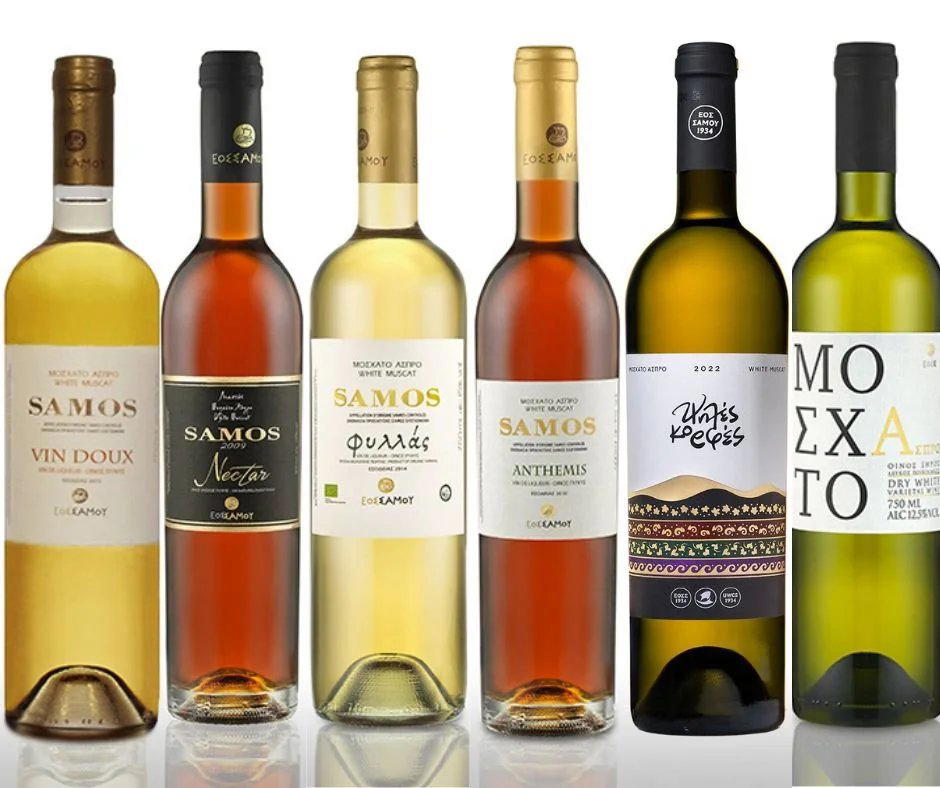
Restaurants in Samos
Browse all →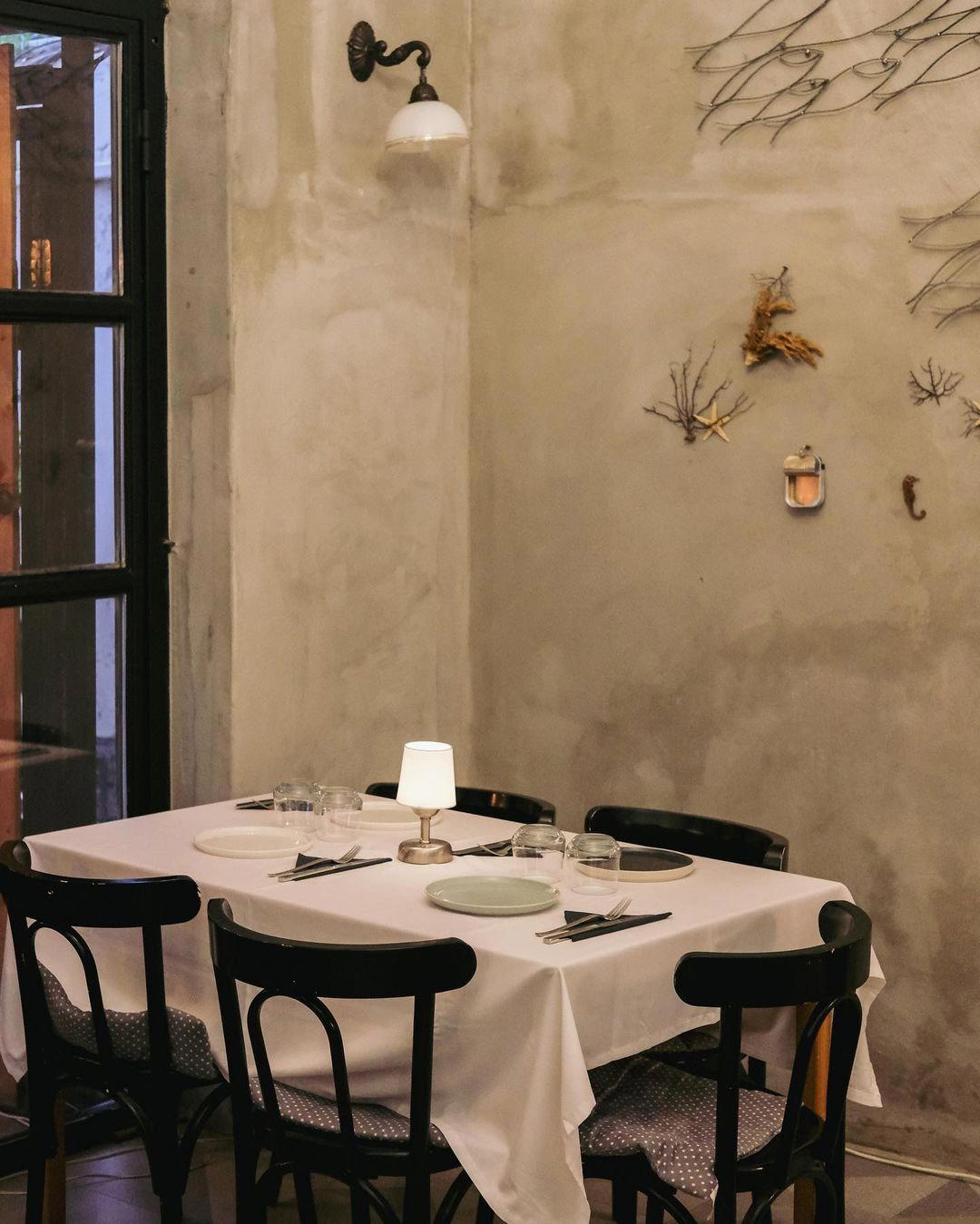
Hotels in Samos
Browse all →
At a Glance
- Rustic
- Scenic
- Wine Education
- Historic Building
- Mountain
- Vineyard
Cozy and traditional with a focus on wine heritage in a mountainous island setting.