Rusden Wines

Falstaff Winery - Listed
Rusden Wines is a family-owned Barossa Valley cellar door in Vine Vale, framed by old vines, sandy soils and views toward the Barossa Ranges. The draw is terroir-led rather than spectacle-led: estate-grown fruit, traditional cellar methods, Black Guts Shiraz, and a rustic Den space where tasting, produce platters and wood-oven dining sit close to the vineyard.

Pearl is the En Primeur Club membership app — saves, bookings, and concierge access live there. Same editors, same standards.

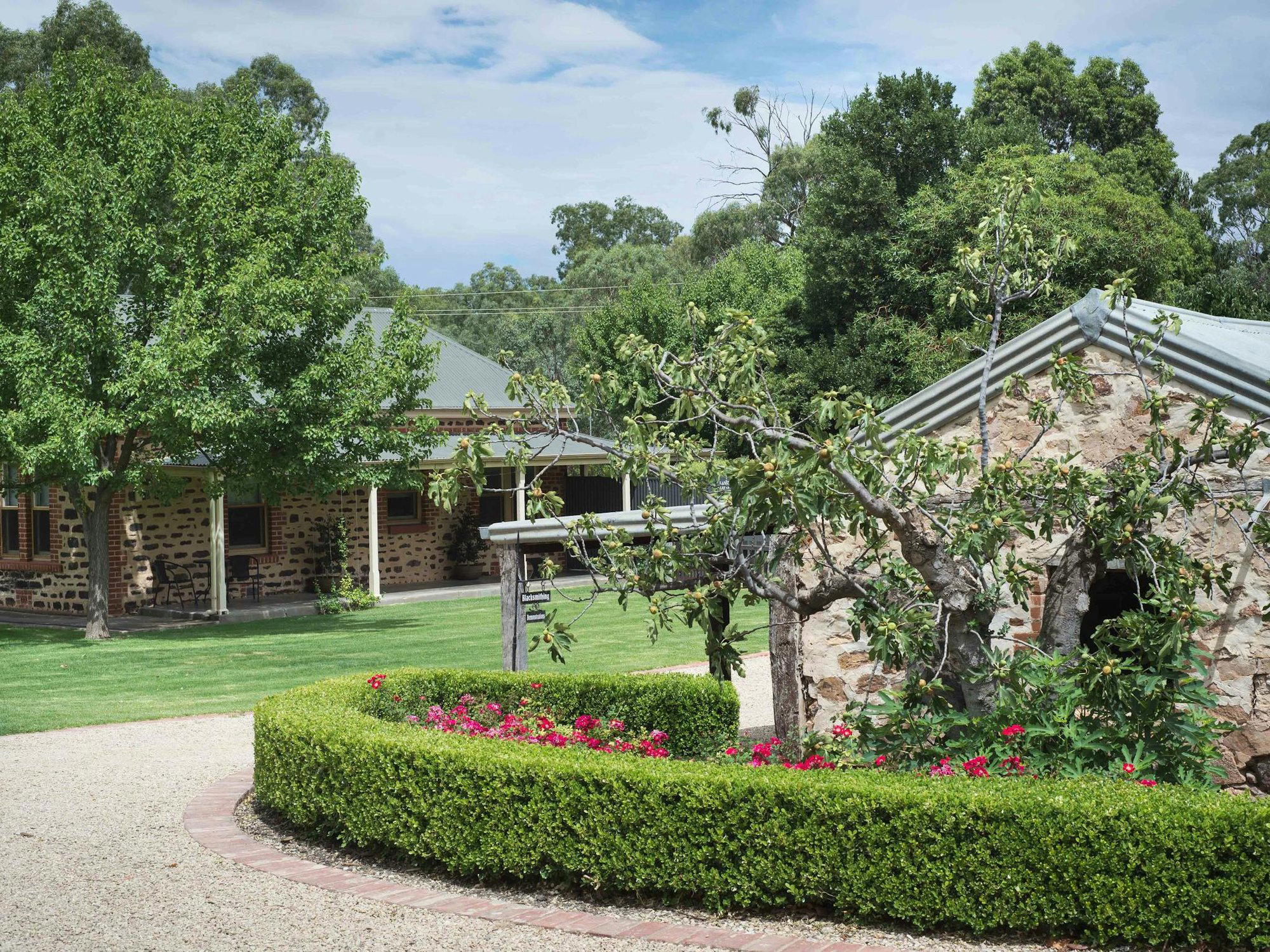
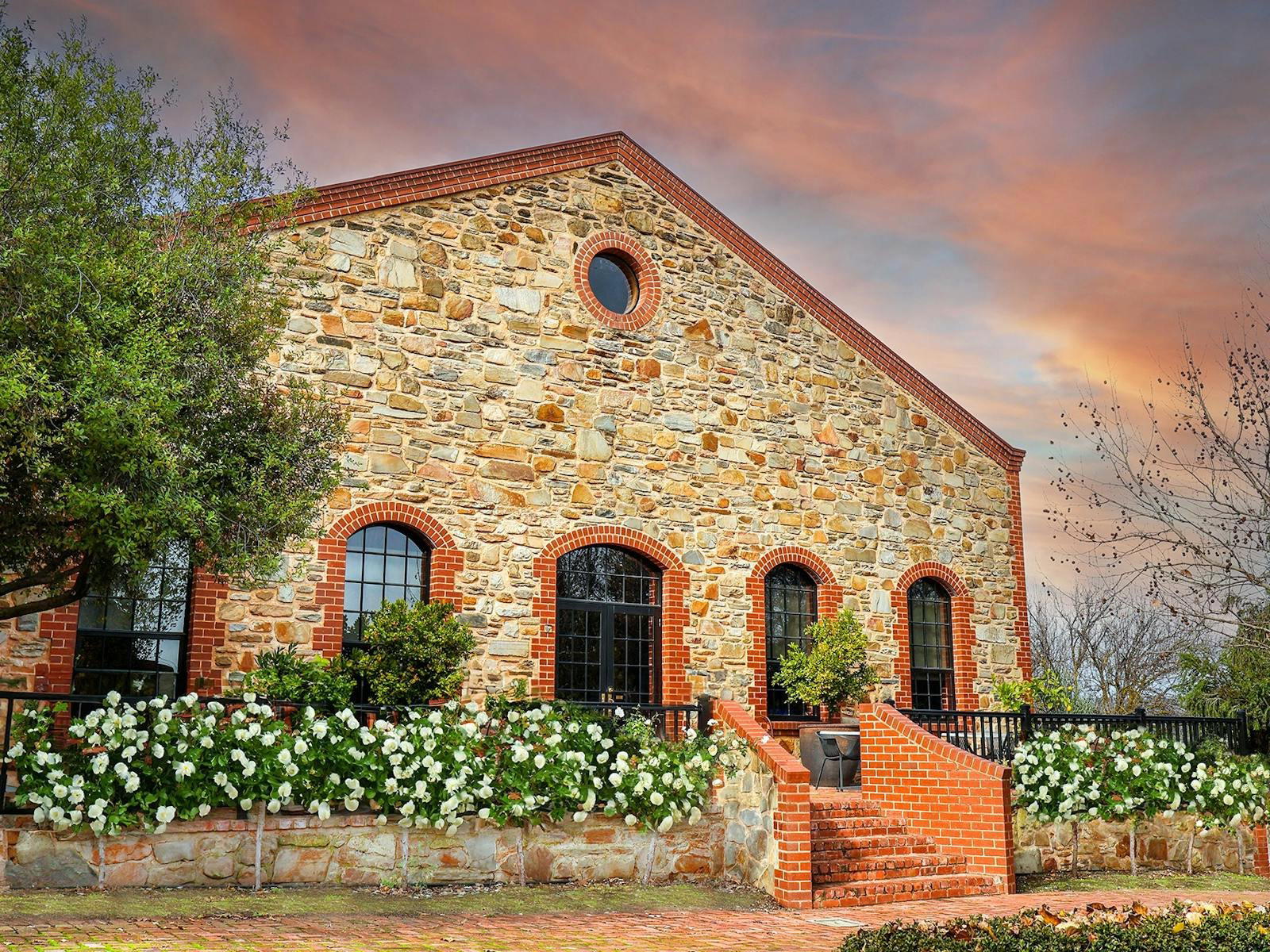
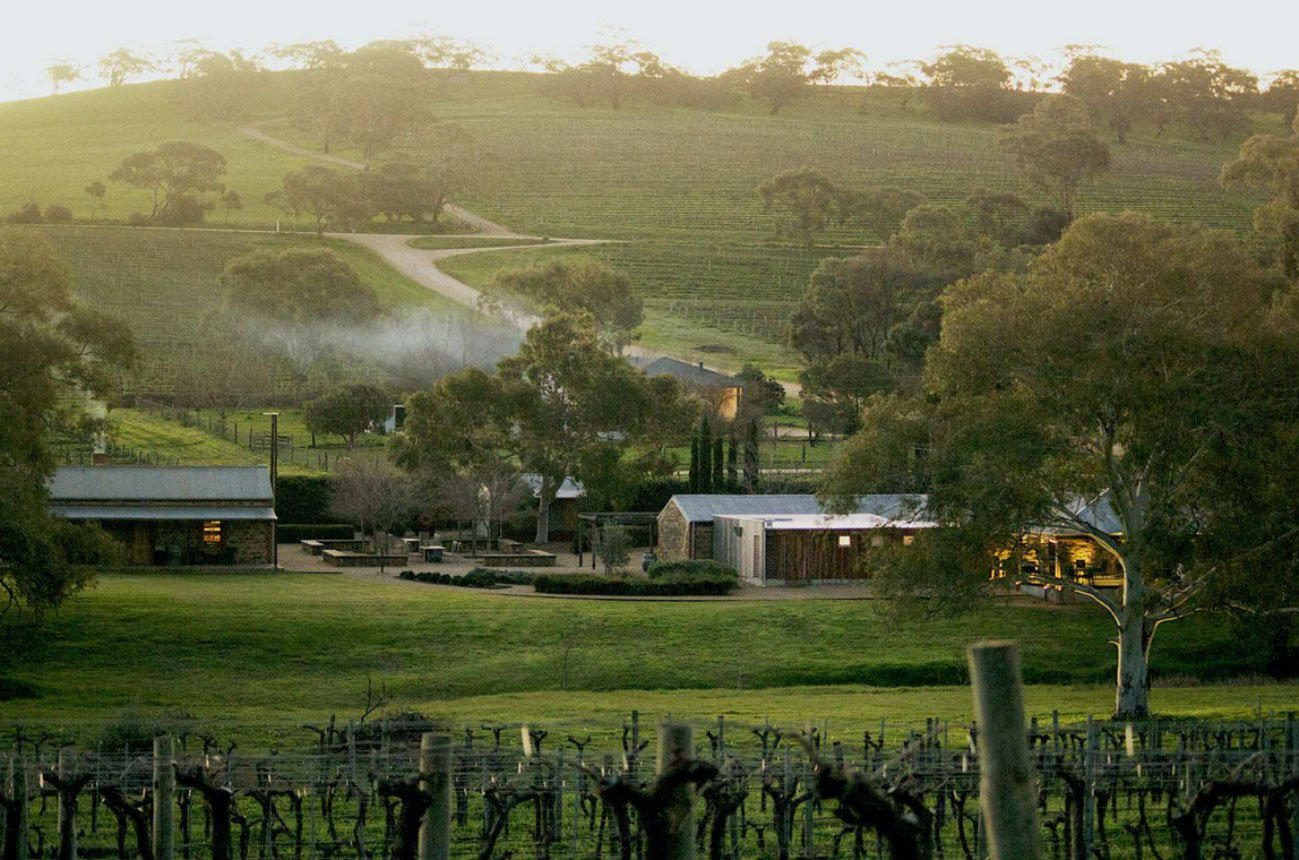
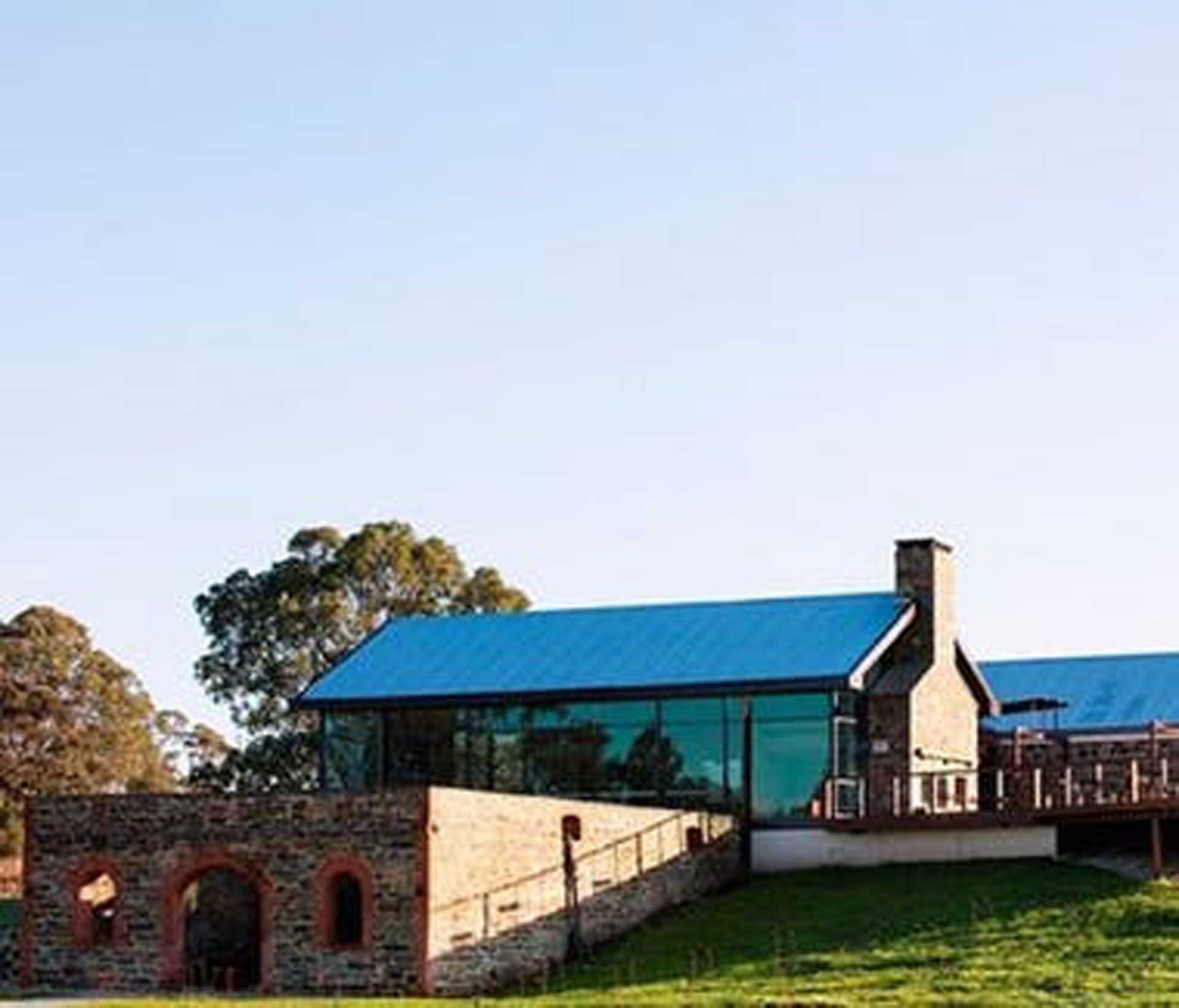
Approach the cellar door and the Barossa announces itself agriculturally: vines, open sky, the winery in view, and ranges beyond. Rusden Wines sits where cellar door and production are not separated by design theatre. The setting is rustic and working, with artwork from the rafters, outdoor space, and wood-oven dining closer to a family table than a polished tasting salon.
That matters in the Barossa, where old-vine credibility can become sales language. Here, the story is tighter: Vine Vale sand, a 40-acre family vineyard, and a producer that grows, makes, bottles and sells its own wines. The estate model gives the tasting room a clear center of gravity. This is not a broad regional showcase; it is one Barossa patch read through Shiraz, Cabernet Sauvignon, Grenache, Chenin Blanc, Malbec, Zinfandel and blends.
Vine Vale sand gives the wines their argument
Barossa Valley reputation is often shorthand for generous reds, but subregional detail makes the conversation more interesting. Rusden’s vineyard sits in Vine Vale, with deep white sand over red clay. In practical terms, that soil story is the house identity: old-vine fruit from the same sandy site, handled through traditional cellar methods, with continuity across the range rather than a rotating cast of sourced parcels.
The language of “vigneron” matters because it signals control from vine to bottle. In a region spanning large-scale production and estate-focused producers, that distinction shapes what a visitor tastes. A single-vineyard cellar door can make soil, vine age and house style legible in ways broader portfolios sometimes cannot. Rusden leans into that estate logic, especially through Black Guts Shiraz, its best-known Barossa marker, while keeping the range broader than one flagship red.
The portfolio works inside Barossa tradition without reducing the region to Shiraz. Driftsand GSM follows the valley’s Grenache-Shiraz-Mourvèdre language, Ripper Creek Shiraz/Cabernet sits in the classic Australian red-blend lane, and Christine’s Vineyard Grenache and Good Shepherd Malbec point to focused varietal bottlings. Christian Chenin Blanc and Poco Loco Rosé widen the sequence, useful where food and relaxed outdoor drinking are part of the format.
Persuasive claim is not novelty but connection: wines grown the same way, in the same soil, by a family operation with seven generations of grape-growing history. In Barossa terms, that continuity is a trust signal. Awards and scores can help a label travel; estate farming and old vines explain why a bottle tastes tied to place.
The Den turns cellar-door tasting into a Barossa lunch format
Den is the hospitality engine, and its format shows how Barossa visitation has changed. A tasting counter alone is no longer enough for many premium winery itineraries; visitors want wine, food, view and pacing together. Rusden answers with tastings, locally sourced produce platters, wood-oven cooking, museum-aged wine dinners, private functions and events.
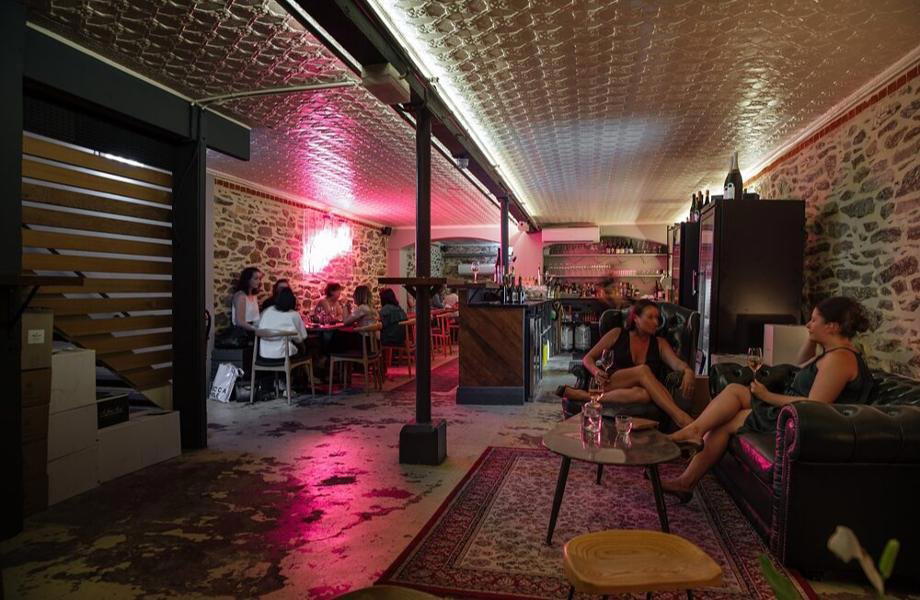
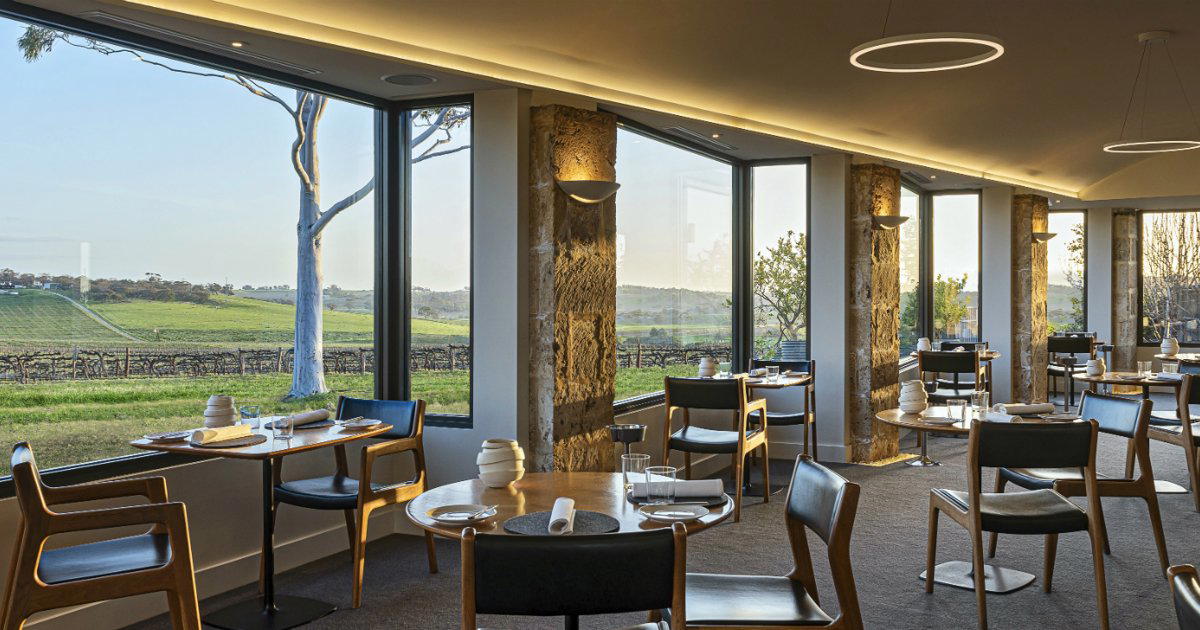
The room’s rustic character is not incidental. Artwork by Amy Loechel hanging from the rafters gives the interior a lived-in cultural layer, while the view over the winery toward the Barossa Ranges keeps the vineyard in frame. The effect is practical rather than decorative: the tasting keeps pointing back to land, production and family ownership.
Food pairing changes how the wines are read. Barossa reds can feel monolithic when tasted in isolation, especially for visitors moving through multiple cellar doors in a day. Produce platters and wood-oven dining create a slower context for Grenache, GSM, Shiraz/Cabernet and Shiraz, and make the lighter parts of the range work harder. The setting suits groups, families and celebrations, but the stronger editorial case is for travelers who want a cellar door to explain a vineyard through hospitality rather than technical monologue.
Christian Canute is listed as owner and winemaker, giving the operation a clear production lead without turning the visit into a personality narrative. The more important point is structural: family ownership, estate fruit, hand-tended vineyard work and traditional methods align the cellar door with a craft Barossa model. That model is not about minimalism or urban polish. It is about continuity, direct sales, and a range that keeps returning to Vine Vale sand.
How to place it within a Tanunda wine itinerary
For travelers using Tanunda as a base, Rusden fits the slower half of a Barossa day. It suits a tasting with food, vineyard views and time in the cellar door better than a quick label-ticking stop. The venue is casual in dress, conversational in mood, dog friendly, accessible, and suited to groups, with on-site parking and outdoor seating supporting a low-friction visit. Reservations are recommended, particularly for food pairings, private tastings or event-style formats.
Its itinerary role is clear: choose it when terroir expression and estate continuity matter more than trophy architecture. Travelers building a broader route can compare regional styles through Barossa Valley Estate, then use Our full Tanunda Sa wineries guide for wider cellar-door planning. For meals, stays and after-dark drinking around the same base, keep Our full Tanunda Sa restaurants guide, Our full Tanunda Sa hotels guide and Our full Tanunda Sa bars guide close at hand, with Our full Tanunda Sa experiences guide for non-cellar-door time.
For a wider Australian wine map, the contrast is useful: urban and brand-led models such as 19 Crimes in Southbank and Accolade Fine Wines in Melbourne read differently from estate-driven regional producers such as Adelina Wines in Clare Valley, Alkina Estate in Greenock, Alkina Wine Estate in Barossa Valley and All Saints Estate in Rutherglen. For a broader cellar-door index beyond wine regions, EP Club also lists Alice Springs Brewing Co in Alice Springs, »der Steiner« Hans Steiner in Podersdorf am See and & Handwein in Mannheim.
The editorial verdict is simple: this is a Barossa cellar door for drinkers who want the vineyard visible in the glass. The attraction is not excess polish. It is the connection between old vines, Vine Vale sand, family stewardship and a relaxed hospitality format that lets those details register.
Recognition history
Dated appearances from independent guides and award organizations, with the underlying list record or original source where available.
Falstaff Winery - Listed
Falstaff
Continue exploring
More in Tanunda Sa
Wineries in Tanunda Sa
All wineries in Tanunda Sa →
Bars in Tanunda Sa
Browse all →
Details
- Rustic
- Scenic
- Classic
- Cozy
- Group Outing
- Celebration
- Special Occasion
- Family
- Corporate Event
- Vineyard Tour
- Estate Grounds
- Terrace
- Panoramic View
- Private Tasting
- Sustainable
- Vineyard
- Mountain
- Shiraz
- Cabernet Sauvignon
- Grenache
- Chenin Blanc
- Malbec
- Zinfandel
- Still Red
- Still White
- Still Rosé
- Fortified
- Wine Tasting
- Cellar Door Tasting
- Food And Wine Pairing
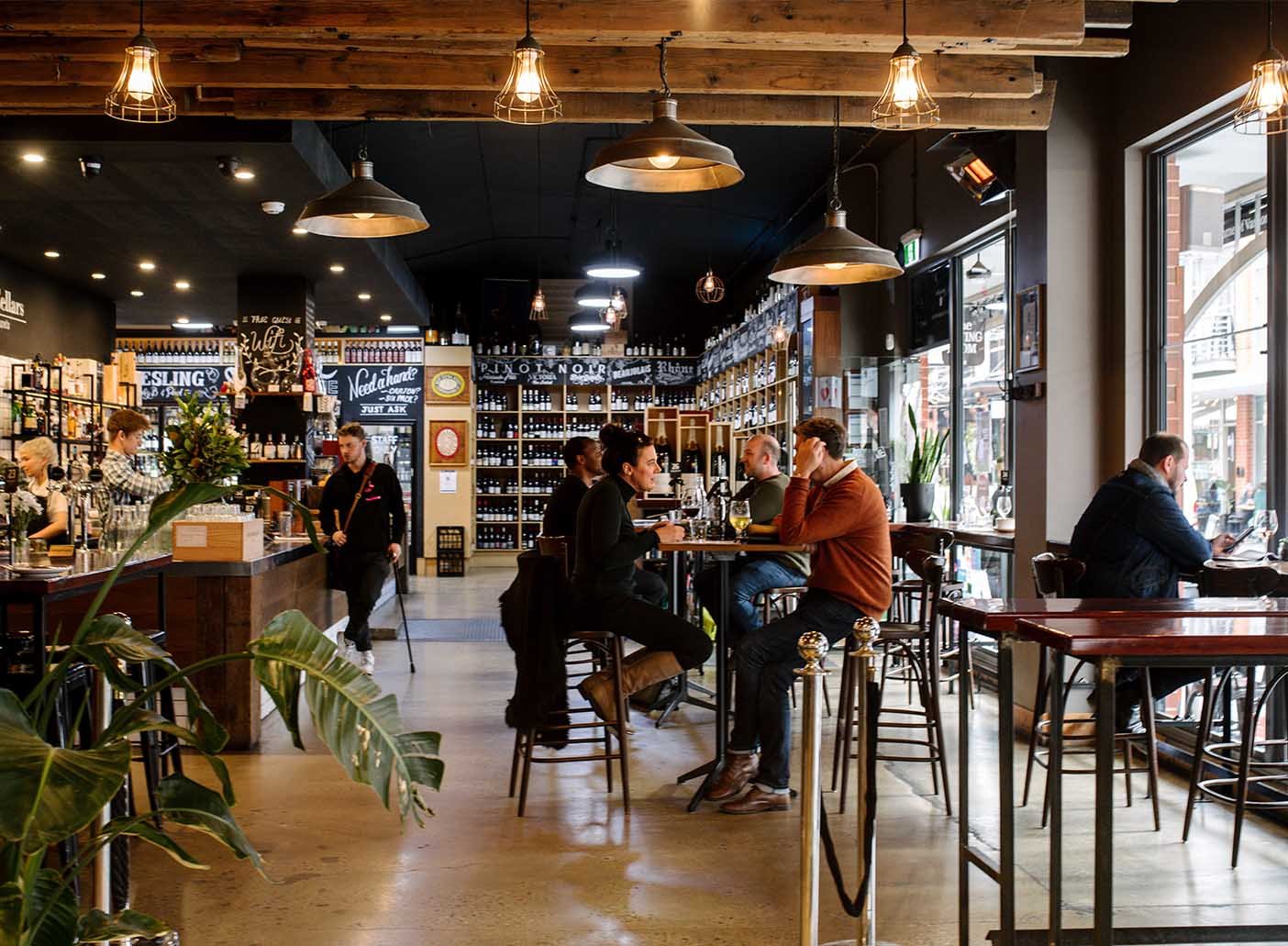
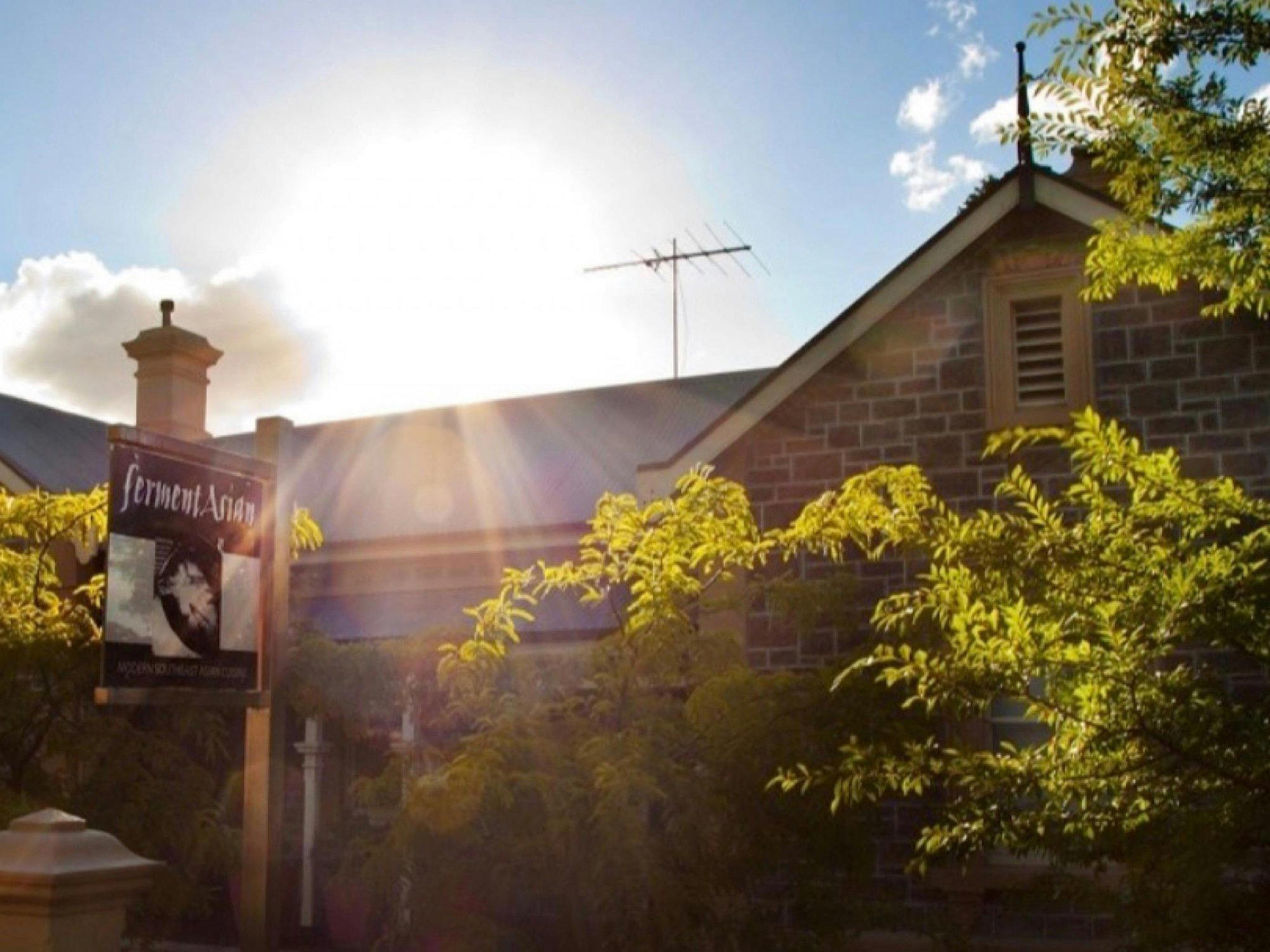
A traditional, rustic cellar door with a wood-oven dining focus, artwork hanging from the rafters, and views over the winery toward the Barossa Ranges.