Rebgut Sunnehalde

Falstaff Winery - Listed
Rebgut Sunnehalde is a small vineyard estate and Beizli in Weinfelden, shaped by Ottenberg’s vines, alpine views and regional Swiss cooking rather than formal tasting-room ceremony. Its identity rests on SUNNEHALDE wines, a 4-hectare vineyard, old-vine material around 40 years in age, and a terrace-and-pergola format that makes the land part of the experience.

Pearl is the En Primeur Club membership app — saves, bookings, and concierge access live there. Same editors, same standards.
- Address
- Weinfelden, Upper Thur Valley, Canton of Thurgau, Schweiz
- Directions
- Get directions

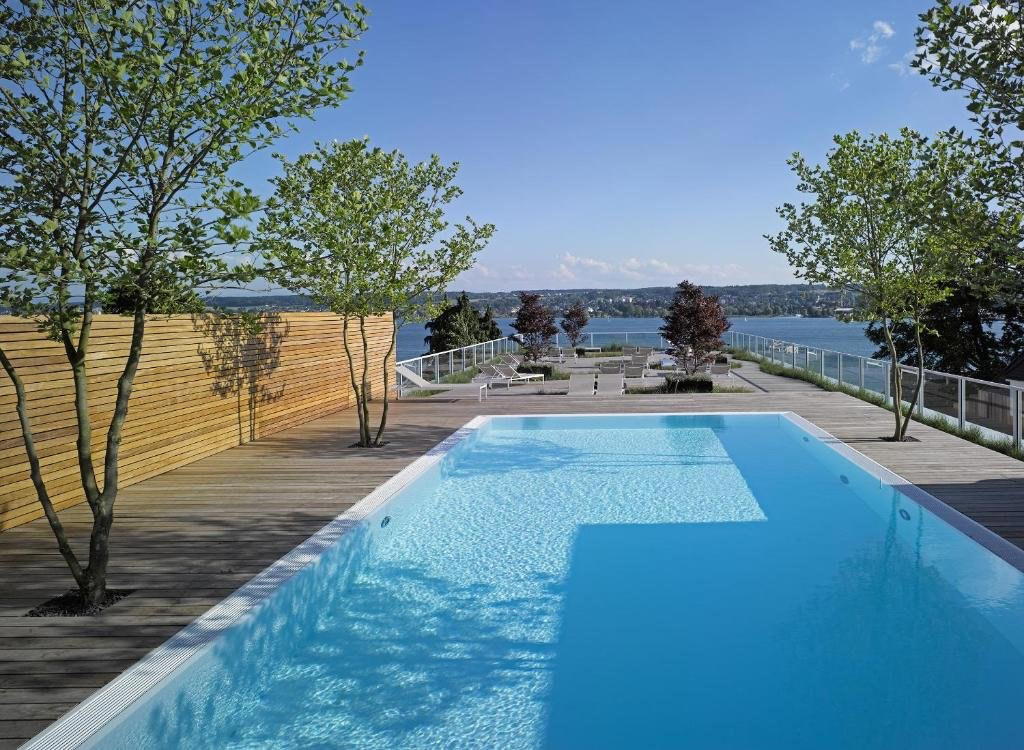
Approach this kind of Thurgau wine address expecting countryside rhythm rather than cellar-door theater: vines close to the table, a pergola in good weather, and the Thur valley opening below the hillside. Rebgut Sunnehalde belongs to a Swiss tradition in which a vineyard visit is not separated from lunch, local walking routes or a glass poured where the fruit grows. The setting on Ottenberg matters because it turns wine into a spatial experience; the view across the Thurtal toward the alpine arc is part of how the estate communicates place.
That place has unusual historical depth. The site was first mentioned in 1429 under the name “Heinrich‘s Güetli,” later becoming the first Weinfelden seat of the Bornhauser family, who lived and worked the estate for roughly 500 years. The modern SUNNEHALDE wine era began in 1933, when Rutishauser Weinkellerei AG acquired the property. Those dates give the estate a different register from newer hospitality concepts: its appeal is rooted in continuity, cultivation and local use, not in imported luxury codes.
Ottenberg terroir seen from the table
Thurgau’s wine culture often reads quietly from outside Switzerland, but Ottenberg gives it a clear grammar: hillside vineyards, mixed varieties, modest estate scale and food that keeps the glass in context. Rebgut Sunnehalde works around roughly 4 hectares of vines, a compact size that suits an integrated estate-and-tavern model. The planted palette spans Pinot Noir (Blauburgunder), Garanoir, Merlot, Cabernet Sauvignon, Müller-Thurgau, Pinot Gris, Sauvignon Blanc and Johanniter, with Souvignier Gris also part of the vineyard story. That range points to a house style built around red, white and rosé production rather than a single-variety specialist identity.
The agronomic detail that matters here is age and adaptation. The oldest vines are around 40 years old, enough to suggest continuity in the vineyard rather than recent ornamental planting. The estate also planted 1,400 Souvignier Gris vines, a disease-resistant variety, which places it inside a broader Swiss and Central European shift toward more resilient vineyard material. This is not a grand certification narrative; it is practical stewardship at small-estate scale.
Pinot Noir receives a more selective treatment within the vineyard program, with a special harvest handled separately for a more demanding wine. The technical cellar language is not the point. What matters for the visitor is that the estate distinguishes at least some fruit by quality or parcel expression, while keeping the experience legible to non-specialists. The land is interpreted through pours, terrace time and regional food rather than through a formal lecture.
Regional food keeps the wine in its Swiss setting
The Beizli format is central to the estate’s character. This is not a tasting counter with a token snack list; the food program includes bread boards, local cured meats and cheeses, salads, raclette, burgers, steak dishes, weekend cake and ice cream cups. Unless otherwise stated, the kitchen uses Swiss meat, a small but meaningful signal in a venue whose credibility depends on locality. The result is a wine visit that can stretch into a countryside meal without asking the guest to switch into fine-dining mode.
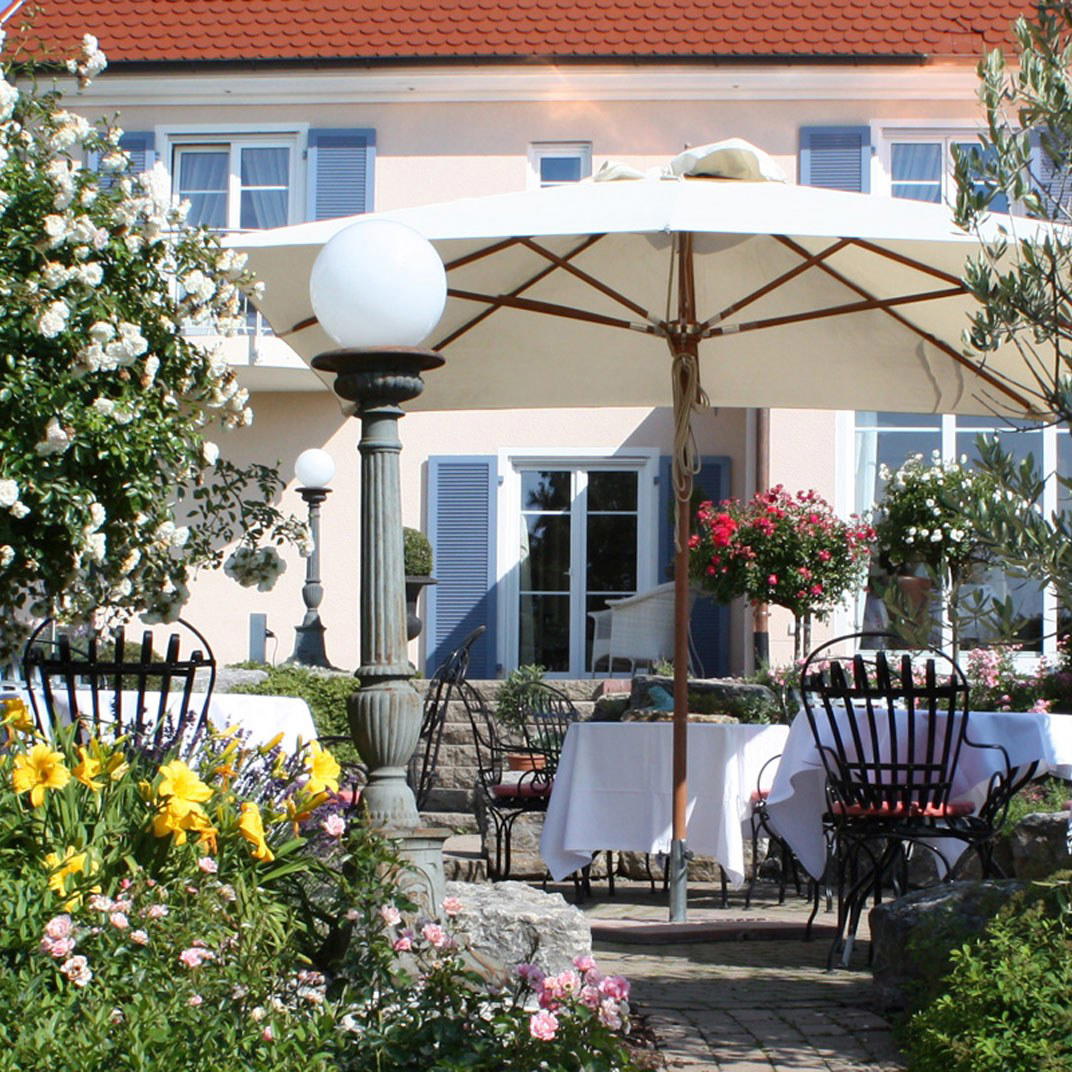
That distinction matters. Many vineyard destinations split between technical tasting rooms and restaurants that happen to have vines nearby. Here the stronger reading is a joined-up rural hospitality model: estate-associated wines, casual regional plates, a garden terrace under a pergola and an interior guest room with a tiled stove for colder or less forgiving weather. The wine is not isolated from the landscape; it is served inside the same agricultural and social setting that produces it.
Verjus adds another useful clue to the estate’s craft identity. Grapes are cut before véraison, then pressed, pasteurized, filtered and bottled. In culinary terms, verjus widens the estate’s output beyond alcohol and gives the kitchen a plausible bridge between vineyard and plate. It also signals a producer willing to show process, not only finished bottles.
Recognition here is local and experiential rather than medal-led. Wanderlog lists, and the praise clusters around terrace atmosphere, regional cooking, friendly service, value and views. Review-platform approval is not the same as a critic score, but it does say something useful: the format works for the people who use it as a wine-country stop, group meal or scenic pause.
How to read the visit: small estate, direct hospitality, countryside pace
The practical reading is simple: treat Rebgut Sunnehalde as a small Weinfelden vineyard estate with food, wine and outdoor seating as the core experience. It is suited to relaxed wine education, a group outing, a low-key celebration or a couple’s countryside meal. The capacity profile is intimate rather than banquet-scale, with celebrations of up to 42 people fitting the property’s modest proportions.
Beat Ziwica leads the estate today, but the more relevant editorial point is not biography; it is operating style. Leadership, vineyard, wine service and Beizli hospitality are presented as one connected proposition. That makes the visit strongest for travelers who want Thurgau wine in context: vines within sight, regional dishes on the table, and a pace closer to a Swiss country tavern than a polished urban wine bar.
For broader Weinfelden planning, continue with Our full Weinfelden wineries guide, then branch into Our full Weinfelden restaurants guide, Our full Weinfelden hotels guide, Our full Weinfelden bars guide and Our full Weinfelden experiences guide. Other regional wine pages to keep on the map include Forster Weinbau, Hof Jöhr, Schlossgut Bachtobel, Weingut Burkhart and Weingut Wolfer. Further afield, EP Club also covers 180°Süd in Frick, A & A Weinbau in Henggart, A. & C. Chevalley in Lutry, »der Steiner« Hans Steiner in Podersdorf am See and & Handwein in Mannheim.
Recognition history
Dated appearances from independent guides and award organizations, with the underlying list record or original source where available.
Falstaff Winery - Listed
Falstaff
Continue exploring
More in Weinfelden
Wineries in Weinfelden
Browse all →Bars in Weinfelden
Browse all →

Restaurants in Weinfelden
Browse all →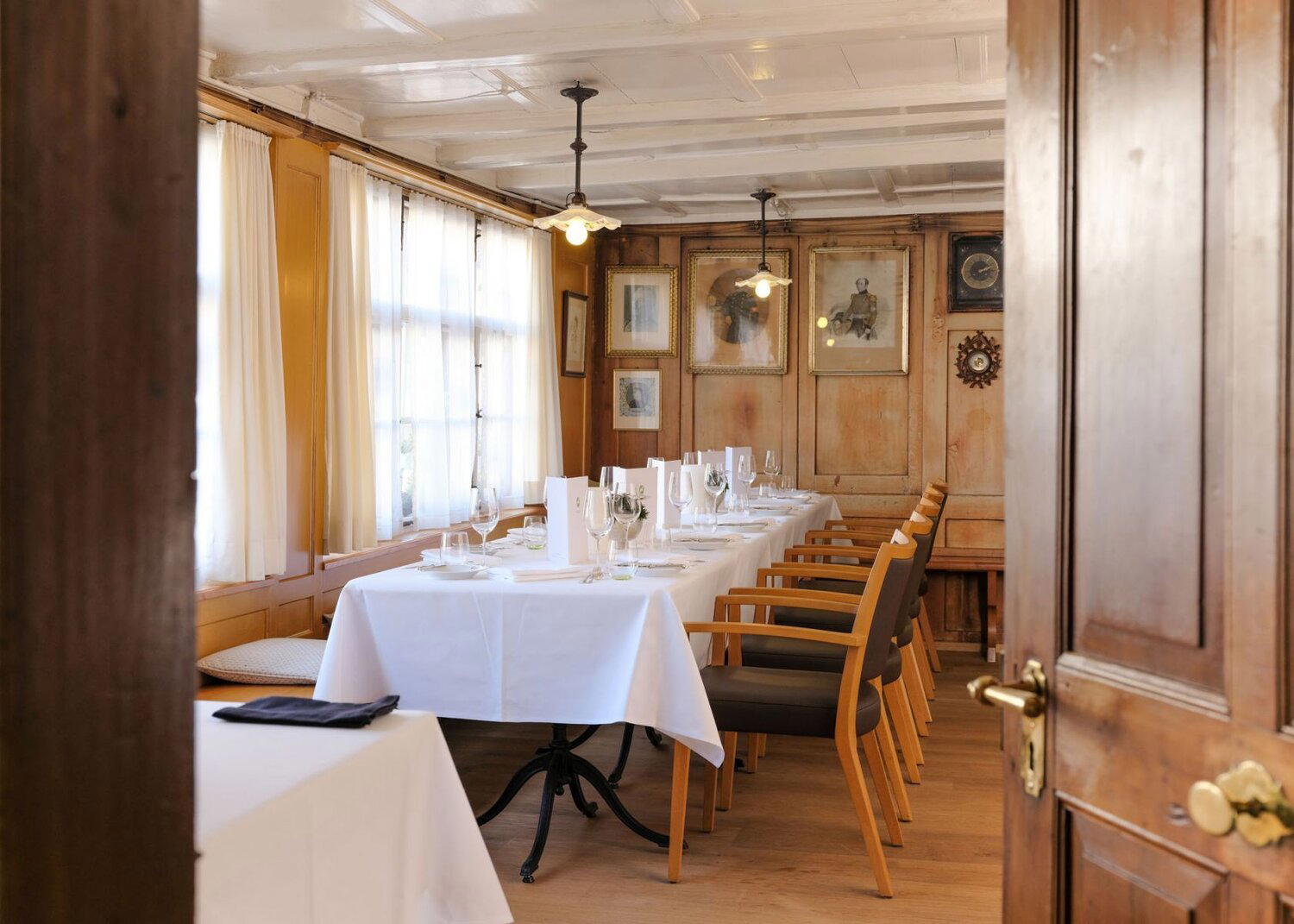
Details
- Scenic
- Cozy
- Rustic
- Romantic
- Intimate
- Group Outing
- Celebration
- Romantic Getaway
- Solo Exploration
- Wine Education
- Special Occasion
- Terrace
- Panoramic View
- Vineyard Tour
- Estate Grounds
- Historic Building
- Sustainable
- Vineyard
- Mountain
- Garden
- Pinot Noir (blauburgunder)
- Garanoir
- Merlot
- Cabernet Sauvignon
- Müller Thurgau
- Pinot Gris
- Sauvignon Blanc
- Johanniter
- Souvignier Gris
- Still Red
- Still White
- Still Rosé
- Bar Tasting
- Terrace Tasting
- Food Pairing Tasting
- German
Cozy, homely vineyard tavern with friendly service, a charming garden terrace under a pergola, and relaxed countryside atmosphere overlooking the Thur valley.