Colmo Club belongs to Comporta’s low-slung, ingredient-led dining culture, where the appeal often comes from proximity to rice fields, Atlantic fishing grounds, pine woods, and summer produce rather than formal ceremony. Its poolside setting places it in the relaxed end of the area’s restaurant circuit, better read as part of Comporta’s open-air social rhythm than as a chef-driven destination table.
Pearl is the En Primeur Club membership app — saves, bookings, and concierge access live there. Same editors, same standards.
- Address
- N261-1, Estrada das Bicas, Marco da Saibreira, Bicas, 7570-337 Grândola, Portugal
- Phone
- +351 269 249 486
- Website
- spatiacomporta.com
- Directions
- Get directions
 Saves & bookings on Pearl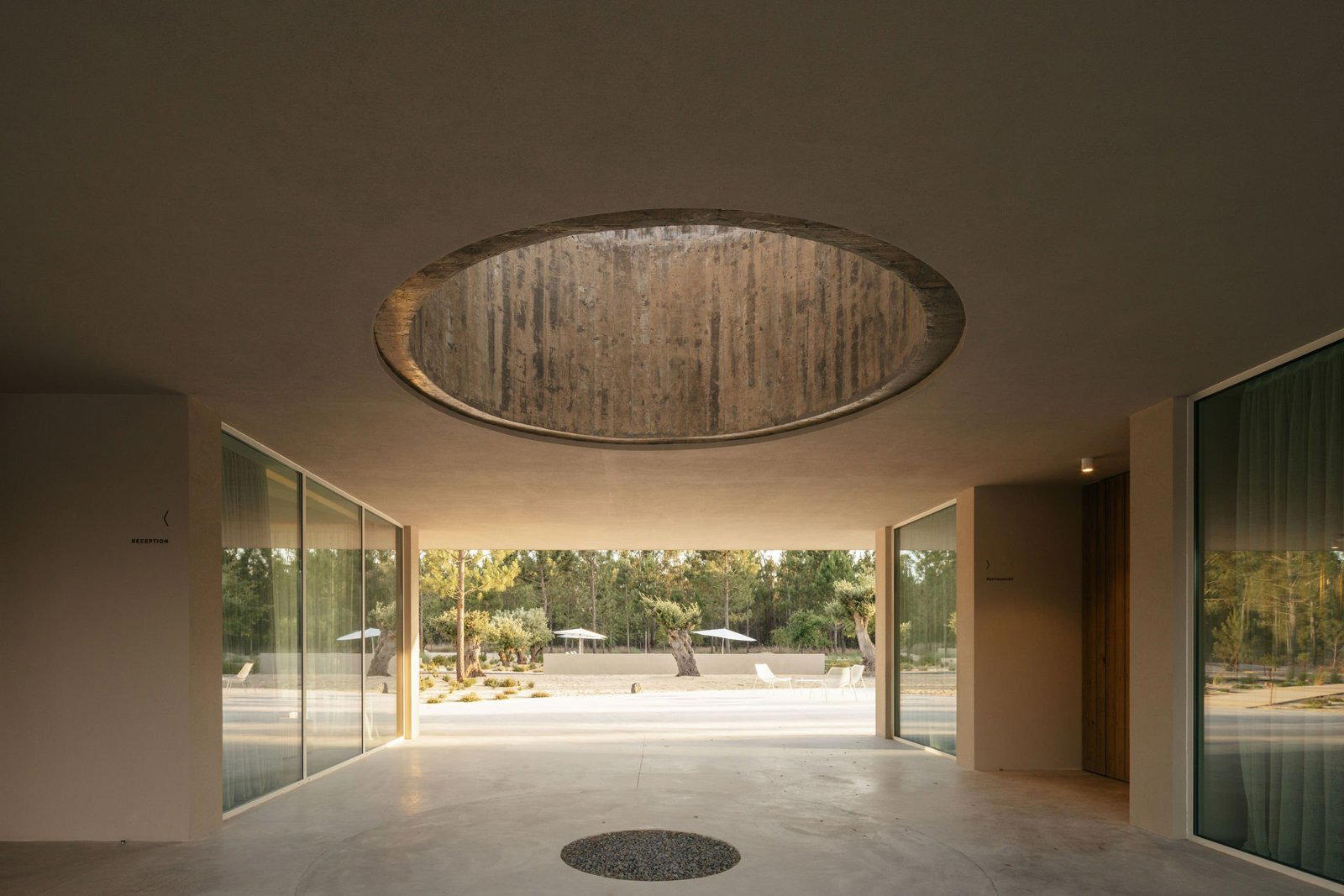
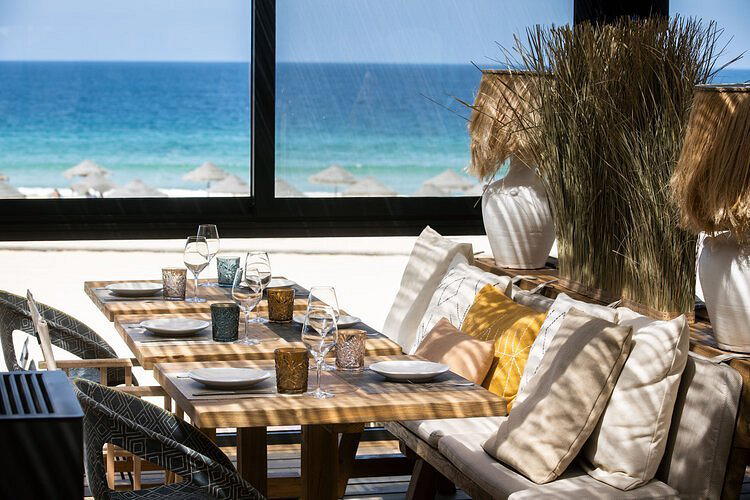
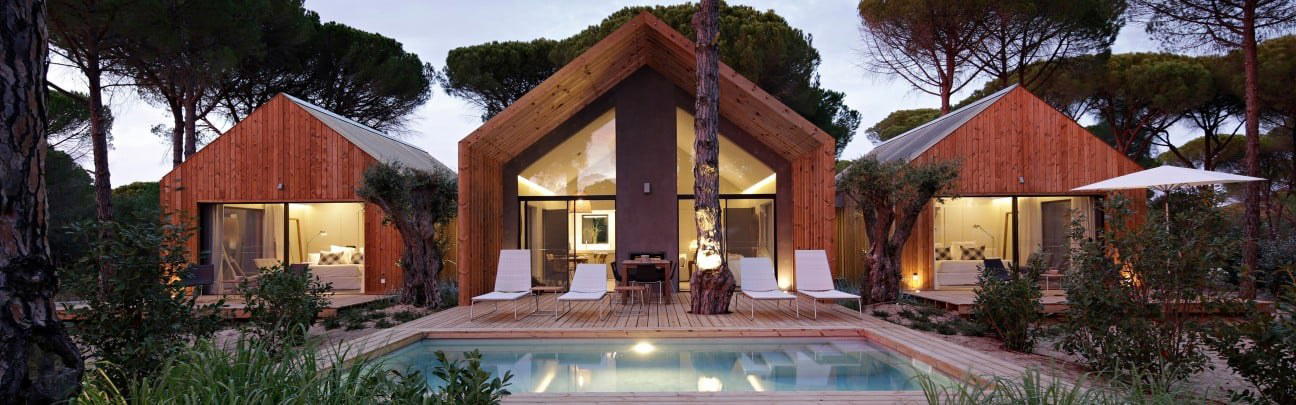
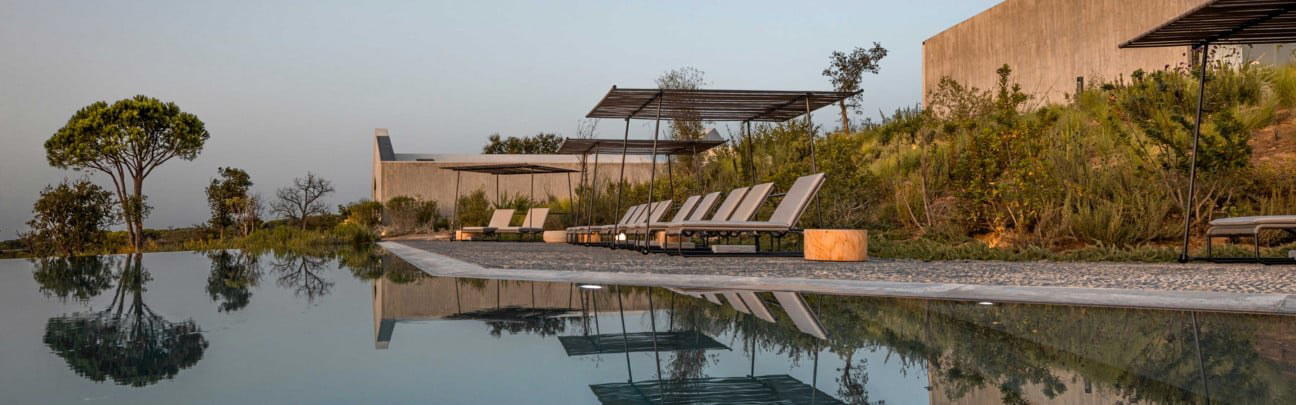
Comporta’s dining mood is set before the menu arrives: pale roads, pine shade, Atlantic air, rice-field light, and a pace that favours lunch stretching into late afternoon. Colmo Club fits that grammar through a poolside setting in the Grândola area, where the room is less about urban polish than the easy overlap of eating, swimming, sun, and conversation. In this part of the Alentejo coast, atmosphere is not decoration. It shapes how restaurants are used.
The stronger Comporta tables tend to make sense when read through sourcing rather than spectacle. The region sits between Atlantic fisheries, the Sado estuary, cork and pine country, and agricultural land that has long supplied rice, vegetables, herbs, and fruit. That geography gives the local restaurant scene a different rhythm from Lisbon’s tasting-menu rooms or Porto’s wine-bar formality. Menus here often work because they do not need to travel far for their logic: seafood, grilled proteins, seasonal vegetables, cold dishes built for heat, and wines that suit salt and sun.
Poolside dining in a coast where setting changes the meal
Poolside restaurants can fail when they treat food as an accessory to the lounger. In Comporta, the better version is more interesting: informal service, open-air pacing, and a menu that understands heat, appetite, and the fact that many tables are not looking for a three-hour performance. Colmo Club sits in that lane. The value is not in a named award structure or a documented chef mythology; it is in how the format matches the destination’s social use.
That matters because Comporta is not a conventional resort town. It has become a seasonal address for design hotels, private villas, beach clubs, and restaurants that trade on restraint rather than scale. The dining circuit splits between contemporary hotel restaurants such as Sem Porta (Contemporary), ingredient-conscious formats such as Food Circle, and casual-to-polished rooms that serve the area’s summer population without turning every meal into an occasion. Colmo Club belongs closer to the relaxed, setting-led side of that map.
For readers building a Comporta itinerary, the distinction is useful. A table like Cavalariça (Contemporary) suits a more deliberate restaurant evening, while Beefbar (meat-focused) speaks to a branded, protein-led format. Elemento Atlantico points the meal back toward the coast. The restaurant’s appeal is quieter: a poolside meal that belongs to the day’s architecture rather than competing with it.
Ingredient logic matters more than chef theatre here
Comporta’s stronger food culture is built on proximity. Atlantic seafood does not need elaborate framing when handled plainly; rice has local resonance because the fields are part of the region’s visual identity; vegetables and herbs read differently in a climate where lunch is often eaten outdoors. The editorial test for a restaurant in this setting is not how many techniques it can display, but whether the food feels aligned with the coast, the weather, and the table’s tempo.
That is why ingredient sourcing is the useful lens for the restaurant, even without a public chef narrative or award trail. The Comporta scene rewards menus that understand season, salt, smoke, acidity, and shareability. Heavy formats can feel misplaced by a pool. Lighter, produce-forward plates and unfussy coastal cooking tend to carry the room better. The same logic explains why the wider area supports both design-led hotel dining and stripped-back beach-adjacent meals without contradiction.
Compared with Lisbon, where restaurants such as 100 Maneiras in Lisbon sit within a more urban, authored dining conversation, Comporta asks for less theatre and more calibration. Compared with northern wine-country addresses such as 1638 Restaurant & Wine Bar in Porto, 1638 Restaurant by Nacho Manzano in Vila Nova de Gaia, and 16Legoas in Peso da Régua, the meal here is less cellar-led and more weather-led. That is not a lesser register; it is a different one.
The better comparison within Portugal may be coastal pragmatism: a restaurant like 2 Passos in Almancil shows how beach-region dining can be serious without becoming formal, while inland addresses such as 3 Pipos in Tonda remind travelers that Portuguese regional cooking changes sharply with geography. Comporta’s version is softer, sandier, and more seasonal in feeling.
How to place it within a Comporta trip
The restaurant is the sort of address to use when the day is already anchored in Comporta rather than when the sole purpose is a destination dinner. Its poolside character makes it better suited to a relaxed meal around a leisure plan than to a formal tasting-menu slot. For a fuller read on the area’s restaurant spread, start with Our full Comporta restaurants guide, then pair meals with Our full Comporta hotels guide, Our full Comporta bars guide, Our full Comporta wineries guide, and Our full Comporta experiences guide.
The wider lesson is simple: Comporta rewards travelers who separate restaurant ambition from restaurant usefulness. Some meals should carry a night. Others should make a day flow better. The restaurant sits in the second category, with a setting that suits the region’s slow, outdoor, ingredient-sensitive way of eating. For global contrast, compare that with compact specialist formats such as Jōdo Saké Bar in Los Angeles or Onigiri Time in Pasadena, where precision and niche focus drive the appeal. In Comporta, the stronger signal is often contextual: the right food, in the right weather, at the right tempo.
Quick Comparison
Comparable venues by cuisine and price in the same metro.
| Venue | Cuisine | Price | Awards |
|---|---|---|---|
| Colmo Club | This venue | Not listed | Not listed |
| Sem Porta | Contemporary | €€€ | Contemporary, €€€ |
Continue exploring
More in Comporta
Restaurants in Comporta
Browse all →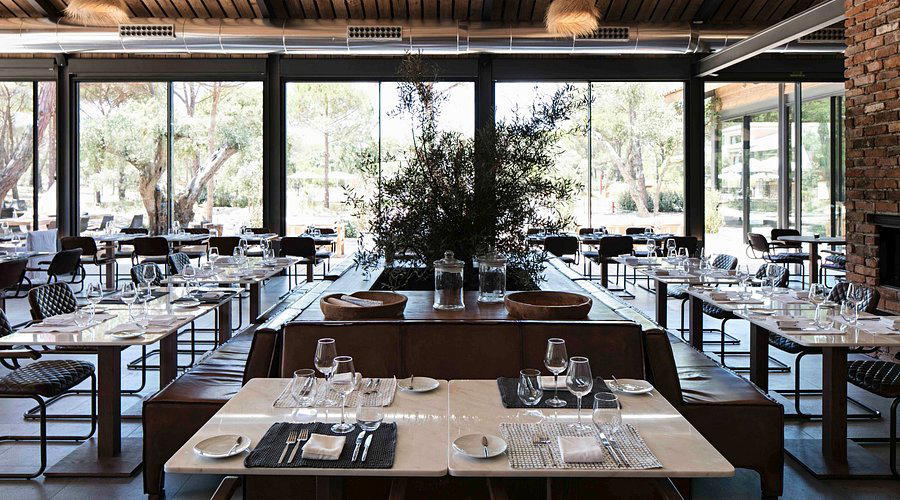
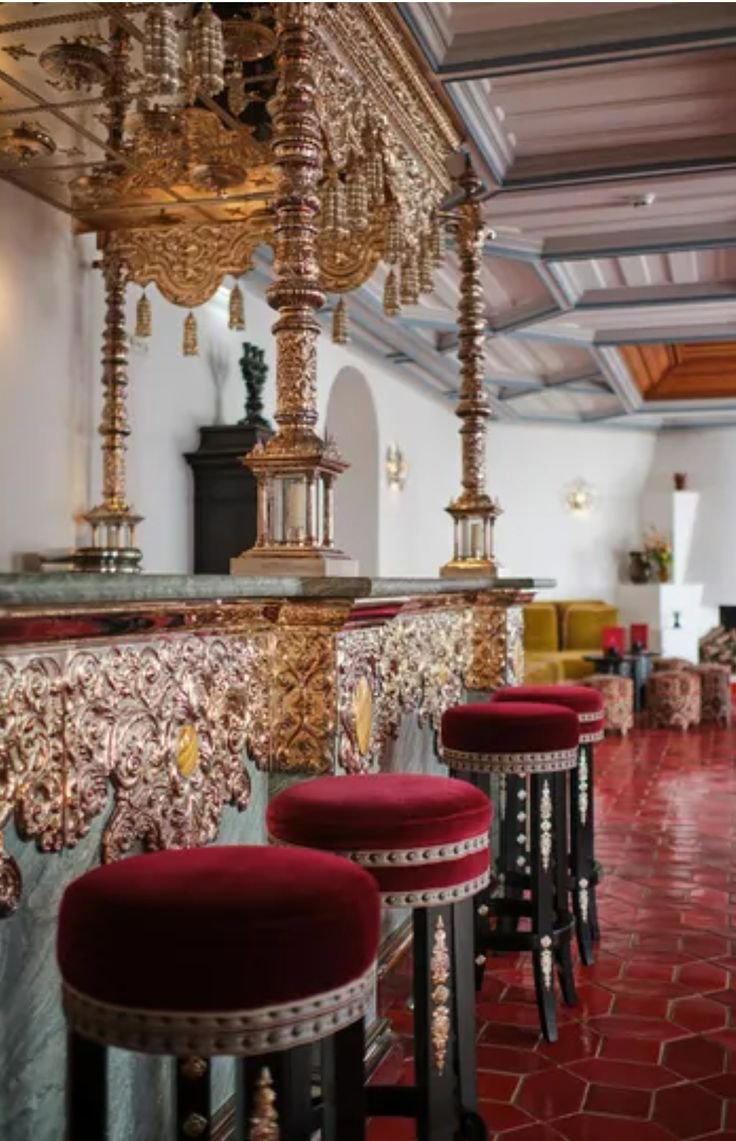
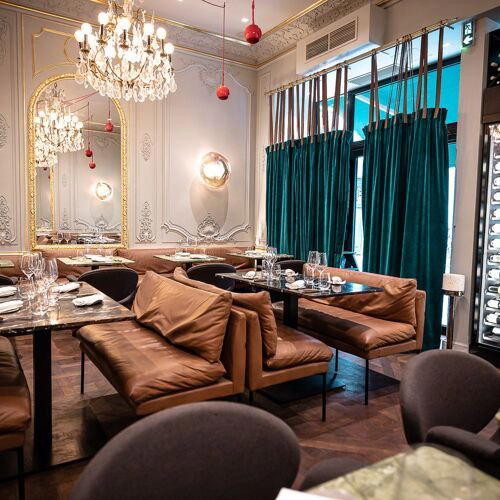
Bars in Comporta
Browse all →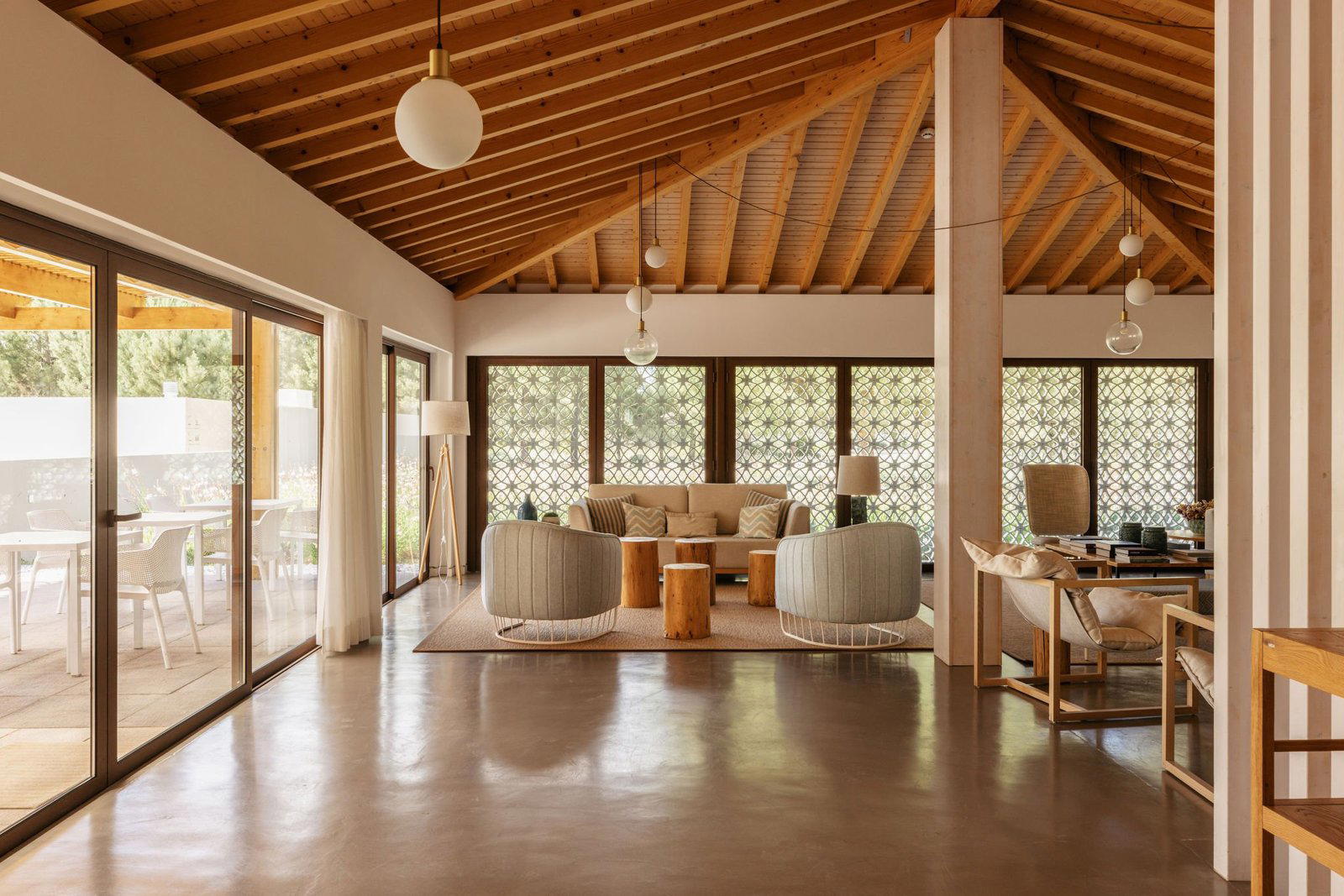
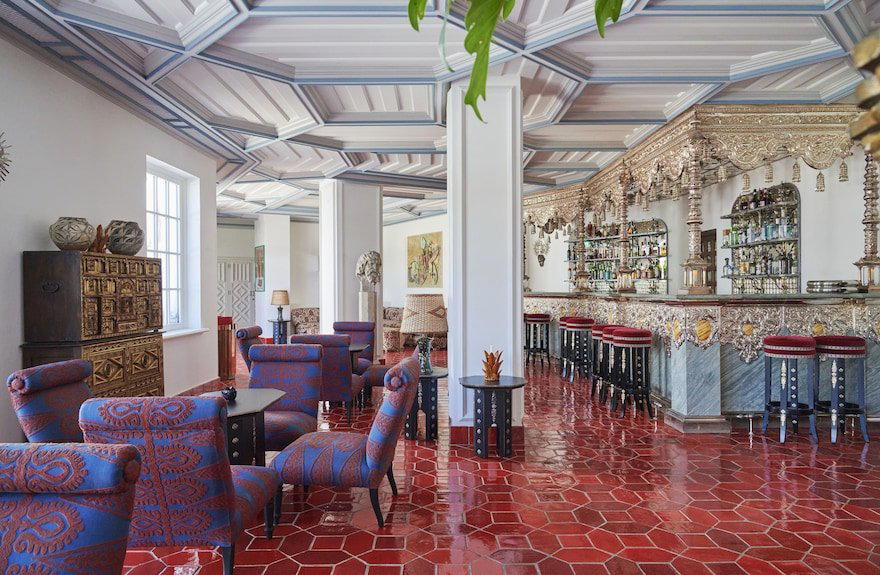

Hotels in Comporta
Browse all →
Wineries in Comporta
Browse all →
At a Glance
- Elegant
- Rustic
- Cozy
- Scenic
- Sophisticated
- Date Night
- Casual Hangout
- After Work
- Design Destination
- Hotel Restaurant
- Standalone
- Garden
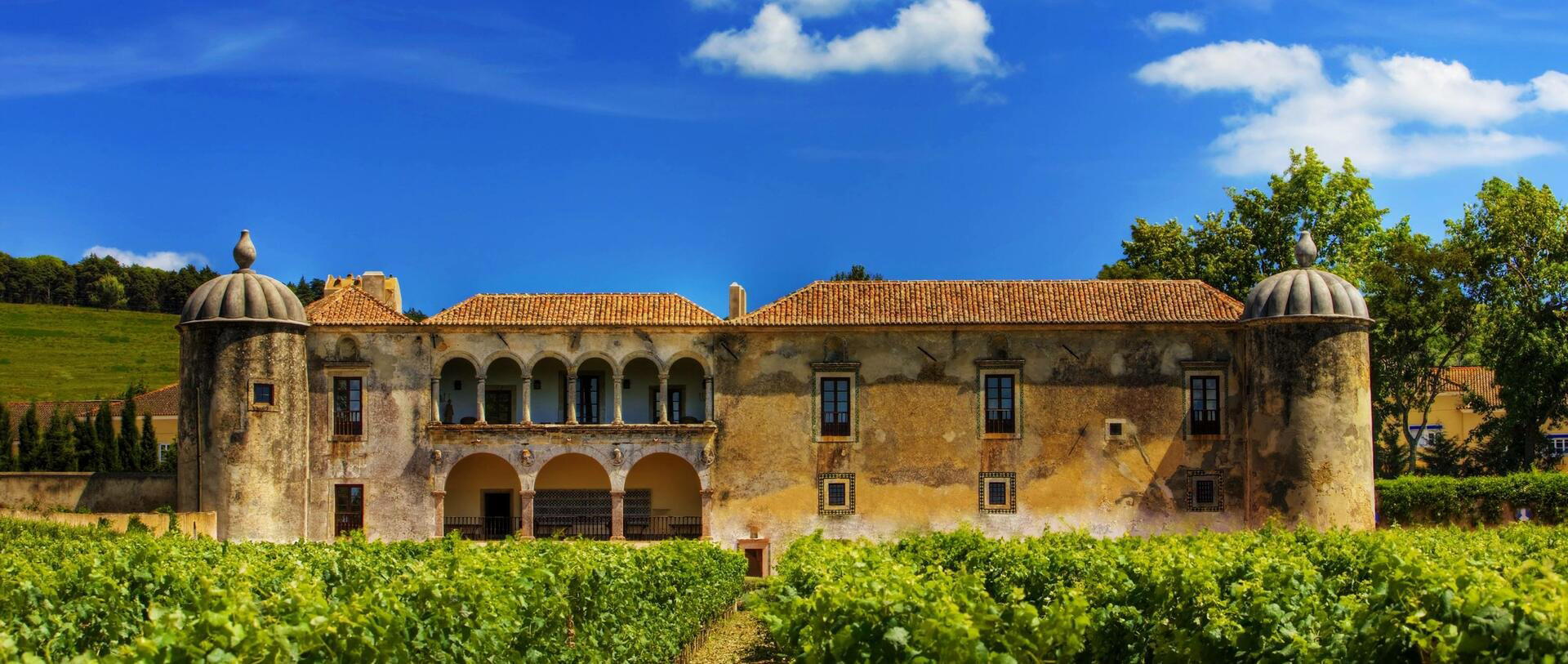
Atmosphere appears relaxed and refined, with an unhurried resort rhythm; reviews of Spatia highlight a calm, design-forward environment anchored by pools and bars that encourage lingering rather than fast turnover.