Quinta do Quetzal

Michelin Plate
Our verdict
Quinta do Quetzal brings chef João Mourato's contemporary take on Alentejo tradition to the Vidigueira hills, where seven- and nine-course tasting menus and an à la carte list weave regional ingredients—river langoustine, Alentejo pork, and convent-style desserts—into a format that pairs dining with art, wine, and vineyard walks across the estate.

Pearl is the En Primeur Club membership app — saves, bookings, and concierge access live there. Same editors, same standards.
- Address
- Estrada das Sesmarias - Apartado 19, Vidigueira, Beja, 7960-909, PRT
- Phone
- +351 284 441 618
- Website
- quintadoquetzal.com
- Directions
- Get directions
- Booking
- Book on the venue's website
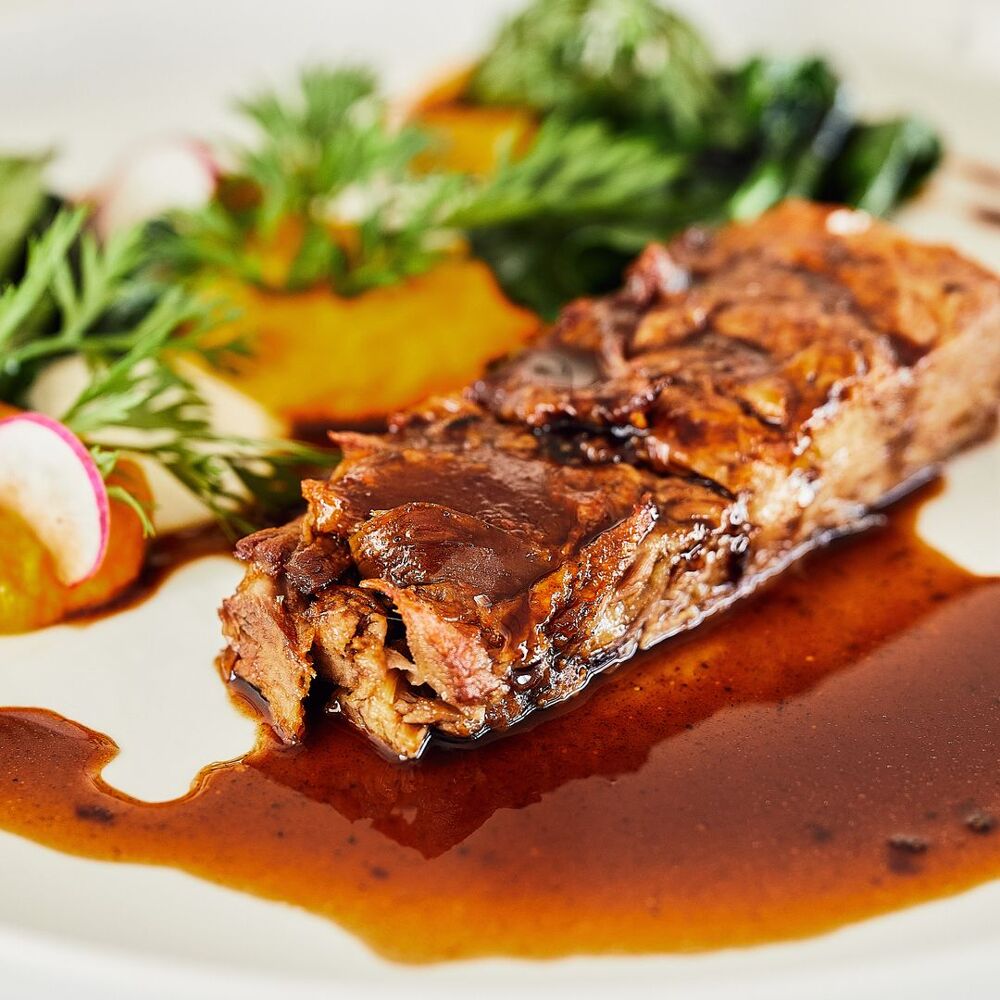
The Alentejo's food and wine culture sits at a remove from Portugal's coastal capitals, shaped by inland plains, estate agriculture, and a climate that produces low-intervention wines and ingredient-forward cooking. In Vidigueira, a municipality whose name appears more often on wine labels than restaurant listings, Quinta do Quetzal folds chef-led contemporary dining into a working estate that includes vineyards, an art gallery, and a wine cellar open to visitors. The format here is part restaurant, part wine tourism, and the menu reflects that dual identity: Mourato's cooking draws on regional staples, river shellfish, Alentejo pork, convent sweets, and frames them inside a tasting-menu structure more typical of Lisbon or Porto than rural Beja district. For anyone following Vidigueira restaurants or the broader Alentejo food scene, this venue offers one of the few chef-led tasting formats outside the region's urban corridors. A Cozinha do Paço in Évora and Herdade do Esporão near Reguengos de Monsaraz occupy a similar space, contemporary regional cooking rooted in estate agriculture, but Quinta do Quetzal's integration of art and wine programming into the dining visit sets it apart as an experience format rather than a standalone meal.
Regional Sourcing and the Mourato Menu
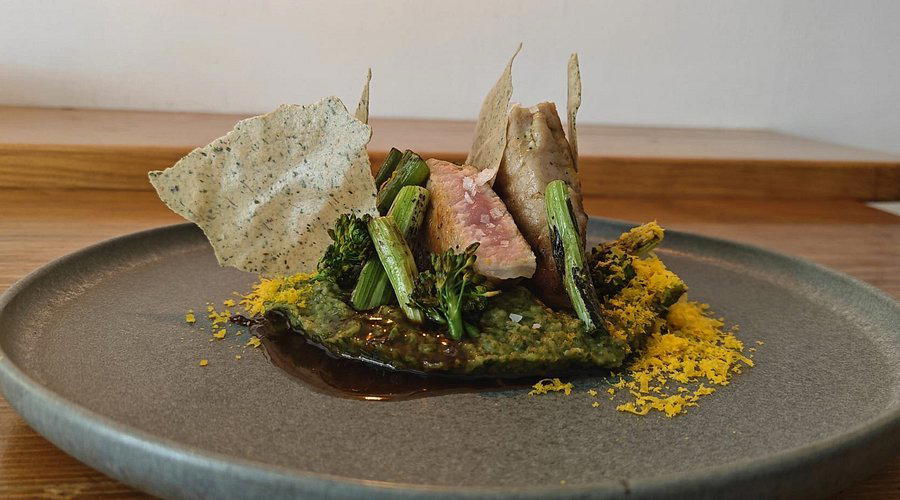
Chef João Mourato's tasting menus, offered in seven- and nine-course versions, anchor the cooking in Alentejo's agricultural economy. River langoustine from the Guadiana watershed appears in a preparation inspired by bulhão pato, the classic Portuguese garlic-and-coriander technique, here paired with low-temperature egg and crisped pork lard. That combination points to the way the menu works: traditional reference points (bulhão pato is a Lisbon standard; pork lard is Alentejo shorthand) rendered with technique borrowed from modernist kitchens. The dessert menu includes Delírio de Vila de Frades, a reinterpretation of the convent-style sweets that define Alentejo dessert tradition, egg yolks, sugar, almonds, plated in a contemporary format. The estate's own wines feature prominently on the list, and visits can be extended to include cellar tours, vineyard walks, and time in the on-site art gallery. That layering of activity suggests the venue competes less with urban tasting-menu restaurants and more with wine-estate experiences that offer dining as one element of a broader day visit. The à la carte option provides an alternative to the tasting format, though the menu's emphasis on Alentejo ingredients and modern plating remains consistent across both structures. For diners tracing ingredient sourcing, the reliance on regional producers, Alentejo pork, Guadiana shellfish, estate wines, offers a tight geographic radius and a clearer picture of the local food economy than you'll find in most urban kitchens. The cooking doesn't chase international trends; it pulls from a defined agricultural zone and applies enough technique to distinguish itself from traditional Alentejo taverns without erasing the regional character.
Wine Estate Integration and the Vidigueira Context
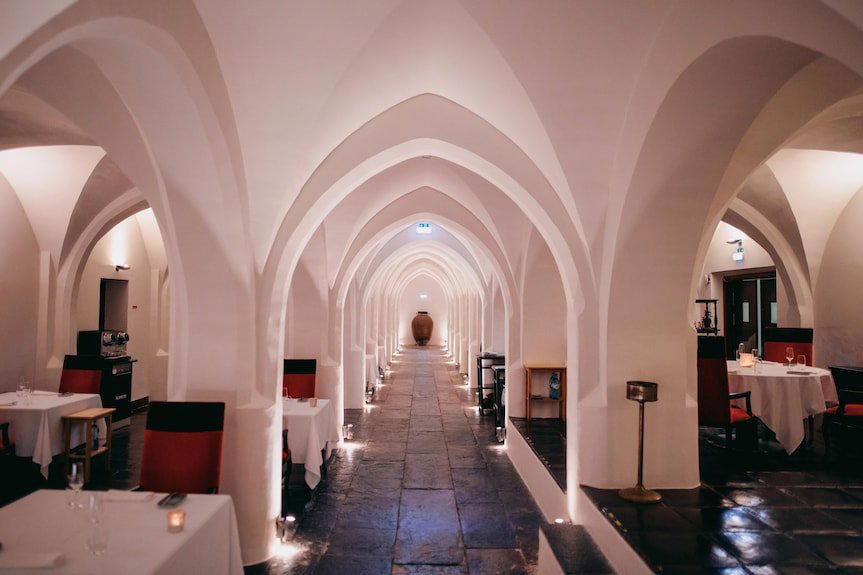
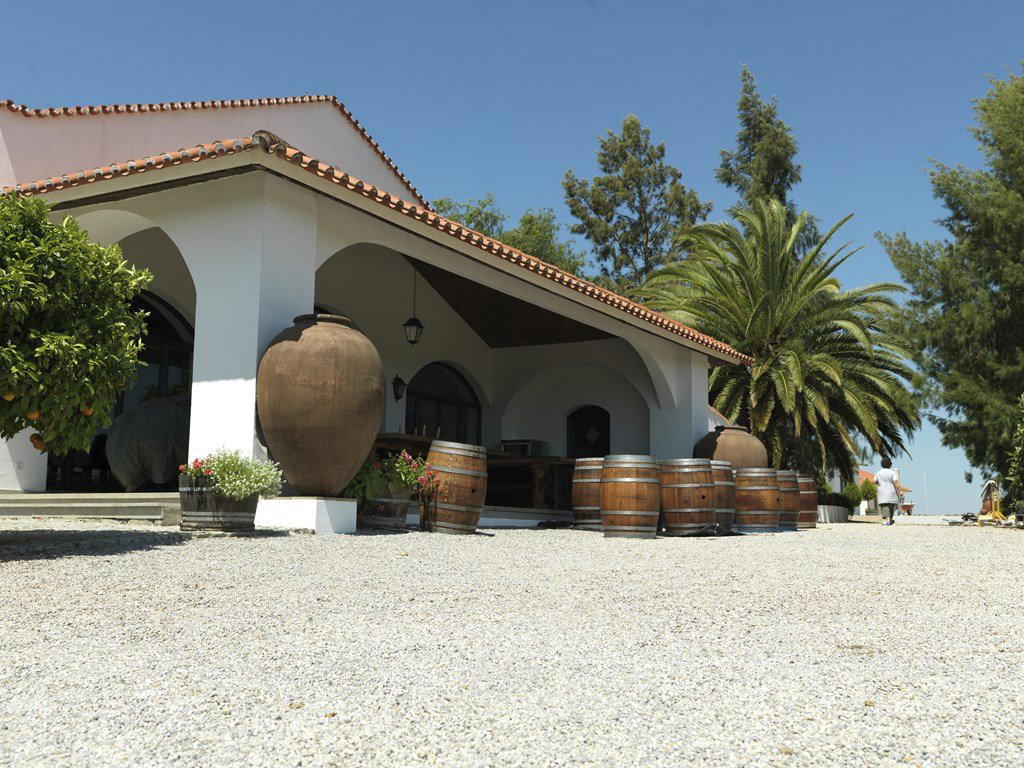
Quinta do Quetzal's location in Vidigueira places it inside a wine-producing municipality known for its role in the Alentejo DOC, but the area lacks the restaurant density of Évora or the coastal resort infrastructure of the Algarve. That geographic isolation shapes both the audience, wine tourists, estate visitors, and regional diners willing to drive, and the format. The property functions as a wine estate first, with the restaurant, art gallery, and cellar tours operating as interconnected programming. This model mirrors Herdade do Esporão's approach, where wine production anchors a broader visitor experience that includes dining, but Quinta do Quetzal's smaller scale and tighter focus on chef-led tasting menus give it a different profile. For anyone exploring Vidigueira wineries, the estate's cellar tours and wine tastings offer standard programming; the restaurant adds a culinary layer that's less common in rural Portuguese wine regions. Vidigueira's position as a secondary wine municipality, less trafficked than the Douro, less developed than parts of the Alentejo closer to Lisbon, means venues here operate with lower visitor volumes and fewer direct competitors. The trade-off: less saturation, fewer walk-ins, and a format that assumes diners will plan the visit in advance, often as part of a wine-route itinerary. The estate's art gallery, which rotates exhibitions, and the vineyard walks add non-dining components that stretch the visit beyond a single meal. If you're mapping Alentejo wine estates that offer dining, Quinta do Quetzal sits in a tier below the larger, more commercialized properties but above the casual quintas that serve simple lunches without chef-driven menus. The integration of art, wine, and food into a single estate visit is the venue's defining structural move, and it shapes the audience: this is a destination dining format, not a neighborhood spot.
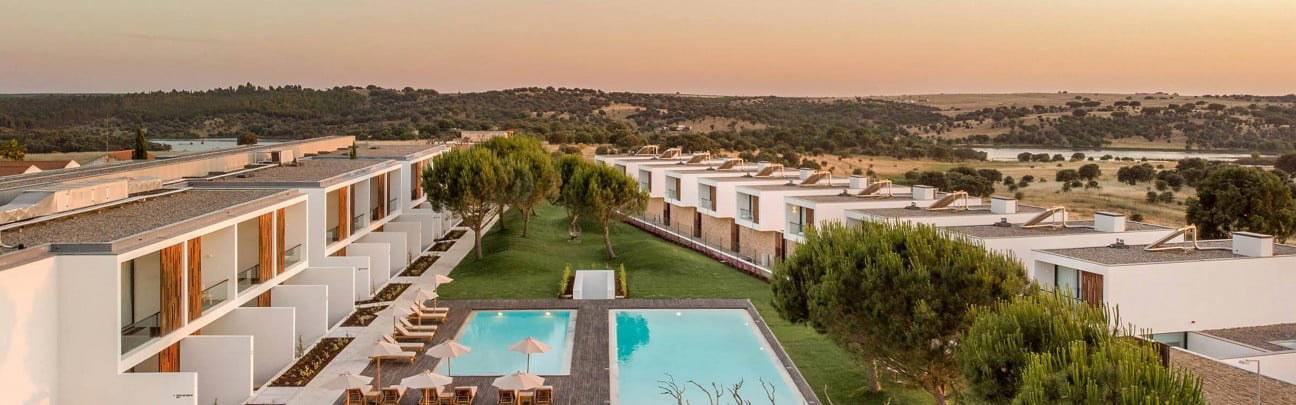
The surrounding area offers limited hospitality infrastructure. Vidigueira hotels and bars remain sparse, so most visitors approach the estate as a day trip from Évora, Beja, or the Algarve coast, or as one stop on a multi-day Alentejo wine tour. For diners accustomed to urban tasting-menu formats in Lisbon, 100 Maneiras or similar, Quinta do Quetzal offers a lower-key, estate-based version of the same structure, with less polish and more emphasis on place-specific ingredients. The experience programming, including cellar visits and vineyard tours, positions the venue closer to Vidigueira experiences than to standalone fine-dining restaurants, and the pricing and format reflect that hybrid identity.
Frequently asked questions
Is Quinta do Quetzal child-friendly?
The estate's winery and art-gallery setting suggests a quiet, adult-focused experience. Chef João Mourato's seven- and nine-course tasting menus are structured for a longer, contemplative meal. Families visiting the Vidigueira vineyards may find the format less suited to young children than the à la carte option.
Is Quinta do Quetzal better for a quiet night or a lively one?
The setting favours a quiet, immersive evening. The tasting-menu format and integrated winery visits encourage conversation at a slower pace. Vidigueira's rural location and the estate's gallery and cellar components reinforce the focus on regional produce and contemplation over high-energy dining.
Is Quinta do Quetzal Michelin-listed?
Quinta do Quetzal has received recognition including: Deseja imergir-se na beleza e na essência do Alentejo? Na Quinta do Quetzal, a arte, o vinho e a gastronomia encontram-se num cenário deslumbrante, entre as colinas douradas e a tranquilidade da Vidigueira. A proposta liderada pelo chef Joã….
What's the address for Quinta do Quetzal?
Quinta do Quetzal is located at Estrada das Sesmarias - Apartado 19, Vidigueira, Beja, 7960-909, PRT, Vidigueira.
A Quick Peer Check
Comparable venues by cuisine and price in the same metro.
| Venue | Cuisine | Awards |
|---|---|---|
| Quinta do QuetzalThis venue — the venue you are viewing | Modern Portuguese / Mediterranean | Michelin Plate |
| Herdade do Esporão | Contemporary | Not listed |
| Hibrido | Modern Cuisine | Not listed |
| Dom Joaquim | Regional Cuisine | Not listed |
Recognition history
Dated appearances from independent guides and award organizations, with the underlying list record or original source where available.
Michelin Plate
Michelin
Continue exploring
More in Vidigueira
Restaurants in Vidigueira
Browse all →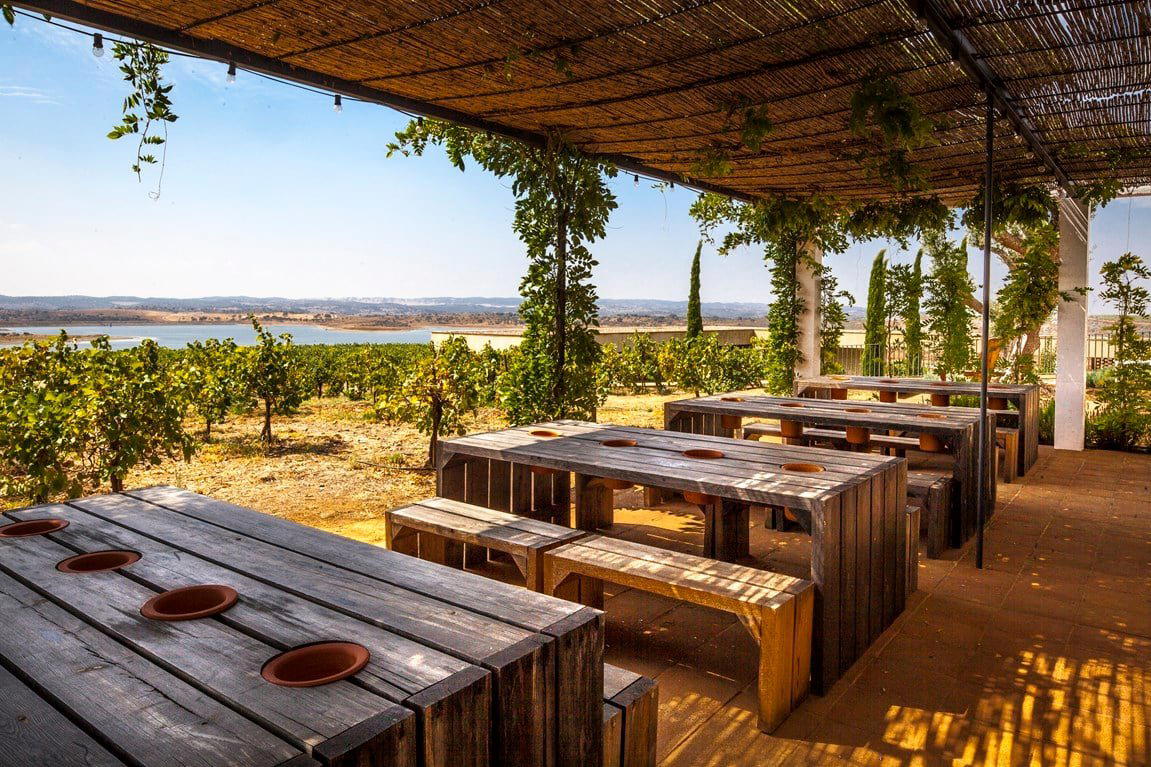
Bars in Vidigueira
Browse all →
Hotels in Vidigueira
Browse all →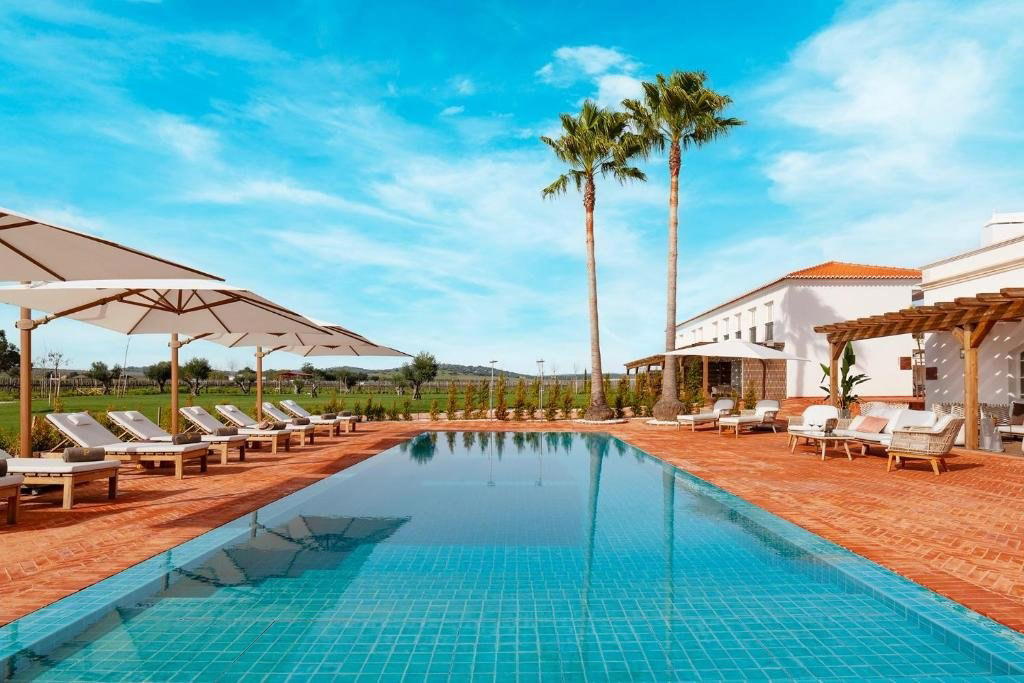

Details
- Scenic
- Elegant
- Sophisticated
- Modern
- Date Night
- Group Dining
- Celebration
- Special Occasion
- Terrace
- Garden
- Wine Cellar
- Design Destination
- Standalone
- Extensive Wine List
- Sommelier Led
- Local Sourcing
- Vineyard
- Garden
- A La Carte
- Wine
- Vegetarian Friendly
- Vegan Options
- Gluten Free Options
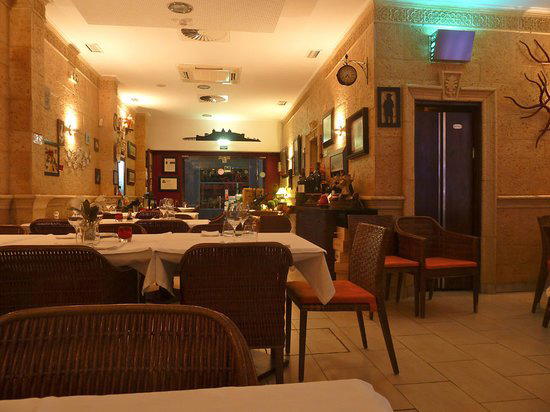
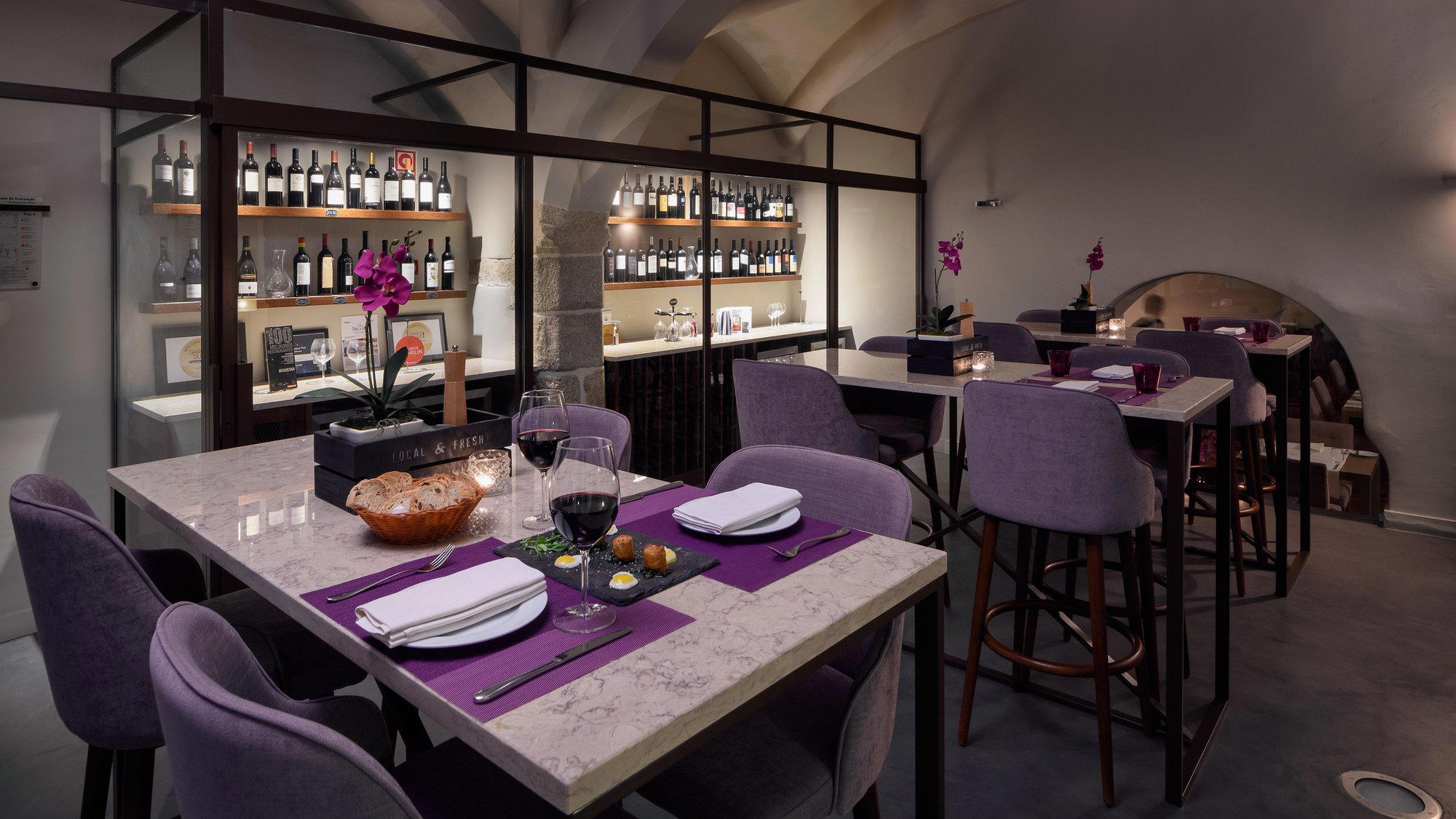
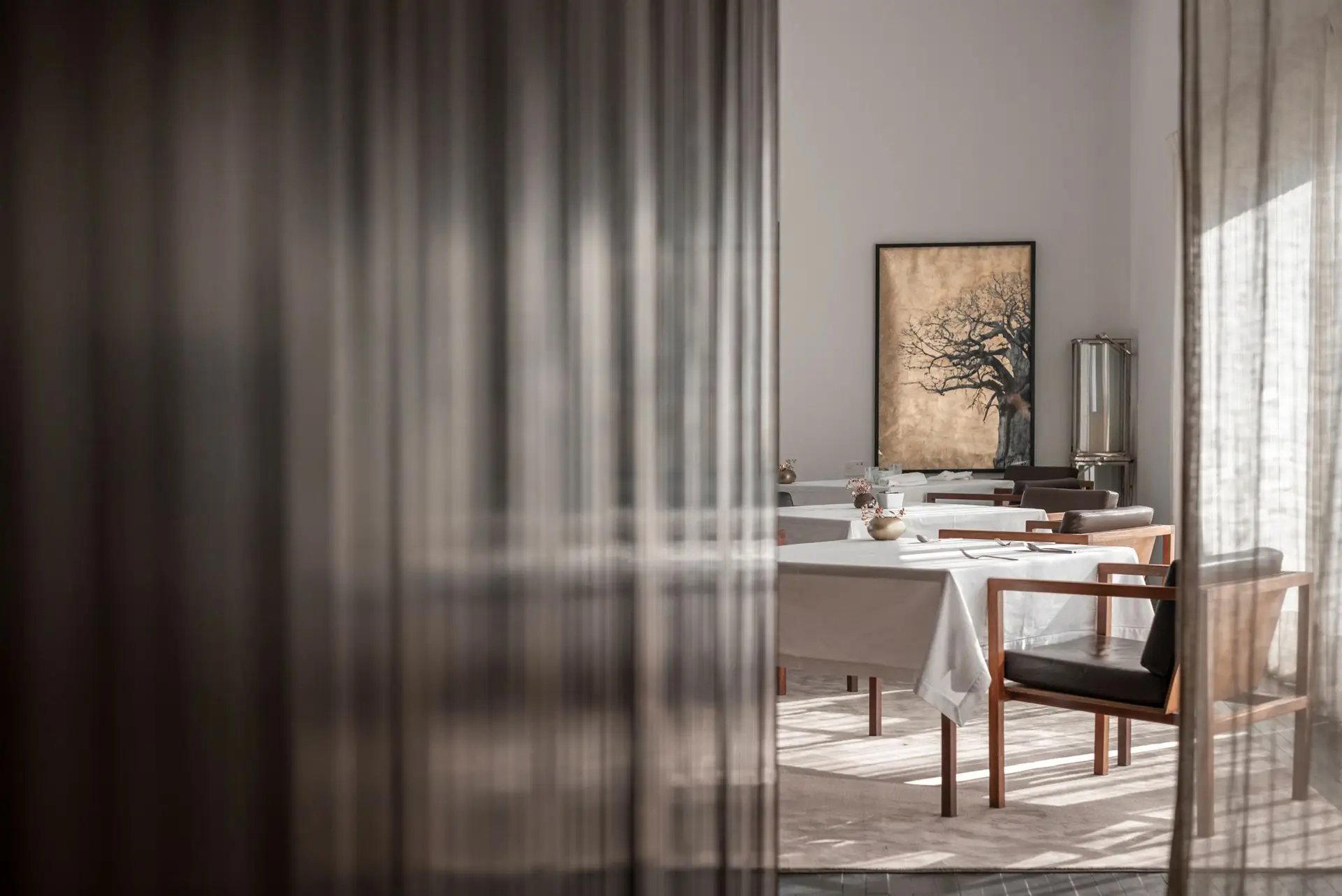
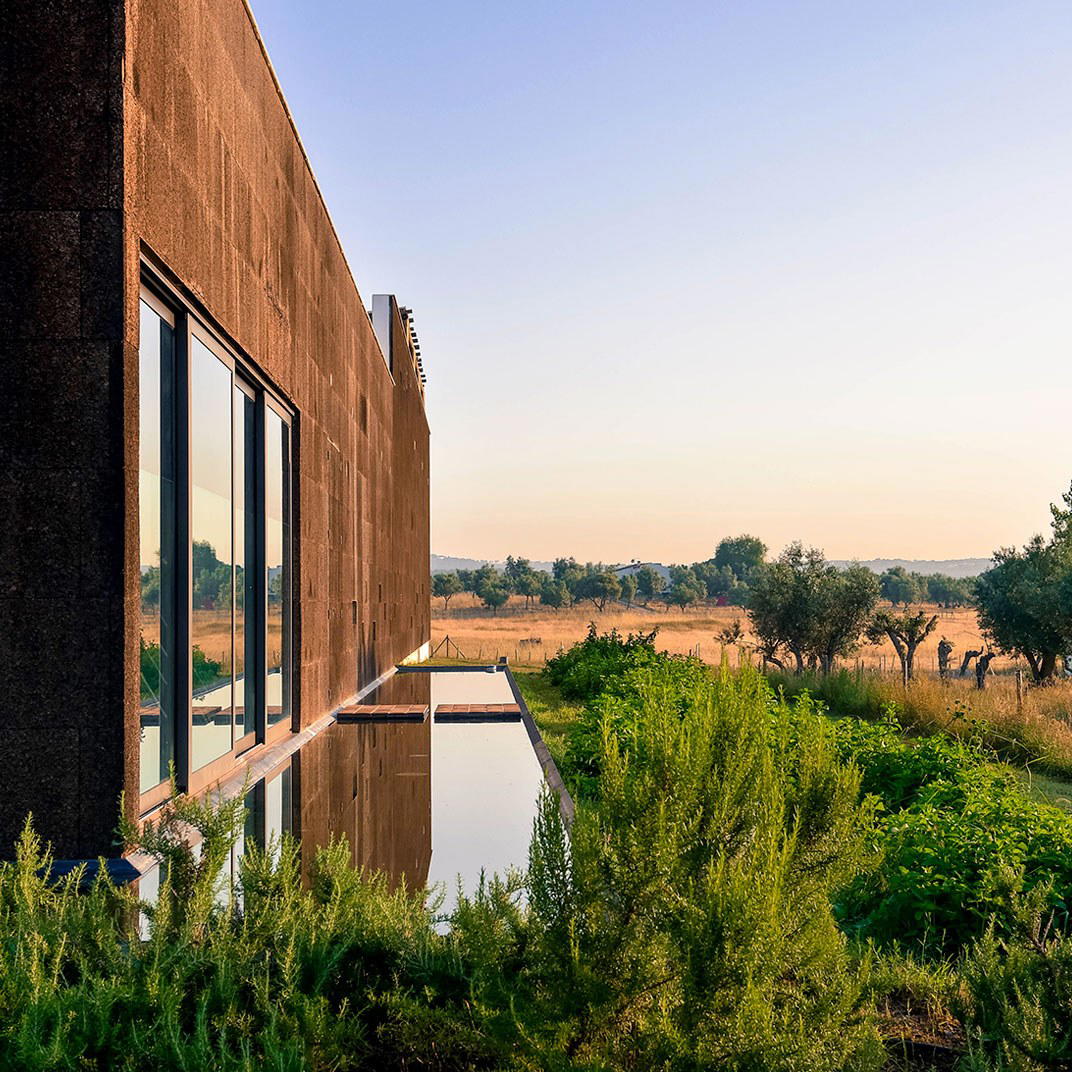
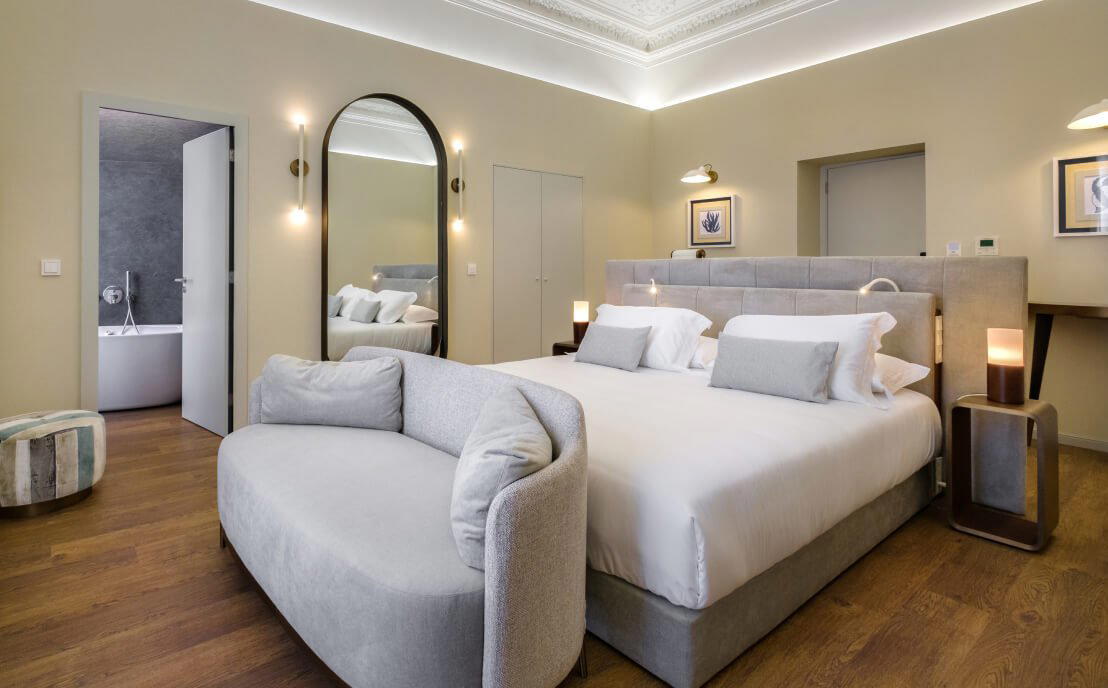
A tranquil, art-forward atmosphere on the sun-drenched slopes of Vidigueira, with vineyard views, schist-clad architecture, and a polished but relaxed feel.