Poggio Bonelli

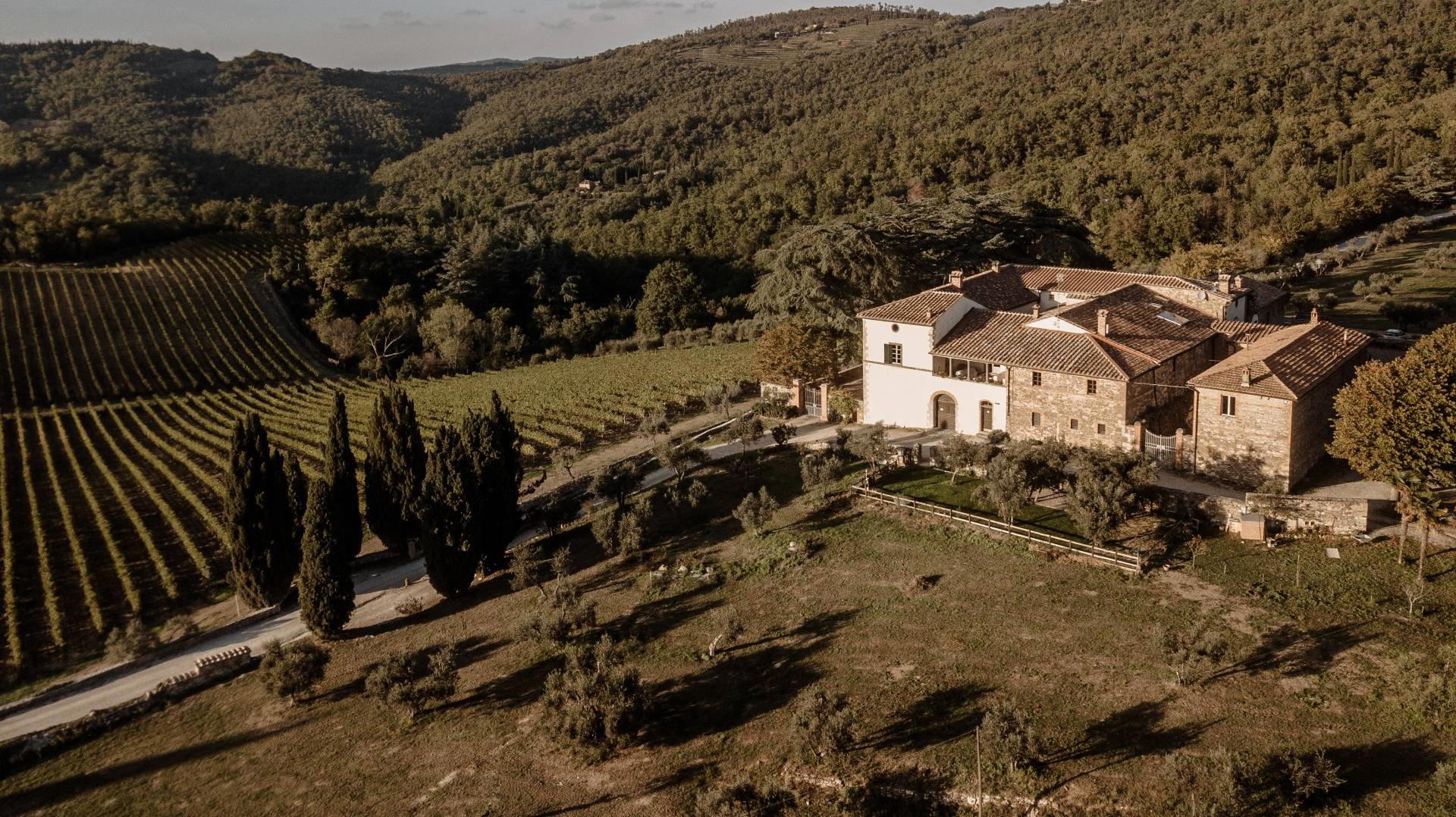
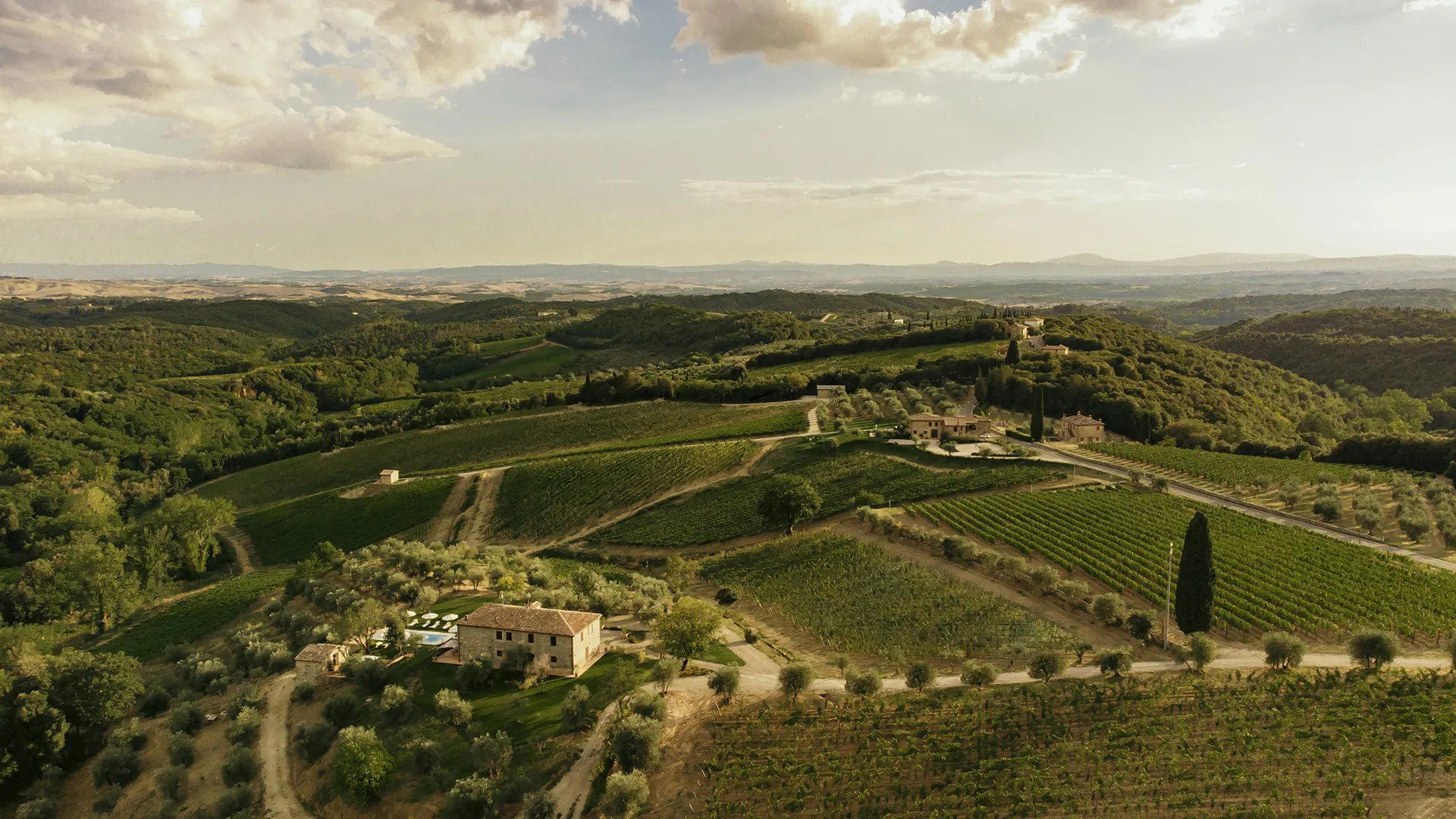
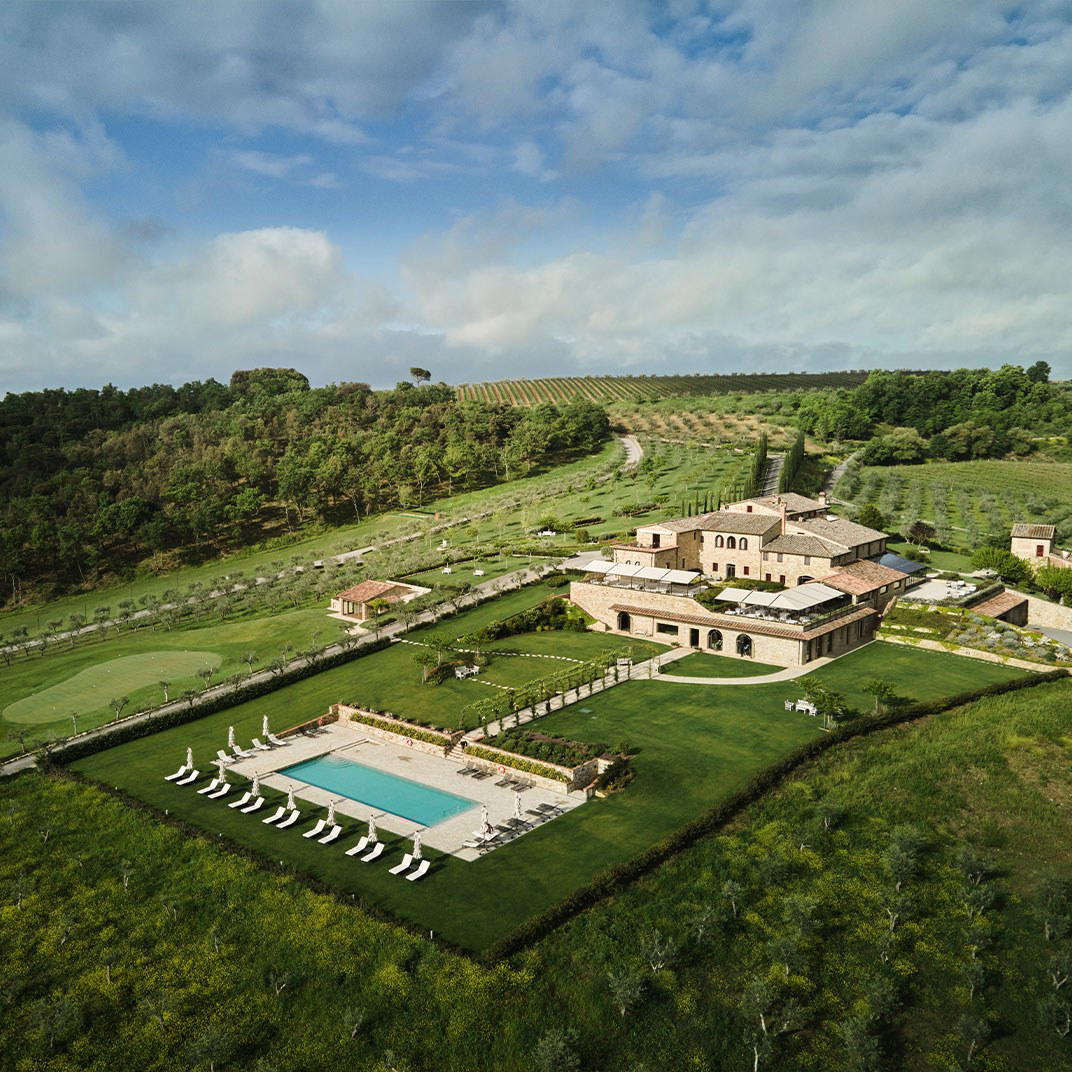
Poggio Bonelli suits travelers who want Chianti as a working countryside estate rather than a quick tasting-room stop. The 835-hectare property in Castelnuovo Berardenga combines Chianti Classico vineyards, olive groves, agriturismo lodging, an 18th-century winery building, and a portfolio anchored in Sangiovese with IGT breadth.
Pearl is the En Primeur Club membership app — saves, bookings, and concierge access live there. Same editors, same standards.
- Address
- Castelnuovo Berardenga, Tuscany, Italien
 Saves & bookings on Pearl
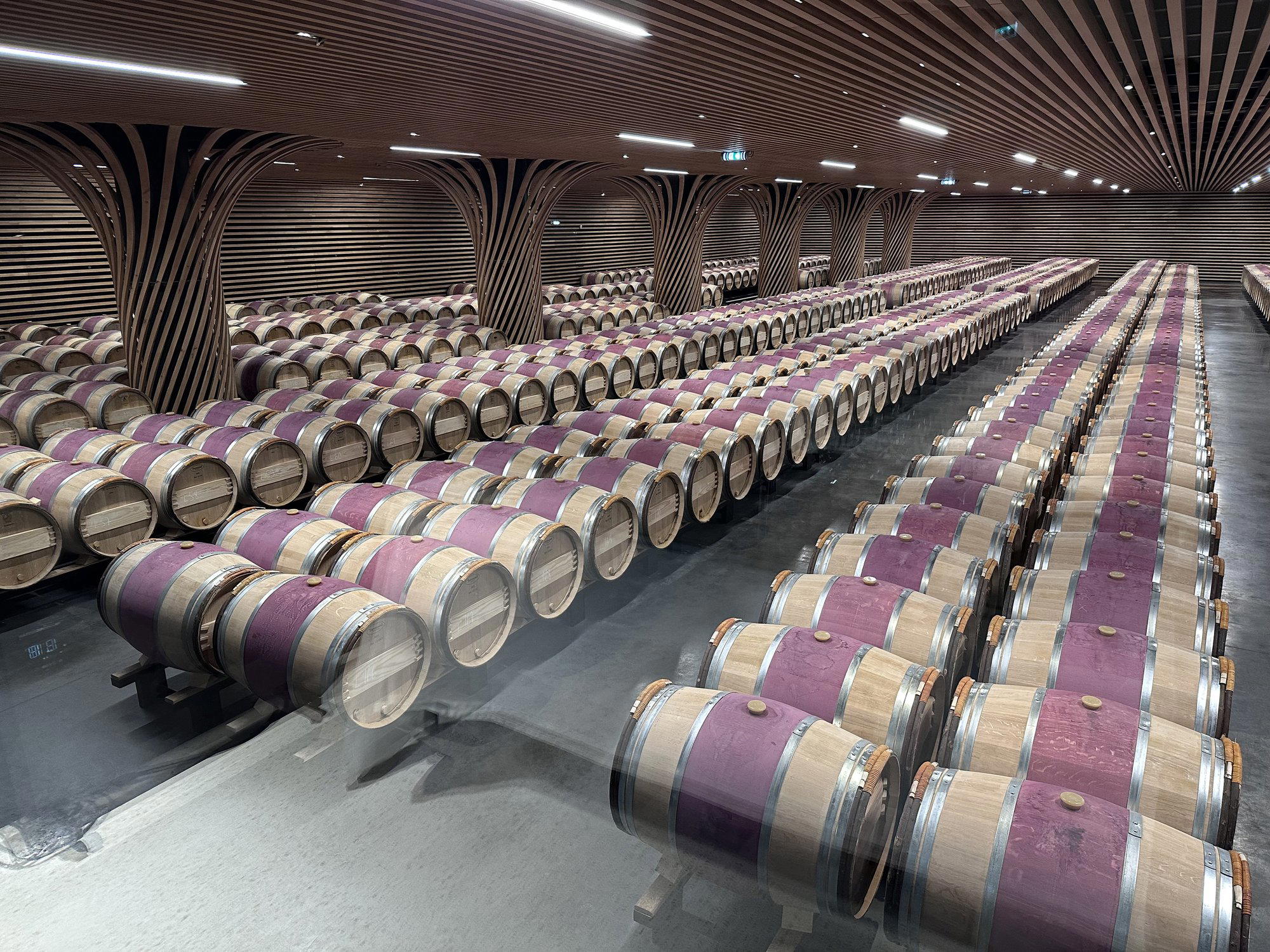
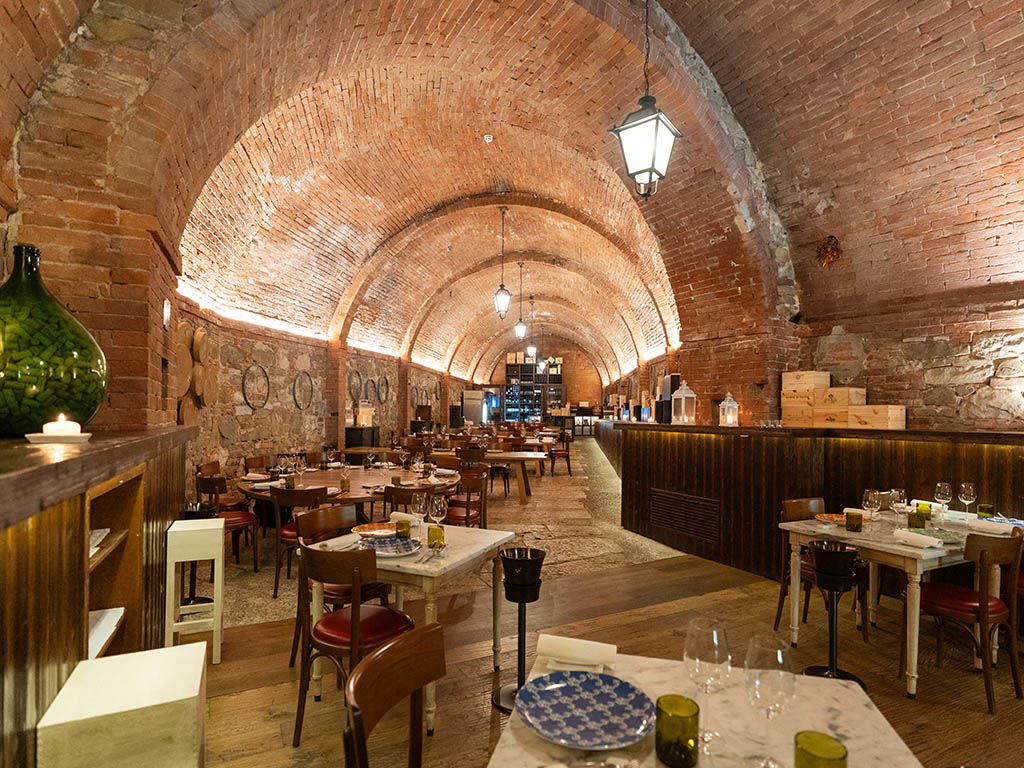
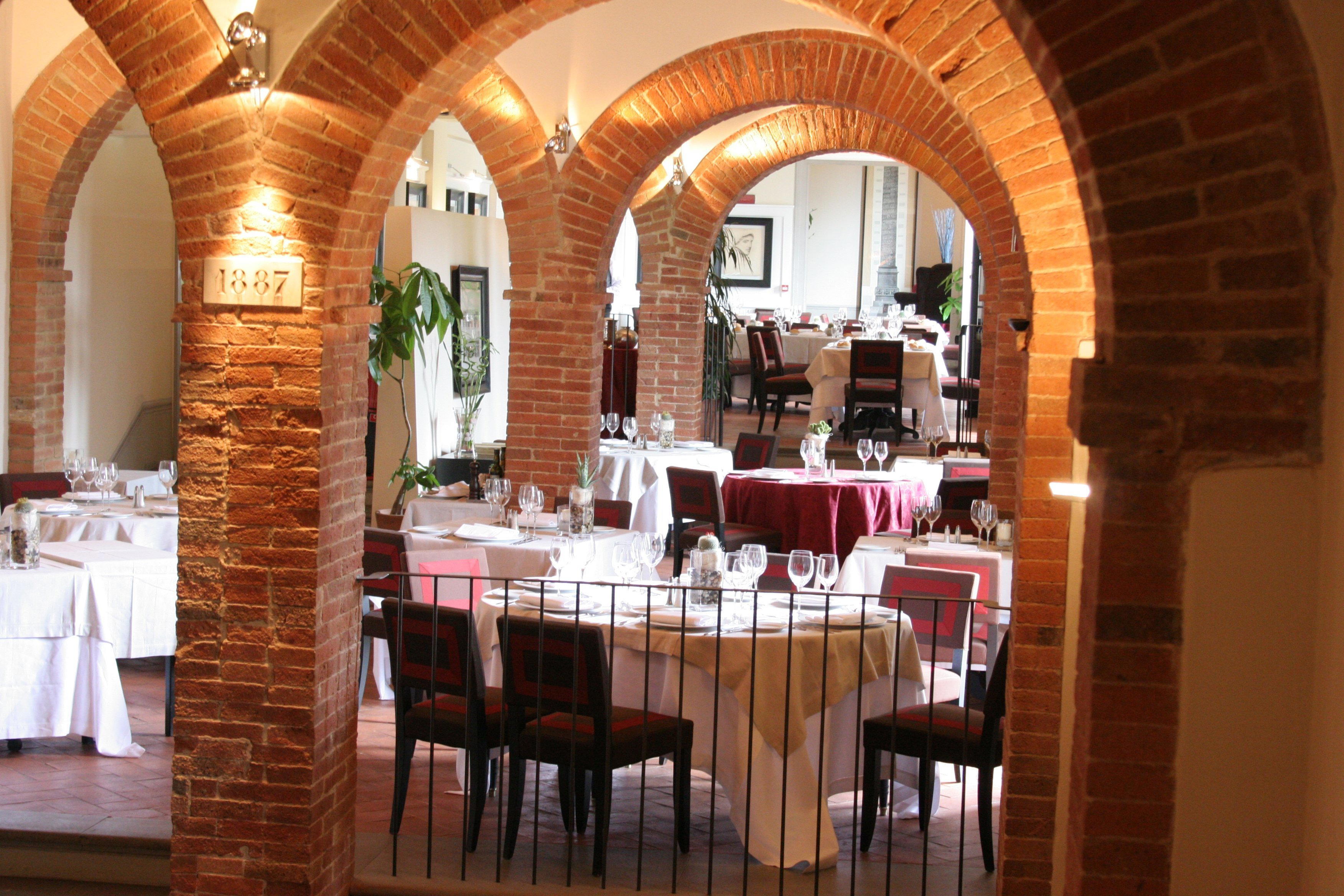
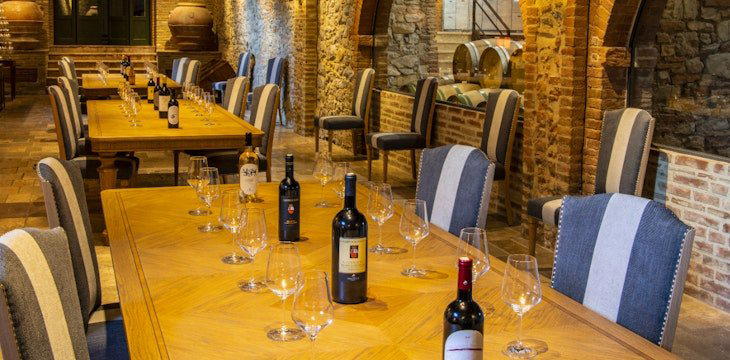
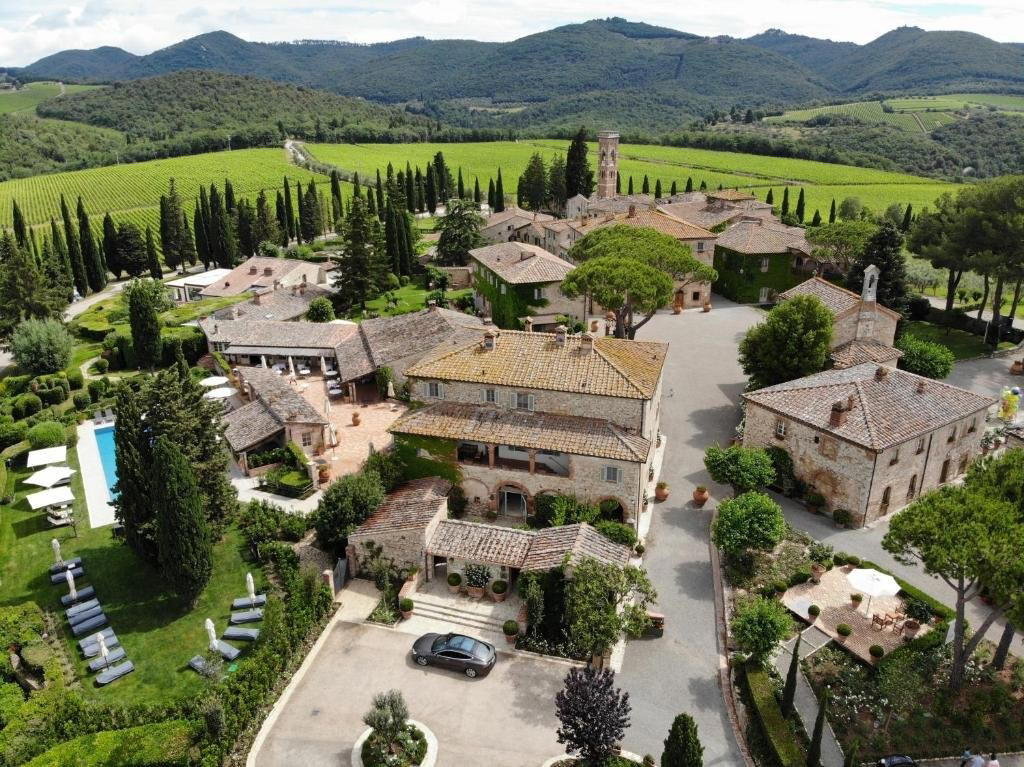
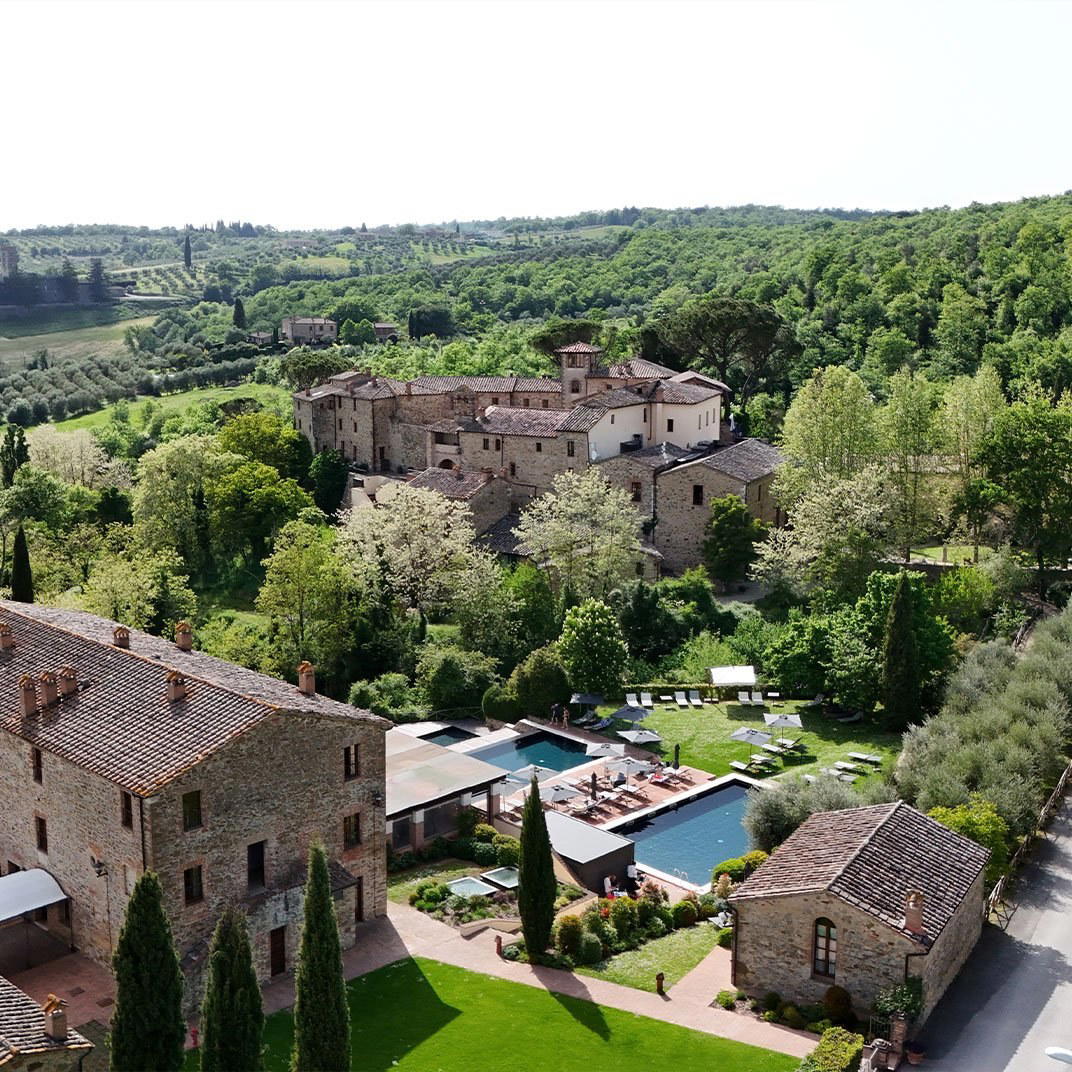
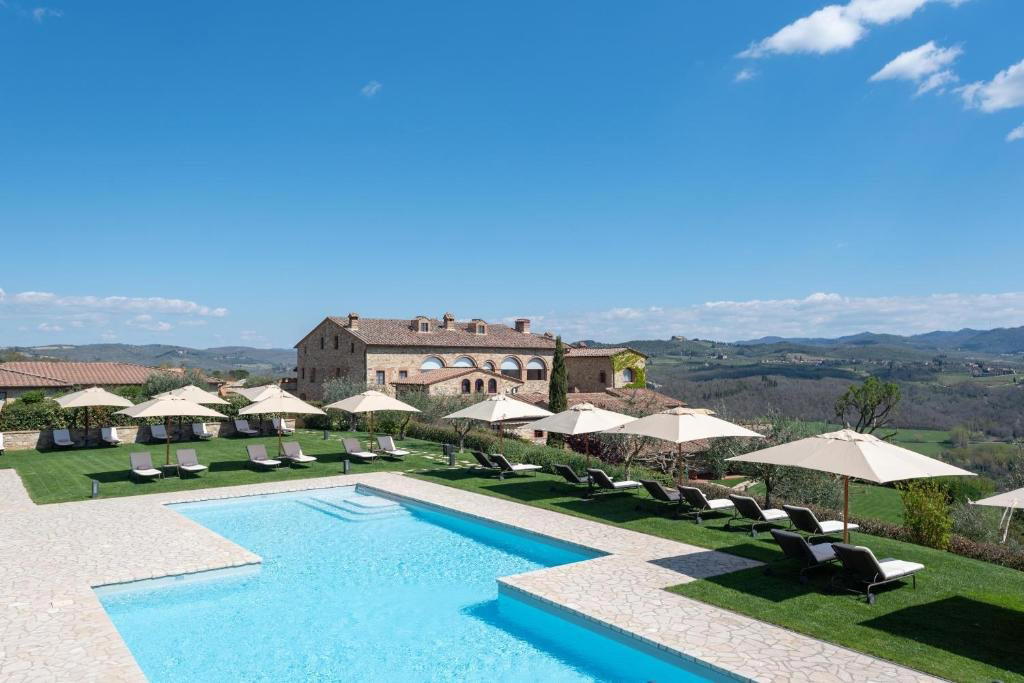
Poggio Bonelli in Castelnuovo Berardenga is best understood as a historic Tuscan estate rather than as a venue defined by a detailed public checklist. The picture is atmospheric: an 18th-century cellar, stone farmhouses, tranquil countryside surroundings, and a relaxed rural vineyard setting. For visitors comparing options in Castelnuovo Berardenga, its appeal rests on place, architecture, and mood rather than on claims about specific menus, tours, production figures, scores, or services. It is the kind of place whose profile is most clearly communicated through setting: the feel of old stone, the calm of the countryside, and the slower rhythm associated with a rural estate.
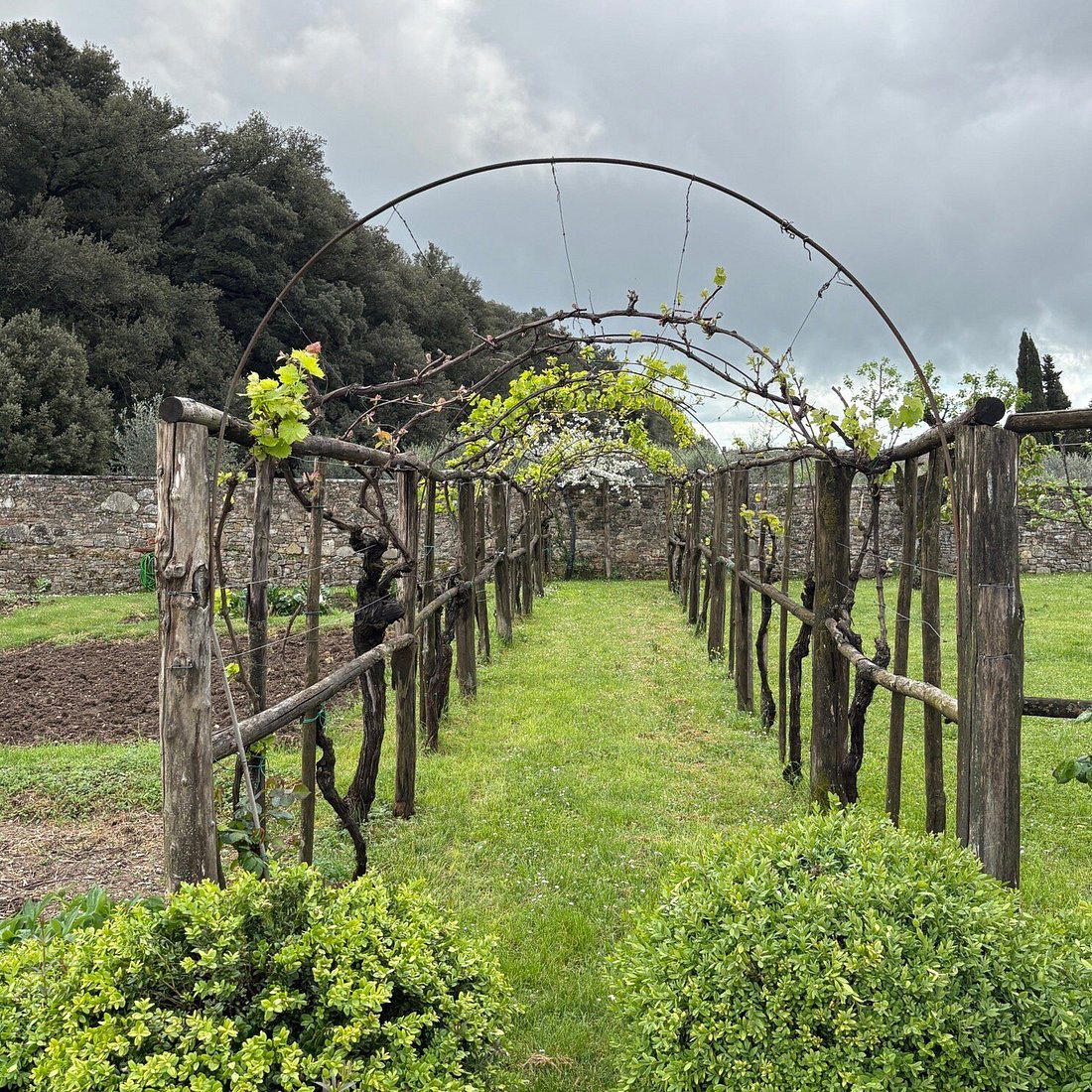
The setting combines traditional Tuscan architecture with a scenic countryside feel. It is rustic, classic, romantic, and cozy, with the character of a vineyard estate rather than a high-energy urban venue. That distinction is important, because the available description points less toward a highly specified hospitality format and more toward an environment shaped by history, rural materials, and quiet landscape. In practical terms, the draw is not a long list of confirmed amenities, but the promise of a Tuscan estate atmosphere in Castelnuovo Berardenga.
Tuscan atmosphere, read through stone, cellar, and countryside
The strongest reason to know Poggio Bonelli is its sense of place. The venue is associated with a historic Tuscan estate atmosphere, anchored by an 18th-century cellar and stone farmhouses. That gives it a traditional, rural character suited to travelers who value architecture, landscape, and a quieter vineyard setting. The 18th-century cellar suggests depth and continuity, while the stone farmhouses reinforce the impression of a place built into the countryside rather than placed on top of it.
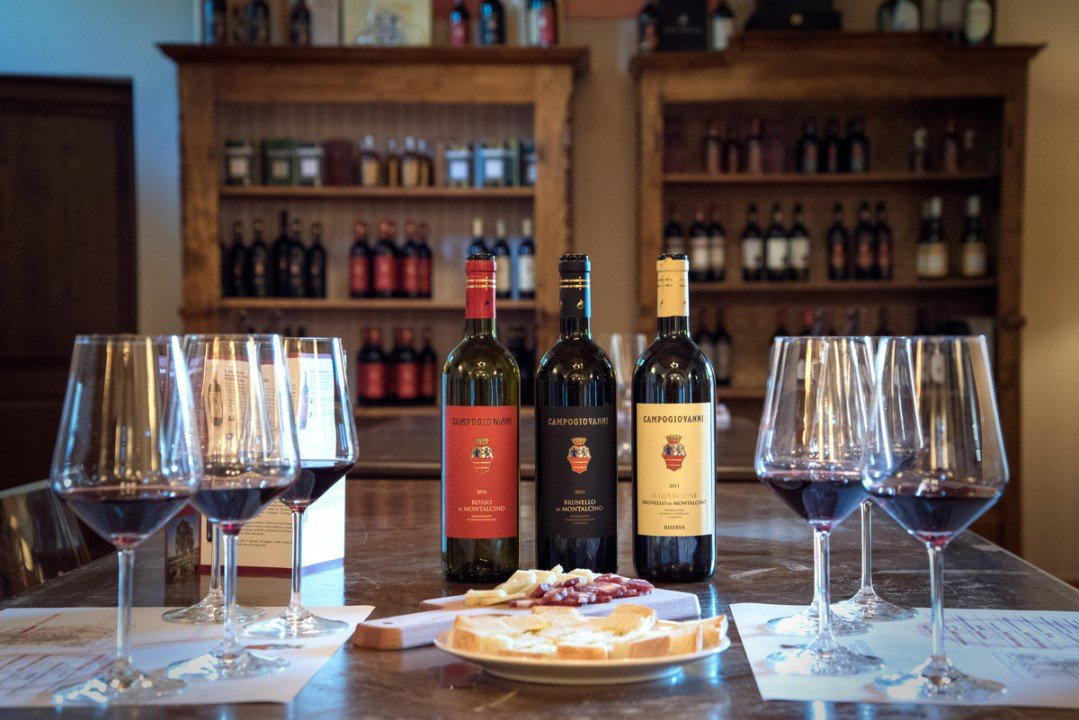
Any more specific claim about grapes, bottles, cellar programs, private tours, or food pairings would need direct confirmation from the venue. The available information supports the broader atmosphere, but it does not provide enough detail to describe a particular wine experience, culinary format, or structured visit. For that reason, particularly accurate reading is careful and restrained: Poggio Bonelli can be described confidently as a historic rural estate setting, while the details of what visitors can do there should be before making plans.
The mood is relaxed rather than formal. The descriptors point to a classic and romantic Tuscan countryside setting, with rustic comfort and a calm rural atmosphere. For visitors, that means the venue may be most relevant as part of a broader Castelnuovo Berardenga itinerary focused on landscape and estate character. It belongs in the mental category of places to consider for ambiance and setting, especially for those who prefer quieter countryside context over a more urban or activity-heavy destination.
An estate setting rather than a tightly documented service format
The winery’s profile emphasizes setting over operational detail. The available facts support an image of stone farmhouses, an 18th-century cellar, and tranquil countryside surroundings, but they do not confirm specific hospitality services, food options, language availability, parking, accessibility, children’s policies, pet policies, or reservation requirements. This does not reduce the appeal of the place; it simply changes how it should be assessed. The safest approach is to treat the estate atmosphere as the confirmed strength and everything more specific as something to ask about directly.
That distinction matters for planning. Travelers should not assume lunch, dinner, tastings, tours, take-out, delivery, dietary accommodations, or a particular beverage program unless they have confirmed those details directly. What is clear is the atmosphere: scenic, rustic, classic, romantic, cozy, and rooted in a relaxed rural vineyard setting. Those qualities can be meaningful in themselves, especially in an area where the experience of countryside, architecture, and stillness often shapes the memory of a visit as much as any scheduled activity.
Price is listed as $$, which gives a general sense of positioning without confirming exact costs. Any specific fees, packages, menus, or experience prices should be checked with the winery before visiting. The $$ marker should be read as a broad indication only, not as a promise of what any particular visit will cost. Because the service details are not tightly documented here, advance confirmation is the ideal way to avoid mismatched expectations and to understand whether the venue fits a particular plan.
How to place it in a Castelnuovo Berardenga itinerary
Castelnuovo Berardenga rewards slower planning, especially for travelers drawn to countryside estates and historic rural architecture. The winery fits that kind of itinerary because its strengths are atmosphere, setting, and Tuscan estate character. It works well for visitors who are already thinking in terms of landscape, rural calm, and traditional architectural texture, rather than those looking first for a fully itemized list of services.
When comparing it with other dining or hospitality options in Castelnuovo Berardenga, keep the comparison general unless current details are confirmed. The winery is best framed as a scenic rural estate in Castelnuovo Berardenga with an 18th-century cellar, stone farmhouses, and a tranquil vineyard setting. In that frame, its value is direct: it offers a classic Tuscan countryside impression, with enough historic and rural character to stand out as an atmospheric point of interest, while still requiring direct confirmation for the practical details that turn interest into a visit.
Recognition history
Dated appearances from independent guides and award organizations, with the underlying list record or original source where available.
Falstaff Winery - Listed
Falstaff
Continue exploring
More in Castelnuovo Berardenga
Wineries in Castelnuovo Berardenga
Browse all →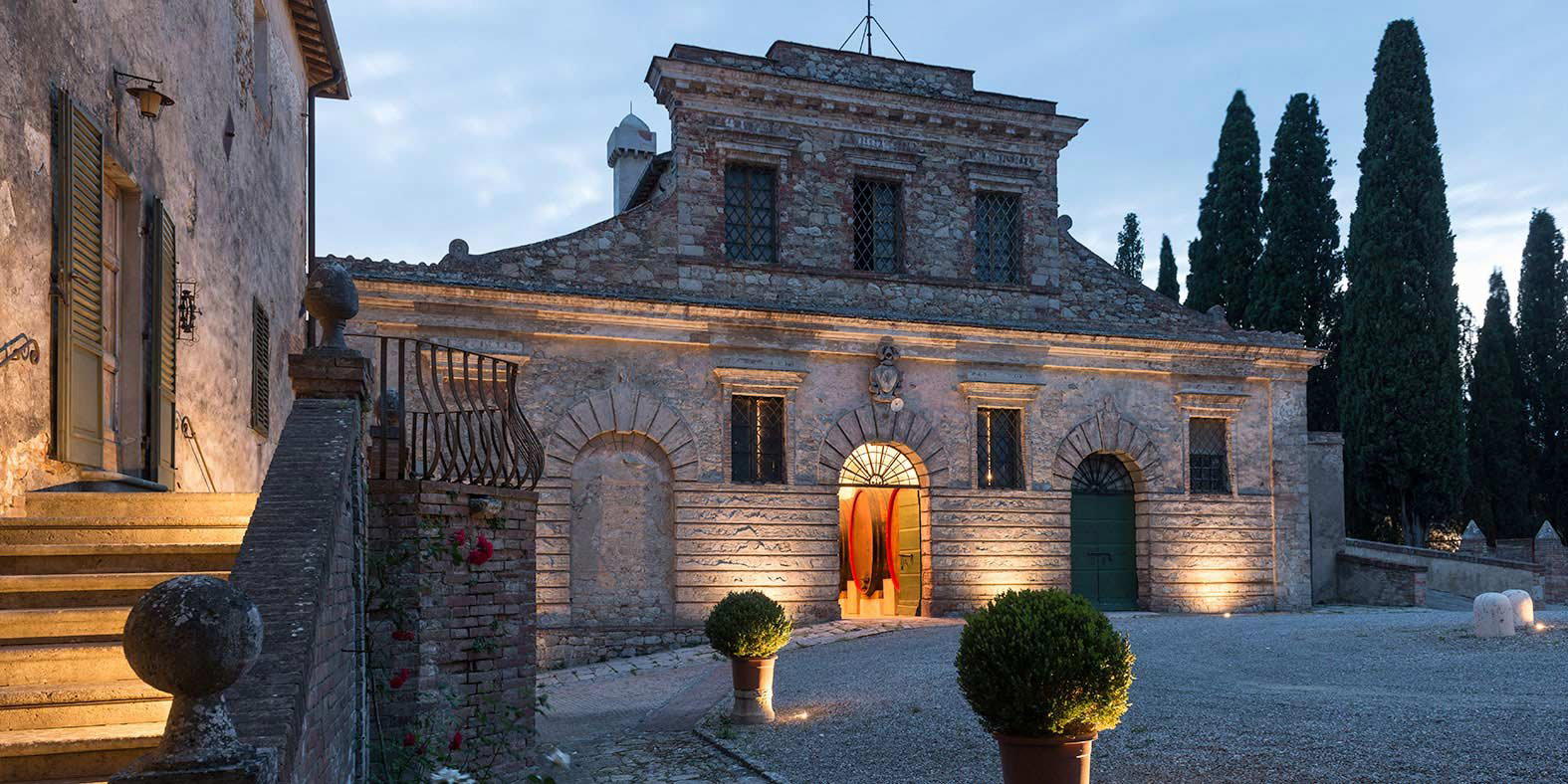
Bars in Castelnuovo Berardenga
Browse all →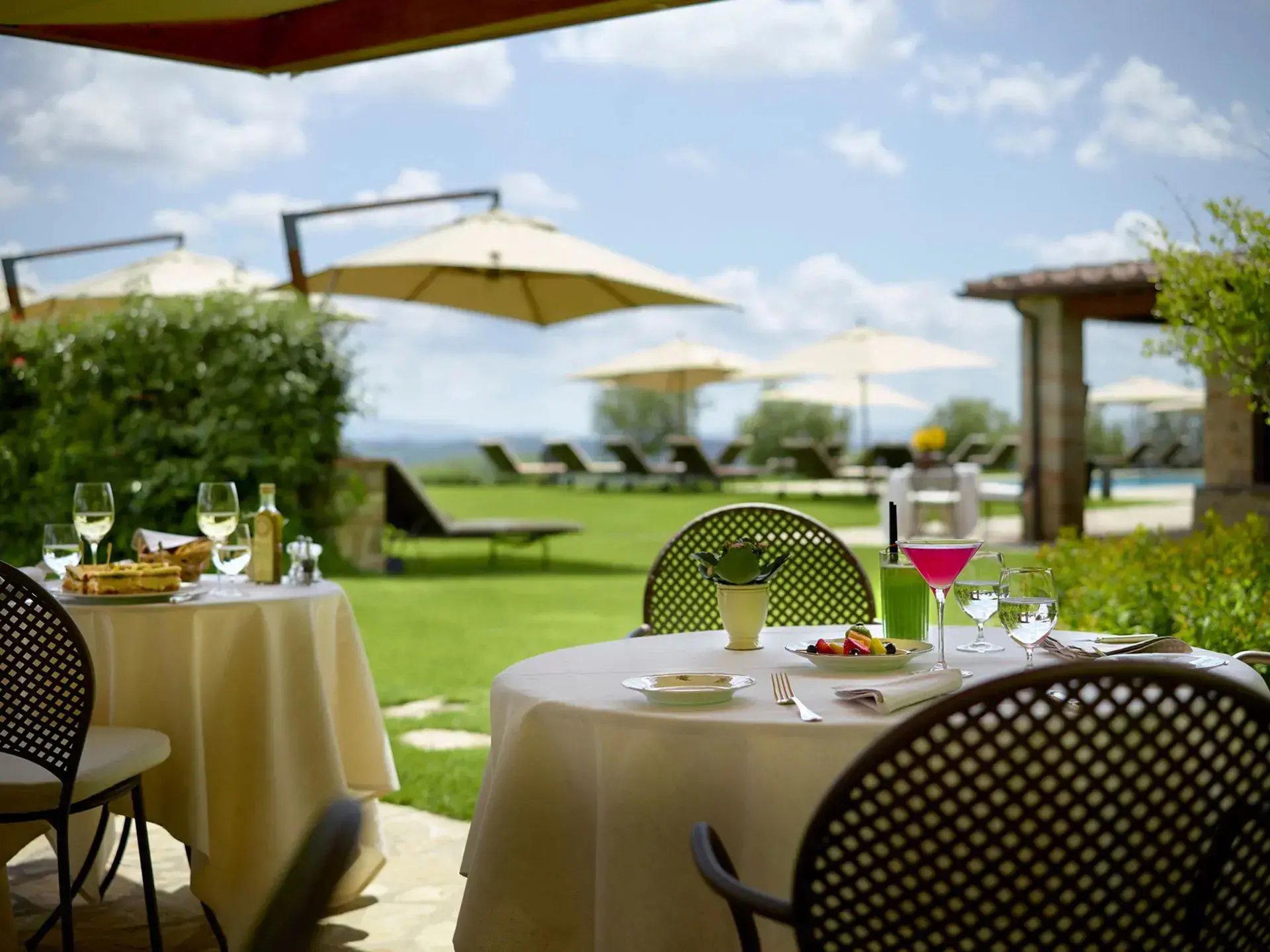
Restaurants in Castelnuovo Berardenga
Browse all →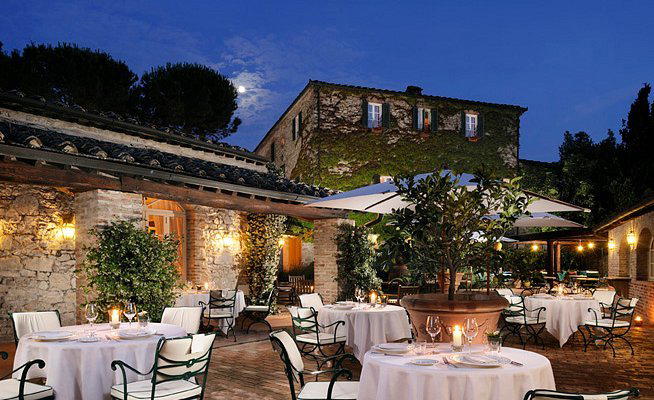
At a Glance
- Scenic
- Rustic
- Classic
- Romantic
- Cozy
- Romantic Getaway
- Group Outing
- Family
- Wine Education
- Special Occasion
- Solo Exploration
- Historic Building
- Estate Grounds
- Vineyard Tour
- Picnic Area
- Terrace
- Private Tasting
- Sustainable
- Vineyard
- Garden
- Mountain
- Chianti Classico DOCG
- Sangiovese
- Merlot
- Cabernet Sauvignon
- Petit Verdot
- Chardonnay
- Viognier
- Still Red
- Still White
- Estate Tasting
- Vineyard Tour
- Private Tasting
- Winery Tour
Historic Tuscan estate atmosphere with an 18th‑century cellar, stone farmhouses, and tranquil countryside surroundings, combining traditional architecture with a relaxed, rural, vineyard setting.