Borgo San Felice Resort


Relais Chateaux Award
Our verdict
Borgo San Felice Resort occupies an 11th-century hamlet deep in the Chianti Classico zone near Castelnuovo Berardenga, combining a wine-producing estate with a Michelin-starred restaurant under Chef Stelios Sakalis. Rated 4.6/5 by EP Club members and ranked #362 in Opinionated About Dining's 2025 Europe list, it represents a specific strain of Tuscan hospitality where the land, the cellar, and the kitchen operate as a single system.

Pearl is the En Primeur Club membership app, where members save venues, book tables and use the concierge.
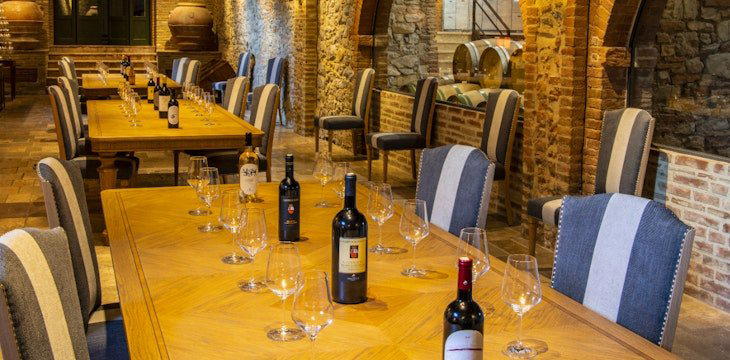
Stone, Vine, and Table: The Chianti Estate Dining Tradition
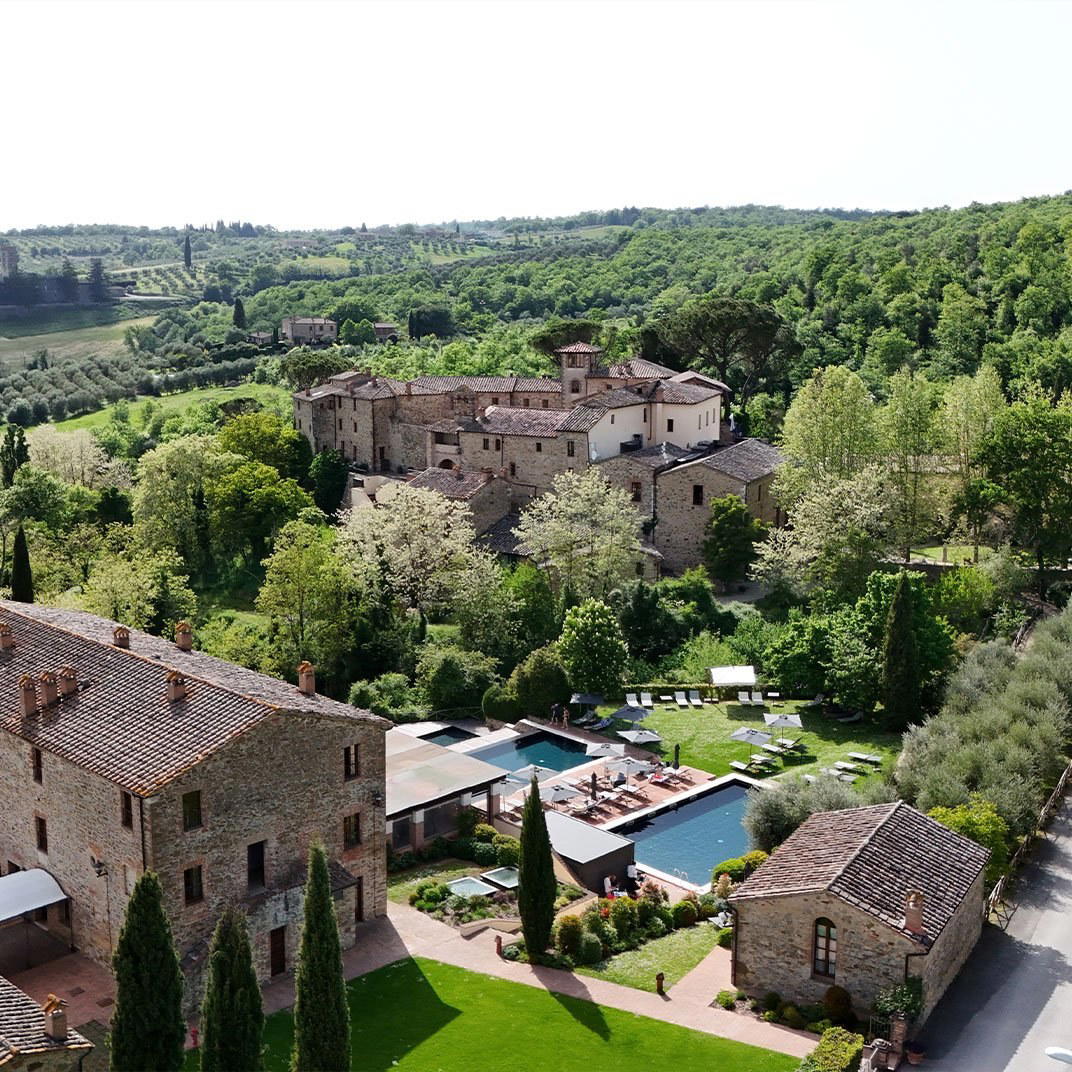
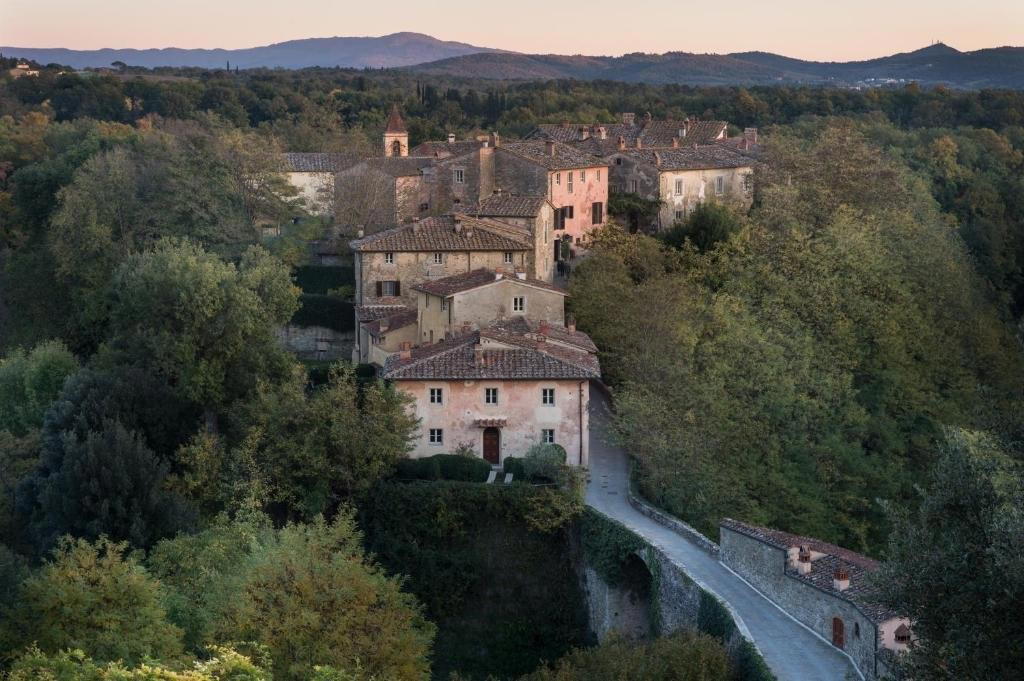
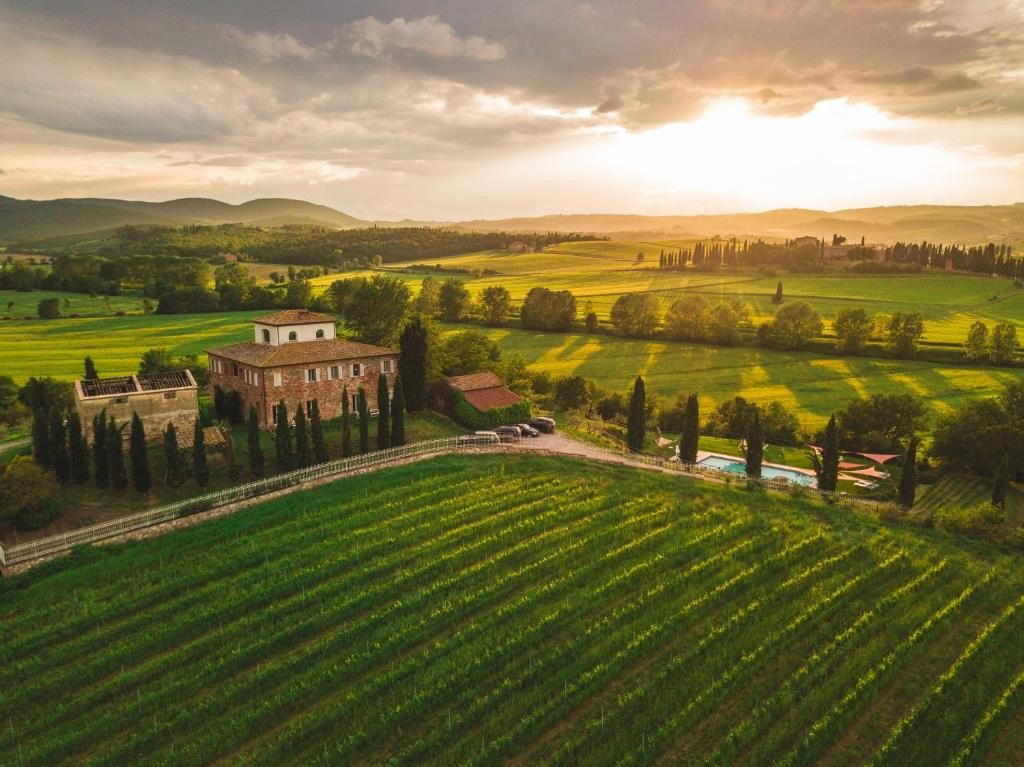
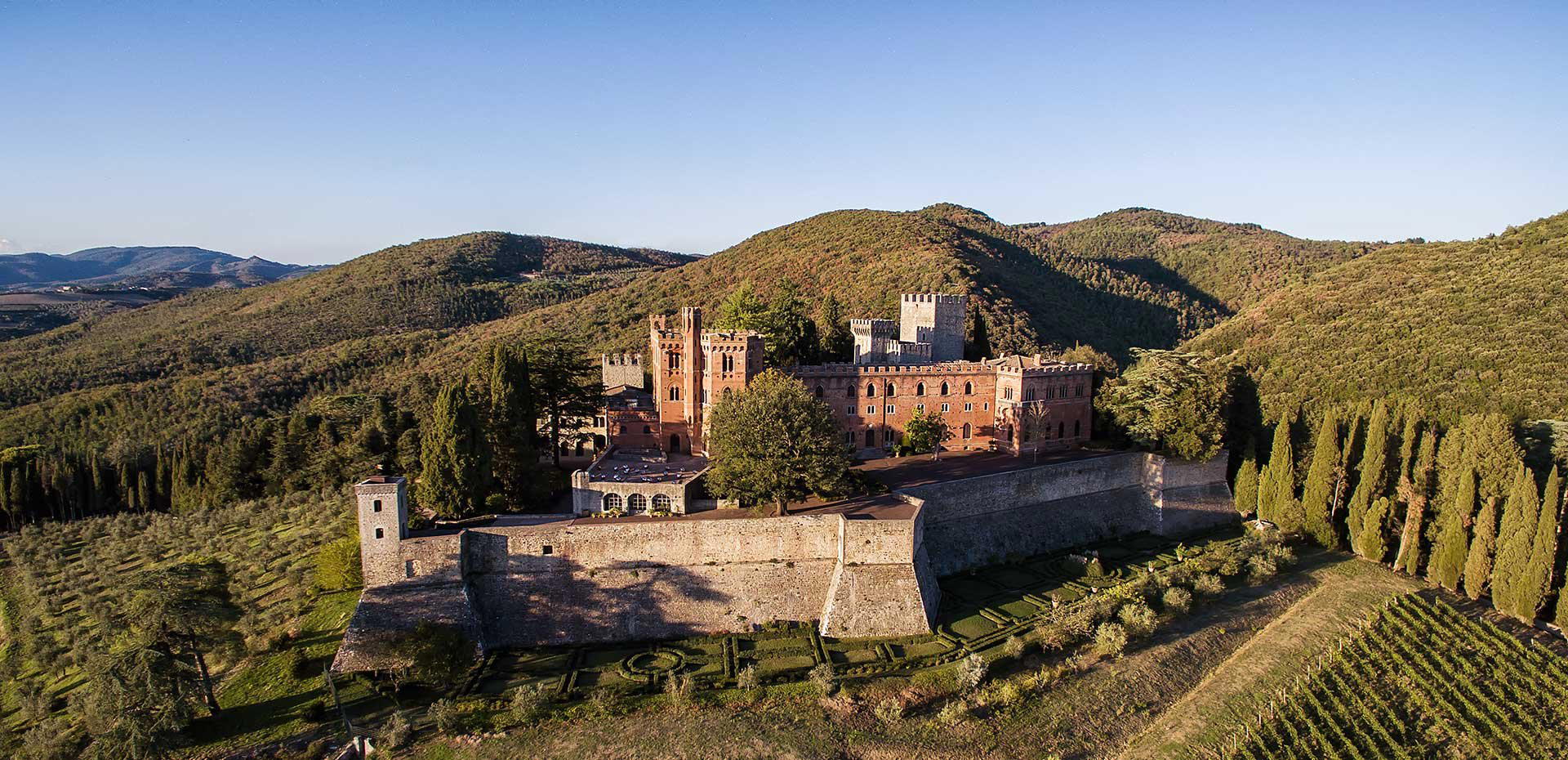
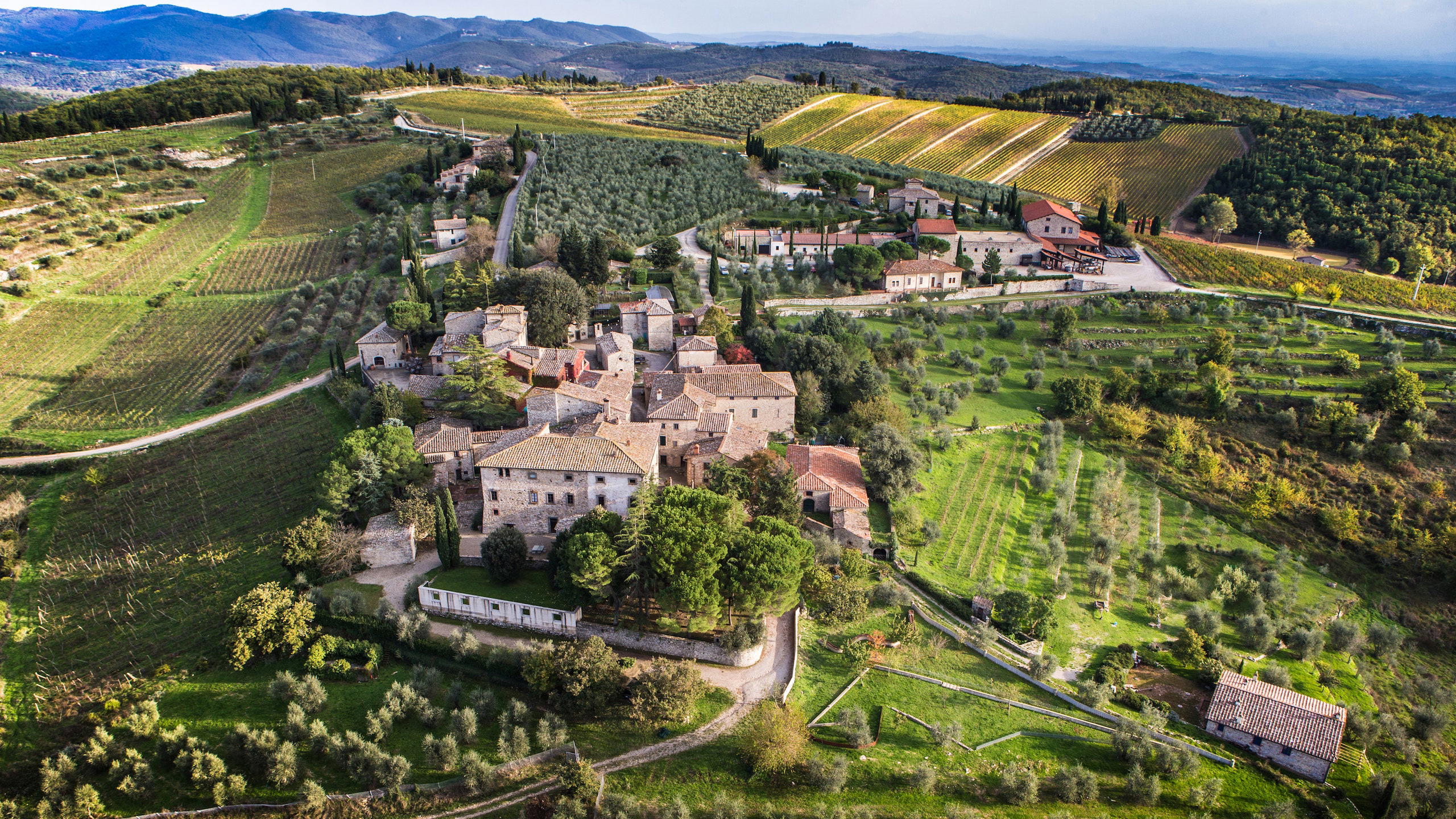
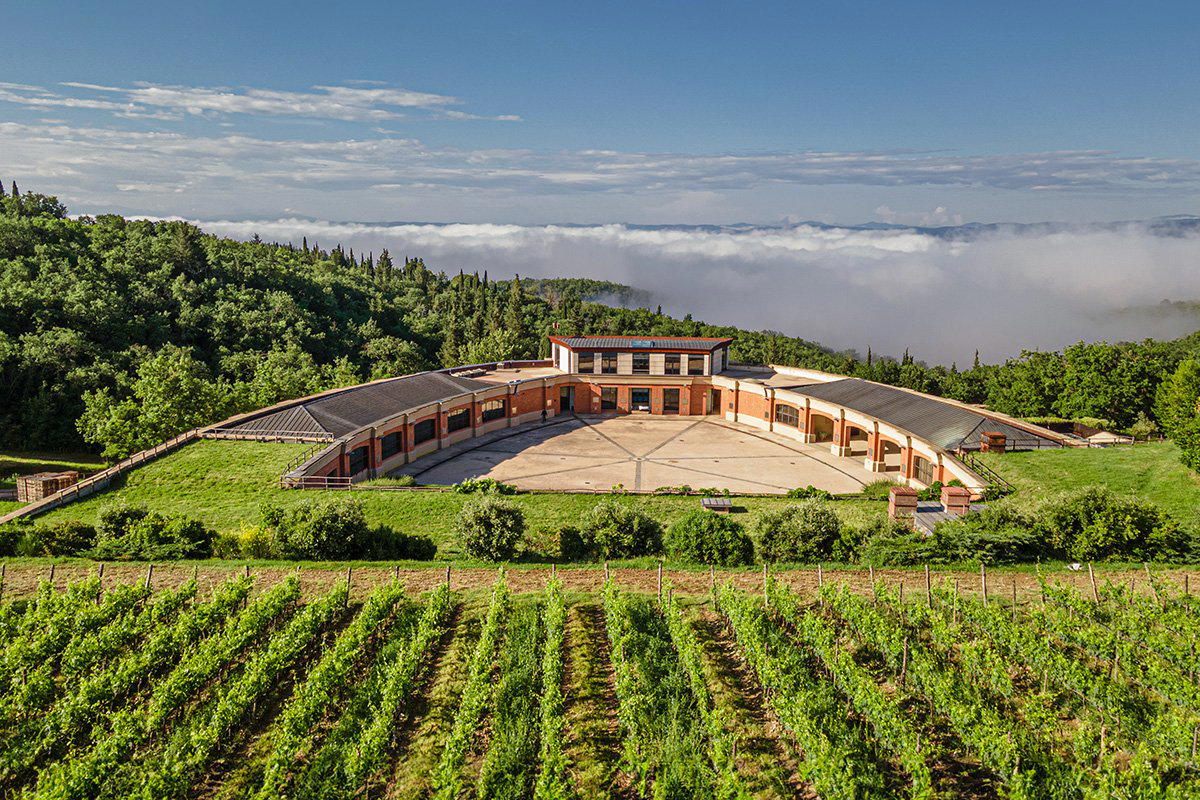
The Chianti Classico zone has long operated on a logic that distinguishes it from most other Italian wine regions: the estate as complete world. Where Barolo producers in Piedmont tend to separate winemaking from hospitality, and where Roman or Neapolitan restaurant culture anchors itself to the urban piazza, Chianti's grandest expressions fold agriculture, architecture, and the table into a single proposition. Borgo San Felice Resort is one of the clearest examples of that model in the southern arc of the zone, sitting within a restored 11th-century hamlet outside Castelnuovo Berardenga. The hamlet format, a constellation of medieval stone buildings converted into hotel rooms, cellars, and dining spaces across several hectares, is not incidental to the dining experience. It is the frame through which the kitchen's identity is read.
Tuscan cuisine, particularly in the Senese hills, carries a different register than the cooking of Florence or the coast. It tends toward restraint in technique and directness in ingredient, built around the products of the specific territory: Chianina beef, wild boar, porcini from the hillside woods, and the olive oil pressed from groves that often date back centuries. The great Florentine restaurants, among them Enoteca Pinchiorri in Florence, have historically mediated between that regional base and a broader European fine dining vocabulary. What distinguishes Chianti's estate kitchens is a tighter geographic radius of reference, the land outside the window is, in principle, the subject of the plate.
The Kitchen in Context
Borgo San Felice's restaurant holds one Michelin Star and one Green Star for the 2025 guide, the latter awarded for commitment to sustainable gastronomy. The Green Star, introduced by Michelin in 2021, has become a meaningful signal within Italian fine dining: it marks kitchens that connect sourcing, land stewardship, and menu construction in ways that can be independently assessed. Holding both simultaneously positions the kitchen alongside a cohort of Italian restaurants where ecological responsibility is not an add-on but a structural part of the cooking program.
Chef Stelios Sakalis leads the kitchen. Il Poggio Rosso operates at the €€€€ tier with a creative Italian-Colombian approach that takes more interpretive distance from the Tuscan canon. Il Visibilio holds a Michelin Star with a creative format at the same price tier. L'Asinello and Contrada anchor the starred field at €€€, while Il Convito di Curina provides a more accessible Tuscan entry point at €€. Borgo San Felice's dual-star status and wine-estate infrastructure place it in a distinct tier from all of them, not simply by price or ambition, but by the integration of cellar, land, and table as a unified offer.
The Opinionated About Dining ranking confirms the position: #362 in Europe for 2025, a list compiled from a large base of experienced diner reviews weighted toward technical consistency and ingredient quality. That placement puts it inside the top tier of the OAD Europe ranking, alongside a reference group that includes properties such as Dal Pescatore in Runate and Le Calandre in Rubano, which represent different regional Italian traditions at comparable recognition levels. For Italian fine dining with this kind of estate context, the peer comparison is genuinely narrow. Atelier Moessmer Norbert Niederkofler in Brunico offers a broadly analogous model in the Alps, land-rooted fine dining with Green Star credentials in a historically significant building, though the culinary tradition and landscape differ substantially.
Wine, Terroir, and the Estate Logic
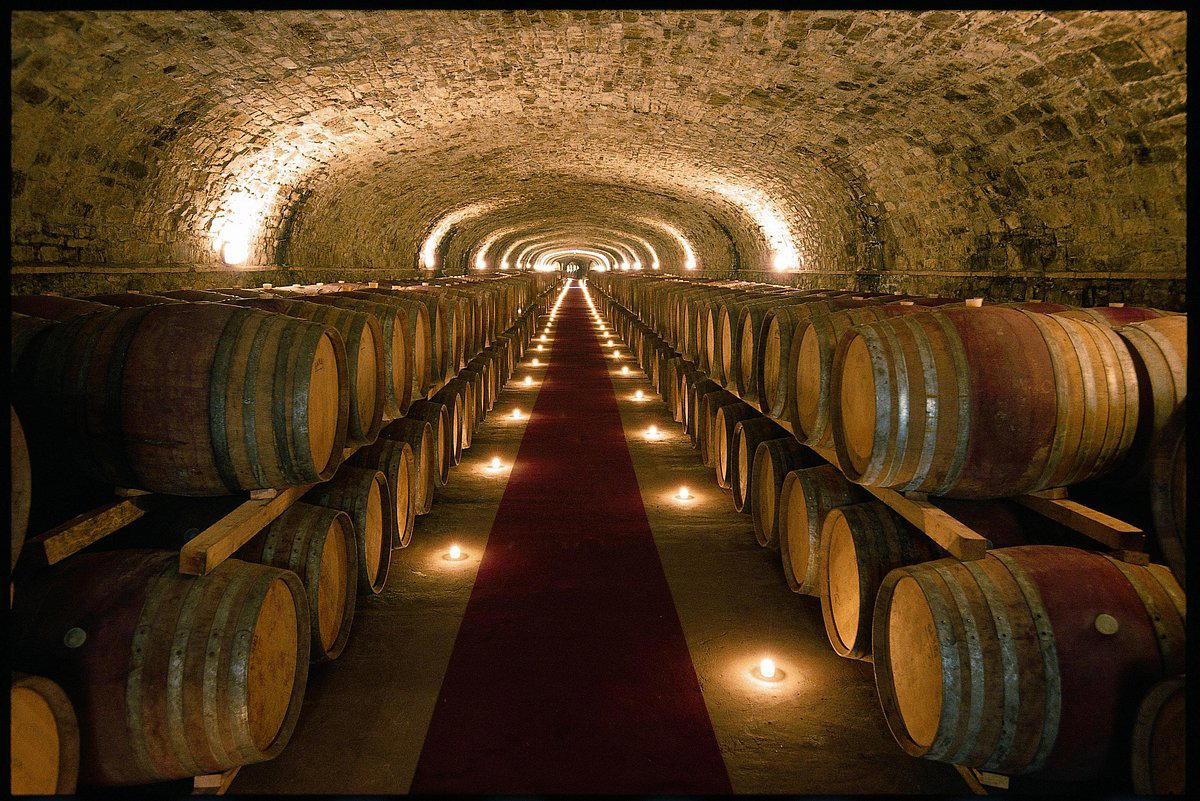
Borgo San Felice is a wine-producing property, which in the Chianti Classico zone carries specific implications. The estate produces under Chianti Classico DOCG regulations, meaning the vineyards are governed by one of Italy's most closely defined appellations, with Sangiovese as the dominant variety. An estate kitchen that draws from its own cellar operates with a pairing logic unavailable to standalone restaurants: the wine list is not curated from the market but grown on the same soil as the dining room's view. This creates a coherence between glass and plate that is difficult to replicate in an urban fine dining setting, however accomplished. For context on where Chianti estate wines sit within the broader Tuscany conversation, the full Castelnuovo Berardenga wineries guide maps the local producer landscape in detail.
The Green Star, in this context, is not simply about organic farming or food waste reduction, it signals that the relationship between the agricultural operation and the kitchen has been formalized and scrutinized. Michelin's assessors examine supply chain transparency, seasonal discipline, and the extent to which the menu reflects what the land produces rather than what the market supplies. For a Chianti estate, this is the oldest logic imaginable, made newly legible through a contemporary certification framework.
Planning a Visit
Borgo San Felice sits at GPS coordinates 43.3939, 11.4485, in the Località San Felice area of Castelnuovo Berardenga. The property is car-dependent: from Florence, the route runs via expressway toward Siena and then toward Arezzo, with the San Felice turning approximately 90 kilometres from Florence's Peretola airport. Siena is 22 kilometres away by road, making it the logical base for those arriving by train. Pisa Galileo Galilei airport is approximately 190 kilometres. The hamlet's location within the Chianti hills means there is no practical public transport access; a hire car or private transfer is the realistic approach for most international visitors. Those staying on the property can treat the drive as a one-time logistics question rather than a daily consideration. For broader planning, the Castelnuovo Berardenga hotels guide and the experiences guide for the area provide additional context on what the territory offers beyond the table.
For diners comparing the starred options in the Castelnuovo Berardenga area before booking, the full local restaurants guide covers the full range from estate fine dining down to neighbourhood trattorias. The Amerigo restaurant in Greve in Chianti offers a useful Chianti zone reference point at a different price tier and format for those building a multi-day itinerary across the appellation.
Frequently asked questions
Does Borgo San Felice Resort work for a family meal?
The setting, an 11th-century hamlet spread across a working Chianti estate, suits families with older children who can engage with a Michelin-starred format. The property's scale and outdoor grounds give space beyond the dining room, though families with young children should check directly whether the restaurant accommodates them comfortably alongside its one-star service expectations.
What is the atmosphere like at Borgo San Felice Resort?
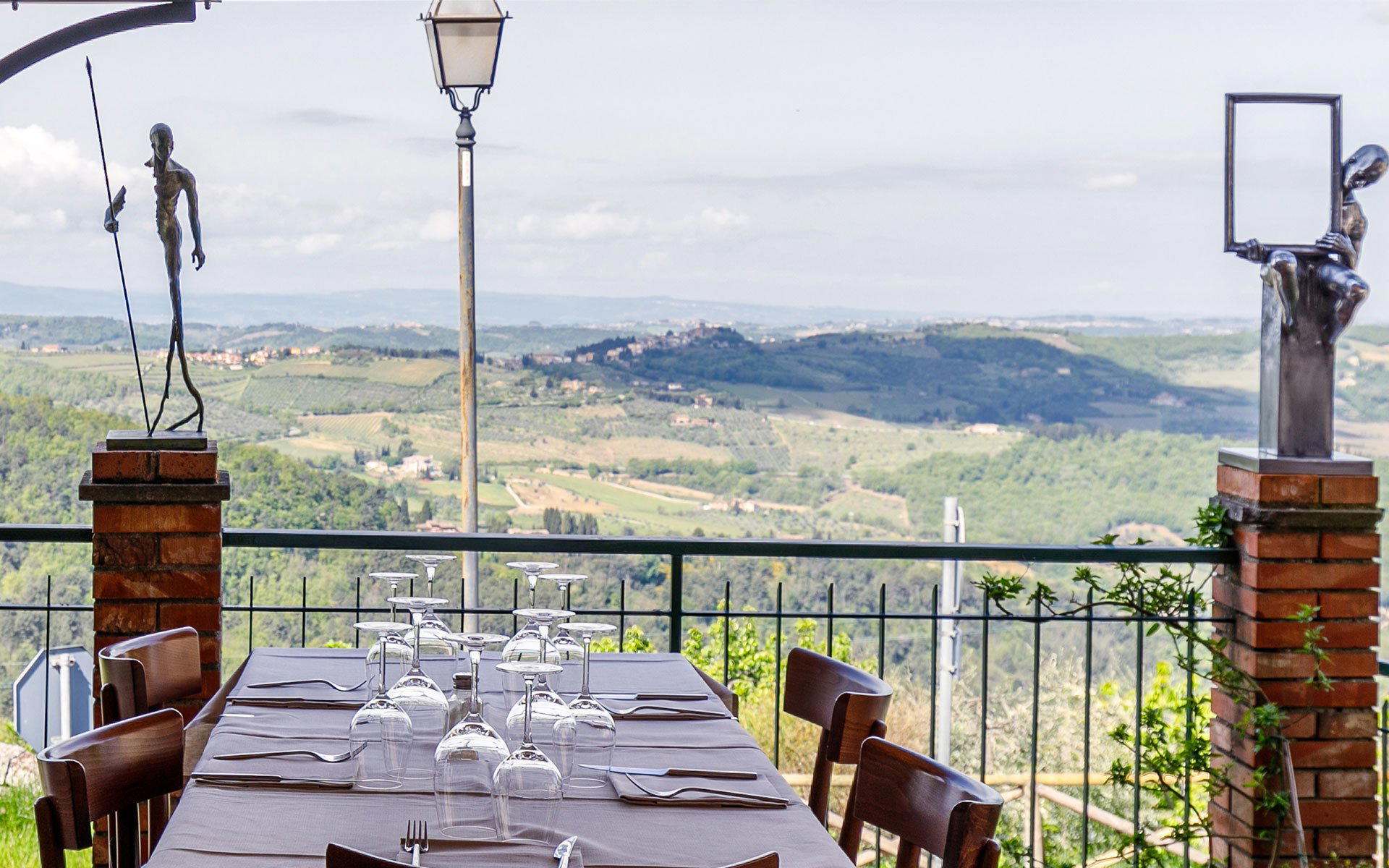
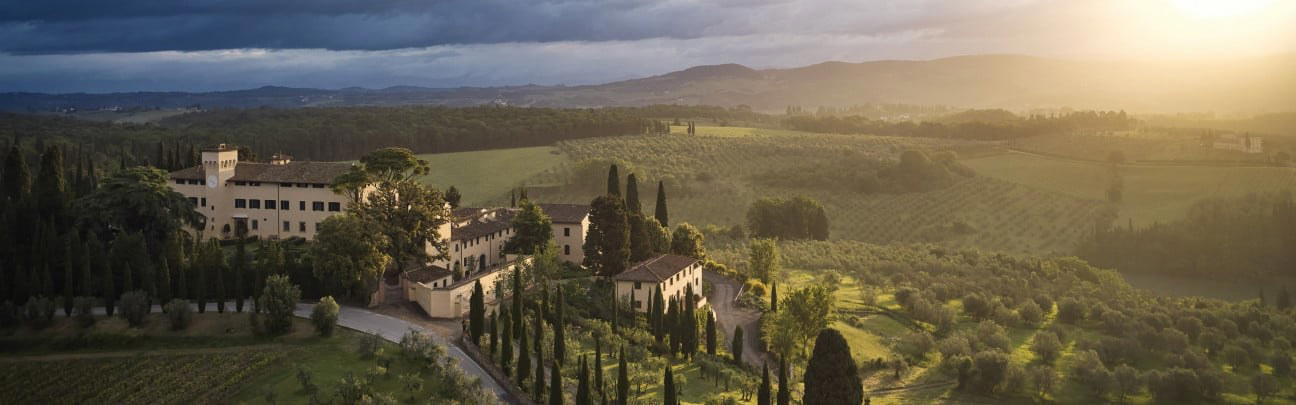
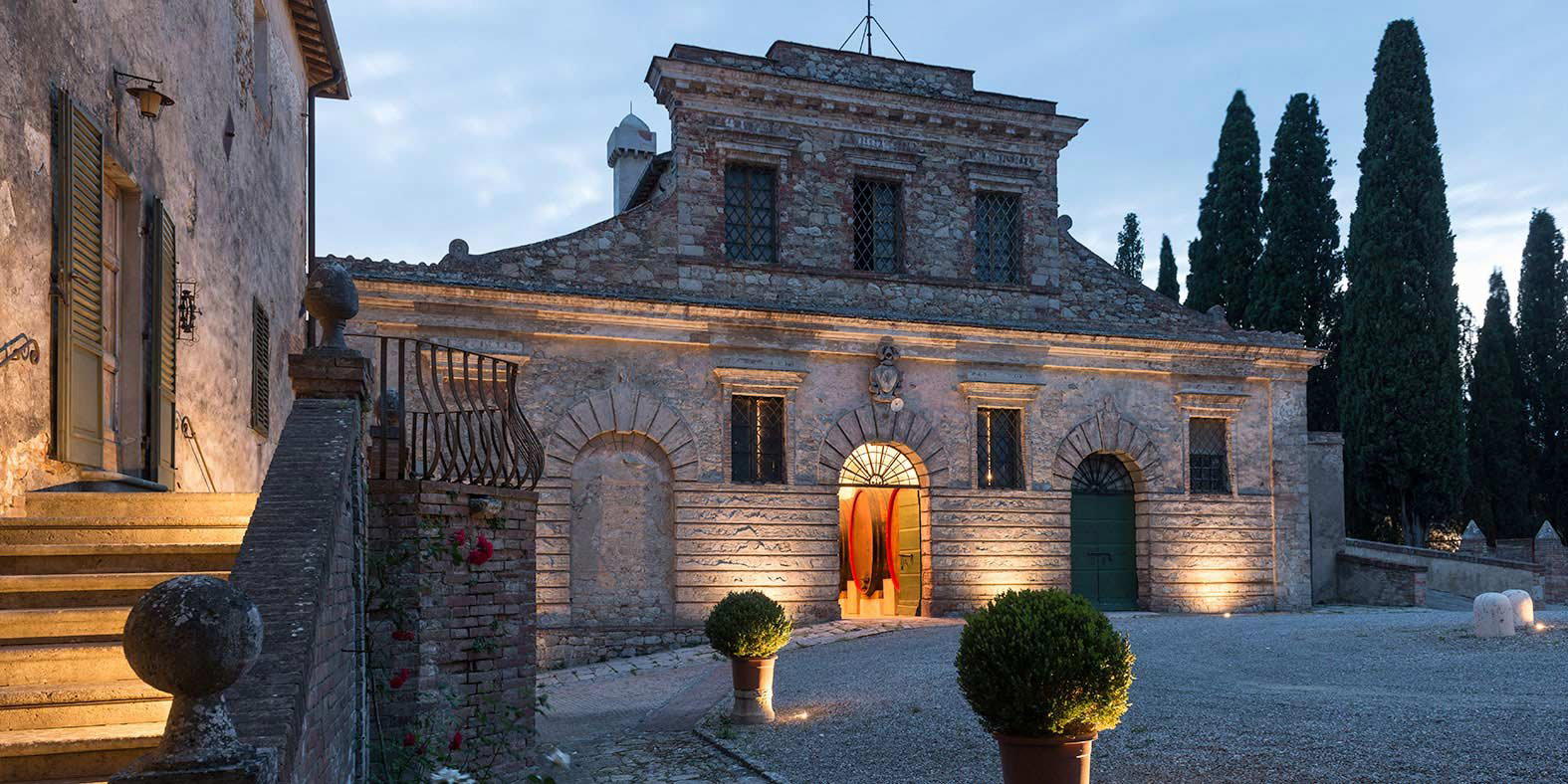
The property occupies a medieval hamlet in the Chianti Classico zone, so the architecture sets the tone before any plate arrives: stone buildings, estate vineyards, and the quietude of rural Castelnuovo Berardenga. Inside the restaurant, the 2025 Michelin Green Star signals a deliberate orientation toward sustainability rather than showmanship, positioning the room closer to considered rural elegance than urban fine-dining formality.
Has Borgo San Felice Resort won any awards?
Borgo San Felice Resort has received recognition including: Opinionated About Dining Top Restaurants in Europe Ranked #362 (2025);
What's the signature dish at Borgo San Felice Resort?
Given the estate's wine-producing status and the Michelin Green Star for sustainable gastronomy, the menu is expected to draw from local Chianti Classico terroir and seasonal ingredients, but confirmed dish details should be sought directly from the property before visiting.
Side-by-Side Snapshot
| Venue | Cuisine | Price | Awards | Notes |
|---|---|---|---|---|
| Borgo San Felice ResortThis venue (the venue you are viewing) | Modern Tuscan Creative | $150–200 | Relais Chateaux Award | Not listed |
| Il Poggio Rosso | Modern Mediterranean with Tuscan & Greek Influences | $200–300 | 1 Michelin Star · Relais Chateaux Award | Italian-Colombian, Creative |
| Il Visibilio | Modern Tuscan Tasting Menu | Not listed | 1 Michelin Star | Creative |
| L'Asinello | Tuscan Fine Dining | $100–150 | 1 Michelin Star | Tuscan |
| Contrada | Modern Tuscan Fine Dining | $150–200 | 1 Michelin Star | Modern Cuisine |
| Il Convito di Curina | Contemporary Tuscan | $50–100 | Michelin Plate | Tuscan |
Recognition history
Dated appearances from independent guides and award organizations, with the underlying list record or original source where available.
Opinionated About Dining Top Restaurants in Europe Ranked #362
Opinionated About Dining
Relais Chateaux Award
Relais Chateaux
Continue exploring
More in Castelnuovo Berardenga
More from Chef Stelios Sakalis
Browse all →
Restaurants in Castelnuovo Berardenga
All restaurants in Castelnuovo Berardenga →
Bars in Castelnuovo Berardenga
All bars in Castelnuovo Berardenga →
Hotels in Castelnuovo Berardenga
All hotels in Castelnuovo Berardenga →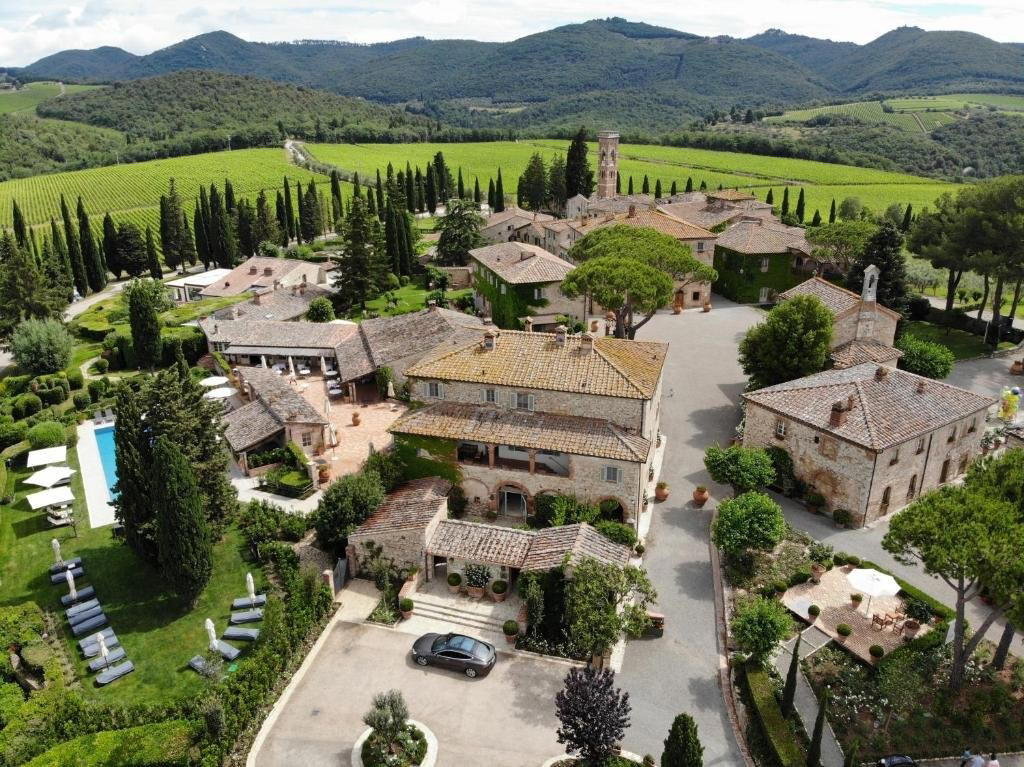
Borgo San Felice Resort
The wine
- Wine program
- Deep wine list
- Extensive wine list
- Sommelier-led
Details
- Romantic
- Elegant
- Rustic
- Scenic
- Sophisticated
- Date Night
- Special Occasion
- Celebration
- Hotel Restaurant
- Historic Building
- Wine Cellar
- Extensive Wine List
- Sommelier Led
- Farm To Table
- Local Sourcing
- Vineyard
- Garden
- Tasting Menu
- Wine
- Vegetarian Friendly
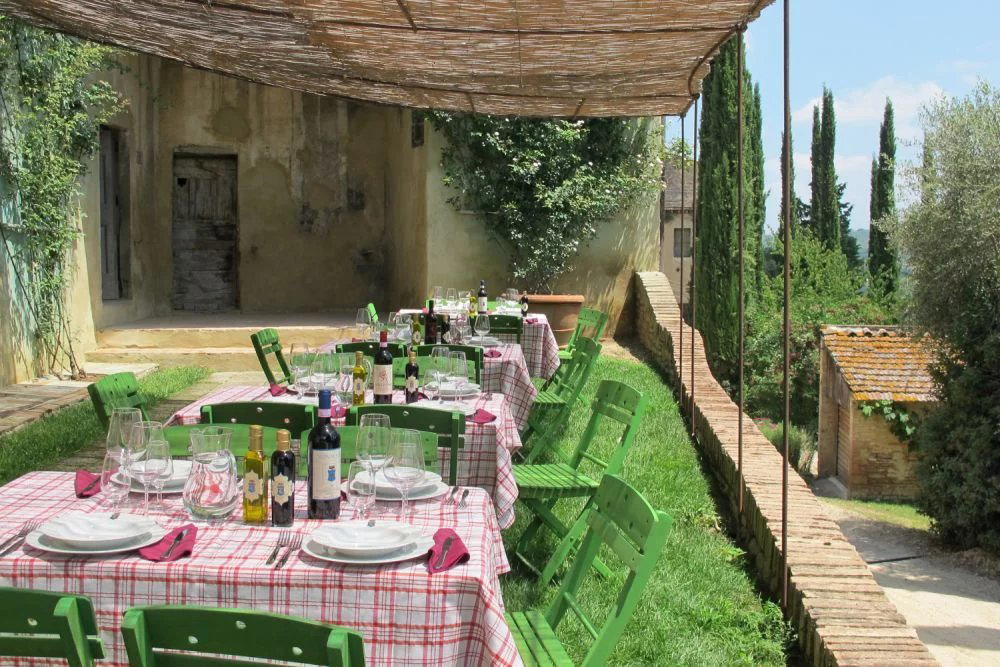
Rustic charm blended with luxury refinement, set amid rolling hills and vineyards, offering a serene and enchanting Tuscan atmosphere.