Piattelli Vineyards sits along Ruta Provincial N°2 in Cafayate, where high-altitude Torrontés and Malbec define one of Argentina's most distinctive wine regions.. For visitors serious about Argentine wine, it belongs on the itinerary alongside the valley's other benchmark producers.

Pearl is the En Primeur Club membership app — saves, bookings, and concierge access live there. Same editors, same standards.
- Address
- Ruta Provincial N°2, Cafayate, Salta
- Phone
- +54 261 405-8333
- Website
- piattellivineyards.com
- Directions
- Get directions
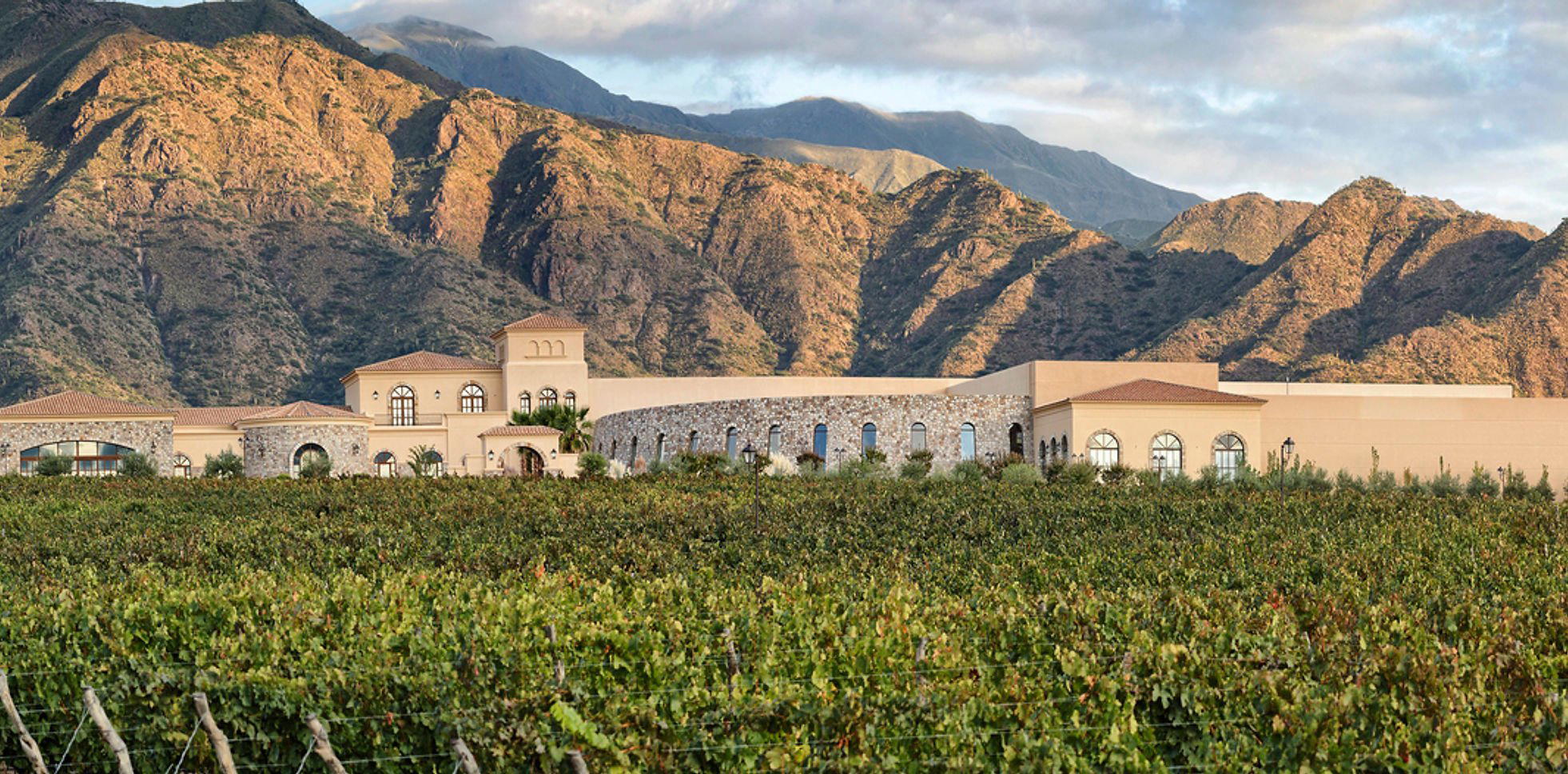
Where the Valley Sets the Table
The road into Cafayate along Ruta Provincial N°2 runs through one of Argentina's most geographically extreme wine corridors. At roughly 1,700 metres above sea level, the Valle Calchaquí imposes its own logic on viticulture: intense ultraviolet light, sharp diurnal temperature swings, and soils that force vines to work. The landscape is not a backdrop — it is an active variable in every glass poured here. Piattelli Vineyards sits directly on that route, which means the transition from road to property to cellar to table is almost seamless, the physical environment never fully leaving the room.
Cafayate occupies a distinct position in the Argentine wine conversation. While Mendoza commands volume and international brand recognition, the Calchaquí Valleys produce on a smaller scale with conditions that favour aromatic white varieties, particularly Torrontés, and high-altitude Malbec with structural profiles that differ noticeably from their lower-elevation Mendoza counterparts. Producers here compete less on output and more on terroir specificity. Piattelli.enprimeurclub.com/wineries/bodega-el-esteco-cafayate-winery">Bodega El Esteco, Bodega Amalaya, and Bodega Nanni.
The Culinary Programme as Editorial Statement
What separates Cafayate's more serious estates from direct tasting-room operations is the degree to which food is treated as a genuine counterpart to wine rather than an afterthought. In the Valle Calchaquí, the regional pantry is specific: Andean grains, goat preparations, empanadas built on generations of Salta-province technique, and produce shaped by altitude and aridity. When a winery engages that pantry deliberately, food pairing becomes less about sweetness-matching and acidity charts and more about a coherent sense of place.
Piattelli's on-site dining and pairing programme operates within that logic. The property's culinary offering is framed around its wine production, with pairings that anchor regional food traditions to the estate's own varietals. This approach is consistent with what the better Cafayate producers have learned from estates further south: that visitors who eat and drink well on-site spend more time, return more reliably, and engage more seriously with the wines. Domingo Hermanos and Domingo Molina represent the same local conviction that hospitality and production credibility are inseparable.
The pairing model at high-altitude properties in the Calchaquí Valleys has also benefited from a broader shift across Argentine premium wine tourism. Estates in Mendoza such as Bodega Norton in Luján de Cuyo and Escorihuela Gascón in Godoy Cruz established early that winery restaurants need not play second fiddle to cellar tours — the table experience can be the primary draw. Cafayate's smaller producers have absorbed that lesson while retaining a more intimate format that large Mendoza operations cannot easily replicate.
In the context of Cafayate, where the winery count remains modest and the international visitor base is still growing, a second-star prestige rating carries weight: it marks the property as operating above regional-novelty status and into a tier where the experience holds up against scrutiny from visitors who have also spent time at benchmark producers in Mendoza, Patagonia, or internationally.
For context, the Patagonian producer Familia Schroeder in San Patricio del Chañar operates in a similarly specialist high-altitude niche, and properties like Bodega Colomé in Molinos, at even higher elevation in the same Salta province, demonstrate how Argentina's extreme-terroir properties form their own competitive conversation, distinct from Mendoza's mainstream. Piattelli sits within that specialist tier in Cafayate.
Arrival, Setting, and What to Expect
Reaching Piattelli requires either a self-drive from Cafayate town along Ruta Provincial N°2 or a transfer arranged through local accommodation. The town of Cafayate is the regional hub, with connections by road from Salta city roughly 180 kilometres to the north, a journey that passes through the Quebrada de las Conchas, a geological formation that functions as an informal introduction to the region's visual scale. Visitors staying in Cafayate typically base themselves in the town centre and access the valley's wineries by car or bicycle, with Piattelli's roadside address making it direct to include on a day of estate visits.
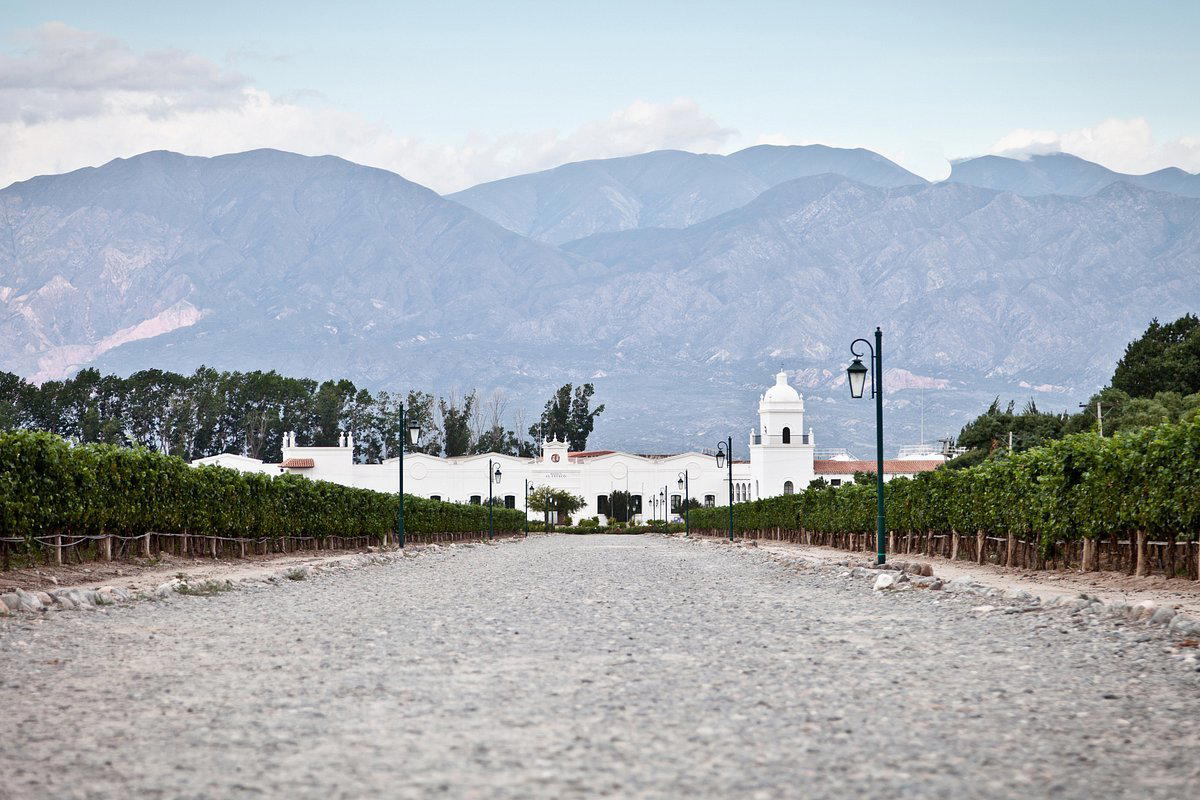
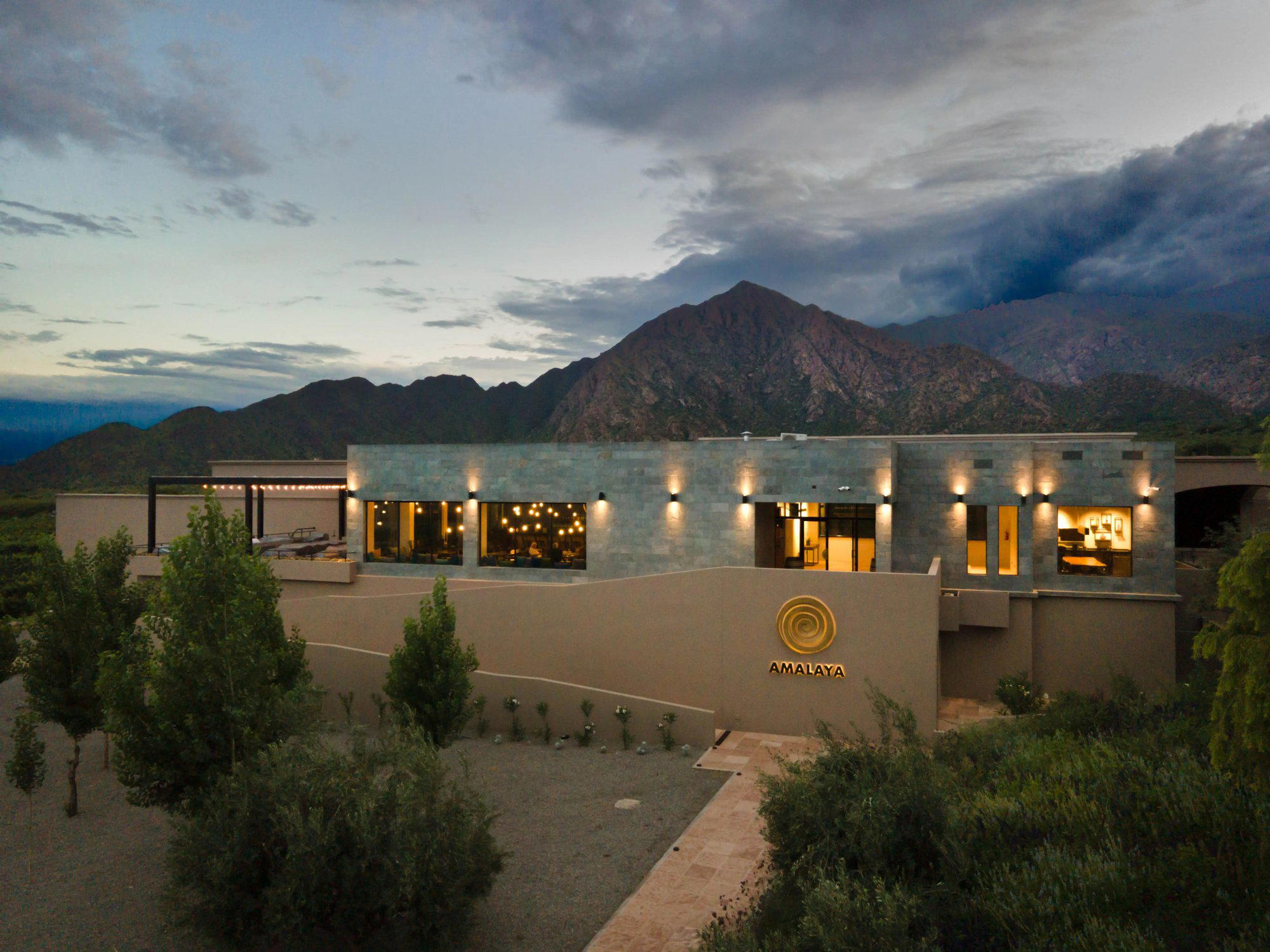
The property's physical setting does considerable work before any wine is poured. High-altitude Andean light has a particular quality, harder and more direct than coastal or lowland equivalents, and the vine rows at Cafayate's estates carry that clarity. The architecture of serious Calchaquí wineries tends toward clean lines and local materials, designed to frame rather than compete with the environment. Piattelli's position on the main provincial road means it is accessible without being remote, a practical advantage in a region where some estates require longer detours.
For visitors planning a focused wine day in Cafayate, the estate sits naturally within a circuit that includes the valley's other recognised producers. The town's own dining options, covered in our full Cafayate restaurants guide, extend the conversation beyond the vineyard gates, though estates with on-site dining like Piattelli reduce the pressure to commute back to town at midday.
Piattelli in the Broader Argentine Wine Picture
Argentina's wine geography has diversified considerably over the past two decades. The country's premium identity was built almost entirely on Mendoza Malbec, but the critical and commercial narrative has since expanded to include high-altitude Torrontés from Salta, cool-climate Pinot Noir from Patagonia, and singular Malbec expressions from properties in Luján de Cuyo and Tupungato such as Bodega DiamAndes and Rutini Wines in Tupungato. Cafayate's place in that picture is as the country's clearest argument for aromatic white wine, Torrontés at altitude has no direct analogue elsewhere in South America, and the valley's Malbec reads differently from Mendoza's, with more lifted aromatics and often finer tannin structure.
Properties operating at a recognised prestige level in Cafayate, as Piattelli does, carry the additional responsibility of representing the region to visitors who may arrive with strong Mendoza reference points. The comparison is not unflattering to either region, but it does require producers to articulate what is specific to the Calchaquí rather than defaulting to Argentine wine generalities. Piattelli's pairing-focused hospitality format is one way of making that case concretely, letting the table do explanatory work that a cellar tour alone cannot.
For those tracing Argentina's full premium range, the contrast between Cafayate and Mendoza properties is instructive. Estates like Fratelli Branca Distillery in Buenos Aires represent a different strand of Argentine drinks culture entirely, while internationally positioned properties such as Accendo Cellars in St. Helena and Aberlour in Aberlour demonstrate how specialist terroir producers build credibility through precision rather than volume, a logic Piattelli's Cafayate programme mirrors at altitude.
Planning Your Visit
Piattelli Vineyards is located on Ruta Provincial N°2, Cafayate, Salta. Given that the Cafayate valley operates on a smaller visitor scale than Mendoza, booking ahead for on-site dining and pairing experiences is advisable, particularly between April and October when the post-harvest period draws more visitors to the region.
Comparable Spots, Quickly
Comparable venues nearby, for context on price, style, and recognition.
| Venue | Cuisine | Price | Awards | Notes |
|---|---|---|---|---|
| Piattelli VineyardsThis venue — the venue you are viewing | Malbec, Torrontés | Not listed | Not listed | Not listed |
| Bodega El Esteco | Torrontés, Malbec | Not listed | Falstaff Winery - Listed | Cafayate |
| Finca Quara | Torrontés, Malbec | Not listed | Not listed | Cafayate |
| Domingo Hermanos | Malbec, Torrontés | Not listed | Not listed | Cafayate |
| Bodega Nanni | Torrontés, Malbec | $10–20 | Not listed | Cafayate |
| Bodega Etchart | Torrontés, Malbec | Not listed | Not listed | Cafayate |
Continue exploring
More in Cafayate
Wineries in Cafayate
Browse all →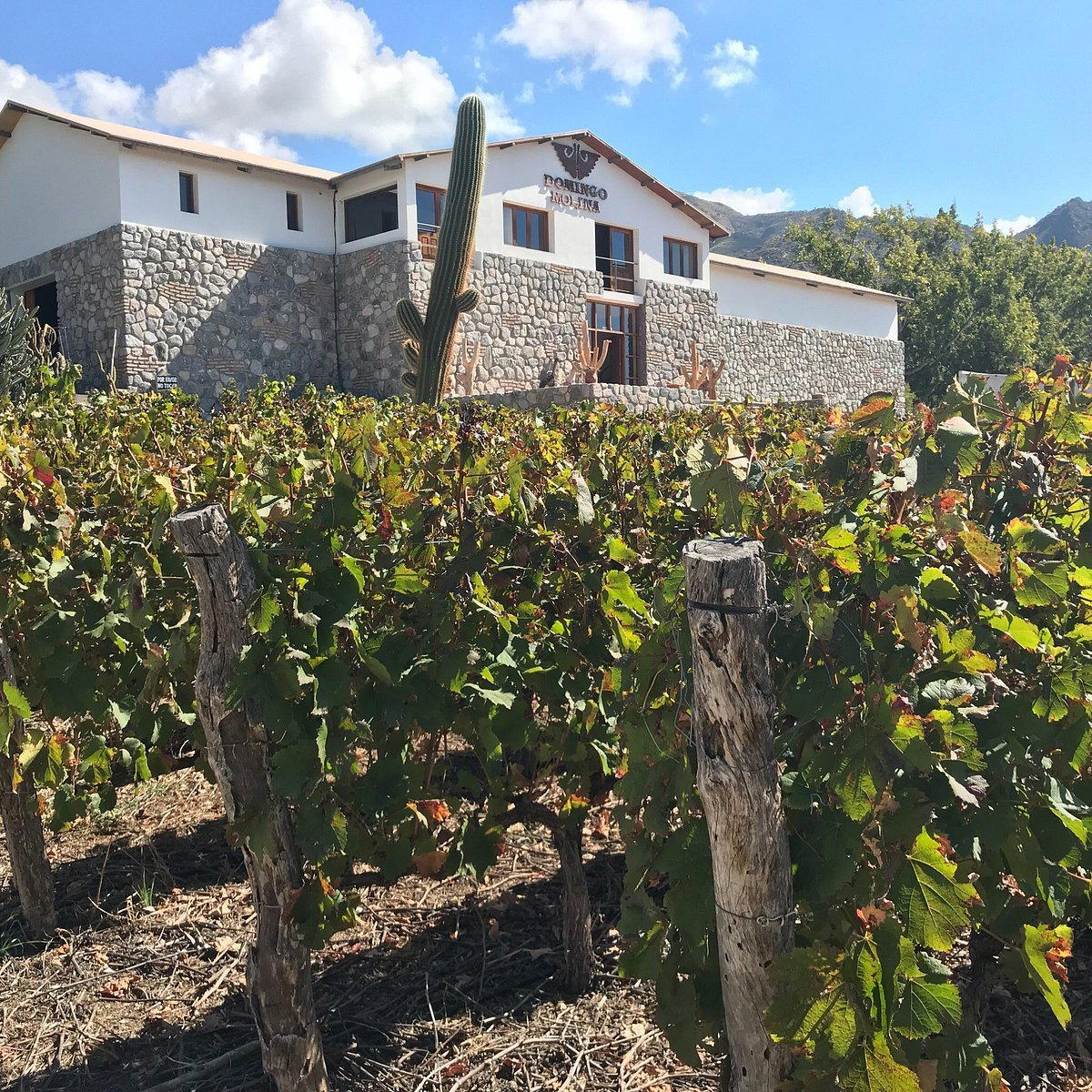
Bars in Cafayate
Browse all →
Hotels in Cafayate
Browse all →
Details
- Scenic
- Elegant
- Rustic
- Celebration
- Wine Education
- Special Occasion
- Vineyard Tour
- Panoramic View
- Terrace
- Organic
- Mountain
- Vineyard
- Malbec
- Torrontés
- Cabernet Sauvignon
- Chardonnay
- Merlot
- Still Red
- Still White
- Still Rosé
- Sparkling
- Cellar Door
- Guided Tasting
Charming and elegant with soft breezes on the patio surrounded by rose gardens and mountain views, polished facilities, and a relaxed yet sophisticated atmosphere.