
Peter Zemmer gives Kurtinig a serious Alto Adige reference point: a family-run winery founded in 1928, working across a striking 800-meter elevation range from lowland sites to mountain-influenced vineyards. The emphasis is terroir expression rather than cellar drama, with Pinot Grigio Riserva Giatl, Pinot Bianco, Chardonnay, Pinot Noir and regional reds forming a clean, place-led portfolio.
Pearl is the En Primeur Club membership app — saves, bookings, and concierge access live there. Same editors, same standards.
- Address
- Kurtinig, Alto Adige, Italien
- Directions
- Get directions
 Saves & bookings on Pearl
Peter Zemmer in Kurtinig is best approached as a South Tyrolean winery setting rather than as a page built around visitor details. The picture is concise but still meaningful: a popular, idyllic and terroir-focused estate in the South Tyrolean lowlands, with emphasis on natural diversity, climate, soil and tradition. Those themes give the venue a clear editorial shape, even when the practical visitor information remains limited. They point to a place whose value is tied less to spectacle and more to the surrounding agricultural landscape, the local conditions and the continuity of regional winemaking culture. That is enough to frame the appeal without inventing a menu, tour format, appointment policy, wine list, awards or production specifications.
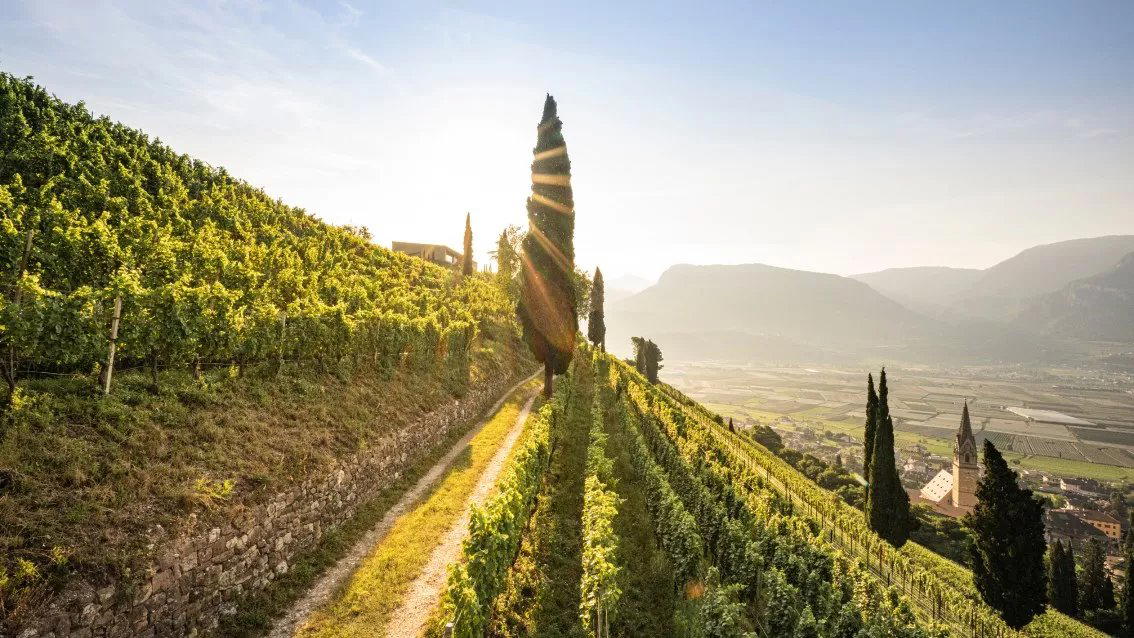
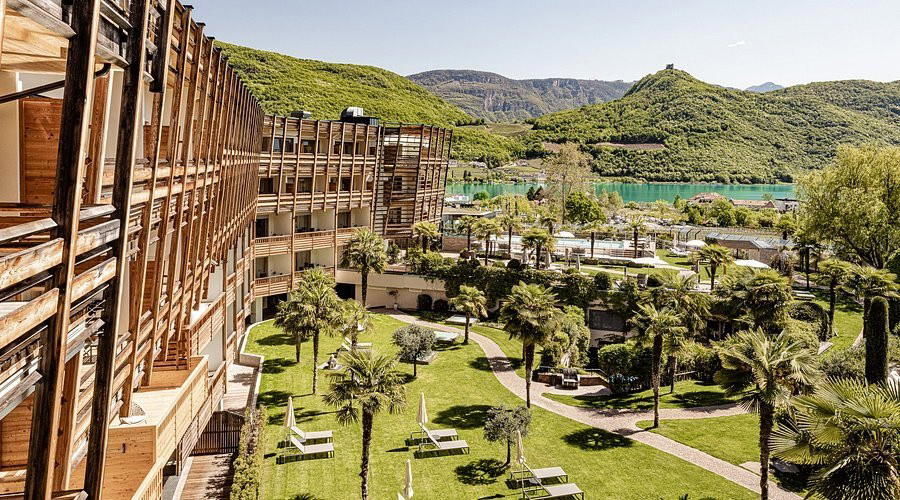
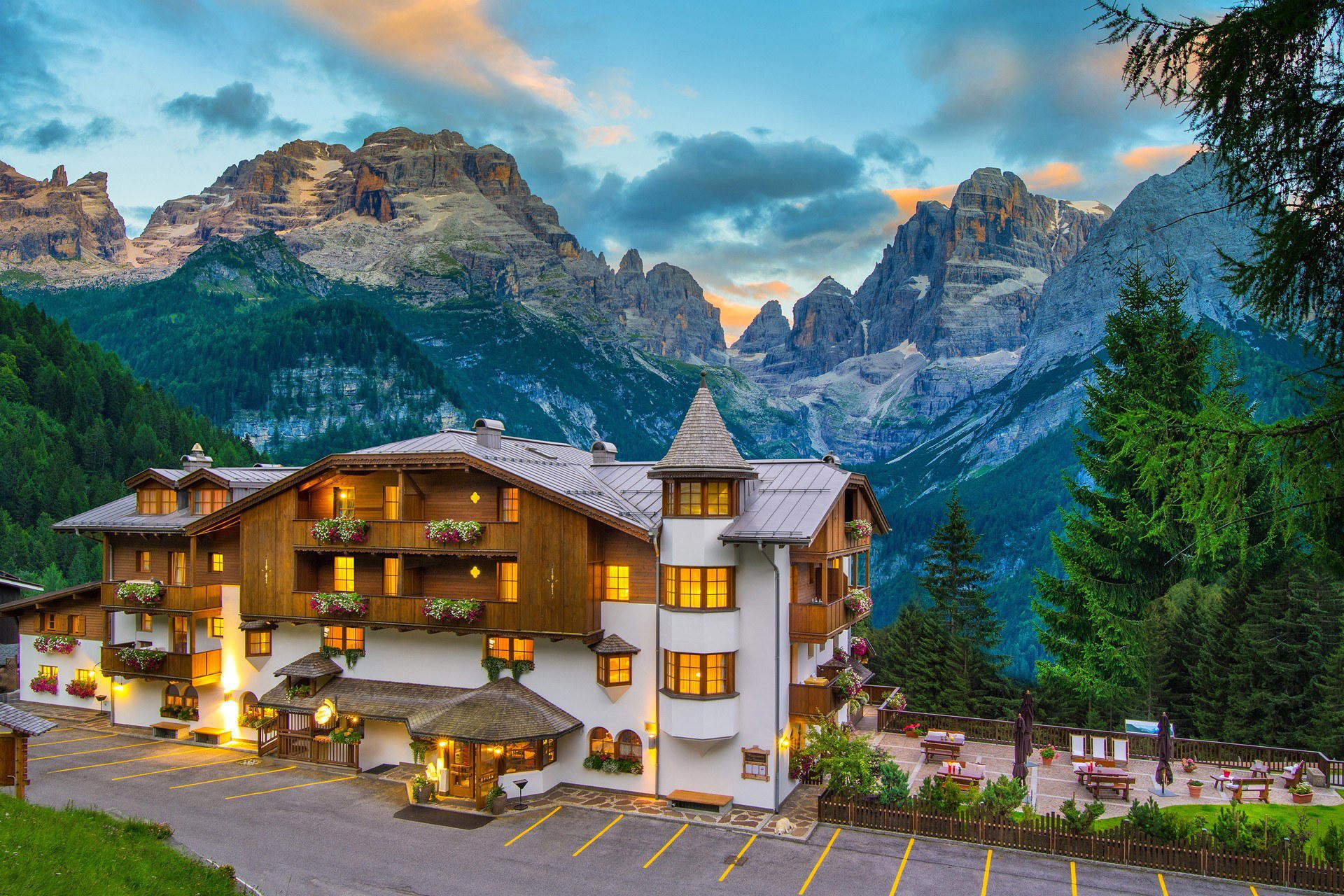
The setting is quiet, classic, scenic, rustic and elegant. For travelers considering Kurtinig, the draw is the sense of place: a winery environment where landscape and local tradition matter. It is the kind of profile that suits visitors who are reading the area through its terrain and atmosphere, rather than looking only for a fully documented hospitality program.
A terroir-focused winery setting in Kurtinig
Peter Zemmer’s identity centers on terroir rather than spectacle. The estate is presented as connected to the South Tyrolean lowlands, with attention to natural diversity, climate, soil and tradition. Those are the grounded reasons to consider it within a Kurtinig wine itinerary, especially for travelers who want the venue itself to feel rooted in its surroundings. In this context, terroir is not being used as a claim about specific bottles or technical production choices; it is the broad, confirmed organizing idea behind the estate’s appeal.
That restraint matters for a venue page, because unsupported specificity can quickly create the wrong expectation. The safer editorial conclusion is that Peter Zemmer is a place for visitors who value a scenic, classic winery atmosphere and a strong regional sense of place. Its appeal can be described confidently at the level of mood, setting and orientation, without reaching beyond the facts at hand.
Price is listed as $$, which gives a broad planning signal without implying any specific tasting fee, bottle price or service package. It should be read only as a general indicator, not as a promise about what a visit includes.
Atmosphere: quiet, classic, scenic and rustic-elegant
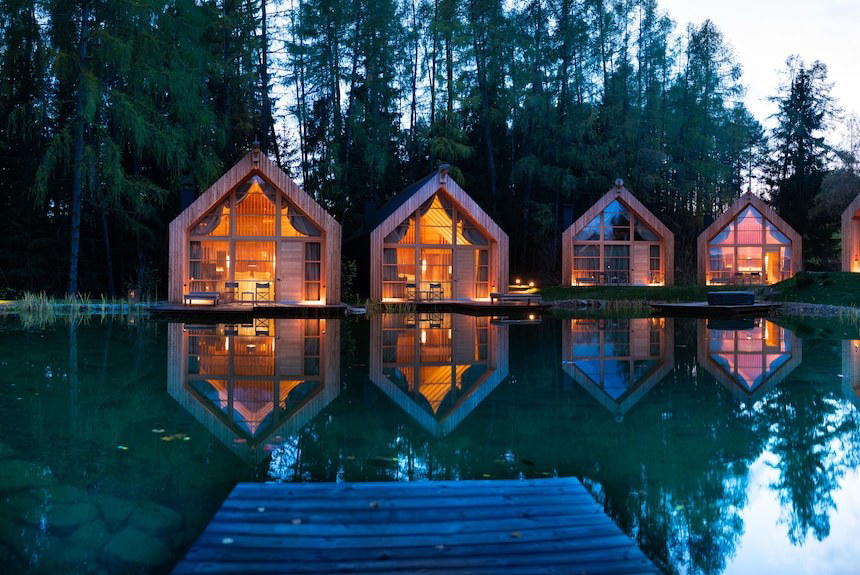
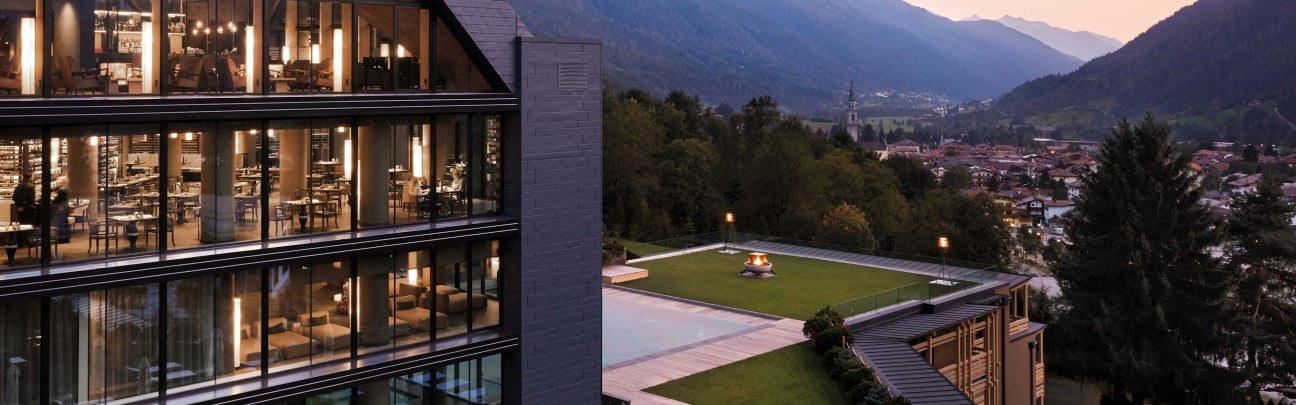
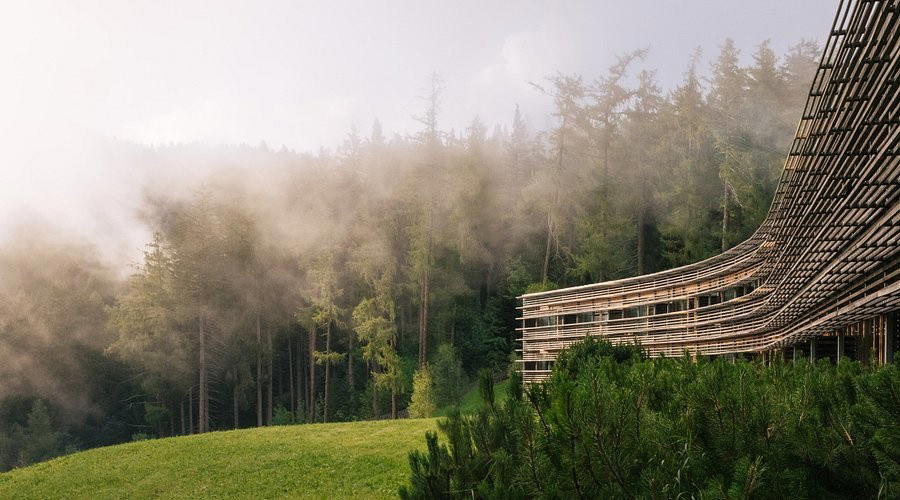
One reliable detail is the mood of the place. The winery is described as idyllic and popular, with a quiet and classic winery character. The scenic and rustic-elegant setting suits visitors looking for a grounded South Tyrolean lowlands experience rather than a high-concept hospitality production. The language around the venue suggests composure and continuity: a winery atmosphere that feels settled in its landscape, not staged around novelty.
The estate’s emphasis on climate, soil, natural diversity and tradition gives the page its editorial center. Those confirmed themes are broad, but they are useful: they suggest a venue whose appeal depends on the landscape and agricultural context of Kurtinig. They also help explain why the setting can be described as more than simply attractive. The surrounding conditions are part of the story, and the venue’s identity rest on that relationship between place, environment and inherited practice.
That means no asserted seat count, no named dishes, no restaurant-style service claims, no exact hours, no appointment policy, no claimed tours and no unconfirmed accolades. Keeping the description within those boundaries makes the recommendation narrower, but more dependable. The page can still be useful by clarifying what is known and by avoiding the temptation to fill gaps with assumptions.
How to place it in a Kurtinig wine itinerary
Use the winery as a terroir-led Kurtinig winery reference point. It fits best for travelers who want a scenic, quiet and tradition-minded South Tyrolean lowlands setting. In practical terms, the winery works in the itinerary as an anchor for the area’s winery character: a place to understand through its setting, its regional context and its stated focus on the natural conditions that shape the estate.
The editorial case for the winery is direct: it is a $$ winery in Kurtinig with an emphasis on natural diversity, climate, soil and tradition. Its confirmed atmosphere is quiet, classic, scenic, rustic and elegant. That is the reliable basis for planning around the venue.
For now, the strongest responsible recommendation is to treat the winery as a grounded, terroir-focused winery setting in Kurtinig, while confirming any operational details directly before visiting. That approach preserves the appeal of the venue without overstating what is currently known.
Recognition history
Dated appearances from independent guides and award organizations, with the underlying list record or original source where available.
Falstaff Winery - 3 Stars
Falstaff
Continue exploring
More in Kurtinig
Wineries in Kurtinig
Browse all →
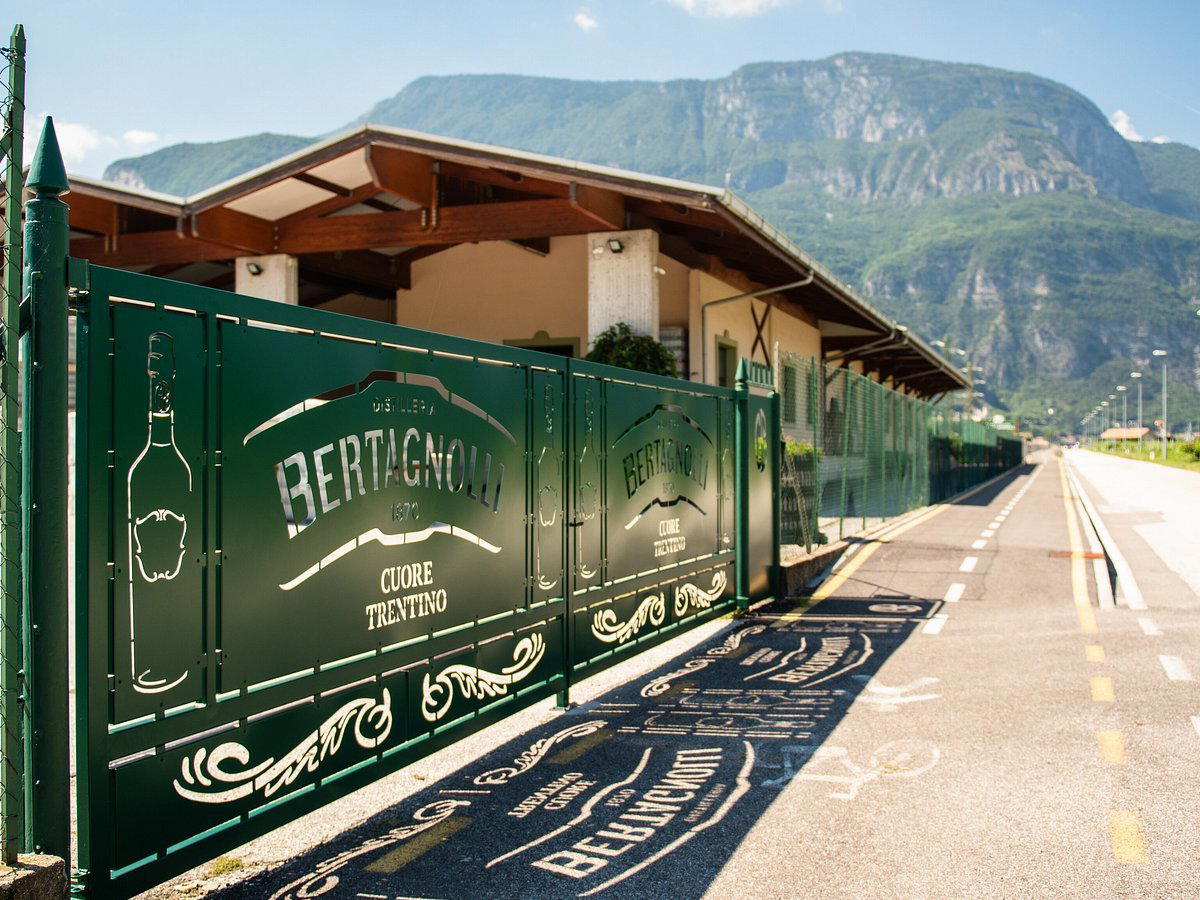
Bars in Kurtinig
Browse all →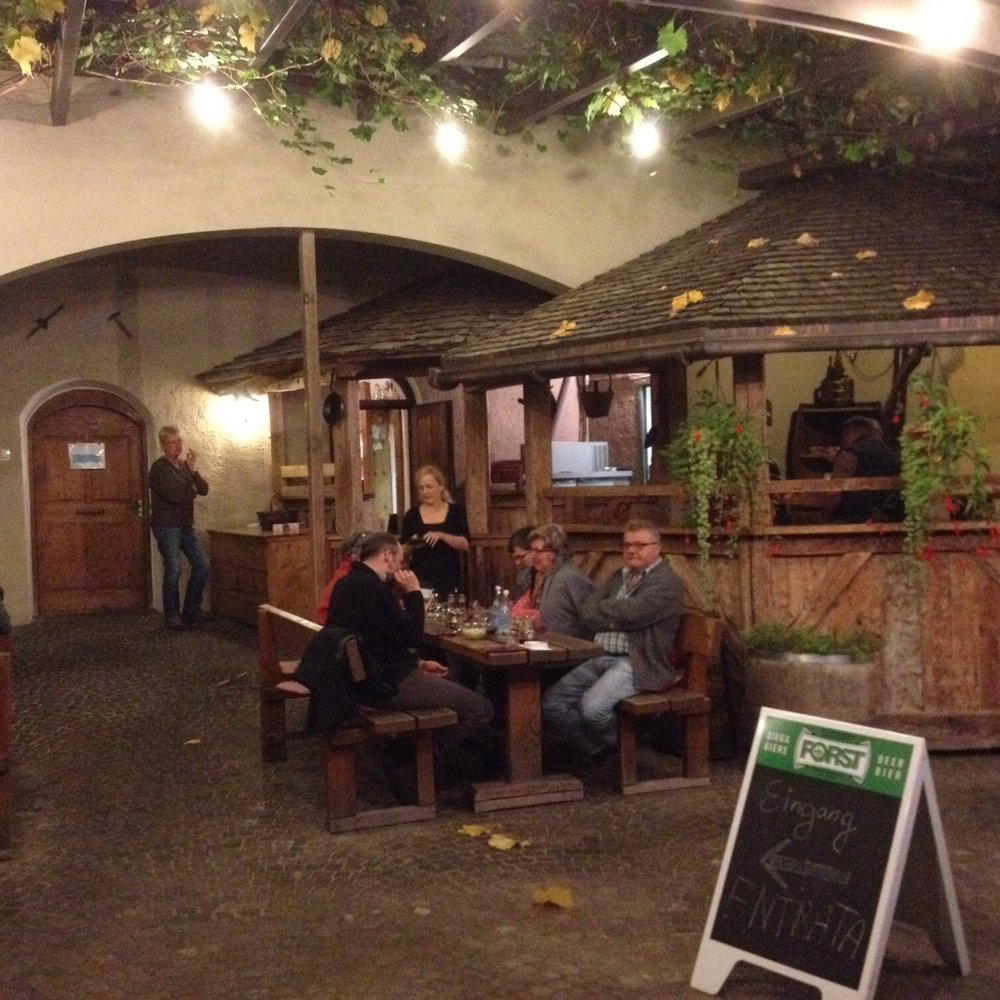
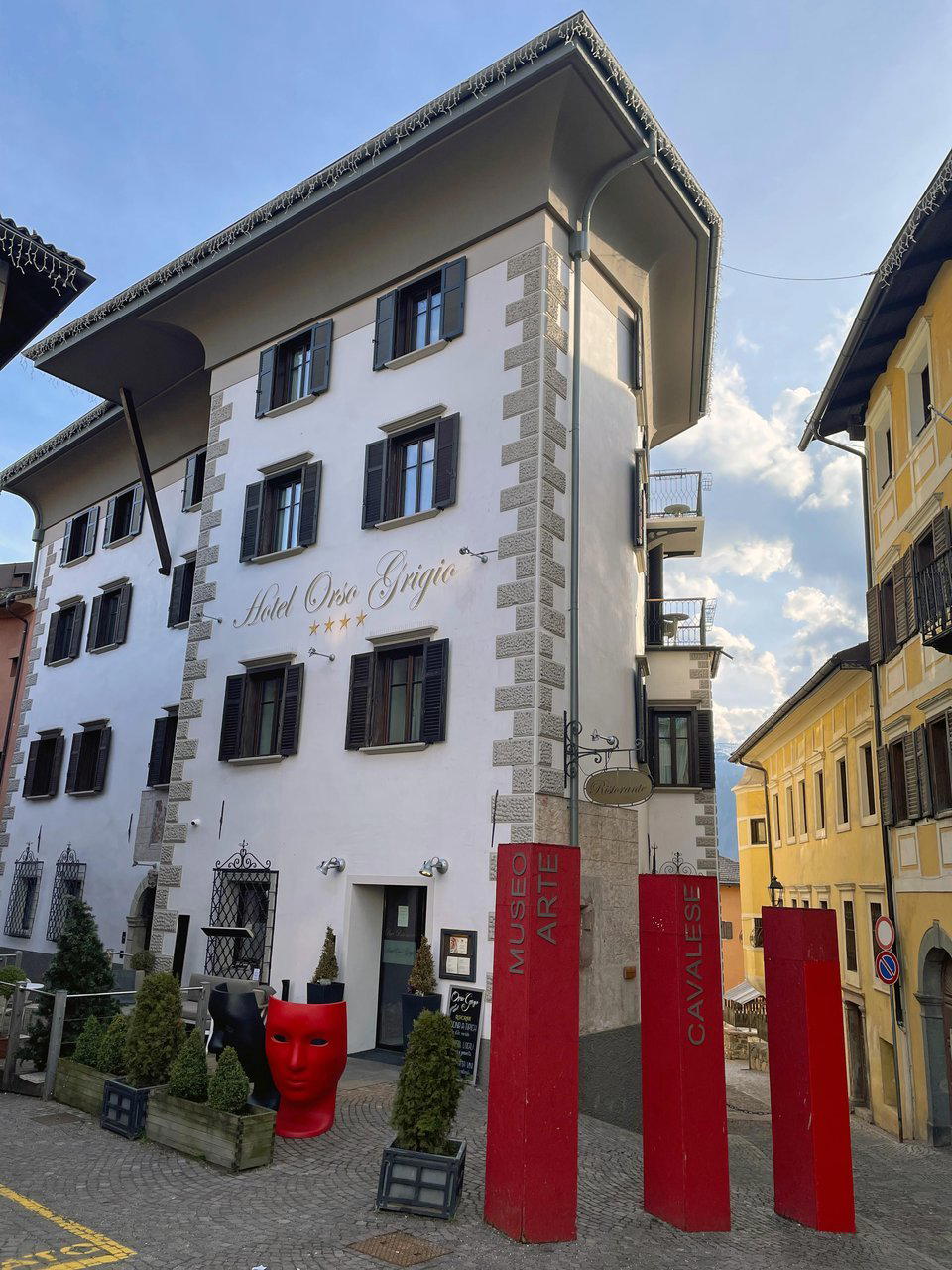
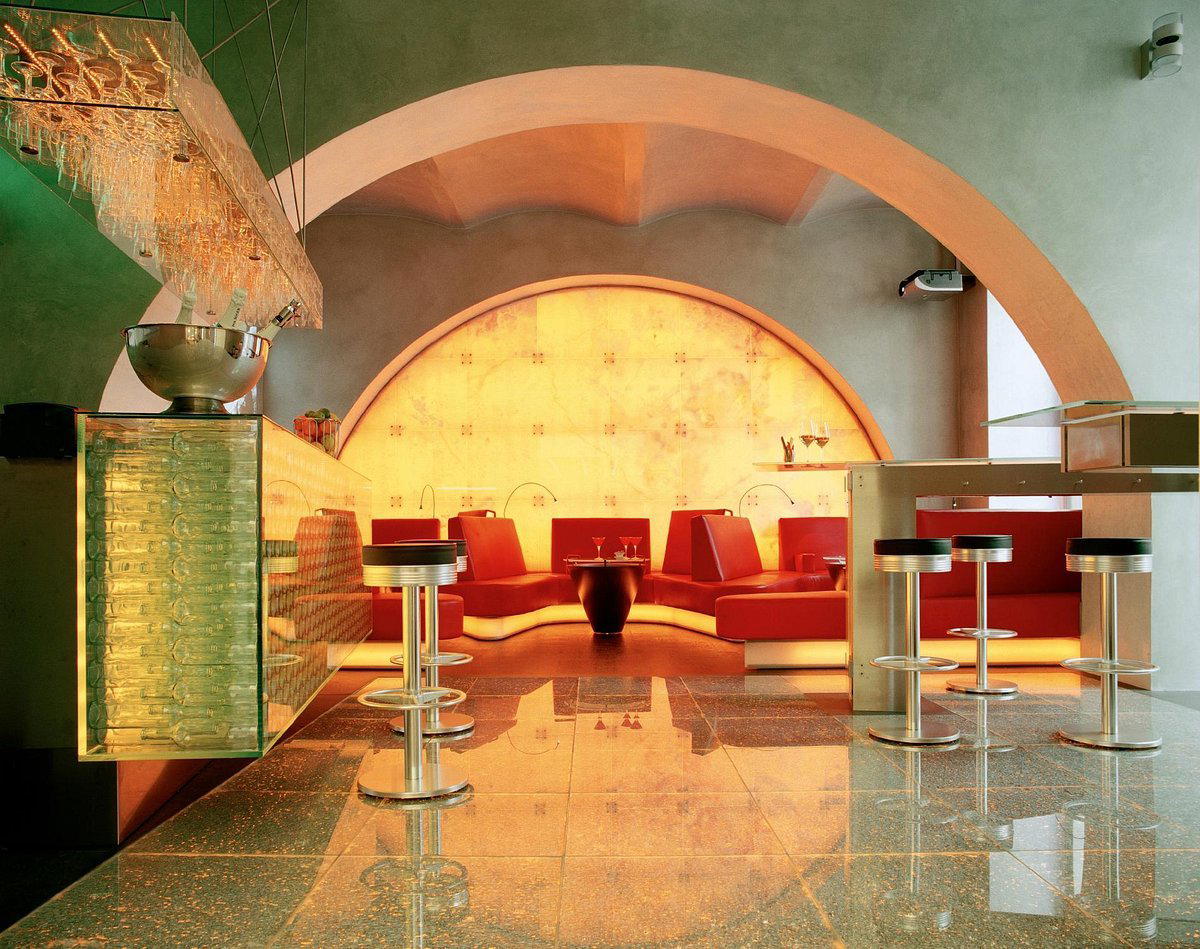
Restaurants in Kurtinig
Browse all →
At a Glance
- Quiet
- Classic
- Scenic
- Rustic
- Elegant
- Wine Education
- Special Occasion
- Group Outing
- Solo Exploration
- Vineyard Tour
- Estate Grounds
- Historic Building
- Private Tasting
- Vineyard
- Mountain
- Alto Adige / Südtirol DOC
- Pinot Grigio
- Pinot Bianco
- Chardonnay
- Pinot Noir
- Lagrein
- Sauvignon Blanc
- Still White
- Still Red
- Private Tasting
- By Appointment
Idyllic, popular, and terroir-focused winery setting in the South Tyrolean lowlands, with a strong emphasis on natural diversity, climate, soil, and tradition.