
Peter Greif is a low-key Mosel-Saar winery-distillery in Trier’s rural orbit, shaped by limestone and slate sites rather than tasting-room theatre. The draw is the breadth: still and sparkling wine, Viez, spirits, Elbling mustard, a historic cellar, and a self-service wine garden tied to a family property dating to 1832.
Pearl is the En Primeur Club membership app — saves, bookings, and concierge access live there. Same editors, same standards.
- Address
- Trier, Moselle, Rhineland-Palatinate, Deutschland
 Saves & bookings on Pearl
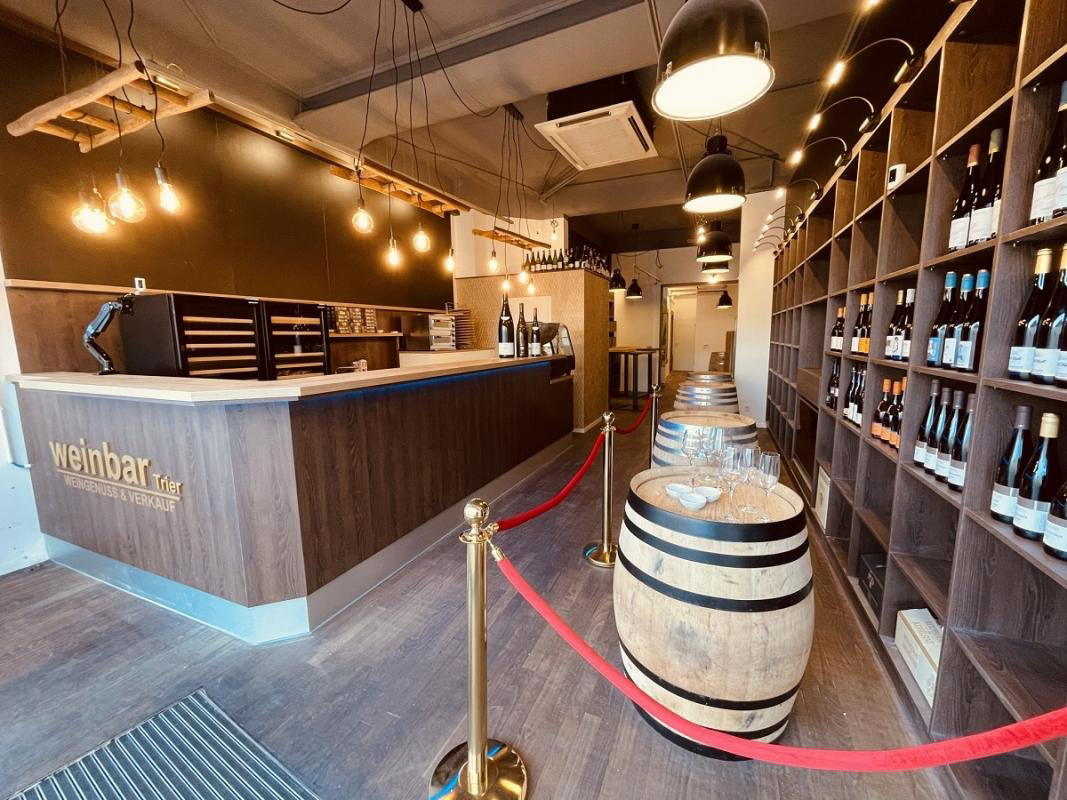
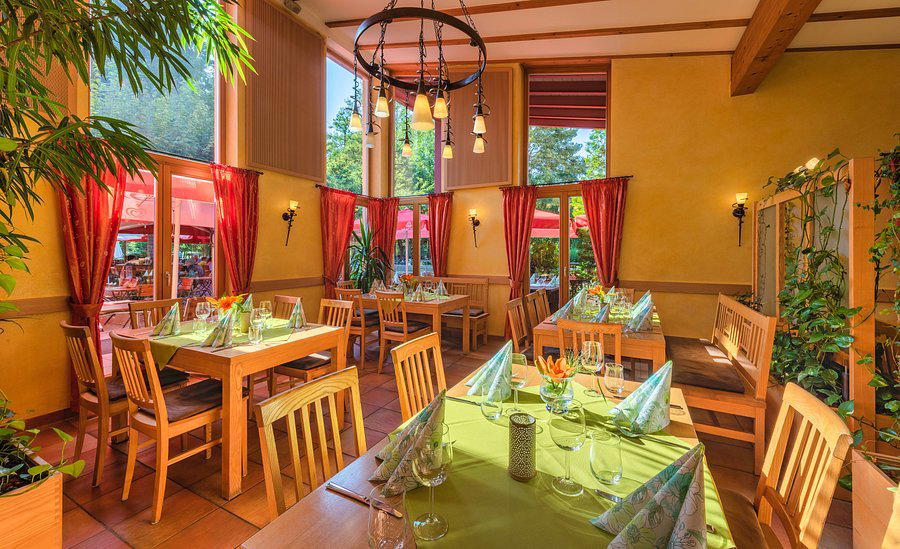
Approach Peter Greif in Trier as a relaxed Mosel-Saar estate rather than a polished destination built around ceremony. The feel is practical and rural, closer to a family-run farm shop than a formal tasting room, and that distinction helps set expectations before arrival. This is a place to understand through its directness: estate character, approachable tastings, and a setting that does not appear to be trying to turn a simple wine visit into a grand performance. Bright, well-lit indoor areas, direct sales, tastings, and a self-service wine garden shape the visit, with the overall mood staying rustic, scenic, classic, and cozy. The appeal sits in that balance of usefulness and atmosphere, where the experience feels grounded in the estate itself rather than in layers of hospitality polish.
A Mosel-Saar estate built around a relaxed rural visit
It is presented as a Mosel-Saar estate in Trier with a practical farm-shop character and a relaxed rural atmosphere. That framing matters, because it points visitors toward a direct kind of stop: one where the estate, the wines, and the ease of browsing or tasting are more central than any sense of formality. The rural tone also gives the venue a softer, more everyday quality, making it feel less like a destination designed only for special occasions and more like a place that fits naturally into a Trier visit.
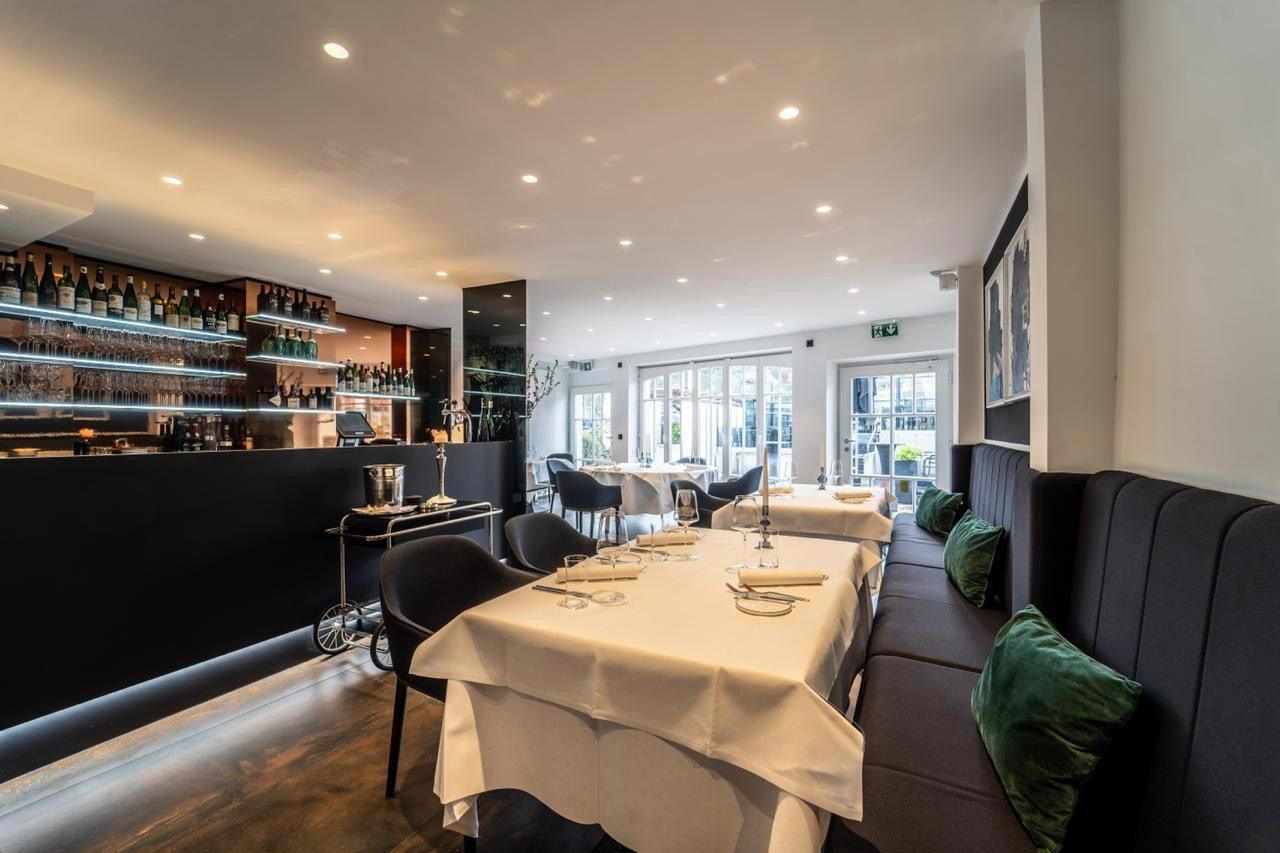
The emphasis is on tasting and direct sales rather than a formal restaurant-style experience. Visitors should expect a direct estate setting, bright indoor spaces, and a self-service wine garden rather than a highly staged hospitality format. In practical terms, this means the visit is shaped by access and simplicity: indoor areas that feel clear and usable, a sales format that keeps the estate connection visible, and a wine garden that supports a more independent rhythm. Nothing in the description suggests a venue built around elaborate tableside choreography or a dining-led identity.
That simplicity is part of the appeal. Peter Greif reads as a place for people who want a low-key Trier estate stop with a rural feel, not a venue defined by luxury cues, elaborate service claims, or dining accolades. Its strengths are quieter and more direct: a classic estate atmosphere, a cozy rustic impression, and a scenic rural setting that can give a tasting or purchase a sense of place without needing to overstate itself. For visitors who prefer ease over ceremony, that restraint is not a limitation but the point.
A family estate format, not a formal tasting temple
Peter Greif is best understood as a family-run Mosel-Saar estate with a practical, farm-shop feel. The description suggests a venue whose character comes from being approachable and functional rather than from being presented as exclusive. That kind of estate format can be especially useful for travelers who want to encounter the local wine setting in a plainspoken way, with the focus kept on tasting, direct buying, and the atmosphere of the place itself.
What is confirmed is the overall style: relaxed, rustic, scenic, classic, and cozy. The venue’s identity is grounded in tastings, direct sales, and the self-service wine garden, with bright indoor areas supporting the practical estate-shop atmosphere. Those elements work together to create a visit that feels informal but not careless, simple but still clearly defined. The bright indoor spaces contribute to the accessible, open impression, while the wine garden adds a more leisurely layer for those who want the visit to feel unhurried. Direct sales reinforce the estate-shop character, keeping the experience close to its source.
Choose it for an unfussy rural stop in Trier rather than for a formal dining room or a highly choreographed tasting format. The price level is listed as $$, which places it in a moderate bracket. That positioning fits the rest of the description: practical, approachable, and grounded, without the signals of a luxury venue or a dining destination. Visitors looking for refinement expressed through ceremony may want a different kind of setting, while those who value an easy estate atmosphere are more likely to understand what the winery is offering.
How to place it within a Trier itinerary
For Trier-area planning, the winery makes sense as a low-key estate stop focused on tastings, direct sales, and a self-service wine garden. It can be considered the kind of visit that adds rural texture to a day in the area without requiring the expectations attached to a formal restaurant or a more staged tasting room. Keeping that boundary clear is important: the confirmed picture here is of a relaxed Mosel-Saar estate visit, not a broader claim about the surrounding itinerary.
The broader appeal is direct: a family-run Mosel-Saar estate with a rural, practical, farm-shop character. Its atmosphere is not described through spectacle, but through familiar and tangible qualities: relaxed, rustic, scenic, classic, and cozy. That makes it easiest to recommend to visitors who are comfortable with a direct estate environment and who see value in direct sales, tastings, and a self-service wine garden as the core of the experience.
In short, the winery is a $$ Trier option for visitors who want a rustic, scenic, classic, and cozy estate atmosphere with tastings, direct sales, bright indoor areas, and a self-service wine garden. It is best approached with expectations set toward simplicity and rural charm: a practical Mosel-Saar stop where the visit is defined by ease, estate character, and a low-key sense of place rather than by polished ceremony.
Recognition history
Dated appearances from independent guides and award organizations, with the underlying list record or original source where available.
Falstaff Winery - Listed
Falstaff
Continue exploring
More in Trier
Wineries in Trier
Browse all →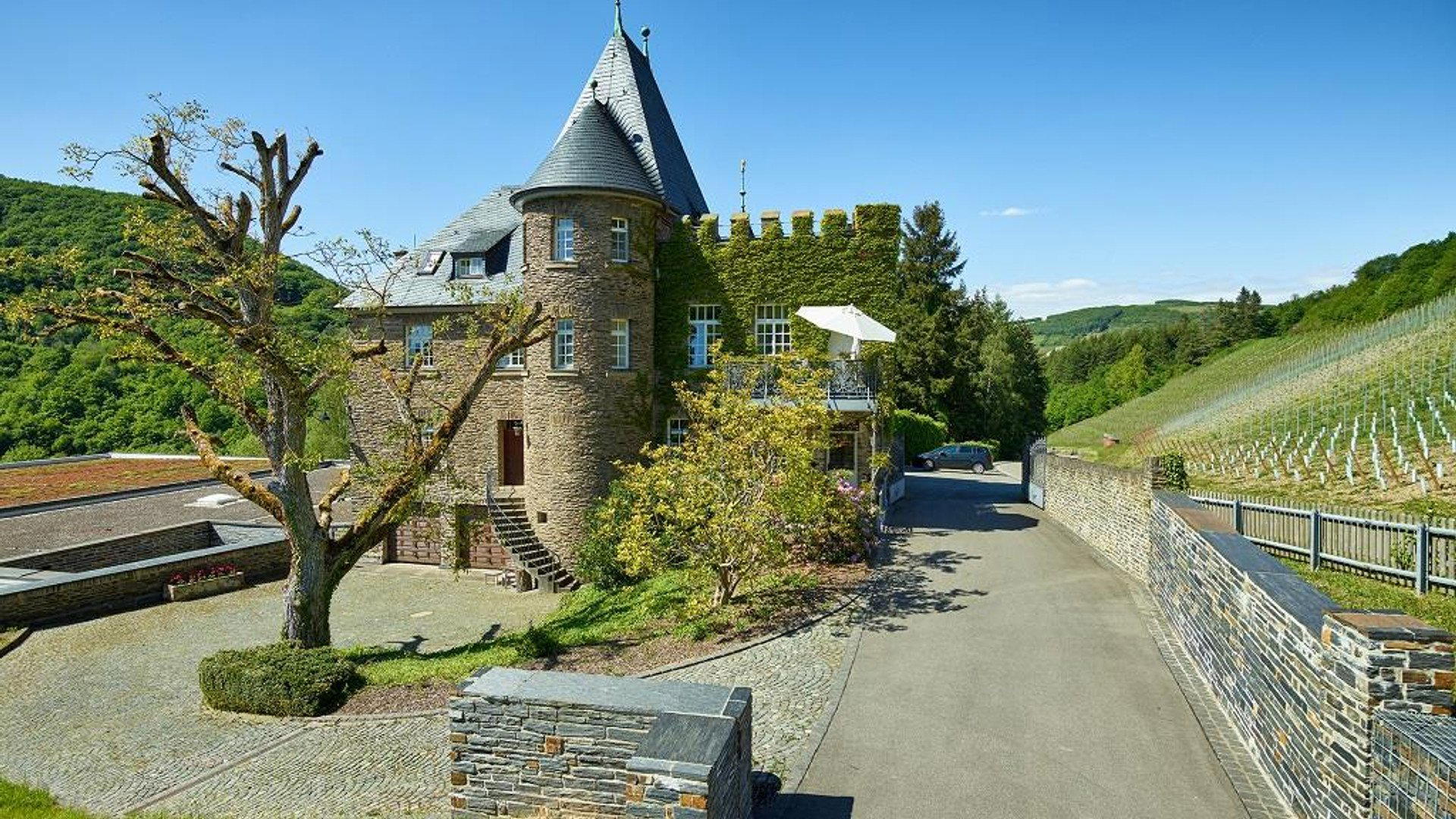

At a Glance
- Rustic
- Scenic
- Classic
- Cozy
- Group Outing
- Solo Exploration
- Wine Education
- Family
- Estate Grounds
- Picnic Area
- Vineyard Tour
- Historic Building
- Sustainable
- Vineyard
- Garden
- Mosel
- Elbling
- Riesling
- Pinot Varieties
- Still White
- Sparkling
- Bar Tasting
- Outdoor Tasting
- Walk In Tasting
Family-run Mosel-Saar estate with a practical farm-shop feel, bright well-lit indoor areas and a relaxed, rural atmosphere focused on tastings, direct sales and a self-service wine garden.