Perticaia

Perticaia is a Montefalco winery shaped by Sagrantino country rather than international gloss: clay-limestone soils, native grapes, organic language, and a cellar program built around structure. The experience is quiet and place-led, with guided seated tastings, a barrel-room component, and terrace views over the Umbrian valley.
Pearl is the En Primeur Club membership app — saves, bookings, and concierge access live there. Same editors, same standards.
- Address
- Montefalco, Umbria, Italien
- Directions
- Get directions
 Saves & bookings on Pearl
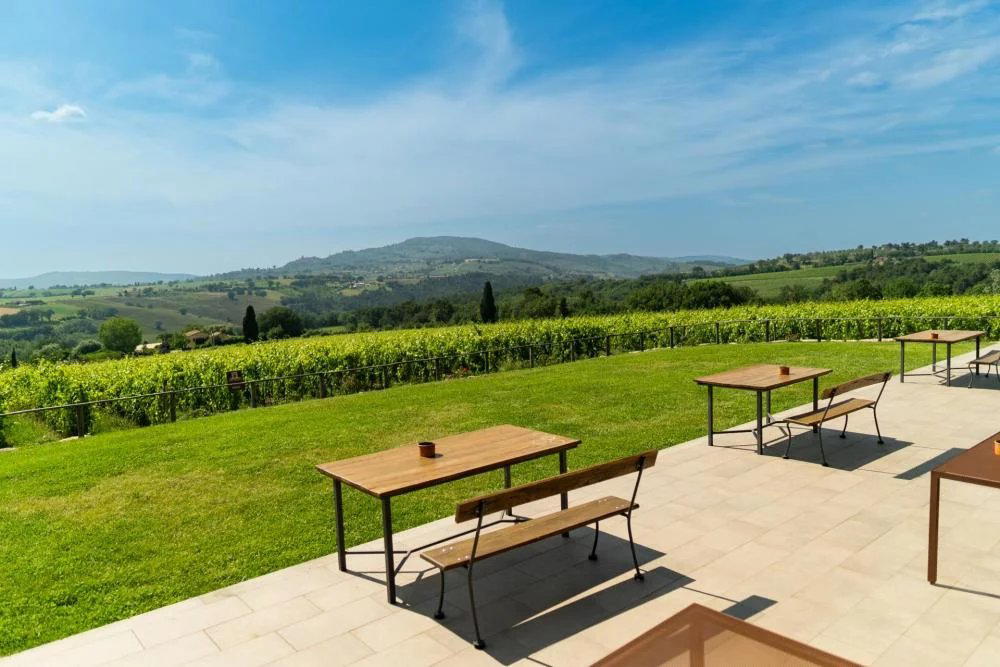
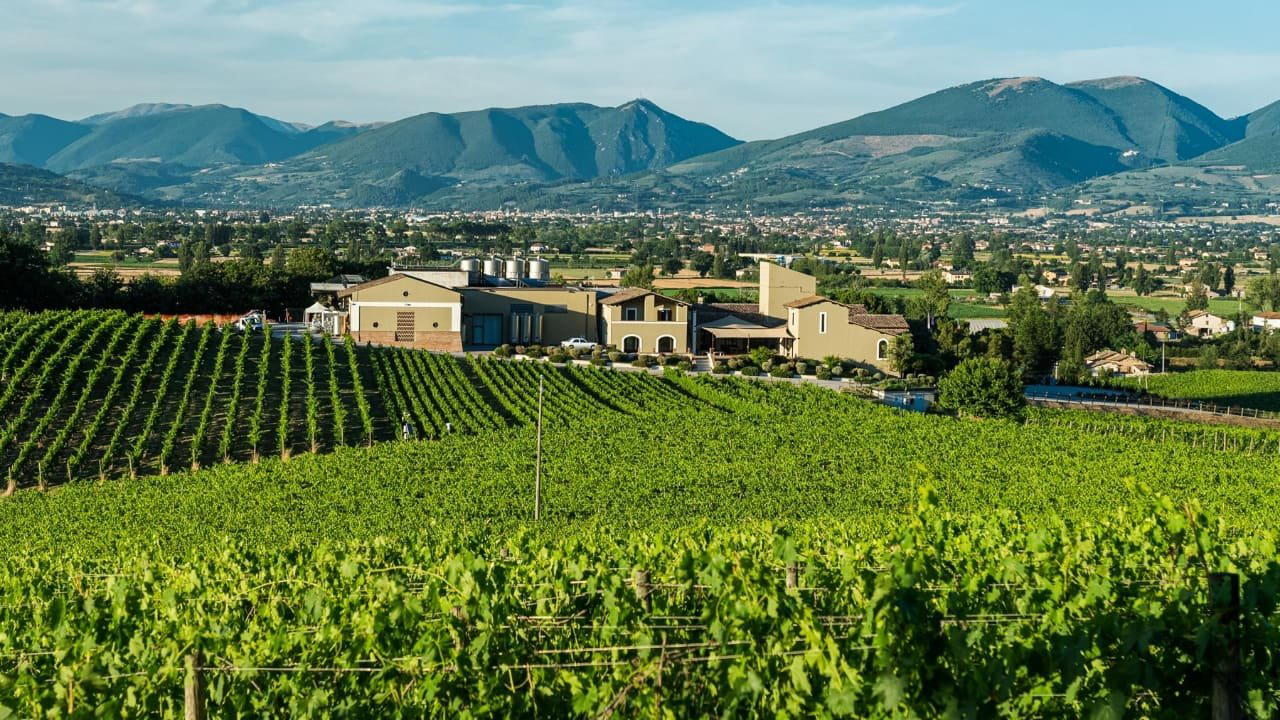
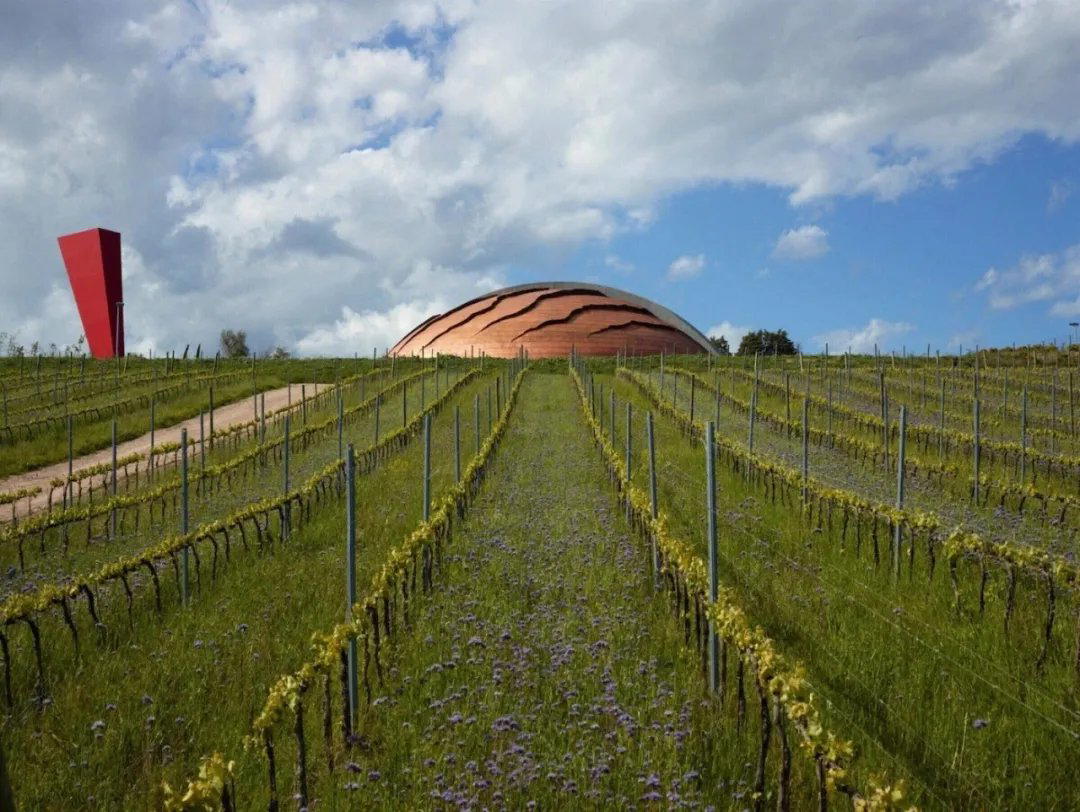
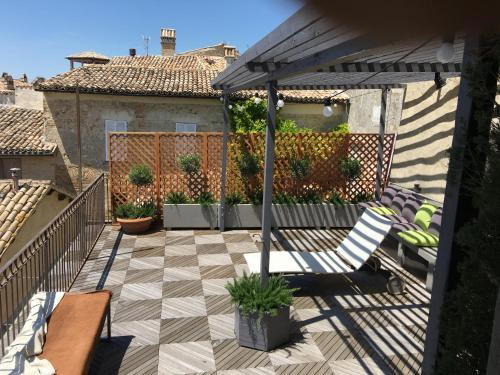
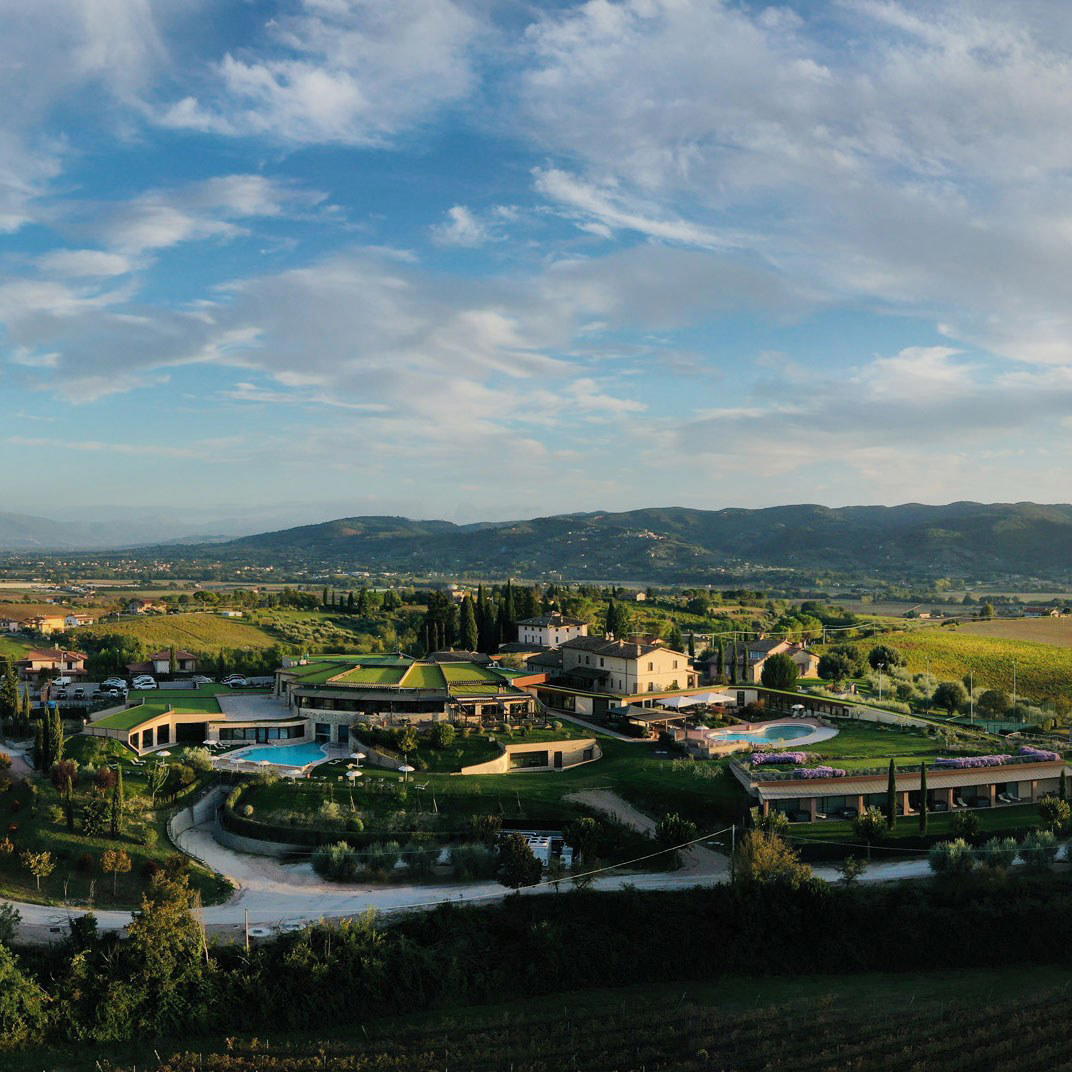
The approach to wine in Montefalco is not subtle. The hills give altitude and exposure, the clay-limestone soils give grip, and Sagrantino gives the area a red-wine identity that can feel almost architectural. Perticaia belongs to that hill-country grammar: a modern cellar setting, vineyard surroundings, and a panoramic terrace that puts the Umbrian valley into the tasting before the first glass is poured.
This is not a producer to understand through trophy language. The more useful frame is terroir expression. Montefalco’s reputation rests on wines with tannin, acidity, and food-bearing structure, and the estate works inside that tradition through Sagrantino, Sangiovese, Trebbiano Spoletino, Grechetto, and Colorino. The winery dates to 2000, with a contemporary restart under the Becca family in 2018, which gives the project a modern commercial shape without pulling it away from local varieties.
Clay-limestone structure, native grapes, and the Montefalco register
Montefalco red wine is often misunderstood by travelers expecting the softer, immediate charm of central Italian Sangiovese. Here, Sangiovese is only part of the conversation. Sagrantino brings darker tannic architecture, while the local whites, particularly Trebbiano Spoletino and Grechetto, show why Umbria has more range than its red-wine shorthand suggests. Perticaia’s portfolio follows that regional logic rather than chasing a generalized Italian cellar style.
The Montefalco Rosso line is the clearest reading of the house. One recent organic bottling is built from Sangiovese with Sagrantino and Merlot, fermented in steel with skin maceration and aged for at least 12 months in oak. Another Montefalco Rosso description places Sangiovese and Sagrantino alongside Colorino. The exact composition can shift by vintage, but the through-line is consistent: Sangiovese gives lift, Sagrantino supplies frame, and oak maturation is used to bind the wine rather than turn it into an international oak statement.
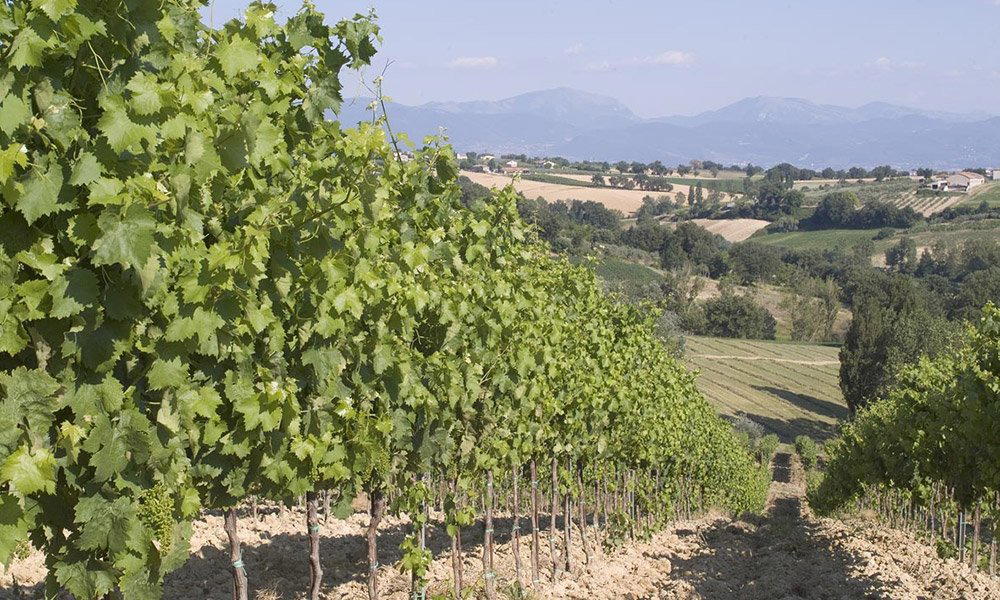
The vineyard context matters. Clay-limestone soils in the rolling hills help explain the estate’s emphasis on structure and mineral tension, while warm days and cooler nights support ripening without erasing acidity. That combination is the reason Montefalco wines can carry roasted meats, game, rich tomato sauces, salumi, and aged Pecorino without disappearing beside the food. The wines are positioned for the table, not for isolated tasting-room theatrics.
Organic production is part of the estate’s stated identity, and the Montefalco Rosso DOC BIO gives that commitment a concrete bottle-level expression. The sustainability story is strongest where it intersects with farming and regional typicity: local grapes, organic sourcing language, respect for land, and a production style that favors site expression over cosmetic polish. It is a measured form of stewardship, grounded in viticulture rather than spectacle.
A guided hilltop tasting built around place, not performance
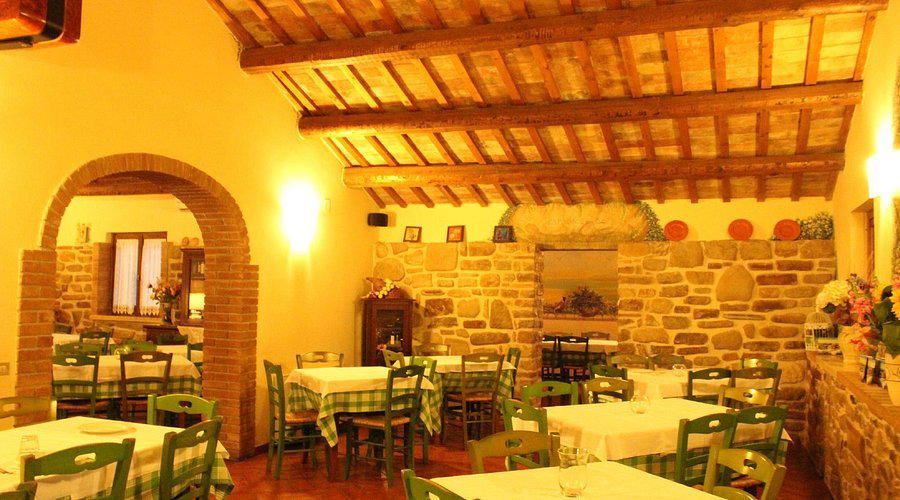
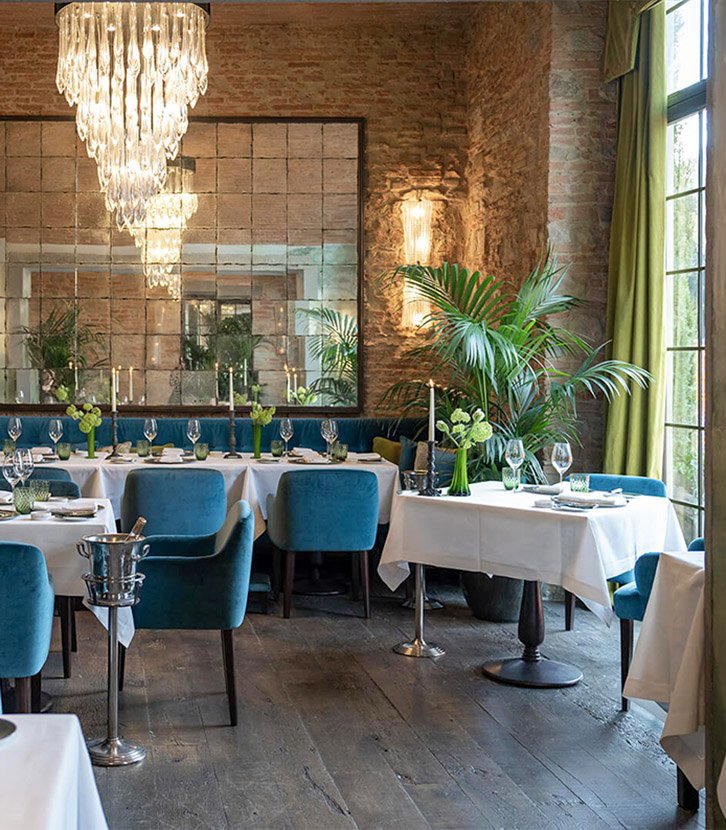
The hospitality format suits the wines. Perticaia operates as a by-reservation winery experience with guided and seated tastings, vineyard and barrel-room elements, and a terrace setting that looks across the Umbrian valley. The atmosphere is quiet, rustic in its agricultural context, and contemporary in its cellar language. It is better read as a wine-education stop than as a casual bar with vines attached.
The winemaking lead is Alessandro Meniconi, but the stronger story is not biography; it is how a Montefalco cellar chooses to translate a region known for muscular reds into a broader portfolio. Sagrantino remains central, yet Trebbiano Spoletino and Grechetto give the visit a second axis. That matters for travelers planning more than one winery appointment in town: the strongest Montefalco itineraries make room for both tannic reds and local whites, because the whites clarify the region’s agricultural breadth.
For broader context, the town’s winery circuit includes established and smaller producers, and readers mapping a full route can compare styles through Antonelli San Marco, Arnaldo Caprai, Bocale, Cantina Colle Ciocco, and Cantina Fratelli Pardi. For trip planning beyond the cellar door, use our full Montefalco wineries guide alongside our full Montefalco restaurants guide, our full Montefalco hotels guide, our full Montefalco bars guide, and our full Montefalco experiences guide.
The practical reading is simple: this is a medium-scale winery with a quiet noise level, casual dress code, on-site parking, English and Italian tour options, and a tasting format that suits couples, small groups, and travelers who want a clearer understanding of Montefalco DOC rather than a quick pour. Food pairing is part of the format, and shipping is available, which makes sense for wines with mid-term aging potential.
Perticaia’s place in Montefalco is defined by restraint and regional fidelity. The estate does not need a long list of public awards to make its case; its credibility comes from the structural signals that matter in this appellation: Sagrantino-led reds, local white varieties, oak maturation, organic production language, and a terrace-to-cellar experience that keeps the land in view.
Readers building wine travel beyond Umbria can cross-reference other European cellar pages including 3GP SRL in Treviso, 47 Anno Domini in Trebaseleghe, A Mano Wine in Noci, »der Steiner« Hans Steiner in Podersdorf am See, and & Handwein in Mannheim.
Recognition history
Dated appearances from independent guides and award organizations, with the underlying list record or original source where available.
Falstaff Winery - Listed
Falstaff
Continue exploring
More in Montefalco
Wineries in Montefalco
Browse all →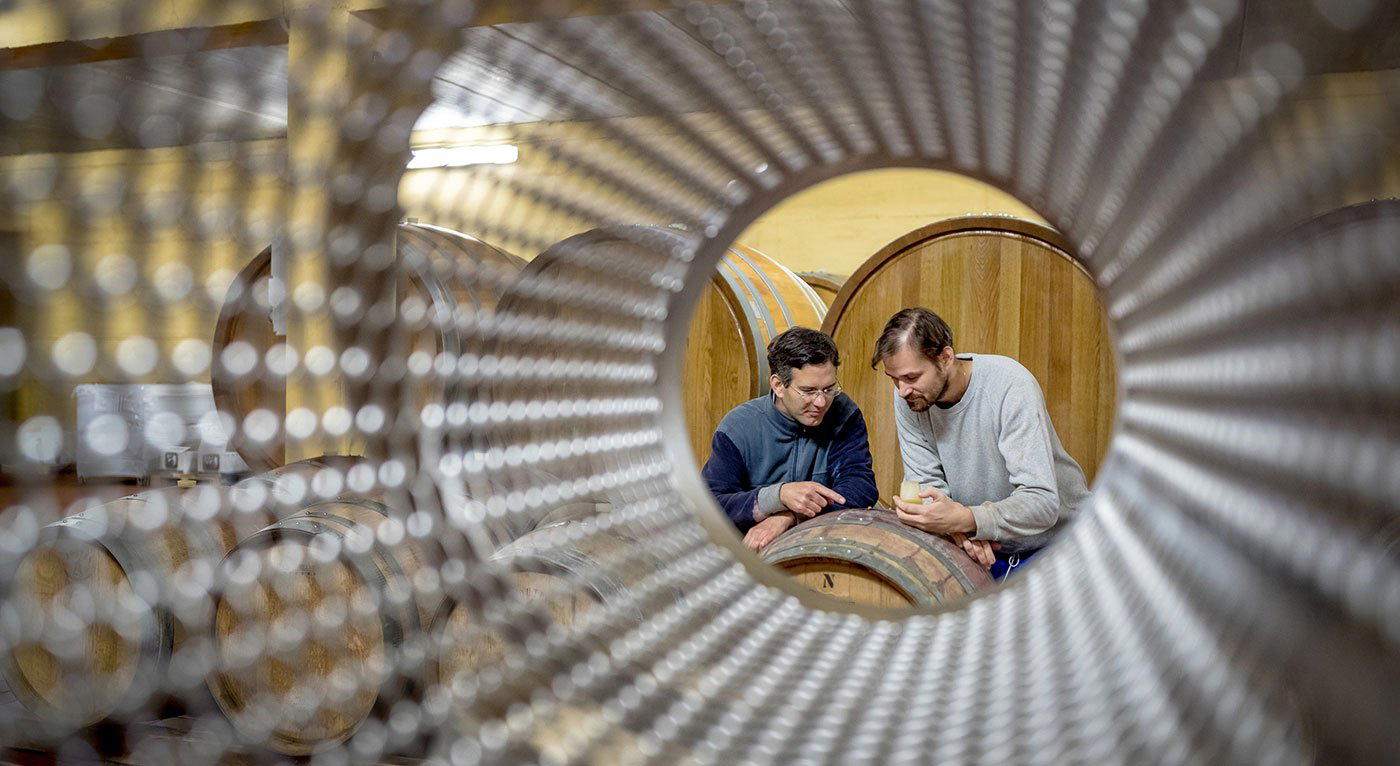
Bars in Montefalco
Browse all →
Restaurants in Montefalco
Browse all →
At a Glance
- Scenic
- Rustic
- Classic
- Quiet
- Sophisticated
- Wine Education
- Special Occasion
- Group Outing
- Romantic Getaway
- Vineyard Tour
- Barrel Room
- Terrace
- Panoramic View
- Design Destination
- Organic
- Sustainable
- Vineyard
- Mountain
- Montefalco DOC
- Sagrantino
- Sangiovese
- Trebbiano Spoletino
- Grechetto
- Colorino
- Still Red
- Still White
- Guided Tasting
- Seated Tasting
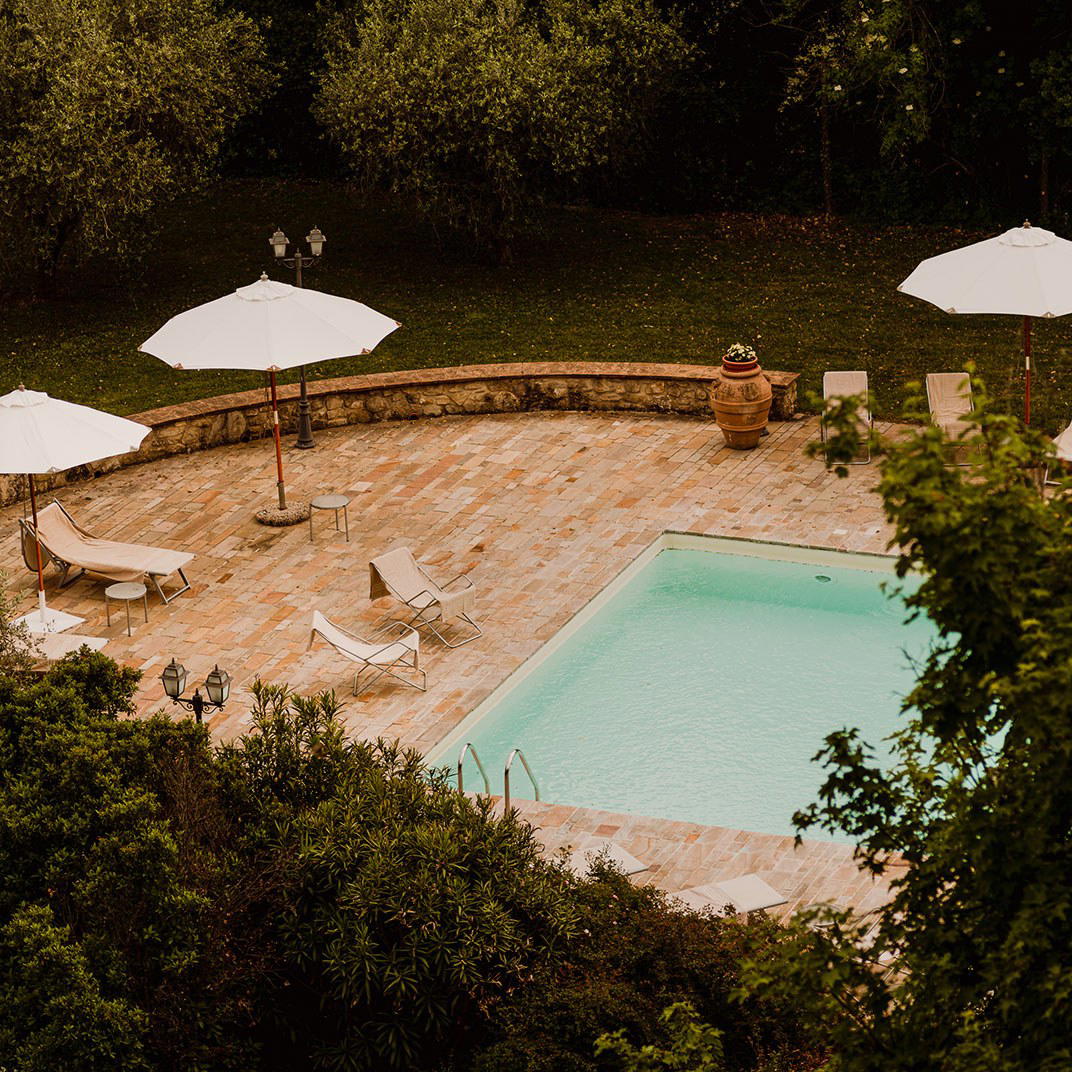
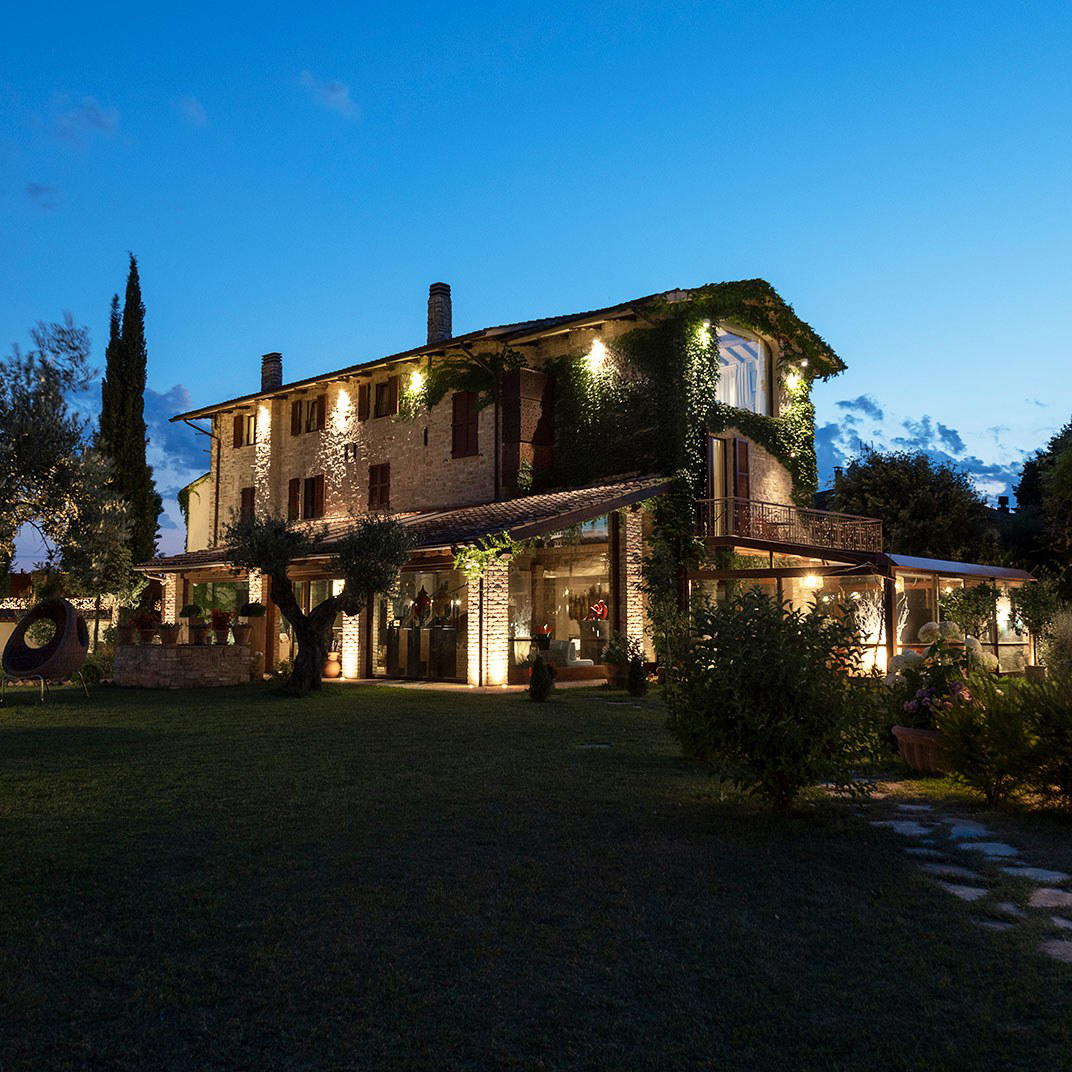
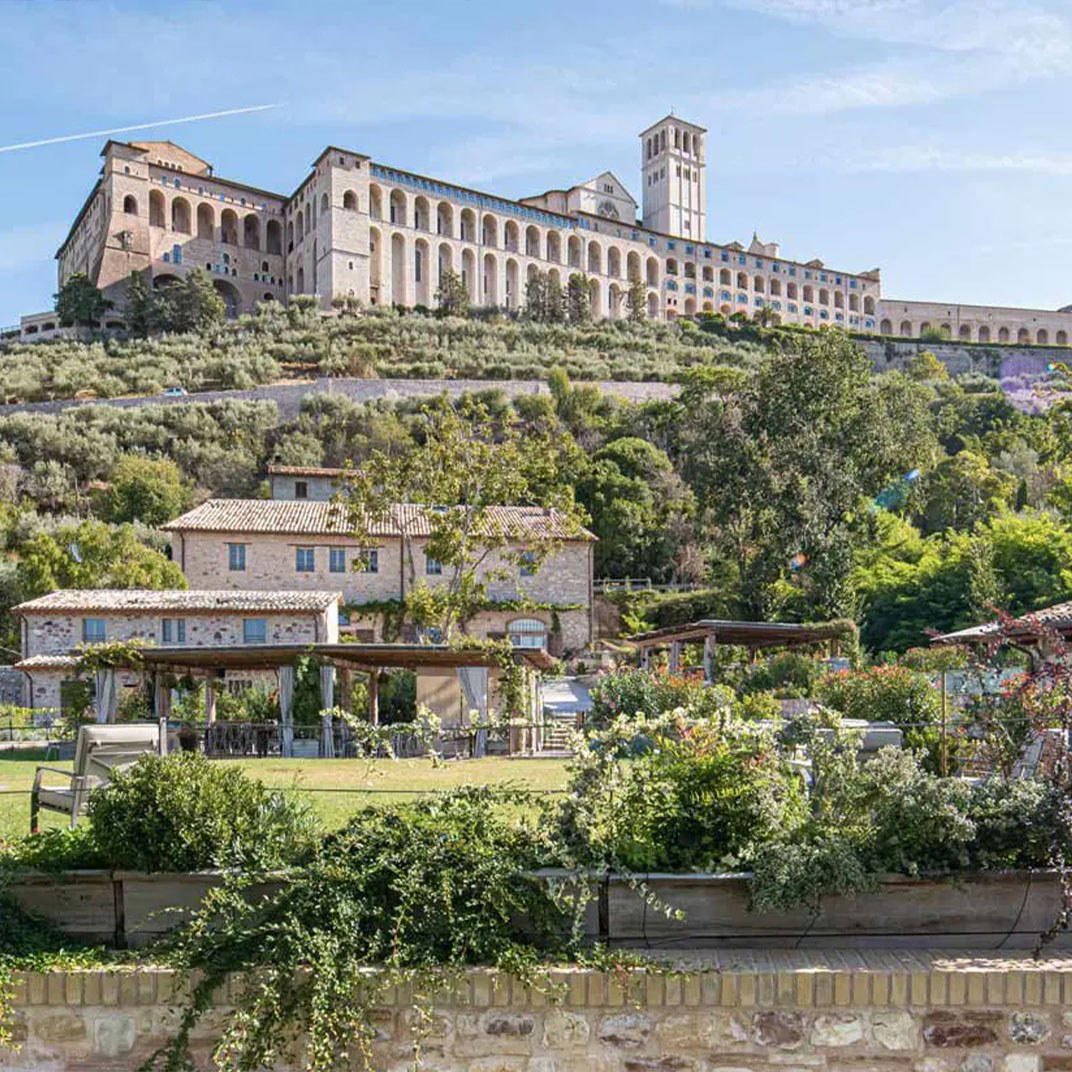
A modern, hilltop winery setting with a strong sense of place: panoramic valley views, vineyard surroundings, and a contemporary cellar experience rooted in Umbrian tradition.