Patritti

Patritti gives Adelaide’s urban-winery culture a rare piece of living viticultural history: a working suburban cellar door tied to old-vine Grenache and Shiraz, with roots back to 1926 and the Marion Vineyard planted in 1907. The draw is not rural seclusion but metropolitan wine heritage, original oak vats, a broad South Australian portfolio, and a relaxed Cellar II setting built for tasting, food trucks, live music, and repeat local use.
Pearl is the En Primeur Club membership app — saves, bookings, and concierge access live there. Same editors, same standards.
- Address
- Dover Gardens, South Australia, Australien
- Directions
- Get directions
 Saves & bookings on Pearl
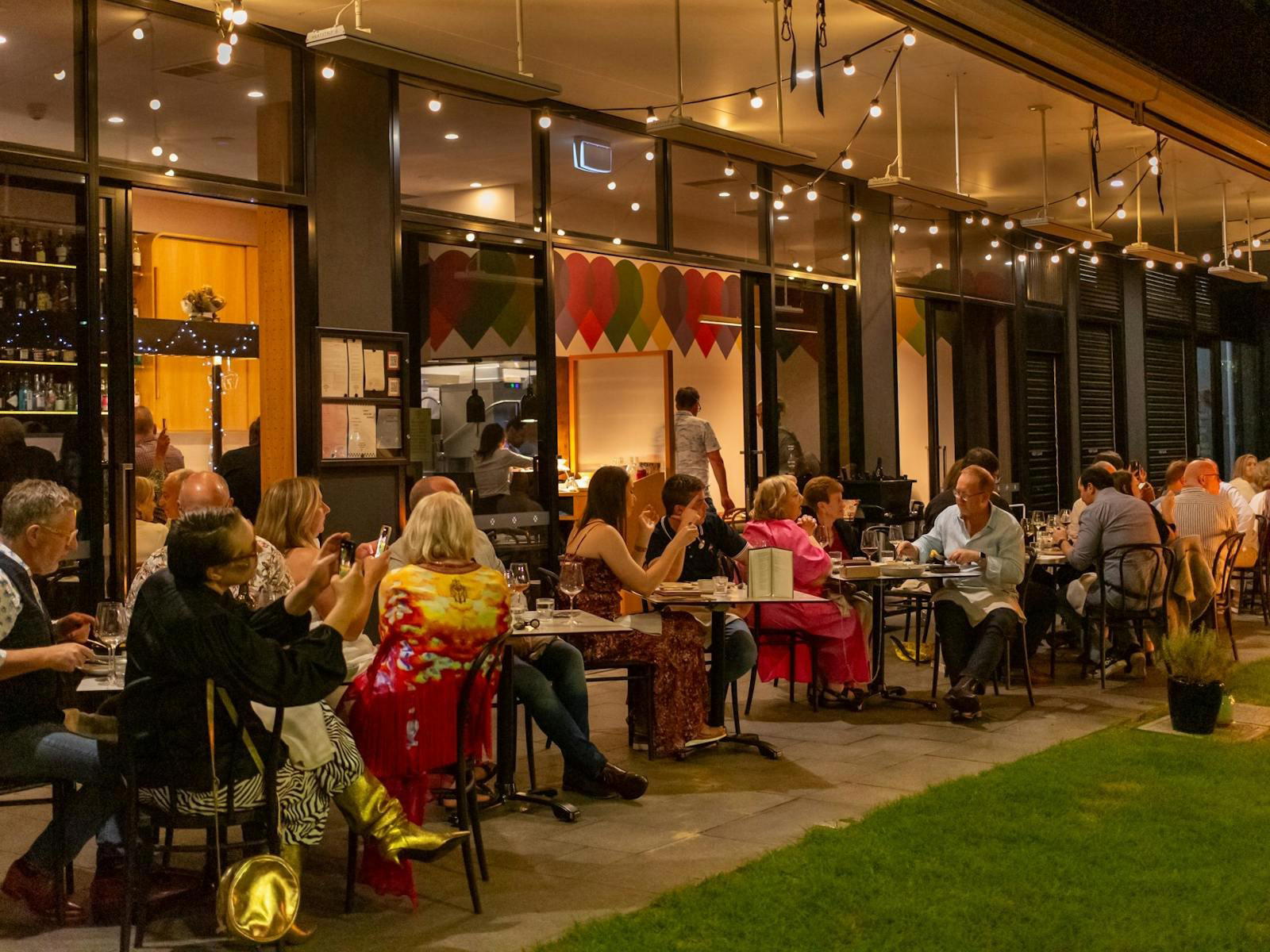
Patritti begins with a useful contradiction: it feels like a winery that should sit beyond the city, yet its identity is inseparable from suburban Adelaide. Original oak vats, historic cellar buildings and the newer Cellar II tasting room put production memory and contemporary hospitality in the same frame. The tone is social rather than hushed, with a piazza-style outdoor area, regular live music and food trucks giving the cellar door the rhythm of a local gathering place rather than a once-a-year wine-tour stop.
That urban setting matters because South Australian wine tourism often trades on distance: vineyard roads, long lunches, rural views and regional itineraries. Here, the argument is different. Patritti is a fully operational urban winery in Dover Gardens, founded in 1926, and its appeal comes from continuity inside the city fabric. For readers mapping the area more broadly, Our full Dover Gardens wineries guide is the natural companion, while nearby planning can be widened through Our full Dover Gardens restaurants guide, Our full Dover Gardens bars guide, Our full Dover Gardens hotels guide and Our full Dover Gardens experiences guide.
Urban old vines give the cellar door its real authority
The defining wine story is the Marion Vineyard, described as the world’s oldest commercially producing urban vineyard, planted in 1907 and held on original rootstocks. In a country where old vines often become shorthand for Barossa or McLaren Vale gravitas, this is a different register of heritage: Grenache and Shiraz surviving in a residential environment, close enough to daily city life that the vineyard reads as cultural memory as much as viticulture.
The Urban Vineyard Collection builds directly from that premise, drawing on three historic vineyards within the City of Marion. That makes place the point, not a decorative backstory. The wines sit within the Adelaide Zone, but their appeal is less about grand regional sweep than about compression: old vines, city land, family ownership and a working production facility held together in one suburban site. The result is a cellar-door narrative that feels specific to Adelaide rather than interchangeable with a generic Australian winery visit.
Broader portfolio prevents the heritage angle from becoming narrow. Shiraz, Grenache, Cabernet Sauvignon, Chardonnay, rosé, Muscat, sparkling wines and fortified styles all appear in the range, alongside McLaren Vale and Adelaide Hills sourcing through the Merchant Series. That range architecture matters for mixed groups: one visitor can follow the urban-vineyard thread, another can stay with familiar regional styles, and another can use the visit as an introduction to fortified wine.
A working winery with a broad, contemporary drinking brief
Patritti’s production identity is not built around a single cult bottling. It is broader and more practical than that, with Family Range wines, Urban Vineyard Collection releases, Merchant Series bottles, Alternative & Limited Releases, Lavoro wines, fortified wines, juice and V.no, the non-alcoholic wine line made from 100% South Australian grapes. In 2026, that breadth reads as commercially alert: cellar doors increasingly need to serve serious tasters, casual drinkers, drivers, families and no-alcohol guests without flattening the wine message.
The fortified program gives the portfolio one of its clearest technical anchors. Rare Fortified wines are aged for a minimum of fifteen years before release, a timescale that places patience at the centre of the category. In a tasting context, that long maturation offers a useful counterweight to the fresher still and sparkling wines, especially for visitors interested in how South Australian producers preserve older drinking traditions while adding contemporary formats.
Winemaking leadership is listed with James Mungall and Ben Heide, though the more interesting editorial point is the production model itself: a medium regional winery with urban production, on-site bottling and vineyard sources across Marion and McLaren Vale. That combination gives the place a different texture from cellar doors that function mainly as tasting rooms. The oak vats are not just décor; they frame the visit inside a working wine environment.
How to read the visit
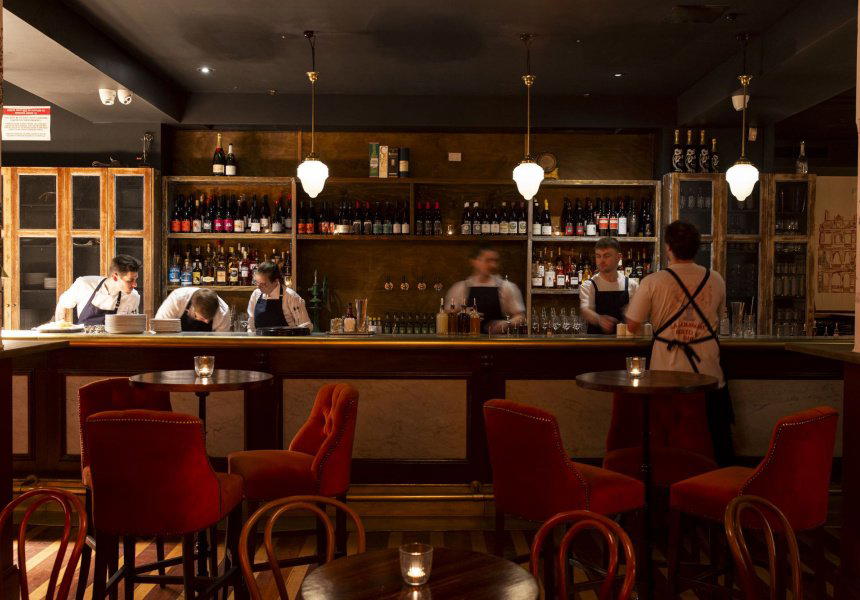
The experience is strongest when treated as an urban wine stop with heritage depth, not as a polished resort-style cellar door. Tastings can take bar, seated, guided and group formats, with English-language hosting and a typical visit running around 60 to 120 minutes. The historic vat room gives wine education a physical setting, while the outdoor garden and piazza area make the venue more forgiving for groups, families and relaxed weekend drinkers.
The hospitality signals are broad: outdoor seating, on-site parking, wheelchair access, children welcome, dogs accepted, group suitability, food pairing, shipping and wine club infrastructure. The mood is lively, and that is part of the value proposition. Visitors looking for silent, appointment-only grandeur may prefer a different style of cellar door; those interested in urban wine culture, old-vine continuity and a social Adelaide setting will find the format coherent.
Recognition here is strongest in heritage and visitor traction rather than a neatly itemised awards shelf. The wines are presented as award-winning, and annual visitation exceeds 50,000, but the more persuasive claim is structural: few Australian urban wineries can connect a 1926 foundation, a 1907 vineyard, original-rootstock Grenache and Shiraz, fortified wines aged at least fifteen years, and a contemporary no-alcohol line in one visit.
For a wider Australian wine itinerary, Patritti sits well alongside broader research rather than direct local comparison. EP Club’s winery archive can extend the map through 19 Crimes in Southbank, Accolade Fine Wines in Melbourne, Adelina Wines in Clare Valley, Alice Springs Brewing Co in Alice Springs, Alkina Estate in Greenock, Alkina Wine Estate in Barossa Valley, All Saints Estate in Rutherglen, Allegiance Wines in Alstonville, »der Steiner« Hans Steiner in Podersdorf am See and & Handwein in Mannheim.
Recognition history
Dated appearances from independent guides and award organizations, with the underlying list record or original source where available.
Falstaff Winery - Listed
Falstaff
Continue exploring
More in Dover Gardens
Wineries in Dover Gardens
Browse all →
Bars in Dover Gardens
Browse all →
Restaurants in Dover Gardens
Browse all →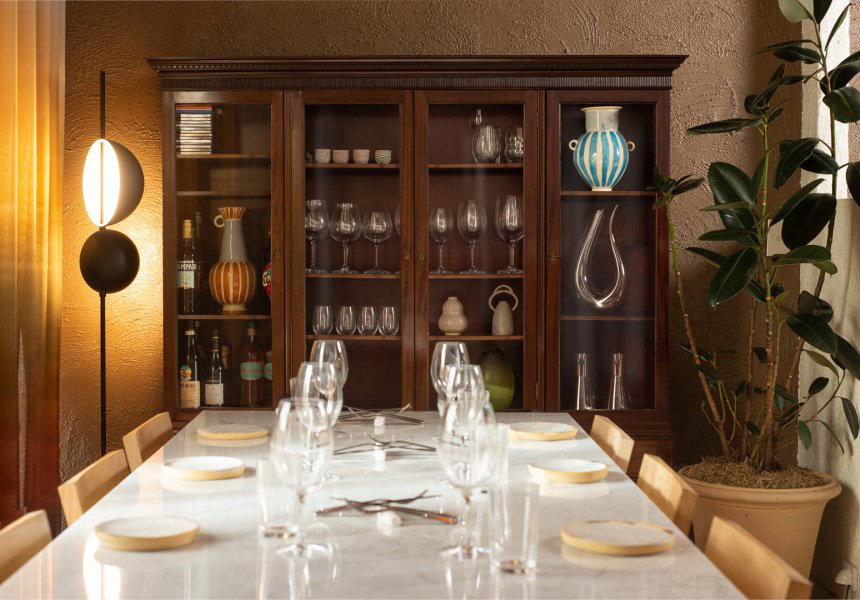


At a Glance
- Lively
- Cozy
- Rustic
- Group Outing
- Family
- Wine Education
- Special Occasion
- Solo Exploration
- Historic Building
- Barrel Room
- Garden
- Private Tasting
- Vineyard
- Garden
- Adelaide Zone
- Shiraz
- Grenache
- Cabernet Sauvignon
- Chardonnay
- Rosé
- Muscat
- Sparkling
- Fortified
- Still Red
- Still White
- Still Rosé
- Sparkling
- Fortified
- Dessert
- Bar Tasting
- Seated Tasting
- Guided Tasting
- Group Tasting