
Mundo Revés belongs to Mendoza’s smaller, site-led winery tier: French-founded, Uco Valley-focused, and more interested in altitude, texture, and biodiversity than cellar-door spectacle. Its strongest signals are the breadth of its portfolio, from Malbec and Cabernet Franc to Criolla, Torrontés and Pet Nat, plus recent Vinous and Descorchados scores that put several bottlings into serious critical territory.

Pearl is the En Primeur Club membership app — saves, bookings, and concierge access live there. Same editors, same standards.

Mundo Revés is best understood as a small, terroir-focused boutique winery in Mendoza, with its identity tied to high-altitude Uco Valley sites and a more artisanal, nature-driven atmosphere than a conventional wine-tourism setting. The emphasis is on freshness, texture, and mountain character rather than spectacle, scale, or a heavily polished hospitality model. In practical terms, that makes the winery feel most relevant for visitors who are interested in how Mendoza’s landscape translates into the glass, and who prefer a quieter sense of place over a checklist of amenities.
What can be said with confidence is that Mundo Revés fits the contemporary Mendoza conversation around high-altitude fruit, site expression, and a thoughtful, low-intervention approach. The useful lens is one of restraint, altitude, and the increasingly important idea that the Uco Valley’s mountain setting can shape wines through freshness, structure, and texture.
Uco Valley altitude and a terroir-first point of view
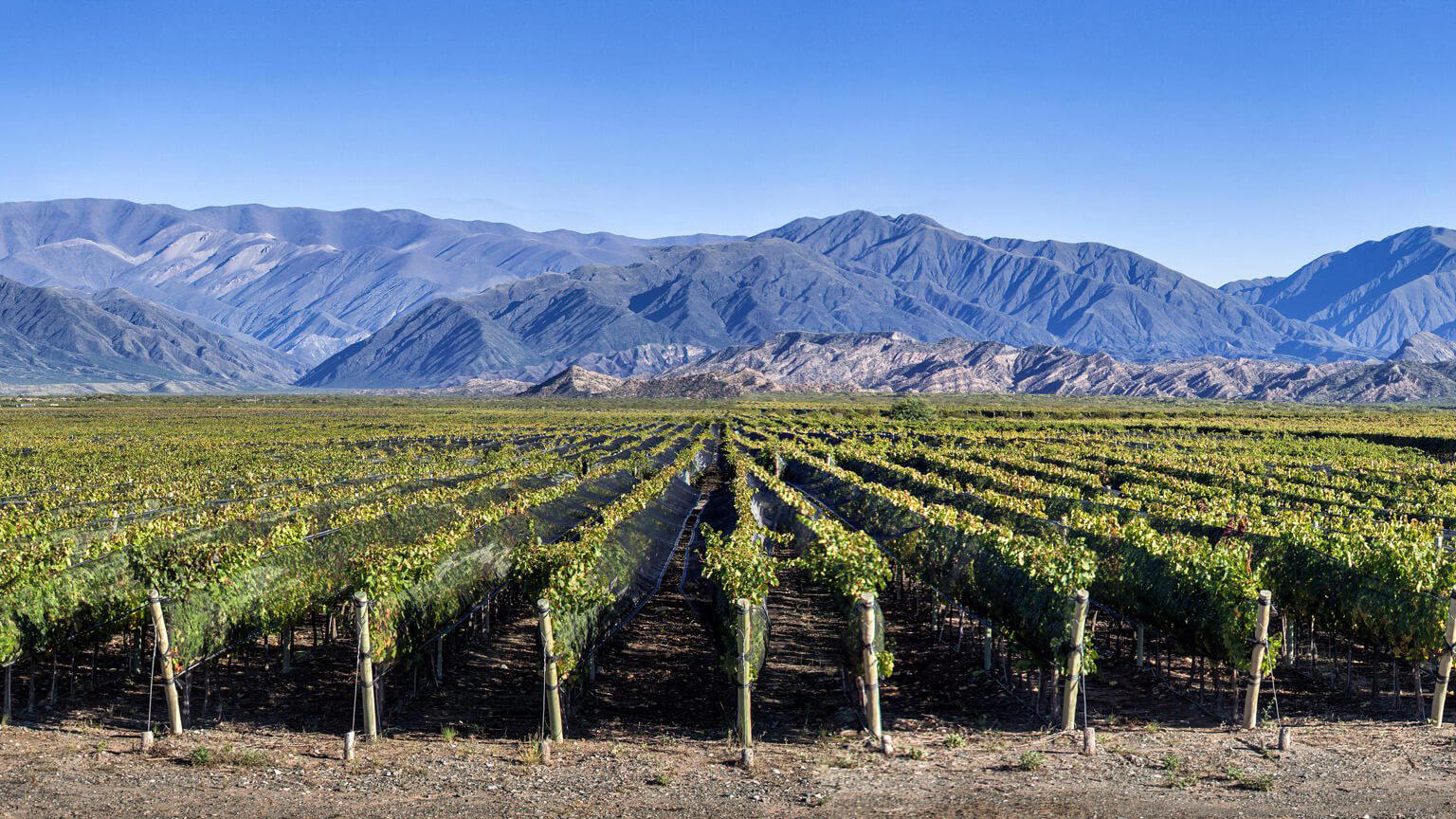
The core appeal of Mundo Revés is its focus on terroir. Mendoza is broad and varied, and the Uco Valley is especially associated with altitude, mountain influence, and wines that can show freshness as well as structure. The winery belongs in that frame: a boutique project emphasizing texture, freshness, and mountain character from high-altitude sites. That positioning gives the winery a clear identity without needing to lean on louder claims; the landscape itself is the central reference point.
Rather than presenting the winery through claims about specific grapes, bottlings, scores, founders, or formats, the more reliable reading is stylistic. The winery is positioned as a small-scale, site-conscious producer for visitors who care about the relationship between landscape and wine. In this context, terroir is not just a decorative word. It is the reason to pay attention: altitude, mountain influence, and a sense of freshness are the recurring themes that define how the winery should be approached.
No confirmed award, rating, or ranked-list recognition is available in the available information. For that reason, the winery should not be framed around scores or accolades here; its grounded hook is its terroir-focused, low-intervention identity in Mendoza. The winery is better understood through place, scale, and style than through external validation.
A nature-driven winery profile
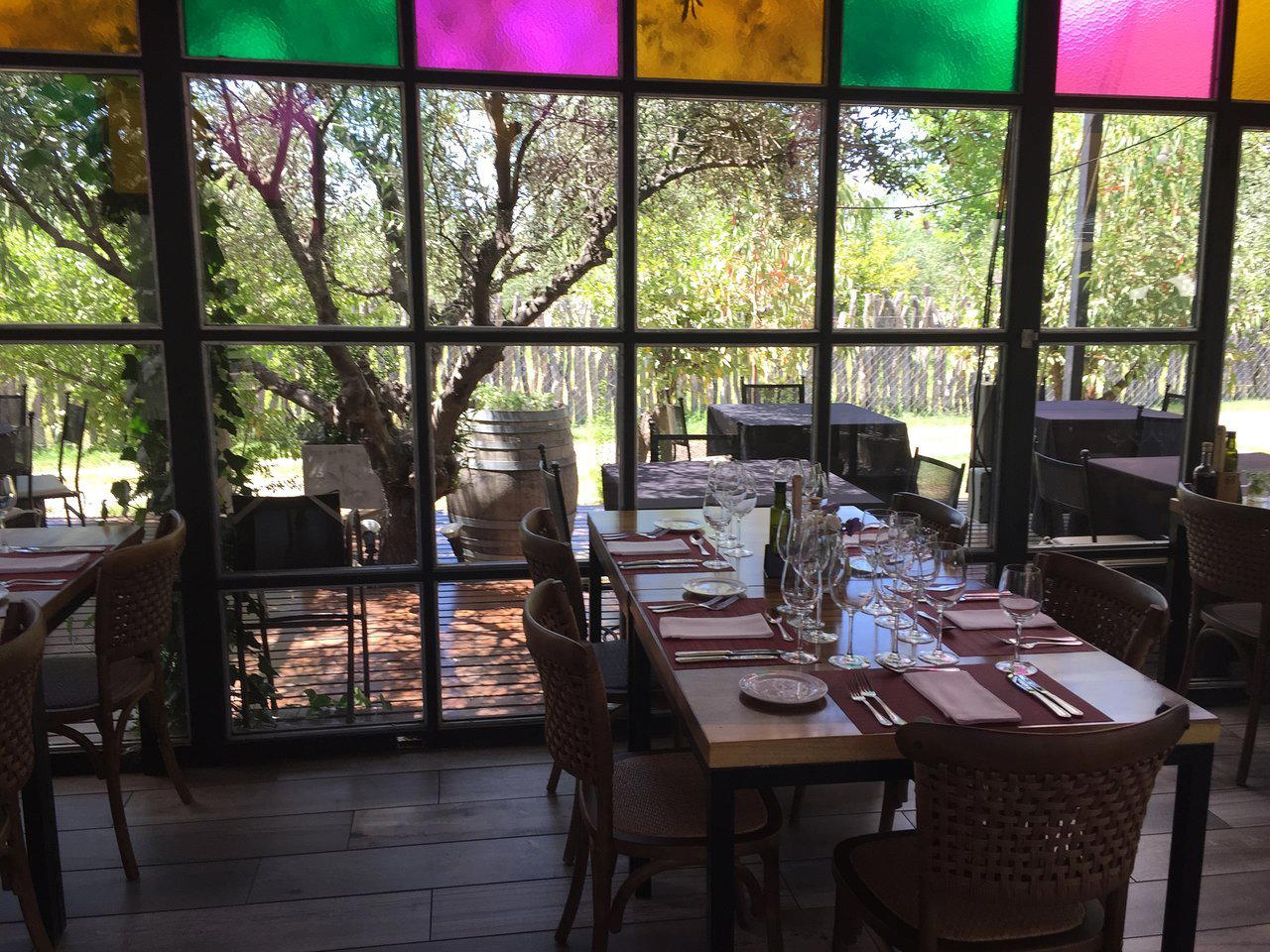
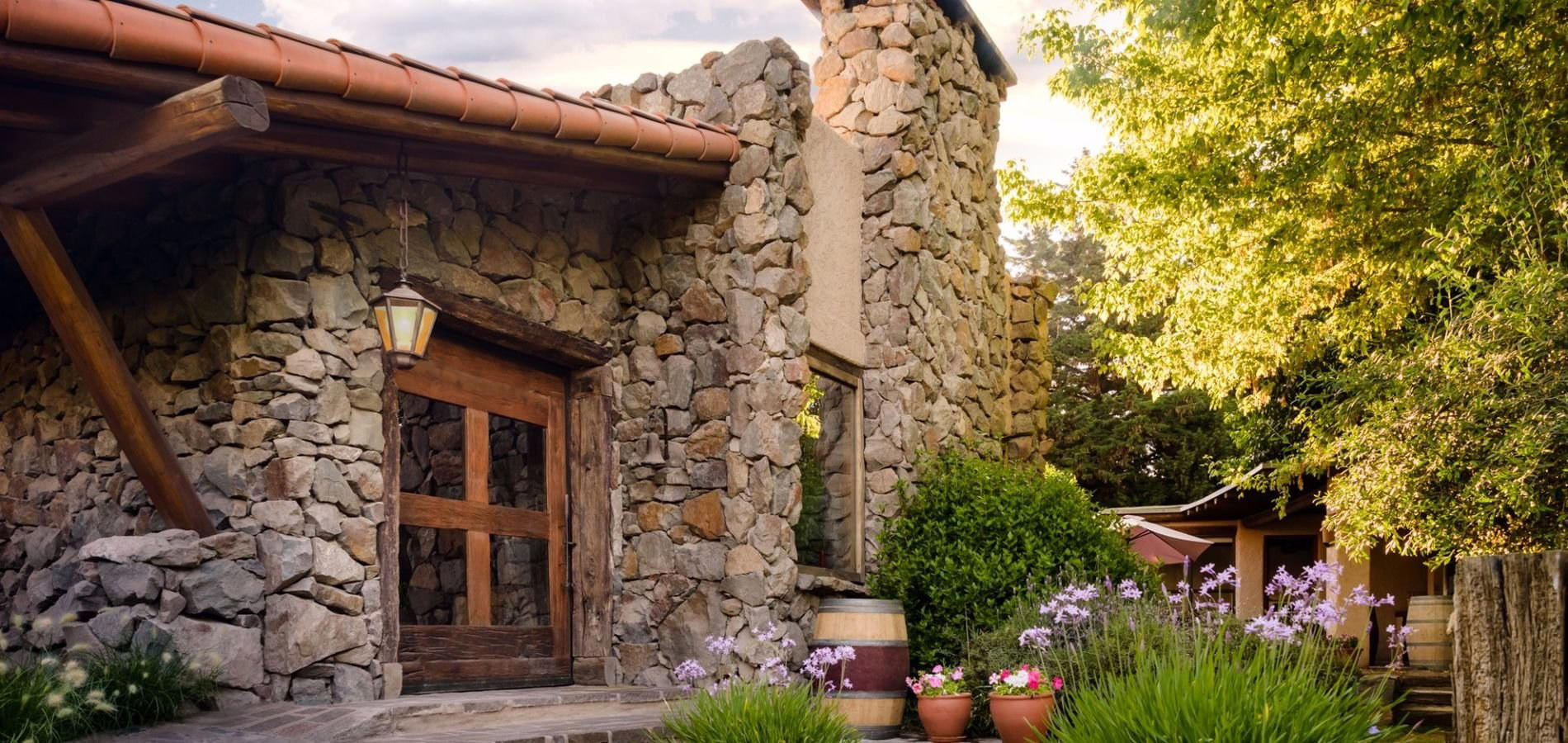
The winery is described through a thoughtful, low-intervention approach, with an atmosphere that feels artisanal and nature-driven rather than touristic. That is the strongest signal: this is not a page to build around luxury amenities, elaborate food programming, or a large-scale visitor operation. The winery’s character come from a quieter register, where the experience is framed by the surrounding landscape and by a sense of careful, small-batch attention rather than by spectacle.
The winery’s appeal is better framed around restraint and place. For travelers interested in Mendoza beyond particularly commercial wine experiences, the winery offers a smaller, more terroir-led counterpoint: high-altitude Uco Valley sites, freshness, texture, and mountain character. That combination makes it especially easy to place within a more reflective style of wine travel, where the question is not only what is poured, but what the wine express about the conditions that produced it.
Visitors should treat those details as something to confirm directly with the winery rather than as established facts here. This is particularly important because the overall profile suggests a more personal and less standardized setting, and the practical details of a visit may matter. The safest editorial framing is therefore to emphasize the confirmed identity while leaving logistics to direct confirmation.
How to place it in a Mendoza itinerary
The winery is a strong fit for travelers who want a quieter Mendoza wine stop centered on place rather than polish. Its profile points to a boutique winery with an artisanal, nature-driven feel and a focus on terroir from high-altitude Uco Valley sites. It would work well for visitors who are already drawn to the Uco Valley’s mountain context and who want a visit that feels grounded in freshness, texture, and site expression.
Within a broader Mendoza trip, place the winery as the small-scale, thoughtful option: less about a touristic production and more about a focused expression of mountain-influenced wine. The confirmed price level is $$$, so it sits in a premium bracket without requiring unsupported claims about service format, menus, or awards. Strong reason to include it is the clarity of its positioning: a terroir-first Mendoza winery whose appeal rests on altitude, restraint, and a nature-driven sense of place.
Recognition history
Dated appearances from independent guides and award organizations, with the underlying list record or original source where available.
Falstaff Winery - Listed
Falstaff
Continue exploring
More in Mendoza
Wineries in Mendoza
Browse all →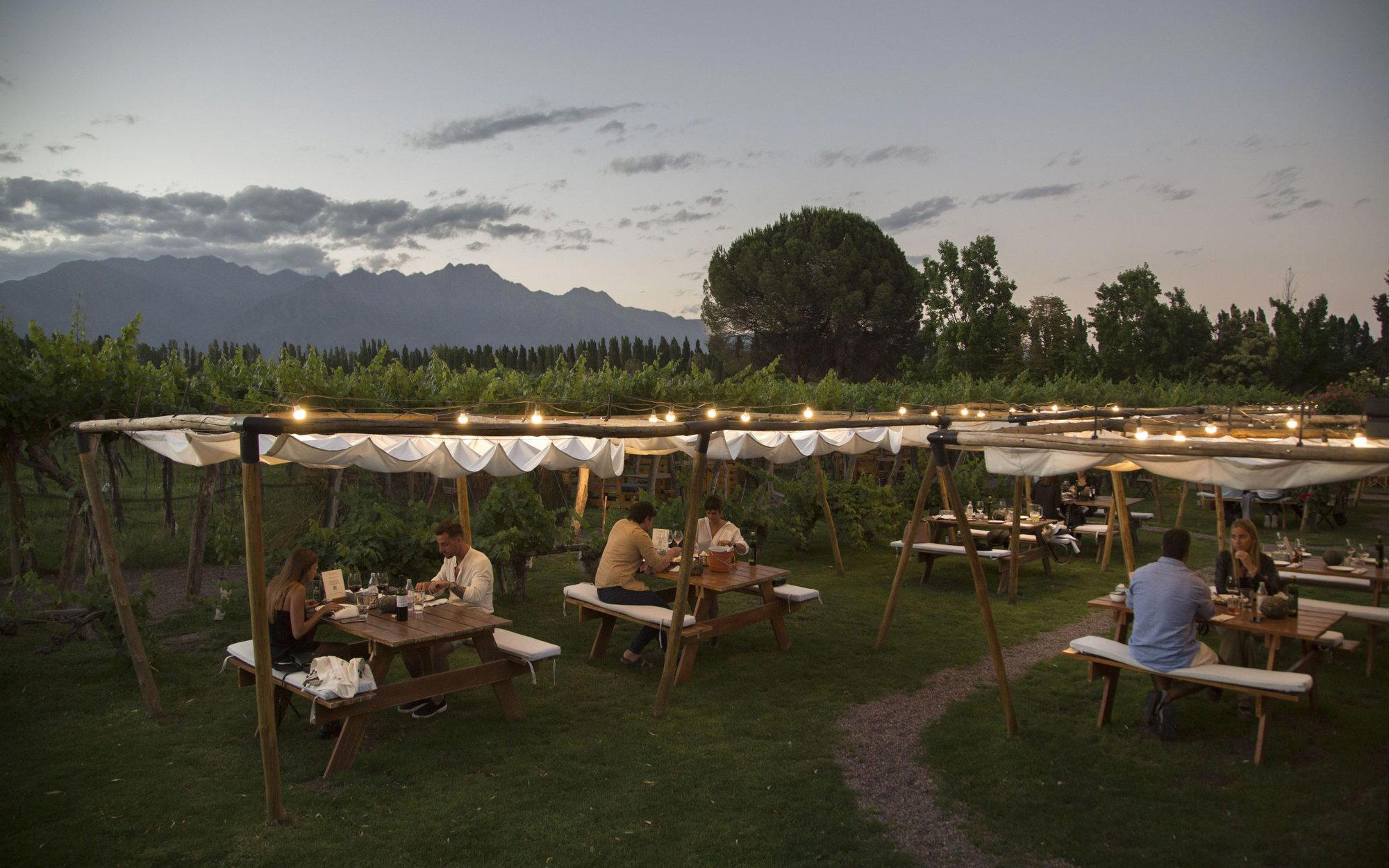
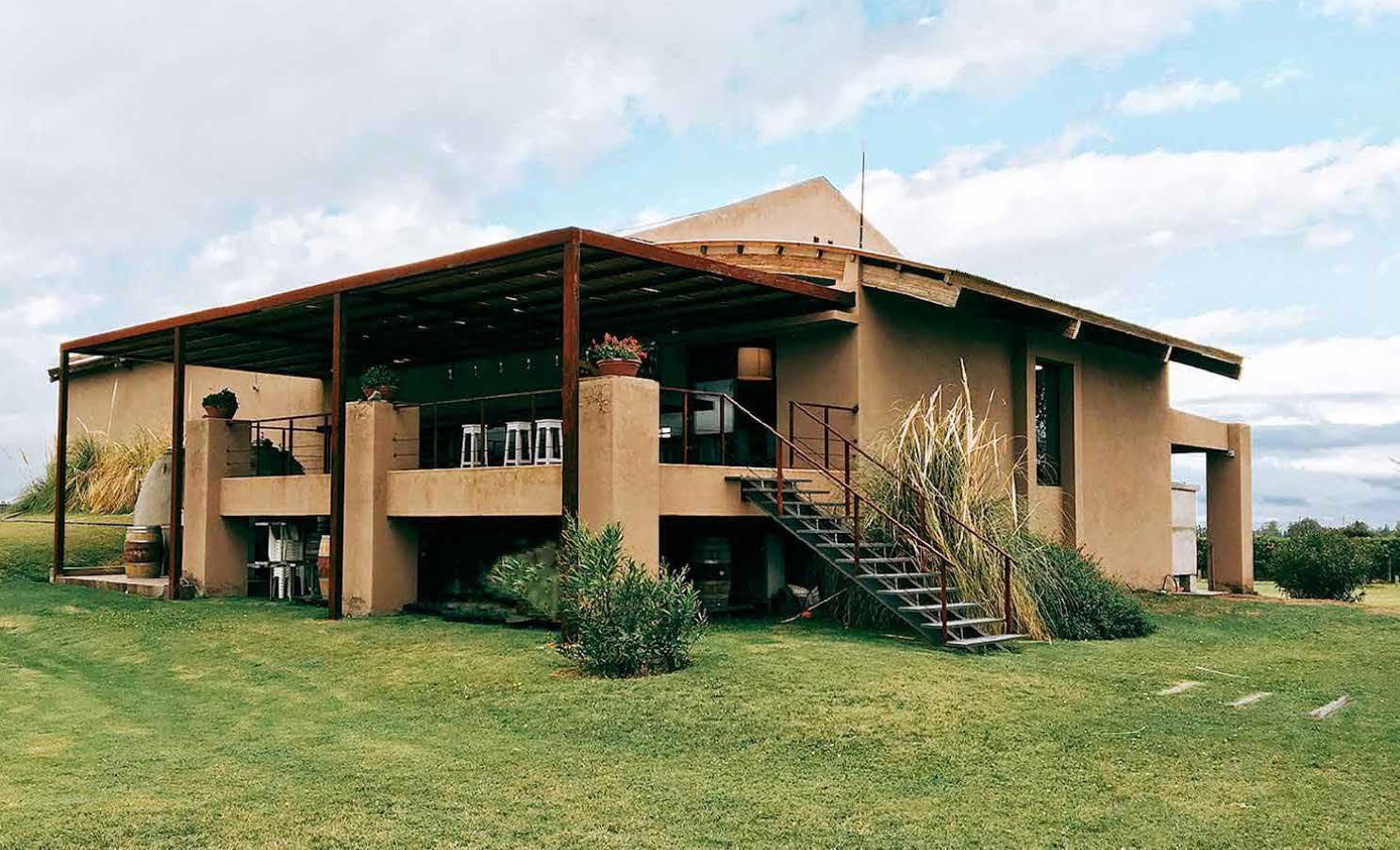
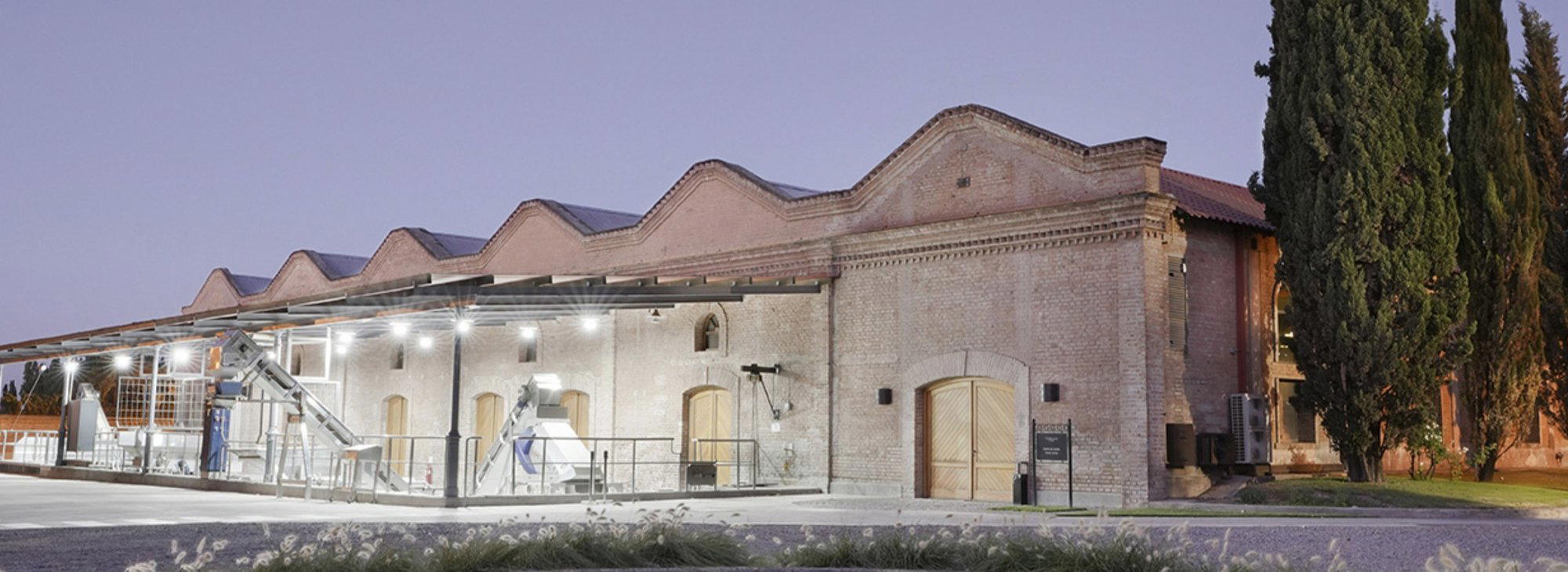
Bars in Mendoza
Browse all →
Restaurants in Mendoza
Browse all →
At a Glance
- Scenic
- Rustic
- Intimate
- Sophisticated
- Romantic Getaway
- Group Outing
- Solo Exploration
- Wine Education
- Special Occasion
- Vineyard Tour
- Estate Grounds
- Panoramic View
- Private Tasting
- Organic
- Sustainable
- Mountain
- Vineyard
- Uco Valley IG
- Malbec
- Cabernet Franc
- Bonarda
- Semillon
- Sauvignon Blanc
- Criolla
- Torrontés
- Still Red
- Still White
- Pet Nat
- Skin Contact
- Private Tasting
- Vineyard Tour
- Estate Visit
Small, terroir-focused boutique winery with a thoughtful, low-intervention approach, emphasizing freshness, texture and mountain character from high-altitude Uco Valley sites; atmosphere is artisanal and nature-driven rather than touristic or flashy.