Meerlust Wine Estate

One of Stellenbosch's most historically significant estates, Meerlust sits on the R310 Baden Powell Drive with a pedigree that places it firmly in the upper tier of Cape winemaking. Visitors come for the wine, but stay for the sense of place.
Pearl is the En Primeur Club membership app — saves, bookings, and concierge access live there. Same editors, same standards.
- Address
- 33 Baden Powell Dr, R310, Stellenbosch
- Phone
- +27 21 843 3587
- Website
- meerlust.co.za
- Directions
- Get directions
 Saves & bookings on Pearl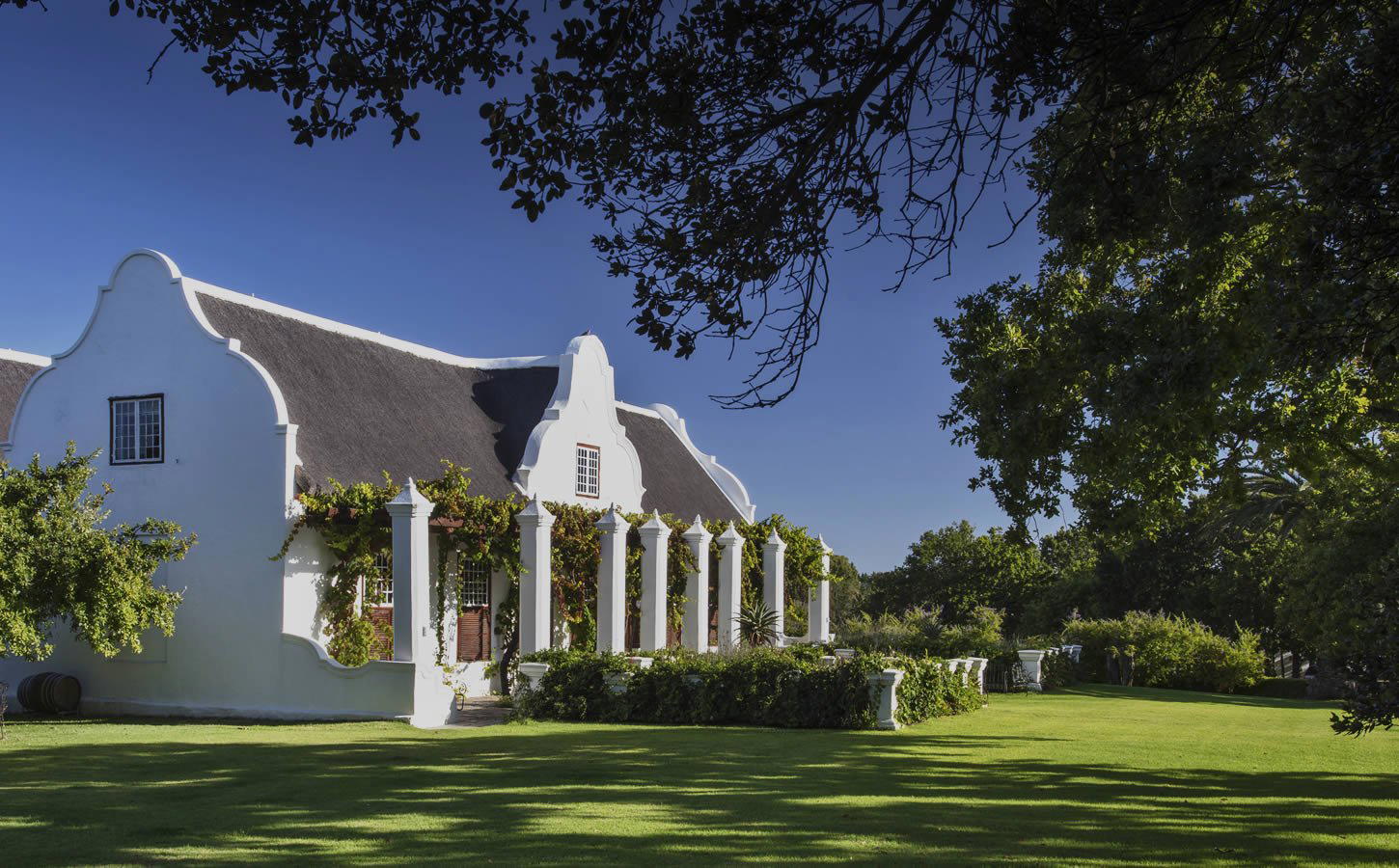
Where the Cape's Bordeaux Tradition Takes Root
The Stellenbosch wine corridor along Baden Powell Drive carries a particular weight. Farms here have been producing wine since the seventeenth century, and the road itself connects estates that collectively define what Cape red wine looks and tastes like to the wider world. Meerlust Wine Estate, at number 33 on that stretch, occupies a position in this lineage that is less about recent accolades and more about the slow accumulation of vinous credibility over generations.
That kind of institutional weight is relatively rare in the Cape, where many estates have been reshaped by new ownership or repositioned toward hospitality revenue. Meerlust has remained, by contrast, a production-first property. The estate's identity is built on the wine in the bottle, which means visitors arrive with expectations calibrated differently from those walking into, say, Delaire Graff Estate, where the view and the restaurant compete equally with the cellar for attention.
The Approach and the Atmosphere
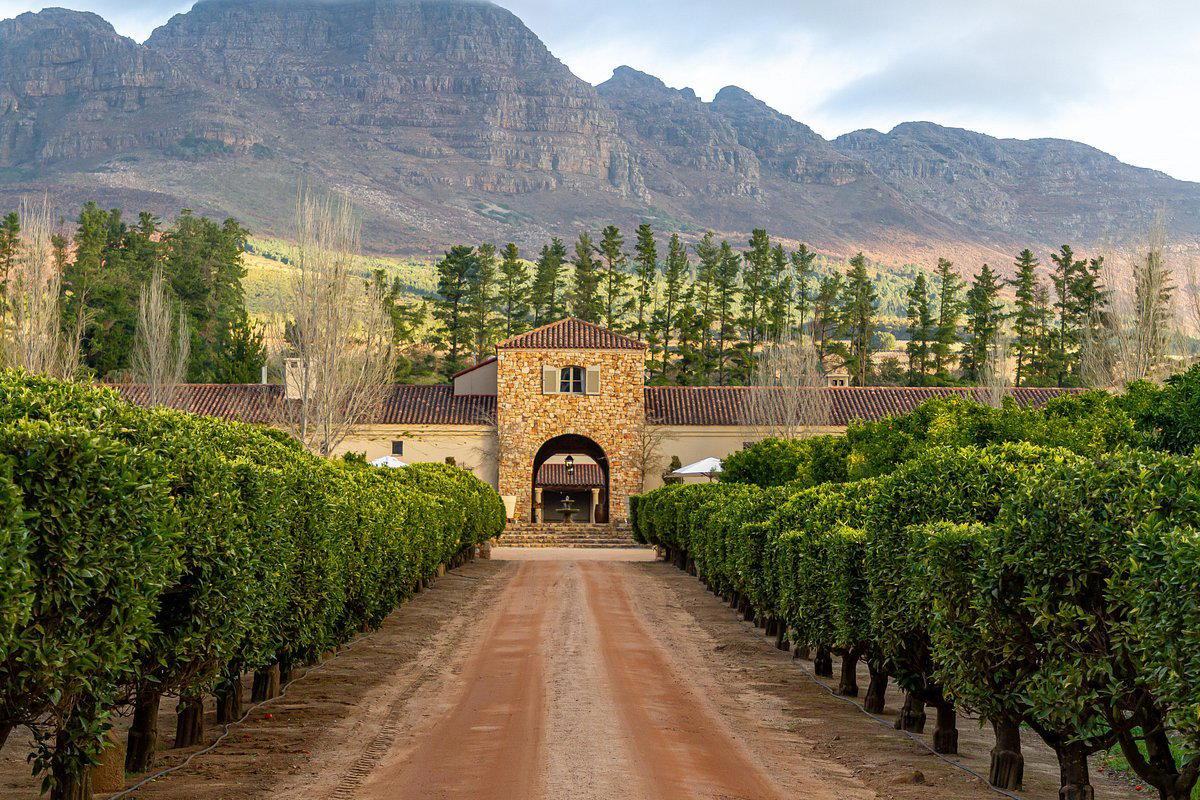
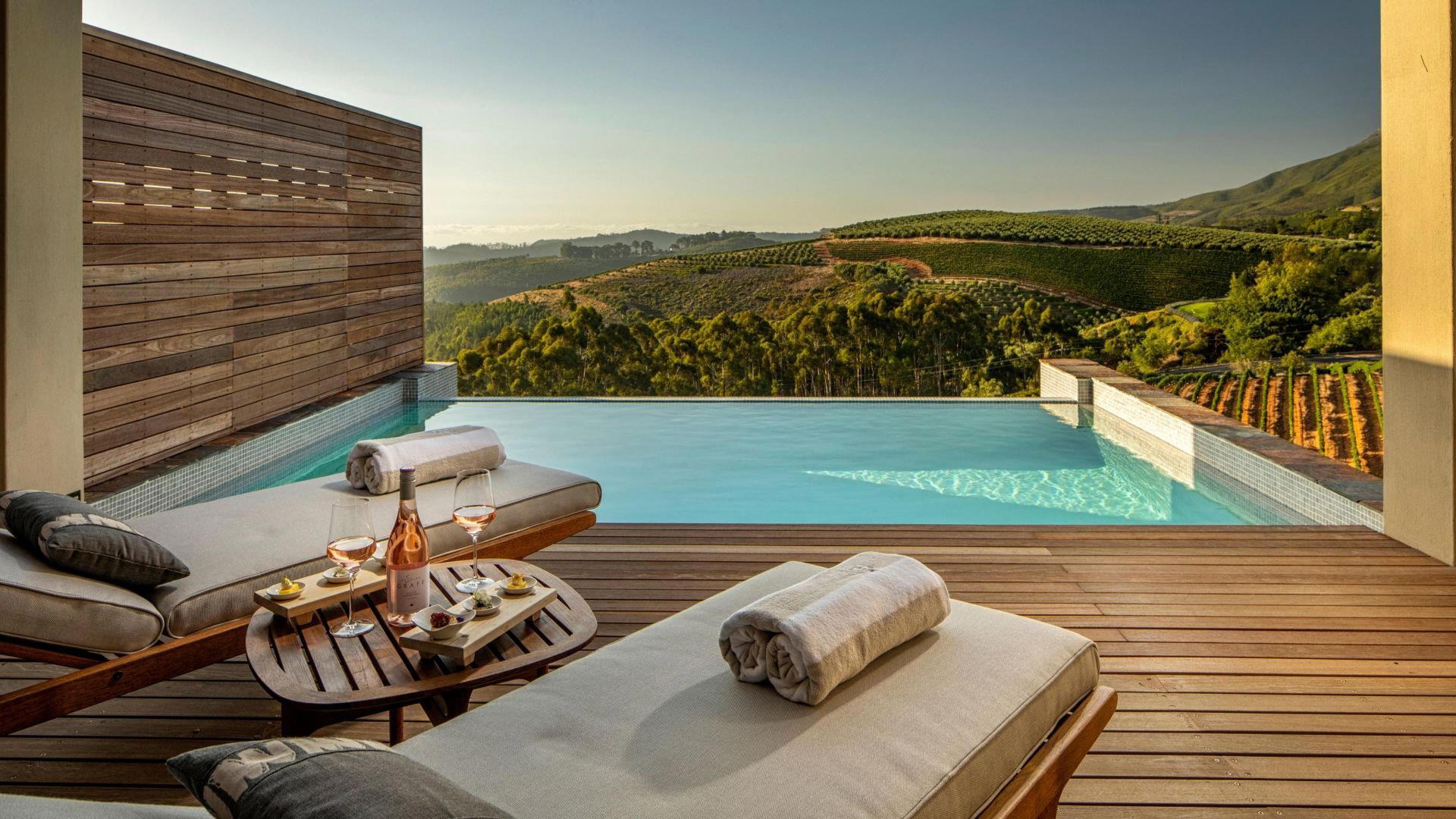
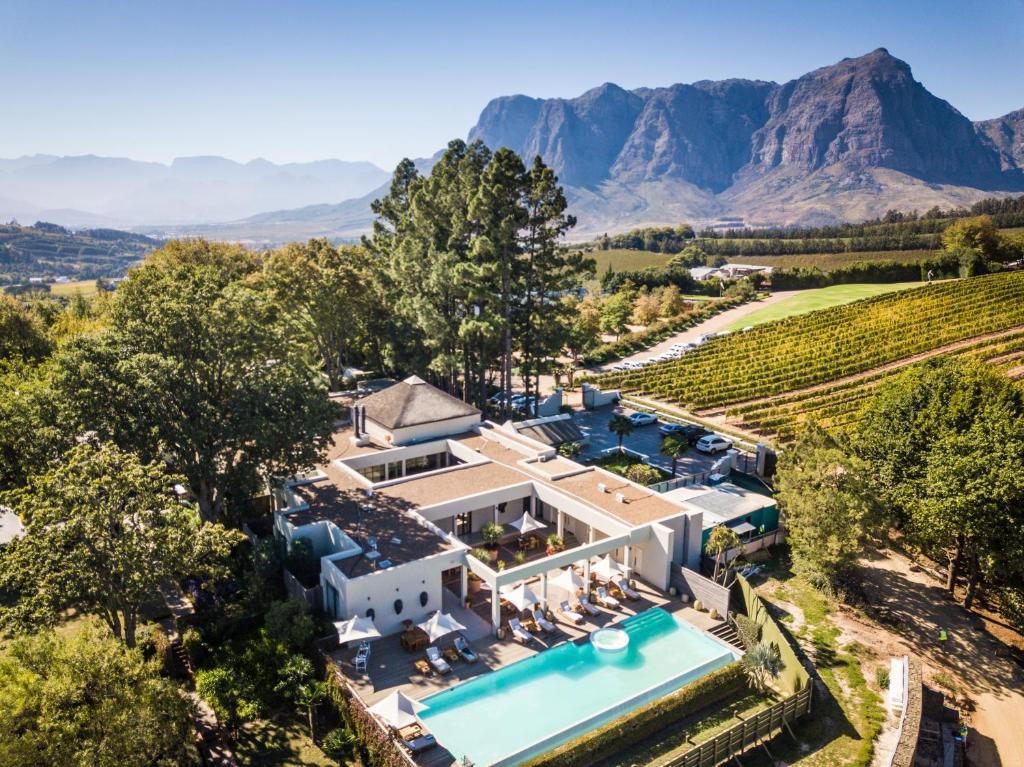
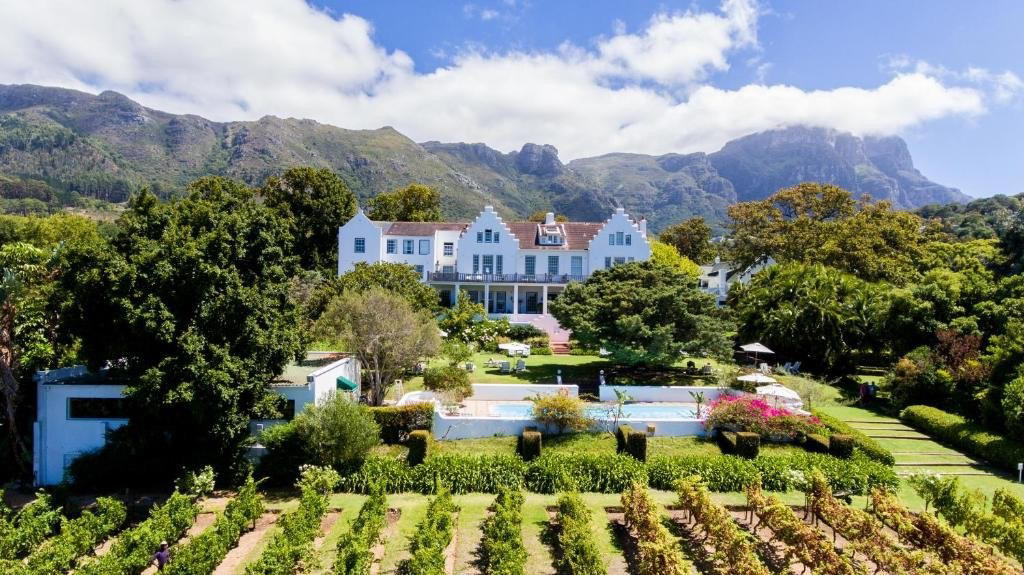
Driving off the R310, the estate presents itself in a way that signals age without performing it. The whitewashed Cape Dutch architecture, the oak trees, and the flat geometry of the vineyards combine into something that feels less like a tasting venue and more like a working farm that happens to welcome visitors. This is a meaningful distinction in Stellenbosch, where the premium segment has split between experience-led destinations and production-focused estates. Meerlust sits in the latter category, and the environment reflects that.
The tasting experience is shaped by this orientation. You are on the estate to engage with the wine, not to be entertained around it. The cellar and its processes remain the gravitational centre, and the staff who guide visitors through the range operate with that same seriousness. In a region where the front-of-house at many estates now functions more like a hotel concierge, the approach here is closer to a specialist wine merchant: knowledgeable, direct, and confident that the product can carry the conversation.
Wine First: The Bordeaux Lineage in the Cape
Stellenbosch's red wine identity has always leaned toward Bordeaux varieties, and Meerlust is among the estates most closely associated with that tradition at the serious end. The region's terroir, particularly in the warmer inland pockets around the Helderberg and False Bay corridors, suits Cabernet Sauvignon and Merlot in ways that cooler Coastal regions cannot replicate. Estates that commit to these varieties at an estate scale, rather than sourcing across appellations, carry a different kind of credibility in the broader Cape wine conversation.
For context, this peer group includes properties like Vergelegen Wine Estate in Somerset West and Constantia Glen in Cape Town. Each of these estates makes a different argument about how Cape Bordeaux varieties should taste, and tasting across them is one of the more instructive exercises available to wine travellers in the Western Cape.
Meerlust's argument has historically been about discipline and patience. The estate is associated with wines that reward cellaring, and its allocation model reflects a production philosophy that prioritises quality over volume. This is not a property positioning itself against Spier Wine Farm or Asara Wine Estate in the accessible, visitor-volume tier. It competes in a smaller, more deliberate bracket.
The Team Behind the Experience
In the Stellenbosch context, the estates that sustain serious reputations over decades tend to share a structural characteristic: the relationship between the cellar team and the people presenting the wines to visitors is close and mutually reinforcing. At volume-driven estates, tasting room staff and winemakers operate in separate silos. At Meerlust, the editorial angle of the visitor experience is set by the cellar, and the people pouring the wines carry that knowledge through to the conversation at the table.
This collaboration matters because Meerlust's wines require context to be appreciated fully. A guest who arrives knowing only that the estate is historically significant will leave with a different understanding than one who has been walked through the estate's approach to ripeness, oak management, and the patience built into the release schedule. The front-of-house here functions less as a welcome service and more as an extension of the winemaking philosophy. That is a specific kind of hospitality, and it is well-suited to visitors who have already done some reading.
For those travelling with a broader Cape wine itinerary, it is worth noting how Meerlust fits relative to other properties in the region. Tokara Winery and Neethlingshof Estate both offer strong tasting programs within Stellenbosch, but with different stylistic emphases. Venturing further afield, Babylonstoren in Franschhoek and Val de Vie Estate in Paarl each represent distinct approaches to how an estate integrates wine, land, and visitor experience. Creation Wines in Hermanus and Graham Beck Wines in Robertson extend the conversation into cooler-climate and sparkling formats that round out a serious Western Cape wine itinerary.
Stellenbosch in Context
Stellenbosch's premium wine tier has become increasingly bifurcated over the past decade. On one side sit the destination estates, where architecture, restaurants, and accommodation compete with the cellar for the visitor's attention and spend. On the other are the production-first properties, where the experience is more austere and the wines are the primary reason to visit. Meerlust belongs to the second category with more conviction than almost any other estate on the R310.
This means the estate will not suit every visitor. Travellers whose Stellenbosch experience is primarily about a scenic lunch with wine pairings will find more infrastructure for that at estates oriented toward hospitality revenue. But for visitors whose interest runs to understanding why the Cape's Bordeaux-influenced reds carry the reputation they do internationally, Meerlust offers something that cannot be replicated by a newer property with a better view.
Beyond Stellenbosch, estates in entirely different production traditions, from Oude Molen Distillery in Grabouw to Aberlour in Aberlour and Accendo Cellars in St. Helena, illustrate how deeply production philosophy shapes the visitor experience in fine wine regions globally. The principle that Meerlust embodies, that the wine itself is one eloquent guide, is one that serious wine estates in every region share.
Planning Your Visit
Meerlust Wine Estate is located at 33 Baden Powell Drive (R310), Stellenbosch. The R310 is the primary road connecting Stellenbosch town to Somerset West, and the estate is accessible by car. Meerlust operates by appointment only, so contact the estate directly to confirm availability before arriving.
Frequently Asked Questions
What's the leading wine to try at Meerlust Wine Estate?
Meerlust's reputation rests primarily on its Bordeaux-blend work. Any current release from the estate's flagship range is one instructive place to start.
What's the defining thing about Meerlust Wine Estate?
More than any single wine or award, what defines Meerlust is its consistency of purpose. In Stellenbosch, where many estates have repositioned toward hospitality, Meerlust has maintained a production-first orientation. For visitors whose primary frame of reference is the wine rather than the experience surrounding it, this coherence is the property's most distinguishing characteristic.
Do they take walk-ins at Meerlust Wine Estate?
Meerlust operates as a production estate rather than a high-volume hospitality destination, which means the visitor model is not built around walk-in throughput. Meerlust operates by appointment only, so reach out in advance. Estates in Meerlust's peer tier across Stellenbosch typically prefer appointments, and the quality of the tasting experience is materially better when the visit is expected.
Recognition, Side-by-Side
Comparable venues nearby, for context on price, style, and recognition.
| Venue | Cuisine | Price | Notes |
|---|---|---|---|
| Meerlust Wine EstateThis venue — the venue you are viewing | Cabernet Sauvignon, Merlot | $$$ | Not listed |
| Simonsig Wine Estate | Chardonnay, Pinot Noir | $$$ | Stellenbosch |
| Rustenberg Wines | Cabernet Sauvignon, Chardonnay | $$$ | Stellenbosch |
| Kanonkop Wine Estate | Pinotage, Cabernet Sauvignon | $$$ | Stellenbosch |
| Thelema Mountain Vineyards | Cabernet Sauvignon, Merlot | $$$ | Simonsberg |
| Ernie Els Wines | Cabernet Sauvignon, Merlot | $$$ | Helderberg |
Recognition history
Dated appearances from independent guides and award organizations, with the underlying list record or original source where available.
Falstaff Winery - Listed
Falstaff
Continue exploring
More in Stellenbosch
Wineries in Stellenbosch
Browse all →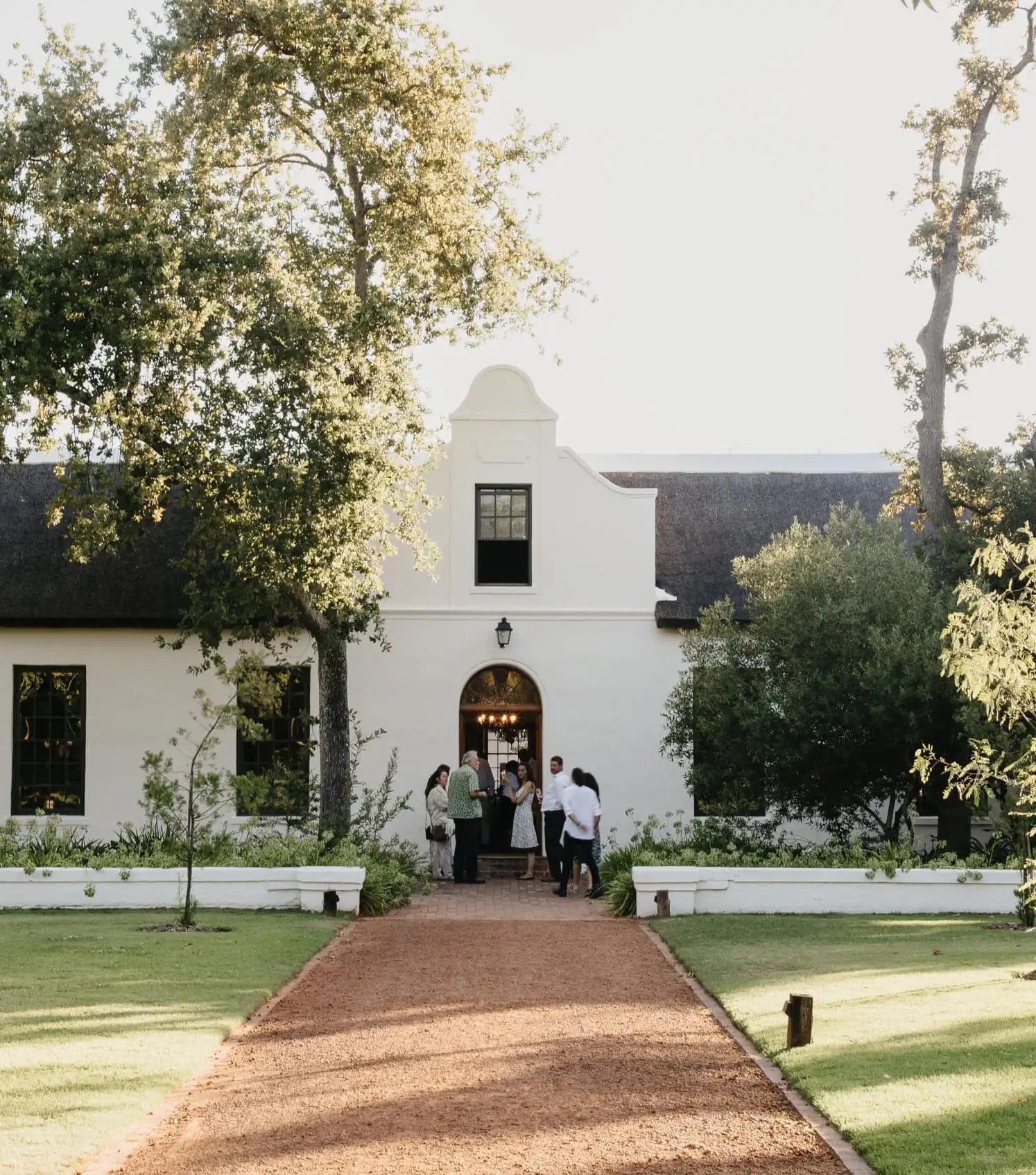
Bars in Stellenbosch
Browse all →
Restaurants in Stellenbosch
Browse all →
At a Glance
- Classic
- Elegant
- Scenic
- Well Known
- Rustic
- Wine Education
- Special Occasion
- Vineyard Tour
- Estate Grounds
- Historic Building
- Vineyard
- Garden
- Stellenbosch
- Cabernet Sauvignon
- Merlot
- Cabernet Franc
- Petit Verdot
- Pinot Noir
- Chardonnay
- Still Red
- Estate Tasting
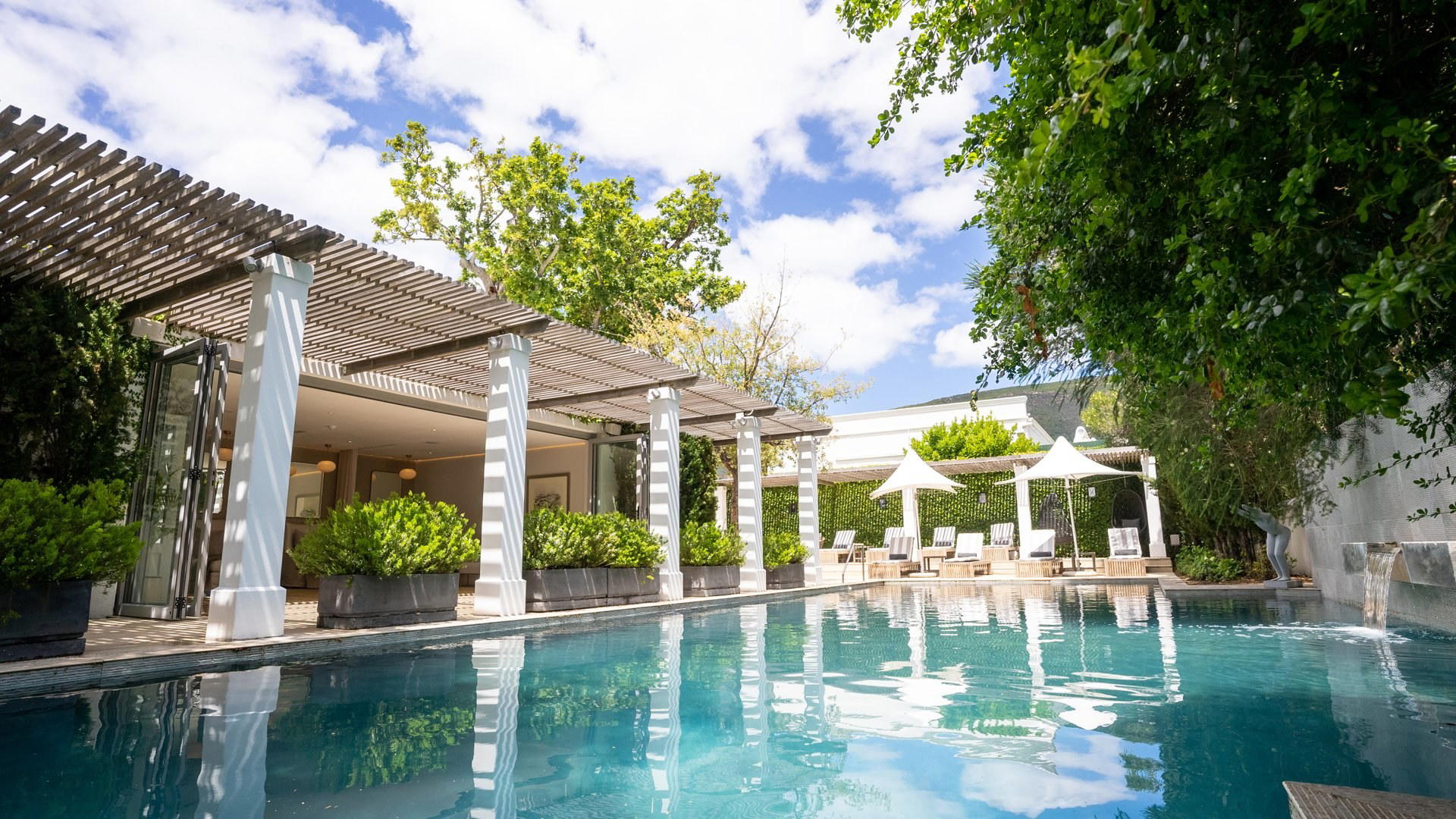
Classic and elegant atmosphere in a historic manor house with rose gardens and proximity to the sea.