Maison Pierre Sparr Successeurs

Falstaff Winery - Listed
Maison Pierre Sparr Successeurs is a low-key Alsace cellar-door address in Beblenheim, rooted in a family wine history traced to 1680 and a portfolio built around Riesling, Gewurztraminer, Pinot Gris, Crémant, Grands Crus, late-harvest and noble-rot styles. The draw is terroir readability: limestone cues, Grand Cru Mambourg bottlings, and a tasting-shop format that keeps the focus on regional wine rather than spectacle.

Pearl is the En Primeur Club membership app, where members save venues, book tables and use the concierge.
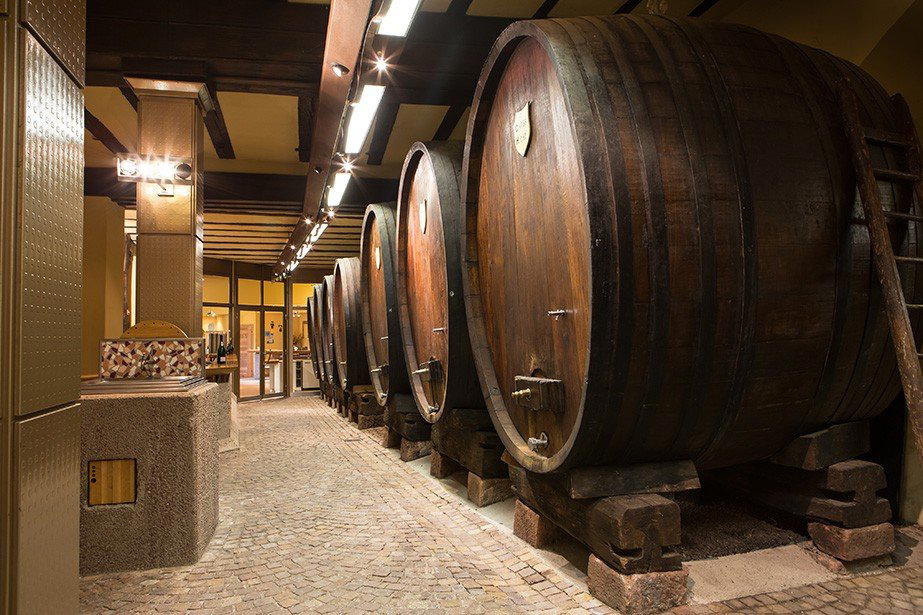
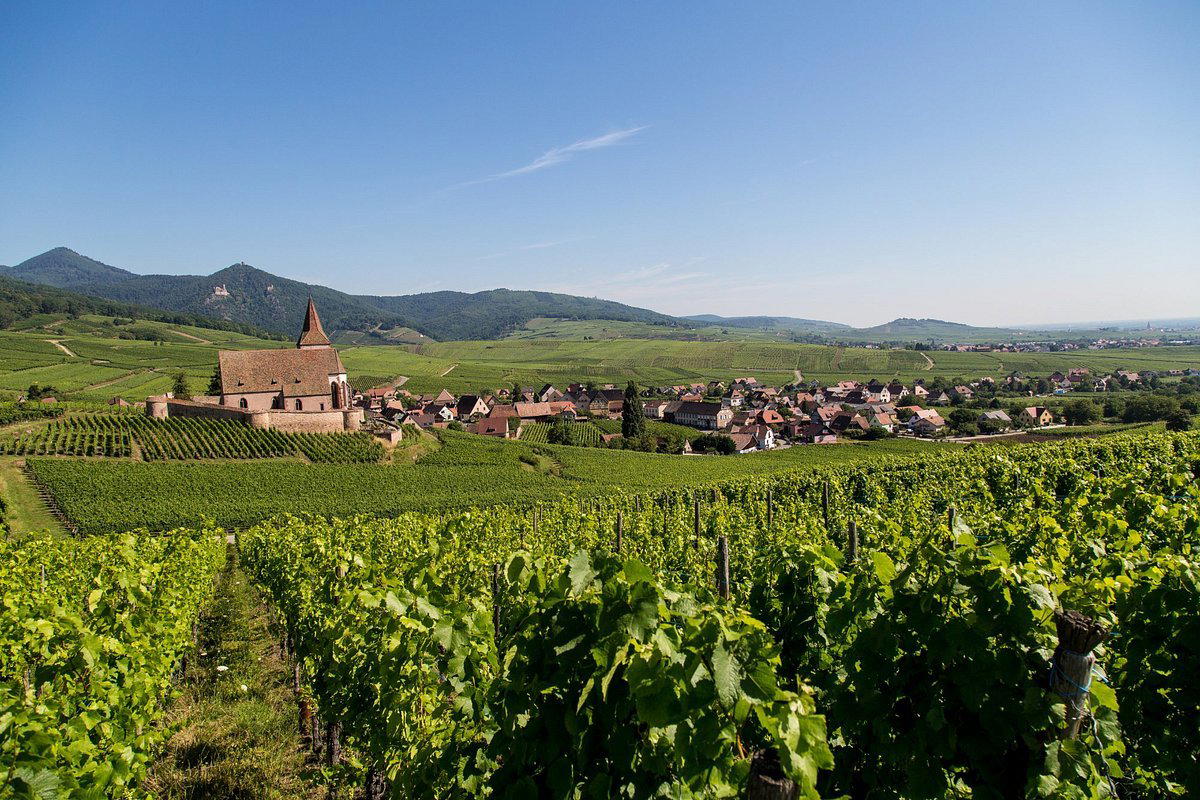
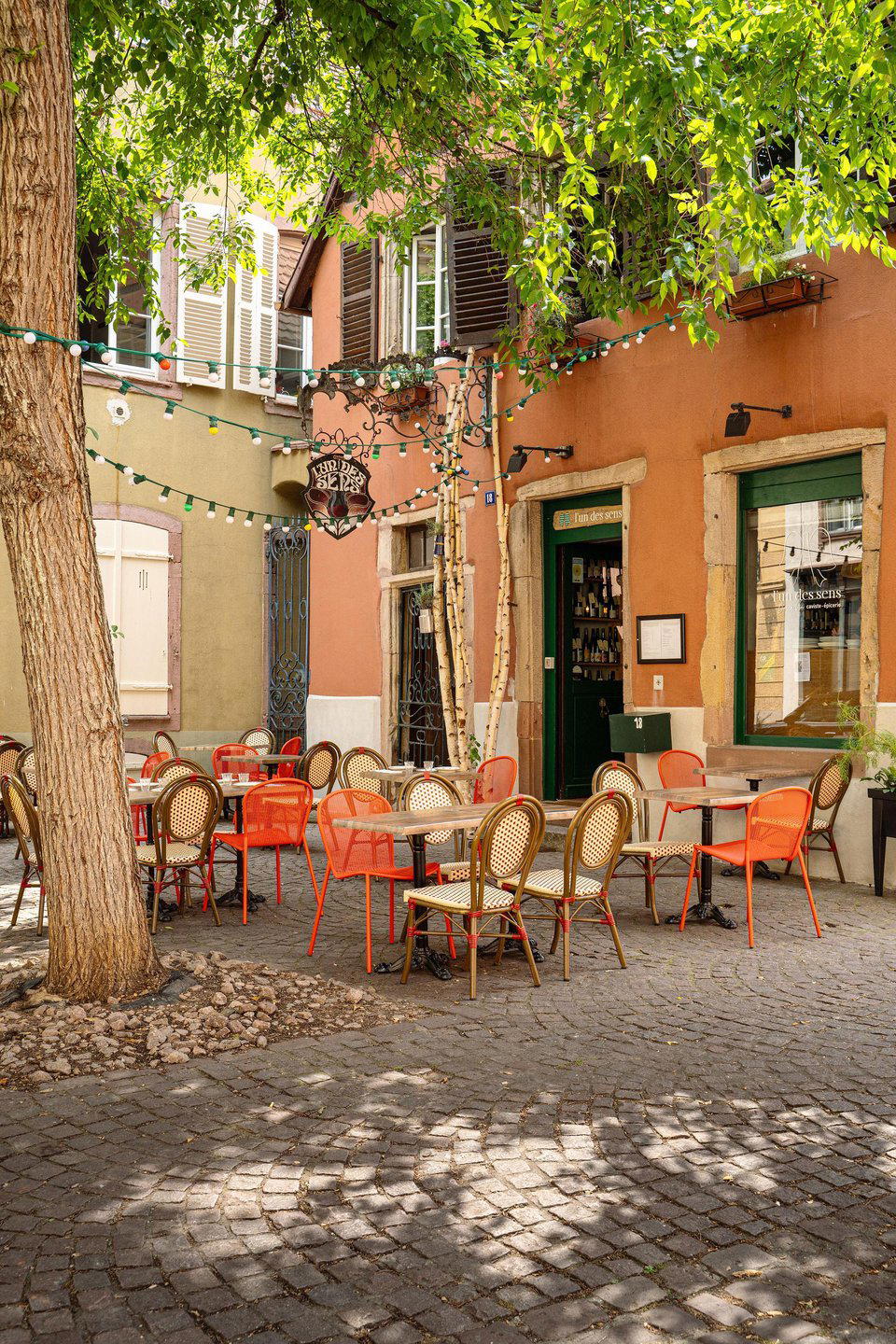
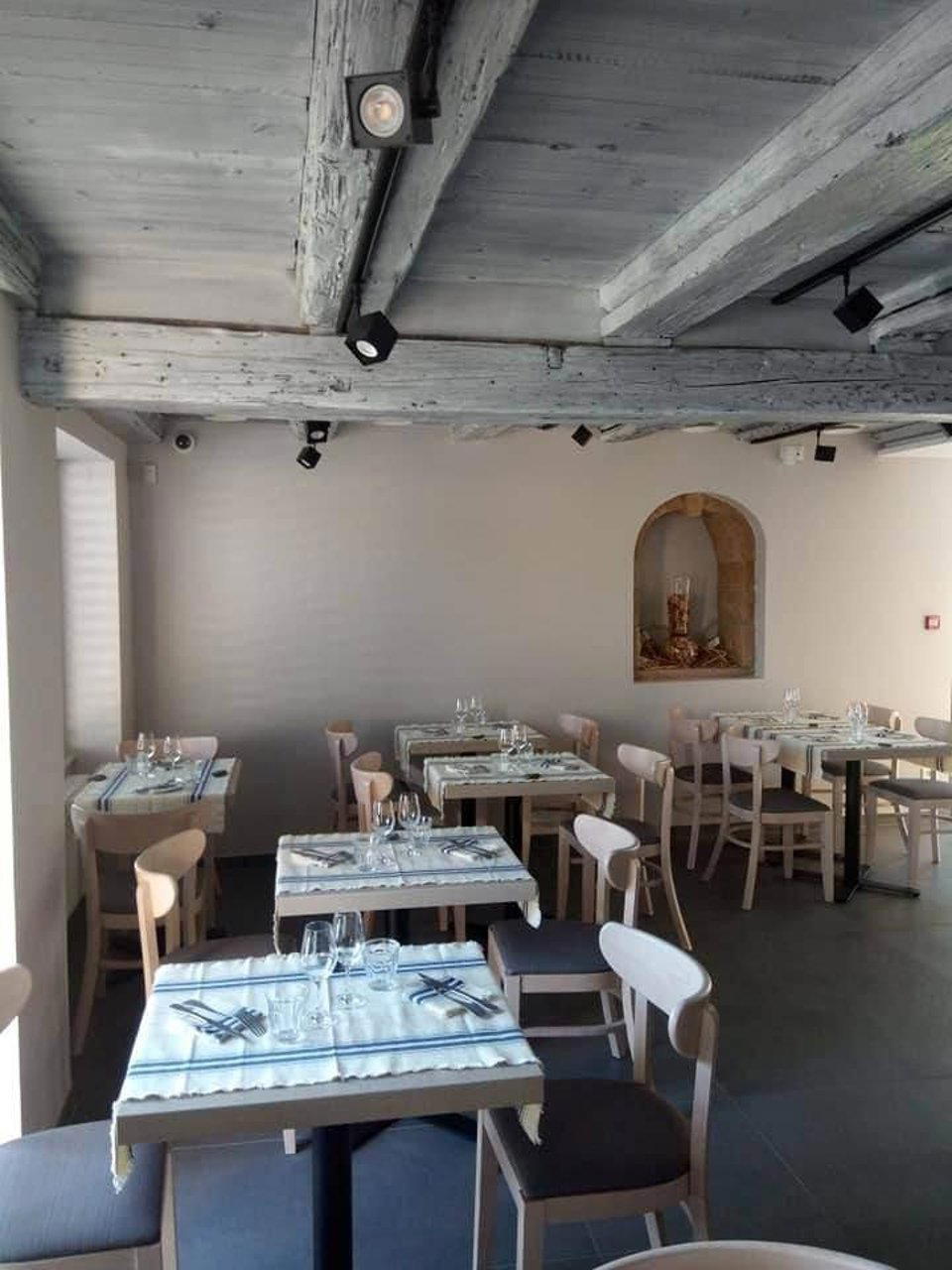
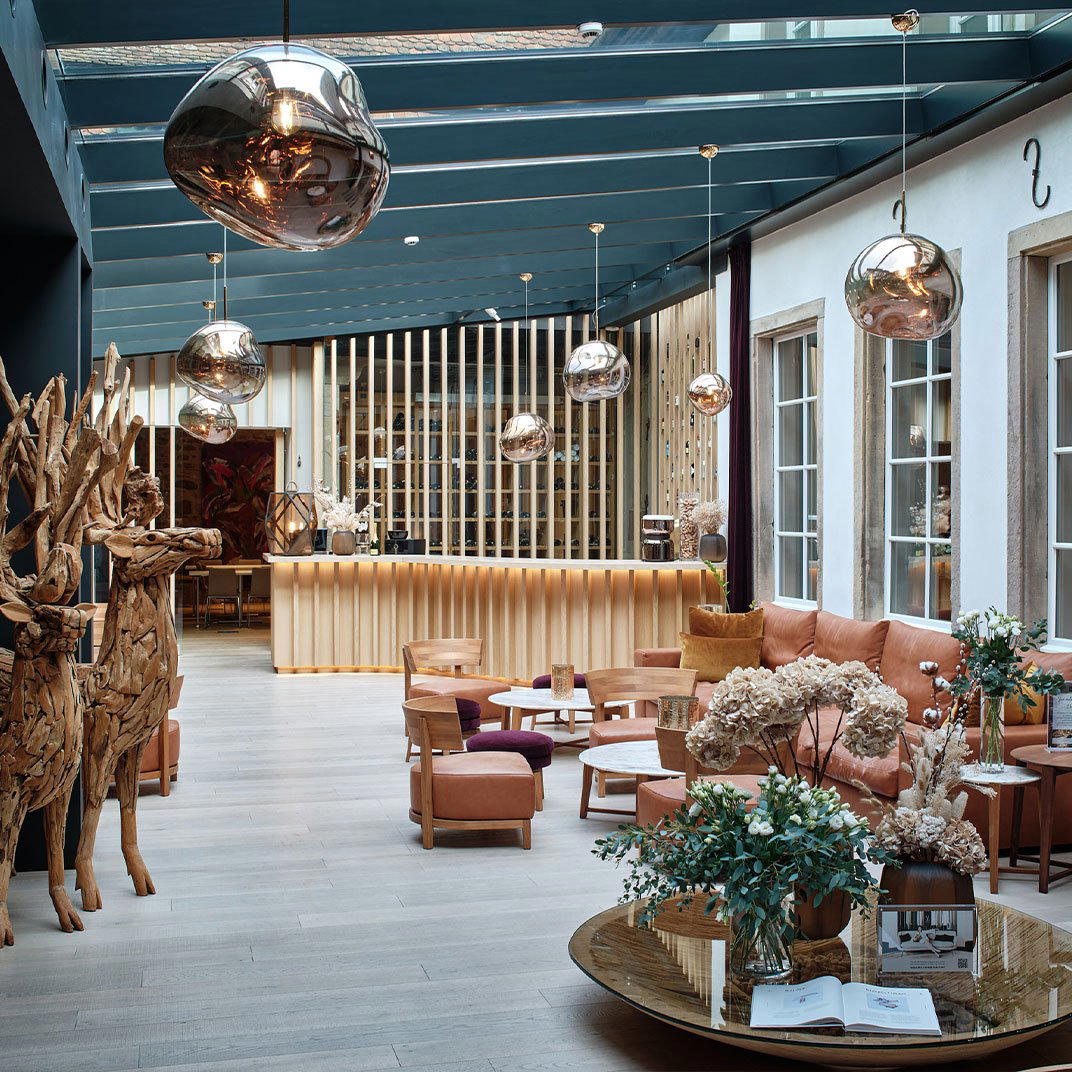
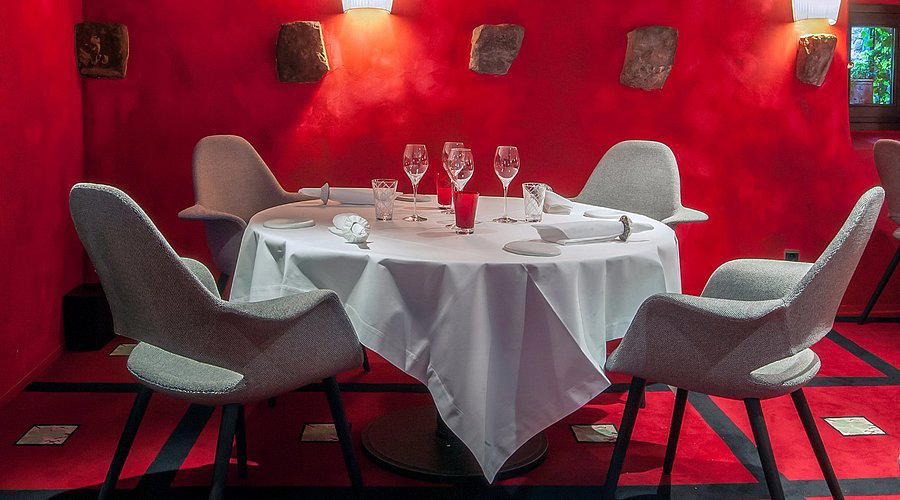
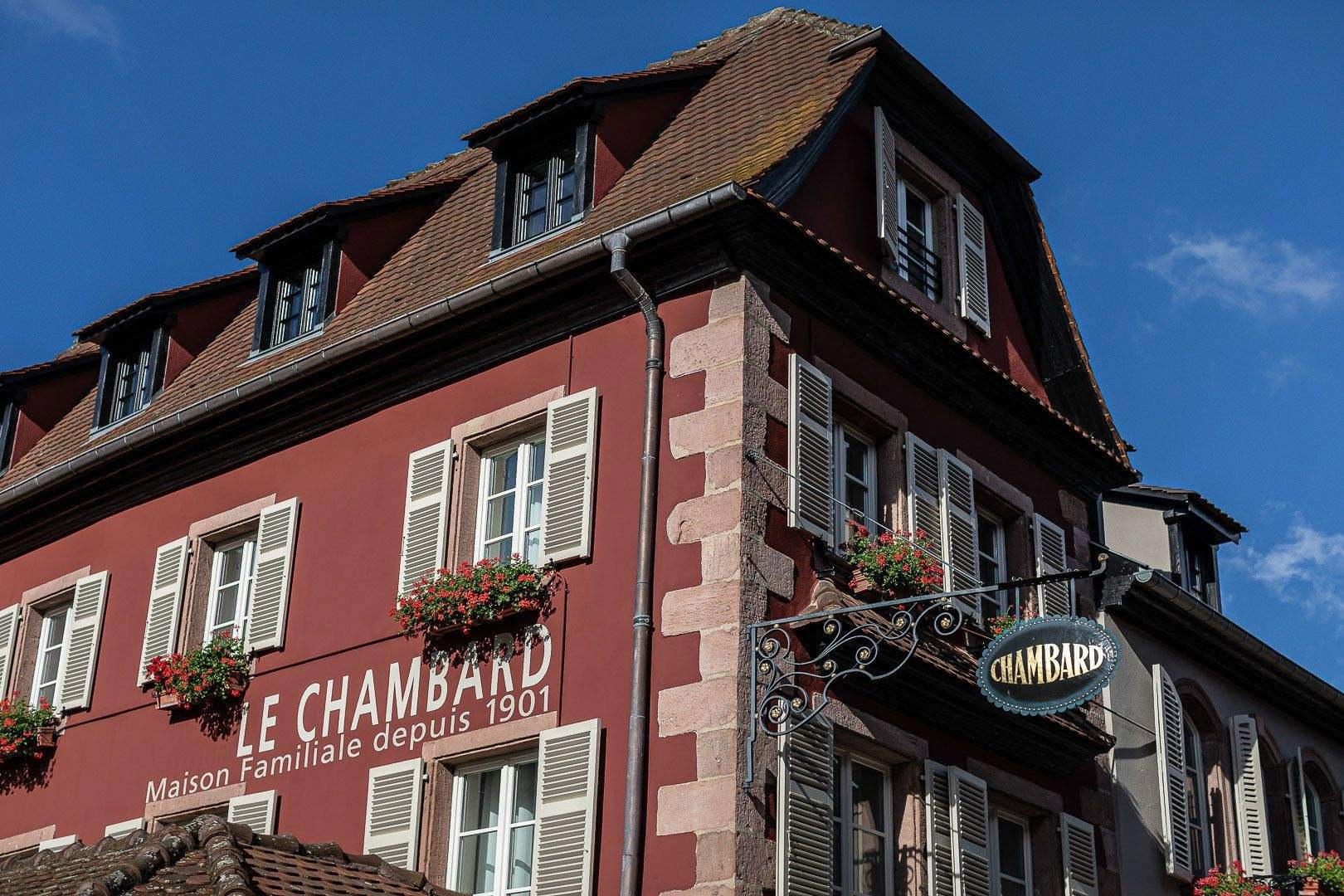
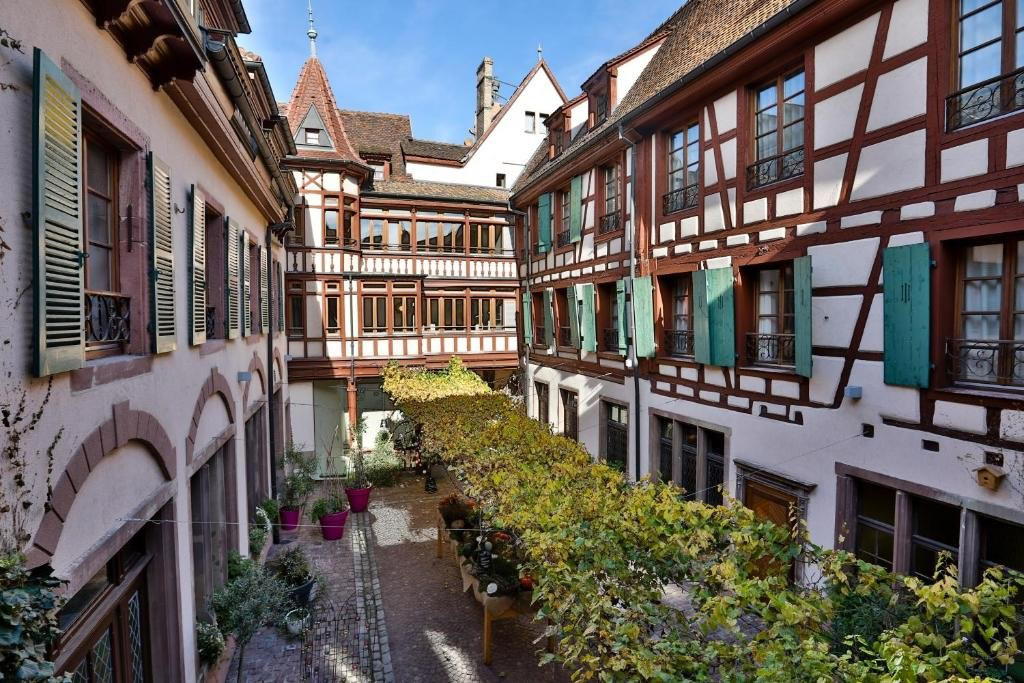
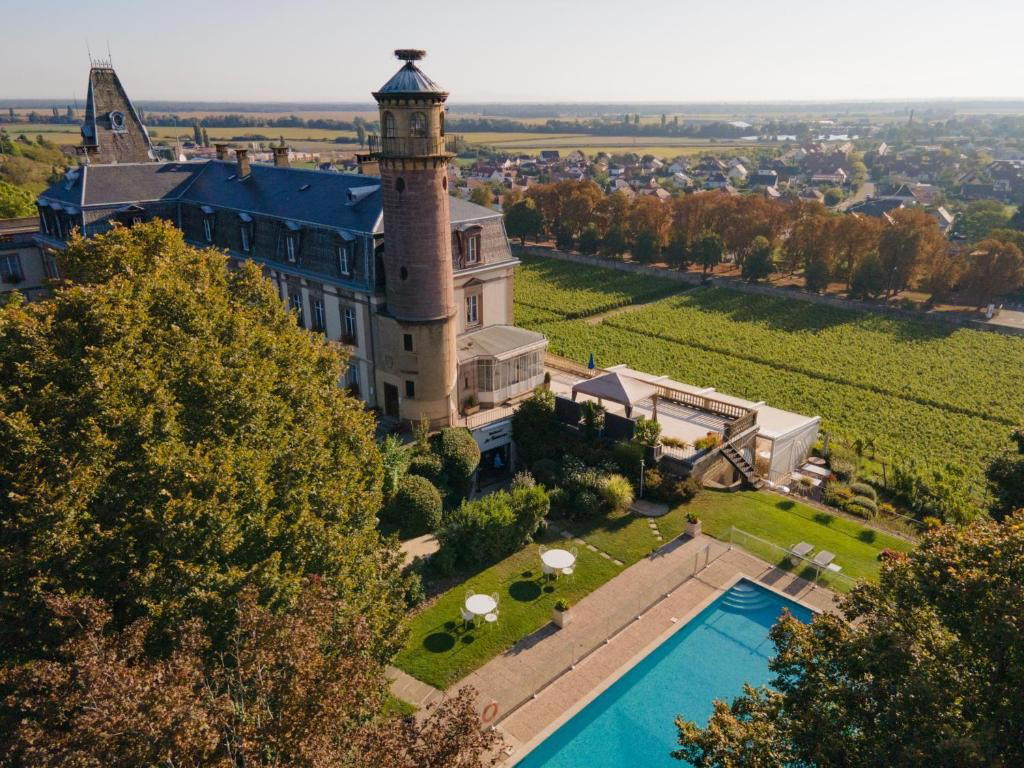
In Beblenheim, Maison Pierre Sparr Successeurs presents a classic Alsatian estate-winery experience: rooted in tradition, focused on tasting and retail, and closer to a functional cellar-door shop than a design-driven venue. The atmosphere is rustic, scenic and iconic in the sense of a traditional wine-estate setting, with the emphasis on terroir and the practical act of choosing bottles rather than on theatrical hospitality. It is the kind of address where the value of the visit is found in the straightforwardness of the format: arriving in wine country, entering an estate context, tasting with a retail purpose, and leaving with a clearer sense of the producer’s Alsatian identity.
For visitors, the useful way to approach Maison Pierre Sparr Successeurs is as a heritage-minded Beblenheim wine stop. The picture is deliberately simple: an Alsatian estate winery with a classic shop-and-tasting feel, a $$ price level, and a setting that leans traditional rather than polished or restaurant-like. That simplicity is important because it keeps expectations in the right place. This is not best understood as a venue built around spectacle, elaborate staging or a full hospitality concept. It is better read as a practical cellar-door visit in a village-wine setting, where the surrounding sense of place does much of the atmospheric work.
Tradition, terroir and the grammar of Alsace
The strongest reason to pay attention here is not novelty. It is continuity of atmosphere: a historic Alsatian estate winery in Beblenheim, where the visit is framed around tasting, retail and terroir. Specific vineyard holdings, bottlings, awards, scores and production details are not part of the available information, so they should not be treated as confirmed planning facts. Instead, the dependable takeaway is broader but still useful: Maison Pierre Sparr Successeurs sits within the familiar grammar of Alsace wine tourism, where heritage, locality and the cellar-door transaction are closely linked.
What can be said confidently is that the venue belongs to the classic cellar-door category. Expect the tone to be practical and traditional rather than highly designed, with the estate’s identity tied to Alsace, Beblenheim and wine-country heritage. In this context, “classic” should be understood less as a marketing flourish than as a guide to the likely rhythm of the visit: a direct encounter with an estate shop, a tasting-oriented focus, and a retail environment shaped around wine rather than dining or lounge-style service.
For readers comparing options, Maison Pierre Sparr Successeurs should be understood on its own terms: a $$ Beblenheim estate winery with a classic, rustic and scenic shop atmosphere focused on tasting and retail. Its appeal comes from that clarity. If the purpose of the day is to experience a traditional wine-estate stop in Beblenheim, this profile aligns neatly. If the goal is a restaurant meal, a highly curated design space or a venue with confirmed detailed claims beyond the cellar-door basics, the available information does not support framing it that way.
A cellar-door visit built for tasting and buying
The hospitality model is wine-first and functional. The setting is a historic Alsatian estate winery with a cellar-door shop atmosphere, where tasting and retail are central. That makes the visit easy to understand before arrival: the core activity is not lingering over a broad hospitality program, but engaging with wine in the practical setting of an estate retail environment. The experience is therefore especially suited to travellers who enjoy the direct mechanics of wine tourism: taste, compare, ask in general terms where appropriate, and decide what to buy.
The broader appeal is direct: this is a place for visitors who want a traditional Beblenheim wine-estate stop rather than a restaurant-style experience. The rustic and scenic qualities matter because they support the sense of being in an Alsatian wine context, but they do not change the basic category of the visit. Maison Pierre Sparr Successeurs reads as a grounded, cellar-door address, not as a destination trying to transform wine tasting into a broader leisure production.
Maison Pierre Sparr Successeurs is also part of the wider Beblenheim context. Travellers can pair a visit with other dining in Beblenheim, keeping in mind that only the venue’s general estate-winery character and $$ price level are here. That distinction is useful when planning a route: let this stop do what it do best, which is provide a traditional tasting-and-retail moment, and look elsewhere in the village context for any separate meal planning or more elaborate hospitality needs.
Who should put it on a Beblenheim wine route
This is a fit for travellers who prefer a classic estate-winery atmosphere to hospitality gloss. The price level is $$, the mood is traditional and functional, and the core experience centers on tasting and retail in Beblenheim. It is less useful to frame the venue around claims such as a restaurant-style pairing menu, exact wine range, awards, scores or detailed service policies. The better use is as a focused Beblenheim cellar-door stop with a historic Alsatian feel.
In practical terms, Maison Pierre Sparr Successeurs belongs on a route for visitors who value place, continuity and the uncomplicated ritual of visiting a wine estate. It suits those who are comfortable with a classic shop atmosphere and who do not need the visit to be softened by restaurant cues or design-led hospitality. Its strengths, based on the available description, are the traditional setting, the Beblenheim location, the tasting-and-buying focus and the sense of Alsatian wine-country heritage. Kept within those boundaries, it is a coherent and useful stop: not overcomplicated, not overpromised, and best appreciated as a direct estate-winery encounter.
Recognition history
Dated appearances from independent guides and award organizations, with the underlying list record or original source where available.
Falstaff Winery - Listed
Falstaff
Continue exploring
More in Beblenheim
Wineries in Beblenheim
All wineries in Beblenheim →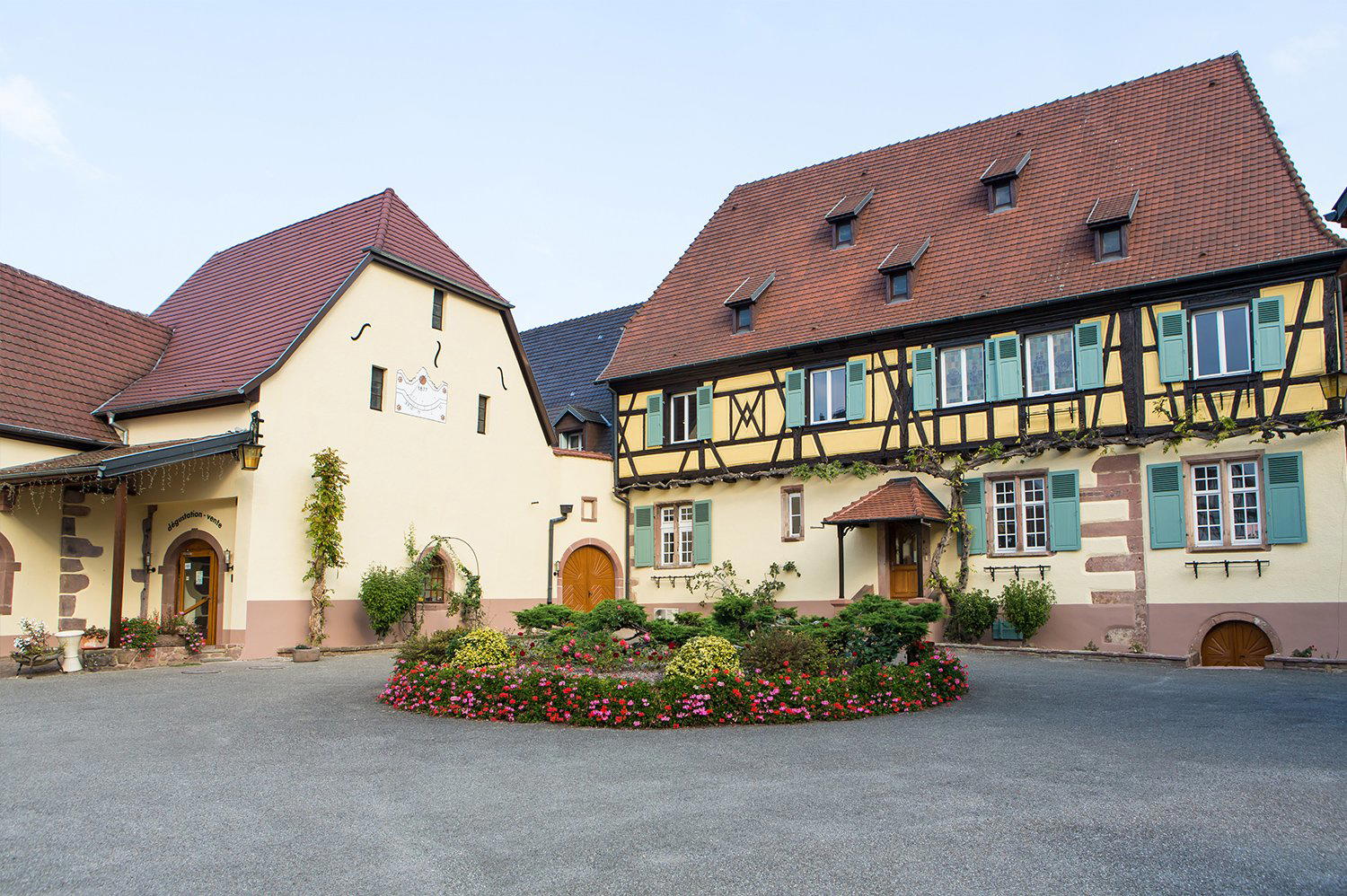
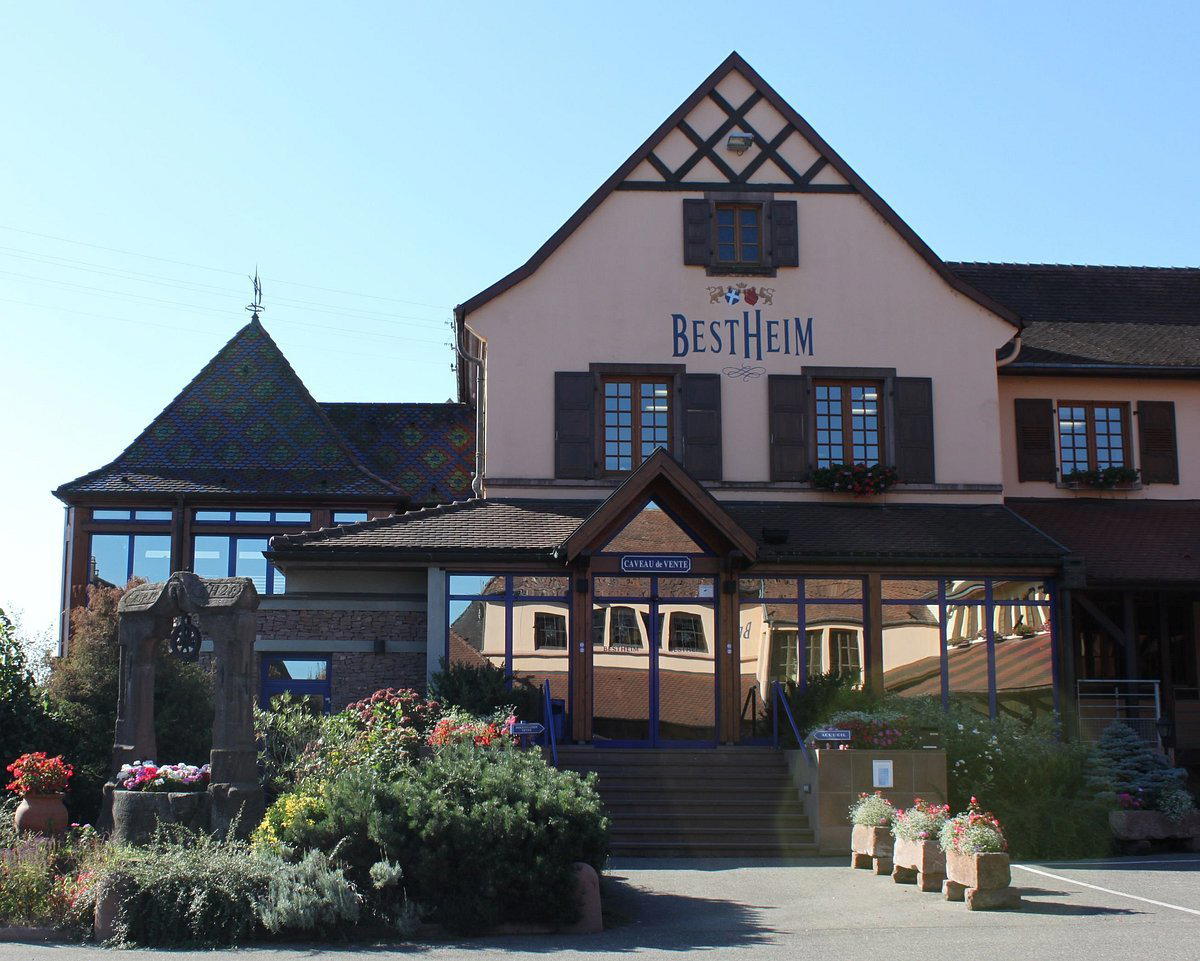
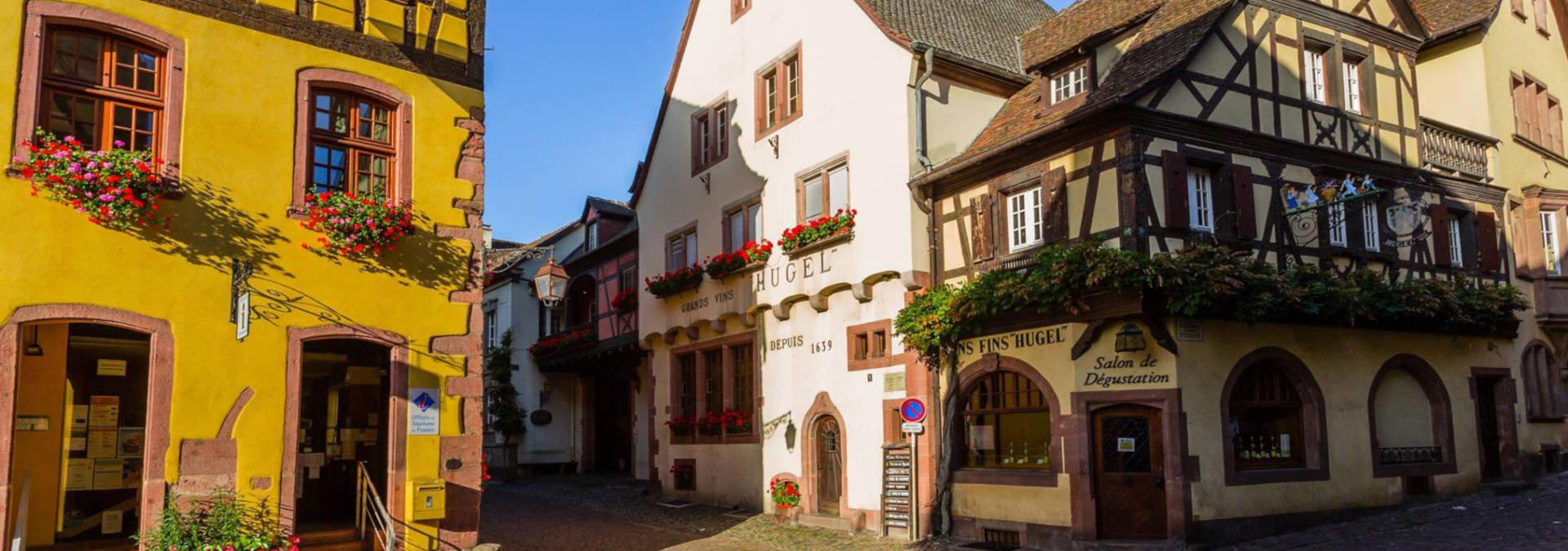
Bars in Beblenheim
Browse all →
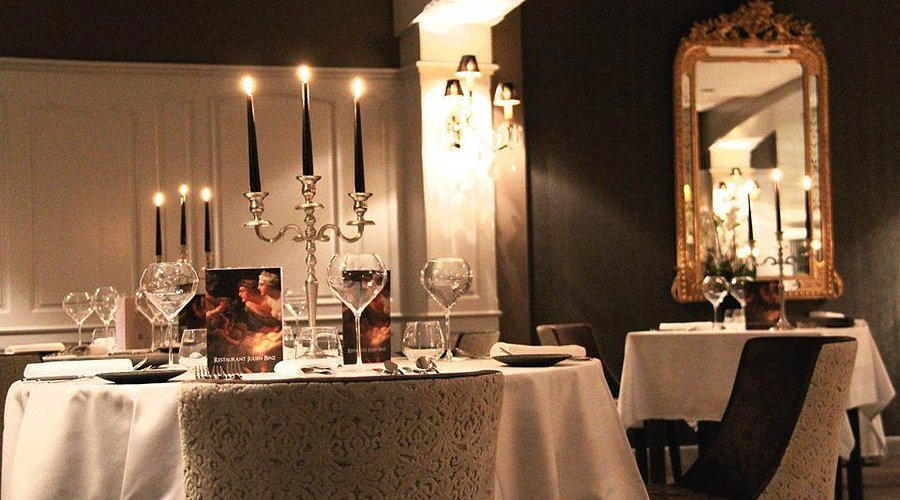
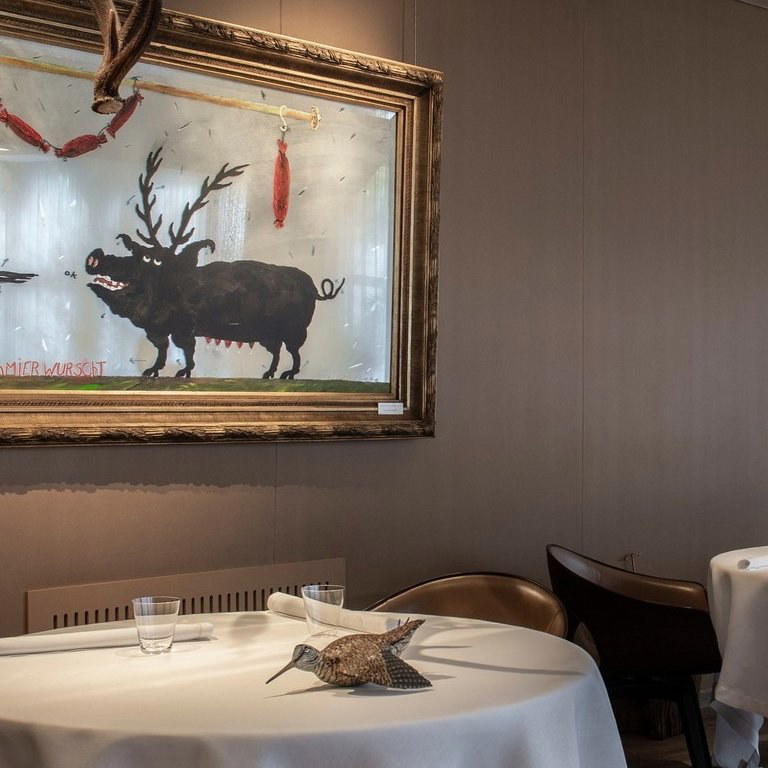
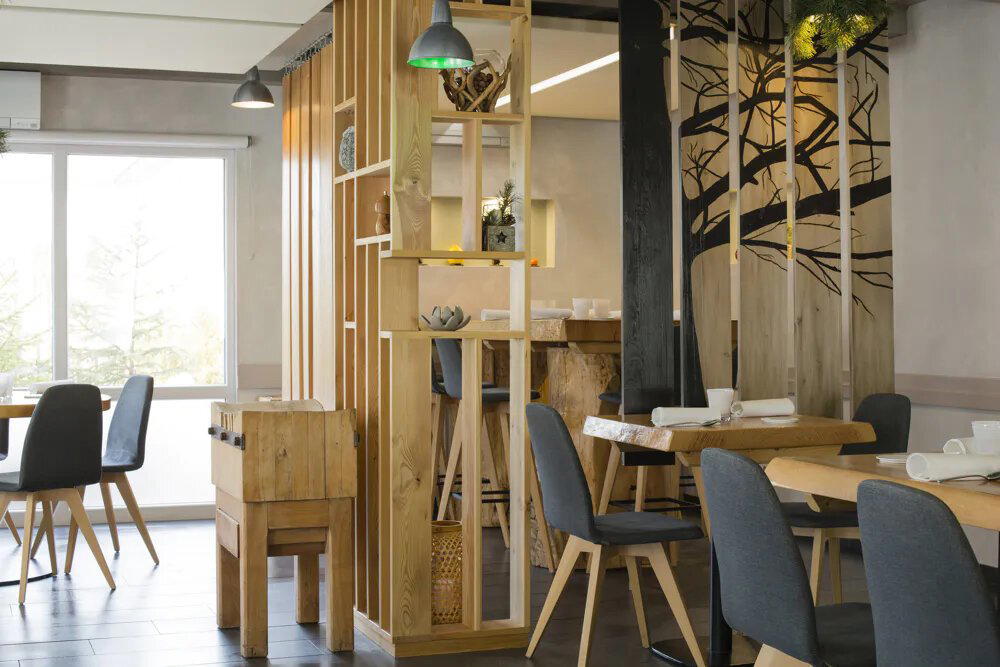
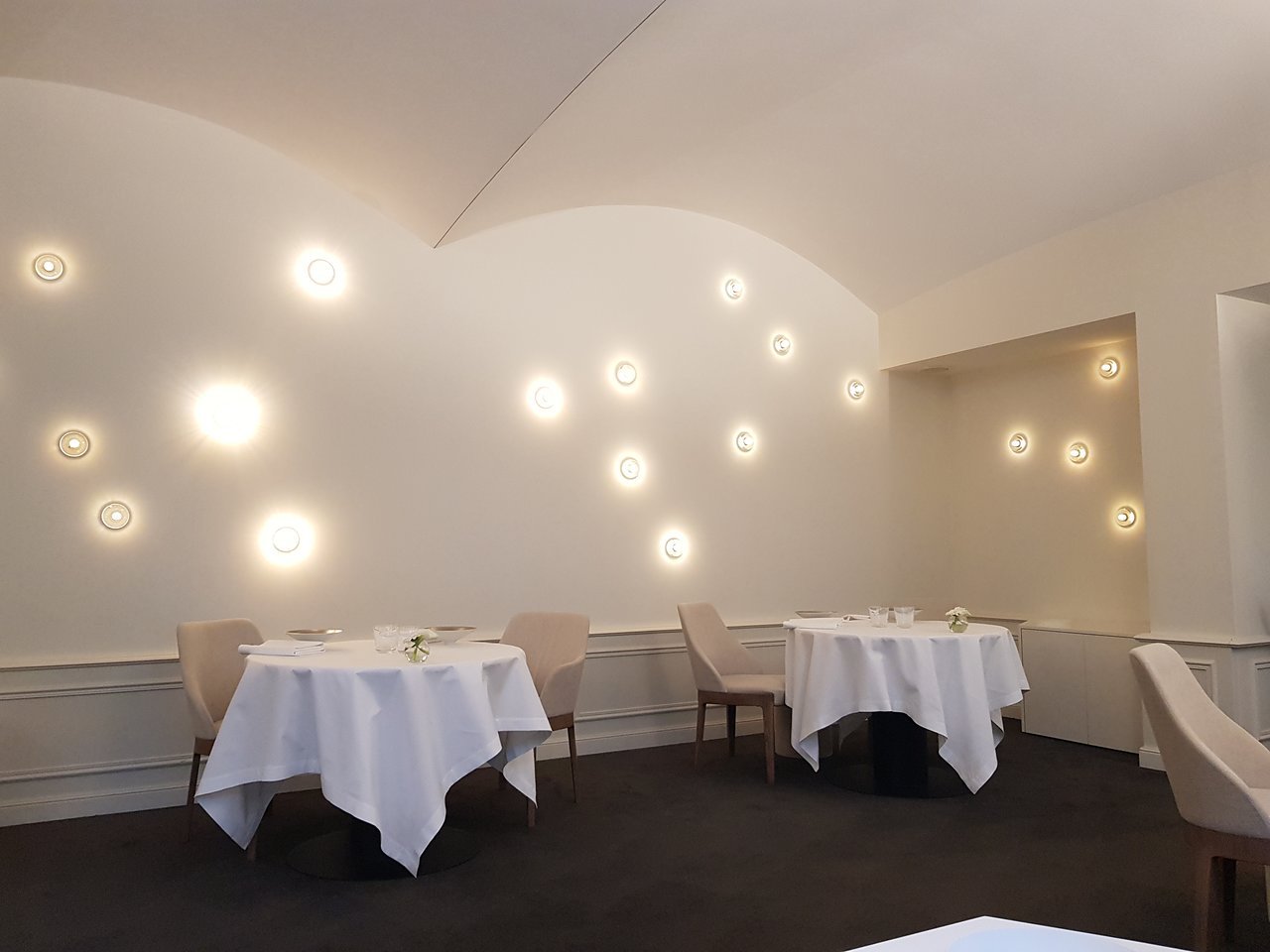
Details
- Classic
- Rustic
- Scenic
- Well Known
- Wine Education
- Group Outing
- Solo Exploration
- Special Occasion
- Romantic Getaway
- Estate Grounds
- Historic Building
- Private Tasting
- Sustainable
- Vineyard
- Gewurztraminer
- Riesling
- Pinot Gris
- Pinot Noir
- Pinot Blanc
- Muscat
- Still White
- Still Red
- Sparkling
- Dessert
- Bar Tasting
- Retail Shop Tasting
- Private Appointment
- French
- English
Historic Alsatian estate winery with a classic cellar-door shop atmosphere focused on tasting and retail, leaning more functional than design-driven but rooted in tradition and terroir.