Restaurant Julien Binz


1 Michelin Star · Gault & Millau Remarkable Restaurant
Our verdict
Restaurant Julien Binz transforms Ammerschwihr's wine country charm into Michelin-starred excellence, where veteran chef Julien Binz crafts seasonal French cuisine with thoroughbred Gallic technique. His signature crisp snail tartlets and roast pigeon with foie gras cannelloni showcase classical mastery in Alsace's celebrated "valley of stars."

Pearl is the En Primeur Club membership app, where members save venues, book tables and use the concierge.
The menu
What to order
- Ceps_panée
- Stuffed_sole
- Lobster_medallions
- Caviar_starter
Where Alsace's Vineyards Meet the Plate
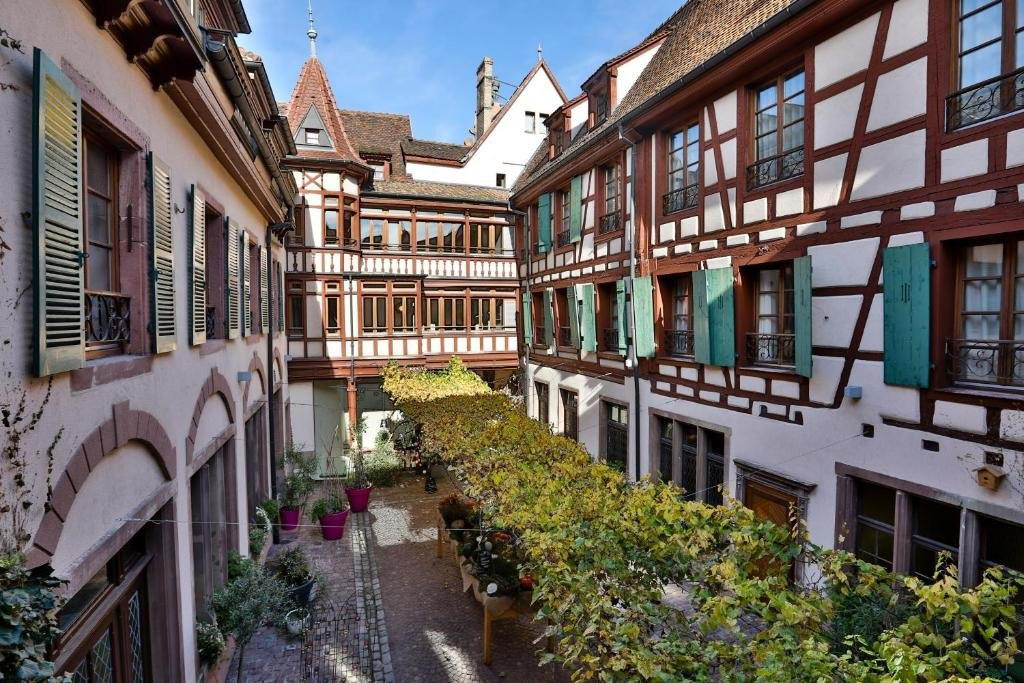
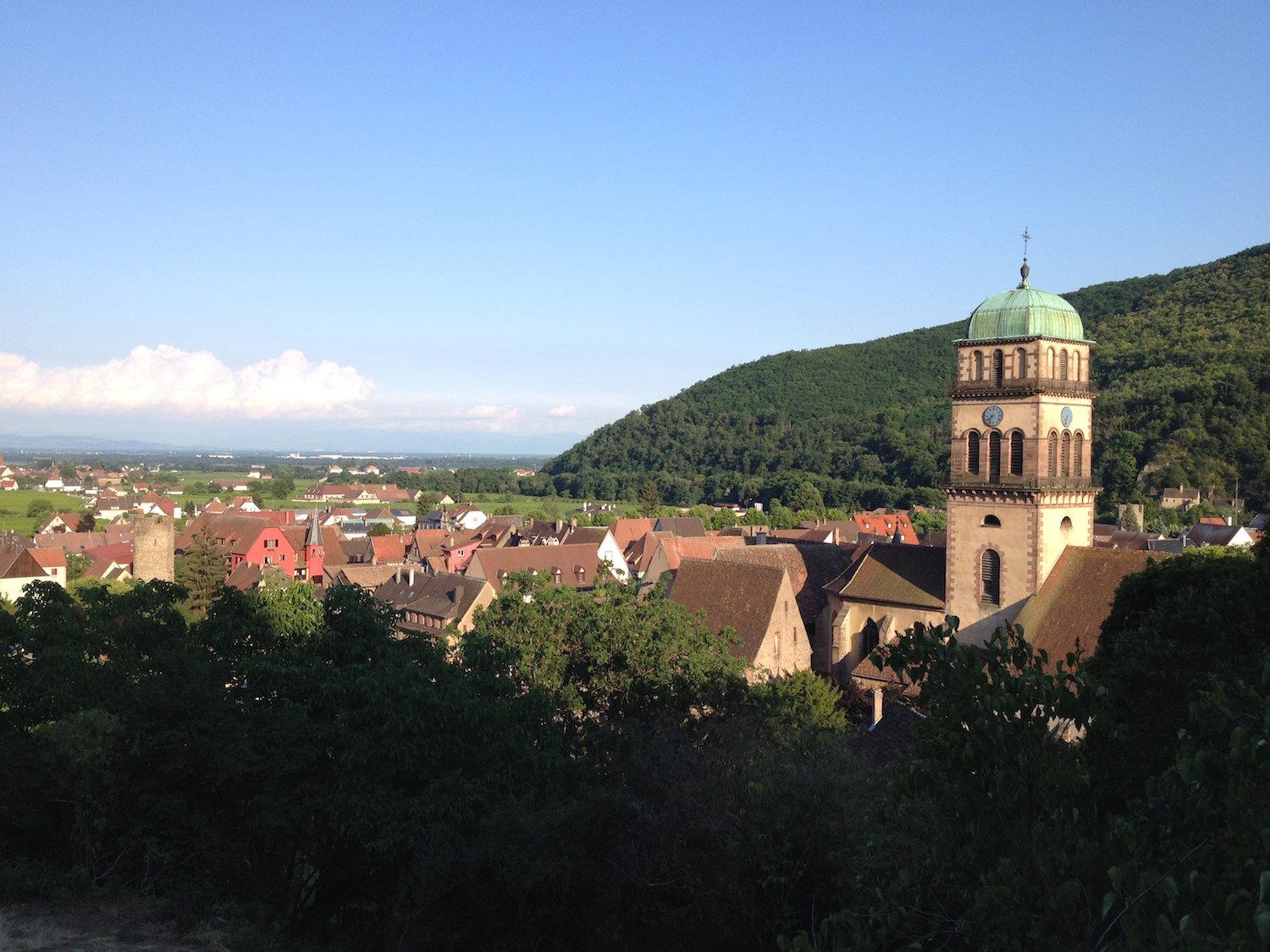
The Route des Vins d'Alsace runs south from Strasbourg through a succession of villages that have made a trade of being photogenic, and Ammerschwihr is among the most serious of them. Set in the Kaysersberg Valley, an area with enough Michelin stars concentrated along its slopes that locals have taken to calling it the valley of stars, the village sits at an altitude and latitude where grand cru viticulture and serious cooking have coexisted for decades. The restaurants here do not exist despite their rural addresses; they exist because of them. Proximity to producers, direct relationships with farmers, and a pantry that shifts with the Alsatian calendar are not selling points in this valley, they are the basic conditions of operating at this level.
It is in this context that Restaurant Julien Binz, at 7 Rue des Cigognes, makes its most coherent argument. Ammerschwihr's dining scene is shaped by its position on the wine road and by the sourcing logic that wine-country cooking encourages: seasonal, rooted in local terroir, with technique serving the ingredient rather than obscuring it. Binz, a veteran of the Auberge de l'Ill in Illhaeusern, one of France's most storied Alsatian addresses, has worked within that framework long enough to have shaped it as much as inherited it.
What Alsace Puts on the Plate
The editorial logic of Alsatian haute cuisine is ingredient-first, and understanding that logic is useful before arriving at any table in this valley. The region's sourcing geography is particular: Munster cheese from valley farms a few kilometers east, Riesling from grands crus whose names appear directly on menus as cooking ingredients, duck foie gras that arrives from producers with whom long-term relationships are maintained, and river trout that connects the kitchen to the Vosges waterways rather than to a national distribution chain. When a dish at this level of cooking references choucroute, it references a fermentation tradition that the surrounding villages still practice domestically.
At Restaurant Julien Binz, Michelin's 2024 one-star recognition acknowledges exactly this kind of embedded sourcing intelligence. The kitchen's seasonal orientation is not a stylistic choice in the contemporary sense; it is the operational logic of a kitchen that works close to its supply. Michelin's description, confirmed in 2024, identifies dishes that read as a map of the region's larder: duck foie gras rendered two ways, trout paired with choucroute and a Kaefferkopf Riesling sauce (Kaefferkopf being a grand cru classification specific to Ammerschwihr's own hillside), and Munster cheese worked into tortellini with a buttery stock. Each of these constructions draws a direct line from the landscape surrounding the restaurant to the technique applied in the kitchen.
The Kaefferkopf detail is worth dwelling on. Grand cru Riesling from Ammerschwihr's own classified vineyard appearing as a cooking sauce is not a decorative regional reference; it means the kitchen is using wine produced within sight of the restaurant to define a dish's flavour profile. That level of geographic specificity is the kind of sourcing discipline that separates wine-country cooking from merely wine-adjacent cooking.
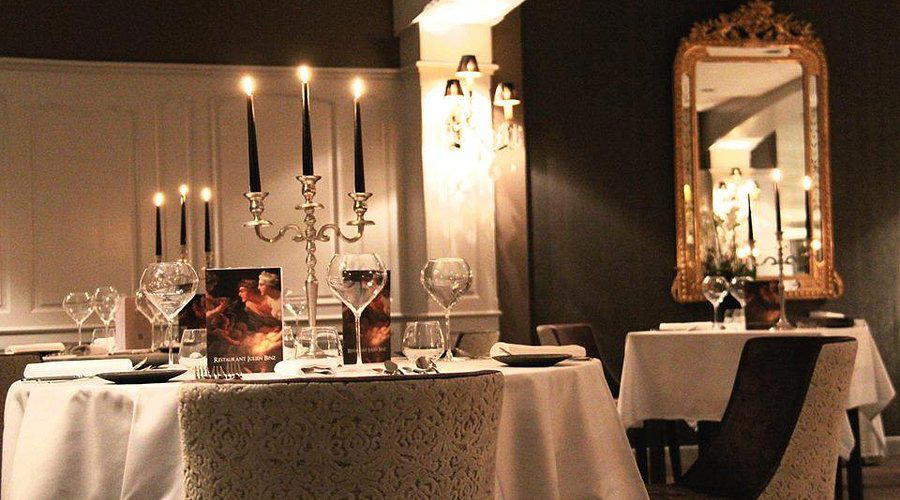
The Room and the Register
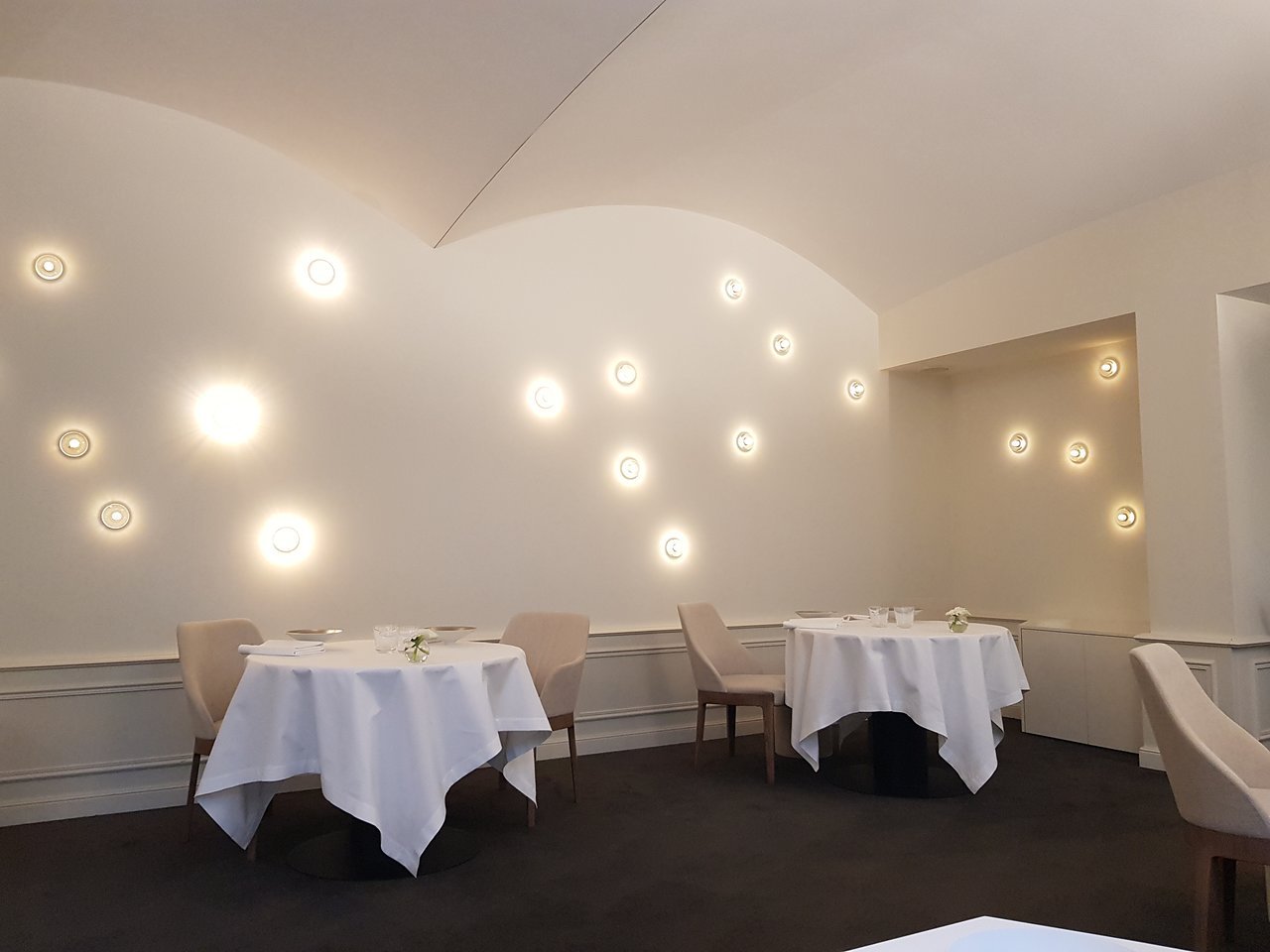
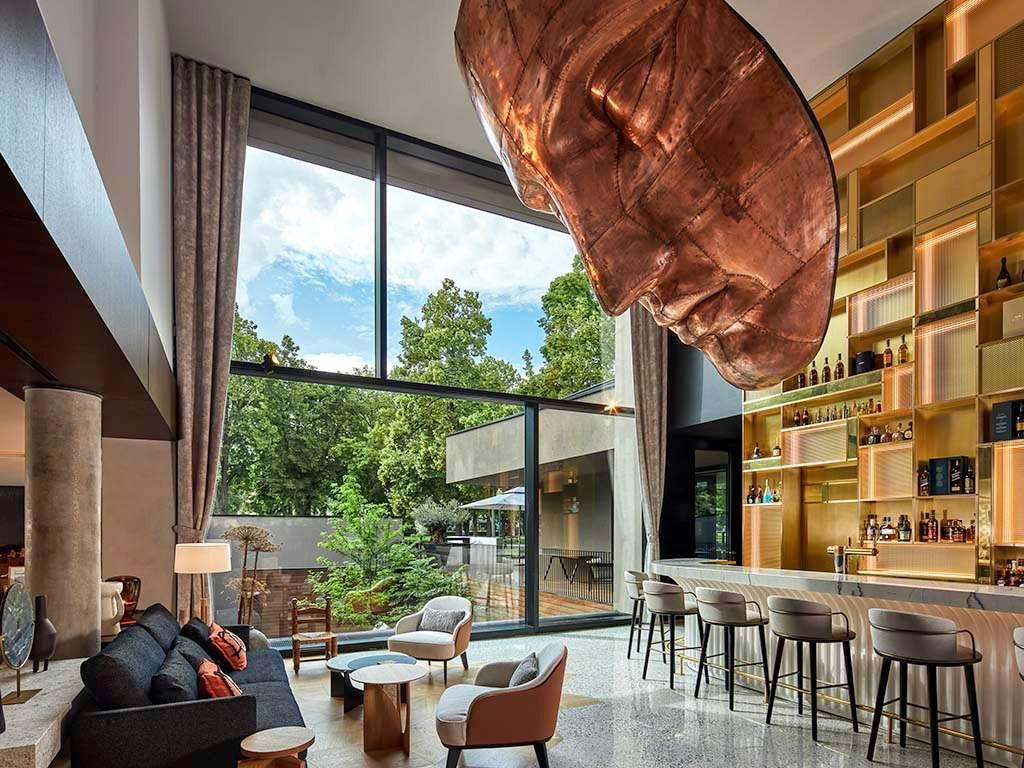
Inside, the dining room carries what Michelin characterizes as a plush, stylish background, language that signals a formal register without austerity. Alsatian fine dining rooms of this generation tend toward warmth over minimalism, and that applies here: the setting matches the cooking's logic of abundance held in check by technique. The price tier sits at €€€€, which in the context of Ammerschwihr positions this as the village's most serious table, but within the broader French fine dining spectrum it is more accessible than comparable one-star addresses in Paris such as Alléno Paris au Pavillon Ledoyen, or the multi-star destinations further afield like Mirazur in Menton or Troisgros in Ouches. For the quality of technique and sourcing on offer, the wine-country premium here is arguably less steep than the urban equivalent.
The practical parameters shape the visit as much as anything else. The restaurant closes on Mondays and Tuesdays entirely. Wednesday service is limited to lunch only, from noon to 2 PM. Thursday through Sunday the kitchen runs both lunch (noon to 2 PM) and dinner (7 PM to 9 PM). Anyone planning around a specific evening should note that Thursday dinner is the least obvious slot, which often means it is the most available. This is not a restaurant running on novelty.
Placing Binz in the Alsatian Tradition
Alsace has produced a disproportionate concentration of serious French cooking relative to its size, and several of its significant addresses have trained the chefs who now hold stars of their own. The Auberge de l'Ill, the three-star institution in Illhaeusern that has anchored Alsatian haute cuisine for generations, functions as the region's most influential training ground. Chefs who have worked within its brigade and then established independent addresses carry that lineage as a credential, not primarily as a sentimental connection but as evidence of technical formation. Binz's membership of that former team places his kitchen in a specific tradition of Alsatian classical technique, one that the region's wine-road community recognizes and that Michelin has consistently tracked.
Within Alsace's current one-star tier, Restaurant Julien Binz occupies a position that is geographically distinct from the Strasbourg addresses, which operate in a more urban register. Au Crocodile in Strasbourg belongs to a city dining tradition; Ammerschwihr belongs to a wine-village tradition where the rhythm of the meal is connected to the rhythm of the vines outside. These are not interchangeable dining contexts, and the difference matters to how a kitchen calibrates its sourcing and its seasonal menu logic. For comparison with modern cuisine at a different geographic register, addresses like AM par Alexandre Mazzia in Marseille or Assiette Champenoise in Reims illustrate how different the terroir-cuisine relationship can be across French regions.
For visitors using Ammerschwihr as a base for the Route des Vins, the restaurants guide for the village at our full Ammerschwihr restaurants guide maps the wider dining options, while Le Valtrivin offers a different register at the same address. Those planning a broader stay in the Kaysersberg Valley should consult our full Ammerschwihr hotels guide for where to base themselves, and our full Ammerschwihr wineries guide for the grand cru producers whose wines appear, sometimes literally, in the cooking here.
The broader Route des Vins context connects Ammerschwihr to a wider Alsatian dining circuit. Those interested in modern cuisine at a different international scale can reference Frantzén in Stockholm or FZN by Björn Frantzén in Dubai to calibrate the global modern cuisine conversation, while the French mountain-lodge tradition is represented by Flocons de Sel in Megève. Classic French touchstones include Paul Bocuse in Collonges-au-Mont-d'Or and Bras in Laguiole, both of which illustrate the regional specificity that French starred cooking has long valued. For bars and local experiences in Ammerschwihr, see our full Ammerschwihr bars guide and our full Ammerschwihr experiences guide.
Planning Your Visit
Restaurant Julien Binz is located at 7 Rue des Cigognes in Ammerschwihr, a village most easily reached by car from Colmar, approximately 6 kilometers to the south along the wine road. The €€€€ price point and Michelin one-star positioning make advance booking advisable, particularly for weekend lunches and Saturday evenings, which attract visitors travelling specifically for the Route des Vins experience. Thursday dinner and Wednesday lunch tend to be the more accessible slots for shorter-notice reservations. The restaurant is closed Monday and Tuesday throughout the week.
Frequently asked questions
Would Restaurant Julien Binz be comfortable with kids?
At the €€€€ price tier with Michelin one-star recognition, the room operates at a formal register that demands sustained quiet and patience from diners. Families with young children will find the environment a poor fit, not because of any stated policy, but because the pacing and setting are calibrated for a different kind of meal. Older, food-curious teenagers who can handle a multi-course lunch or dinner at 7 Rue des Cigognes are a different matter.
What's the vibe at Restaurant Julien Binz?
Michelin characterises the dining room as plush and stylish, which in practice means a formal setting without the coldness that sometimes accompanies it. In a village the size of Ammerschwihr, the restaurant carries a sense of occasion that feels deliberate rather than incidental. Expect the pace and register of serious French cooking on the wine road south of Colmar, not a relaxed bistro.
What kind of recognition has Restaurant Julien Binz received?
Restaurant Julien Binz has received recognition including: Category: Remarkable; On the Wine Road south of Colmar, the picture postcard wine-growing village of Ammerschwihr nestles in Kaysersberg Valley, dubbed the valley of stars - Michelin stars of course! It is home to a veteran chef and former ….
What's the best thing to order at Restaurant Julien Binz?
Michelin's 2024 recognition singles out three preparations that illustrate the kitchen's approach: duck foie gras presented two ways, a striped trout with choucroute and a Kaefferkopf riesling cream sauce, and tortellini of Munster cheese with buttery stock. Each reflects Binz's grounding in the Auberge de l'Ill tradition, classical French technique applied to distinctly Alsatian ingredients. Those three dishes are the clearest argument for the one-star rating.
A Pricing-First Comparison
| Venue | Cuisine | Price | Awards | Notes |
|---|---|---|---|---|
| Restaurant Julien BinzThis venue (the venue you are viewing) | Modern French Fine Dining | Not listed | 1 Michelin Star · Gault & Millau Remarkable Restaurant | Not listed |
| Alléno Paris au Pavillon Ledoyen | Modern French Fine Dining | $150–200 | 3 Michelin Stars · World's 50 Best #79 | Creative |
| Kei | Contemporary French, Modern Cuisine | Not listed | Michelin 3 Star | Not listed |
| L'Ambroisie | Classic French Haute Cuisine | $300–500 | 2 Michelin Stars · World's 50 Best #23 | French, Classic Cuisine |
| Le Cinq - Four Seasons Hôtel George V | Modern French Fine Dining | $300–500 | 3 Michelin Stars · World's 50 Best #24 | French, Modern Cuisine |
| Plénitude | Modern French Sauce-Led Fine Dining | $300–500 | 3 Michelin Stars · World's 50 Best #14 | Contemporary French |
Recognition history
Dated appearances from independent guides and award organizations, with the underlying list record or original source where available.
Michelin 1 Star
Michelin
Gault & Millau Remarkable Restaurant
Gault & Millau
Full recognition history (4 entries)
Michelin 1 Star
Michelin
Michelin 1 Star
Michelin
Continue exploring
More in Ammerschwihr
Restaurants in Ammerschwihr
All restaurants in Ammerschwihr →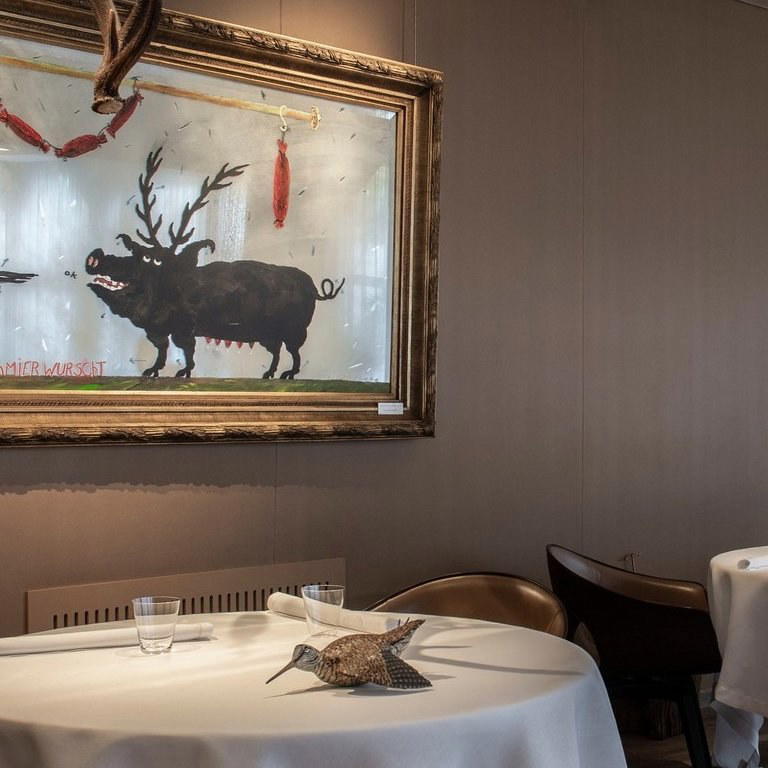
Bars in Ammerschwihr
Browse all →
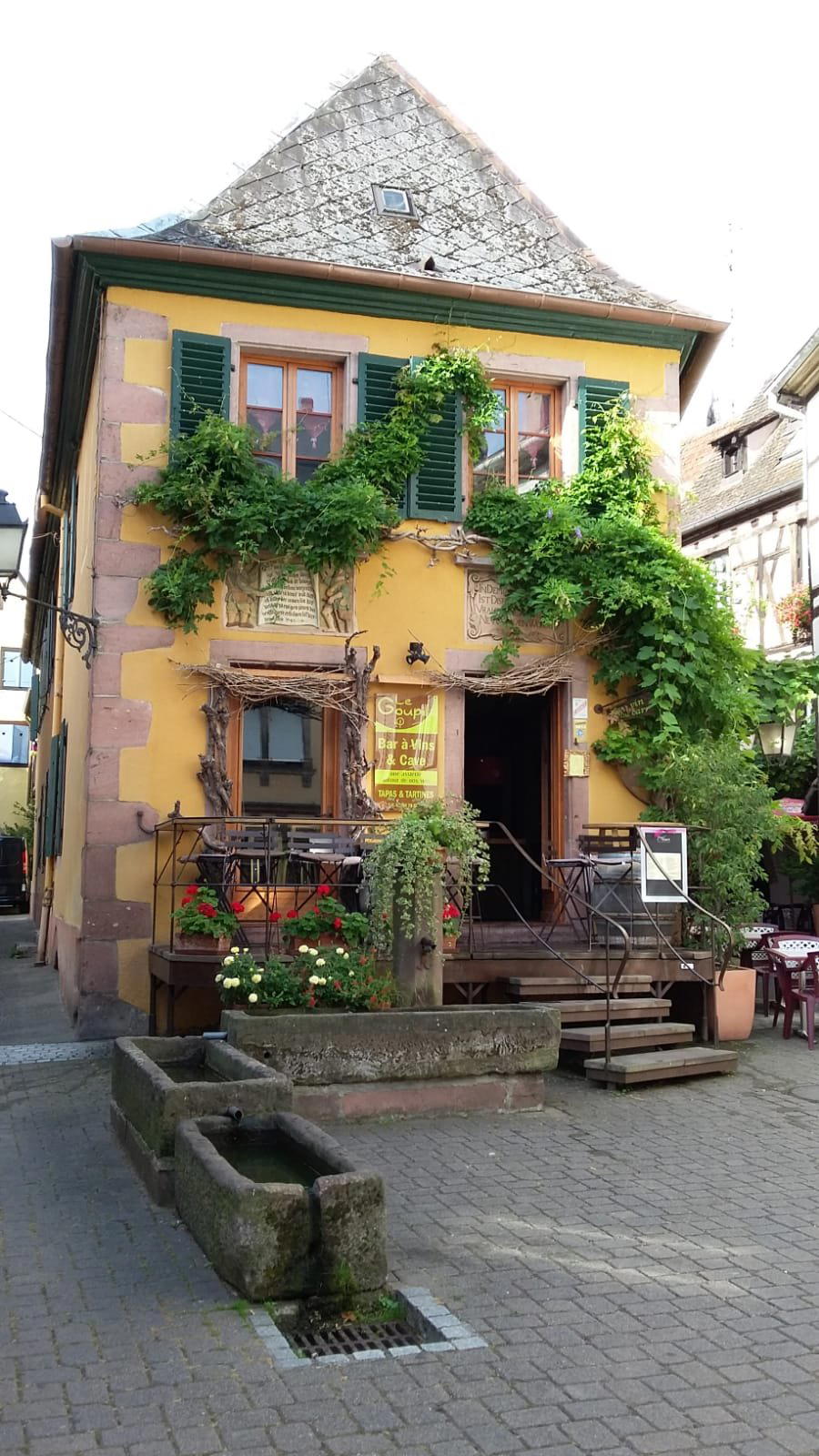
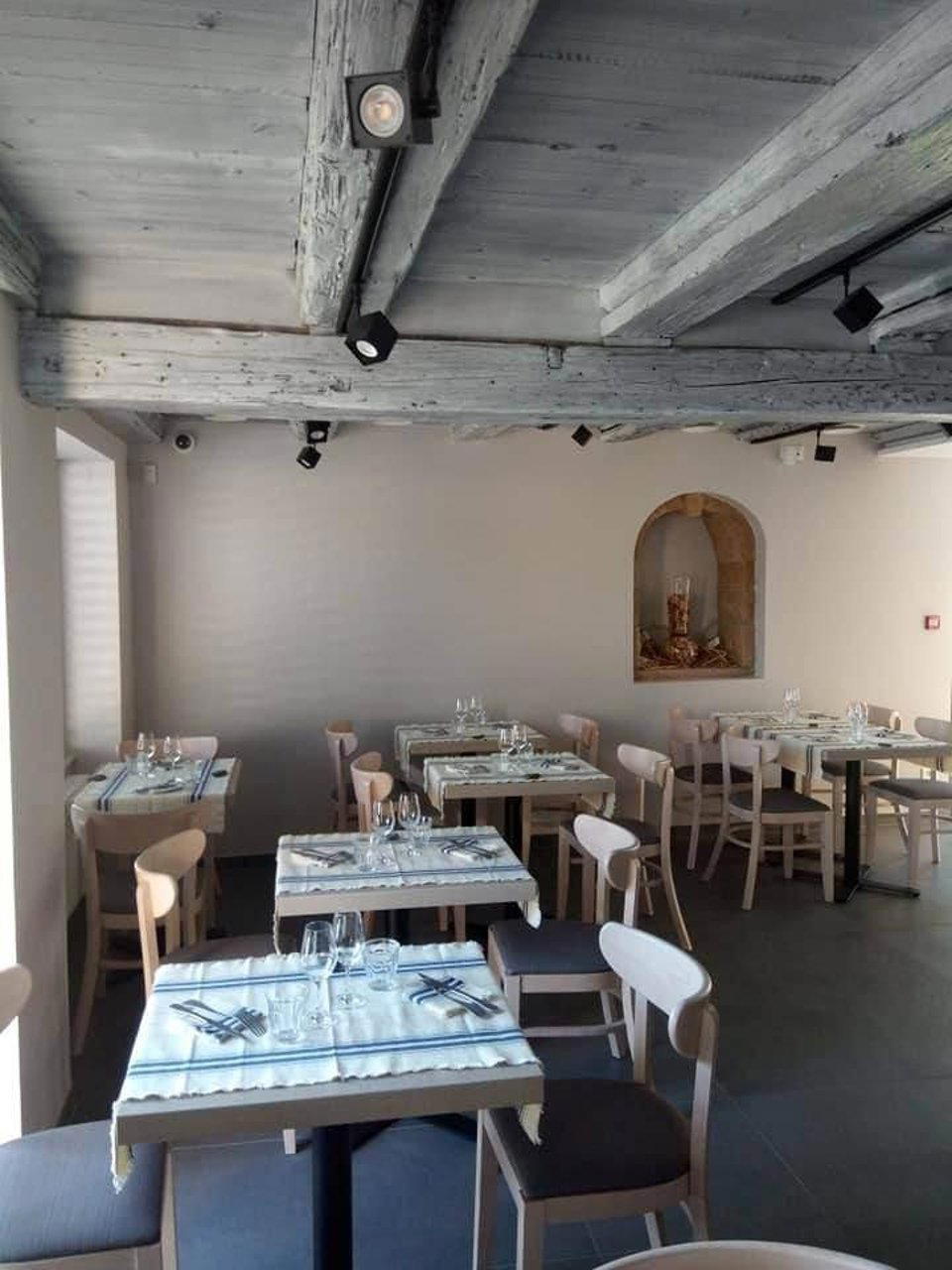
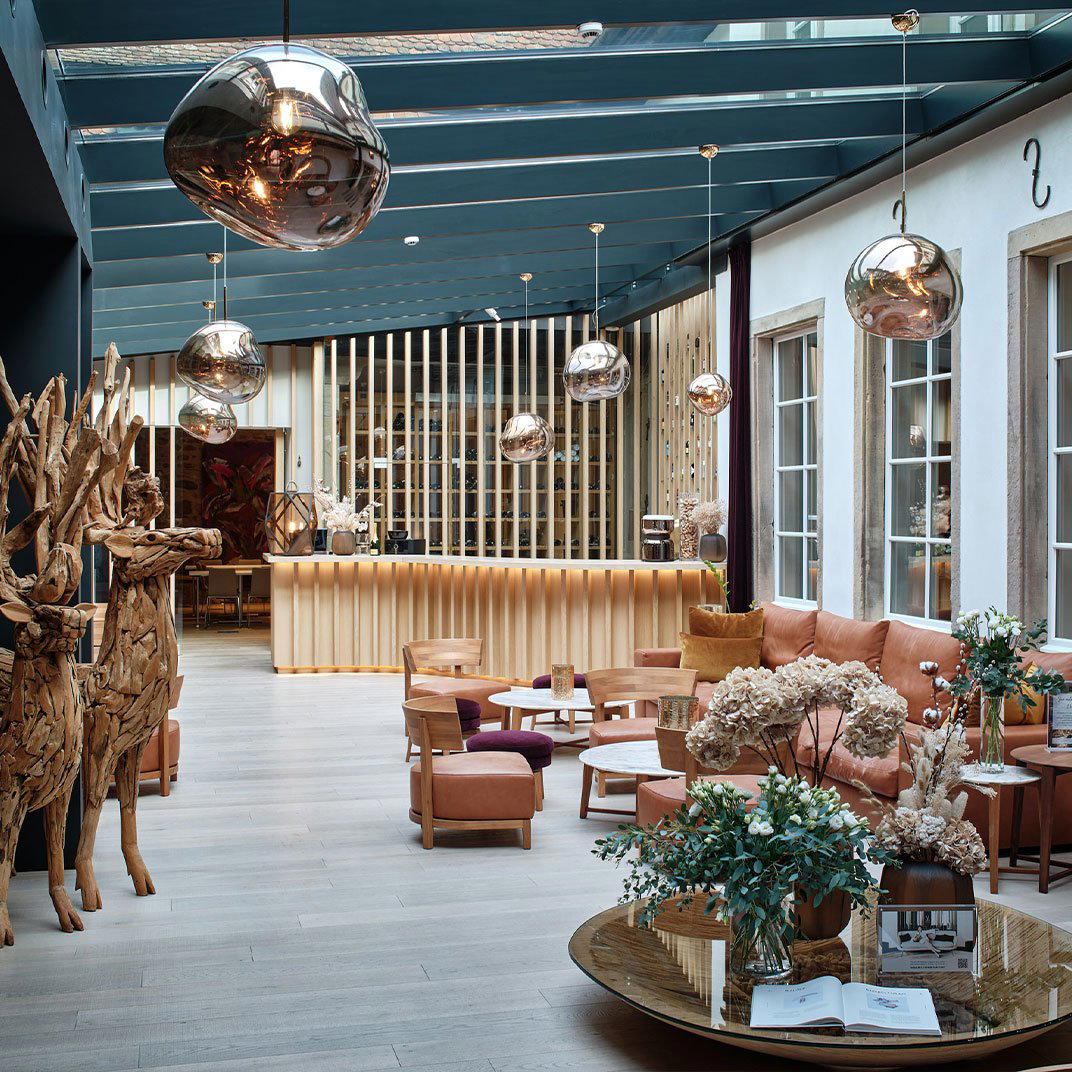
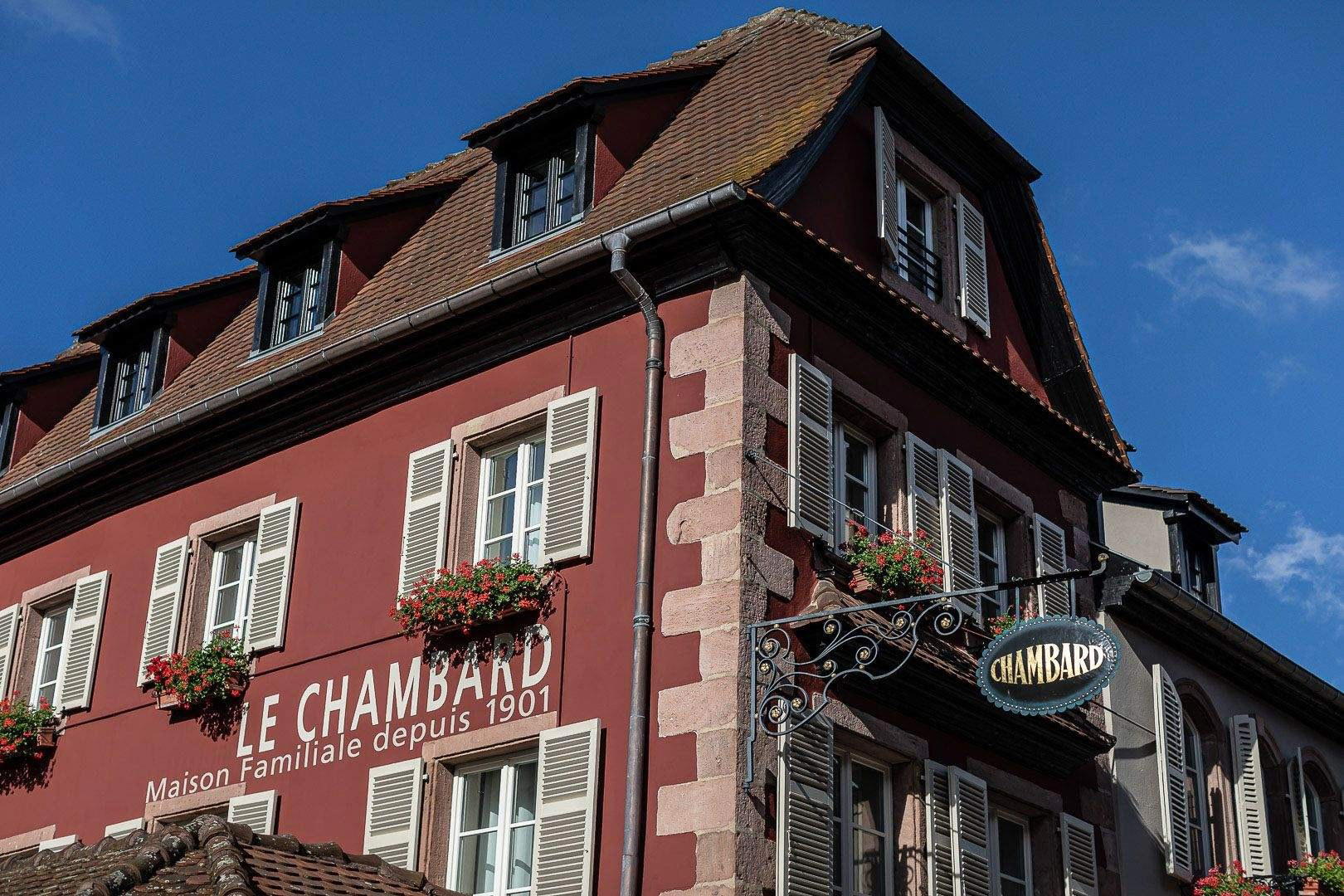
Restaurant Julien Binz
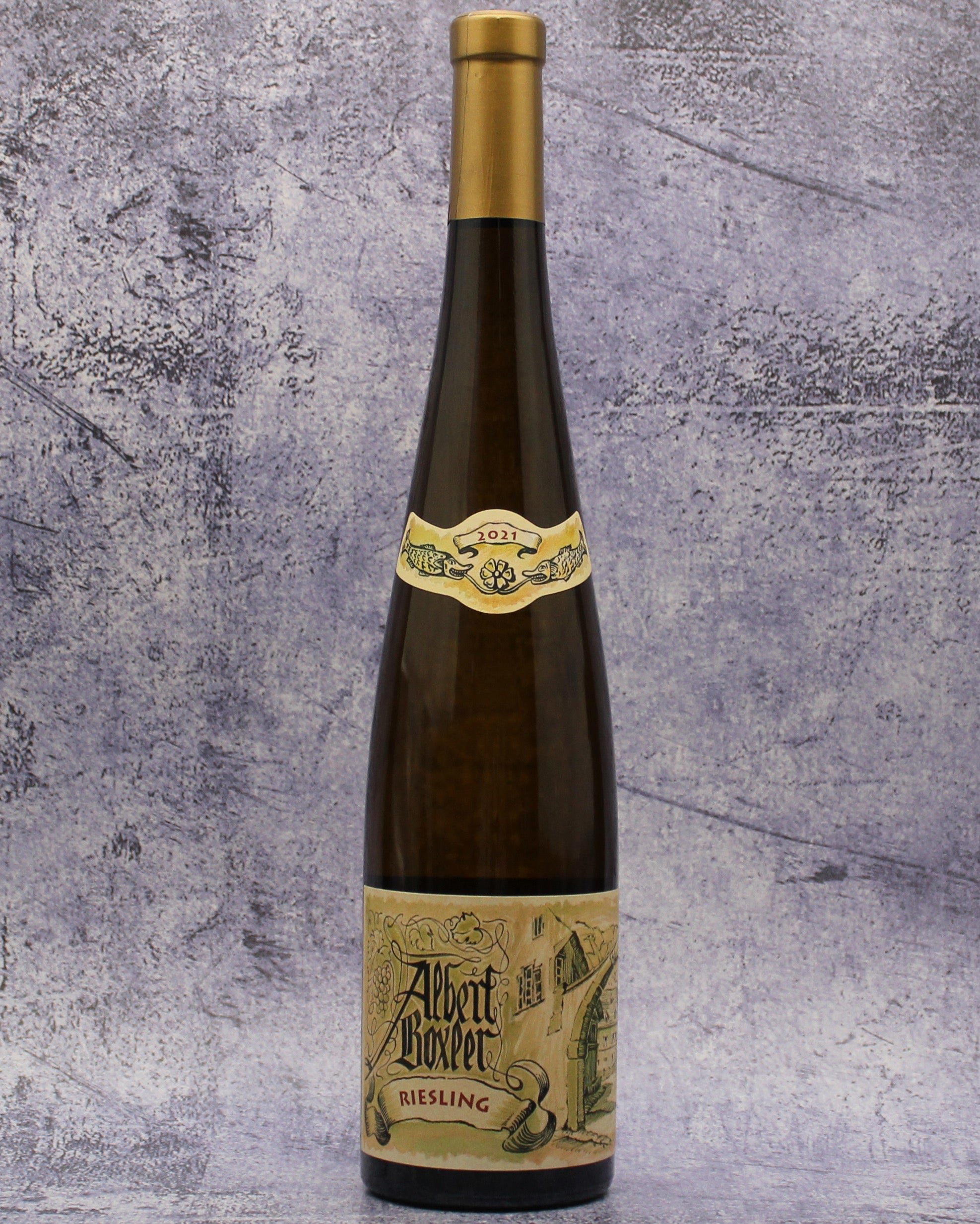
The wine
- Wine program
- Deep wine list
- Extensive wine list
- Sommelier-led
Details
- Elegant
- Sophisticated
- Intimate
- Romantic
- Cozy
- Date Night
- Special Occasion
- Celebration
- Private Dining
- Terrace
- Extensive Wine List
- Sommelier Led
- Local Sourcing
- Tasting Menu
- Prix Fixe
- Wine Pairing
- Vegetarian Friendly
Current opening hours
- Monday
- Closed
- Tuesday
- Closed
- Wednesday
- 12–2 PM
- Thursday
- 12–2 PM, 7–9 PM
- Friday
- 12–2 PM, 7–9 PM
- Saturday
- 12–2 PM, 7–9 PM
- Sunday
- 12–2 PM, 7–9 PM
Hours can change for holidays and private events. Hours as of .
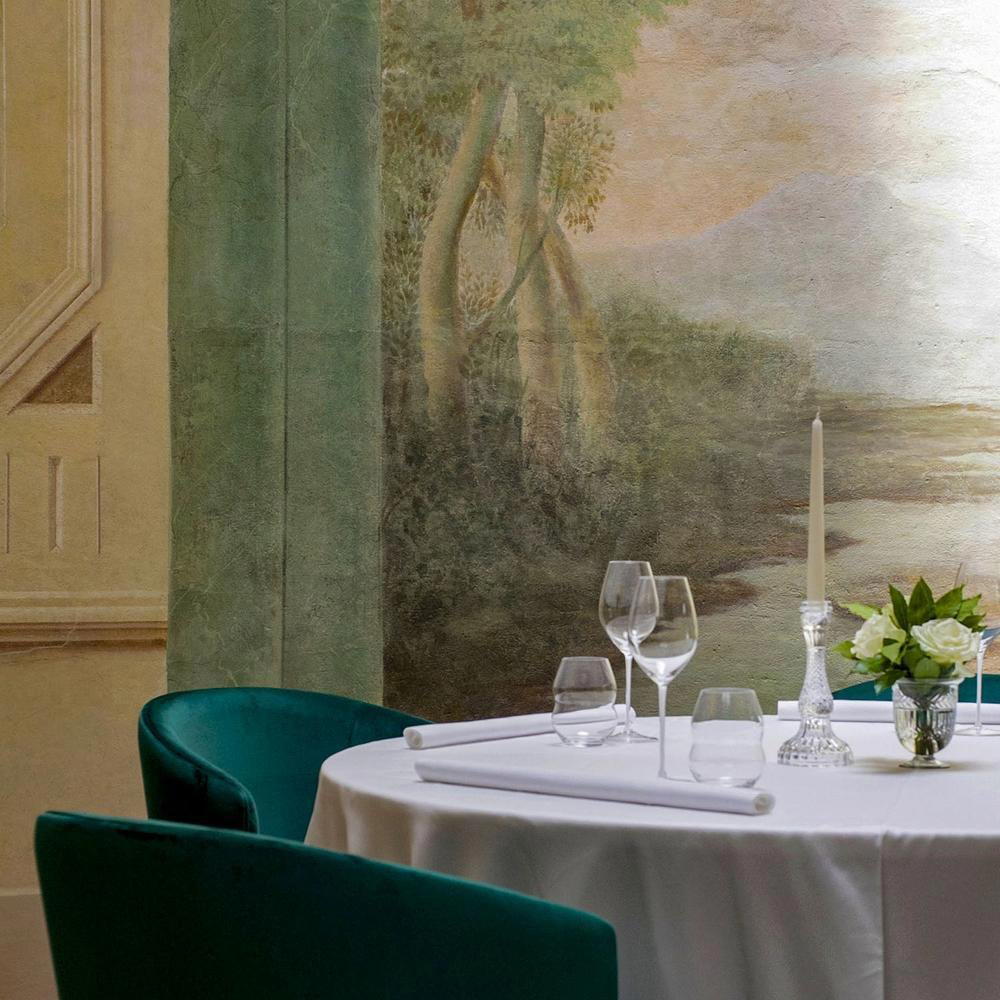
Hushed and refined atmosphere with cosy lighting, elegant decor including a Fragonard fresco, well-spaced tables, and polished discreet service.