Maison Brotte

Maison Brotte is a Châteauneuf-du-Pape wine estate where Rhône Valley production is tied to a serious visitor museum rather than a simple cellar counter. The draw is the combination of Grenache-led southern Rhône wines, a 500 m² wine museum, multilingual audio tours, and structured tastings that move from approachable flights to older-vintage formats.
Pearl is the En Primeur Club membership app — saves, bookings, and concierge access live there. Same editors, same standards.
- Address
- Châteauneuf-du-Pape, Vaucluse, Frankreich
- Directions
- Get directions
 Saves & bookings on Pearl
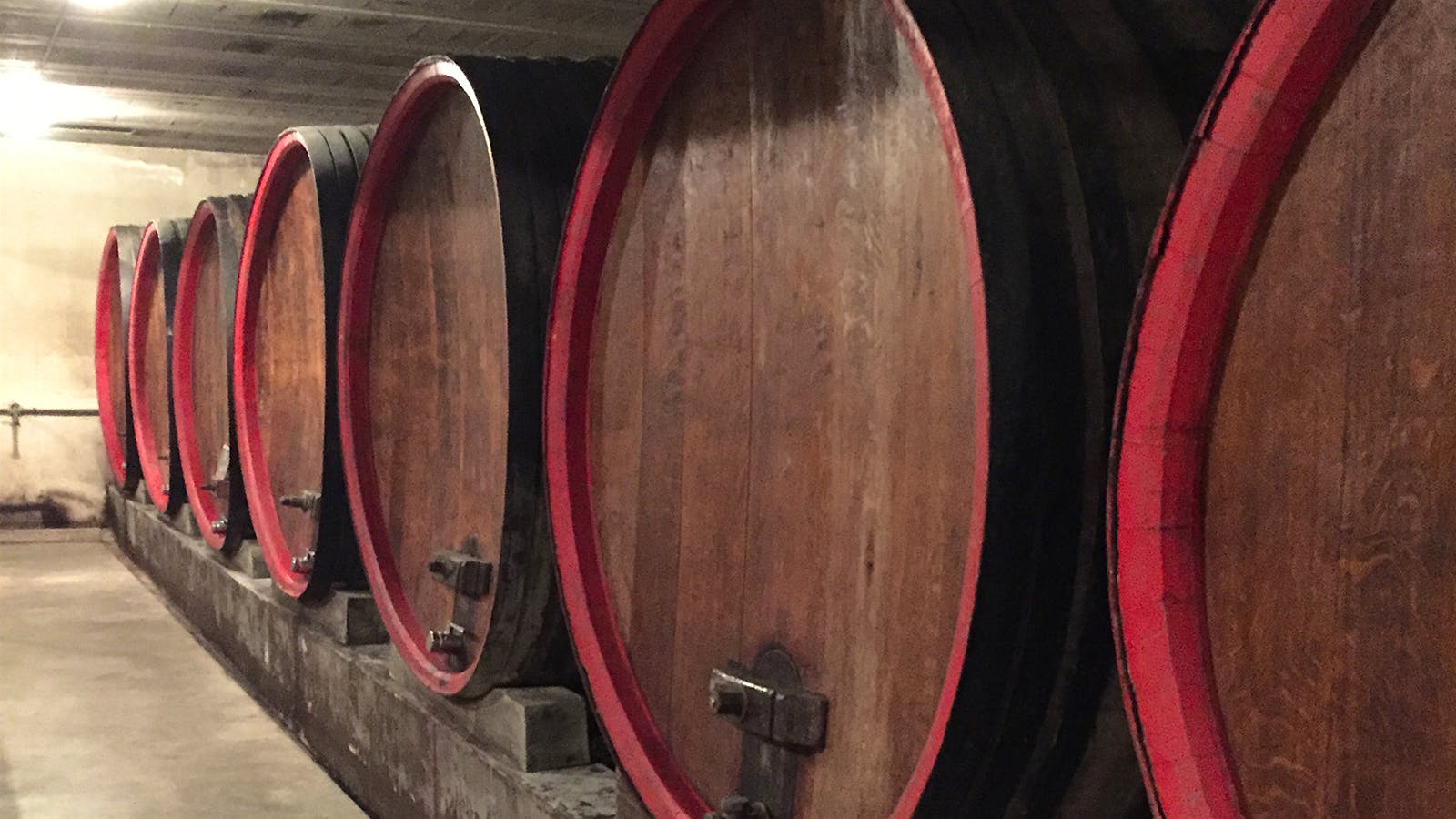
Maison Brotte in Châteauneuf-du-Pape is best framed as an educational wine-estate visit rather than a conventional dining room. The experience centers on an immersive museum, quiet self-paced audio tours, exhibits of historic winemaking tools, and guided tastings in a professional yet friendly cellar setting. In other words, the emphasis is less on sitting down for a meal and more on understanding the setting, the vocabulary, and the working culture around wine before tasting in a guided environment.
That makes the visit useful for travelers who want context before tasting. Instead of relying on claims about specific bottlings, vineyard holdings, awards, or production history, the clearest reason to go is the structure of the experience itself: museum interpretation first, then a guided tasting environment that keeps the tone welcoming and informative. For visitors approaching Châteauneuf-du-Pape without specialist knowledge, that order matters. It gives the tasting a frame, making the cellar portion feel connected to what has just been seen and heard rather than isolated from it.
A museum-led tasting built around tools and learning
Maison Brotte’s visitor experience is built around an immersive museum format. The self-paced audio-tour element gives guests time to move quietly through displays of historic winemaking tools before continuing into a cellar tasting. Because the tour is not described here as rushed or performance-driven, its appeal lies in allowing visitors to absorb the material at their own pace, pausing over the objects and ideas that help explain how wine is made and discussed.
The historic tools are important because they turn the visit into something more concrete than a standard tasting appointment. Rather than beginning with a glass and moving immediately into impressions, the museum component places the tasting after an encounter with the practical side of winemaking. That sequence can be especially helpful for guests who want to connect the sensory part of wine with the physical tools, craft, and cellar context that surround it.
The atmosphere is educational and welcoming, with a professional but friendly feel. For visitors who are new to Châteauneuf-du-Pape, that makes Maison Brotte a practical orientation stop: it provides a structured way to think about the visit without requiring specialist knowledge in advance. The tone implied by the format is approachable rather than intimidating, which is valuable in a region whose name can carry a certain weight for casual drinkers as well as enthusiasts.
The focus is the museum and guided tasting experience
No clearly award, score, or critic-rating information is available in the supplied facts. The dependable focus here is the visitor experience: a museum-centered introduction in Châteauneuf-du-Pape followed by guided tastings in a cellar setting. That is the reliable basis for understanding the winery in this context, and it keeps expectations grounded in what the visit is actually presented as offering.
That is enough to define the tone of the visit. The winery is not presented here as a restaurant, bar, or formal dining venue; it is best understood as a wine-estate experience with an educational museum component and tastings afterward. Travelers looking for a long meal, a cocktail stop, or a broader hospitality venue should therefore place it in a different category. Its value is in the combination of interpretation and tasting, not in a dining-room identity.
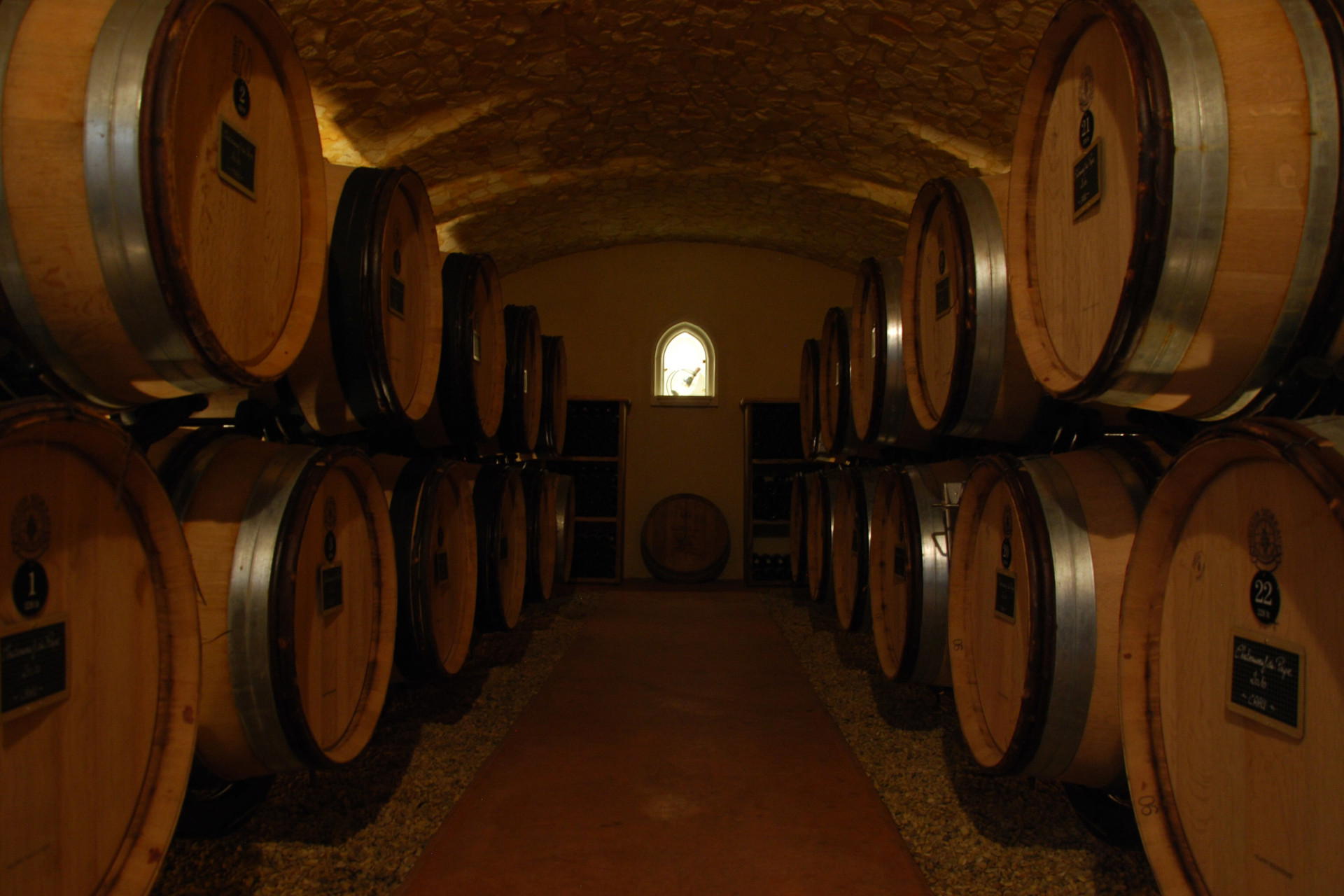
The guided tasting element gives the museum visit a natural conclusion. After moving through the audio-guided material and seeing historic winemaking tools, guests arrive at a cellar setting where the information can be brought back to the glass. The professional yet friendly tone is central: it suggests a visit that takes the subject seriously while still remaining accessible for people who may simply want a clear, calm introduction to Châteauneuf-du-Pape.
The price is $25 per person. Any more specific tasting tiers, inclusions, tour languages, group formats, or private-visit details should be confirmed directly with the venue. That confirmation is especially useful for travelers building a day around multiple stops, because the museum, audio-tour, and guided tasting format should be matched to the practical details of the current visit before arrival.
How to place it in a Châteauneuf-du-Pape itinerary
The winery works well as an orientation stop in Châteauneuf-du-Pape because the museum and audio-tour format can give visitors context. The tone is quiet, self-paced, and educational, followed by guided tasting in a professional yet friendly cellar setting. In an itinerary, that makes it a logical early stop for people who want to establish a framework before moving on to other parts of the village or surrounding area.
Its role is also direct: it can help translate a famous wine place into a more understandable visitor experience. The museum component gives structure; the historic winemaking tools add texture; the audio-guided exploration allows guests to proceed without pressure; and the cellar tasting brings the visit back to the central reason many travelers come to Châteauneuf-du-Pape in the first place. None of that requires treating the winery as a full dining destination.
For planning, treat the winery as a Châteauneuf-du-Pape wine-estate museum and tasting visit at $25 per person. For meals, lodging, bars, or additional activities, compare options in Châteauneuf-du-Pape generically and verify current details directly with each venue. This distinction helps keep the day organized: the winery can supply the educational wine-estate piece, while other needs should be checked separately according to the traveler’s plans.
The useful distinction at the winery is direct: the visit combines museum interpretation, historic winemaking tools, audio-guided exploration, and cellar tasting into one approachable Châteauneuf-du-Pape experience. It is strongest when approached on those terms, as a calm, structured way to learn before tasting, rather than as a venue defined by dining, awards, or claims not supplied here.
Recognition history
Dated appearances from independent guides and award organizations, with the underlying list record or original source where available.
Falstaff Winery - Listed
Falstaff
Continue exploring
More in Châteauneuf-du-Pape
Wineries in Châteauneuf-du-Pape
Browse all →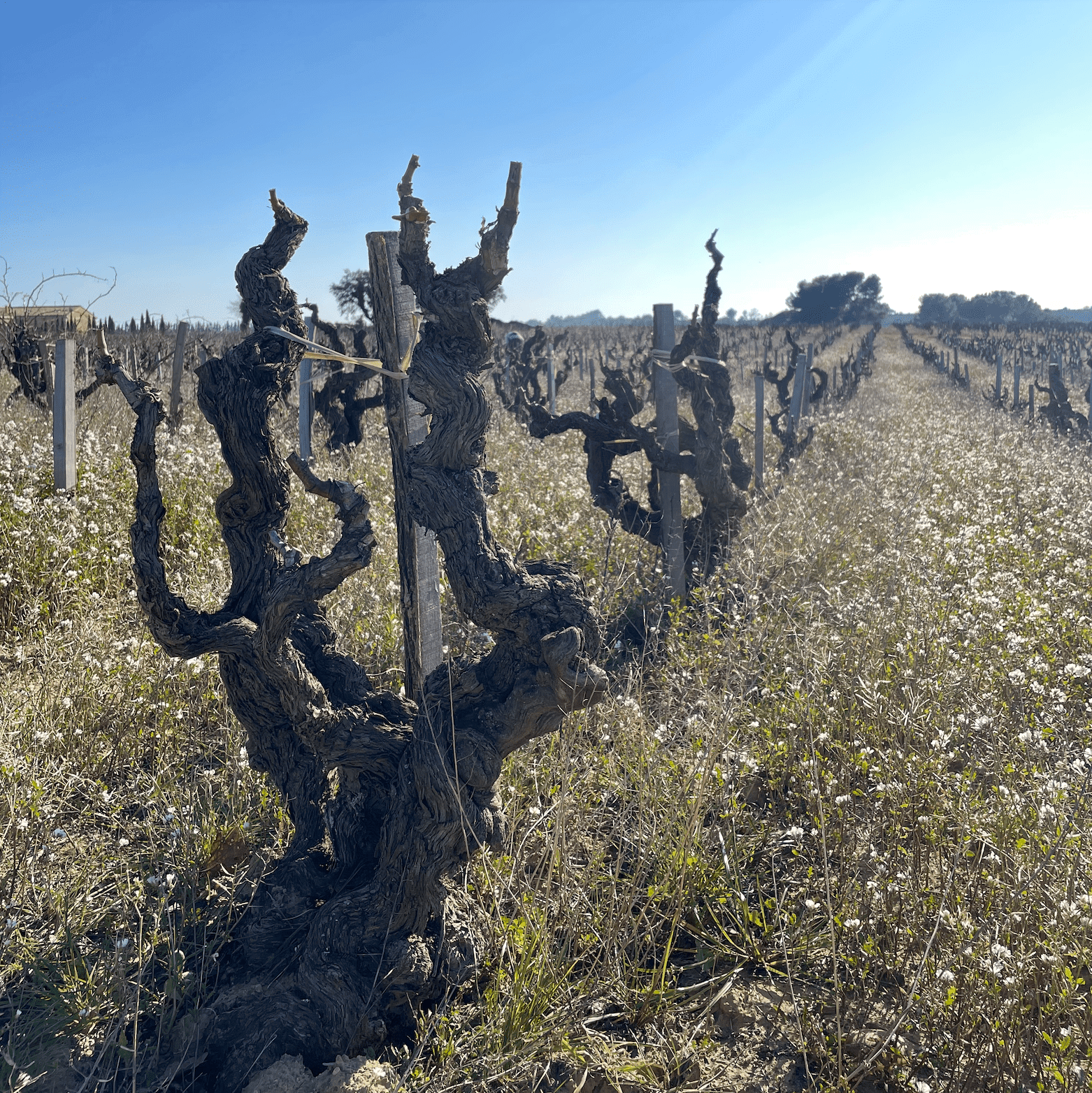
Bars in Châteauneuf-du-Pape
Browse all →
Restaurants in Châteauneuf-du-Pape
Browse all →
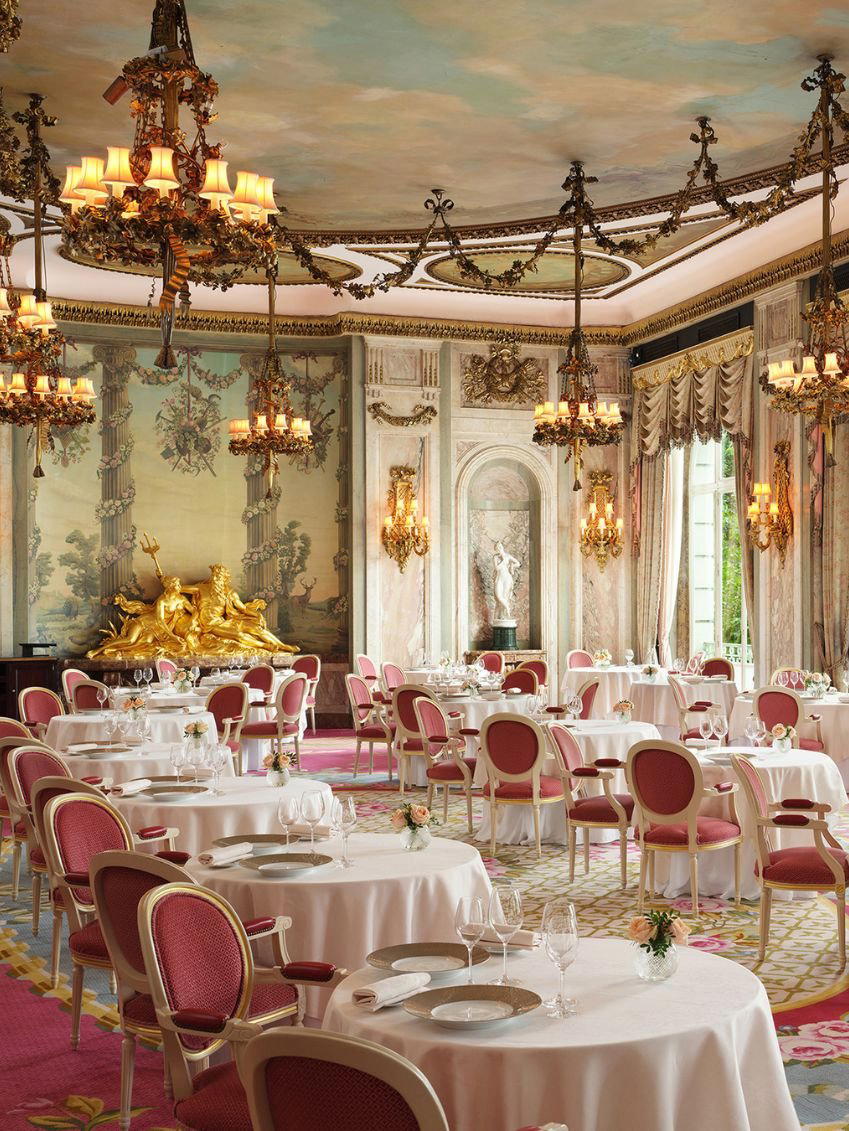
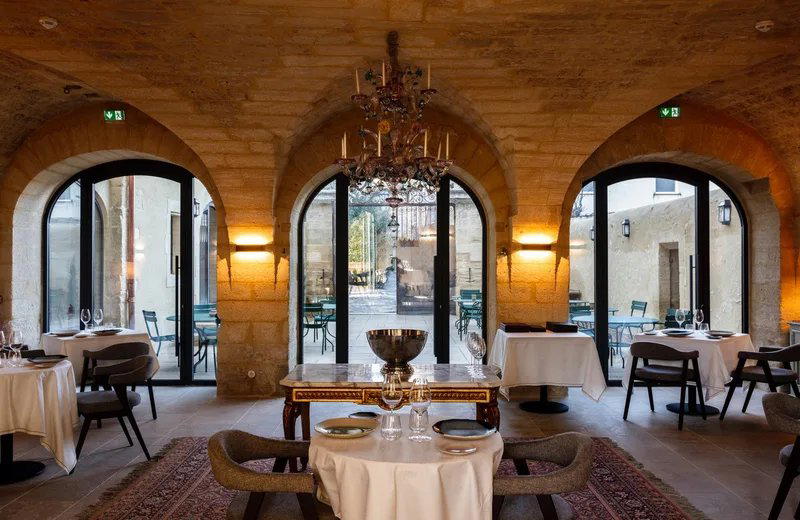
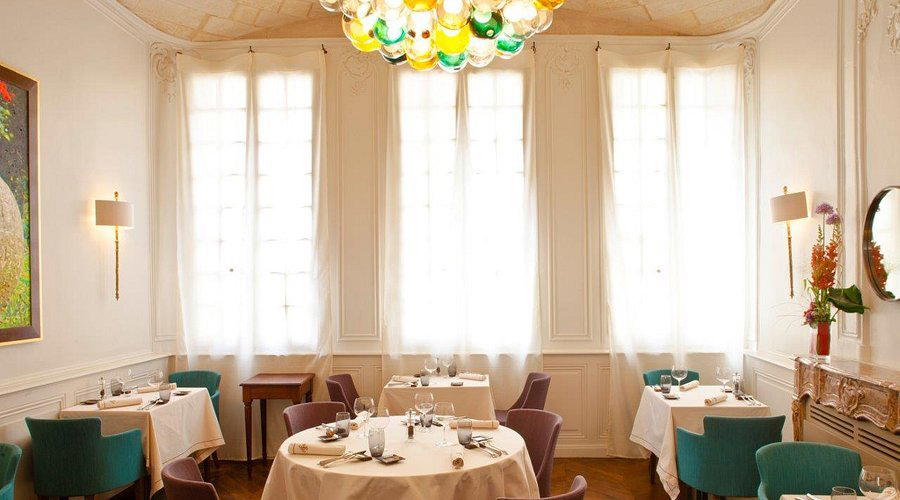
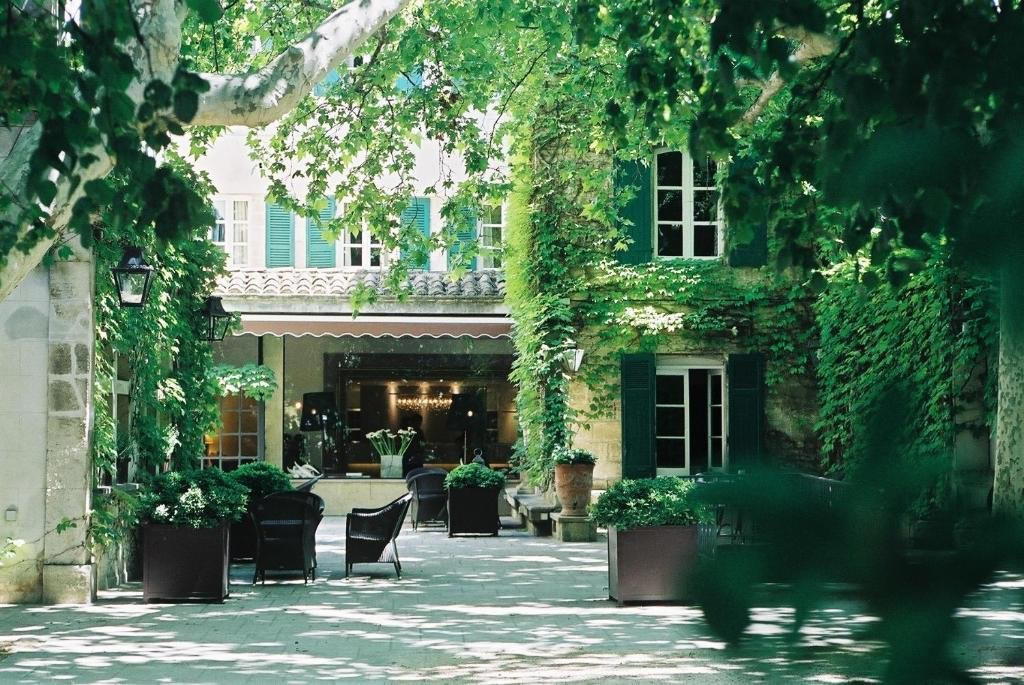
At a Glance
- Classic
- Scenic
- Elegant
- Well Known
- Rustic
- Intimate
- Wine Education
- Group Outing
- Romantic Getaway
- Solo Exploration
- Family
- Corporate Event
- Estate Grounds
- Vineyard Tour
- Historic Building
- Private Tasting
- Cave Tasting
- Sustainable
- Vineyard
- Châteauneuf Du Pape AOC
- Grenache
- Syrah
- Mourvèdre
- Viognier
- Still Red
- Still White
- Still Rosé
- Bar Tasting
- Structured Flight
- Museum + Tasting Experience
- Private Tasting
- Food Pairing Tasting
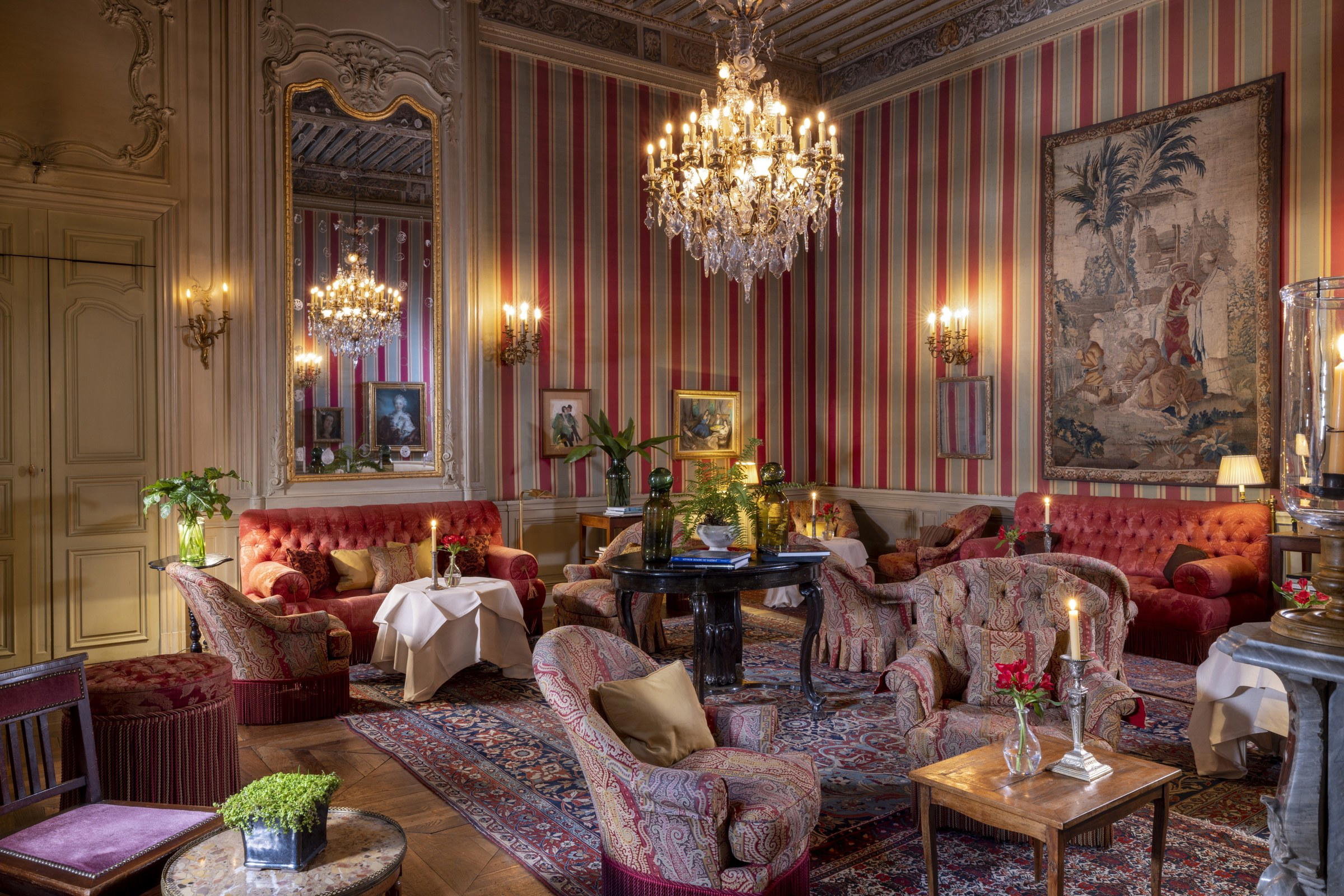
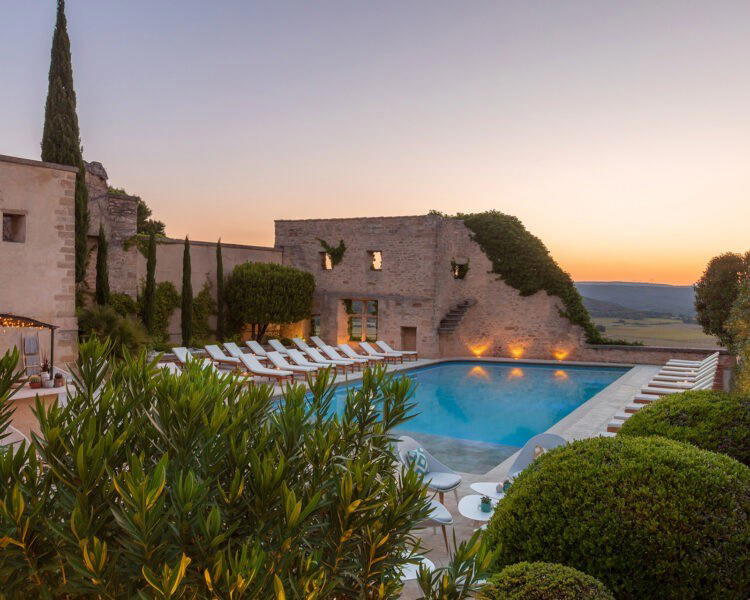
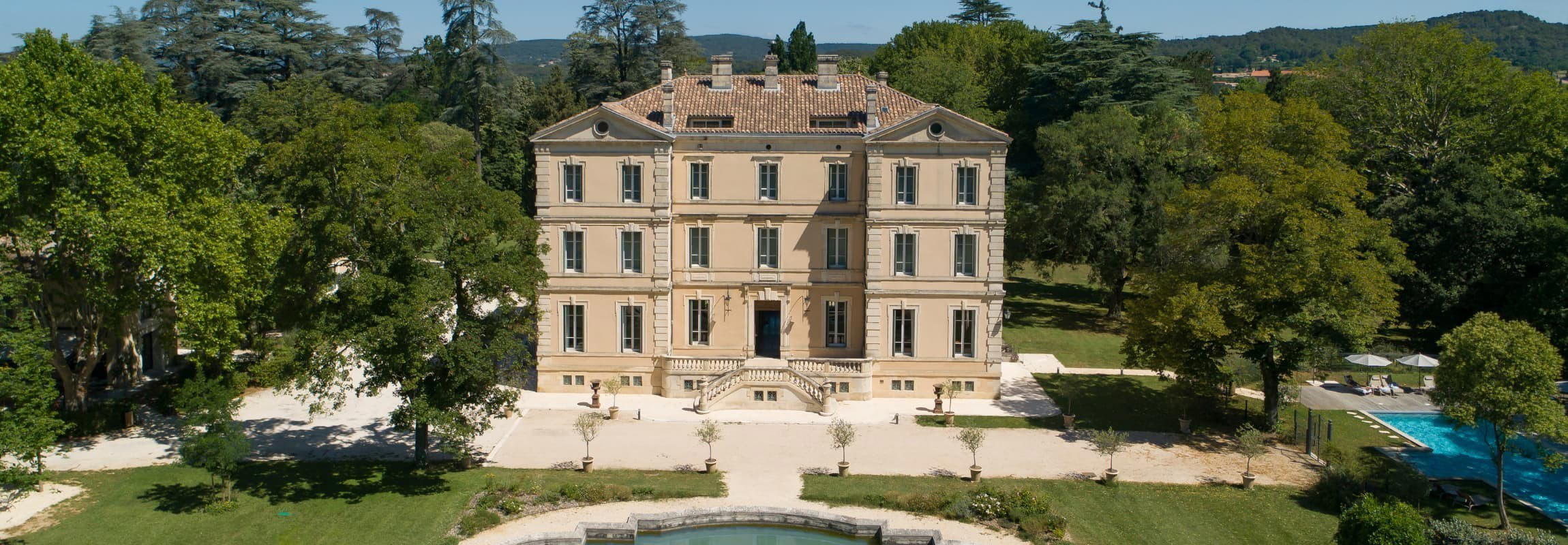
Educational and welcoming wine estate atmosphere centered around an immersive museum, with quiet self-paced audio tours through exhibits of historic winemaking tools followed by guided tastings in a professional yet friendly cellar setting.