Le Serre des Mourres

Le Serre des Mourres is a small organic family estate in Châteauneuf-du-Pape, created in 2013 and built around parcel-level expression rather than visitor infrastructure. Its nearly 9 hectares are split between southern plots suited to white varieties and higher northern parcels tied to the flagship red cuvée, with production under 50,000 bottles a year and Decanter World Wine Awards scores ranging from 87 to 97 points by vintage.
Pearl is the En Primeur Club membership app — saves, bookings, and concierge access live there. Same editors, same standards.
- Address
- Châteauneuf-du-Pape, Vaucluse, Frankreich
- Directions
- Get directions
 Saves & bookings on Pearl
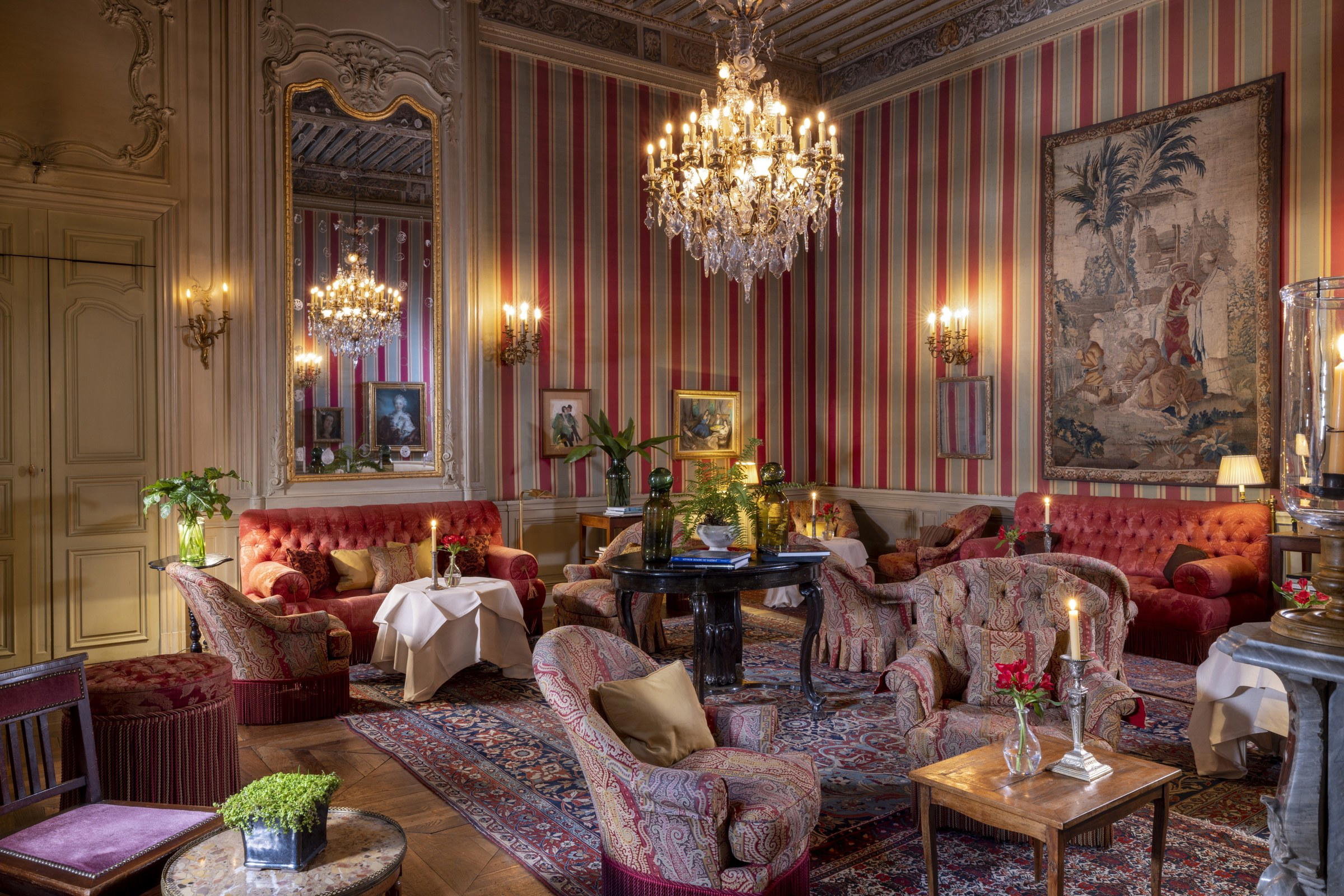
Le Serre des Mourres is a small organic family estate in Châteauneuf-du-Pape. The picture is deliberately modest: an intimate, artisanal producer with a quiet, rustic feel and a focus on detailed vineyard work and expressive blends rather than large-scale tourism infrastructure. Its appeal lies in that sense of scale. Nothing in the description suggests a polished visitor machine or a venue built around spectacle; instead, the estate reads as the kind of place where the vineyard remains the organizing idea and where the wines are framed through craft, blend, and place.
Because the confirmed public details are limited, the safest way to read the estate is through its scale and mood rather than through claims about specific parcels, production figures, owners, vintages, awards, visit formats, or bottlings. That restraint matters. Châteauneuf-du-Pape can easily be approached through famous names and broad assumptions, but Le Serre des Mourres is better handled with a lighter editorial touch. For travelers, the appeal is the sense of a hidden-gem Châteauneuf-du-Pape estate where the vineyard and blend remain the center of attention, and where the quieter, family-scale character is the point rather than a missing detail.
Vineyard work and blending shape the estate's Châteauneuf-du-Pape identity
What can be stated is that the estate’s identity is tied to careful vineyard work and expressive blending within Châteauneuf-du-Pape. That is enough to establish the broad outline without overstating the case. The emphasis on vineyard work suggests an estate defined from the ground up, while the reference to expressive blends places the focus on balance, interpretation, and the way a small producer can shape a Châteauneuf-du-Pape identity through attentive choices rather than scale.
That makes it a useful stop for readers who prefer small, organic, family producers over more built-out visitor experiences. The tone is romantic, quiet, rustic, intimate, and understated, with the emphasis placed on the estate’s artisanal character rather than on spectacle. In practical terms, this means the attraction is not the promise of a grand, highly programmed wine-tourism encounter. It is the possibility of engaging with a more discreet version of the appellation, one where the language of the estate points toward handwork, patience, and a close relationship between vineyard and cellar.
For a broader trip, compare Le Serre des Mourres with other options in Châteauneuf-du-Pape generically, keeping the estate’s smaller, quieter profile in mind. It should not be measured against larger or more publicly documented addresses on the same terms. Its value is better understood in contrast: less about breadth of facilities or a long list of public details, more about the appeal of a compact, organic, family-run estate with an understated sense of place.
An expressive Châteauneuf-du-Pape estate profile
The information supports a general description of the winery as a Châteauneuf-du-Pape estate focused on expressive blends. It does not confirm specific wine names, vintages, grape compositions, scores, awards, event appearances, or production volumes. Those omissions should be treated carefully, not filled in with assumptions. The available profile is intentionally broad, and particularly accurate reading is to keep the focus on the estate’s character rather than to force a more detailed technical narrative.
For that reason, the editorial value here is not a catalog of bottles, but the estate’s position: a small organic family producer whose appeal rests on vineyard detail, artisanal work, and a more intimate expression of Châteauneuf-du-Pape. This is a useful distinction for travelers. Some estates are best introduced through a list of cuvées, scores, visitor programs, and production scale; this one is better introduced through atmosphere and orientation. Its identity is rooted in the idea of a quieter Châteauneuf-du-Pape experience, shaped by organic family production and expressive blending rather than by public volume of information.
Visitors should avoid assuming a formalized tasting format or broad hospitality setup unless confirmed directly with the estate. The description points instead to a quiet, rustic, hidden-gem feel rather than large-scale tourism infrastructure. That does not diminish its appeal; it clarifies it. Anyone considering a visit should approach it with expectations suited to a modest, artisanal estate, where the draw is the intimate mood and vineyard-centered identity rather than the certainty of a large, highly structured visitor operation.
How to read it within Châteauneuf-du-Pape
The winery is better understood as a small, organic family estate than as a major visitor complex. The useful lens is restraint: intimate setting, detailed vineyard work, expressive blends, and a quiet Châteauneuf-du-Pape identity. Within an appellation that can be encountered through many different styles of estate presentation, this one occupies the more discreet end of the spectrum. Its profile invites a slower, more attentive reading, with emphasis on craft and mood rather than on a checklist of amenities.
As a travel choice, it suits visitors drawn to a romantic and understated estate atmosphere. For planning, treat the confirmed information as intentionally narrow: the venue is in Châteauneuf-du-Pape, carries a $$ price level, and is positioned around organic family production, artisanal character, and expressive blends. A useful approach is to value that narrowness rather than push beyond it. Read the winery as a quiet, family-scale expression of Châteauneuf-du-Pape, appealing precisely because it appears modest, intimate, and focused on the vineyard-led essentials.
Recognition history
Dated appearances from independent guides and award organizations, with the underlying list record or original source where available.
Falstaff Winery - Listed
Falstaff
Continue exploring
More in Châteauneuf-du-Pape
Wineries in Châteauneuf-du-Pape
Browse all →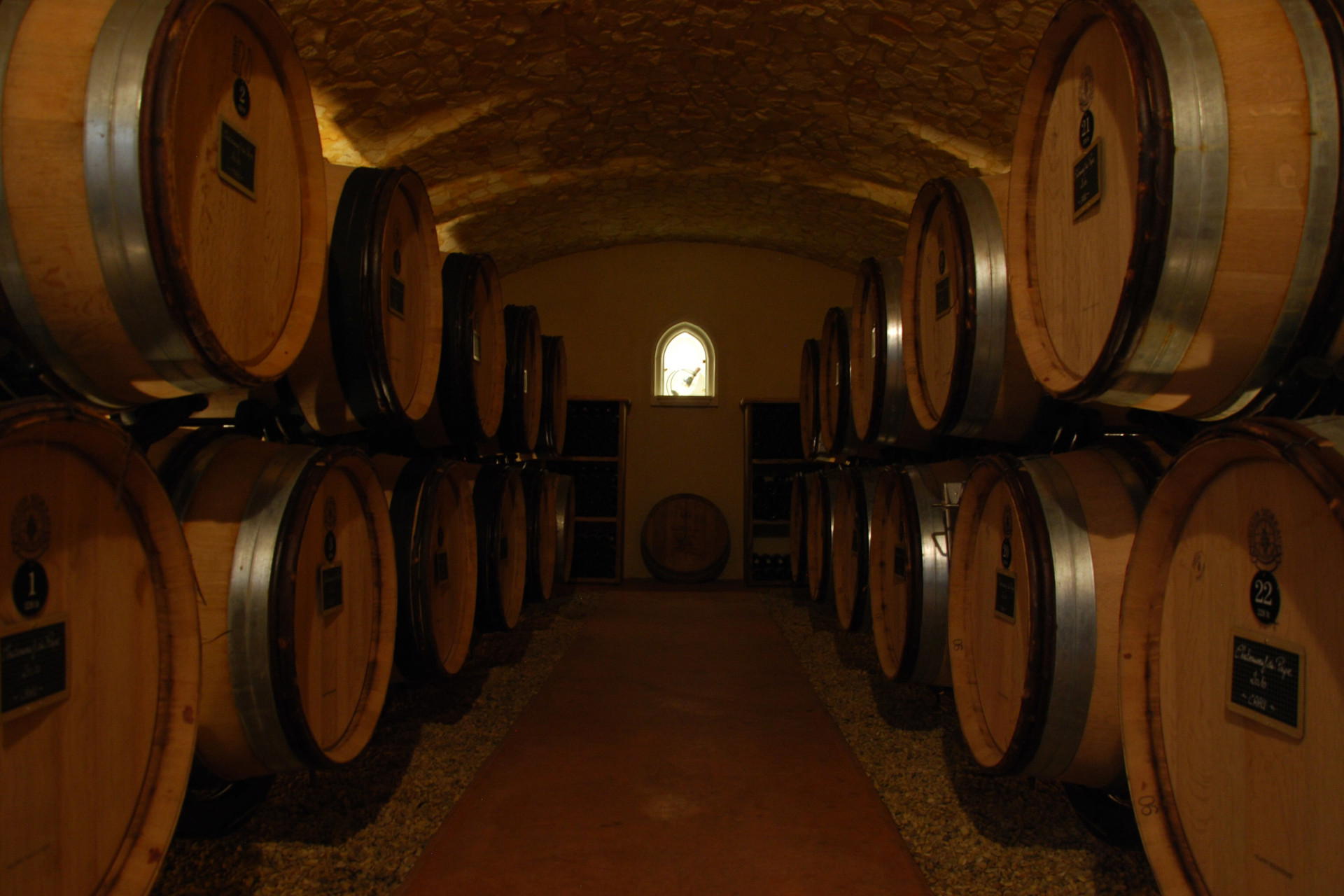
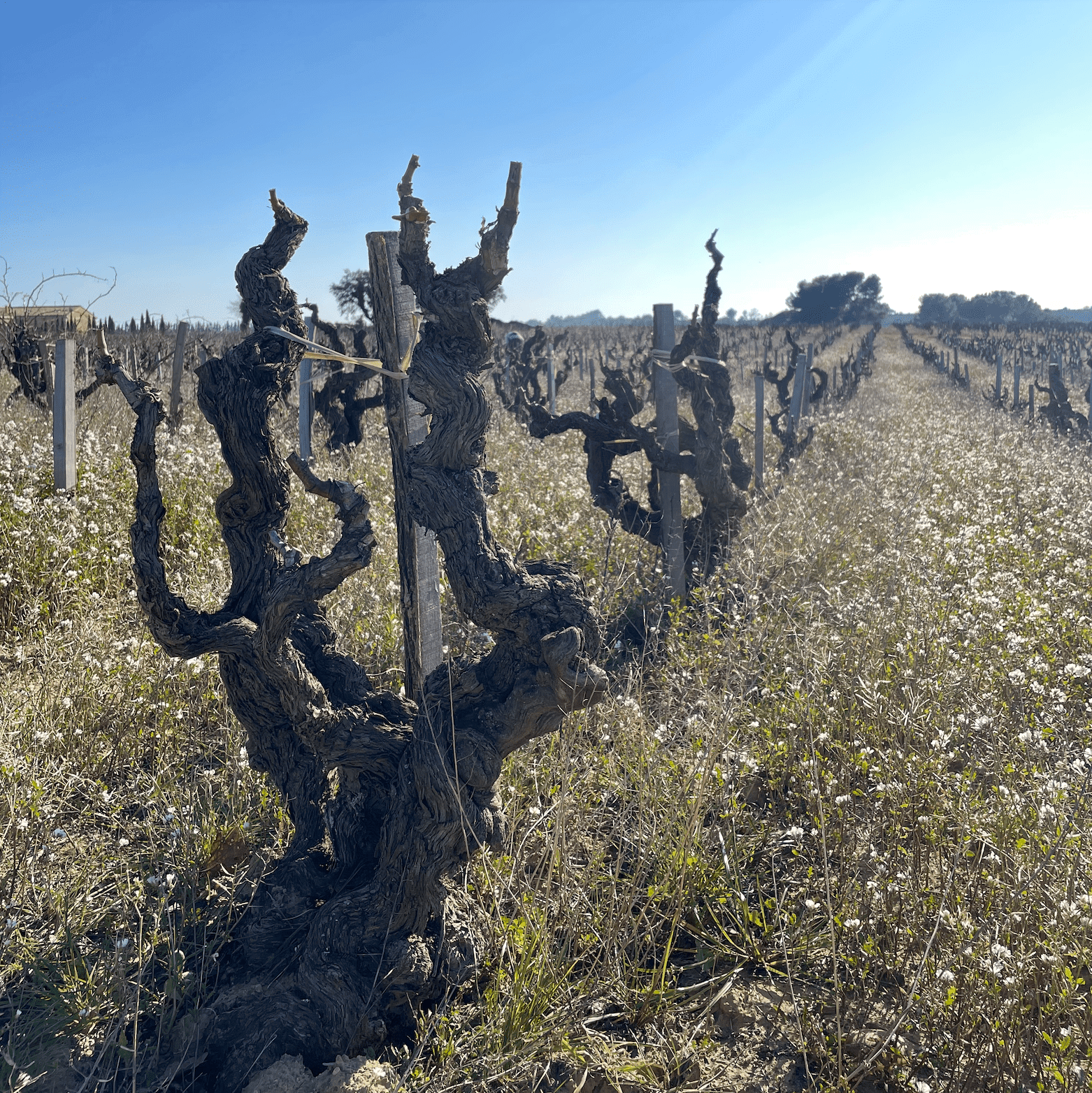
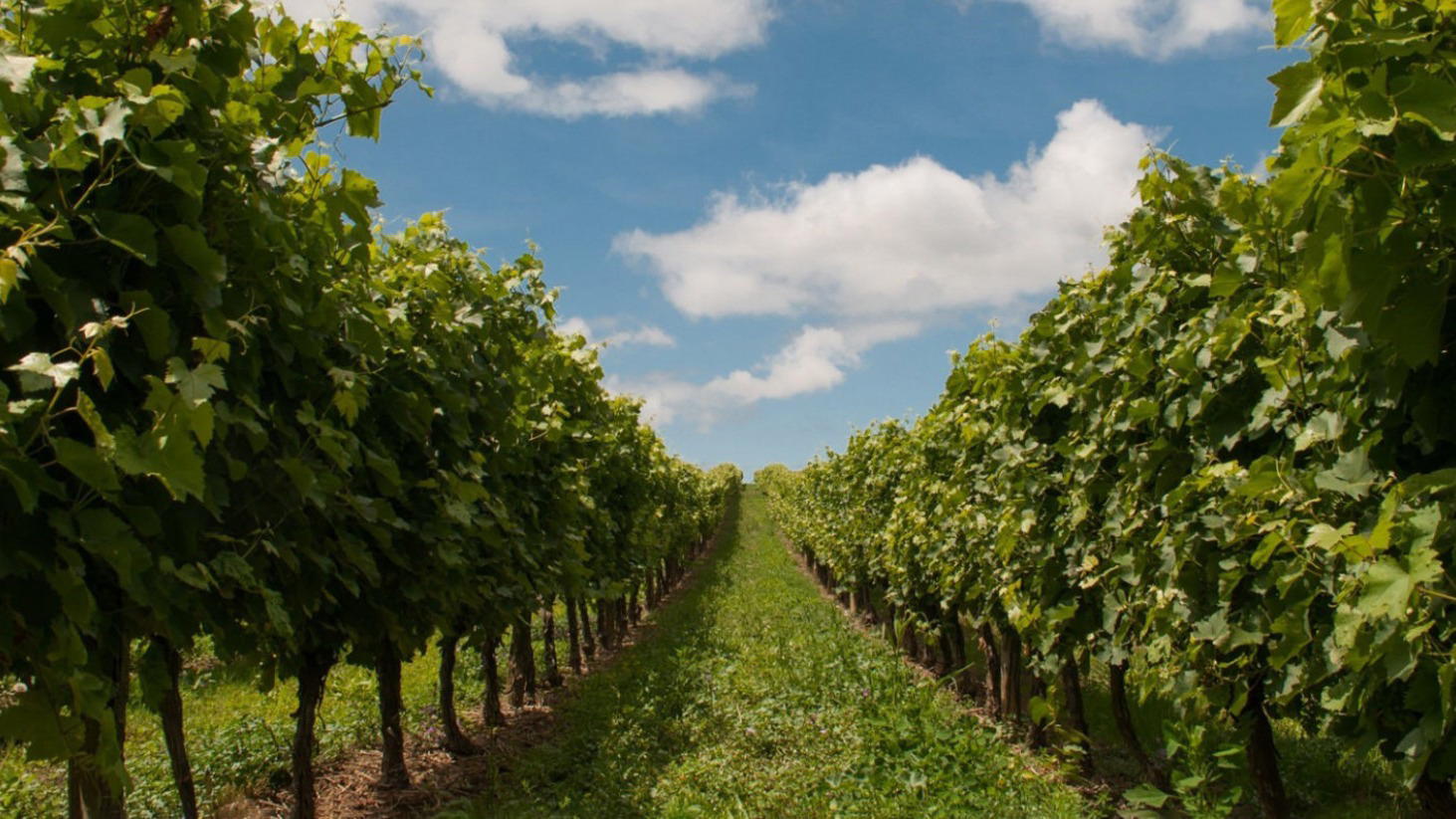
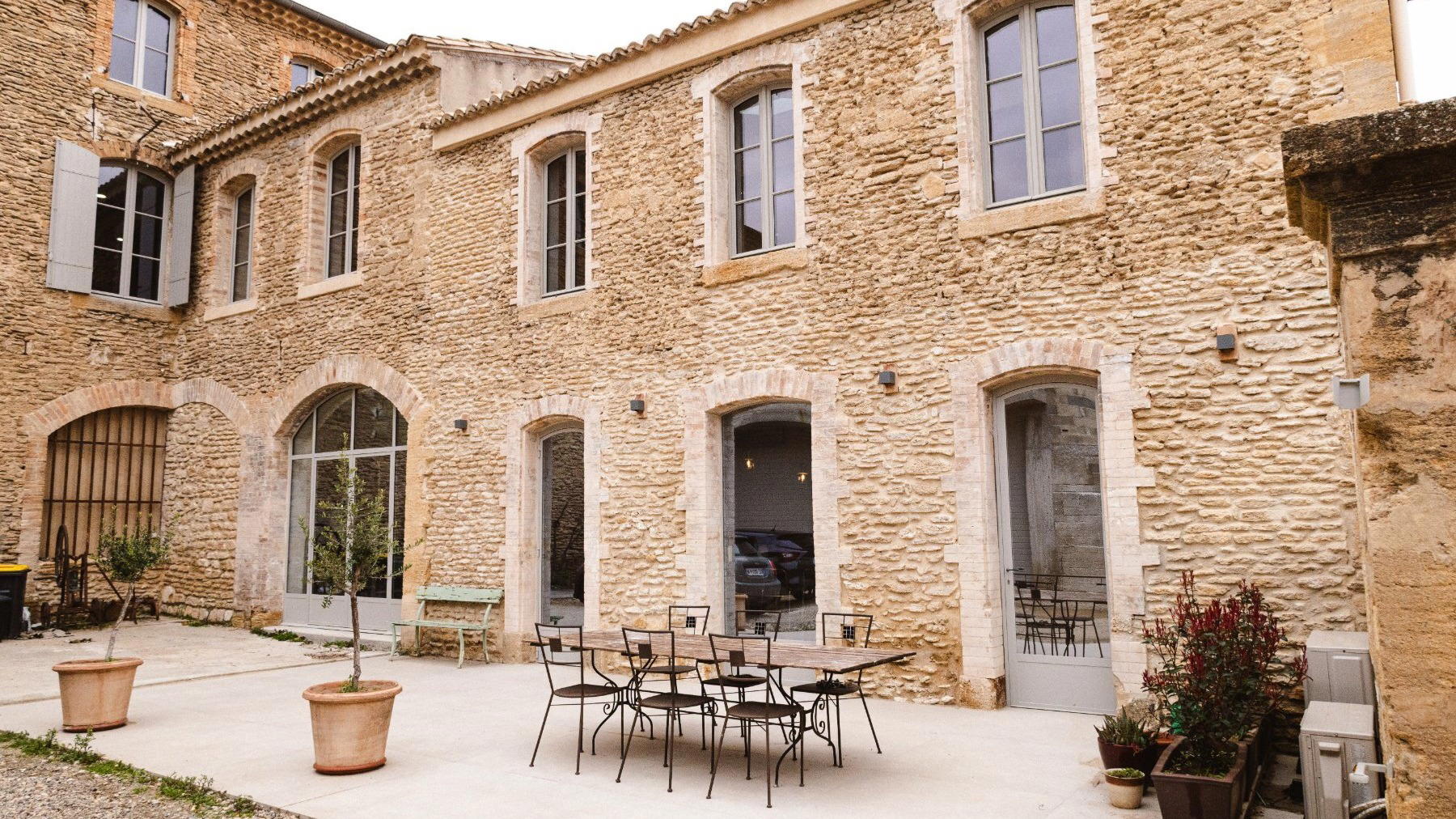
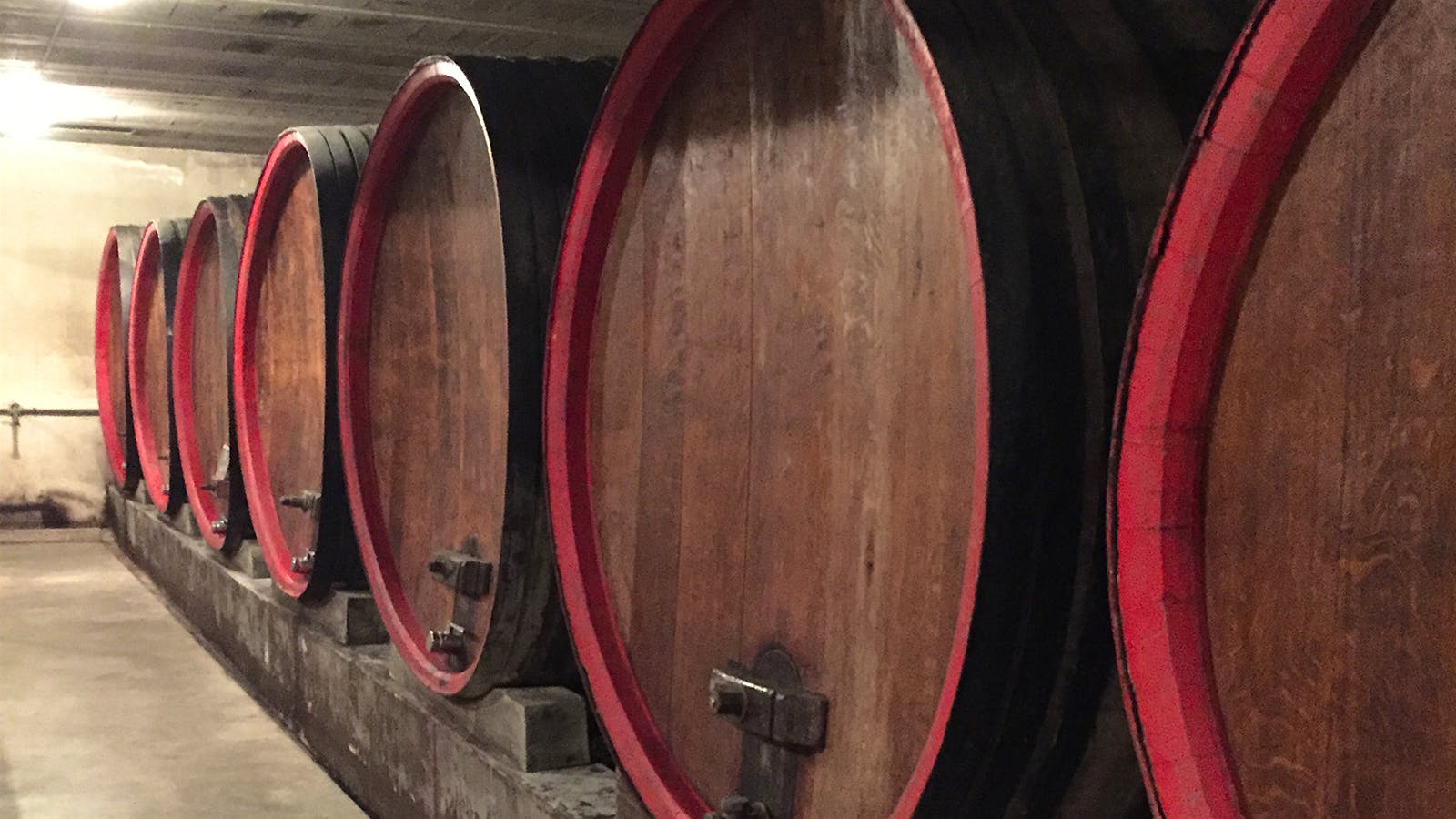
Bars in Châteauneuf-du-Pape
Browse all →
Restaurants in Châteauneuf-du-Pape
Browse all →
At a Glance
- Romantic
- Quiet
- Rustic
- Intimate
- Romantic Getaway
- Group Outing
- Wine Education
- Special Occasion
- Solo Exploration
- Organic
- Vineyard
- Châteauneuf Du Pape AOC
- Grenache Noir
- Syrah
- Mourvèdre
- Cinsault
- Vaccarèse
- Roussanne
- Grenache Blanc
- Clairette
- Bourboulenc
- Still Red
- Still White
- Still Rosé
- Standard Tasting
- Free Tasting
Small organic family estate in Châteauneuf-du-Pape with an intimate, artisanal feel, focused on detailed vineyard work and expressive blends rather than large-scale tourism infrastructure.