
Falstaff Winery - Listed
La Querciolana is an Umbrian agritourism estate where wine, olive oil, lodging, and religious heritage share the same ground. Its draw is not trophy recognition but a compact Panicale expression: vineyards and olive groves near Lake Trasimeno, DOC Colli del Trasimeno wines, organic DOP Umbria oil, and a restored church-and-convent setting with roots in the 14th century.

Pearl is the En Primeur Club membership app — saves, bookings, and concierge access live there. Same editors, same standards.
- Address
- Via Vieniche, 4, 06064 Panicale PG, Italy
- Phone
- +39 075 837477
- Website
- laquerciolana.it
- Directions
- Get directions
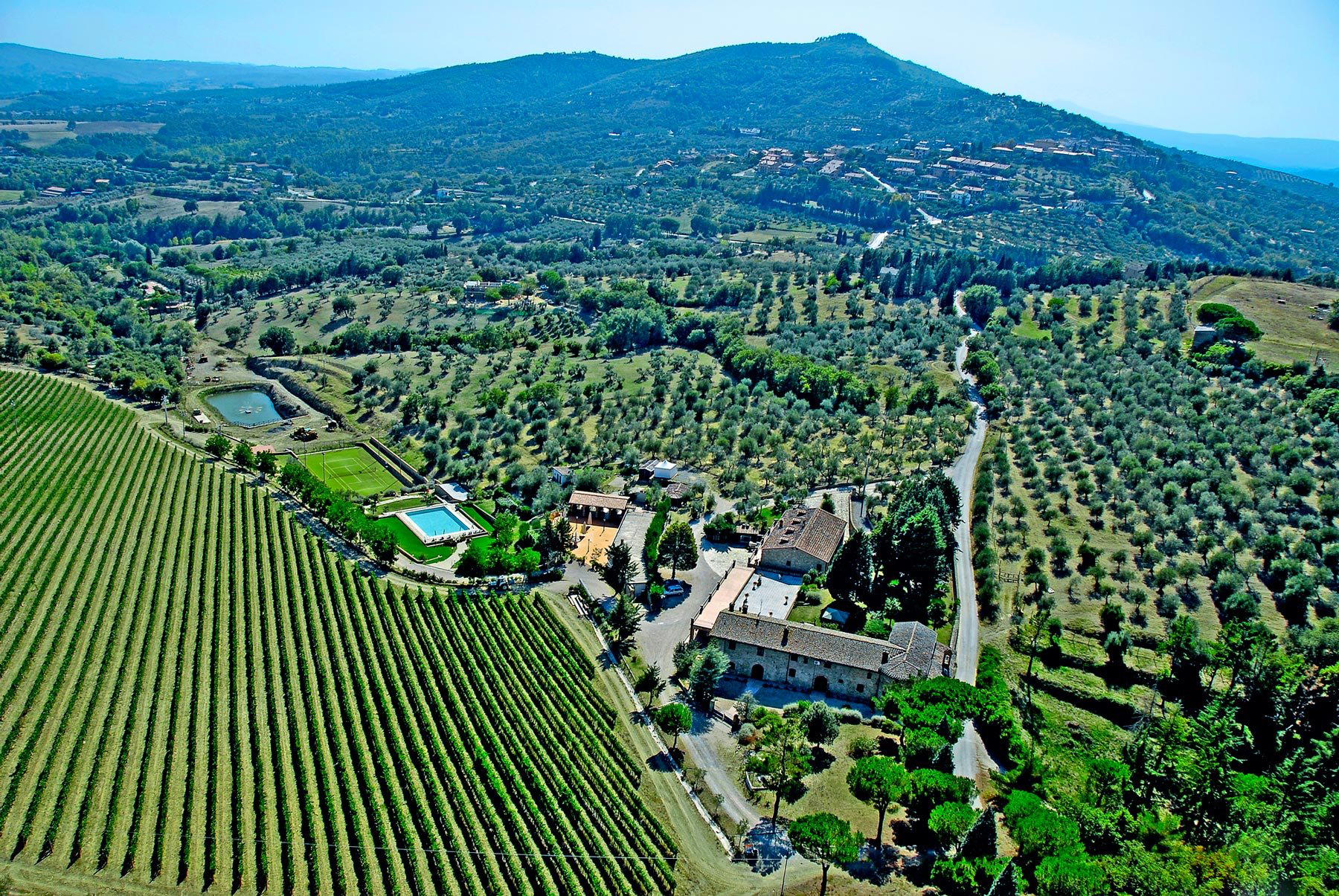
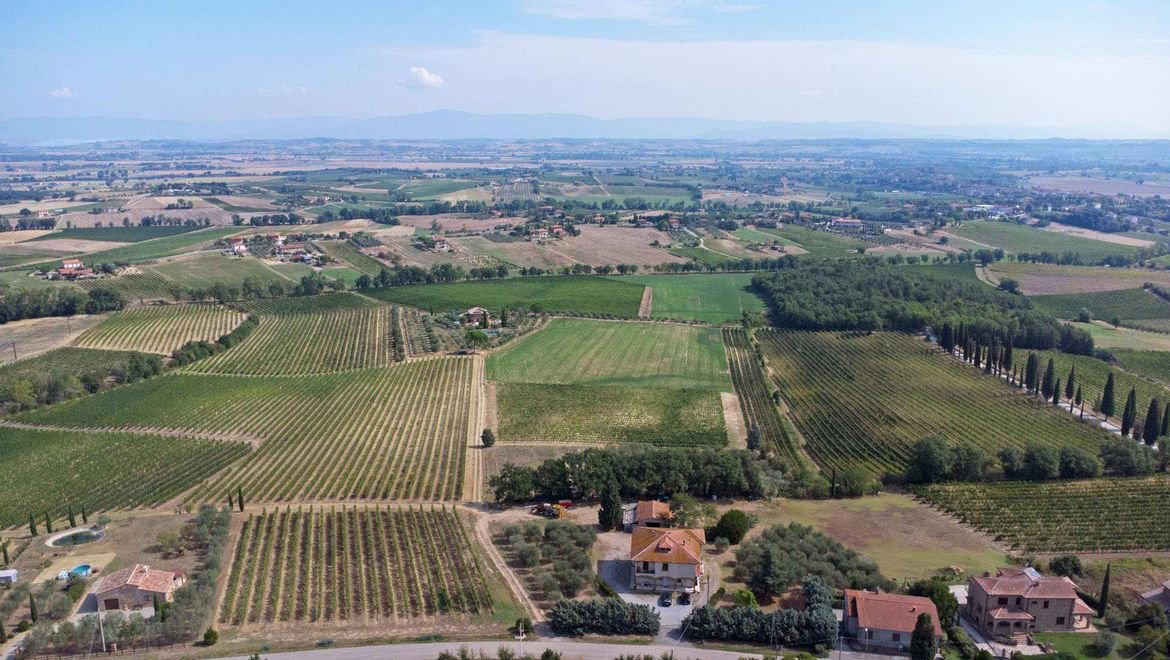
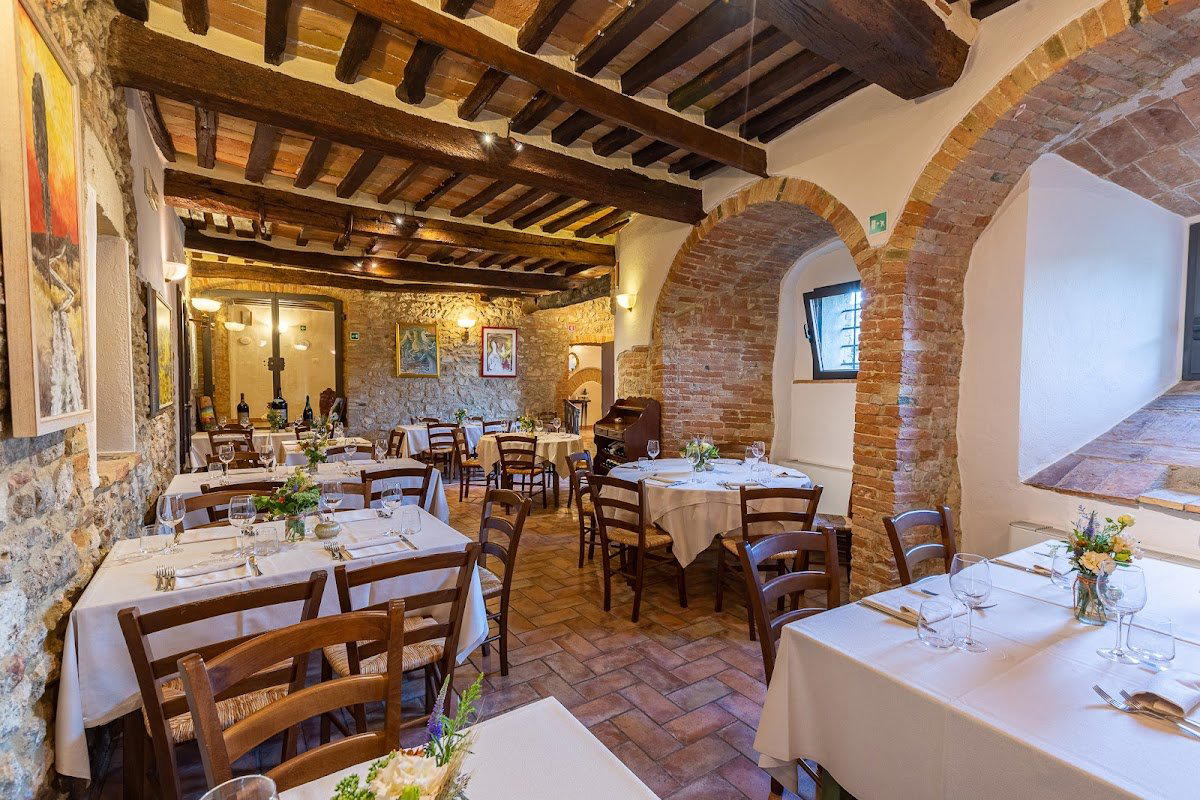
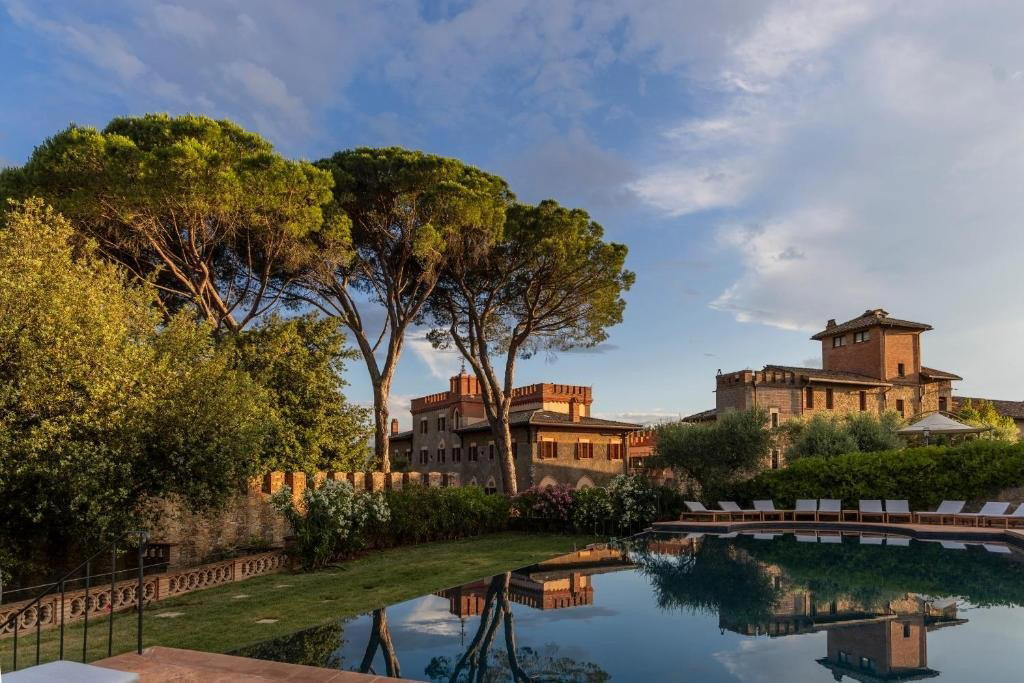
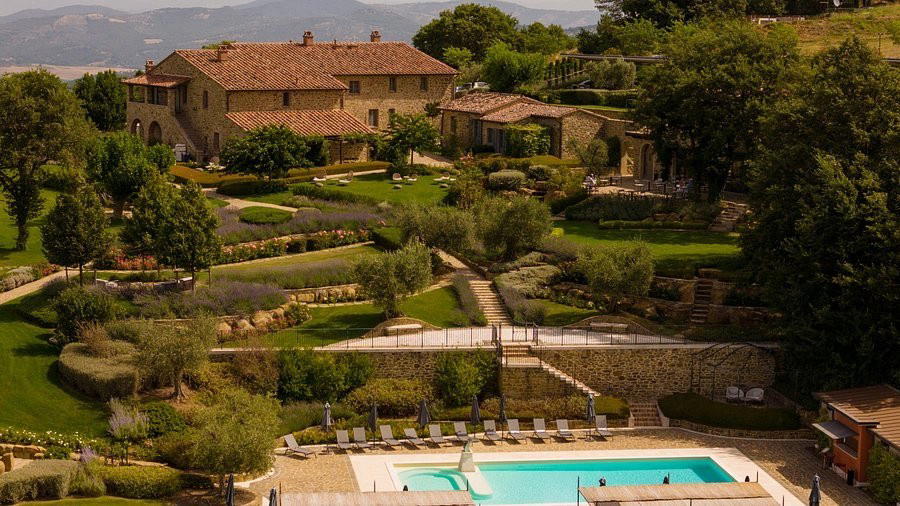
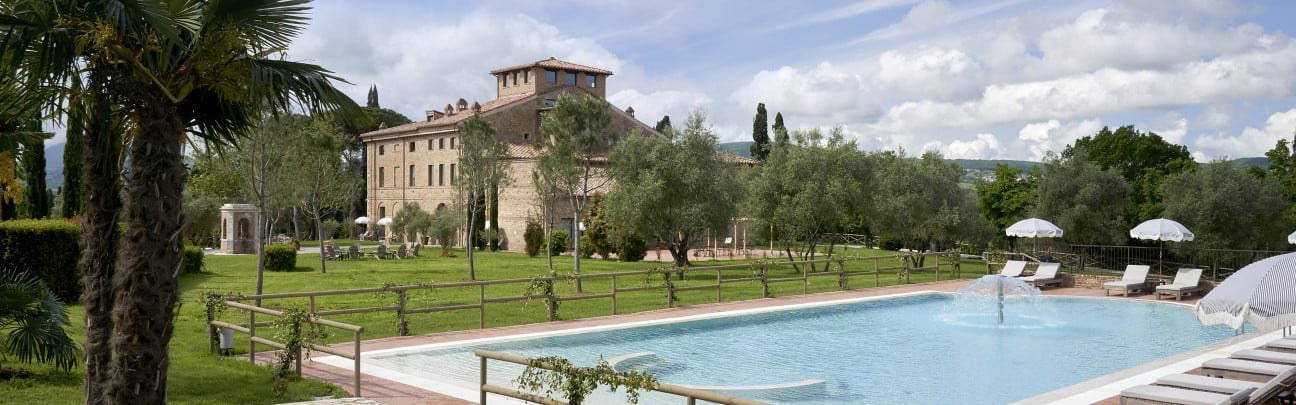
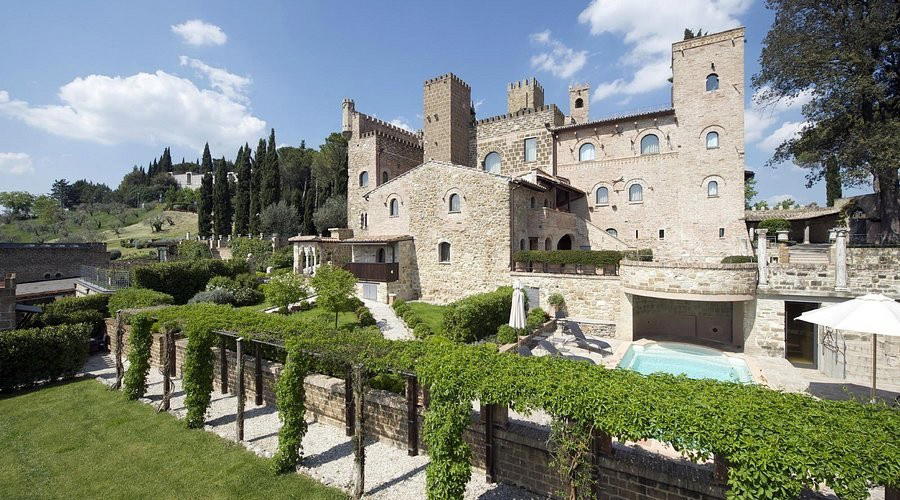
La Querciolana is a restored historic agritourism estate in Panicale, set in the green Umbrian hills with a rustic, tranquil atmosphere. Its appeal is rooted in the countryside setting: vineyards, olive groves, and a quiet rural character that feels more like a hidden estate than a busy destination. The first impression is therefore not about spectacle or a heavily packaged experience, but about landscape, age, and the slower texture of rural Umbria.
The estate is best understood as a scenic, classic Umbrian retreat rather than a place defined here by confirmed restaurant details, published scores, or formal accolades. The information supports a simple, setting-led portrait: La Querciolana is a rustic agritourism estate in Panicale with a historic 14th-century church and convent setting. That means the most reliable way to read it is through atmosphere and context: a restored property, embedded in the hills, where the surrounding countryside is central to the identity.
Umbrian hills, vineyards, and olive groves
La Querciolana’s strongest identity is its landscape. The setting centers on vineyards and olive groves in the green hills around Panicale, giving the estate a calm agricultural feel. Rather than relying on a documented menu, tasting format, or production details, the draw is the broader sense of place: rural Umbria, open scenery, and a quiet rhythm. The presence of vines and olives matters because it places the estate within a recognizably Umbrian agricultural frame, where the land is not simply a backdrop but part of the character of the visit.
What can be said confidently is that La Querciolana presents itself through a rustic countryside atmosphere tied to vines, olives, and historic estate architecture. This is the kind of setting where the appeal comes from continuity: restored stone, cultivated land, and the visual softness of the hills working together to create a sense of retreat. The experience, as described by the available information, is less about a list of specific services and more about being in a preserved rural environment.
For visitors comparing options in Panicale, this makes La Querciolana a better fit for those seeking a scenic agritourism atmosphere than for those choosing based on a documented restaurant menu, critic rating, or formal dining format. The price level is $. In practical terms, it should be approached as a countryside estate first: a place whose strongest confirmed qualities are its setting, rustic tone, and historic surroundings, rather than any culinary or hospitality claims.
A historic agritourism estate with a 14th-century church and convent setting
The historic setting is central to La Querciolana’s character. The estate is described as restored and historic, with a 14th-century church and convent setting forming part of its atmosphere. That heritage gives the property a more distinctive identity than a generic countryside stop. It adds a layer of depth to the rural landscape, suggesting a place shaped not only by fields, vineyards, and olive groves, but also by older religious architecture and the memory of a different use.
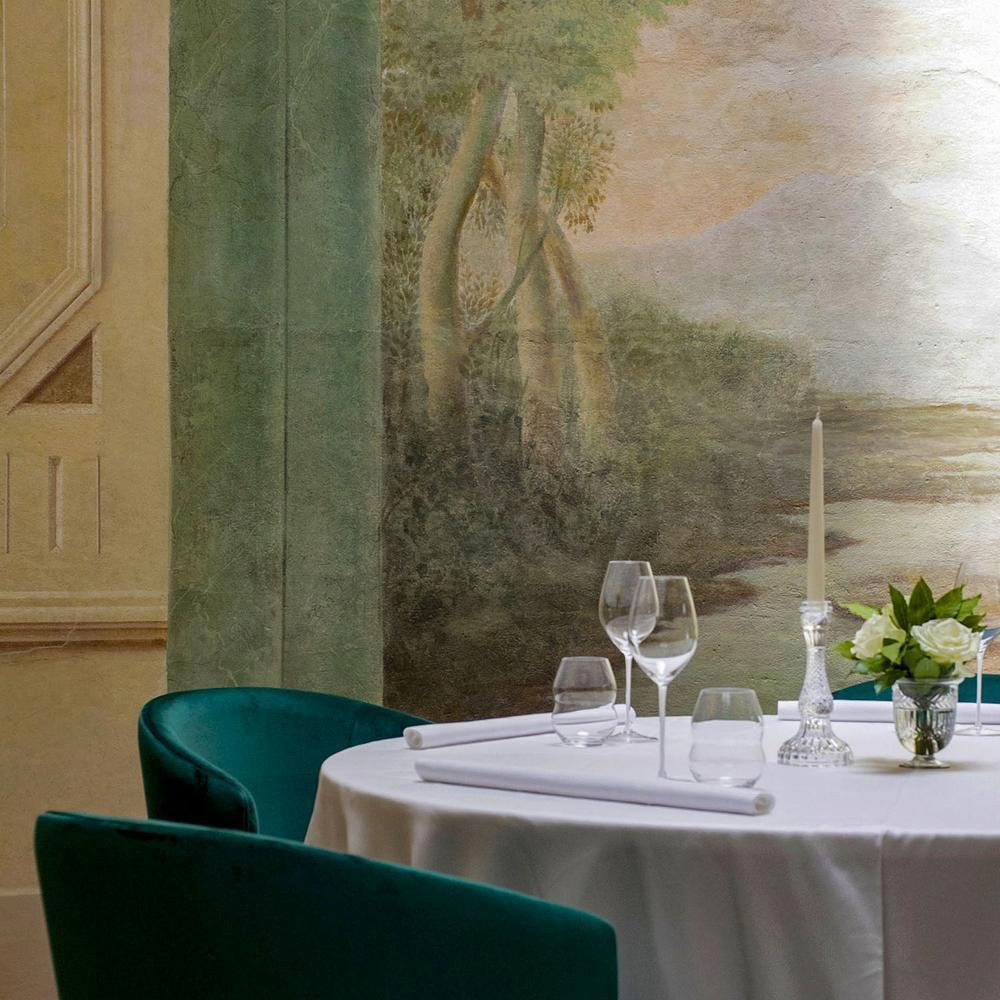
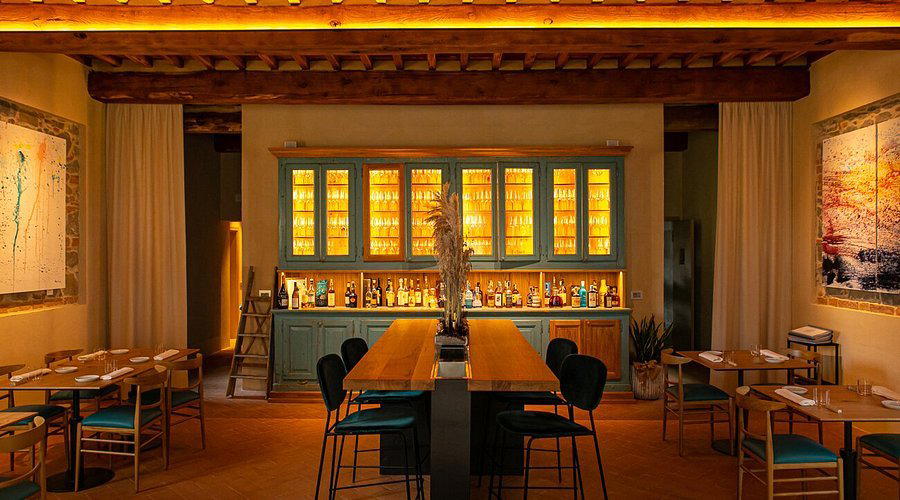
The mood is rustic, scenic, quiet, and classic. It is the kind of place to read through its setting first: green Umbrian hills, vineyards, olive groves, and the sense of a preserved rural estate. The restored character is important here, because it frames La Querciolana as a property where history and countryside remain connected rather than separated into decorative details. The result is a calm, rooted atmosphere, with the historic church and convent setting reinforcing the feeling of retreat.
Within the limits of the confirmed information, La Querciolana is best framed as a tranquil agritourism estate in Panicale rather than as a venue defined by awards, scores, or a detailed public service model. That distinction keeps expectations clear. The available facts support a portrait of place, landscape, and heritage, not a more specific promise about dining format, published recognition, or a particular style of service.
How to read La Querciolana within Panicale
La Querciolana fits a quiet, rural reading of Panicale. The picture is not one of a high-volume dining room or a polished urban format, but of a restored estate in the hills with vineyards, olive groves, and historic religious architecture. Within that frame, its value is atmospheric: it represents the countryside side of Panicale, with a hidden-estate quality and a calm relationship to the surrounding land.
The right expectation is a rustic, scenic, and peaceful Umbrian estate. Go for the atmosphere and setting: a hidden-gem feel in Panicale, framed by countryside and history. For readers mapping broader local options, compare it with other dining and hospitality choices in Panicale generically, while confirming current services directly before making plans. That final step matters because the confirmed portrait here is intentionally restrained: La Querciolana is best understood through what is solidly established, namely its restored historic agritourism character, its 14th-century church and convent setting, and its place among the vineyards, olive groves, and green hills of Umbria.
Recognition history
Dated appearances from independent guides and award organizations, with the underlying list record or original source where available.
Falstaff Winery - Listed
Falstaff
Continue exploring
More in Panicale
Wineries in Panicale
Browse all →
Bars in Panicale
Browse all →
Restaurants in Panicale
Browse all →
Details
- Rustic
- Scenic
- Quiet
- Classic
- Family
- Group Outing
- Solo Exploration
- Special Occasion
- Historic Building
- Estate Grounds
- Cave Tasting
- Private Tasting
- Sustainable
- Vineyard
- Garden
- Mountain
- Gamay
- Sangiovese
- Cabernet Franc
- Cabernet Sauvignon
- Merlot
- Sauvignon
- Viognier
- Incrocio Manzoni
- Still Red
- Still White
- Still Rosé
- Wine Tasting
- Wine Experience
- Private Wine Experience
A restored historic agritourism estate in the green Umbrian hills, with a rustic, tranquil atmosphere centered on vineyards, olive groves, and a 14th-century church and convent setting.