
Falstaff Winery - Listed
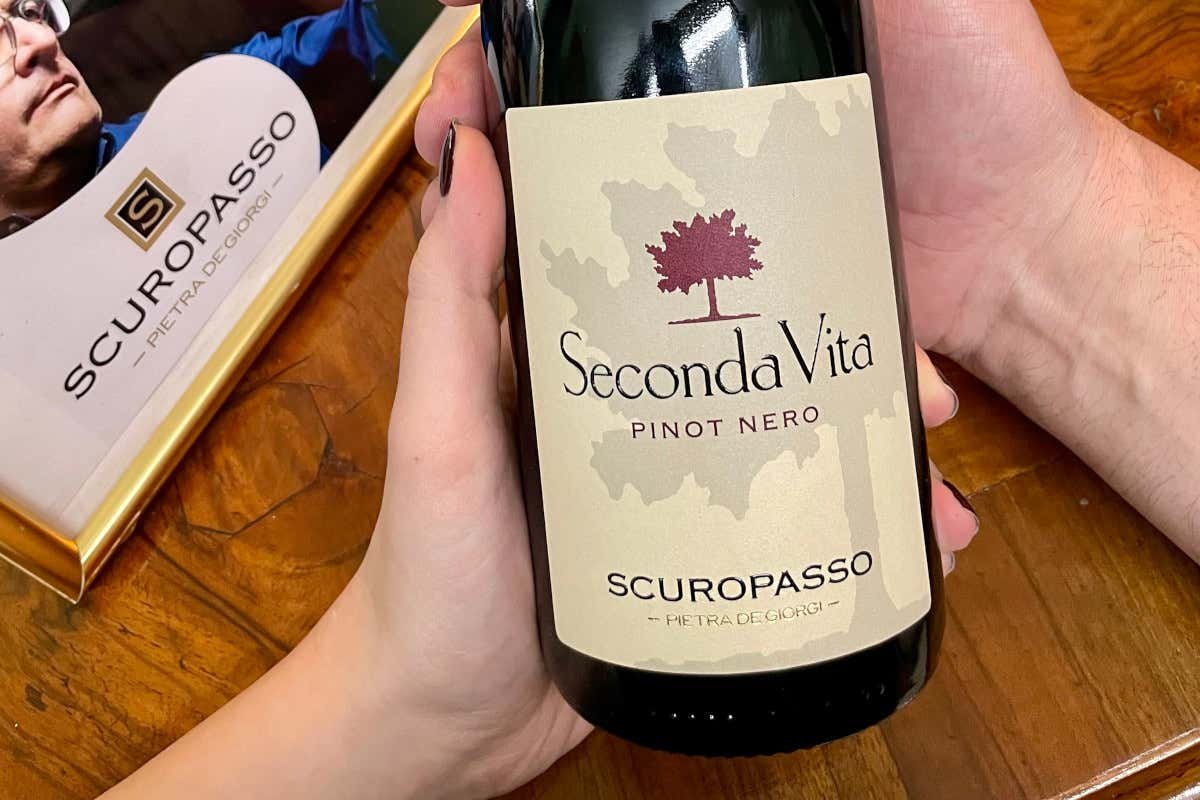
La Genisia reads Oltrepò Pavese through Pinot Noir rather than generic cellar-door hospitality. The Codevilla cooperative works across 70 hectares with twenty winegrowers, pairing terroir zoning and University of Milan collaboration with guided tastings, vineyard tours, and terrace-style experiences in the hills.

Pearl is the En Primeur Club membership app — saves, bookings, and concierge access live there. Same editors, same standards.
- Address
- Codevilla, Lombardia, Italien
- Directions
- Get directions
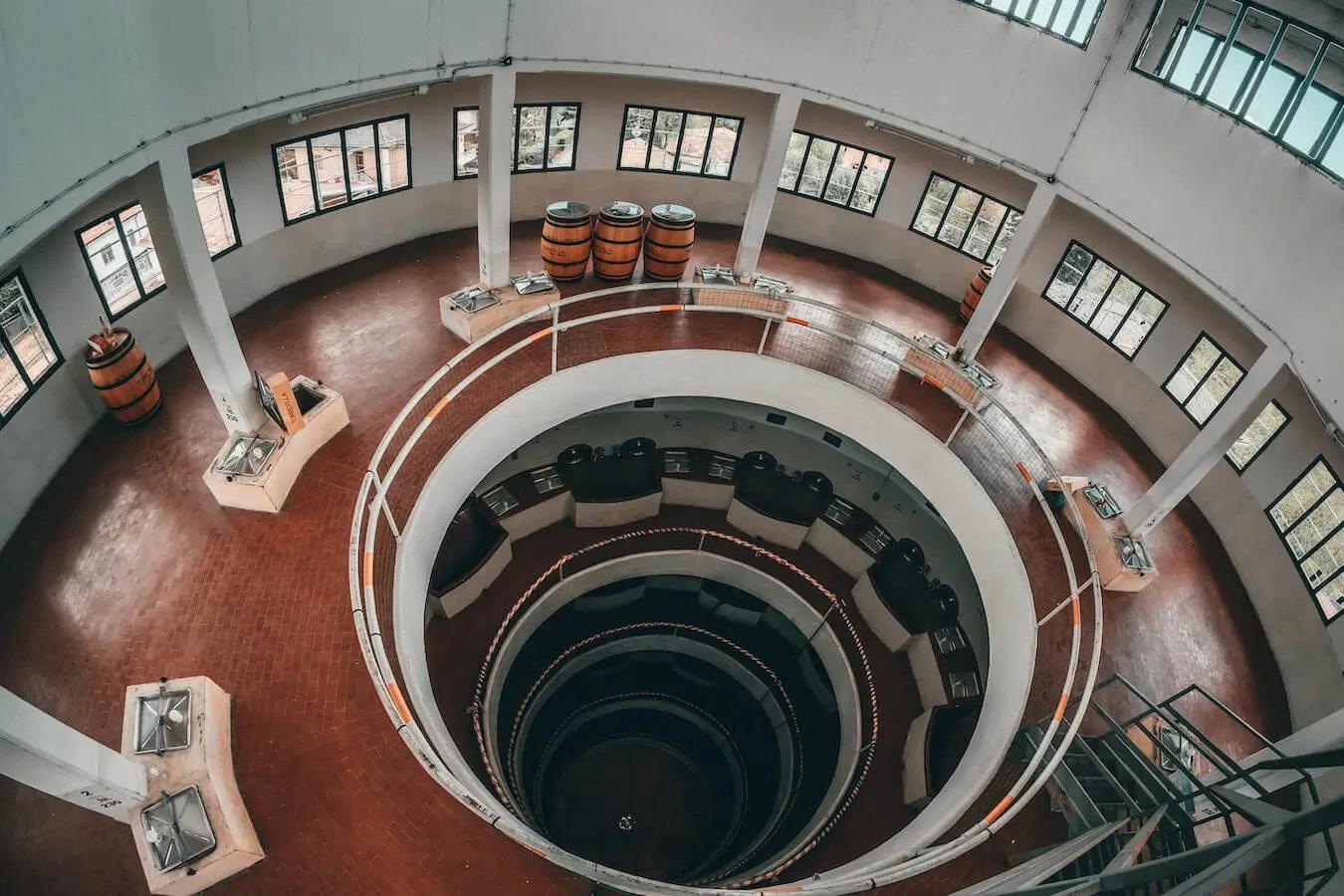
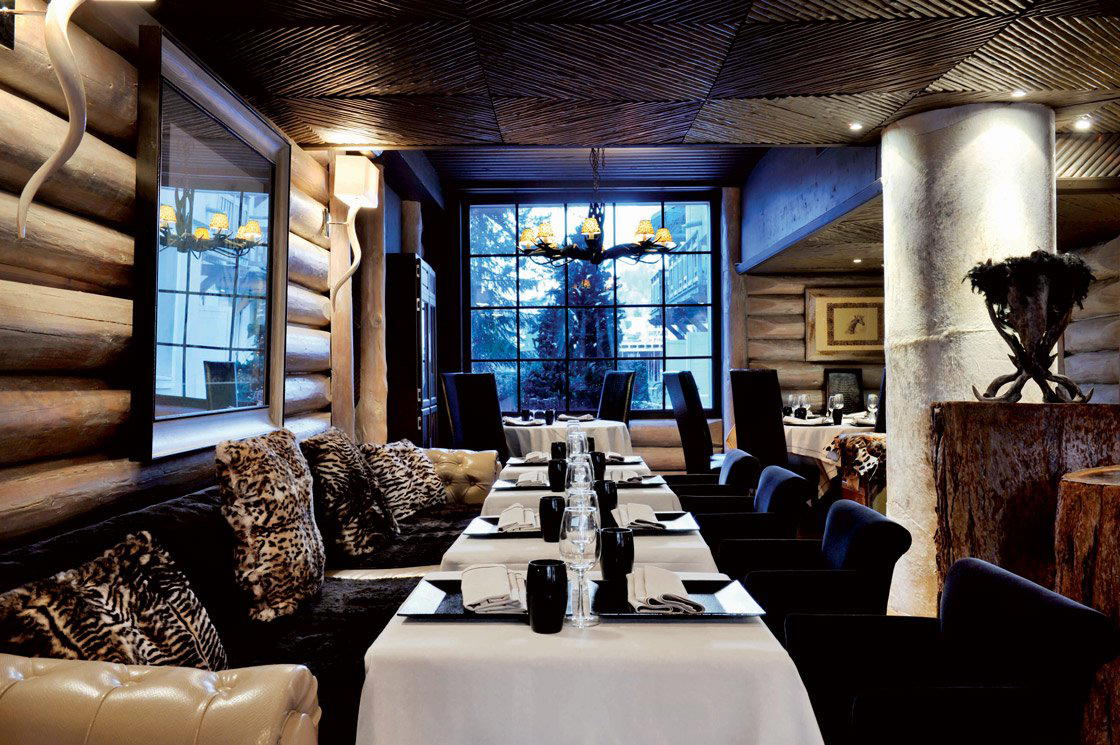
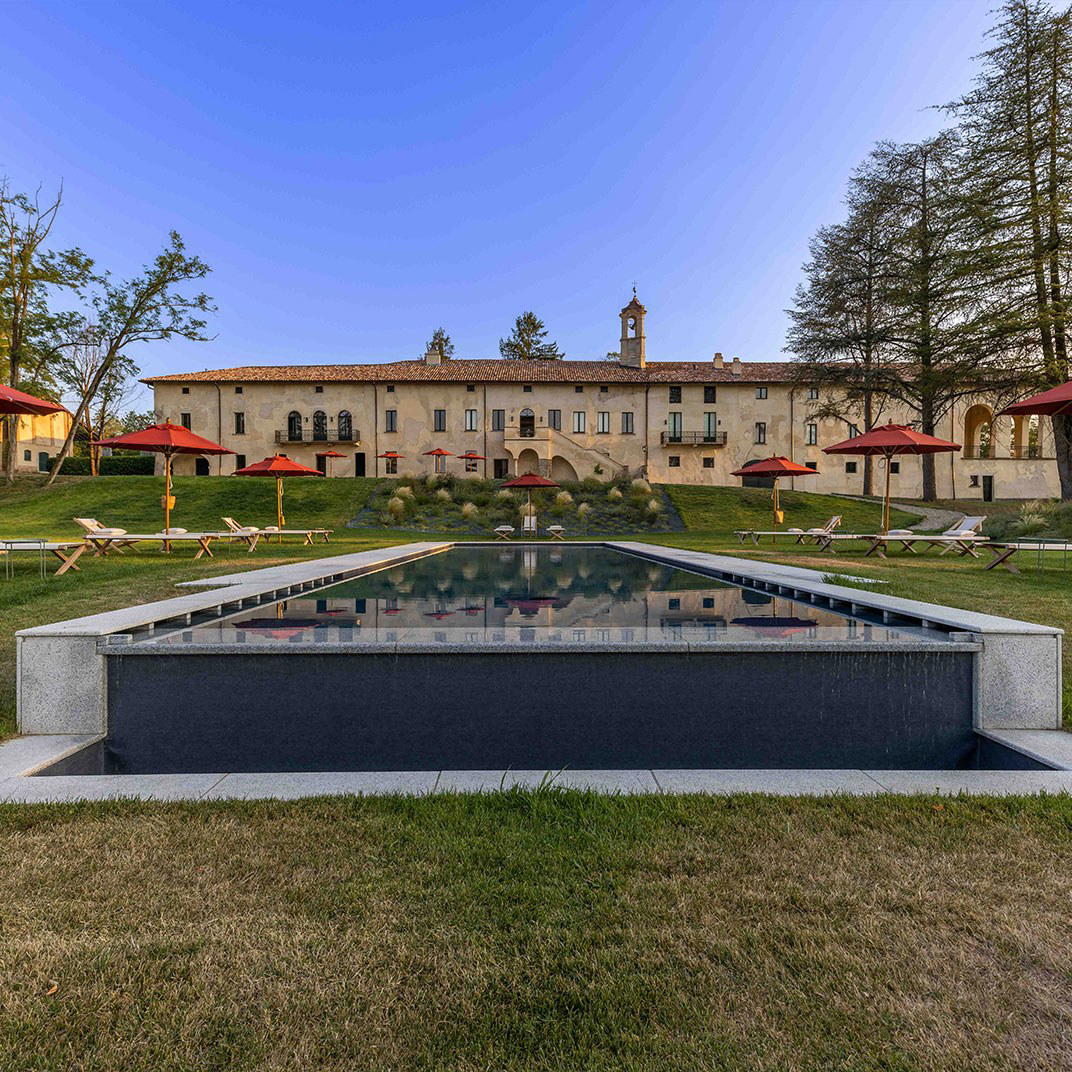
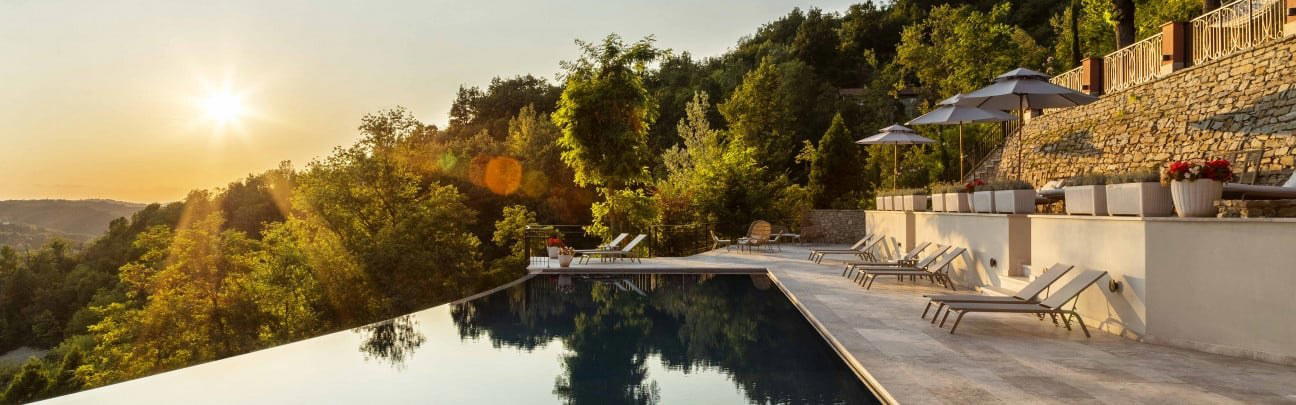
The approach to La Genisia is defined by slope and vineyard rather than grand architecture: Codevilla sits inside Oltrepò Pavese, the Lombard zone where Pinot Nero has long had a more serious role than many visitors expect from northern Italian wine country. The room and open-space tasting area frame that landscape directly, with vineyard and mountain views doing part of the interpretive work before the first glass is poured.
Oltrepò Pavese is often discussed through sparkling wine, but its more interesting tension sits between scale and site expression. Cooperative production can flatten identity when fruit is treated as volume. Here, the proposition is different: twenty experienced winegrowers working about 70 hectares, with a focus on Pinot Noir, Pinot Nero, white varieties, and classic-method sparkling bases. That gives the project enough vineyard diversity to speak about terroir, while the medium cooperative scale, around 200,000 bottles annually, keeps it commercially legible rather than purely artisanal.
Pinot Noir as the lens for Oltrepò Pavese terroir
The useful way to read La Genisia is not as a generic winery stop, but as a contemporary argument for Pinot Noir in western Oltrepò Pavese. Pinot is a revealing grape in regions that want to talk about soil, exposure, altitude, and microclimate; it gives little cover to heavy-handed cellar work and tends to make vineyard differences more apparent. The winery’s science-driven emphasis on terroir zoning, supported by collaboration with the University of Milan, places the tasting in a more analytical register than the farmhouse-romance format common across rural wine tourism.
That does not mean the experience is academic in a dry sense. It means the region’s physical conditions become the subject. The wines span sparkling, still red, still white, and still rosé styles, so the visit can show how Pinot Nero and related base wines behave across different formats rather than through a single bottle. For travellers who already know Piedmont for Nebbiolo or Tuscany for Sangiovese, this is a useful Lombard counterpoint: a hill country where acidity, exposure, and classic-method ambition shape the conversation.
La Genisia opened in 2020, which matters because the hospitality language feels contemporary: guided tastings, set tasting flights, vineyard tours with tasting, and themed experiences are built into the offer rather than added as afterthoughts. The site also functions as cellar, shop, terrace-style tasting space, and event area, a mix that reflects how serious regional wineries now sell more than bottles. They sell orientation: where the vineyards are, why the slopes matter, and how the cooperative model can produce a coherent identity without pretending to be a tiny domaine.
A cooperative format with hospitality discipline
The cooperative structure is the important distinction. In many wine regions, cooperative can signal volume first and personality second. In Oltrepò Pavese, where fragmented vineyard ownership is part of the agricultural reality, a networked model can also be a way to organize site diversity. Twenty growers across 70 hectares creates breadth; terroir analysis and a defined Pinot Noir focus give that breadth a sharper editorial line.
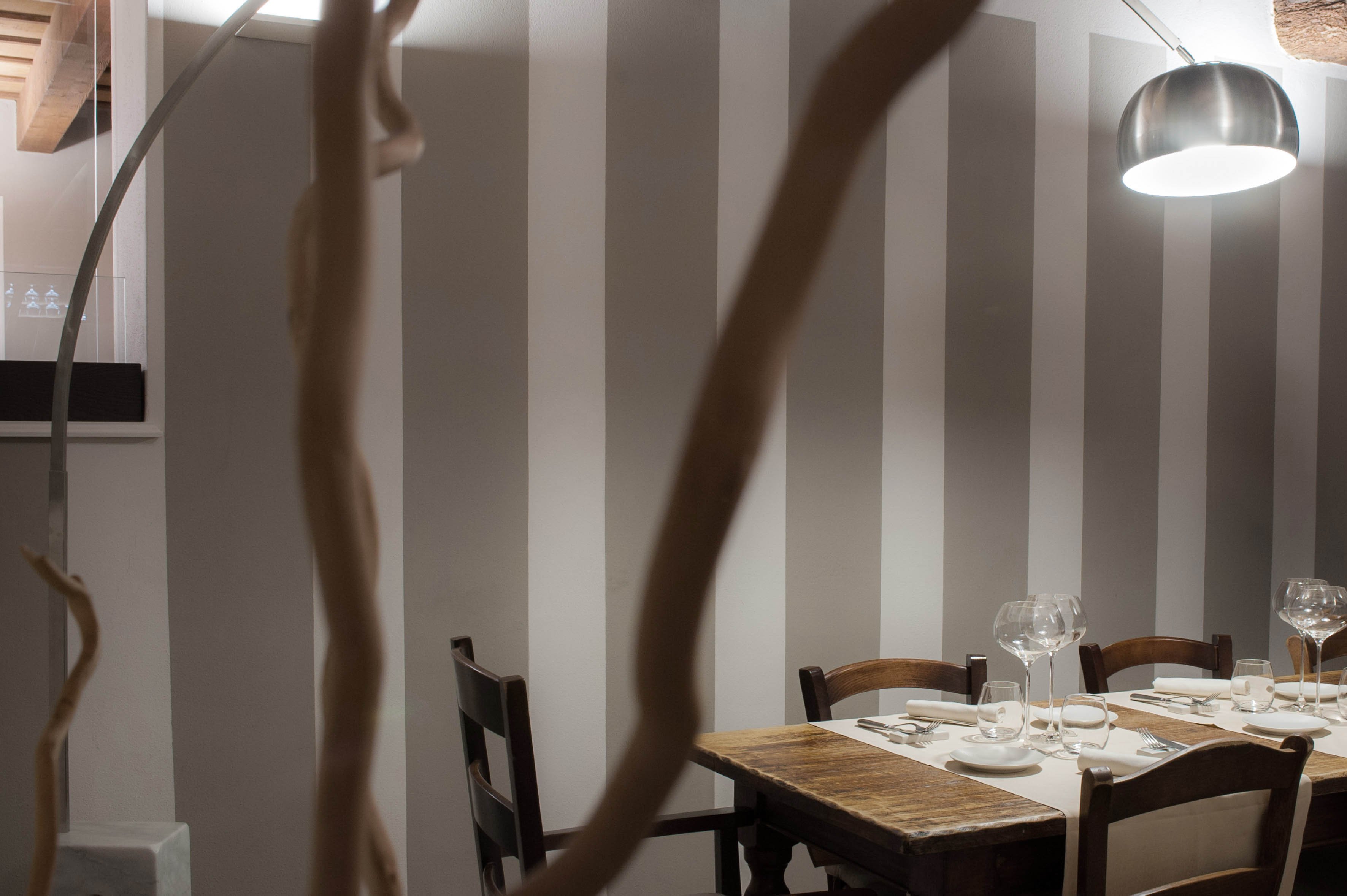
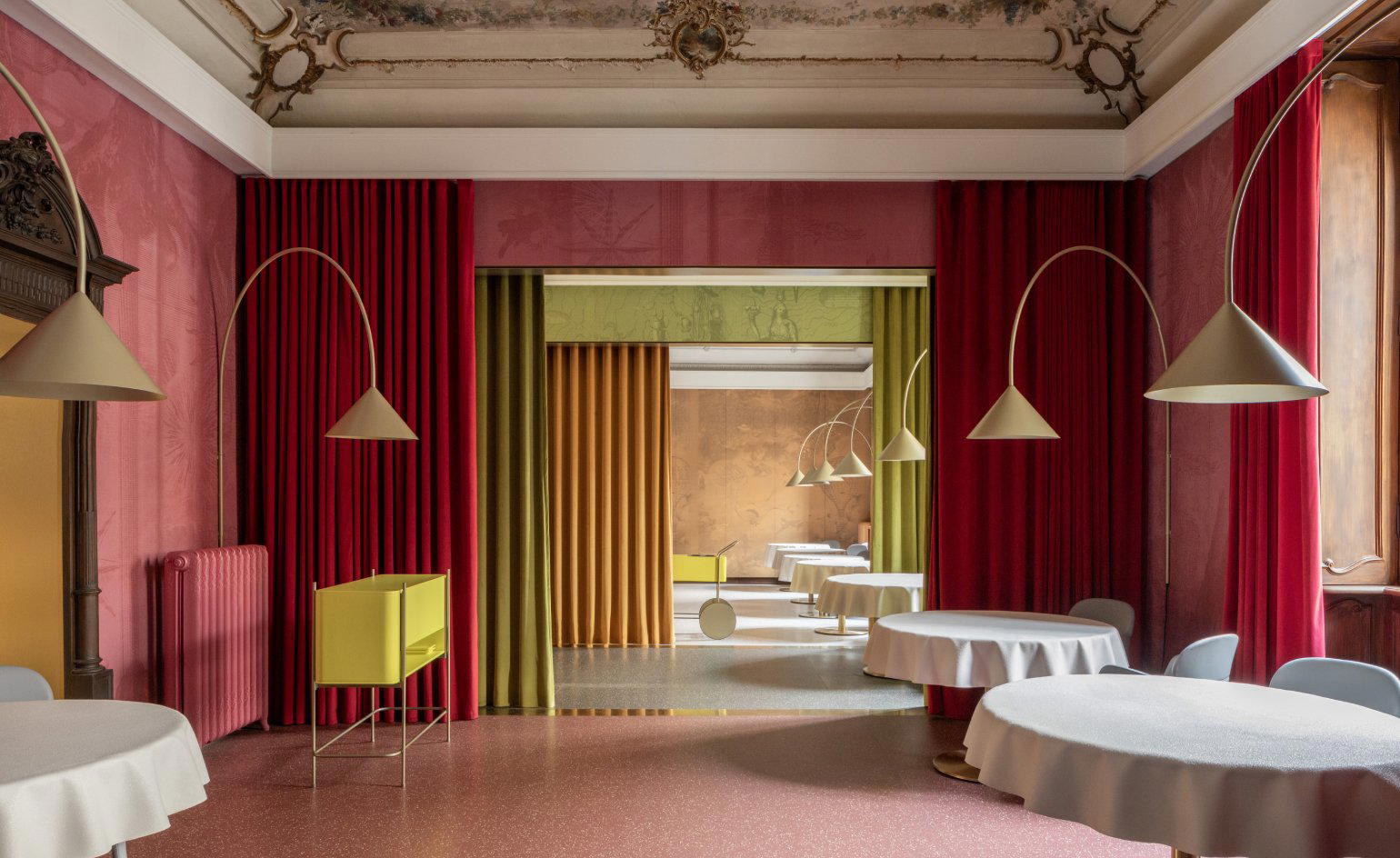
The tasting room’s tone is relaxed and conversational, but the format is not loose. Visits are structured around guided tasting, vineyard context, and, when selected, longer experiences that can run from two to five hours. English and Italian are both part of the visit language, which broadens the audience beyond local weekend traffic. Outdoor seating, a terrace-style area, and vineyard outlooks make the place more suitable for slow tasting than quick counter sampling, especially for groups, corporate gatherings, celebrations, and wine-education trips.
Food pairing is available, wine can be bought on site, and the overall model is direct-to-consumer without the pressure of an allocation culture. That matters for travellers: some premium wine regions increasingly turn tastings into scarcity theatre, while this format stays closer to instruction, setting, and access. The dog-friendly policy also says something about the register of hospitality. It is polished enough for private tastings and events, but not so formal that the countryside disappears behind ceremony.
How to place it in a Codevilla wine day
Codevilla is a small anchor for a broader Oltrepò Pavese itinerary, so the strongest use of La Genisia is as a terroir-focused stop rather than a quick detour. Its emphasis on Pinot Nero, classic-method bases, and sustainable production philosophy gives the visit a clear theme, particularly for travellers trying to understand why this corner of Lombardy deserves attention beyond Milan day-trip convenience.
For a fuller local plan, EP Club’s Codevilla coverage can help frame the surrounding scene: start with Our full Codevilla wineries guide, then cross-check dining, hotels, bars, and activities through Our full Codevilla restaurants guide, Our full Codevilla hotels guide, Our full Codevilla bars guide, and Our full Codevilla experiences guide. Nearby winery planning can also include Montelio within Codevilla coverage.
Readers building a wider Italian and European winery file can branch from here to 3GP SRL in Treviso, 47 Anno Domini in Trebaseleghe, A Mano Wine in Noci, a6mani in Fragagnano, Abbadia Ardenga in Torrenieri, Abbazia di Crapolla in Neapel, Abbazia Monte Oliveto in Asciano, »der Steiner« Hans Steiner in Podersdorf am See, and & Handwein in Mannheim.
The editorial reason to prioritize this stop is clarity. La Genisia gives Oltrepò Pavese a defined frame: Pinot Noir, cooperative scale, vineyard education, and a landscape-facing tasting format. For travellers who prefer wine visits that explain a region rather than simply pour through a lineup, that combination carries more weight than decorative cellar-door charm.
Recognition history
Dated appearances from independent guides and award organizations, with the underlying list record or original source where available.
Falstaff Winery - Listed
Falstaff
Continue exploring
More in Codevilla
Wineries in Codevilla
Browse all →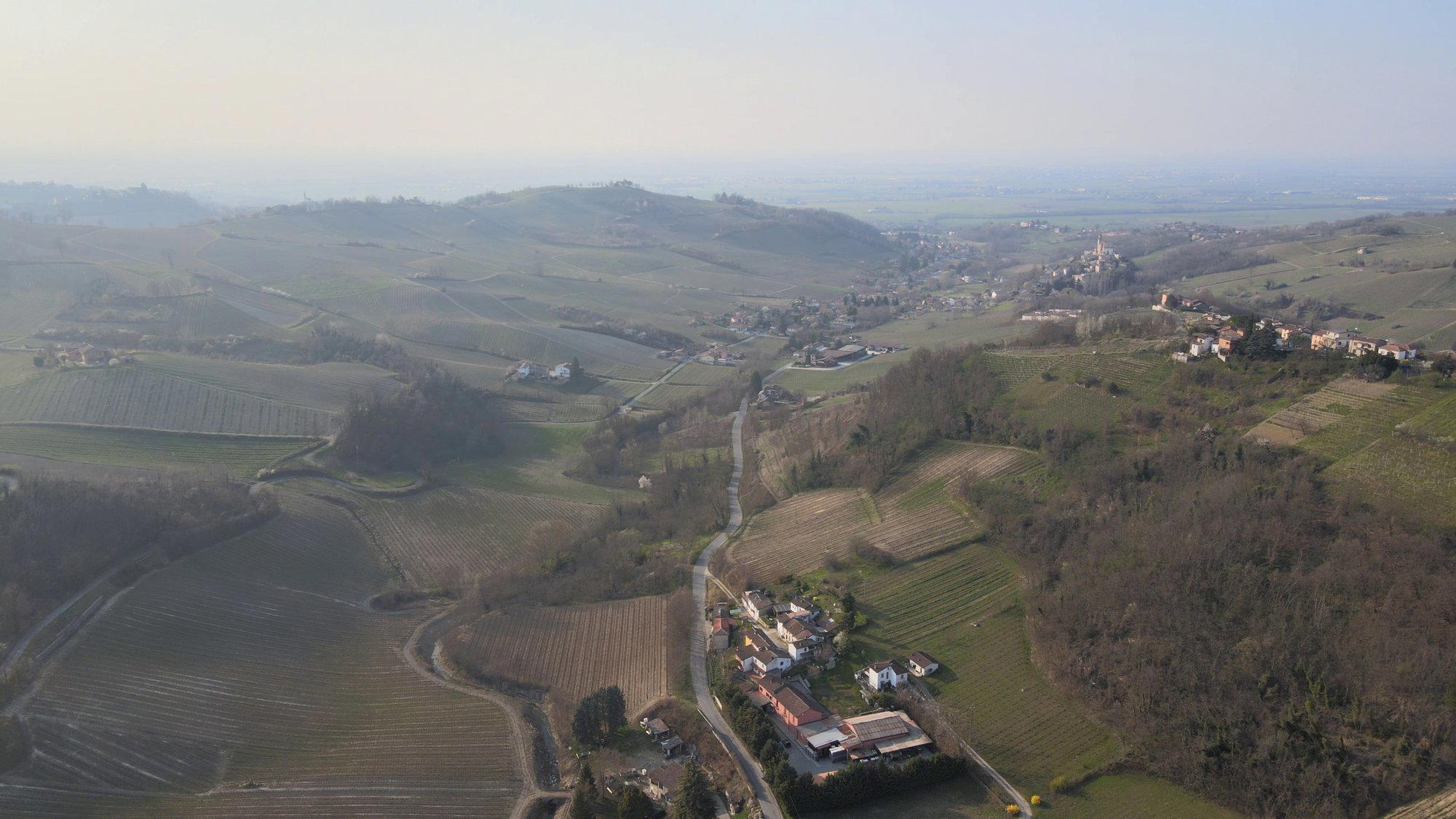

Bars in Codevilla
Browse all →
Restaurants in Codevilla
Browse all →

Details
- Scenic
- Modern
- Elegant
- Rustic
- Intimate
- Wine Education
- Group Outing
- Romantic Getaway
- Special Occasion
- Corporate Event
- Celebration
- Vineyard Tour
- Terrace
- Panoramic View
- Private Tasting
- Estate Grounds
- Sustainable
- Vineyard
- Mountain
- Pinot Noir
- Pinot Nero
- White Varieties
- Classic Method Sparkling Bases
- Sparkling
- Still Red
- Still White
- Still Rosé
- Guided Tasting
- Set Tasting Flight
- Vineyard Tour With Tasting
- Special Themed Experience
- English
- Italian
Contemporary cooperative winery focused on Pinot Noir, with a relaxing tasting room and open-space event area overlooking the rolling hills and vineyards of Oltrepò Pavese, offering a scenic and educational atmosphere that blends science-driven winemaking with immersive experiences.