
Cantine Volpi belongs to the Colli Tortonesi conversation where Barbera history, Timorasso revival, and organic farming meet industrial precision. The Tortona winery traces its roots to 1914 and now reads less like a tourist tasting stop than a working Piedmontese producer shaped by clay-limestone soils, south-facing vineyards, and a long family line.

Pearl is the En Primeur Club membership app — saves, bookings, and concierge access live there. Same editors, same standards.
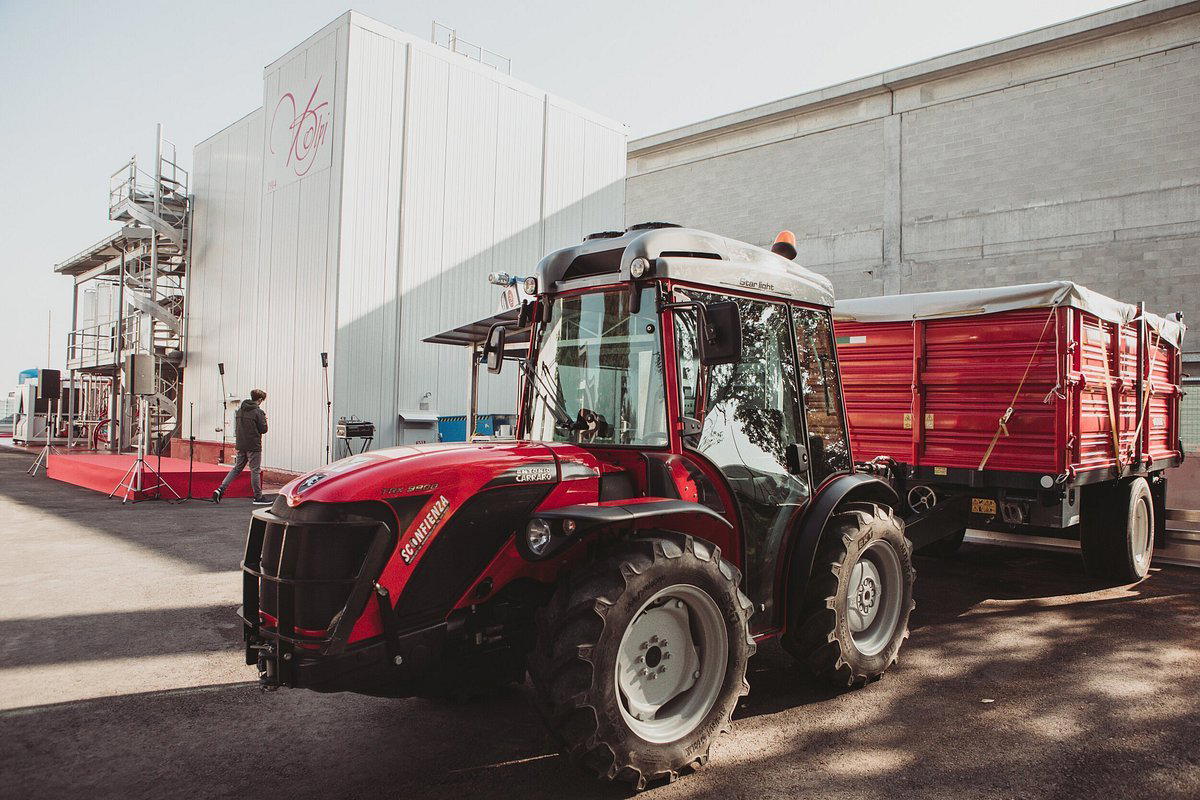
Approach Cantine Volpi in Tortona as a working Piedmontese winery rather than a venue built around spectacle. The picture is of a historic producer that has been modernized, with estate vineyards, a state-of-the-art bottling line, and an emphasis on clean, organic farming. Its appeal is practical and agricultural: a quality-focused, sustainable ethos in a setting that reads more like a real production house than a touristy tasting-room performance. That distinction is important, because the interest here is not in a staged version of wine culture, but in the quieter realities of farming, cellar work, and bottling discipline.
Specific claims about named grapes, individual wines, ownership, founding dates, tasting formats, awards, opening hours, or cellar personnel should not be treated as confirmed unless checked directly with the venue.
Organic farming, estate vineyards, and a quality-focused cellar
Cantine Volpi’s clearest identity is its combination of historic Piedmontese roots and modern winery practice. The estate-vineyard setting and clean, organic farming emphasis give the venue a grounded agricultural frame, while the modern bottling line points to a producer concerned with consistency and quality rather than rustic image alone. It suggests a winery where the agricultural side and the technical side are both part of the same story, rather than being treated as separate attractions.
That balance is the main editorial reason to pay attention. Cantine Volpi is not best described through menu-like detail or a list of specific bottles. It is better framed as a Tortona winery where sustainability, farming practice, and production discipline are central to the story. For EP Club purposes, that makes the venue more interesting as a working example of contemporary Piedmontese wine production than as a destination to judge by hospitality extras alone.
The organic emphasis also matters because it gives the place a clearer point of view without requiring exaggerated claims. Clean farming, estate vineyards, and a sustainable outlook create a coherent profile: careful land use, attention to production, and a cellar identity shaped by more than presentation. Visitors who are interested in how wine is made, not only how it is poured, will find that framework especially relevant.
The style of visit should therefore be approached with modest expectations: a working winery atmosphere, not a guaranteed luxury hospitality format. Travelers should confirm current visiting arrangements, tastings, purchases, and hours directly before planning around it. That practical step is especially important here, because the value of the address lies in its production character, and production-focused wineries do not always operate like formal visitor centers.
A working Piedmontese cellar rather than a tasting-room performance
Modernized side of the operation matters. A state-of-the-art bottling line and a quality-focused production model place the winery in the category of wineries that combine heritage with practical, contemporary production. That is different from a purely scenic or theatrical wine stop. The point is not that the setting lacks charm, but that its strongest identity comes from being an active cellar with real agricultural and technical priorities.
This makes the venue’s tone more grounded than decorative. The historic Piedmontese context gives it depth, while the updated production infrastructure keeps it from feeling like a preserved relic. In editorial terms, the winery sits in the productive middle: neither a purely old-world postcard nor a glossy hospitality concept, but a modernized winery whose appeal is tied to how it farms, bottles, and presents itself as a serious producer.
$ price signal also suggests an accessible positioning, though it should not be stretched into specific bottle prices, tasting fees, or meal costs without direct confirmation. What can be said with confidence is simple: the winery is listed at the $ level. That signal supports the broader impression of a winery with practical appeal, but it should remain a general guide rather than a promise about what any individual visit will cost.
For travelers mapping wine around Tortona, the winery is best considered within the city’s broader, unnamed dining and hospitality context. Other Tortona options can help shape a wider itinerary, but the point here remains the winery itself: historic, modernized, organic-minded, and production-focused. It is the kind of stop that can add texture to a trip because it connects the region’s wine identity to everyday production rather than only to polished tasting-room rituals.
Where it fits in a wider Italian wine itinerary
The winery fits a wider itinerary as a Tortona-based example of a historic Piedmontese winery that has been updated with modern production infrastructure. Its confirmed strengths are not awards, named bottles, chef-led hospitality, or elaborate service claims; they are estate vineyards, clean organic farming, sustainability, and a practical cellar identity. That makes the venue easiest to understand when viewed through the lens of production, not performance.
That makes it useful for travelers who want to see a less performative side of Piedmont wine. It can sit alongside other regional wine experiences as a reminder that Italian wine culture is not only about famous labels, elaborate tastings, or scenic drama, but also about farming decisions, cellar investment, and the discipline required to bottle consistently. Before visiting, confirm all operational details directly with the winery, including whether tastings or sales are available on the date you plan to go.
Recognition history
Dated appearances from independent guides and award organizations, with the underlying list record or original source where available.
Falstaff Winery - Listed
Falstaff
Continue exploring
More in Tortona
Wineries in Tortona
Browse all →

At a Glance
- Classic
- Rustic
- Well Known
- Wine Education
- Solo Exploration
- Group Outing
- Estate Grounds
- Historic Building
- Organic
- Sustainable
- Vineyard
- Colli Tortonesi
- Barbera
- Timorasso
- Cortese
- Dolcetto
- Moscato
- Still Red
- Still White
- Still Rosé
- Sparkling
- Dessert
Historic but modernized Piedmontese winery with estate vineyards and a state-of-the-art bottling line, emphasizing clean, organic farming and a quality-focused, sustainable ethos rather than a touristy tasting-room atmosphere.