
Falstaff Winery - Listed
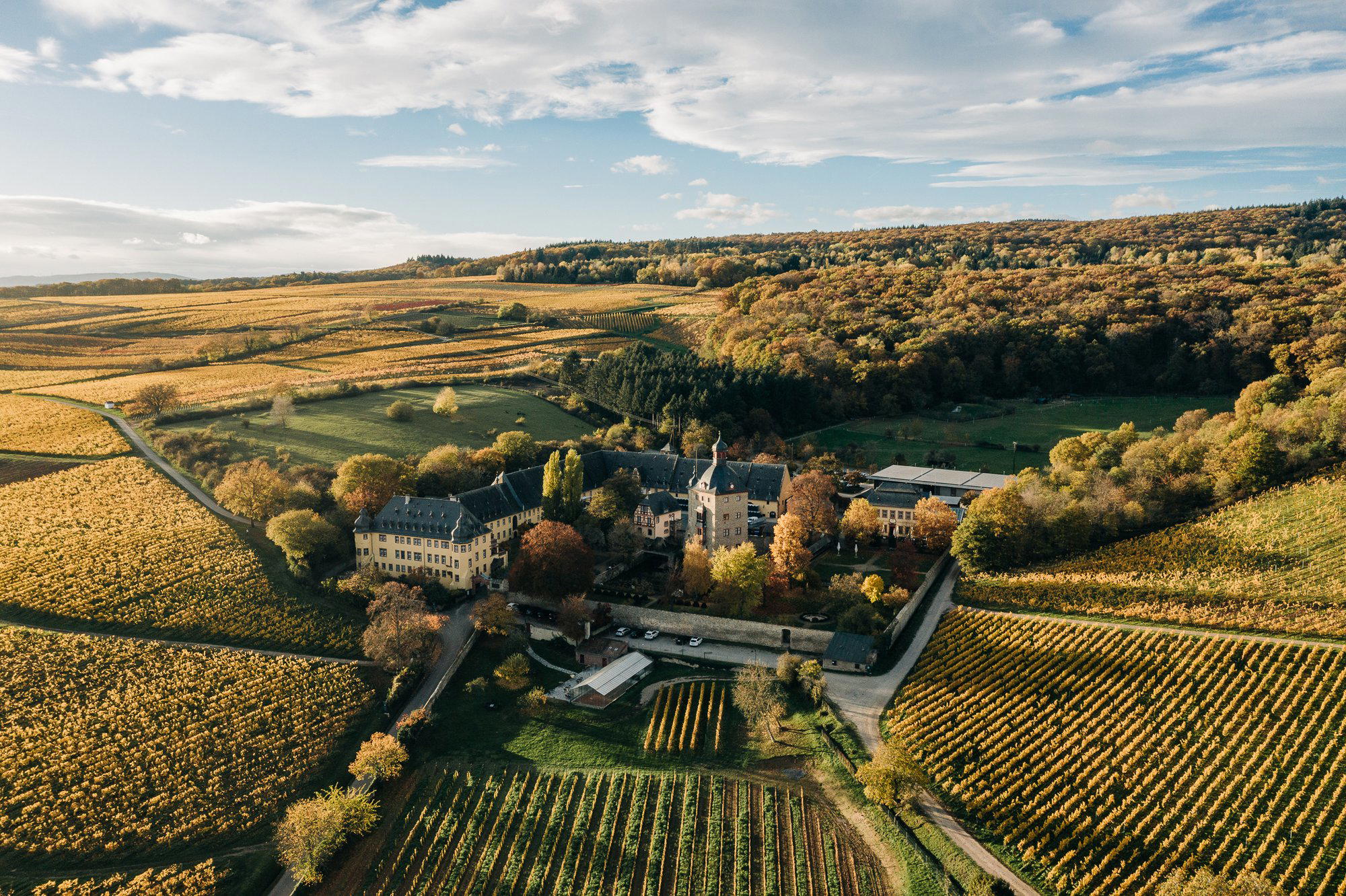
A monastery winery above Rüdesheim, Klosterweingut Abtei Sankt Hildegard belongs to the Rheingau’s quieter tradition: wine as landscape, discipline, and continuity rather than spectacle. The draw is the Benedictine setting, the vineyard outlook, and the sense of a working abbey estate where spiritual heritage and regional wine culture meet.

Pearl is the En Primeur Club membership app — saves, bookings, and concierge access live there. Same editors, same standards.
- Address
- Rüdesheim, Rheingau, Hesse, Deutschland
- Directions
- Get directions

Approaching Rüdesheim, the mood shifts toward vineyard quiet. Klosterweingut Abtei Sankt Hildegard occupies a historic Benedictine abbey setting where wine growing is tied to prayer, nature, and a simple, traditional sense of place. The point here is not a glossy performance. It is a quieter Rheingau proposition: land first, institution second, glass third. That ordering is important, because it keeps the visit grounded in the physical and spiritual setting rather than in the language of display.
That matters in a region where wine tourism can easily become a sequence of scenic stops. The abbey model changes the register. A monastic estate asks visitors to read wine through stewardship, stillness, and continuity. Klosterweingut Abtei Sankt Hildegard sits in that tradition, with a tranquil atmosphere that suits slower visits rather than rushed sampling. The experience is strongest when approached with time to absorb the setting, notice the restraint, and let the surrounding vineyards explain why this corner of the Rheingau has such a durable wine identity.
A Rheingau hillside where wine is framed by abbey discipline
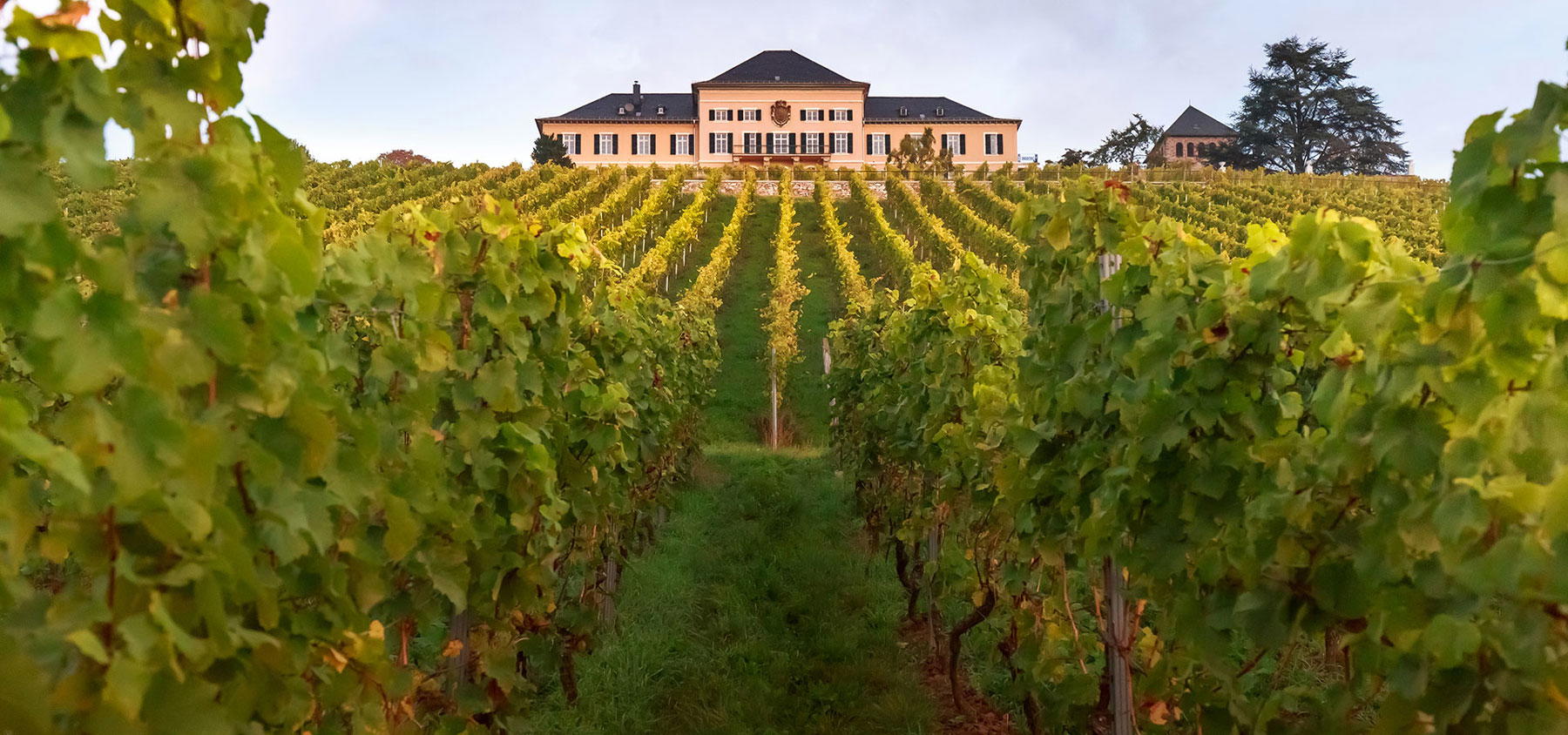
Rüdesheim is often experienced through scenery, vineyard paths, and local tourism. The abbey setting adds a different layer. Wine here is not separated from place or institution; it is presented within a historic religious environment amid vineyards, with the landscape doing much of the interpretive work. The result is a visit that feels anchored rather than staged, where the hillside context matters as much as any individual pour or purchase.
The estate’s identity is clear without needing a heavy biographical pitch. It is a Benedictine abbey winery, and that fact gives the visit its editorial weight. Monastic and ecclesiastical wine estates occupy a distinct lane from urban wine bars and contemporary wine labels. Their authority comes from continuity, custodianship, and a slower rhythm of place. The visit should be understood less as a technical masterclass and more as a place-based encounter with Rheingau wine culture. In that sense, the abbey’s appeal is not merely that wine is made in a historic environment, but that the historic environment changes how the wine-growing landscape is perceived.
For readers mapping the wider city, the estate belongs in conversation with the broader Rüdesheim wine circuit rather than a restaurant or bar crawl. Use broader Rüdesheim wine, restaurant, hotel, bar, and experience research to build a day around the town rather than treating the abbey as an isolated stop. It is better treated as one of the quieter anchors in a larger itinerary, especially for travelers who want the town’s vineyard identity to feel connected to something older and less commercial in tone.
The experience rewards readers interested in place, not spectacle
The better lens is terroir in the broad cultural sense: how a Rheingau vineyard setting, an abbey institution, and a wine-growing landscape shape the visitor’s understanding before any bottle is discussed. The estate’s vineyard setting is not a decorative extra. It is part of the argument. Wine regions often require patience from travelers because the meaning sits in gradients: slope, village identity, and producer tradition. A monastery winery makes those gradients legible without turning them into entertainment. The quietness is therefore not a lack of content; it is the content, asking visitors to pay attention to surroundings, history, and proportion.
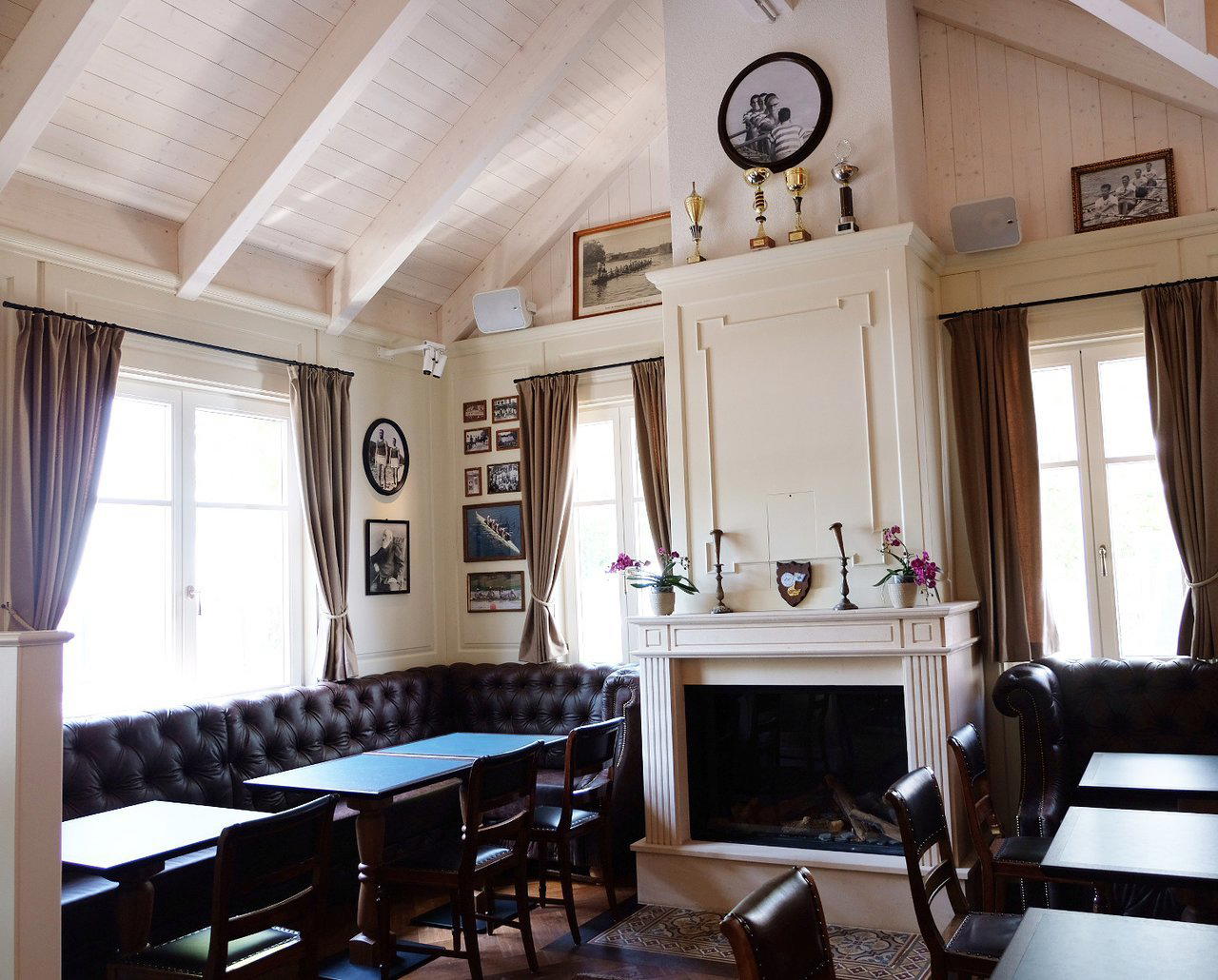
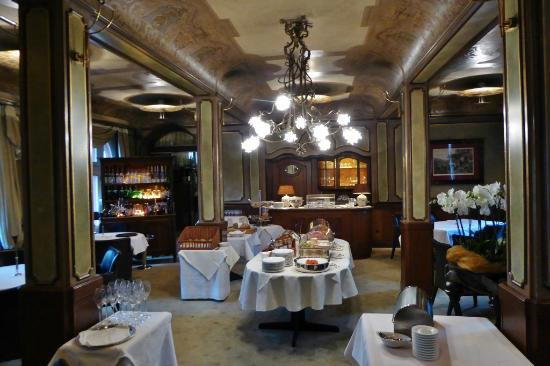
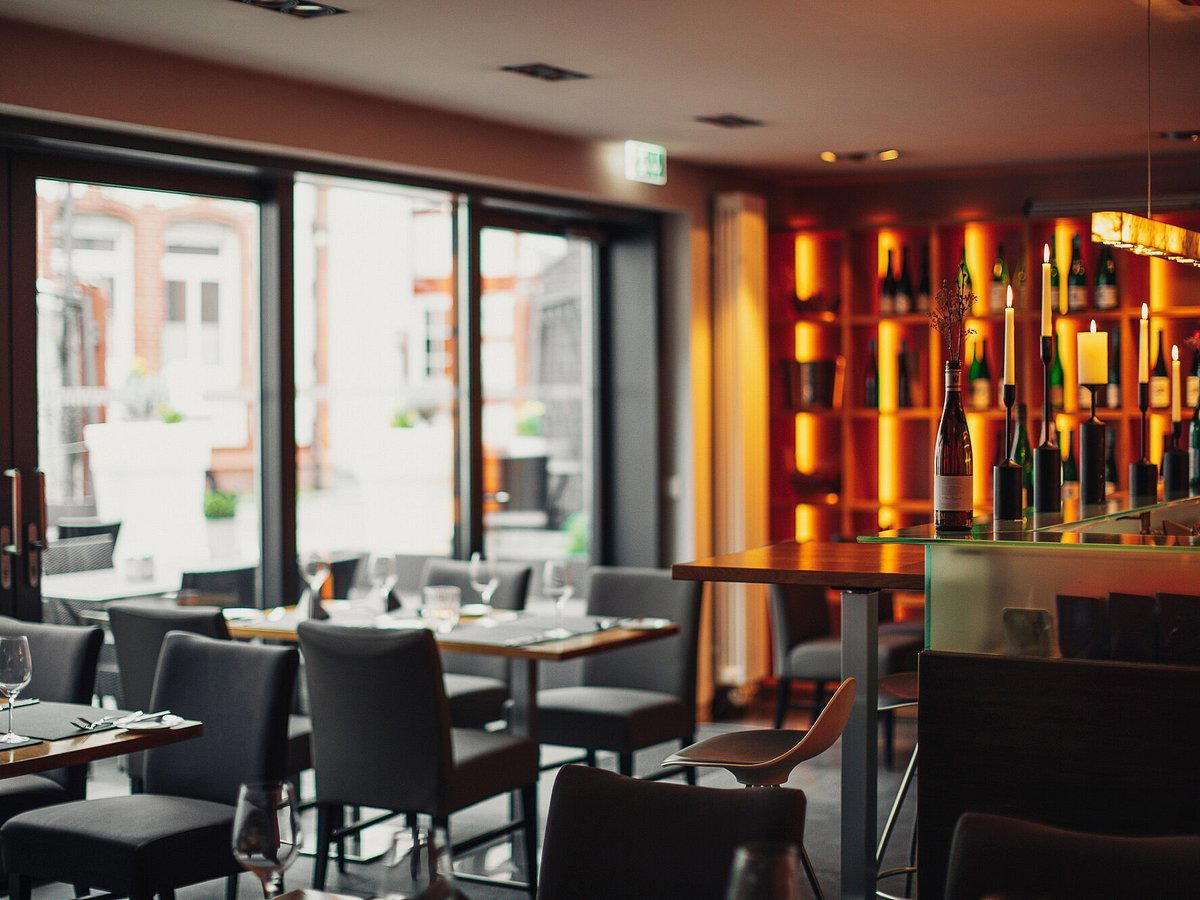
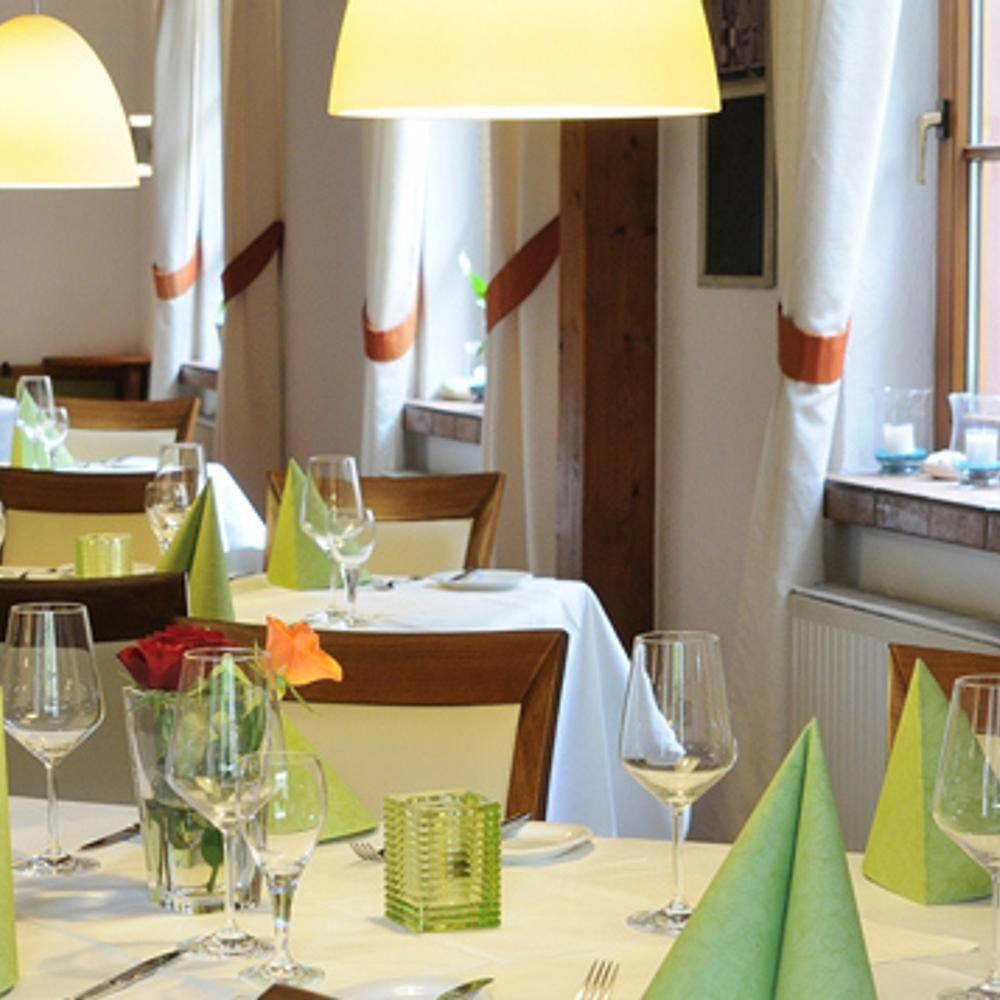
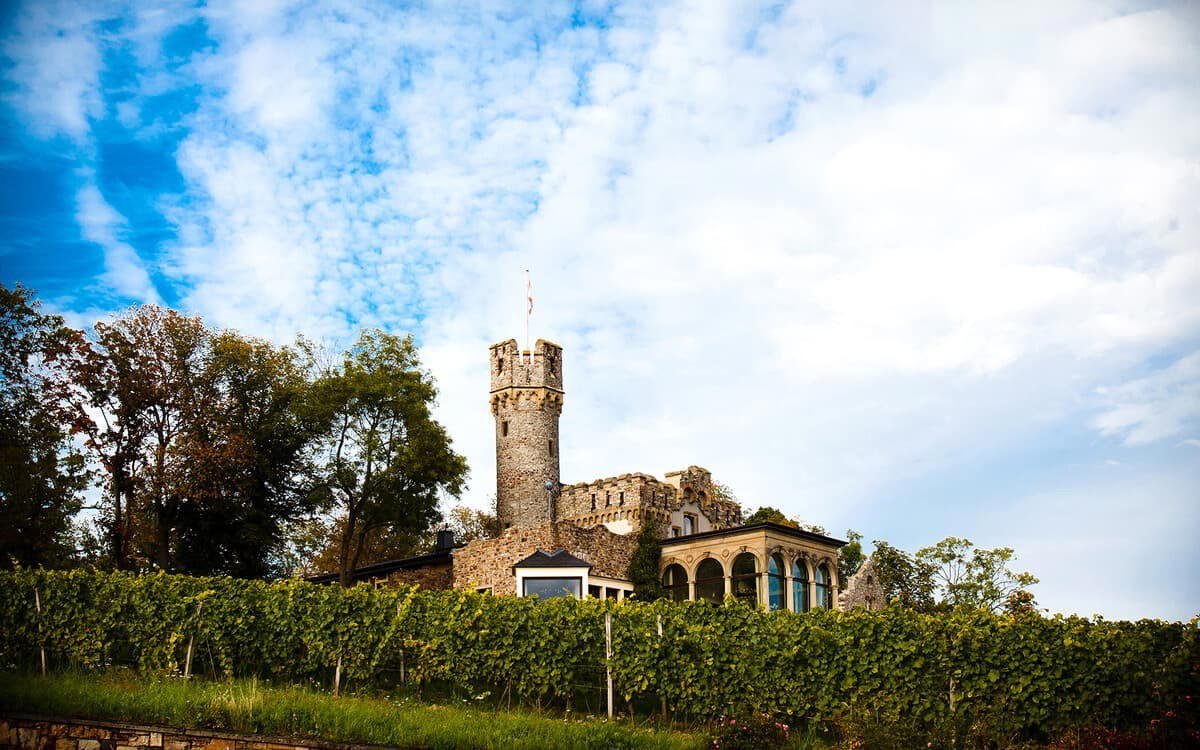
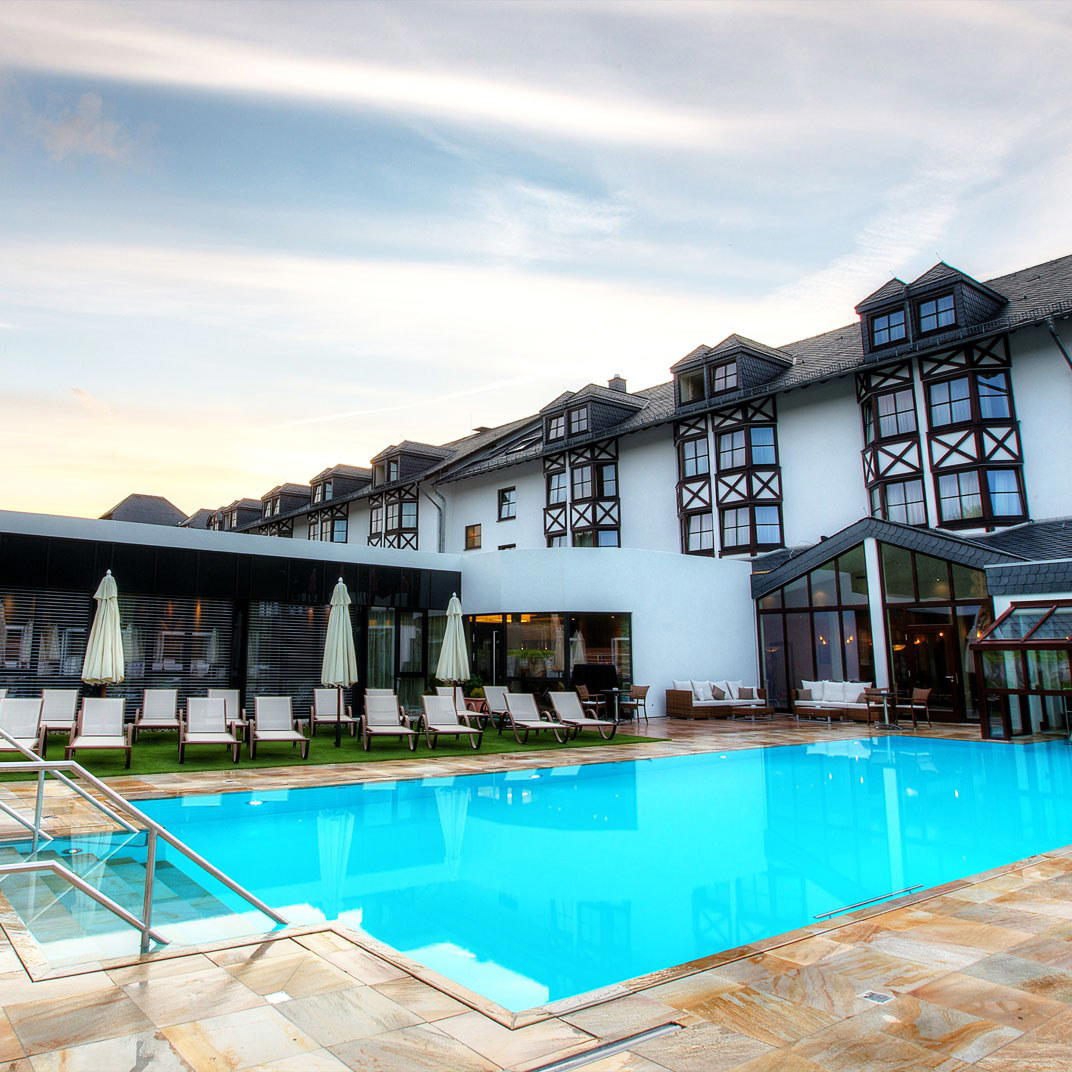
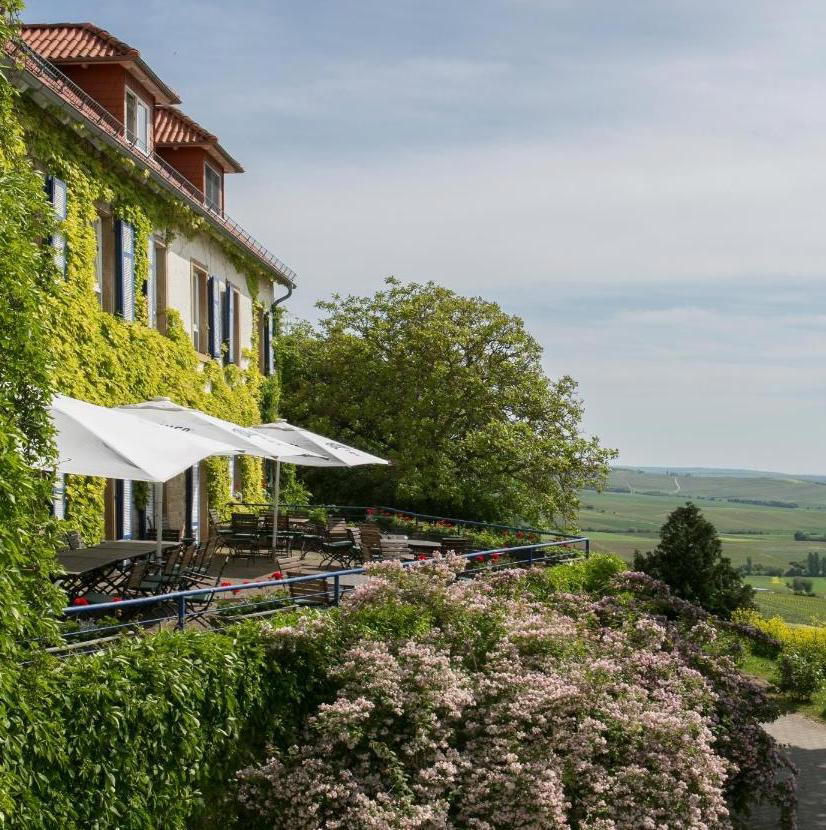
The picture is intentionally simple: a quiet, scenic, rustic, classic, and historic Benedictine abbey setting in Rüdesheim, with traditional design focused on prayer, nature, and wine growing. The atmosphere is the central reason to go. Specific service details, booking rules, food formats, payment options, and on-site logistics should be checked directly before planning a visit, because they are not confirmed here. That caveat is part of planning responsibly: the value described here is the character of the place, not a guaranteed operational format.
For broader context, compare Klosterweingut Abtei Sankt Hildegard with other dining and wine-related options in Rüdesheim generically rather than expecting every stop to offer the same rhythm. This is the quieter, more contemplative side of the local experience: less about a high-energy circuit and more about the relationship between abbey life, vineyards, and the Rheingau landscape. It works well for readers who enjoy the texture of wine regions as lived places, not only as collections of bottles, menus, or viewpoints.
The critical value of Klosterweingut Abtei Sankt Hildegard is its refusal to behave like a generic premium wine stop. It offers a compact, quiet, heritage-led reading of the Rheingau, grounded in a Benedictine abbey and vineyard landscape in Rüdesheim. Travelers looking for high-volume theatrics may find the wrong rhythm here. Travelers interested in why wine regions preserve institutions, rituals, and hillside identities will understand the appeal quickly. The abbey gives Rüdesheim’s wine culture a calmer frame, and that calm is precisely what makes the estate worth considering within the broader local landscape.
Recognition history
Dated appearances from independent guides and award organizations, with the underlying list record or original source where available.
Falstaff Winery - Listed
Falstaff
Continue exploring
More in Rüdesheim
Wineries in Rüdesheim
Browse all →
Bars in Rüdesheim
Browse all →


Restaurants in Rüdesheim
Browse all →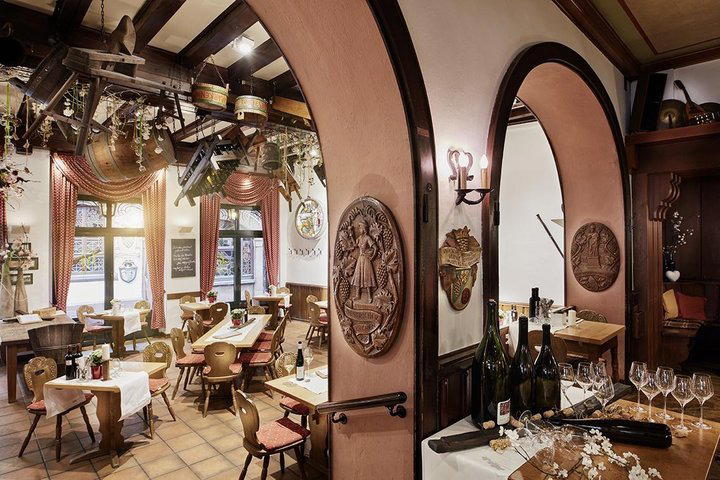

Details
- Scenic
- Classic
- Rustic
- Quiet
- Romantic Getaway
- Group Outing
- Solo Exploration
- Wine Education
- Special Occasion
- Estate Grounds
- Historic Building
- Panoramic View
- Vineyard Tour
- Sustainable
- Vineyard
Monastic and tranquil atmosphere in a historic Benedictine abbey set amid Rheingau vineyards, with quiet, contemplative spaces and simple, traditional design focused on prayer, nature, and wine growing.