
Falstaff Winery - Listed
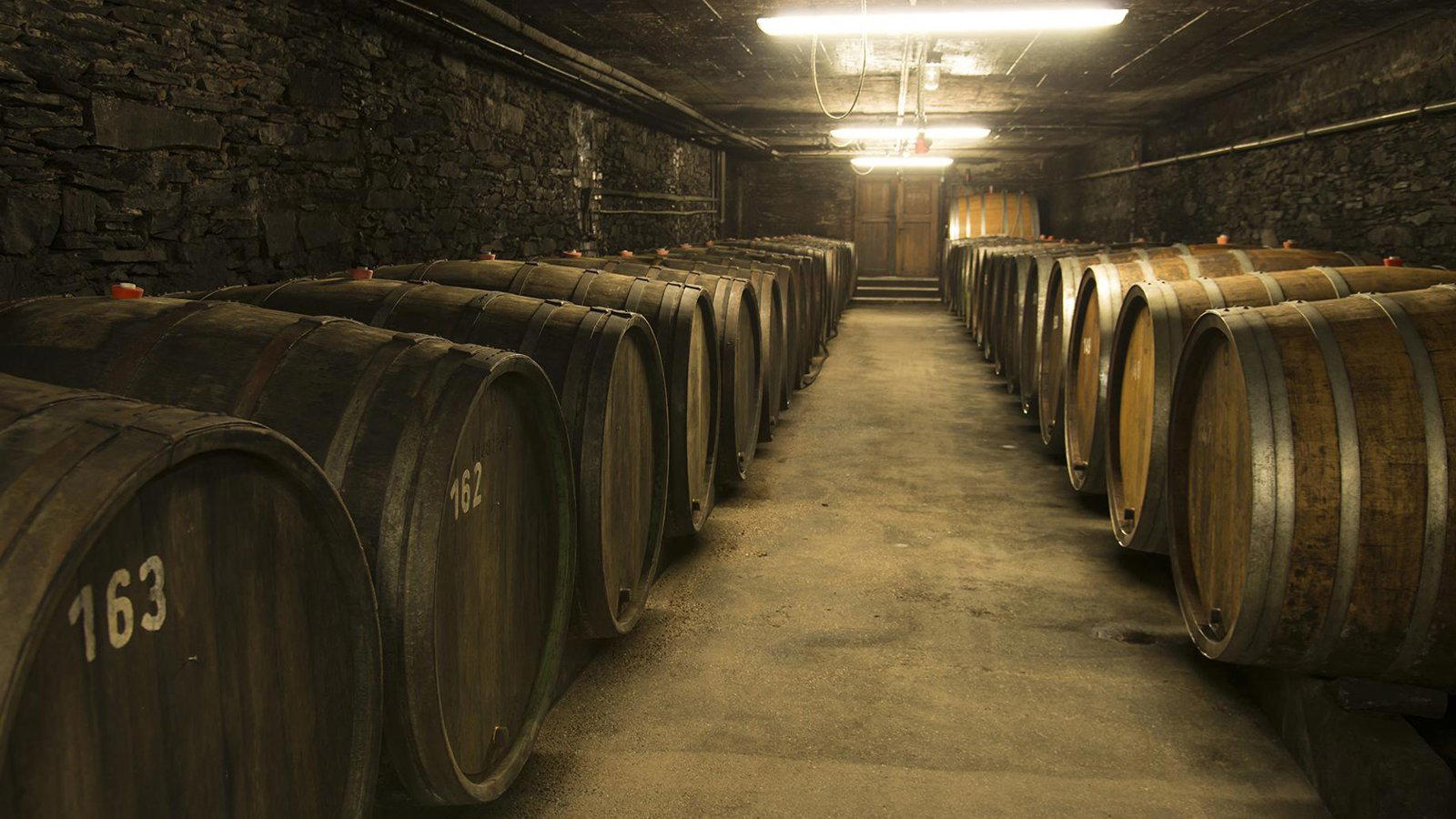
Kees-Kieren is a small, family-run Mosel winery in Graach, built around on-request cellar tastings and direct estate sales rather than elaborate visitor programming. The draw is a traditional village-winery format: appointment-led, personal, and focused on understanding the wines in the place where they are made.

Pearl is the En Primeur Club membership app — saves, bookings, and concierge access live there. Same editors, same standards.
- Address
- Graach, Moselle, Rhineland-Palatinate, Deutschland
- Directions
- Get directions

Graach does not need theatrical winery architecture to make its point, and Kees-Kieren is a useful example of that quieter Mosel confidence. Kees-Kieren is best described from the information as a traditional Mosel family winery in Graach, with a direct, welcoming atmosphere focused on tastings and direct sales rather than elaborate tourism amenities. The emphasis is not on spectacle, but on the direct pleasures of arriving at a producer, tasting what is offered, and having the possibility to buy directly from the source.
That makes the appeal simple, but not thin. Kees-Kieren is not presented here through luxury amenities, a detailed restaurant-style service model, or a highly specified visitor program. The grounded picture is more classic and cozy: a hidden-gem Mosel producer setting where the emphasis is on tasting, buying, and a direct encounter with the winery. In that sense, the lack of a heavily developed visitor narrative is part of the character rather than a weakness. The venue reads as a place for people who want the winery itself to remain the focus.
A Graach cellar-door format built around proximity
The strongest detail about Kees-Kieren is its tone. It reads as a traditional family winery in Graach rather than a polished destination complex. The atmosphere is direct and welcoming, with attention on tastings and direct sales. That wording matters because it sets expectations clearly: the experience is best understood as close-range and producer-led, not as a packaged hospitality production with layers of extra programming around it.
For travellers building a wine-focused day in Graach, that distinction is useful. This is a venue to understand as a winery stop, not as a restaurant substitute or a large-scale tourism attraction. Specific claims about food service, seating, tours, languages, amenities, or visitor rules are not part of the public record here, so the safest expectation is a simple producer-focused experience. Visitors should therefore read Kees-Kieren through the lens of a cellar-door encounter: tasting, conversation where available, direct purchasing, and an atmosphere that is more intimate than grand.
The price signal sits at $$, which places Kees-Kieren in a moderate range. Without turning that into a promise about exact bottle prices, tasting fees, or service details, it helps position the winery for planning purposes. It suggests a stop that belongs comfortably within a wine itinerary where the value lies in direct access to the producer and in the straightforwardness of the experience.
Terroir is the frame, not the decoration
Graach gives the visit its editorial frame. Kees-Kieren is a Mosel family winery in the village, and the useful way to approach it is as a direct, local wine stop rather than as an elaborate hospitality address. The setting does not need to be treated as background styling. It is the main context: a winery in a Mosel village, presented through traditional family-winery character and a visitor experience centered on tasting and buying.
The responsible approach is therefore to focus on what is known: a classic, cozy winery atmosphere in Graach, centered on tastings and direct sales. That also means avoiding the temptation to overbuild the description. There is no need to imply a restaurant concept, a formal tour structure, or a long list of visitor facilities when the available profile points in a different direction. Kees-Kieren’s appeal is more contained and more grounded. It is the kind of address that fits visitors who value the directness of a local producer over a scripted destination experience.
Visitors comparing options should keep the comparison local and simple. Kees-Kieren is best weighed against other wine stops in Graach by asking what sort of encounter they want: something traditional, welcoming, and focused on the wine itself, or something with a more elaborate hospitality layer. On the information available here, Kees-Kieren belongs firmly in the first category.
How to place it in a Graach itinerary
Kees-Kieren works well as part of a focused Graach day for visitors interested in Mosel wine and a traditional family-winery setting. It should be placed in an itinerary as a winery visit rather than as a full-service dining or entertainment stop. That makes planning more direct: the purpose of the visit is to taste, to consider direct purchase, and to experience a welcoming producer environment in the village.
The reason to consider Kees-Kieren is not ceremony or elaborate amenities. It is the grounded appeal of a direct, welcoming Mosel winery in Graach, with tastings and direct sales at the center of the experience. For travellers who prefer a classic and cozy wine stop over a highly staged venue, that is the point. Kees-Kieren’s profile is modest in the best sense: it keeps attention on the winery, the village context, and the simple pleasure of meeting Mosel wine close to where it is made.
Recognition history
Dated appearances from independent guides and award organizations, with the underlying list record or original source where available.
Falstaff Winery - Listed
Falstaff
Continue exploring
More in Graach
Wineries in Graach
Browse all →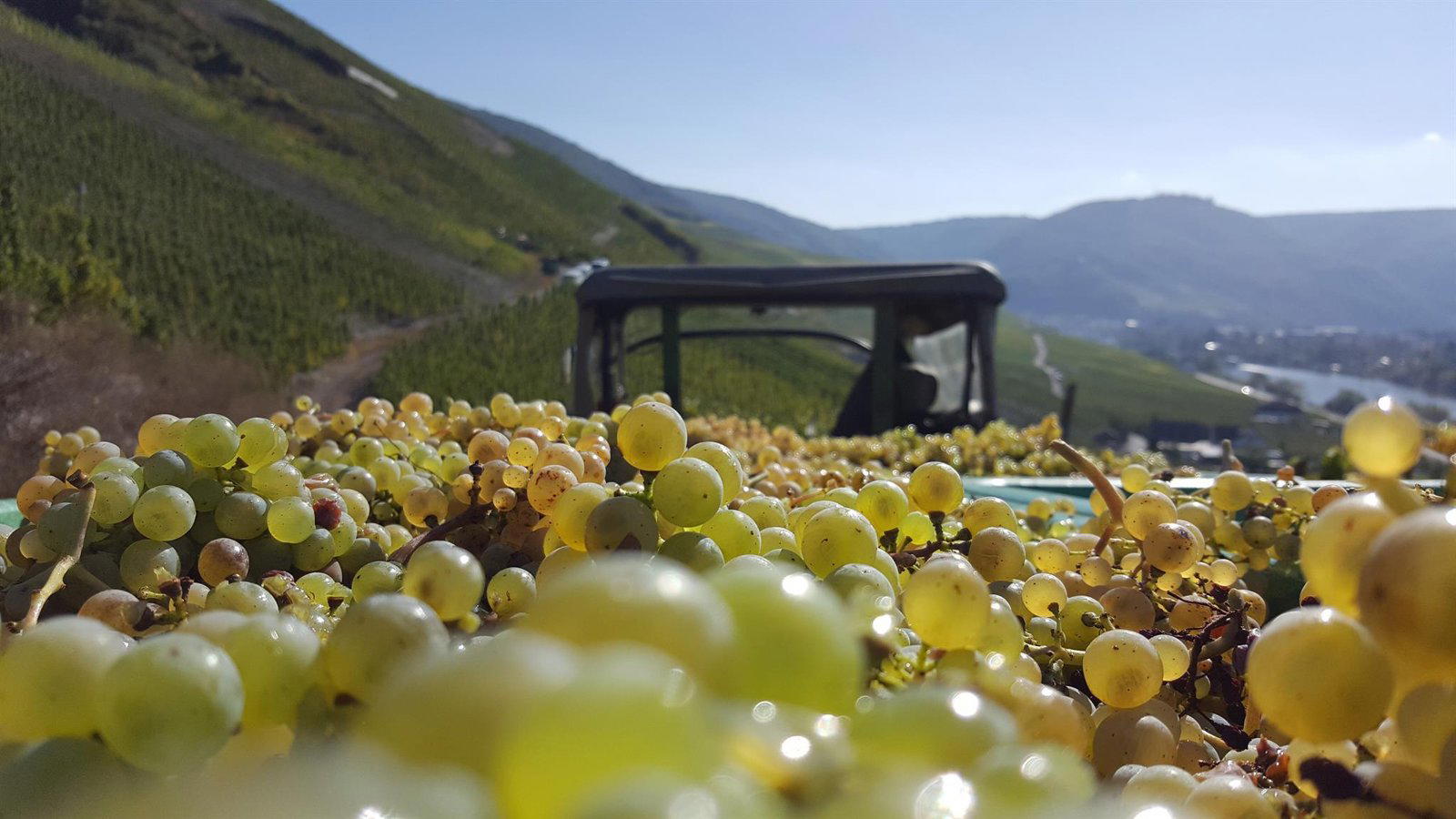
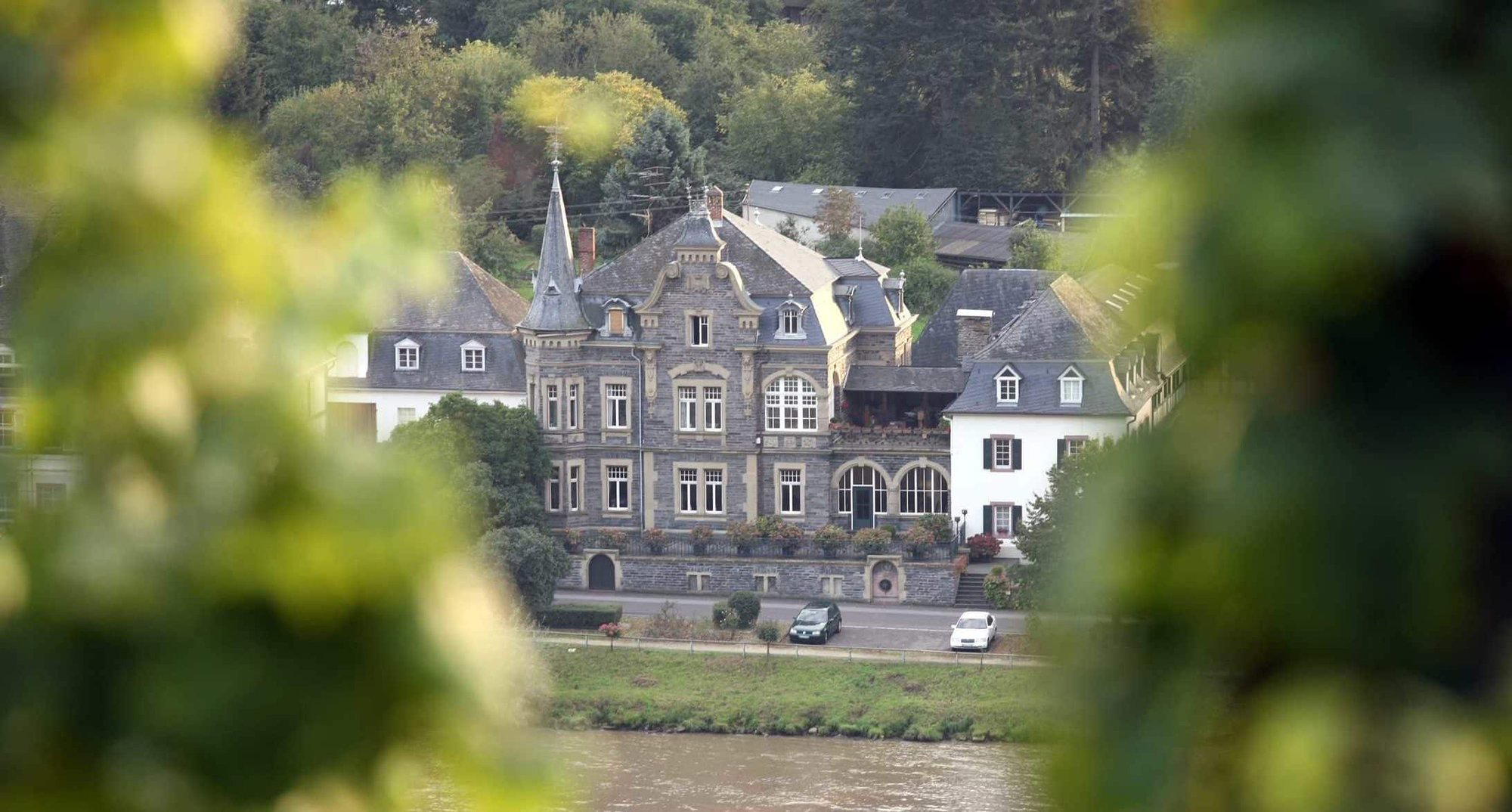
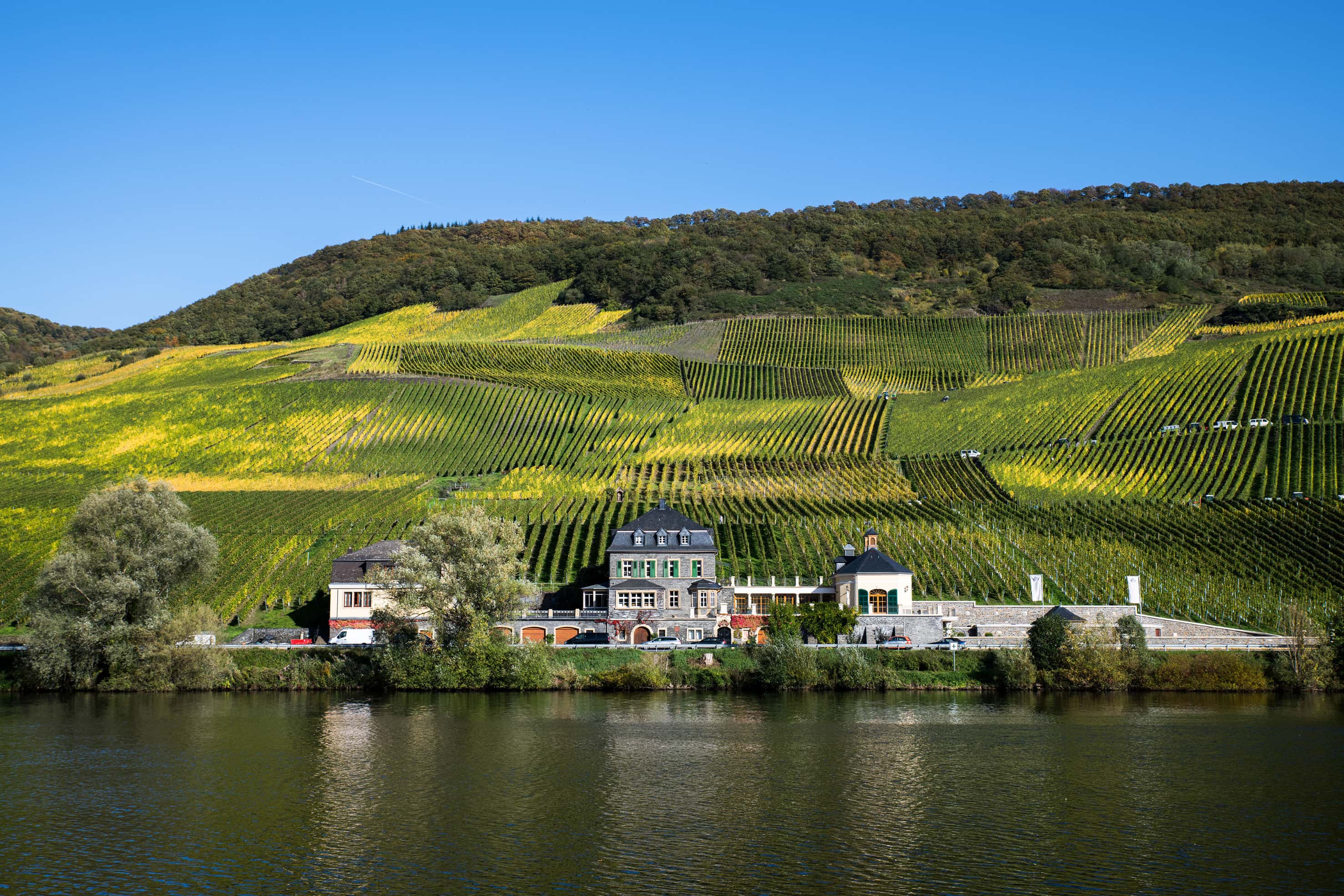
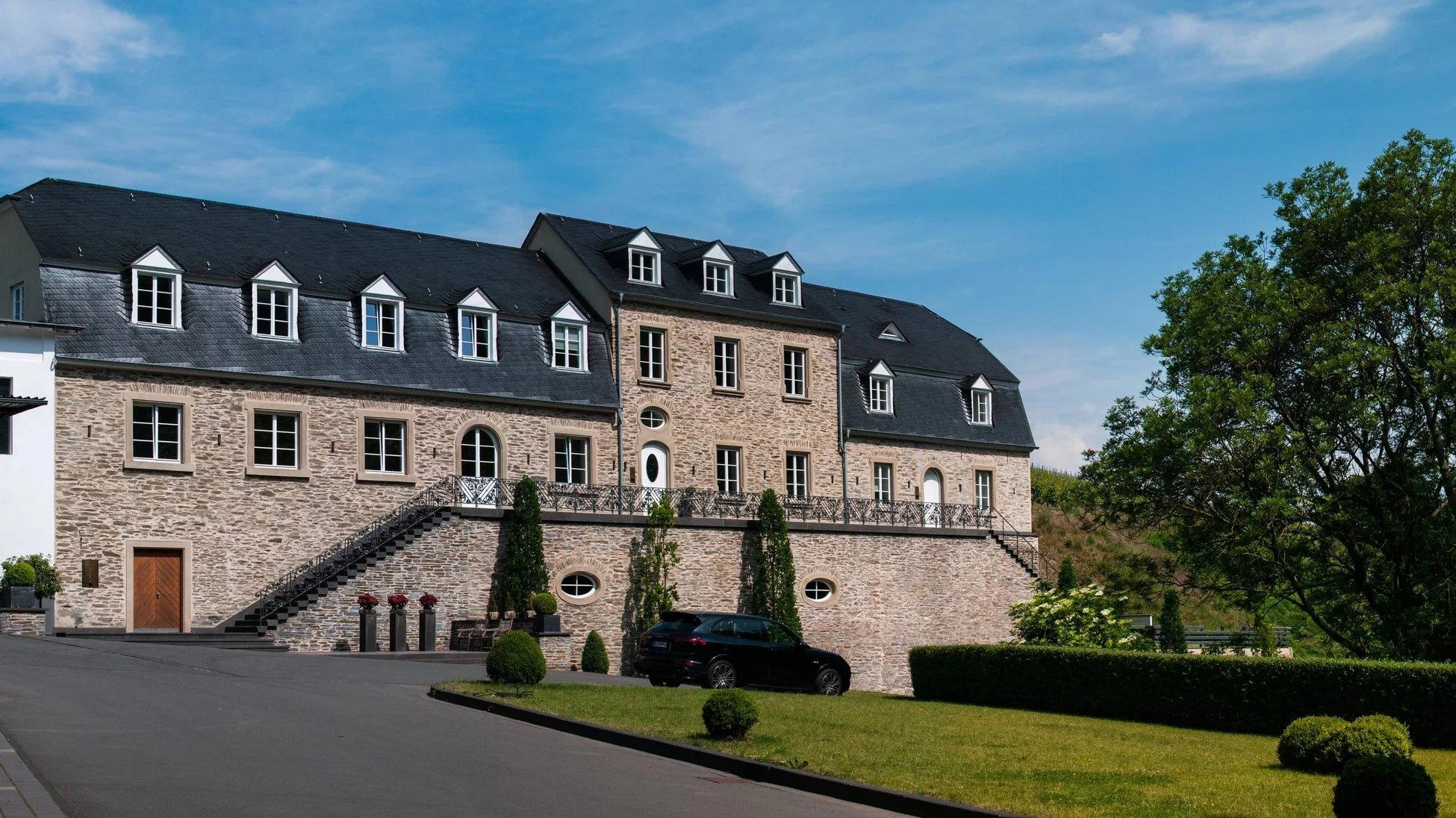
Bars in Graach
Browse all →
Restaurants in Graach
Browse all →
Details
- Classic
- Cozy
- Group Outing
- Wine Education
- Solo Exploration
- On Request Cellar Tasting
- German
- English
Traditional Mosel family winery with a direct, welcoming atmosphere focused on tastings and direct sales rather than elaborate tourism amenities.