
Falstaff Winery - 2 Stars
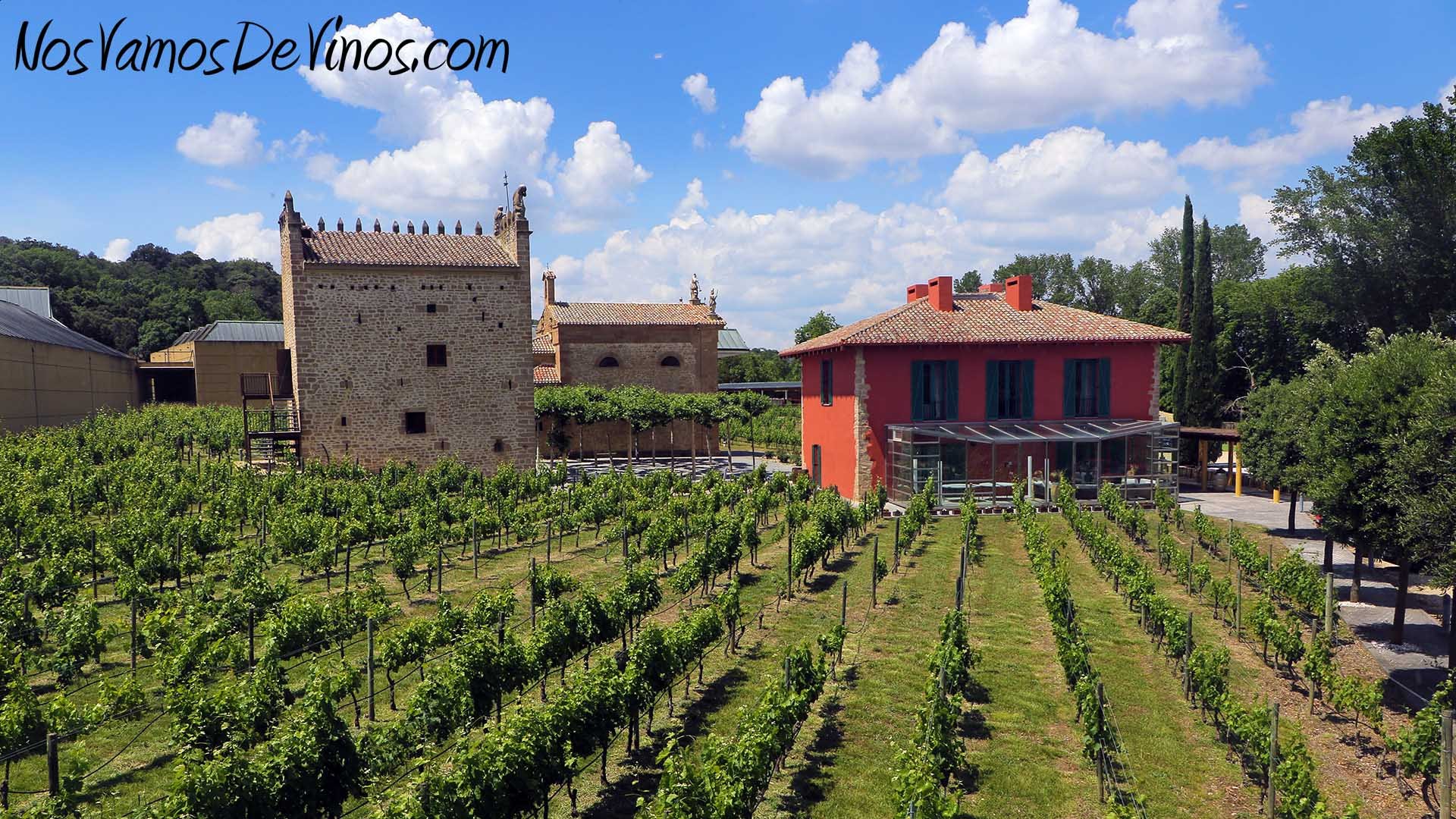
Javier Sanz is a La Seca winery for travelers who want Rueda explained through vineyard material rather than tasting-room polish. The draw is the estate’s work with Verdejo, pre-phylloxera plots and revived grapes, set between mosaic vineyards and an 18th-century church repurposed for tastings.

Pearl is the En Primeur Club membership app — saves, bookings, and concierge access live there. Same editors, same standards.
- Address
- La Seca, Rueda, Castilla y León, Spanien
- Directions
- Get directions

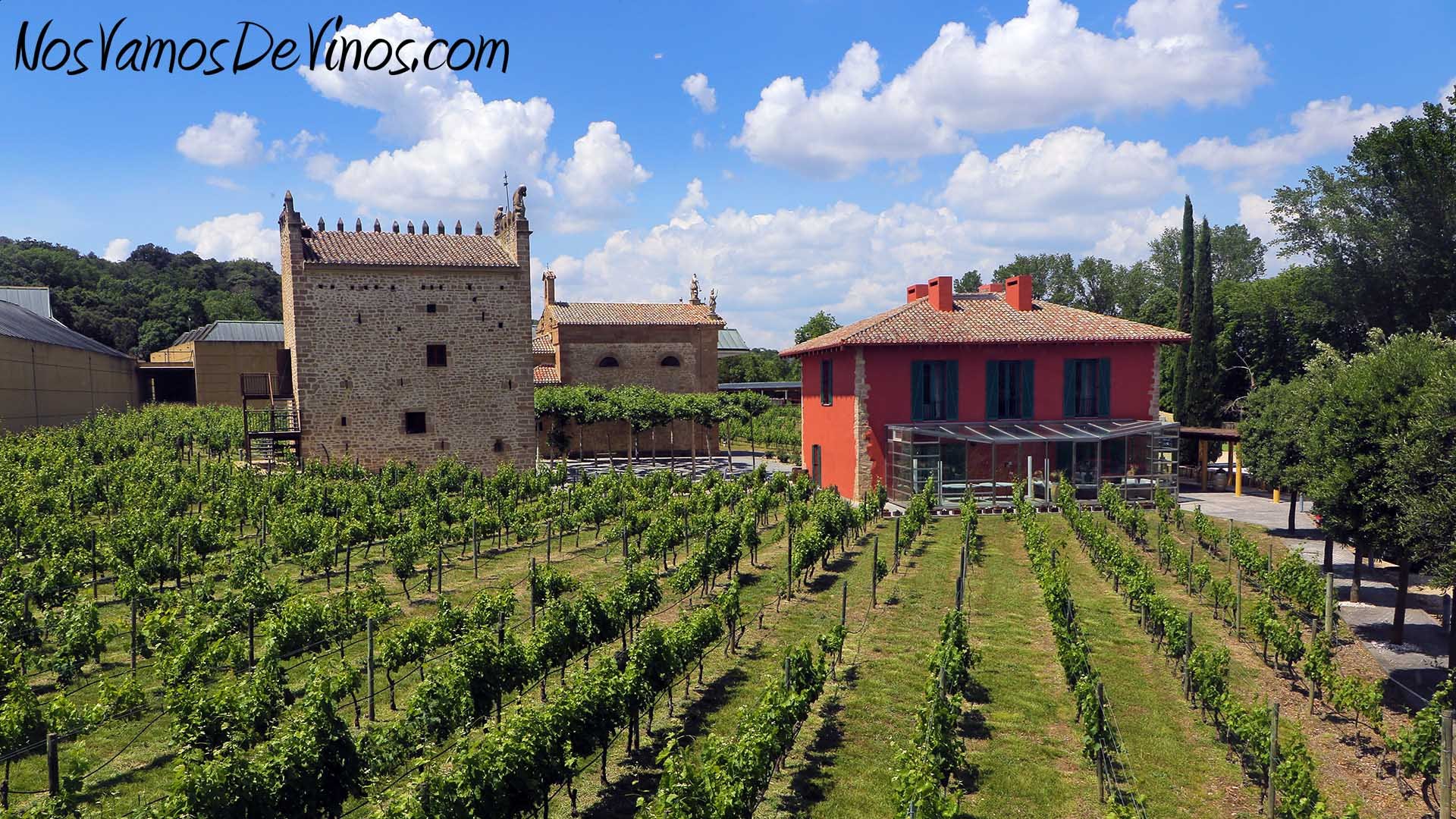
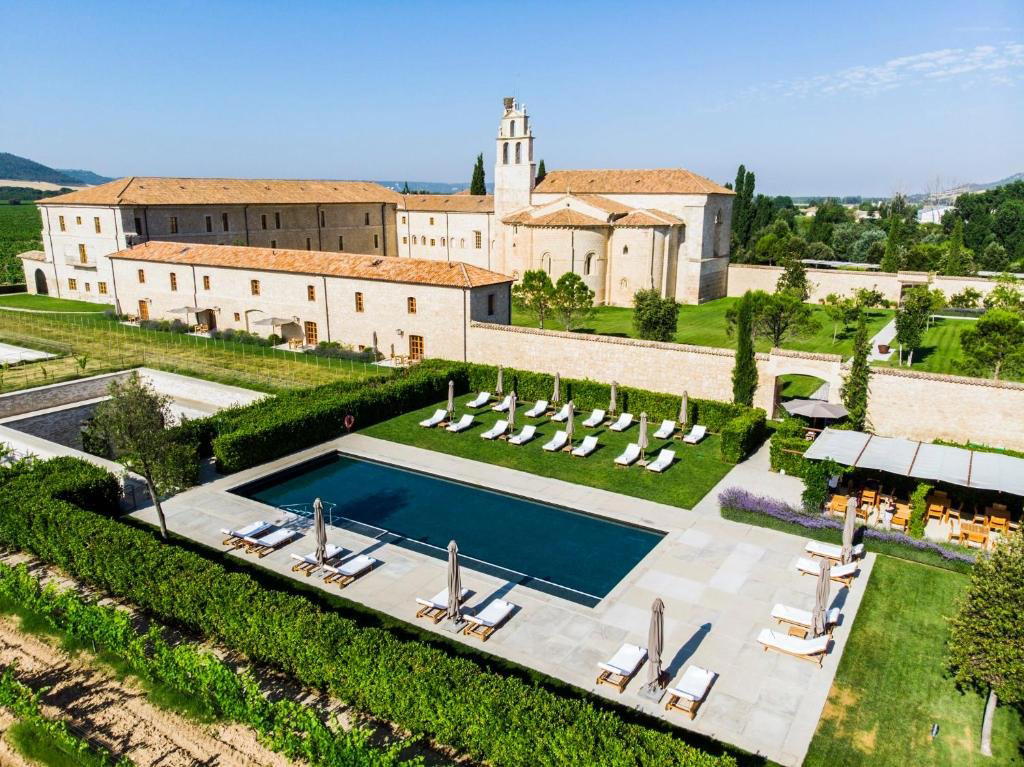
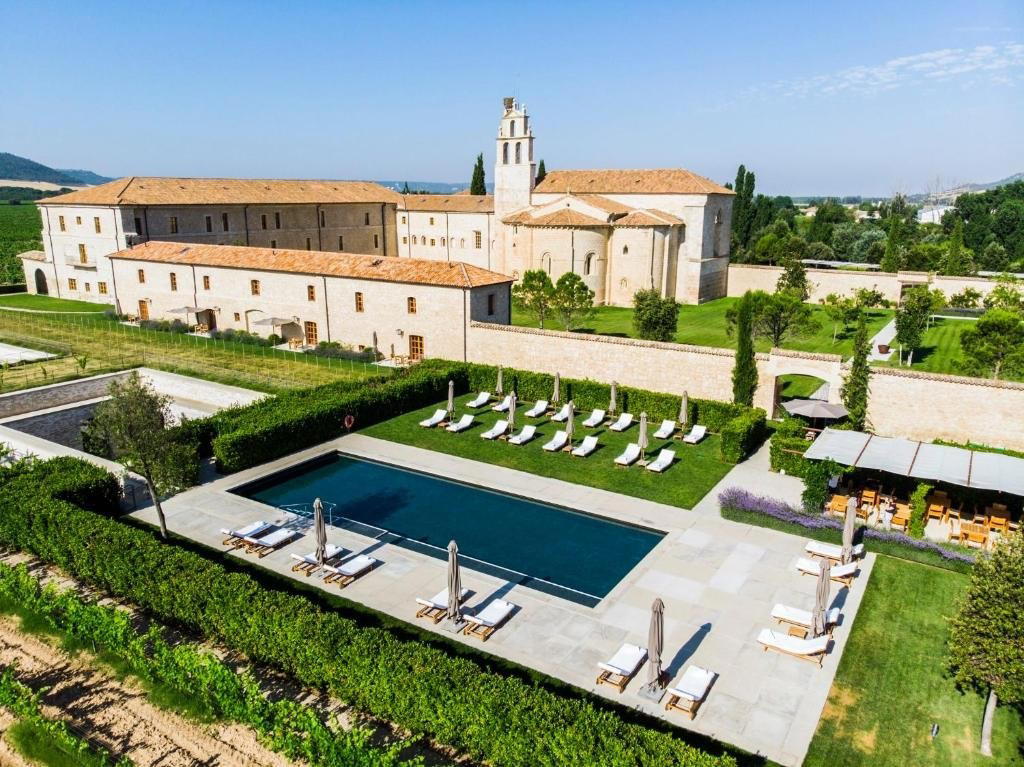
Javier Sanz is a wine-tourism venue in La Seca with a historic yet rustic setting. The experience centers on a converted 18th-century church used as a tasting room, surrounded by mosaic vineyards and pre-phylloxera plots. The atmosphere is calm and scenic, with the emphasis on tradition, terroir and the landscape rather than a highly formal hospitality style. In practice, that means the venue is best understood less as a generic tasting address and more as a place where the building, the vineyards and the village context all carry part of the experience.
What can be stated with confidence is that Javier Sanz offers a place-based wine-country visit in La Seca, framed by old vineyard material and a distinctive historic tasting room. Its appeal comes from the way those elements sit together: a rural setting, an architectural space with age and character, and vineyard surroundings that give the visit a clear sense of origin. Travelers should approach it with that framework in mind, focusing on the setting and confirming any practical details directly before making firm plans.
Old vineyard context and the La Seca setting
The strongest reason to consider Javier Sanz is its setting. La Seca is presented here through vineyards, pre-phylloxera plots and a converted 18th-century church tasting room, giving the visit a sense of continuity between architecture, countryside and wine culture. The presence of old vineyard material gives the landscape more than decorative value; it helps explain why the stop feels tied to place rather than interchangeable with a tasting room that is located anywhere.
That combination makes the venue most useful for travelers who want a calm, scenic wine stop rather than a purely urban bar or restaurant experience. The appeal is in the historic-rustic atmosphere and the connection to terroir, not in any separate claim about a particular menu, tasting flight, vineyard-tour structure or award. The best reason to come is the broader impression: the quietness of a wine-country setting, the visual texture of vineyard land, and the contrast between rural surroundings and a church building repurposed for tasting.
For planning purposes, treat Javier Sanz as a La Seca wine-tourism stop with a traditional setting. Any more specific arrangements, such as exact visit format, timing, accessibility, group options or reservation requirements, should be confirmed directly before going. That is especially important because the core information available here is about the character of the venue rather than the operational details of a visit. Build the stop into an itinerary for its atmosphere and location, then verify the practical side before relying on it.
A tasting-room experience shaped by place
The tasting-room setting is a converted 18th-century church in La Seca. That detail matters because it gives the venue a clear architectural identity while keeping the mood rustic and grounded in the surrounding wine landscape. A former church used as a tasting room creates an immediate sense of enclosure, age and local continuity, and it helps separate the experience from more anonymous hospitality spaces. The point is not formality for its own sake, but a setting that feels connected to the history and texture of the village.
The surrounding mosaic vineyards and pre-phylloxera plots add context to the visit. Rather than assuming a particular wine list, pairing, route or service sequence, visitors should expect the core appeal to come from the setting itself: historic stone, rural calm and a visible relationship to vineyard land. The vineyard references matter because they frame the tasting room as part of a wider landscape. Even without adding unsupported detail about how a visit is conducted, it is fair to say that the place is defined by the relationship between interior space and countryside.
Listed price is $25 per person. Treat that as a useful planning marker, while still confirming current details directly before visiting. The price note gives travelers a basic point of orientation, but it does not replace checking the exact format, inclusions or conditions of a visit.
How to place it within a La Seca wine itinerary
Javier Sanz makes sense for travelers who want a scenic La Seca stop focused on wine country, tradition and terroir. It is especially well suited to an itinerary where the goal is to understand the village through its wine landscape rather than to move only between urban-style food and drink venues. The stop can provide a quieter counterpoint within a broader day, giving structure to the route through its strong sense of place.
For broader planning around the village, compare it with other La Seca dining, lodging, bar and experience options generically, and confirm current details directly with each venue. Javier Sanz should not be treated as a substitute for those other categories unless the details of a particular plan have been checked. Its role is clearer as a wine-tourism anchor: a setting-led visit that brings together old vineyard context, rustic architecture and a calm rural atmosphere.
If you are building a wider route, use Javier Sanz as the La Seca reference point and keep other stops separate unless their details are independently confirmed. The most reliable planning hook is simple: La Seca, a converted 18th-century church tasting room, mosaic vineyards, pre-phylloxera plots and a listed price of $25 per person. From there, let the surrounding itinerary fill in other needs, while keeping the reason to include Javier Sanz focused on the historic tasting room, the vineyard setting and the sense of terroir that defines the venue.
Recognition history
Dated appearances from independent guides and award organizations, with the underlying list record or original source where available.
Falstaff Winery - 2 Stars
Falstaff
Continue exploring
More in La Seca
Wineries in La Seca
Browse all →
Bars in La Seca
Browse all →
Restaurants in La Seca
Browse all →
Details
- Scenic
- Rustic
- Romantic
- Classic
- Intimate
- Wine Education
- Group Outing
- Romantic Getaway
- Family
- Special Occasion
- Corporate Event
- Vineyard Tour
- Historic Building
- Panoramic View
- Private Tasting
- Sustainable
- Vineyard
- Verdejo
- Verdejo Malcorta
- Gorda De Moldavia
- Bruñal
- Cenicienta
- Still White
- Still Red
- Guided Tasting
- Paired Tasting
- Vineyard + Cellar Tour
- Private Group Tasting
- Spanish
- English
Historic yet rustic wine tourism setting combining a converted 18th‑century church tasting room in La Seca with surrounding mosaic vineyards and pre‑phylloxera plots, offering a calm, scenic atmosphere focused on tradition and terroir.