


Michelin Plate · Macarfi 7.7 Food Rating · Guía Repsol 1 Sol
Our verdict
Arrope operates inside El Hilo de Ariadna, a 15th-century Mudejar-style wine cellar running 20 metres beneath the town of Rueda. Chef Nauzet Betancort's contemporary menu draws on Castilian ingredients, trout, Zamora tomato, Merino sheep's cheese, and pairs them with wines from the Yllera family, who own the cellar itself. The result is one of Spain's more architecturally distinctive fine dining addresses.

Pearl is the En Primeur Club membership app, where members save venues, book tables and use the concierge.
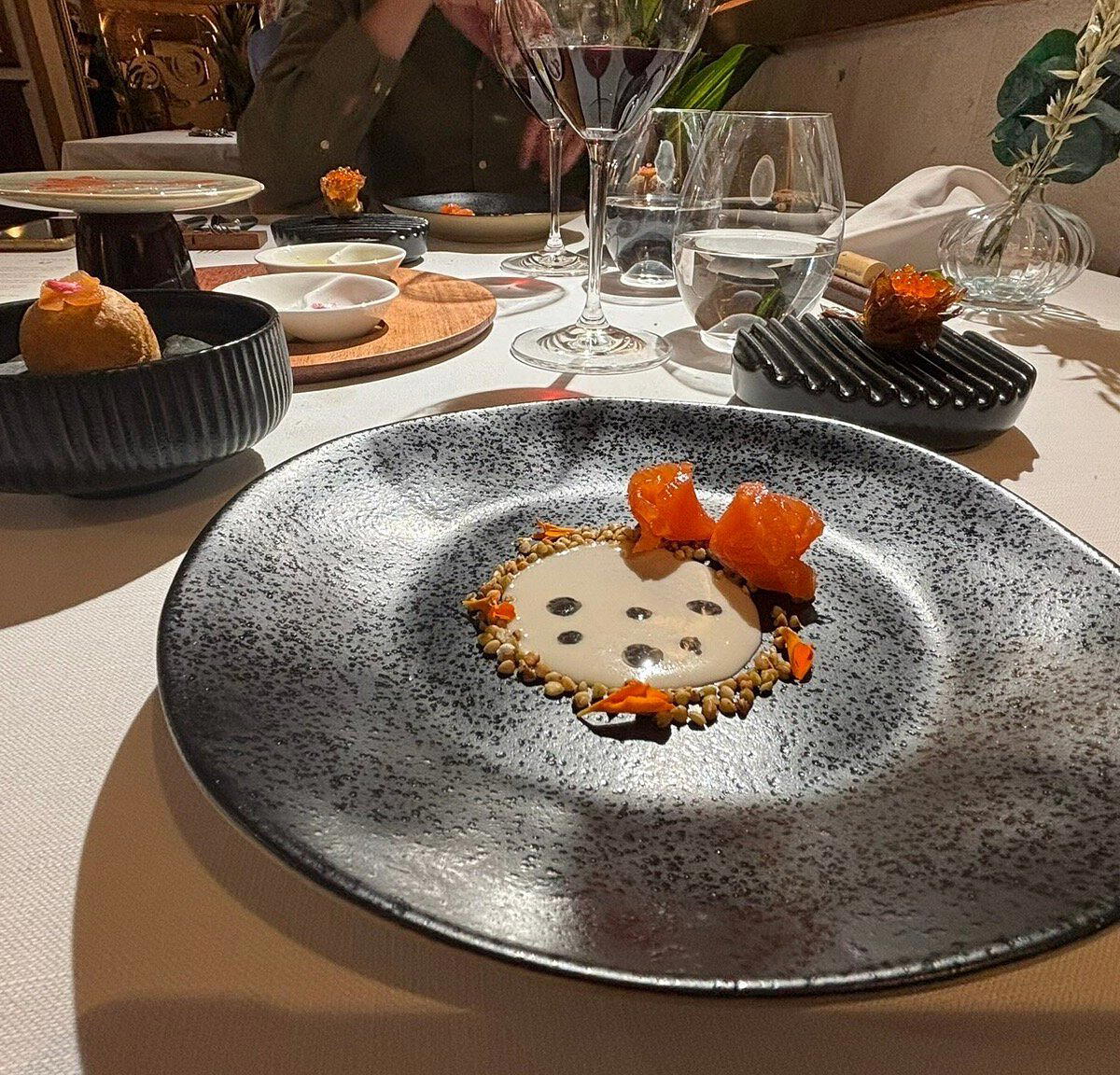
The menu
What to order
- Trilogy_of_castilian_trout
- Zamora_tomato_sea_bass_merino_cheese
Twenty Metres Below Rueda
There is a particular category of Spanish restaurant that earns its reputation not only through what appears on the plate but through the physical circumstances of the meal itself. The wine regions of Castilla y León have always had a particular relationship with the underground: cellars dug into hillsides and town foundations, aging wine in limestone and clay, long before the word terroir entered the international vocabulary. Arrope, operating within El Hilo de Ariadna beneath the town of Rueda in Valladolid, belongs squarely to that tradition, except here, the cellar is not background infrastructure but the dining room itself.
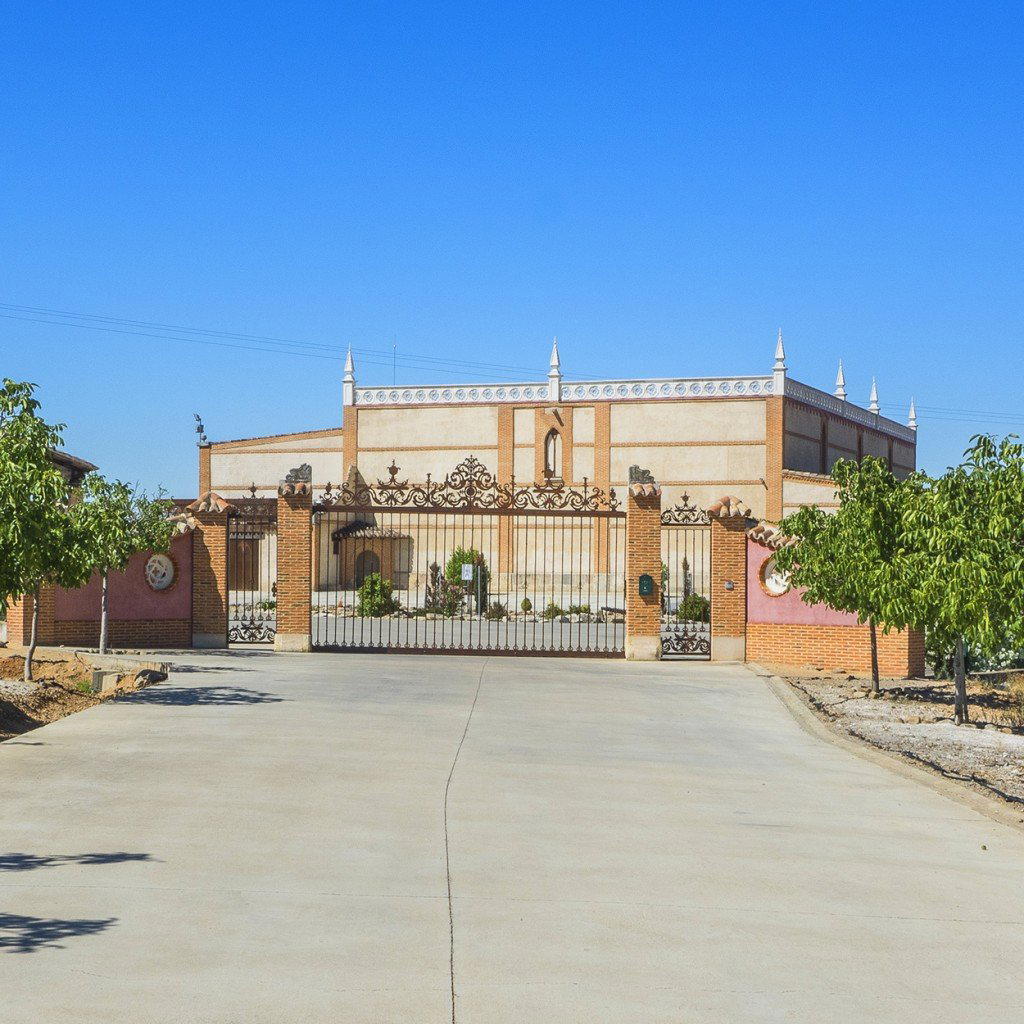
The structure is a 15th-century Mudejar-style labyrinth, accessible by stairs or lift, descending roughly 20 metres into the earth. Mudejar architecture, a medieval synthesis of Islamic craft techniques within Christian-commissioned buildings, is most associated with Aragon and Toledo, which makes its appearance in a Rueda wine cellar a point of historical interest in itself. The vaulted passages and carved stonework that normally frame aging barrels here frame tables instead, and the ambient temperature and near-silence at that depth create conditions that few above-ground dining rooms can replicate regardless of their interior design budget.
Ingredients as Geography
Spain's contemporary fine dining scene has largely moved away from ingredient sourcing as mere marketing language. At the upper end, restaurants like Azurmendi in Larrabetzu or El Celler de Can Roca in Girona, proximity sourcing functions as a genuine constraint on the menu, shaping both technique and seasonal rhythm. Arrope operates within this same discipline, with a menu structured around Castilian ingredients that make a specific geographic argument. The trilogy of Castilian trout positions a freshwater fish not typically associated with haute cuisine at the centre of a tasting progression. The Zamora tomato, sourced from the neighbouring province, appears alongside sea bass and Merino sheep's cheese, a pairing that connects two distinct production traditions, the market gardens of Zamora and the sheep farming of Castile, on a single plate.
This kind of sourcing specificity matters because it does something that broader pan-Spanish menus cannot: it tells you exactly where you are. A diner at Arzak in San Sebastián is eating Basque; a diner at Quique Dacosta in Dénia is eating the Mediterranean coast. At Arrope, the cuisine is rooted in the meseta, in river fish and aged cheese and the agricultural specificity of inland Castile. That specificity is not accidental, it reflects a deliberate editorial position about what this region can offer at the table, distinct from the Atlantic and Mediterranean traditions that dominate Spain's international fine dining reputation.
Chef Nauzet Betancort, a Canary Islander who trained across a range of serious Spanish kitchens before taking over here, brings an outsider's precision to Castilian ingredients. The Canary Islands have their own deeply particular food culture, and a chef formed there but cooking in Valladolid brings a different set of reference points than a locally trained cook would. That distance, in practice, often produces sharper editorial choices about what from the local larder is worth featuring.
The Wine Equation
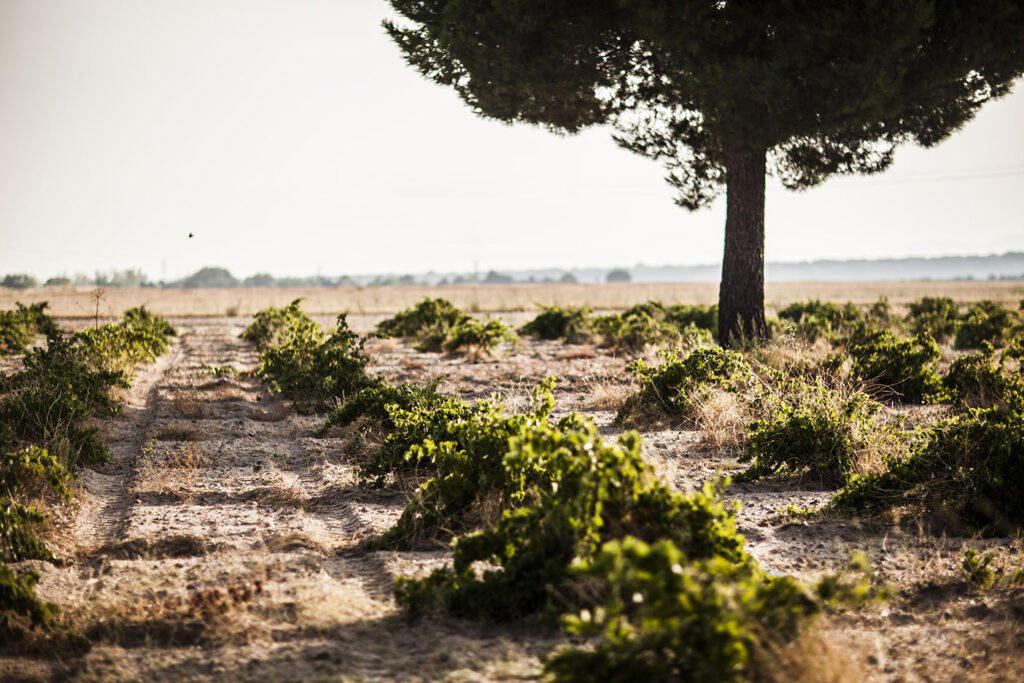
The wine program at Arrope carries a structural logic that few restaurants in Spain can claim: the cellar you are dining in is owned by the Yllera family, one of Rueda's established wine producers, and their wines anchor the pairing program. This is not incidental. It means the food-and-wine relationship here is developed with access to the producer rather than through a sommelier's buying choices. Rueda's appellation reputation is built on Verdejo, a white grape that has undergone significant quality repositioning over the past two decades, moving from high-volume commodity production toward more structured, terroir-specific expressions. That evolution makes it a more interesting pairing partner for contemporary tasting menus than it might have been a generation ago. The list extends beyond Yllera's own labels to include a broader selection, giving the program reach beyond the house wines without abandoning its local logic.
For context within Spain's wider fine dining circuit, Rueda sits at a different register than the major urban restaurant destinations. Addresses like DiverXO in Madrid, Cocina Hermanos Torres in Barcelona, or Mugaritz in Errenteria operate within established urban fine dining ecosystems with international press infrastructure and consistent trophy hunter traffic. Arrope draws a more regionally focused audience, and the experience reflects that: it is not performing for a global audience but for diners engaged with Castilla y León on its own terms. That distinction matters when calibrating expectations and, ultimately, when deciding whether it belongs on a particular trip.
The cellar also hosts food, wine, and cultural tours, extending beyond the restaurant proper to position El Hilo de Ariadna as a broader destination within Rueda's wine tourism circuit. Rueda is increasingly organised as a wine destination rather than simply a production zone, and experiences that combine cellar access with dining participation are becoming a distinct format in the region, sitting between casual tasting room visits and full fine dining occasions.
Planning a Visit
Arrope sits on Avenida Mariano Ruiz Rodríguez 1 in Rueda, a small town in the province of Valladolid, roughly an hour south of the city of Valladolid itself. Given the town's scale, this is not a walk-in proposition: the restaurant operates on a reservation basis and the combination of a tasting menu format with a distinctive physical space means demand regularly outpaces casual availability. Visiting during Rueda's harvest season, from late September into October, aligns dining with the most active period in the appellation's calendar. Booking well ahead is advisable at any time of year.
For those building a wider itinerary around the region, Gastrobodega Martín Berasategui represents an alternative high-end dining anchor in Rueda, while our full Rueda wineries guide covers the appellation's producer landscape in detail. Our full Rueda restaurants guide covers the broader dining picture, and our Rueda hotels guide, bars guide, and experiences guide complete the planning picture for a multi-day stay in the area.
Frequently asked questions
Is Arrope good for families?
Arrope is a contemporary fine dining restaurant built around a tasting menu, which tends to suit adults with an interest in ingredient-led cuisine more than young children. The setting itself, a 15th-century Mudejar wine cellar 20 metres underground, accessible by stairs or lift, is genuinely memorable for older children or teenagers. The Yllera family also offers food, wine, and tourism experiences alongside the restaurant, which may suit family groups looking for a broader visit.
What's the vibe at Arrope?
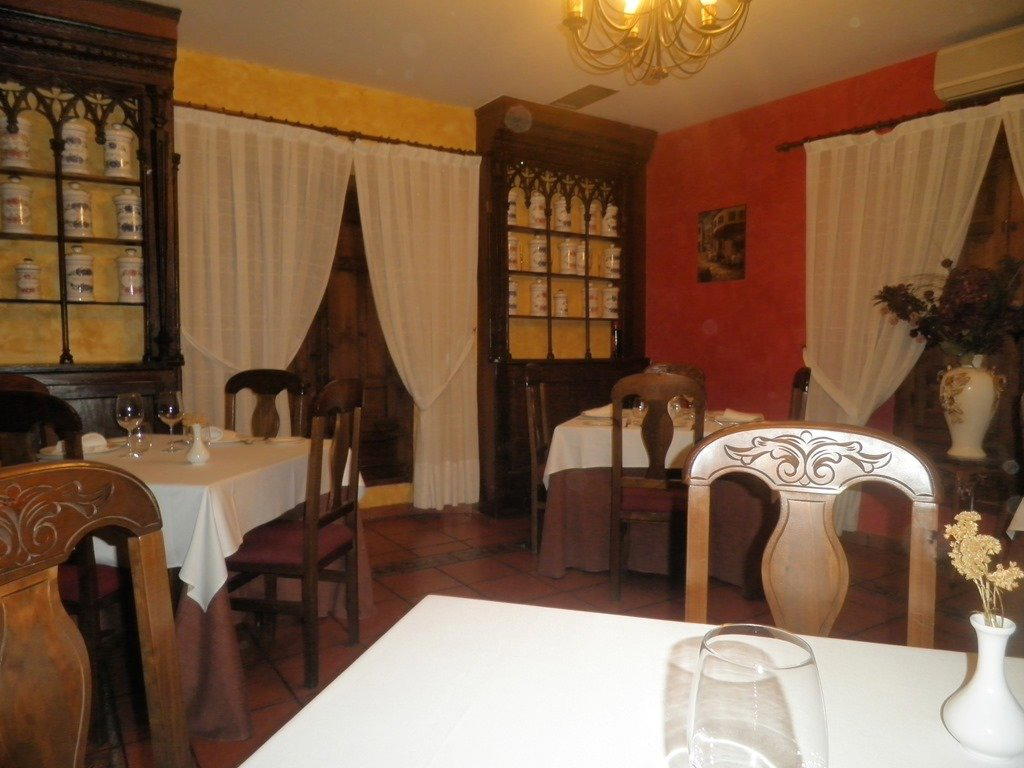
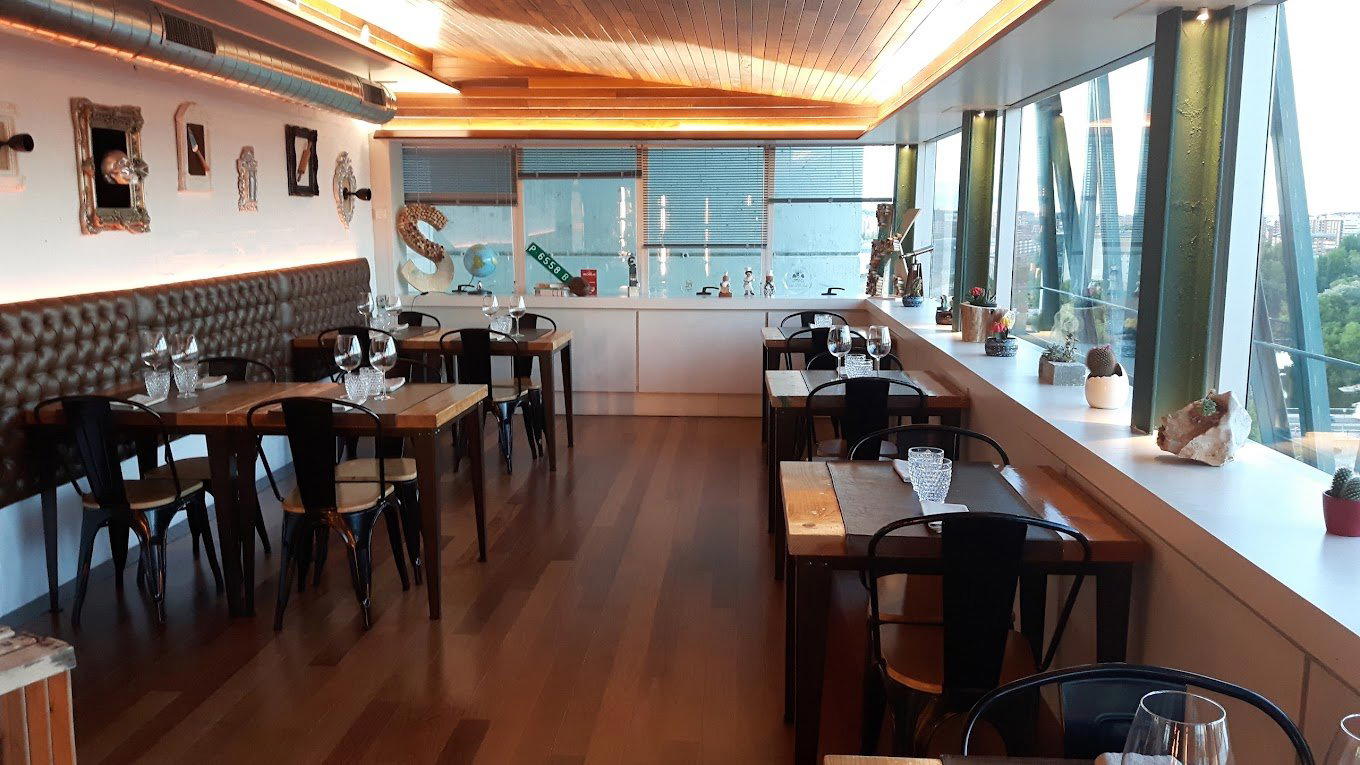
Dining here means descending into a maze-like underground cellar that dates to the 15th century, the architecture does as much work as the kitchen. The atmosphere is intimate and considered rather than theatrical, shaped by stone walls, low ceilings, and the structural logic of a working wine estate. Chef Nauzet Betancort's contemporary menu keeps the tone precise and quietly focused.
Does Arrope have a Michelin star or similar recognition?
Arrope has received recognition including: Haute cuisine 20 metres underground? This restaurant makes it possible. After training in some of the finest establishments, Canary Islander Nauzet Betancort has taken the reins at El Hilo de Ariadna, the beautiful, maze-like 15th-century M….
What's the signature dish at Arrope?
The menu is built around local Castilian sourcing, and the trilogy of Castilian trout stands out as a recurring reference point, alongside a preparation of Zamora tomato, sea bass, and Merino sheep's cheese. Both dishes reflect the kitchen's approach: regional ingredients treated with contemporary technique rather than imported flavour references. The tasting menu is the clearest way to see that logic applied across a full sequence.
What part of town is Arrope in?
Arrope is located at Avenida Mariano Ruiz Rodríguez 1, Rueda.
How It Stacks Up
Comparable venues nearby, for context on price, style, and recognition.
| Venue | Cuisine | Price | Awards | Notes |
|---|---|---|---|---|
| ArropeThis venue (the venue you are viewing) | Modern Spanish Fine Dining | $50–100 | Michelin Plate · Macarfi 7.7 Food Rating | Not listed |
| Gastrobodega Martín Berasategui | Modern Spanish Fine Dining | $50–100 | Michelin Plate · Macarfi 7.7 Food Rating | Rueda |
| Caleña | Modern Castilian | Not listed | Michelin Plate · Guía Repsol 1 Sol | Ávila historic center |
| Dámaso | Modern Spanish Seasonal Tasting Menu | $100–150 | Michelin Plate · Guía Repsol 1 Sol | La Galera |
| Éleonore | Modern Spanish Creative Fine Dining | Not listed | Michelin Plate · Guía Repsol 1 Sol | Salinas |
| Sua | Modern Spanish Asador | $100–150 | Michelin Plate · Macarfi 7 Food Rating | Barrio de las Letras |
Recognition history
Dated appearances from independent guides and award organizations, with the underlying list record or original source where available.
Michelin Plate
Michelin · 2026 Michelin Plate
Guía Repsol 1 Sol
Guía Repsol
Macarfi 7.7 Food Rating
Macarfi
Full recognition history (5 entries)
Michelin Plate
Michelin
Michelin Plate
Michelin
Continue exploring
More in Rueda
Arrope
The wine
- Wine program
- Deep wine list
- Extensive wine list
- Sommelier-led
Details
- Elegant
- Intimate
- Sophisticated
- Historic
- Date Night
- Special Occasion
- Private Dining
- Historic Building
- Extensive Wine List
- Sommelier Led
- Local Sourcing
- Tasting Menu
- Wine Program
Current opening hours
- Monday
- Closed
- Tuesday
- Closed
- Wednesday
- 1:30–5:30 PM
- Thursday
- 1:30–5:30 PM
- Friday
- 9 AM–5 PM, 8:30 PM–12 AM
- Saturday
- 1:30–3:30 PM, 8:30 PM–12 AM
- Sunday
- 1:30–5:30 PM
Hours can change for holidays and private events. Hours as of .
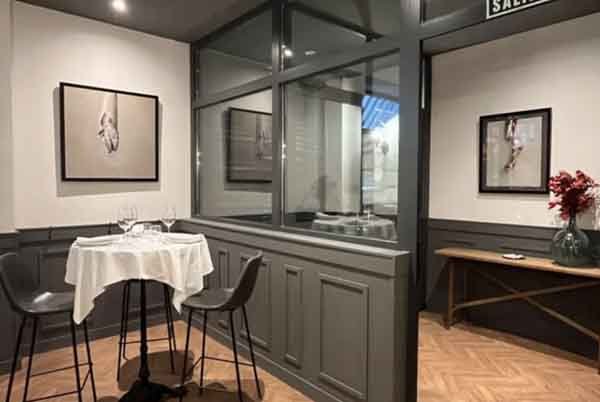
Soft indirect lighting in stone-vaulted underground chambers creates a calm, intimate, and luxurious atmosphere.