
A historic Rueda winery in Serrada, Bodegas Hijos de Alberto Gutiérrez puts Verdejo in its proper Castilla y León context: high-altitude vineyards, clay-limestone soils and a cellar culture that predates modern wine tourism. The draw is the contrast between a working production site and a 17th-century underground cave complex, with guided tastings focused on De Alberto wines.
Pearl is the En Primeur Club membership app — saves, bookings, and concierge access live there. Same editors, same standards.
- Address
- Serrada, Rueda, Castilla y León, Spanien
- Directions
- Get directions
 Saves & bookings on Pearl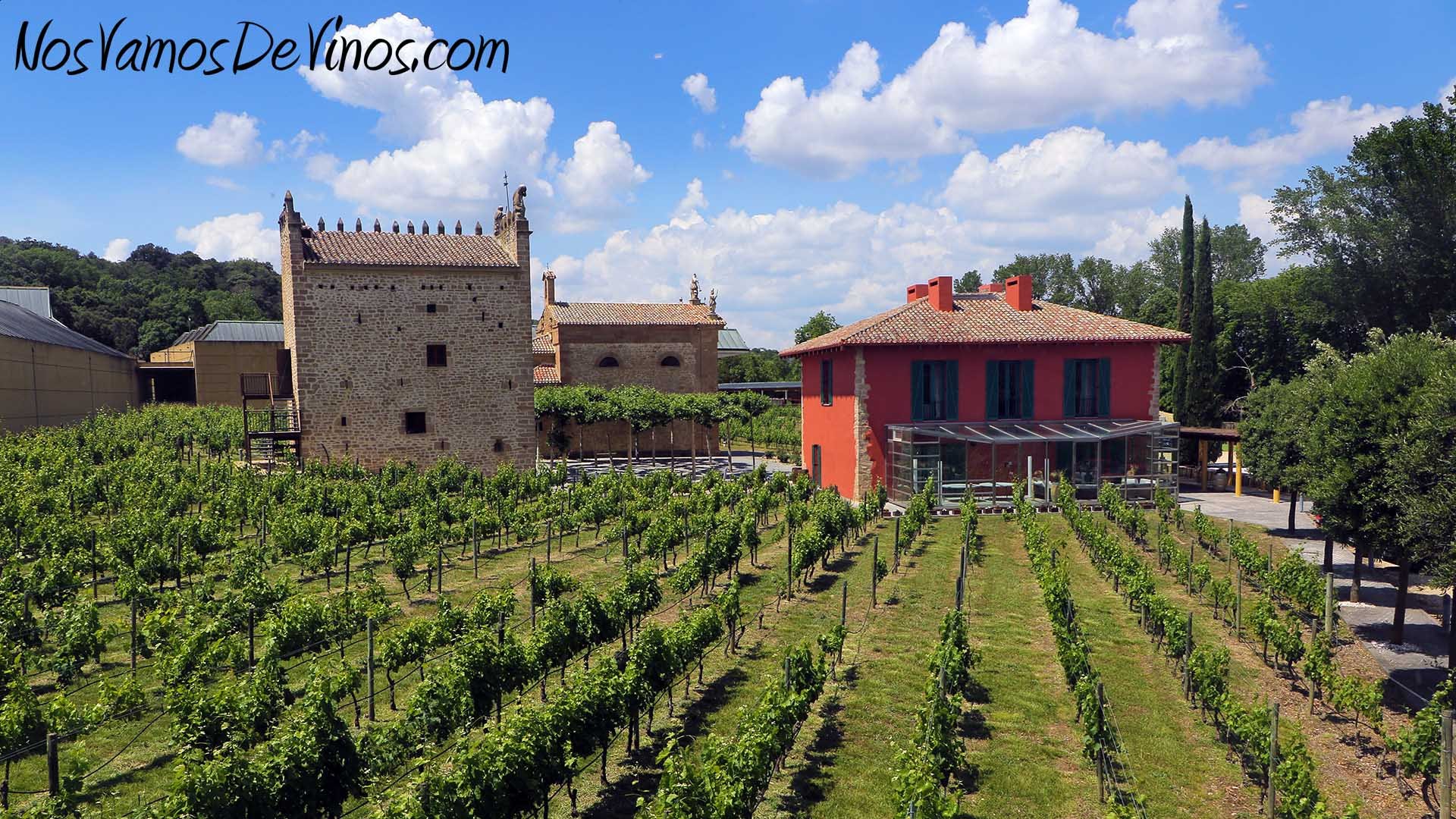
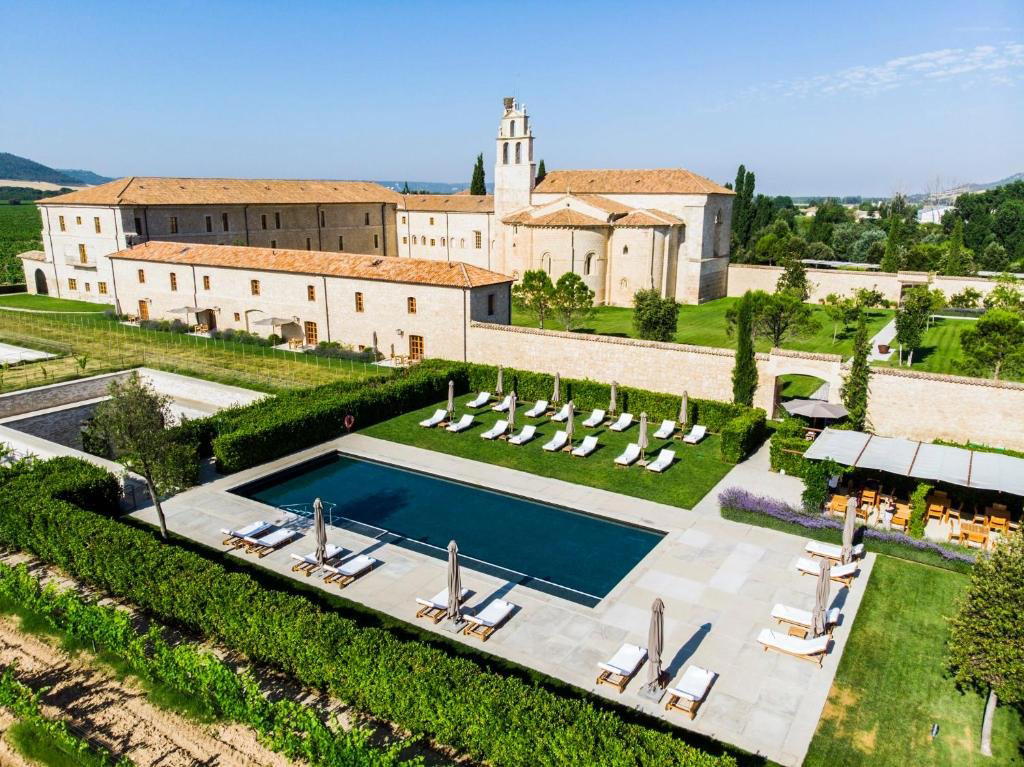
Serrada slows the winery visit down. At Bodegas Hijos de Alberto Gutiérrez, the appeal is the setting itself: a historic working winery housed in a former farmhouse, with a maze-like 17th-century underground cellar and traditional production areas alongside a functional reception, shop and tasting room atmosphere. The emphasis is not on spectacle, but on the way the site brings together old structures, everyday winery use and a visitor route that appears grounded in the building’s own character.
Rather than presenting it as a restaurant or a luxury tasting lounge, the safest way to understand the venue is as a rustic, historic winery environment in Serrada. The known information supports a visit centered on place, cellar architecture and the atmosphere of a working production site. That makes it especially relevant for travelers who want the texture of a traditional winery setting rather than a heavily styled hospitality concept.
A historic Serrada winery shaped by underground cellars
The cellar is the strongest detail. The former farmhouse setting leads into a 17th-century underground cellar system, giving the venue a sense of age and continuity that is more specific than a generic tasting-room description. The maze-like cellar and traditional production areas are part of what makes the experience distinctive, because they suggest a visit shaped by movement through older, functional spaces rather than a single static room.
The public-facing spaces are described in practical terms: reception, shop and tasting room. That combination suggests a venue built around welcoming visitors while still retaining the character of a working winery. The atmosphere is rustic, historic and cozy rather than formal or polished. In that sense, the reception, shop and tasting room are best understood as extensions of the winery environment, not as evidence of a separate, restaurant-style operation.
Specific claims about grape varieties, individual wines, awards, ratings, tour duration, language options, food pairings or shipping are not part of the public record provided here. For planning, treat Bodegas Hijos de Alberto Gutiérrez as a historic winery stop in Serrada with a known price of $30 per person. The clearest reason to include it is the architecture and setting: a former farmhouse, a 17th-century underground cellar and traditional production areas that give the visit its identity.
A working winery visit rather than a polished tasting-room performance
The description points to a functional, traditional winery environment. Production areas, a reception, a shop and a tasting room sit within a former farmhouse and cellar complex, so the appeal is tied to the building and its historic working-winery character. This is an important distinction, because it frames expectations. The venue reads less like a destination built around luxury service language and more like a place where the winery itself is the experience.
What can be stated confidently is the setting: a rustic, historic winery in Serrada with a 17th-century underground cellar and a $30 per person price point. The word rustic matters here because it signals a more grounded atmosphere, while historic points to the older cellar structure and former farmhouse context. Cozy, in this case, should be read as part of that same mood: intimate, traditional and connected to the scale of the building.
For travelers comparing options in Serrada, Bodegas Hijos de Alberto Gutiérrez is distinctive on the basis of its historic farmhouse setting and underground cellar atmosphere. The comparison, therefore, should remain focused on what is known: this is a winery visit anchored by a cellar system and production spaces, not by claims about cuisine, awards or an expanded hospitality program.
How it fits into a wider wine itinerary
Within a broader itinerary, the winery makes sense as a Serrada stop for travelers who value historic wine architecture and working-cellar atmosphere. The former farmhouse, maze-like 17th-century underground cellar and traditional production spaces provide the core reason to visit. It can function as the kind of stop that gives structure and context to a day: less about rushing from tasting to tasting, more about spending time in a place where the physical setting carries much of the interest.
The strongest case for the winery is its sense of place. It offers a rustic, cozy, historic winery setting in Serrada, with visitor-facing reception, shop and tasting room areas and a listed price of $30 per person. For planning purposes, that is the cleanest and most accurate summary: a traditional winery environment, defined by its former farmhouse setting and underground cellar, suited to visitors who want atmosphere, history and a working-site feel without assuming details that are not confirmed here.
Recognition history
Dated appearances from independent guides and award organizations, with the underlying list record or original source where available.
Falstaff Winery - 1 Stars
Falstaff
Continue exploring
More in Serrada
Wineries in Serrada
Browse all →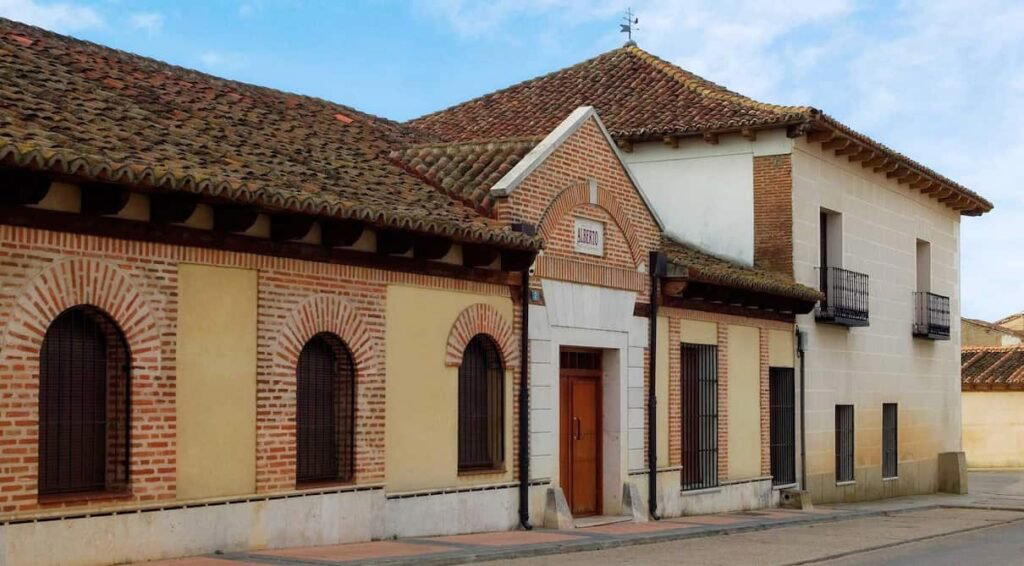
Bars in Serrada
Browse all →
Restaurants in Serrada
Browse all →
At a Glance
- Rustic
- Cozy
- Well Known
- Group Outing
- Wine Education
- Solo Exploration
- Special Occasion
- Cave Tasting
- Historic Building
- Barrel Room
- Rueda DO
- Verdejo
- Viura
- Still White
- Still Red
- Still Rosé
- Fortified
- Dessert
- Guided Tasting
- Cellar Tour Plus Tasting
Historic working winery housed in a former farmhouse with a maze-like 17th‑century underground cellar, combining traditional production areas with a functional reception, shop and tasting room atmosphere.