Glunz Family Winery & Cellars
Glunz Family Winery & Cellars sits along Highway 46 West in Paso Robles. For visitors mapping a serious tasting itinerary through the Westside, it warrants a deliberate stop.

Pearl is the En Primeur Club membership app — saves, bookings, and concierge access live there. Same editors, same standards.
- Address
- 8331 CA-46, Paso Robles, CA 93446
- Phone
- (805) 238-1400
- Website
- glunzfamilywinery.com
- Directions
- Get directions
Highway 46 West and What It Signals
The drive along Highway 46 West into Paso Robles reads as a kind of editorial argument for the appellation's ambitions. Vineyards press close to the road on both sides, interrupted by tasting room signs that range from the architecturally grand to the quietly utilitarian. The Westside corridor has long been where the appellation's more serious producers have anchored themselves, and the landscape tells you something about the peer group before you even step out of the car. Glunz Family Winery & Cellars sits at 8331 CA-46, in this same stretch, operating within an address that carries accumulated weight simply by proximity to properties like Adelaida Vineyards and Halter Ranch Vineyard.
Paso Robles Westside terrain is defined by calcareous soils and a diurnal temperature swing that can exceed forty degrees Fahrenheit between afternoon heat and overnight cool. That range matters: it is part of why the appellation produces both full-bodied Cabernet Sauvignon and structured Rhône varieties with comparable conviction. Any winery operating on this corridor is working with fruit shaped by those same conditions, which sets a baseline expectation for what ends up in the glass.
A Recognition Tier That Has Meaning Here
For a region where the number of bonded wineries now runs into the hundreds, placement in any starred tier represents a meaningful signal about quality consistency.
Paso Robles has developed a multi-speed recognition hierarchy. At one end sit the larger estate operations, some with national distribution and significant critical attention, including DAOU Vineyards. At the other end, smaller-production labels rely on tasting room traffic and mailing list allocations to move wine. Glunz occupies a position somewhere between those poles, with a physical address along one of the county's most-travelled wine routes and a 2025 award credential that gives informed visitors a reason to stop rather than drive past.
For context on how Paso Robles fits within the broader California wine recognition conversation, properties like Alpha Omega Winery in Rutherford and Accendo Cellars in St. Helena represent Napa's upper-tier benchmark. Paso's strongest addresses increasingly compete in the same critical conversation, even if the price points and allocation models differ.
The Sensory Register of a Highway 46 Tasting
Tasting rooms along this section of Highway 46 share certain atmospheric qualities regardless of the producer. The air carries the particular dryness of a high-elevation semi-arid valley, with scrub oak and chaparral threading between vine rows. Late afternoon light on the Westside has a quality that shifts the experience: the temperature drops faster than visitors arriving from coastal California expect, and the surrounding hills take on a different character in the low sun. These are not incidental details. They shape how wines taste and how visitors register the experience of drinking them.
Paso Robles tasting rooms along this corridor tend toward the relaxed rather than the choreographed. The format here is generally less formal than what you find in Napa or in more appointment-focused appellations. That informality is part of what draws a specific kind of wine traveller: one who wants to engage directly with what is in the glass rather than work through a scripted presentation.
Producers like Herman Story Wines and Bianchi Winery represent different stylistic registers within the same appellation, a reminder that Paso Robles is not a single-variety or single-style region. Any serious visit to the area benefits from tasting across multiple formats and production philosophies, and the density of quality producers along Highway 46 makes that kind of comparative tasting possible within a single afternoon.
Paso Robles in the California Wine Conversation
The appellation has spent the past decade building the kind of critical infrastructure that distinguishes a serious wine region from a tourist attraction with vineyards attached. Institutional investment in soil mapping, the creation of eleven distinct sub-appellations, and a growing number of producers with formal winemaking training from programs in Davis, Bordeaux, and the Rhône Valley have all contributed to a shift in how buyers and critics talk about the region. What was once treated as an affordable alternative to Napa now generates its own allocation waitlists and critical scores that position some producers in direct conversation with California's most recognised addresses.
For visitors exploring that arc in person, the Westside corridor remains the highest-concentration zone for serious production. The calcareous soils here consistently produce wines with tighter structure and longer aging potential than the Eastside's sandy loam. That soil split is one of the more consequential geographic distinctions in American wine, and it shapes the stylistic character of any producer working along Highway 46.
Comparing across California appellations, properties like Alexander Valley Vineyards in Geyserville and Artesa Vineyards and Winery in Napa offer useful reference points for how Californian producers position themselves within competitive regional tiers. Beyond California, the Rhône variety comparison extends internationally, with producers like Alban Vineyards in Arroyo Grande and Andrew Murray Vineyards in Los Olivos defining what serious Syrah and Grenache look like along the Central Coast. Glunz operates within this broader conversation, with its 2025 recognition placing it as a credentialed participant rather than a peripheral address.
Planning a Visit
Glunz Family Winery & Cellars sits at 8331 CA-46, accessible directly from Highway 46 West, which makes it a logical inclusion in any Westside tasting itinerary without requiring deviation from the main corridor. The spring and early summer months represent the most atmospheric time to visit the Westside: vine growth is active, temperatures are moderate before the July and August heat peaks, and harvest energy has not yet compressed producer schedules. Autumn visits, particularly September and October during harvest, carry their own appeal, though tasting room availability can become tighter as winery staff split attention between hospitality and production. For itinerary planning across the broader Paso Robles region, the full Paso Robles guide maps producers across both Westside and Eastside addresses.
For reference points outside California entirely, the appellation's Rhône-variety producers increasingly draw comparisons to European benchmarks. Properties like Adelsheim Vineyard in Newberg illustrate how Pacific Coast producers have built serious reputations through varietal discipline, while internationally, estates like Achaia Clauss in Patras and Aberlour demonstrate how deep regional identity and consistent recognition work together to build long-term producer credibility, a model Paso Robles is actively replicating.
Peers You’d Cross-Shop
Comparable venues nearby, for context on price, style, and recognition.
| Venue | Cuisine | Price | Notes |
|---|---|---|---|
| Glunz Family Winery & CellarsThis venue — the venue you are viewing | Zinfandel, Cabernet Sauvignon | Not listed | Not listed |
| Le Vigne Winery | Cabernet Sauvignon, Chardonnay | $20–30 | East Side |
| Chronic Cellars | Zinfandel, Syrah | $20–30 | Paso Robles |
| Peachy Canyon Winery | Zinfandel, Petite Sirah | $20–30 | Adelaida District |
| Vina Robles Vineyards & Winery | cabernet sauvignon | Not listed | Paso Robles |
| Aaron Wines | Petite Sirah, Pinot Noir | Not listed | Tin City |
Continue exploring
More in Paso Robles
Wineries in Paso Robles
Browse all →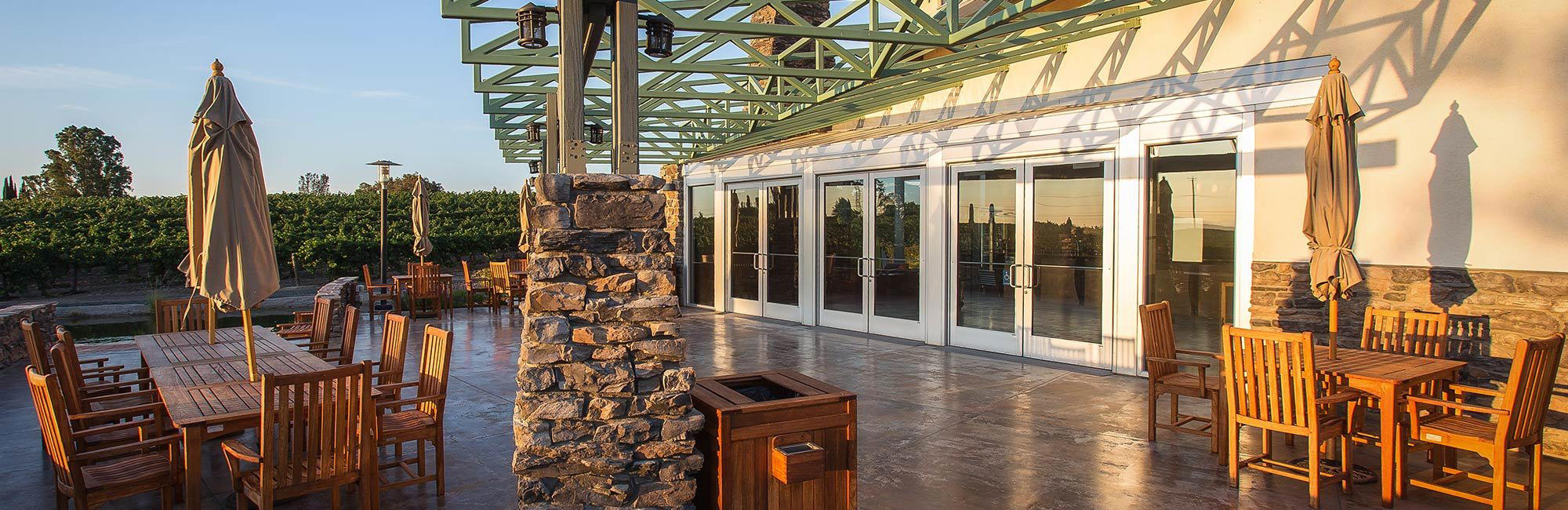
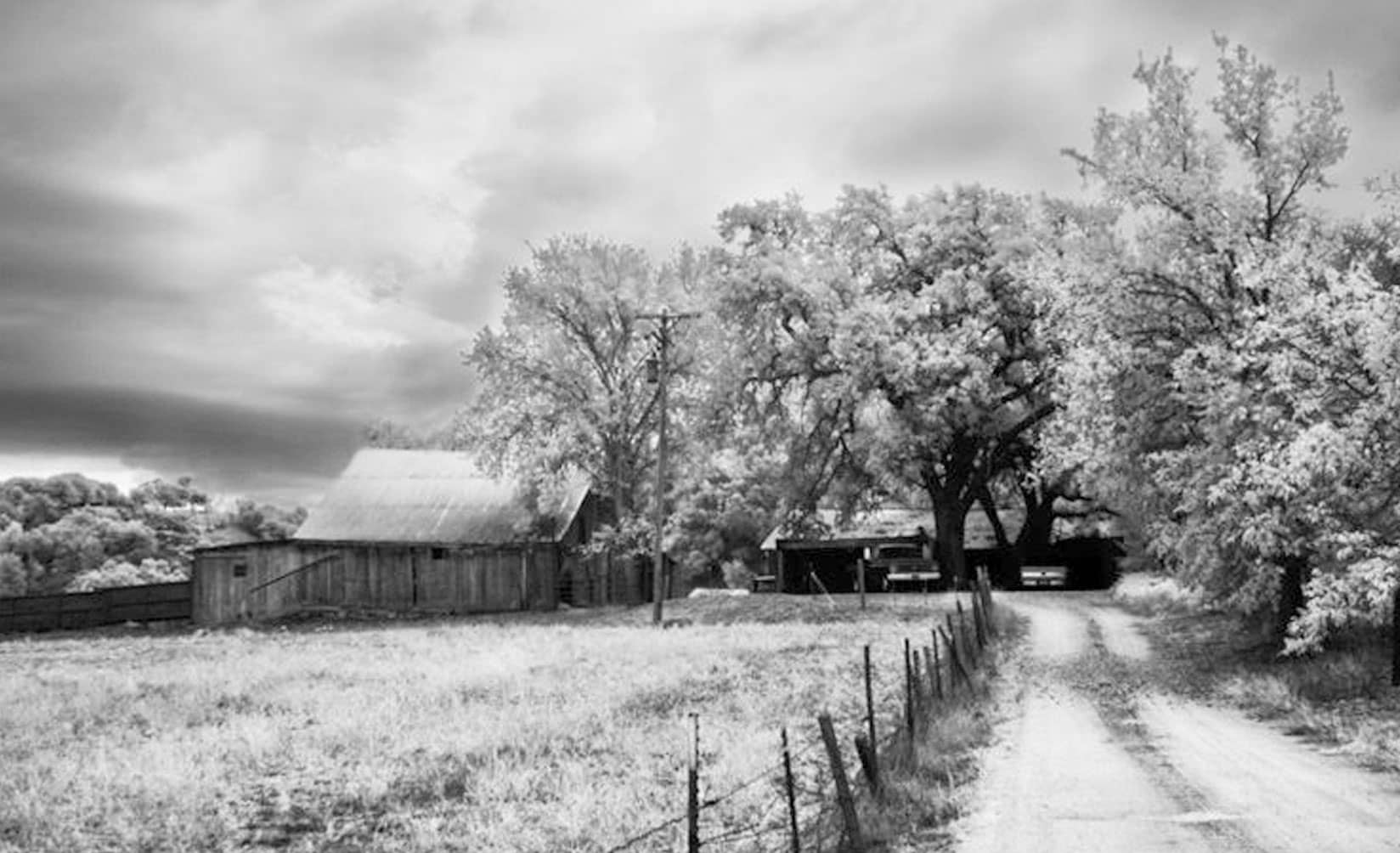
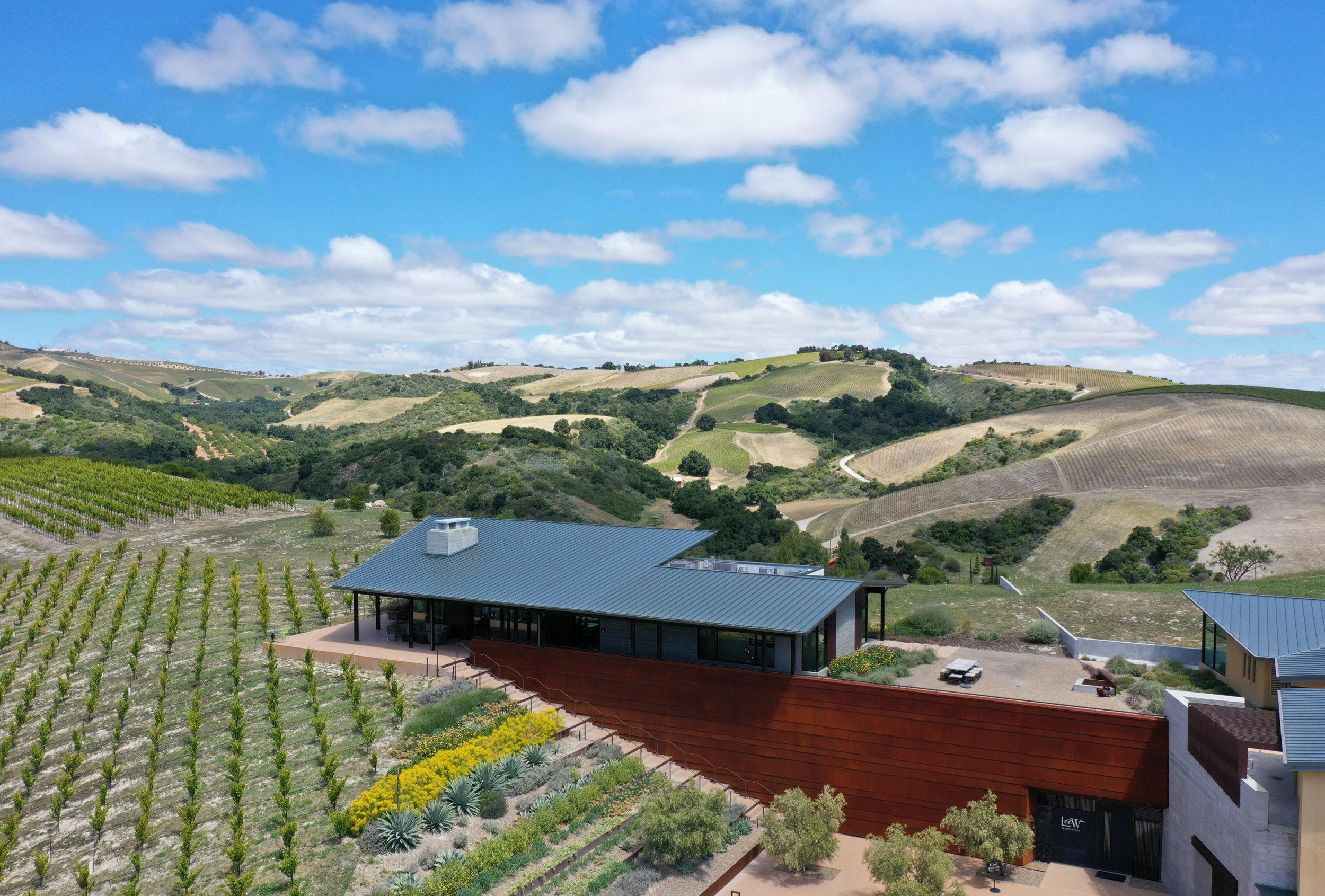
Bars in Paso Robles
Browse all →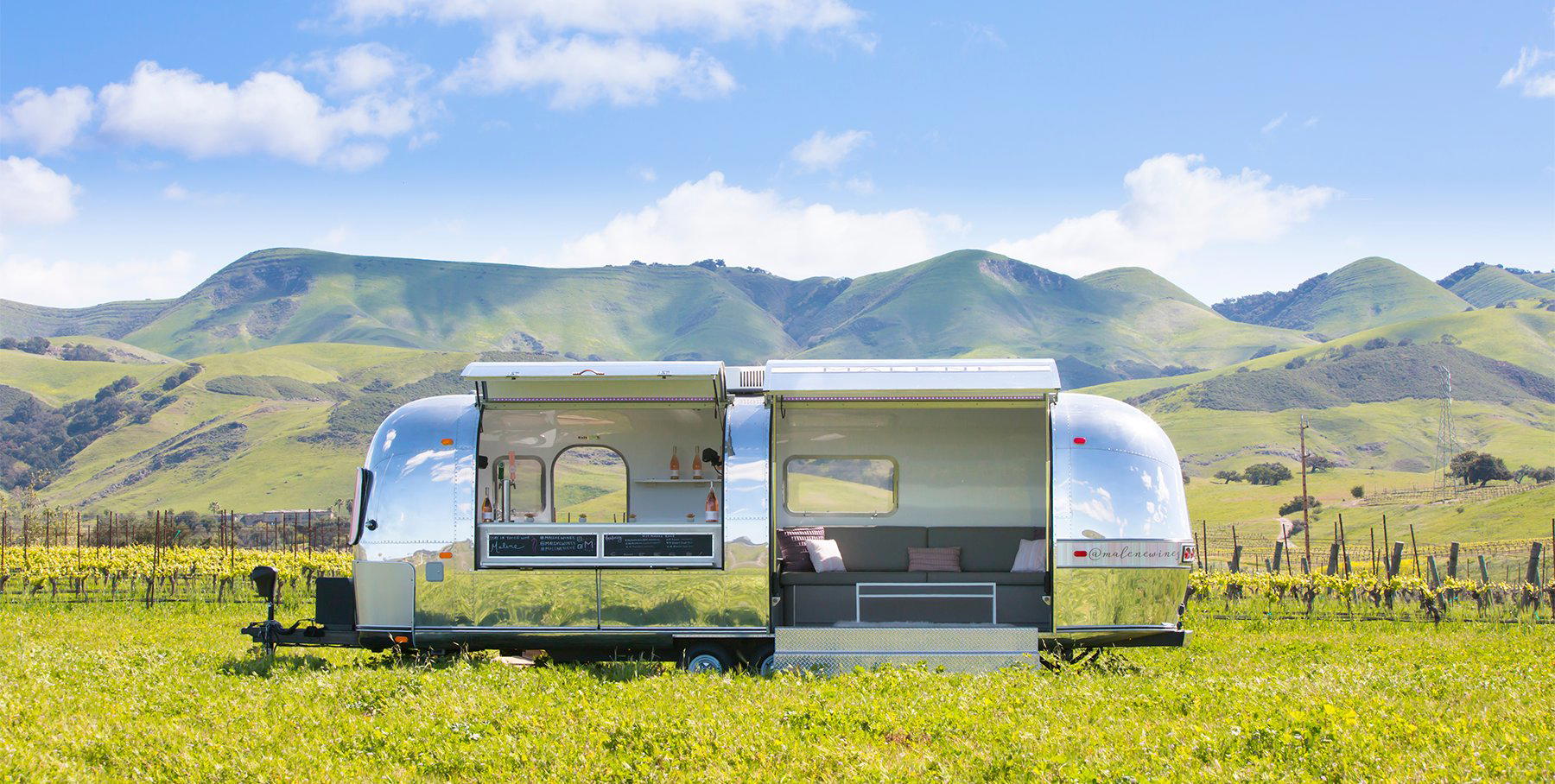
Restaurants in Paso Robles
Browse all →
Details
- Rustic
- Scenic
- Cozy
- Group Outing
- Family
- Wine Education
- Estate Grounds
- Picnic Area
- Vineyard
- Garden
- Zinfandel
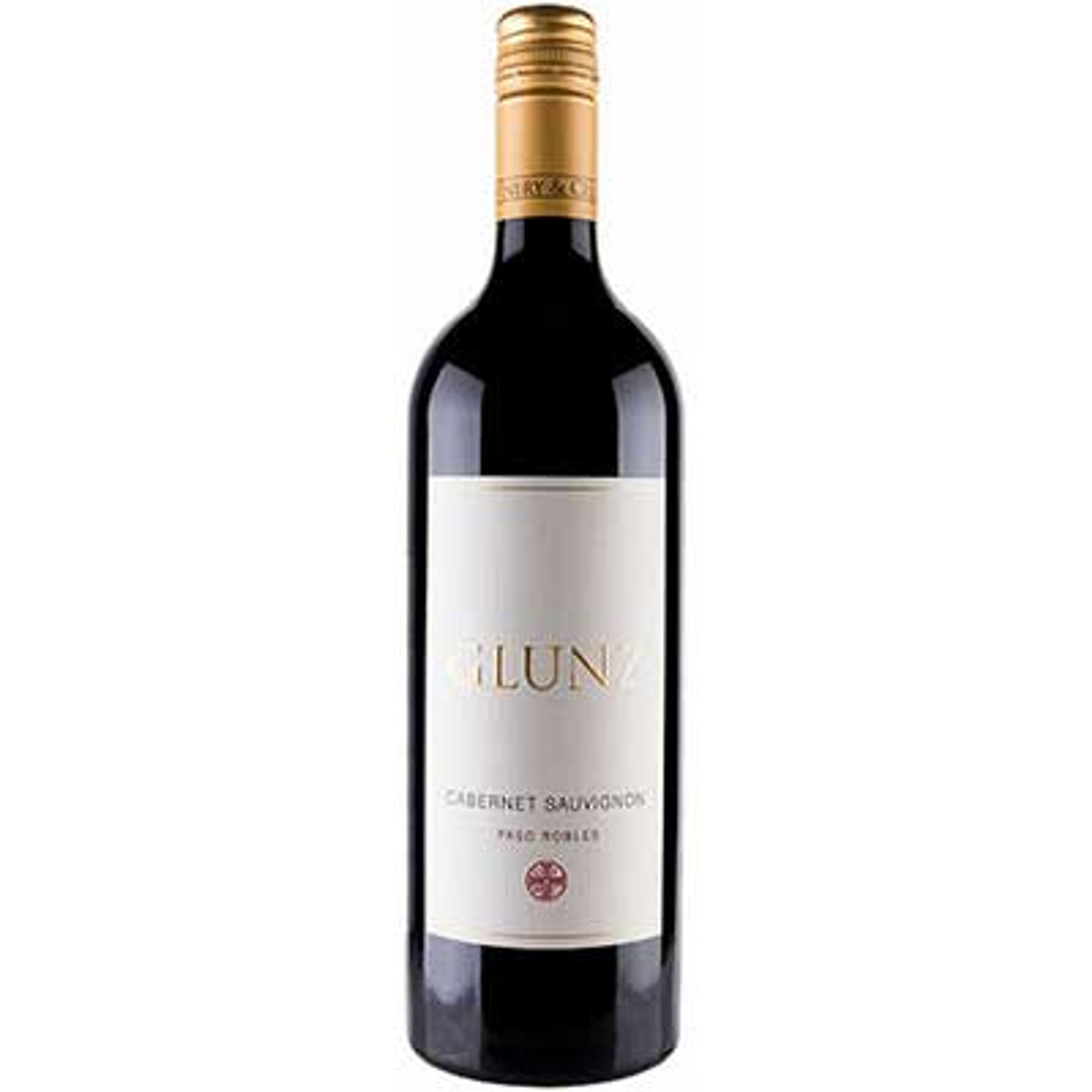
- Cabernet Sauvignon
- Syrah
- Pinot Noir
- Sauvignon Blanc
- Chardonnay
- Grenache
- Still Red
- Fortified
- Barrel Tasting
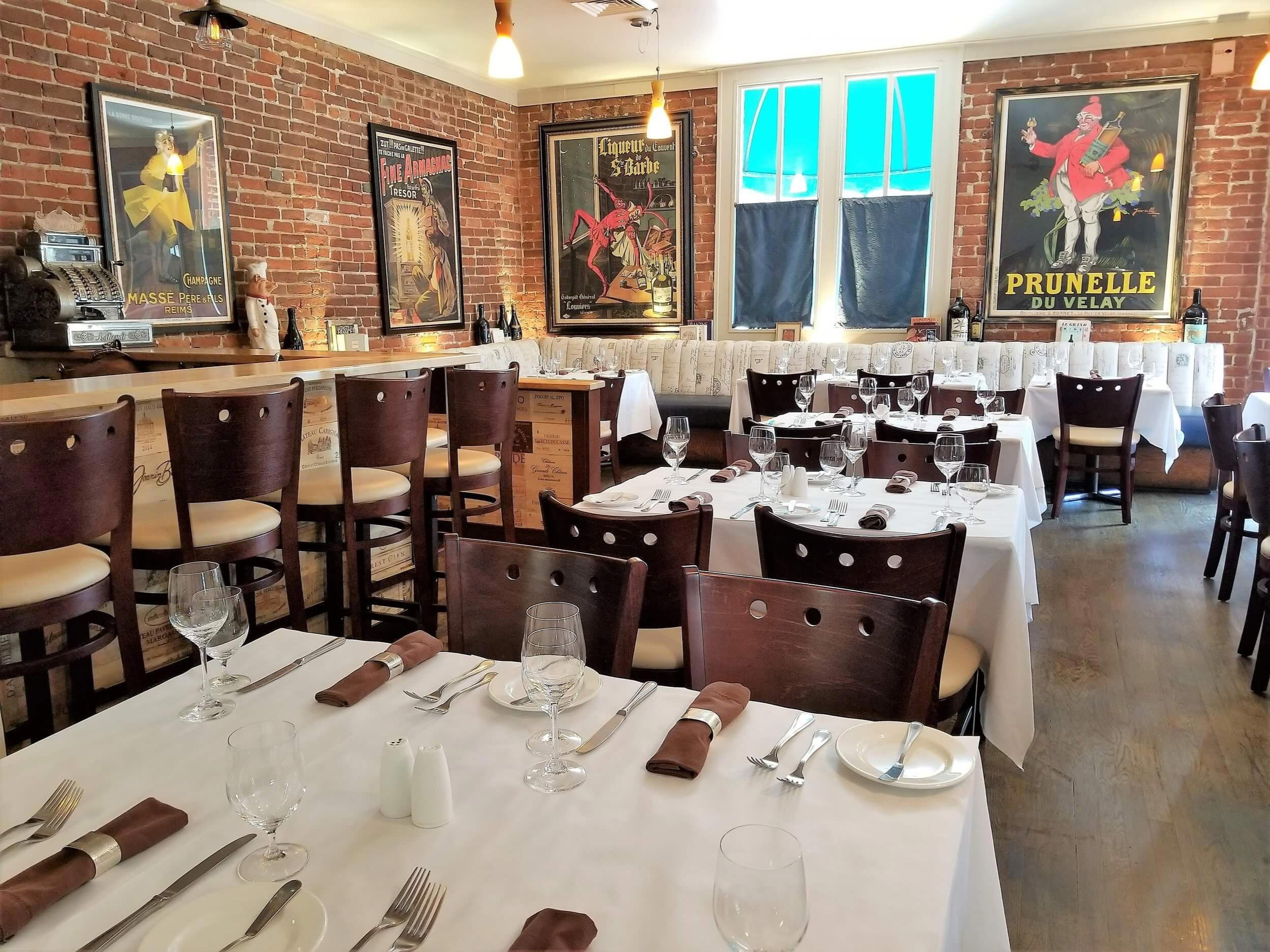
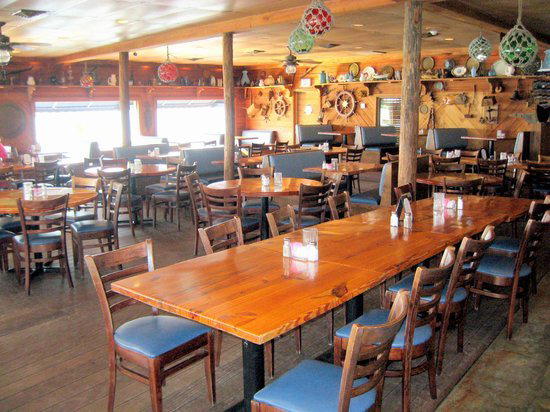
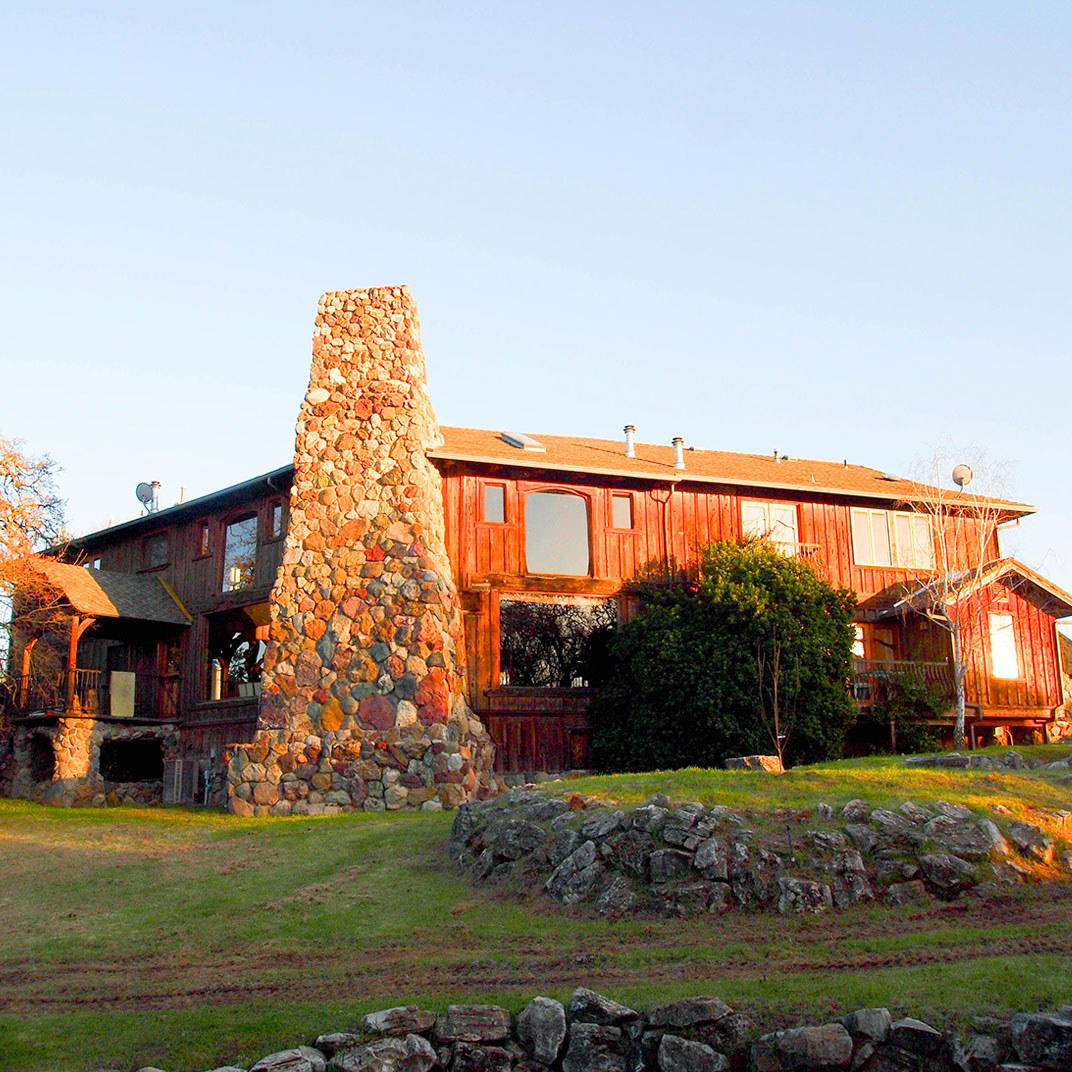
Warm and inviting tasting room with family history displays, friendly staff, and a hospitable patio area.