
Falstaff Winery - Listed
Garamvári is a Budapest-linked winery shaped by two Hungarian wine settings: Balaton vineyards for fruit and a historic Budafok cellar for traditional-method sparkling wine. The draw is the cellar-town context, the 80 hectares of estate vineyards, and a portfolio that moves from Chardonnay- and Pinot-based sparkling wines into Furmint, Merlot, and other still styles.

Pearl is the En Primeur Club membership app — saves, bookings, and concierge access live there. Same editors, same standards.
- Address
- Budapest, Somogy, Ungarn

Budafok’s wine culture is built underground. The district’s limestone cellars have long made the Buda side of Budapest feel less like a capital-city tasting stop and more like a working production zone, where cool tunnels, bottle aging, and old cellar architecture matter as much as the glass in hand. Garamvári belongs to that tradition, with a more than 100-year-old cellar modernized for méthode traditionnelle sparkling wine and an estate structure that ties the city site back to vineyards near Lake Balaton.
That dual geography is the point. Hungarian sparkling wine is not only a Budapest story, and Balaton wine is not only a lakeside holiday story. Here, the two work together: grapes from South Balaton, cellar maturation in Budafok, and a visitor experience that can read either as urban cellar culture or vineyard-side tasting depending on the site. For travelers using Our full Budapest wineries guide, this is the kind of producer that explains why the city’s wine scene extends beyond wine bars and retail shelves.
Balaton fruit, Budafok cellars, and the logic of Hungarian sparkling wine
The estate side gives the wines their agricultural base. Garamvári works from 80 hectares across Balatonlelle, Balatonboglár, and Szőlősgyörök, within the Balatonboglár wine district. That matters because South Balaton’s slopes give the producer enough range to handle sparkling varieties and still-wine grapes without reducing the portfolio to a single house style. Chardonnay, Pinot Noir, Pinot Blanc, Furmint, and Merlot all sit within the documented varietal set, a spread that points toward a cellar program built around acidity, aromatics, and structure rather than one narrow regional signature.
The Budapest side supplies the architectural and technical frame. The Budafok cellar was acquired in 1996 after the founder, Vencel Garamvári, had moved from wine representation into vineyard ownership in the early 1990s. Its role is not decorative: the underground setting supports traditional-method sparkling production, where secondary fermentation and cellar aging are central to the wine’s identity. In a city better known internationally for ruin bars, grand cafés, and thermal baths, this cellar-town layer gives Budapest a quieter but serious wine dimension.
Sparkling range carries that logic clearly. Brut nature, brut, extra dry, and rosé styles appear in the portfolio, with cuvées built from familiar sparkling grapes as well as local inflections. Lellei Furmint Brut is a useful marker because Furmint’s acidity usually sends drinkers toward Tokaj in mental shorthand; here it is pulled into Balaton sparkling wine instead. Optimum Brut has been described as multiple award-winning, but the more useful editorial signal is structural: the house is not treating sparkling wine as a novelty category. It is the central technical language.
A cellar visit shaped by production rather than spectacle
Premium wine tourism often divides into two formats: scenic vineyard hospitality and production-led tasting. Garamvári has both, but the Budafok experience is strongest when understood through the second lens. The underground cellar is part of the working identity of the wines, not a stage set added after the fact. That gives the tasting context a different rhythm from a downtown pour-over counter or a conventional shop tasting; the visitor is reading the bottle through the place where sparkling wine is aged and finished.
The Balatonlelle estate adds the opposite perspective, with tasting among estate vineyards rather than beneath the city. Together, the two settings clarify the producer’s range. The countryside site explains ripeness, vineyard selection, and the breadth of still wines, while the Budapest cellar explains bottle aging, disgorgement timing, and the focus on méthode traditionnelle production. For travelers comparing Hungarian wine regions beyond the capital, the mental map can extend naturally from Anonym Pince in Etyek to Tokaj addresses such as Árvay Winery in Rátka and Atilla Homonna in Erdőbénye, then south toward red-wine country at Bakonyi Winery in Villány.
The portfolio’s breadth keeps the experience from becoming a single-category lesson. Still whites, still reds, still rosé, and sparkling wines are all part of the stated focus, and the cellar work reaches beyond bubbles into oak-aged reds and aromatic whites. That matters for groups: not every visitor arrives with the same appetite for brut nature or rosé sparkling wine, and a mixed lineup gives the tasting more interpretive room. It also places the estate inside a broader Central European conversation about producers that combine local grapes, international varieties, and cellar technique without forcing one identity to cancel the others.
How to place it within a Budapest wine itinerary
Garamvári suits travelers who want Budapest wine culture to feel physical. The experience is less about a polished city salon and more about the link between cellar infrastructure, family-scale continuity, and Balaton-grown fruit. The founding timeline gives the operation depth without turning it into nostalgia: vineyards were purchased in 1993, the Budafok cellar followed in 1996, and the first sparkling wines appeared in 1999 under the Chateau Vincent name. Three generations are associated with the estate, but the stronger story is how that continuity supports a production model split between land and cellar.
For a wine-focused Budapest day, it pairs well with broader city planning rather than a restaurant-only itinerary. Use Our full Budapest restaurants guide for the meal around it, Our full Budapest bars guide for the after-hours shift, and Our full Budapest hotels guide if staying close to the city’s hospitality core matters. Visitors building a wider cultural plan can fold it into Our full Budapest experiences guide, especially if the priority is seeing how the city’s underground spaces shape more than nightlife.
The wider wine route can stretch beyond Budapest. Within the capital’s winery listings, Csite, Czurda Riesling, and Törley Pezsgőpincészet help frame how varied the city’s wine addresses can be, from Riesling-led interest to sparkling-cellar heritage. Farther out, Babarczi Winery in Gyor, »der Steiner« Hans Steiner in Podersdorf am See, and & Handwein in Mannheim show how Central Europe rewards travelers who think in regions rather than borders. Garamvári’s appeal is that it makes that argument from inside Budapest itself: cellar below, Balaton behind it, sparkling wine as the thread between the two.
Recognition history
Dated appearances from independent guides and award organizations, with the underlying list record or original source where available.
Falstaff Winery - Listed
Falstaff
Continue exploring
More in Budapest
Wineries in Budapest
Browse all →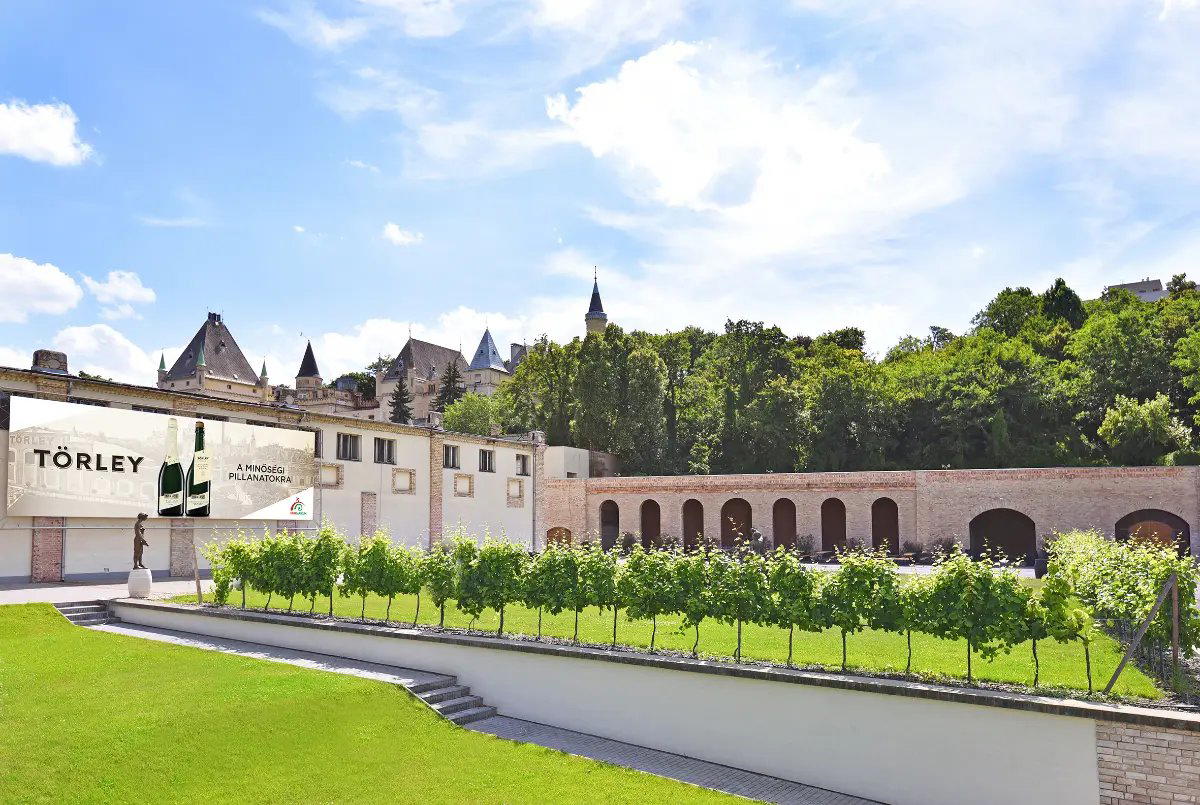
Bars in Budapest
Browse all →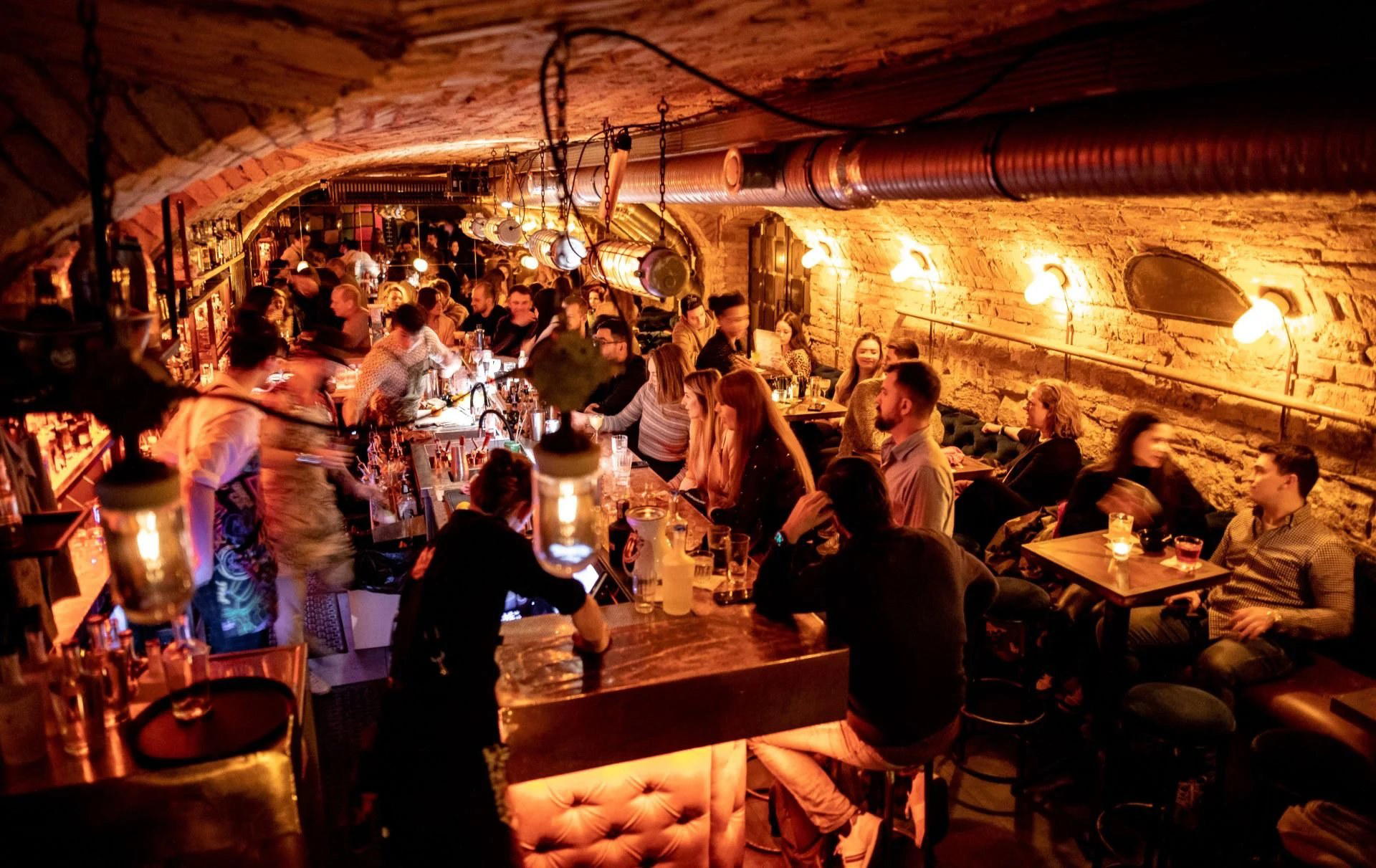
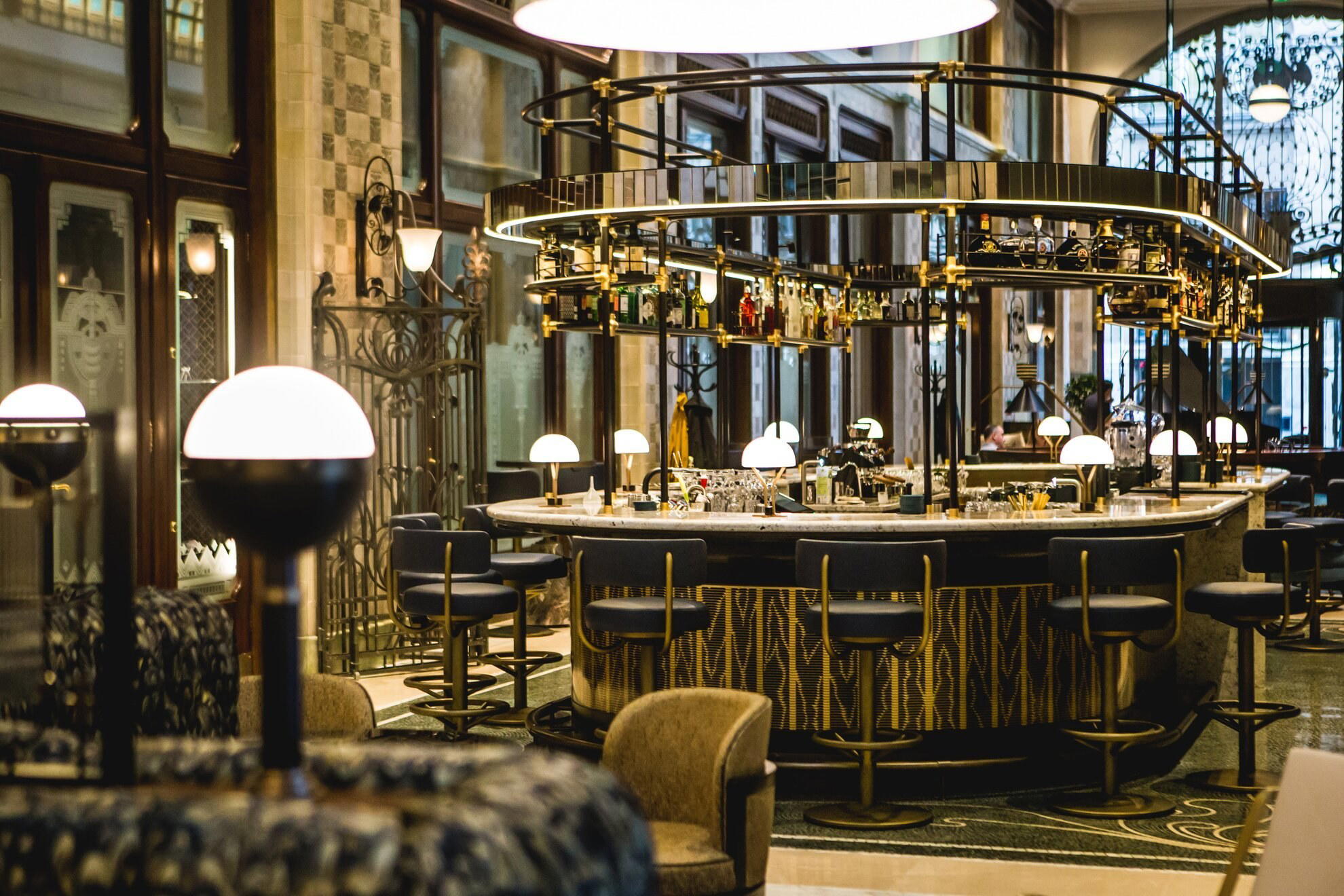
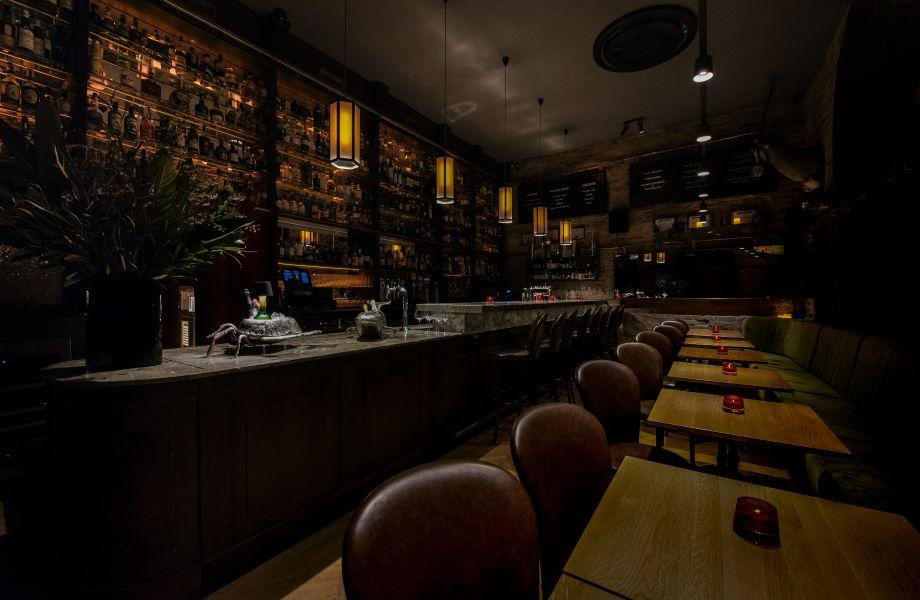
Restaurants in Budapest
Browse all →

Details
- Quiet
- Classic
- Elegant
- Wine Education
- Special Occasion
- Group Outing
- Solo Exploration
- Historic Building
- Cave Tasting
- Estate Grounds
- Vineyard Tour
- Vineyard
- Chardonnay
- Pinot Noir
- Pinot Blanc
- Furmint
- Merlot
- Sparkling
- Still White
- Still Red
- Still Rosé
- Guided Tasting
- Cellar Tasting
- Estate Tasting
- English
- German
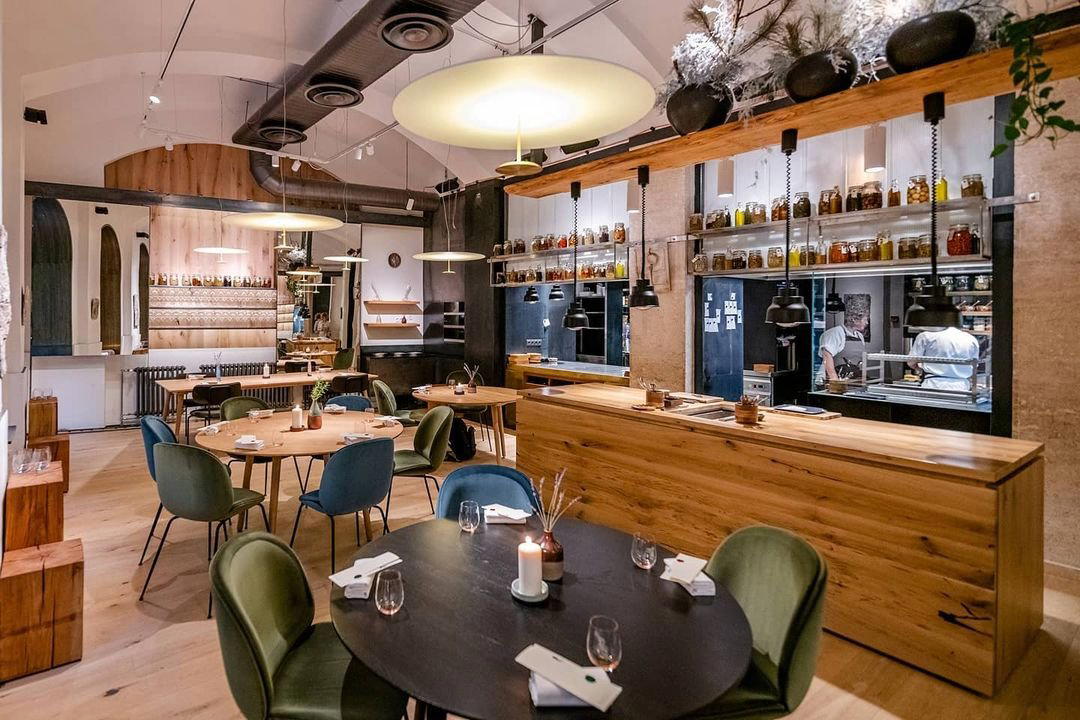
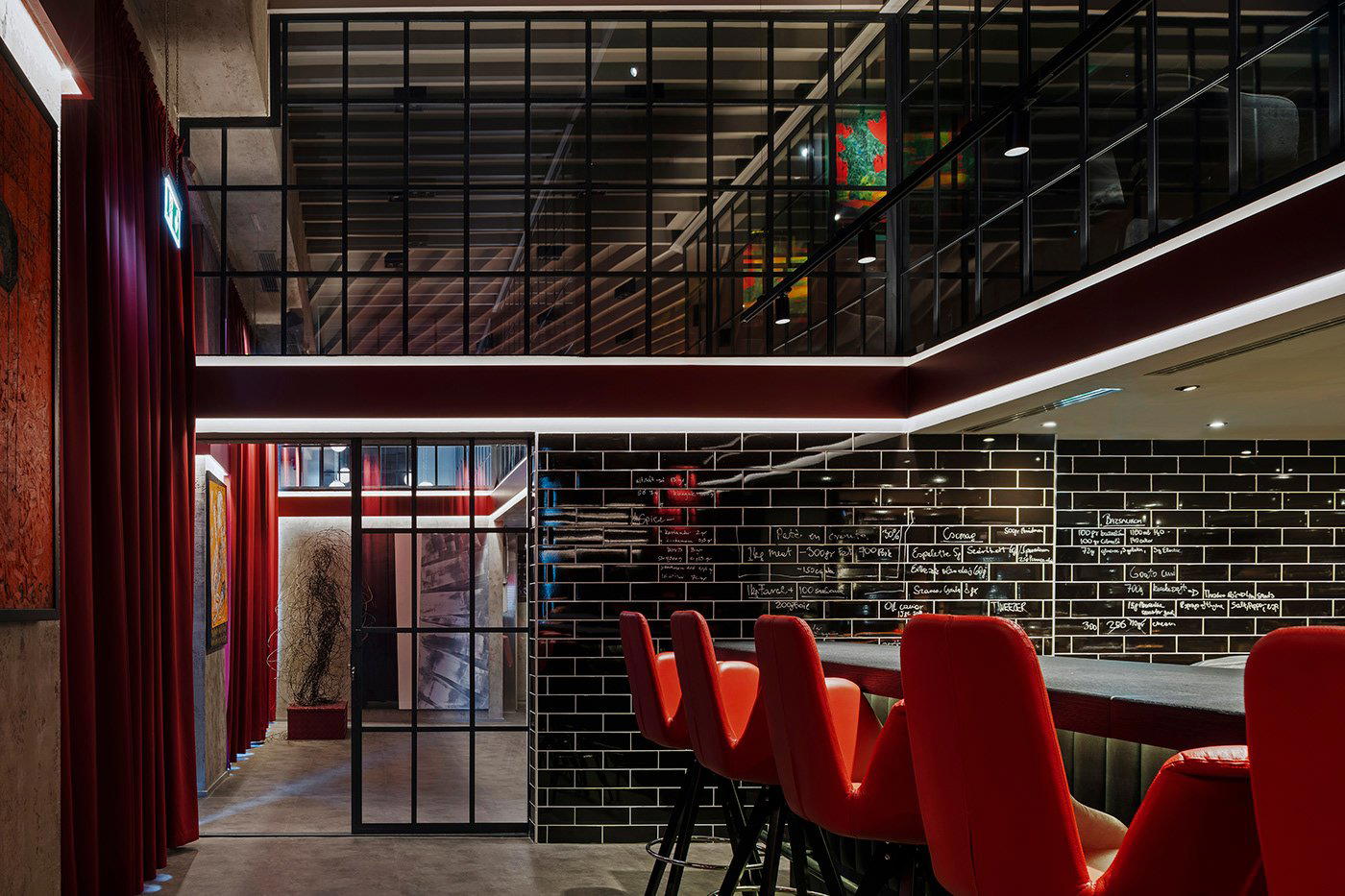
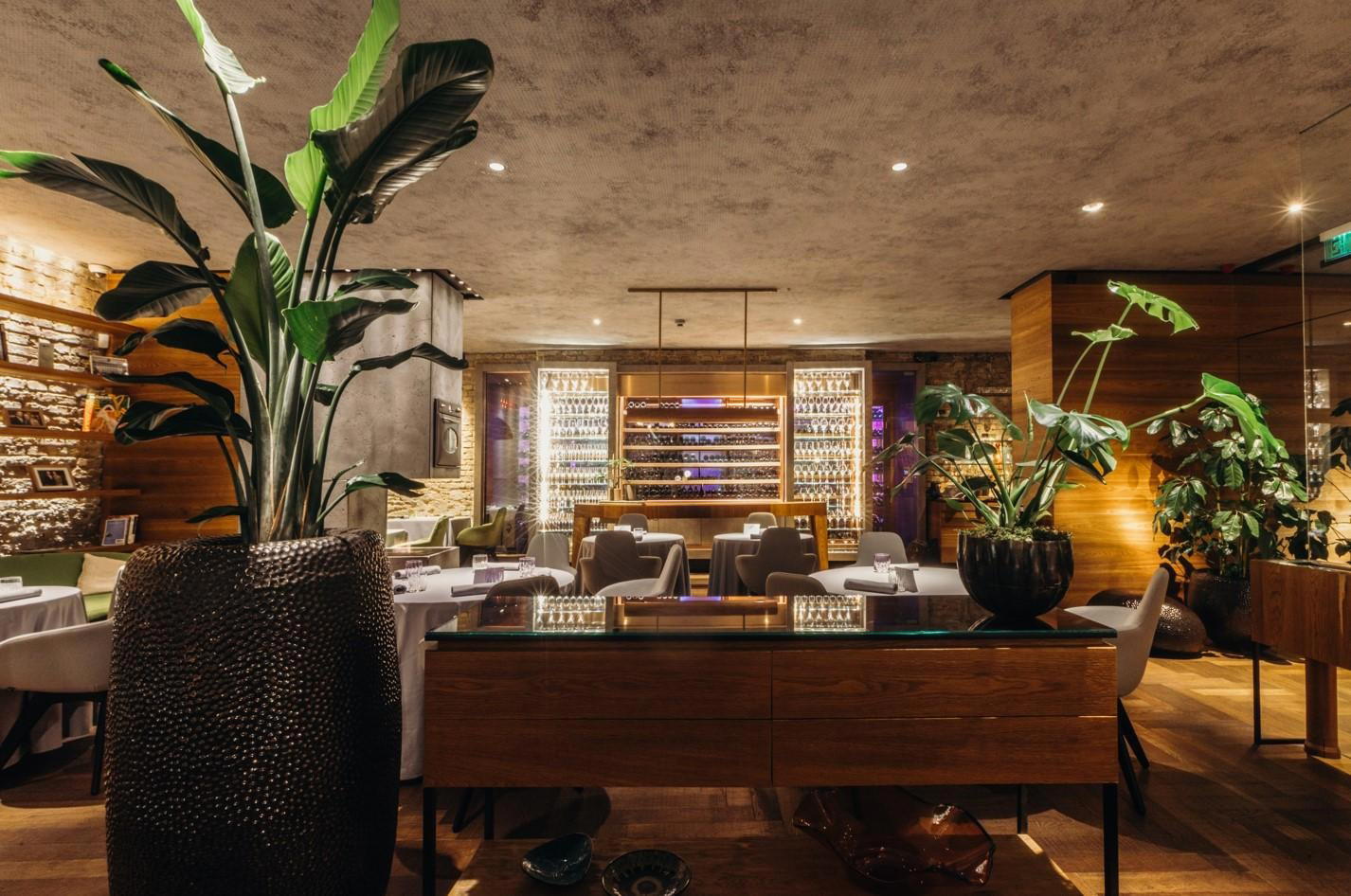
Historic cellar-town winery atmosphere with a renovated underground sparkling-wine cellar and vineyard-side estate setting; the Budapest site is described as a more than 100-year-old cellar modernized for méthode traditionnelle production.