
Falstaff Winery - Listed
Csite belongs to the quieter side of Hungary’s wine culture: small family holdings, hand-worked Tokaj parcels, Furmint-led whites and a production style built around spontaneous fermentation rather than cellar polish. The draw is terroir clarity, especially the contrast between volcanic, quartzite and clay-influenced sites, not a high-traffic tasting-room model.

Pearl is the En Primeur Club membership app — saves, bookings, and concierge access live there. Same editors, same standards.
- Address
- Budapest, Ungarn

Csite is best framed through Tokaj rather than through polished city wine tourism. The picture is of a small, artisan family winery in the historic Tokaj region, with a quiet, traditional and rural atmosphere. Its identity rests on natural production, hand-worked vineyards and barrel-aged wines, giving it a rustic, classic feel rather than the mood of a large visitor facility. In editorial terms, that distinction matters: Csite is not most clearly understood as a sleek urban stop built around a fully packaged visitor journey, but as a name connected with the older, slower language of Tokaj wine culture. The emphasis falls on family scale, practical vineyard work and wines shaped by barrel ageing, all of which point toward a grounded producer profile rather than a broad hospitality concept.
Tokaj, hand work and a small family scale
Csite’s appeal comes from scale and setting. The available information points to a family winery working in the historic Tokaj region, with an emphasis on natural production and hands-on vineyard work. That makes the winery easier to understand as an artisan rural producer than as a broad hospitality brand. The value of that frame is that it keeps expectations in the right place. Instead of looking for the visual and service cues of a large venue, the more accurate lens is small production, family identity and a close relationship with the vineyards themselves.
Tokaj also gives the description its context. The region carries a strong historic association with wine, and Csite’s profile sits inside that setting rather than apart from it. The phrases attached to the winery, natural production, hand-worked vineyards and barrel-aged wines, all suggest a slower, more traditional way of thinking about wine. They do not need to be inflated into a long list of technical claims to be meaningful. On their own, they already sketch a producer whose appeal is based on restraint, care and a sense of place.
The reliable takeaway is simpler: Csite is associated with Tokaj, natural production, hand-worked vineyards and barrel-aged wines. That is enough to place it clearly within a rustic, classic category. It gives travelers a useful mental picture without pretending that more detailed information is available than has been confirmed.
Natural production without overclaiming the details
The most important confirmed production cue is natural production. In the context of Csite, that should be read as a guiding part of the winery’s identity rather than an invitation to add technical detail. It helps explain the quiet, artisan feel of the place, especially when paired with the references to hand-worked vineyards and barrel ageing. The emphasis is on a production philosophy that appears close to the land and to traditional cellar rhythms, not on spectacle or a heavily branded visitor narrative.
Same restraint applies to the drinking experience. Csite can be described as rustic, classic and rural, with barrel-aged wines and a family-winery atmosphere. Beyond that, specific claims about menus, tastings, appointments, grape composition, service language or exact cellar practices are not part of the available information. That limitation is important because it protects the character of the recommendation. The strongest version of the Csite description is precise rather than expansive: a small Tokaj-linked family winery with natural production at the center of its identity.
This also shapes the tone in which the venue should be approached. Rustic and classic are not secondary details here; they are the core of the experience as far as the available information allows. Barrel-aged wines reinforce that sense of tradition, while the hand-worked vineyard reference keeps the focus on manual, small-scale work. The result is a profile that feels grounded and rural, with appeal for people who are drawn to artisan production rather than to a more polished or standardized wine-tourism format.
For travelers comparing Csite with other dining or wine-related options in Budapest, the distinction is its Tokaj-family-winery identity rather than a conventional city venue profile. It is best approached as a quiet, traditional reference point for artisan Tokaj production. The usefulness of the listing is therefore not that it promises a broad set of services, but that it points to a specific kind of wine identity: modest in tone, connected to place and built around the essentials of vineyard work, natural production and barrel-aged wine.
How to read Csite in a Budapest trip
Csite is listed in Budapest with a $$ price level, but its character points toward the historic Tokaj region: small, family-scale, rustic and focused on natural production. The useful editorial frame is not luxury polish or a detailed service format, but the contrast between Budapest planning and a rural Tokaj wine identity. In that sense, Csite is best used as a way to bring Tokaj into the conversation when considering wine-related options around a Budapest itinerary, while still remembering that the identity described is rural and traditional rather than metropolitan.
That contrast is the key to reading the listing correctly. Budapest may be the planning context, but the personality attached to Csite comes from the language of a small Tokaj family winery. The confirmed details do not support building a more elaborate story around service, food or formal tastings, and they do not need to. The existing picture is coherent: a quiet, artisan producer with a rustic atmosphere, natural production, hand-worked vineyards and wines aged in barrel.
Use Csite as a concise reference for a traditional, artisan family winery connected with Tokaj. The confirmed draw is the combination of hand-worked vineyards, natural production and barrel-aged wines, delivered in a quiet rural spirit rather than as a highly produced tourist experience. For a traveler, that means expectations should remain focused and simple: Csite’s appeal lies in its classic Tokaj character, its family scale and the sense that the wines are part of a slower, more traditional production culture.
Recognition history
Dated appearances from independent guides and award organizations, with the underlying list record or original source where available.
Falstaff Winery - Listed
Falstaff
Continue exploring
More in Budapest
Wineries in Budapest
Browse all →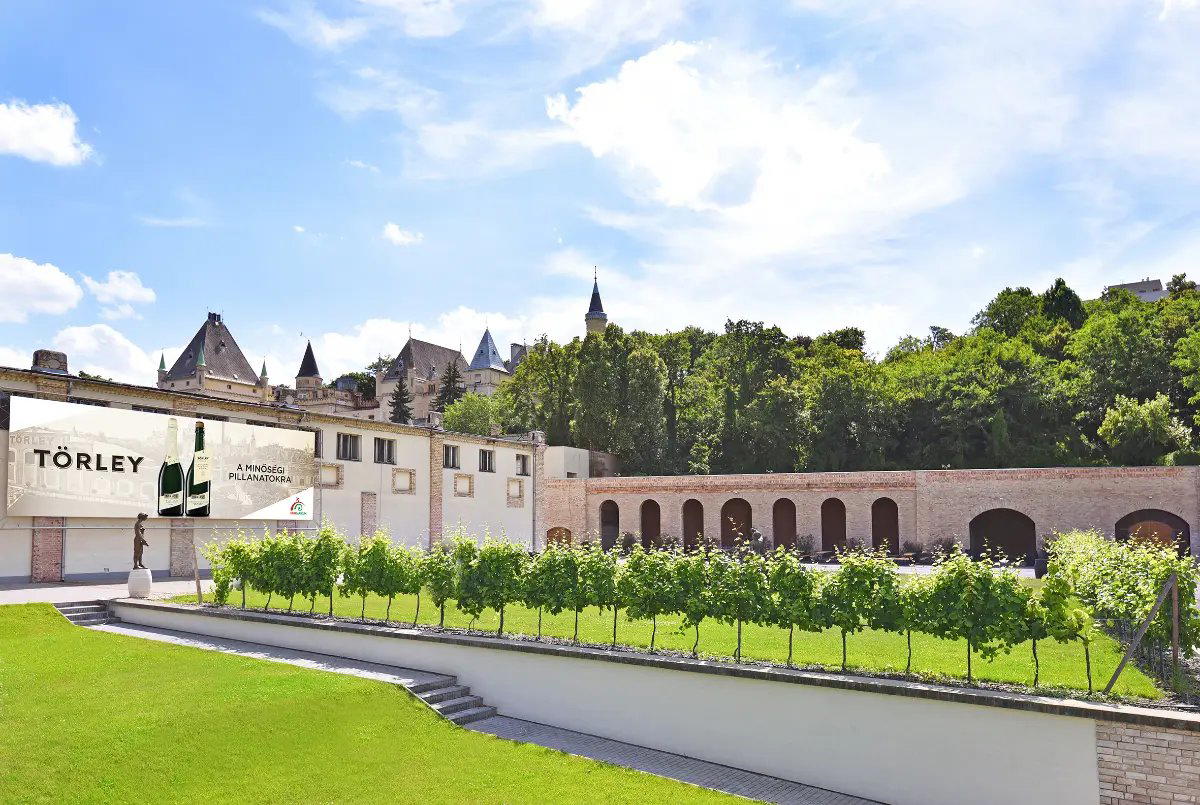
Bars in Budapest
Browse all →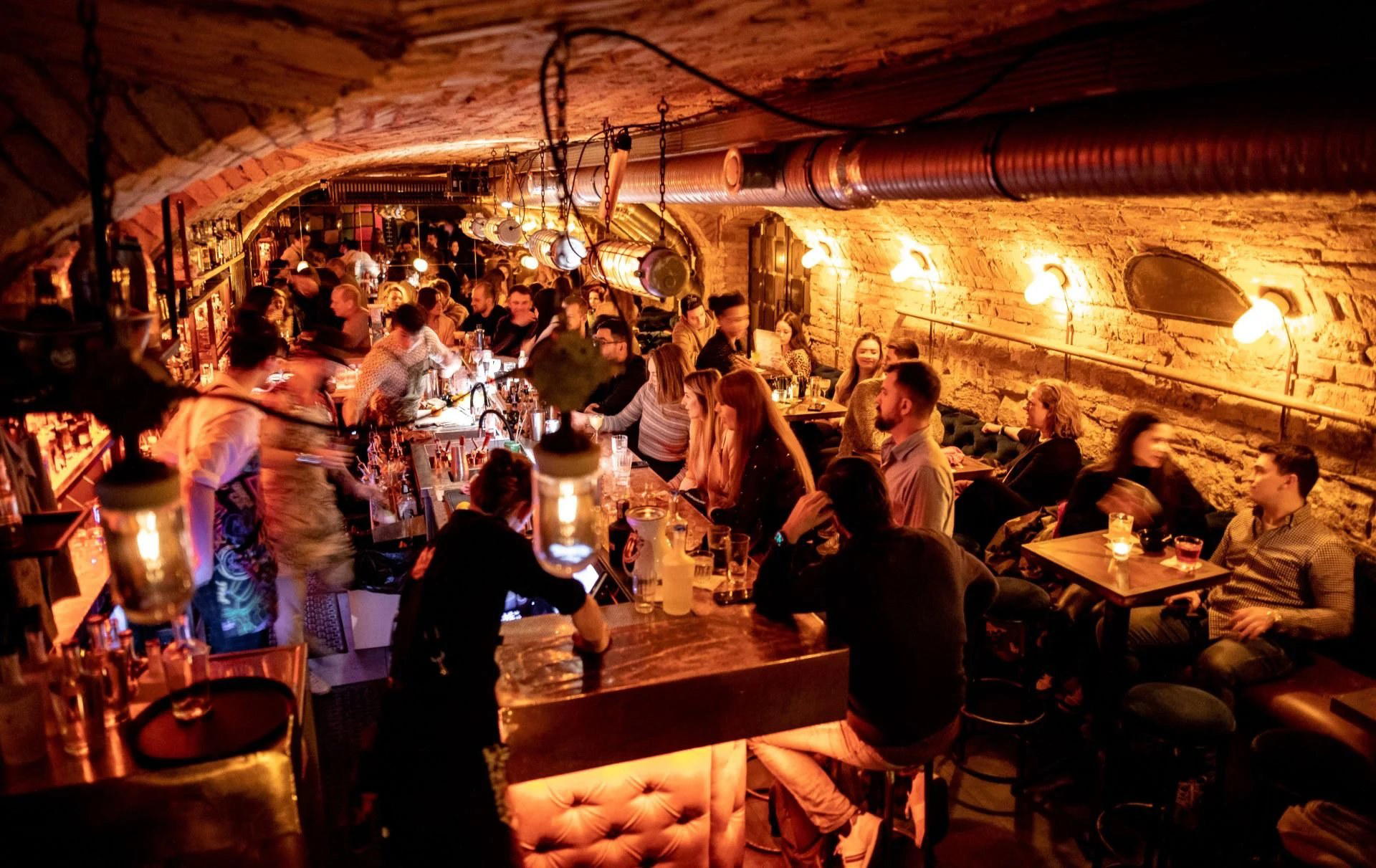
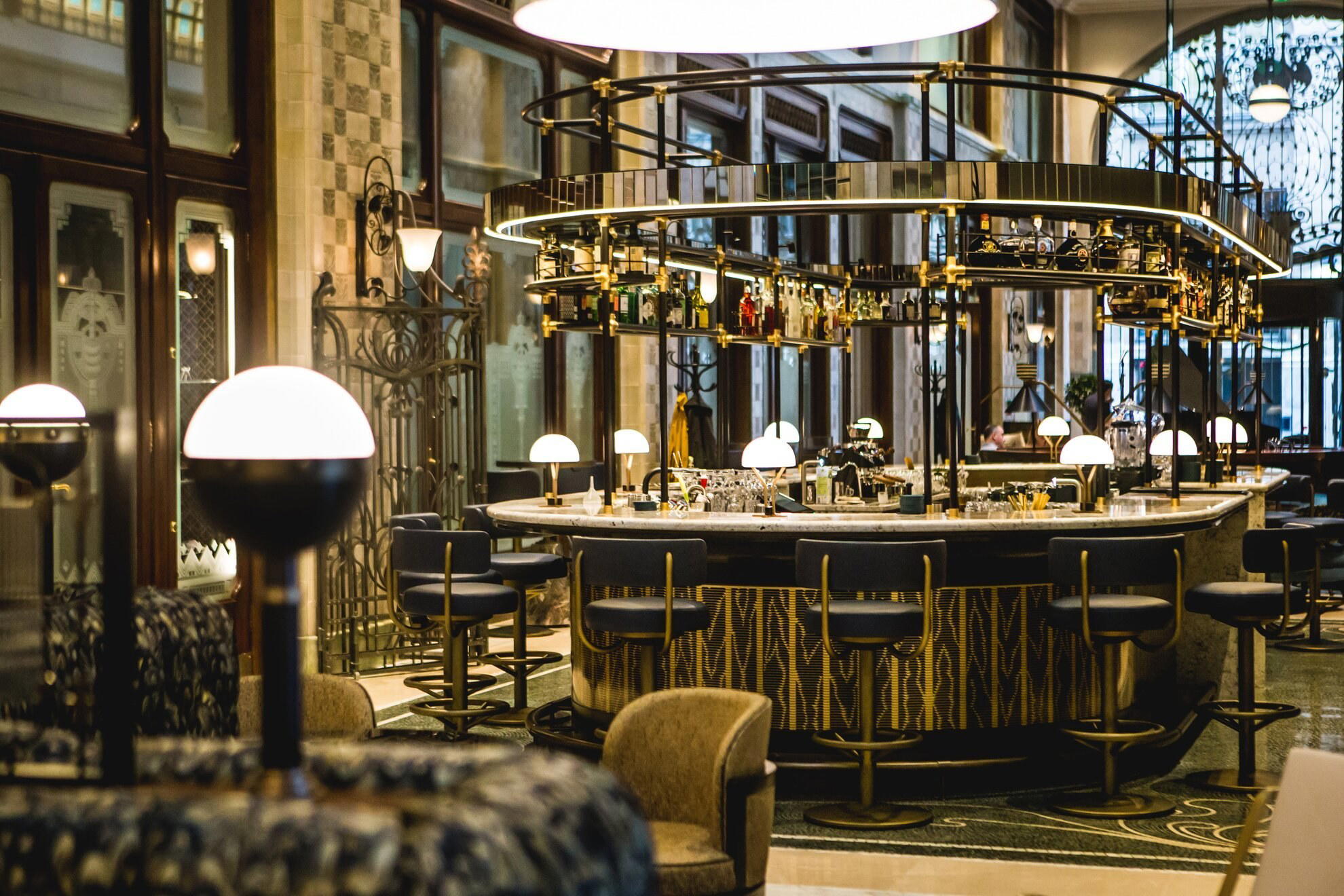
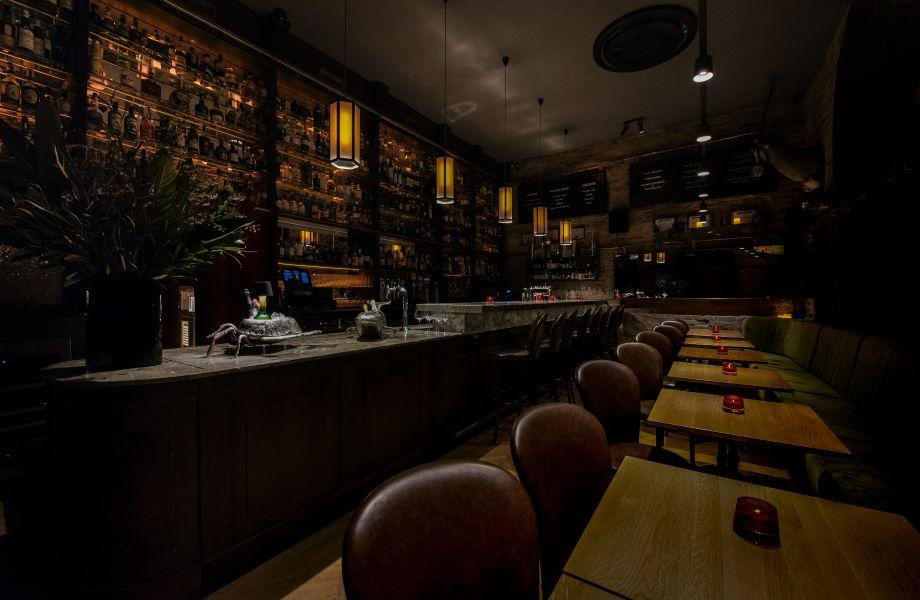
Restaurants in Budapest
Browse all →
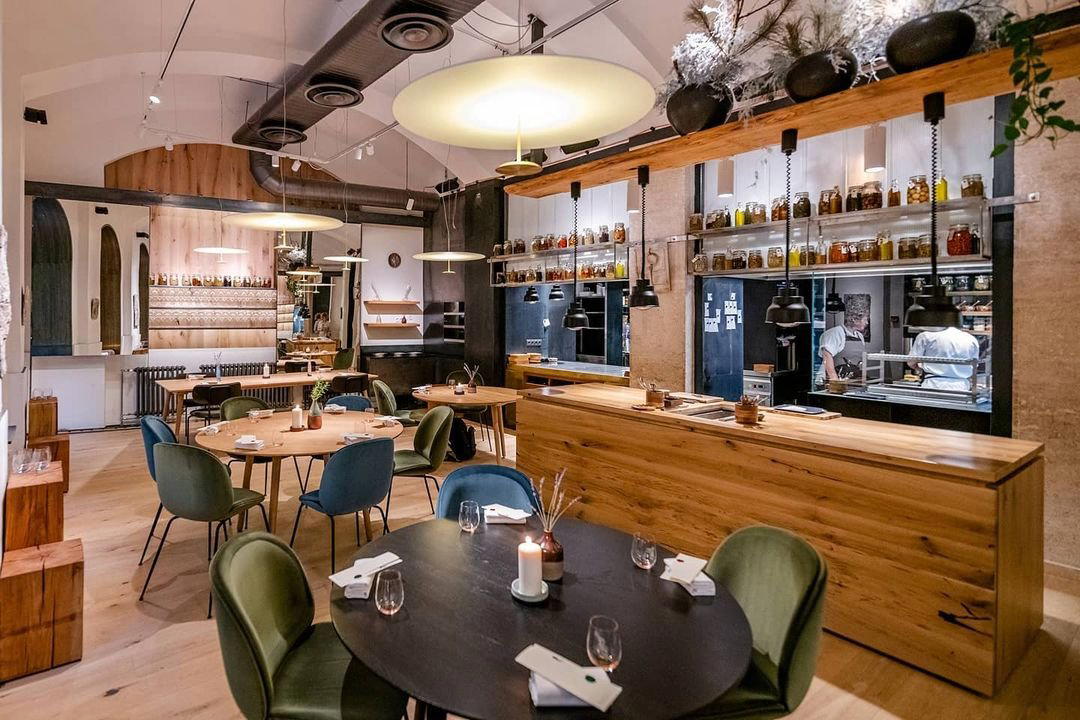
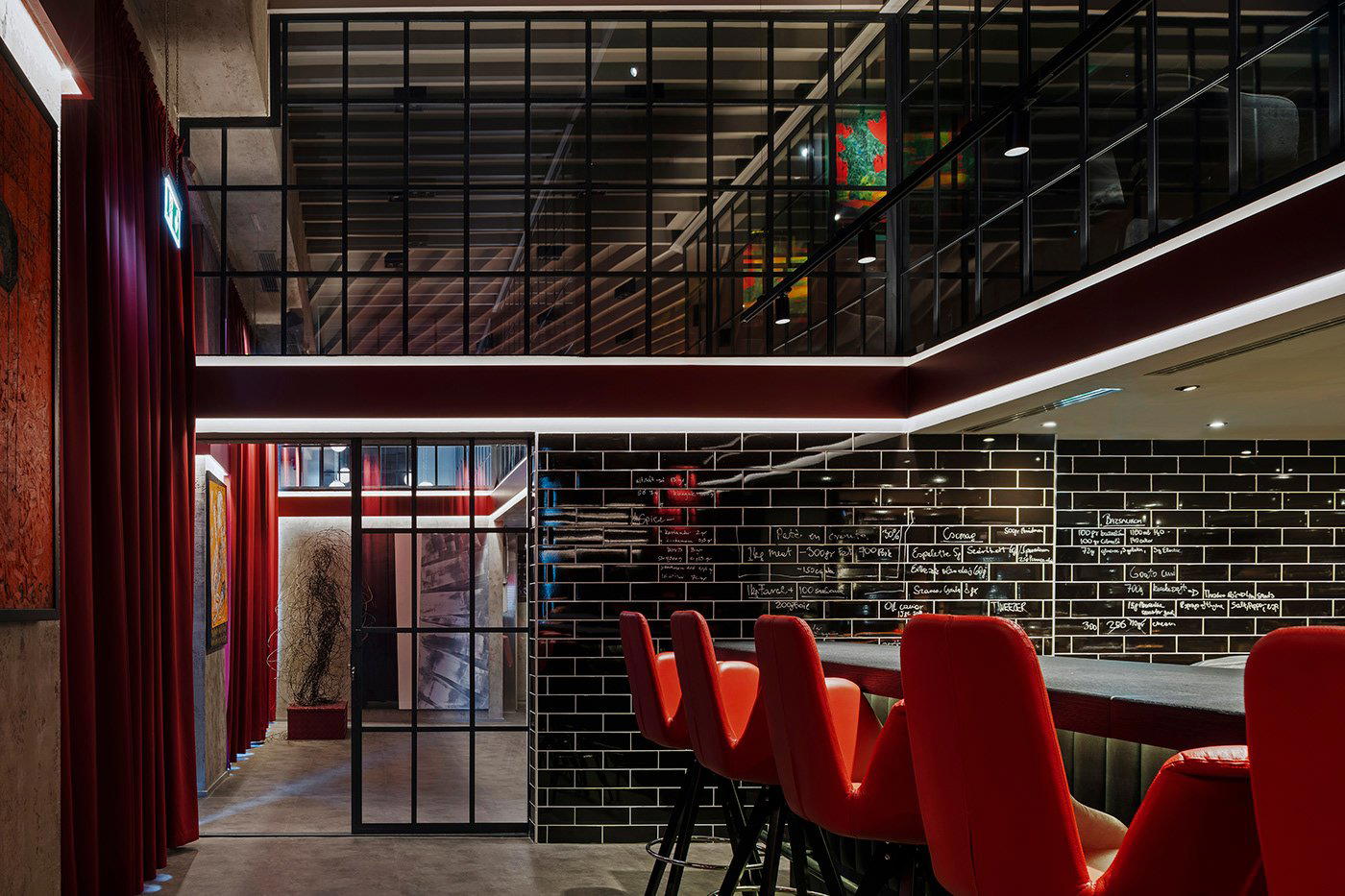
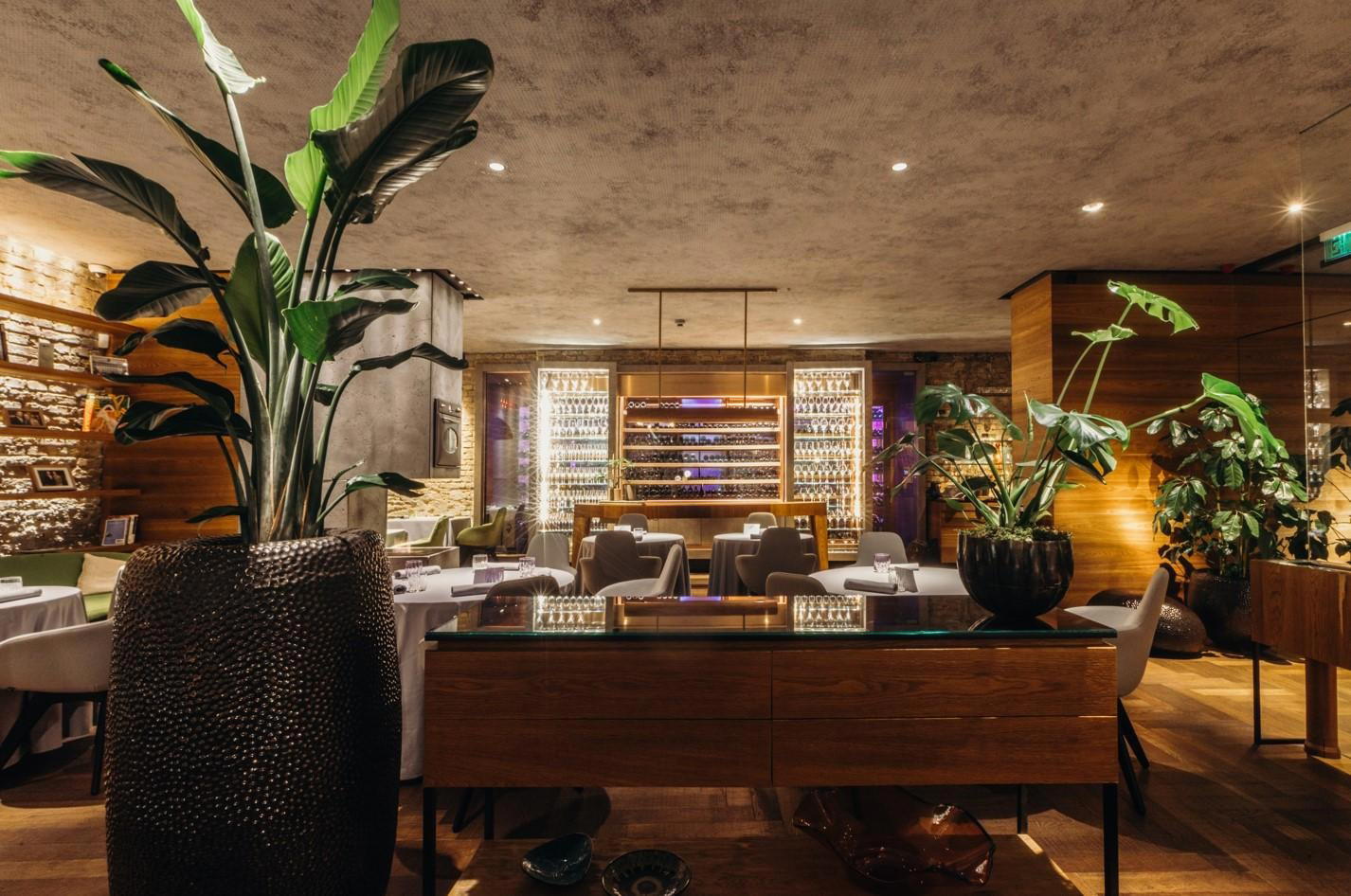
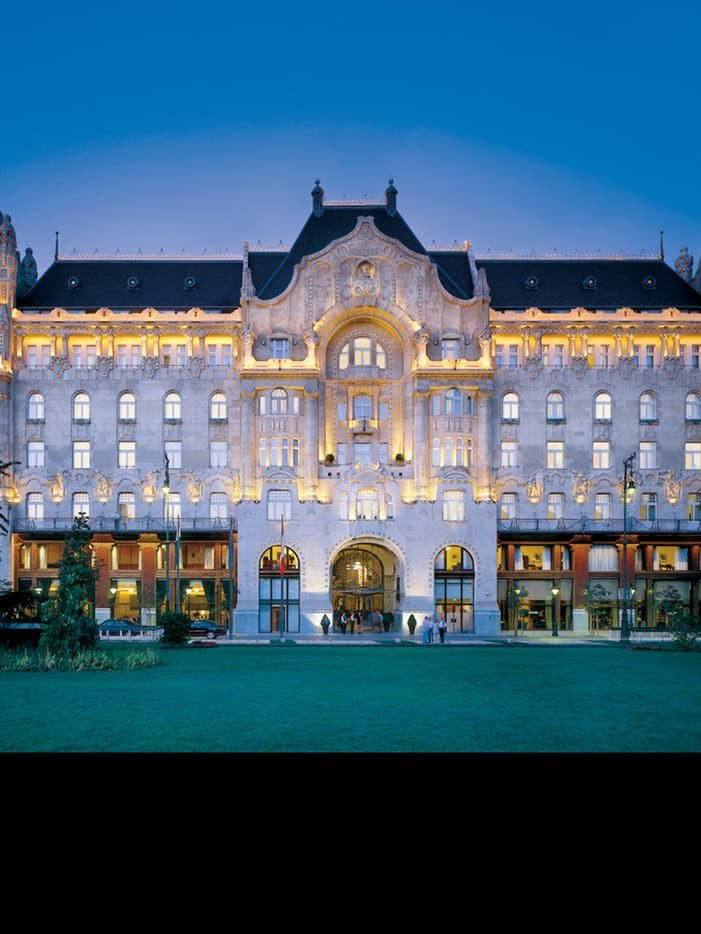

Details
- Rustic
- Classic
- Intimate
- Scenic
- Solo Exploration
- Wine Education
- Sustainable
- Vineyard
- Furmint
- Hárslevelű
- Still White
- Dessert
- Hungarian
- English
Small, artisan family winery in the historic Tokaj region, focused on natural production, hand-worked vineyards, and barrel-aged wines, giving a quiet, traditional, rural atmosphere rather than a polished tourist facility.