Garagiste

Garagiste has earned a Pearl 3 Star Prestige rating (2025) within Mornington Peninsula's tight cohort of serious small-production wine operations. The name signals its roots in the garagiste movement — minimal-intervention, small-batch winemaking practised at a scale where every decision is felt in the glass. For visitors to the Peninsula, it represents one of the more considered addresses in a region that has become one of Australia's most closely watched cool-climate wine zones.
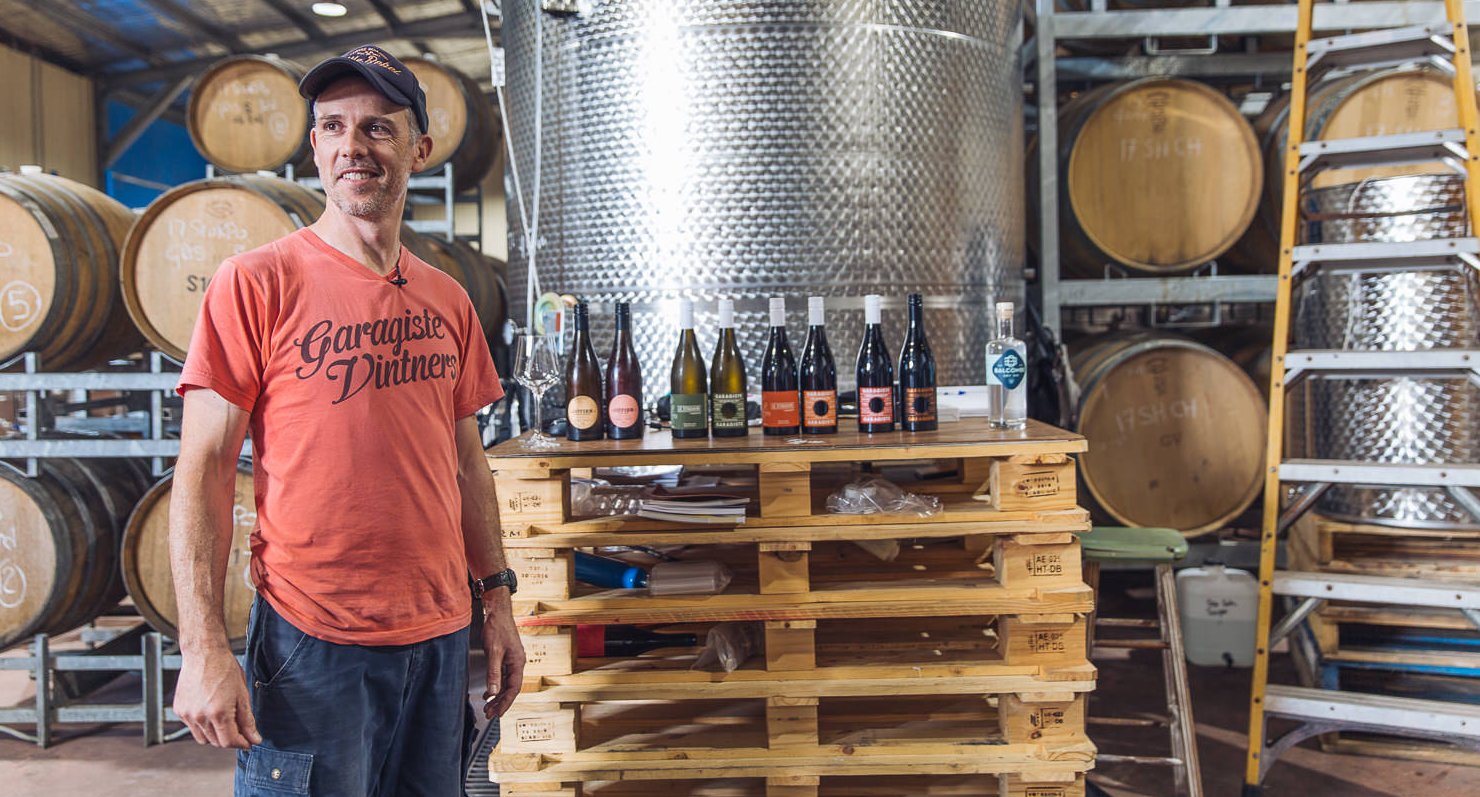
Where the Garagiste Tradition Takes Root on the Mornington Peninsula
The Mornington Peninsula has a particular kind of stillness in the morning, before the cellar doors open and the coastal road fills with weekend traffic. The air carries both the chill of Bass Strait and the warmth of north-facing slopes, a combination that has made the region one of Australia's most productive cool-climate wine corridors over the past four decades. Against that backdrop, a small-production operation can either disappear into the landscape or make something that demands attention. Garagiste, which holds a Pearl 3 Star Prestige rating for 2025, belongs in the second category.
The term garagiste entered the wine lexicon through Bordeaux in the 1990s, where a generation of producers rejected the economics of classified estates and made wine in garages, sheds, and repurposed farm buildings. The philosophy was less about the building than the batch size: small enough that every decision — picking date, extraction, vessel choice — left a traceable mark in the finished wine. That ethos transferred to Australia's emerging cool-climate regions with some force, and on the Peninsula it found fertile ground. The region's fragmented landholdings and high per-bottle ambitions made the small-batch model both practical and philosophically coherent.
The Peninsula as a Wine Region
Mornington sits roughly 90 kilometres south of Melbourne, and the drive down the Nepean Highway or through the hinterland past Red Hill already tells you something about the region's character: small blocks, mixed use, an agricultural scale that resists industrial viticulture. The region's Geographical Indication covers a peninsula roughly 40 kilometres long, with vineyards spread across elevations from near sea level to above 200 metres. That variation in altitude, aspect, and proximity to two bodies of water (Port Phillip Bay to the west, Western Port to the east, Bass Strait to the south) means there is no single Mornington style , only a shared commitment to cool-climate varieties and a density of serious producers that has made the region competitive at a national level.
Pinot Noir and Chardonnay are the Peninsula's twin reference points, and the leading examples here track closely with what serious Burgundy-trained palates expect from a cool, marginal climate: tense, mineral-edged whites with genuine mid-palate weight; reds with red fruit, forest floor, and the structural clarity that comes from grapes that ripen slowly rather than quickly. Operations like Ten Minutes by Tractor and Crittenden Estate have helped establish that benchmark at scale. Garagiste operates within that same quality conversation but from a position that prioritises restraint of production over breadth of range.
A Pearl 3 Star Prestige Rating in Context
EP Club's Pearl 3 Star Prestige rating for 2025 places Garagiste in a tier that reflects both quality and standing within its peer set. On the Mornington Peninsula, where the density of serious small producers is higher than almost anywhere else in Australia, earning recognition at that level requires consistency across vintages rather than a single standout release. The rating is a signal about the operation's position in the regional hierarchy, not a certificate for one good year.
Across Australian wine, the garagiste model tends to produce operations that are either allocation-only or available through a tight mailing list, with cellar door visits by appointment rather than open access. Whether Garagiste operates on that model specifically is worth confirming directly before visiting, but the broader pattern in this category on the Peninsula is clear: the smaller the production, the more advance planning a visit requires. Comparing across the peer set, operations like Montalto combine wine production with a more visitor-facing infrastructure, while the tightest small-production houses tend to keep access deliberately limited.
The Physical Setting and Sense of Place
The editorial angle demanded by the garagiste tradition is always partly about place: where the vines sit, what the site looks and feels like, how the physical environment shapes what ends up in the bottle. Mornington Peninsula viticulture happens in a landscape that rewards close attention. The green of the vine rows against the ochre of exposed subsoil, the way fog sits in the valleys on autumn mornings before the sun burns it off , these are not decorative details but explanations of why the wines taste the way they do. Cool nights slow sugar accumulation and preserve acid. Proximity to water moderates temperature extremes. The terroir is not an abstraction; it is visible from the ridgeline of almost every vineyard on the Peninsula.
For visitors arriving from Melbourne, the Peninsula trip carries its own logic: the further you go from the city, the further you get from the convenience of large-format operations. The cellar doors in the Red Hill and Main Ridge subregions in particular feel removed from the metropolitan weekend circuit, which is partly why the wines made there tend toward introspection. Garagiste fits that geography , a name built on the idea of making wine at a human scale, in a region that still has enough agricultural character to make that idea credible.
Planning a Visit to the Peninsula
The Mornington Peninsula rewards a considered itinerary rather than an improvised day trip. The region's most serious wine producers are distributed across the hinterland rather than concentrated in a single strip, which means that moving between appointments takes longer than a map suggests. Spring and autumn are the most atmospherically rewarding seasons: spring brings flowering and the first green growth on the vines; autumn combines harvest activity with the Peninsula's most photogenic light. Summer weekends push visitor numbers up sharply and can compress the experience at busier cellar doors.
Beyond wine, the Peninsula has developed a complementary set of experiences for visitors with serious food and drink interests. Bass & Flinders Distillery and Chief's Son Distillery represent the Peninsula's growing craft spirits sector, which sits alongside the wine industry as a secondary draw for visitors. For a broader picture of the region's eating and drinking options, our full Mornington Peninsula restaurants guide, Mornington Peninsula bars guide, Mornington Peninsula wineries guide, Mornington Peninsula hotels guide, and Mornington Peninsula experiences guide map the full range of options by category.
For visitors building an Australian wine itinerary beyond the Peninsula, the garagiste philosophy appears in different regional expressions across the country. All Saints Estate in Rutherglen represents a contrasting tradition rooted in fortified wines and Victorian wine history. Angove Family Winemakers in Renmark operates at a different scale entirely, in South Australia's Riverland. For those extending travel internationally, operations like Abadía Retuerta in Sardón de Duero show how the small-scale, site-focused philosophy translates across hemispheres. Craft spirits enthusiasts might note the parallel with Archie Rose Distilling Co in Sydney or Aberlour in Aberlour, where production scale and provenance are similarly central to the identity of the operation.
Frequently Asked Questions
- What should I taste at Garagiste?
- Garagiste operates within the Mornington Peninsula's cool-climate framework, where Pinot Noir and Chardonnay set the regional standard. Given the operation's Pearl 3 Star Prestige rating (2025) and its garagiste lineage, small-batch single-vineyard expressions are the most likely focus , the kind of wines that carry the clearest trace of specific site conditions. Confirm current release availability directly with the producer before visiting, as allocation-based operations on the Peninsula often change what is available between vintages.
- What is Garagiste known for?
- Garagiste is known for small-production, site-focused winemaking within one of Australia's most closely watched cool-climate regions. The name directly references the garagiste movement's commitment to minimal-intervention, small-batch production. Its Pearl 3 Star Prestige rating (2025) from EP Club positions it within the upper tier of the Mornington Peninsula's peer group, a region where the competitive standard for Pinot Noir and Chardonnay is among the highest in the country.
- Should I book Garagiste in advance?
- Given the Pearl 3 Star Prestige rating and the production model implied by the garagiste name, advance contact is advisable before visiting. Small-production operations on the Mornington Peninsula frequently operate by appointment rather than maintaining regular open cellar door hours. Check current access arrangements directly, as the booking model for operations at this tier can differ significantly from larger, visitor-facing producers in the region.
- How does Garagiste fit into the broader garagiste wine movement in Australia?
- The garagiste movement arrived in Australia in the late 1990s and early 2000s, carried by winemakers drawn to small-batch production and site specificity over the economies of scale that define larger commercial operations. On the Mornington Peninsula, the movement found particular resonance because the region's fragmented landholdings and cool-climate ambitions already pointed toward small-production thinking. Garagiste, with its Pearl 3 Star Prestige rating (2025), represents that tradition at a recognised quality level within a region that has become one of the more competitive addresses in Australian wine.
Peer Set Snapshot
These are the closest comparables we have in our database for quick context.
| Venue | Awards | Notes |
|---|---|---|
| Garagiste | Pearl 3 Star Prestige | This venue |
| Bass & Flinders Distillery | Pearl 2 Star Prestige | |
| Chief's Son Distillery | Pearl 2 Star Prestige | |
| Crittenden Estate | Pearl 3 Star Prestige | |
| Montalto | Pearl 2 Star Prestige | |
| Paringa Estate | Pearl 2 Star Prestige |
Access the Cellar?
Our members enjoy exclusive access to private tastings and priority allocations from the world's most sought-after producers.
Get Exclusive Access