Gaierhof

Falstaff Winery - Listed
Gaierhof is a family-rooted Trentino winery in Rovere Della Luna, shaped around clear varietal expression rather than cellar-door theatre. Its range runs through Chardonnay, Müller Thurgau, Schiava, Marzemino, Teroldego, Moscato Giallo and Trento DOC, making it a useful stop for understanding how the Piana Rotaliana speaks in accessible, drinkable wines.

Pearl is the En Primeur Club membership app — saves, bookings, and concierge access live there. Same editors, same standards.
- Address
- Roverè della Luna, Alto Adige, Italien
- Directions
- Get directions

Rovere Della Luna does not require a grand premise to make sense as a wine stop. The mood at Gaierhof is quieter and more practical: a historic Trentino family winery with a no-frills cellar-door atmosphere and wines presented as approachable, drinkable expressions of local grape varieties and the Piana Rotaliana terroir. Its appeal is not built on excess, performance or the feeling of a destination engineered for attention. It works better as a grounded pause in a wine region where the most useful discoveries can be modest, direct and closely tied to place.
Piana Rotaliana clarity over collector theatre
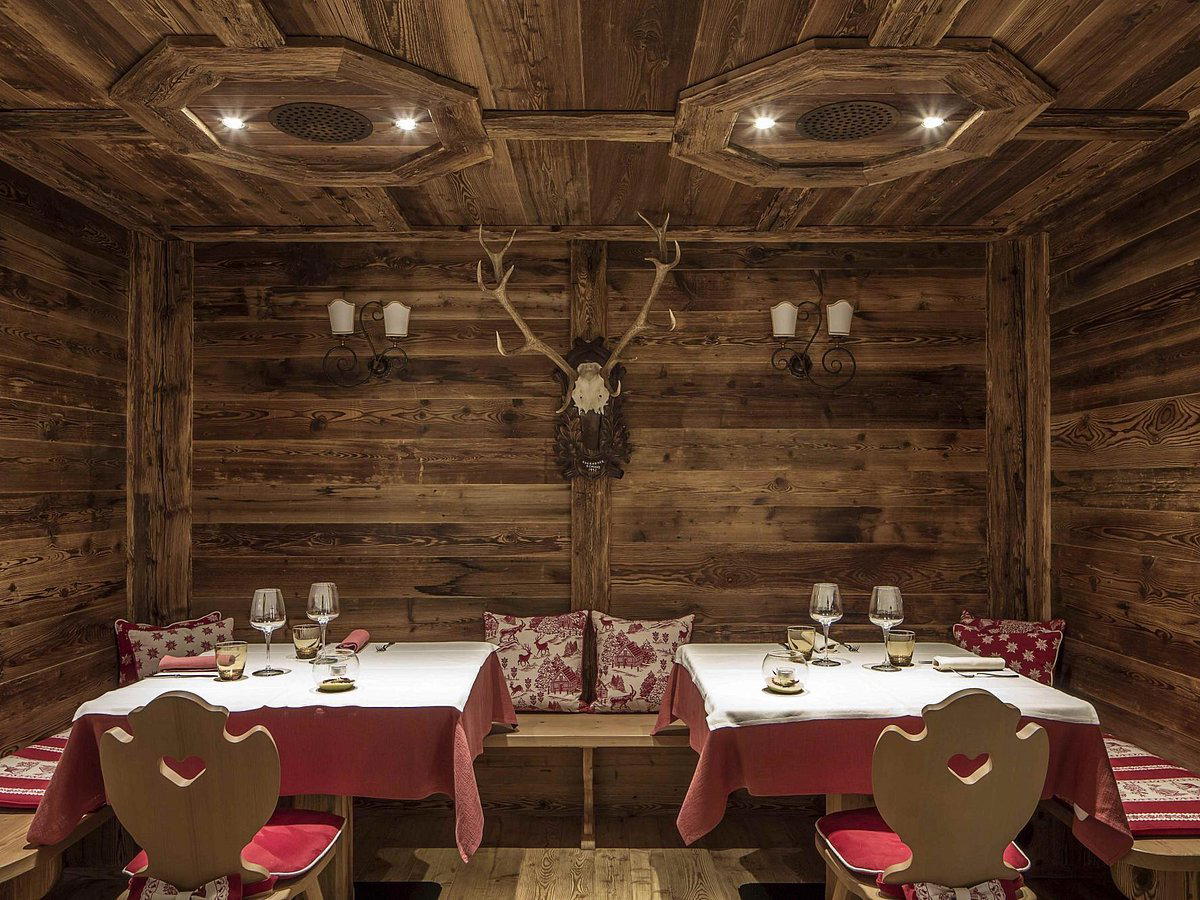
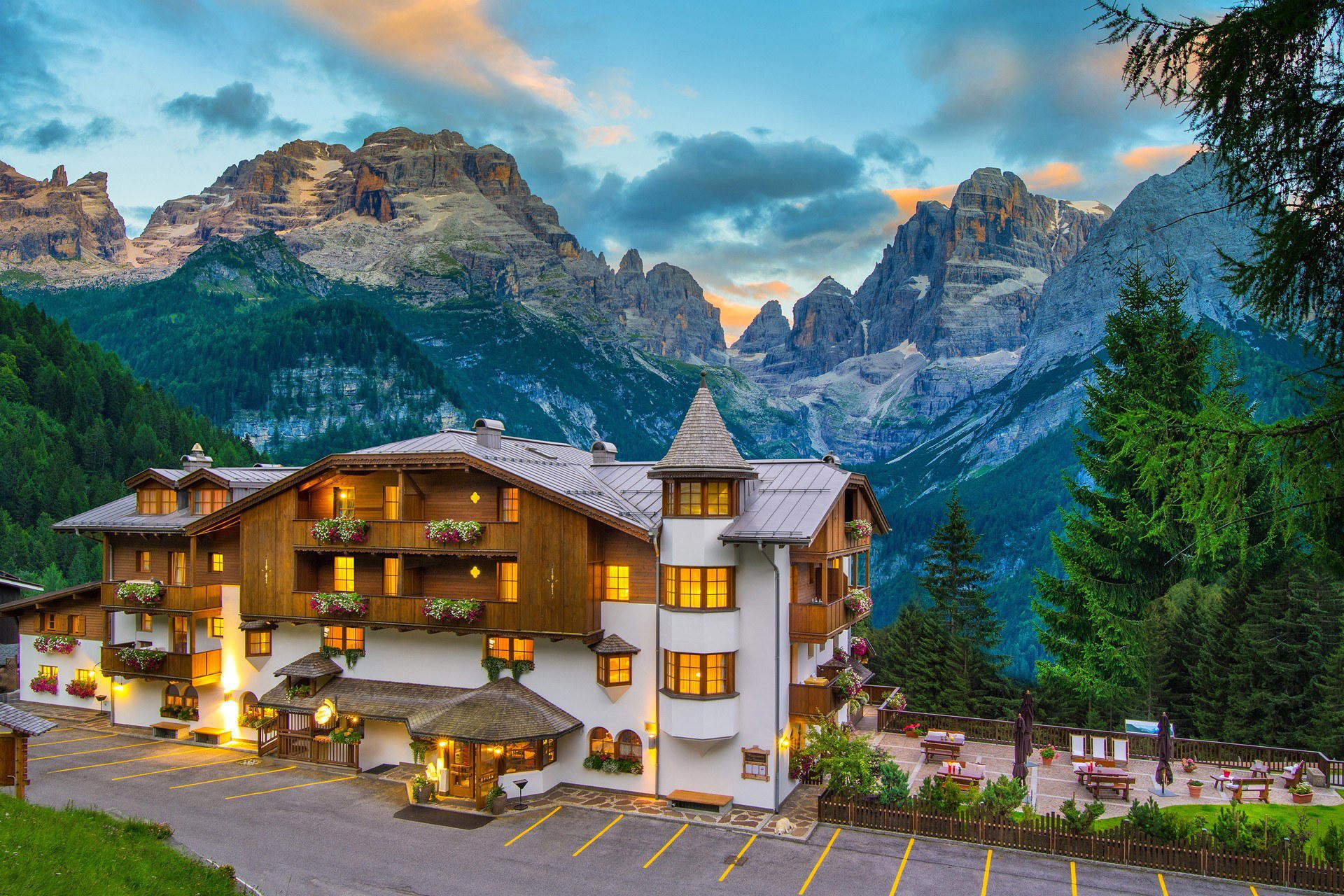
Gaierhof is best understood through restraint rather than spectacle. The picture is of a classic, rustic and quiet winery setting where the point is to read Trentino through accessible wines and a clear sense of place. That kind of setting can be especially useful because it reduces the distance between the visitor and the region. Instead of asking for reverence, it encourages attention: to grape variety, to local style, and to the way a direct cellar-door visit can sharpen a traveller’s understanding of where they are.
The house language is built around drinkability, recognisable grape character and a practical relationship to the local terroir. Those ideas describe why a cellar-door stop can be useful for travellers trying to understand the Piana Rotaliana without turning the experience into collector theatre. Approachability here should not be mistaken for lack of seriousness. It simply points to wines that can communicate without needing an elaborate frame, and to a venue where the regional message remains more important than any sense of performance around the tasting.
There is also a useful price signal in the way the venue is positioned. Gaierhof sits in the $$ bracket, which places it in an approachable range for regional wine travel. That matters for travellers because Trentino is often better understood through clear, repeatable reference points than through prestige cues alone. A stop like this helps set a baseline: not a trophy address, but a practical measure of how local varieties and the Piana Rotaliana register in a family-winery context.
A family winery with a no-frills cellar-door temperament
Gaierhof is described as a historic Trentino family winery, and that identity matters more than any personality-led narrative. The more useful lens is regional discipline: wines are framed around local grape varieties and Piana Rotaliana terroir rather than a highly staged hospitality concept. In that sense, the family-winery identity is less about sentiment and more about continuity. It suggests a place where the vocabulary is steady, where local reference points are allowed to do the work, and where the visitor is not pushed toward a more elaborate story than the wines themselves require.
The atmosphere follows that logic. Expect a classic, rustic and quiet register, with the feel of a practical Trentino cellar door rather than a polished destination venue. The experience is suited to people who want a grounded wine stop in Rovere Della Luna and who value clarity, local character and an unforced setting. The lack of frills is part of the point. It keeps the encounter close to the essentials: a place, a set of wines, and a regional identity that is easier to read when it is not overdecorated.
That restraint is a virtue if the aim is terroir. The Piana Rotaliana is not merely a backdrop; it gives the winery its most persuasive argument. Travellers looking for dramatic theatre may find the register too plain. Travellers building a Trentino wine map will find the lack of excess useful. It allows Gaierhof to function as a reference stop rather than a spectacle, the kind of place that can help organize a broader impression of Rovere Della Luna and its surrounding wine landscape.
How to place it in a Rovere Della Luna itinerary
For a focused local wine day, treat Gaierhof as a Rovere Della Luna cellar-door stop. For the rest of the town’s travel planning, use broader Rovere Della Luna dining, hotel, bar and experience research generically, then place Gaierhof where it belongs: as a practical Trentino family winery focused on approachable wines and the Piana Rotaliana setting. It is not the venue to overload with expectations of grand hospitality theatre. Its role is more specific, and more useful, as a clear wine waypoint within a small regional itinerary.
The value of Gaierhof is narrow and grounded: a Rovere Della Luna reference point for reading Trentino through approachable wines, family-winery continuity and a cellar-door setting that keeps the region in front of the brand. That narrowness is also what makes it easy to understand. Visit for clarity, for local character, and for the quiet usefulness of a winery that does not need to overstate itself to make sense in the Piana Rotaliana.
Recognition history
Dated appearances from independent guides and award organizations, with the underlying list record or original source where available.
Falstaff Winery - Listed
Falstaff
Continue exploring
More in Rovere Della Luna
Wineries in Rovere Della Luna
Browse all →
Bars in Rovere Della Luna
Browse all →
Restaurants in Rovere Della Luna
Browse all →
Details
- Classic
- Rustic
- Quiet
- Group Outing
- Wine Education
- Solo Exploration
- Estate Grounds
- Mountain
- Vineyard
- Chardonnay
- Müller Thurgau
- Schiava
- Marzemino
- Teroldego
- Moscato Giallo
- Still Red
- Still White
- Sparkling
- Dessert
- Standard Tasting
- Italian
Historic Trentino family winery with a practical, no-frills cellar-door atmosphere focused on approachable, drinkable wines that clearly express local grape varieties and the Piana Rotaliana terroir.