
Falstaff Winery - Listed
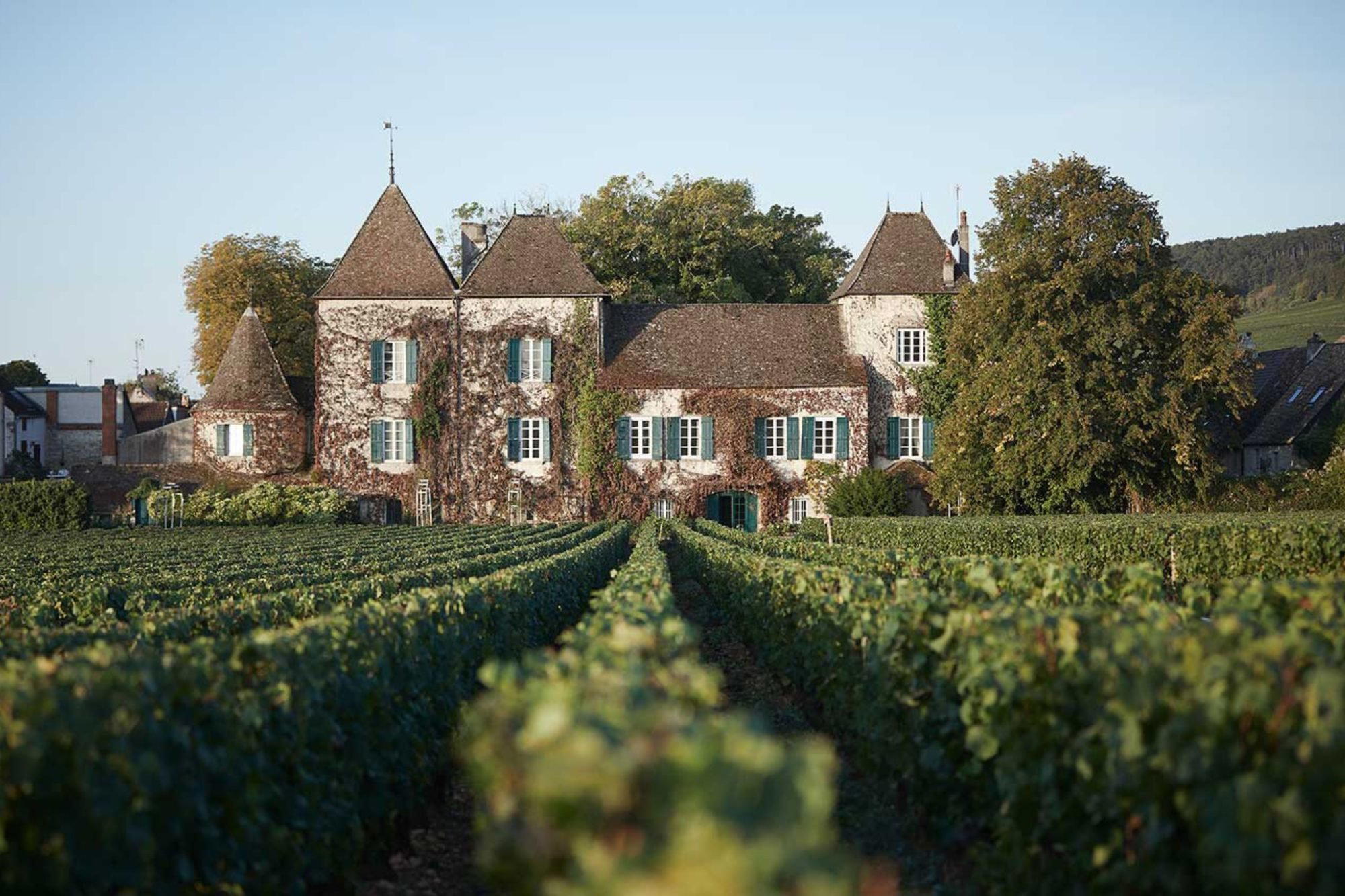
François Martenot suits travelers who want Burgundy explained through scale, appellation breadth, and estate history rather than boutique theatrics. The house traces its modern form to 1922, works across 13 estates and about 270 hectares, and frames its wines through Greater Bourgogne terroir, from Chablis and the Côte d’Or to the Mâconnais and Beaujolais.

Pearl is the En Primeur Club membership app — saves, bookings, and concierge access live there. Same editors, same standards.
- Address
- Beaune, Bourgogne-Franche-Comté, Frankreich
- Directions
- Get directions

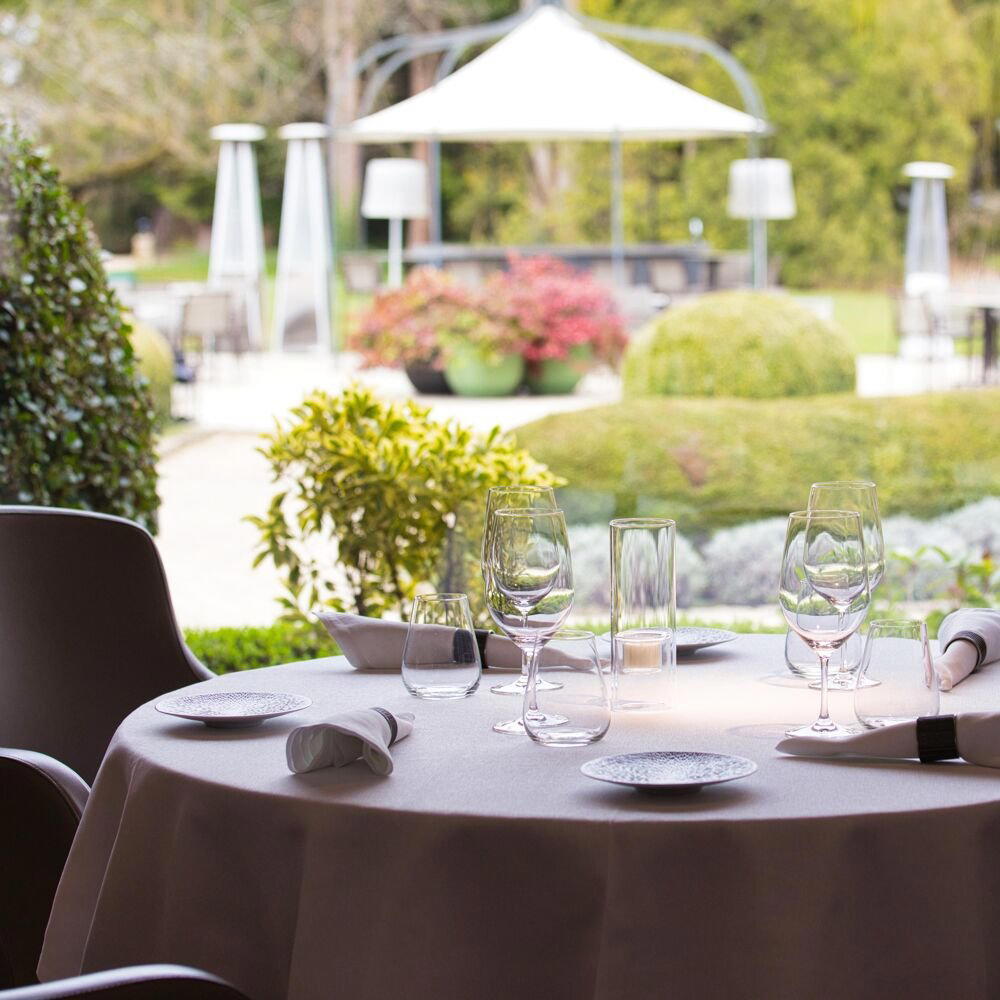
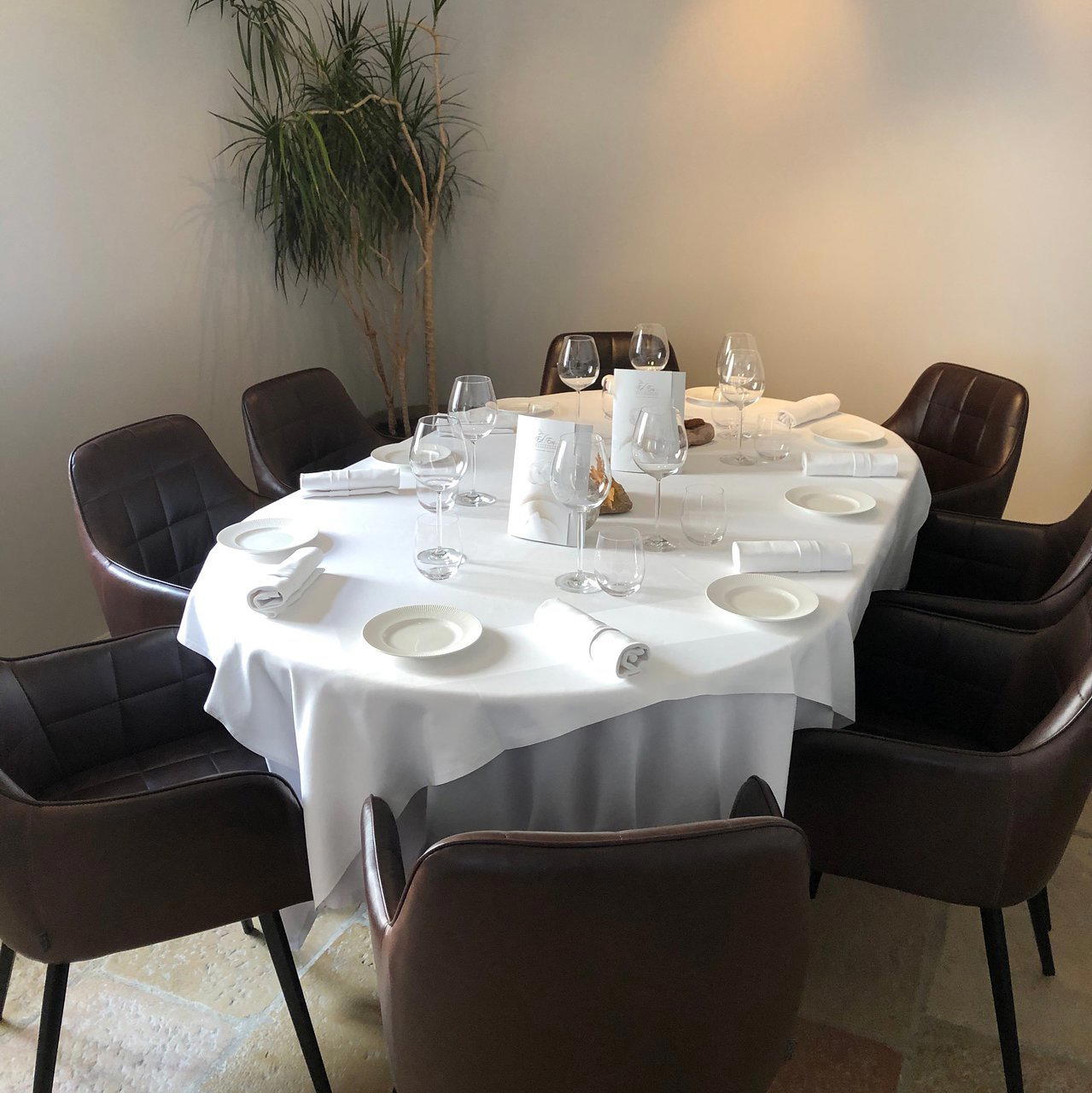
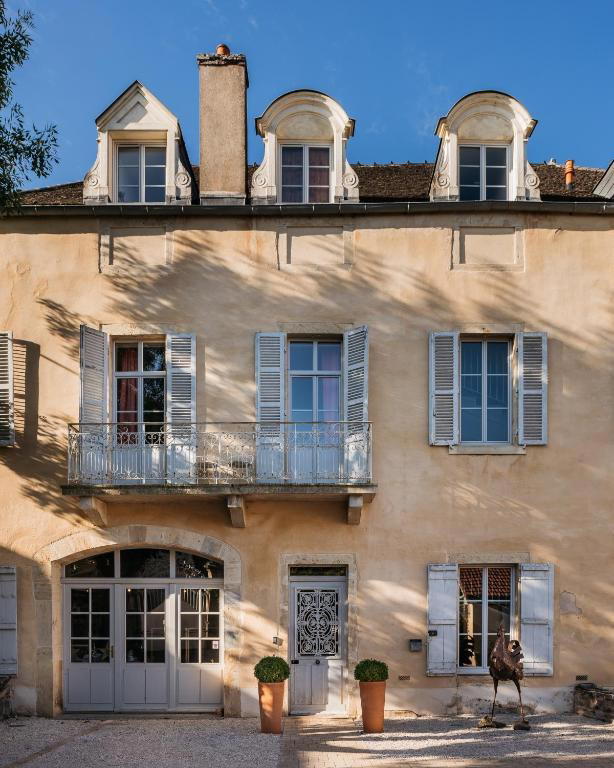
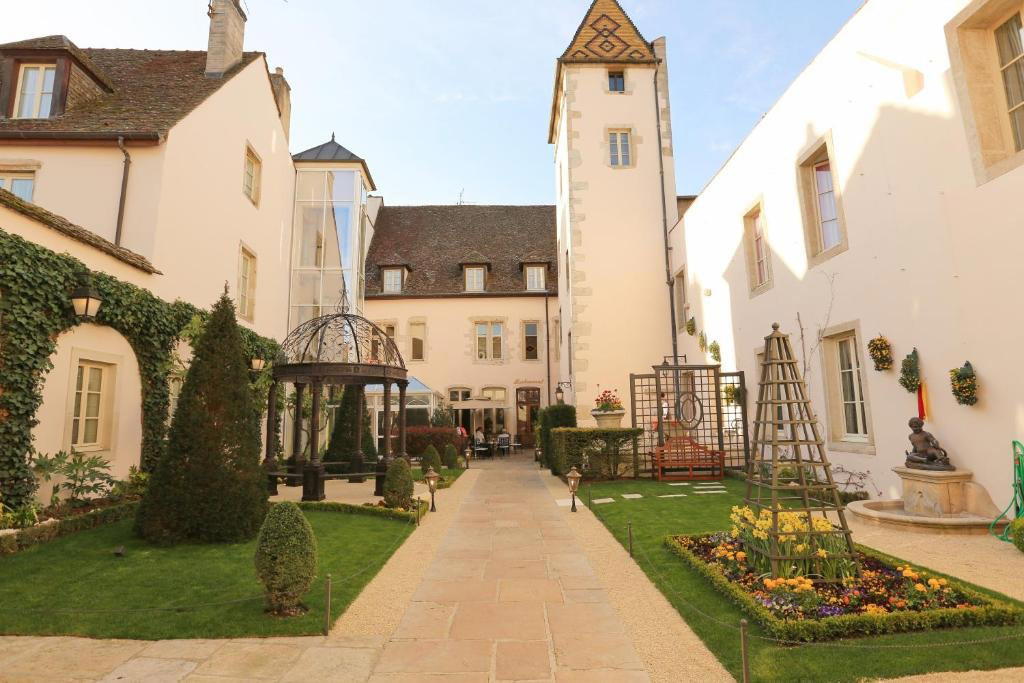
Approach François Martenot as a historic Bourgogne house in Beaune rather than as a design-driven visitor center. The character is classic, iconic and rustic, with the emphasis falling on terroir, heritage and traditional Burgundy wine craftsmanship. For travelers, the useful frame is not a list of services or visitor amenities, but the broader atmosphere of a Burgundy name associated with a large, traditional estate. That distinction matters, because it sets expectations in a more grounded way: this is best understood through the long cultural vocabulary of Beaune and Bourgogne, not through a checklist of contemporary hospitality features. The appeal lies in continuity, in a sense of place, and in the familiar Burgundy idea that wine is inseparable from landscape, inheritance and craft.
Greater Bourgogne seen through a large-house lens
Burgundy is often discussed through fine distinctions of place, inheritance and craft. François Martenot fits that conversation as a Beaune-based Bourgogne house whose appeal rests on heritage and a traditional estate identity. The page should be read through that lens: a classic Burgundy setting where terroir and continuity matter more than spectacle. Rather than presenting the house as a polished destination defined by novelty, it is more accurate to place it within the older rhythm of Bourgogne wine culture, where reputation is often carried by a name, a region and a style of craftsmanship over time.
Those details may matter for a full wine visit, but they should be confirmed directly through the house’s current official materials before being treated as fact. That caution is especially important in Burgundy, where the specifics of wines, visitor arrangements and estate communication can be nuanced, seasonal or subject to change. EP Club’s role here is not to overstate what cannot be verified, but to help travelers understand the broad character of the place before they decide how, or whether, to include it in a journey.
What can be said with confidence is that François Martenot belongs in a Beaune itinerary for readers interested in Burgundy wine culture in a traditional register. Its value is the sense of a historic Bourgogne house: rustic, iconic and rooted in the language of terroir and classic wine craftsmanship. For a traveler building a thoughtful route through Beaune, that identity can be useful precisely because it is not presented as a spectacle. It offers a way to think about Burgundy through established forms of wine culture, through the weight of regional association, and through the quieter appeal of a house connected to a large, traditional estate.
Terroir, climats and the portfolio's real range
The most reliable way to understand François Martenot from the public record is through atmosphere and positioning, not through an unconfirmed bottle list. Burgundy’s vocabulary of terroir, heritage and craftsmanship is central to the house’s identity, and the experience should be approached with those ideas in mind. In this context, terroir is not just a decorative term; it is part of the way Burgundy asks visitors to think about wine, through origin, continuity and the accumulated meaning of place. François Martenot’s appeal sits within that frame, emphasizing a classic Bourgogne perspective rather than a strongly branded, design-led narrative.
If those details are important to your planning, check François Martenot’s own current information before you go. That is the safest way to avoid turning general Burgundy associations into specific claims. It also keeps the focus where the available information is strongest: on the house’s broad positioning, its Beaune base, and its traditional identity within the larger Bourgogne conversation.
For EP Club purposes, the grounded editorial point is simpler: François Martenot is a classic Beaune Bourgogne house associated with a large, traditional estate, and its appeal is heritage-led rather than design-led. The distinction is subtle but useful. Heritage-led means the interest comes from the accumulated character of the house and its connection to Burgundy’s traditional wine language. Design-led, by contrast, would imply that the visitor experience is primarily framed around contemporary staging, architecture or hospitality theater. That is not the emphasis here. The more appropriate reading is restrained, regional and craft-minded.
How to place it in a Beaune wine itinerary
François Martenot is best placed in a Beaune itinerary as a traditional Burgundy reference point. It suits travelers who want a sense of Bourgogne heritage, terroir and classic craftsmanship, rather than those looking for a page built around claims about format, amenities or specific services. Think of it as part of the deeper backdrop of Beaune: a name that helps situate the city within the wider world of Burgundy wine, and a reminder that not every worthwhile stop needs to be understood through highly detailed visitor programming.
Use it as one part of a wider Beaune plan, alongside other dining, hotel, bar and experience options in the city. When comparing it with other local choices, keep the distinction clear: François Martenot’s identity is that of a historic Bourgogne house with a rustic, iconic character. That makes it especially relevant for travelers who are trying to balance Beaune’s pleasures with a sense of context. It can sit comfortably in an itinerary that values atmosphere and regional identity, while more practical questions about access, tasting structure or current offerings should be checked directly before plans are finalized.
The editorial value of François Martenot remains clear even with limited data: it represents Burgundy through continuity, tradition and terroir-focused craftsmanship, not through spectacle or a design-forward hospitality concept. For EP Club readers, that is the key takeaway. François Martenot should be understood as a classic Bourgogne reference in Beaune, a house whose appeal is tied to heritage, rustic character and the enduring language of Burgundy wine culture. Approach it with that expectation, and it becomes easier to place it honestly within a broader, better-balanced Beaune itinerary.
Recognition history
Dated appearances from independent guides and award organizations, with the underlying list record or original source where available.
Falstaff Winery - Listed
Falstaff
Continue exploring
More in Beaune
Wineries in Beaune
Browse all →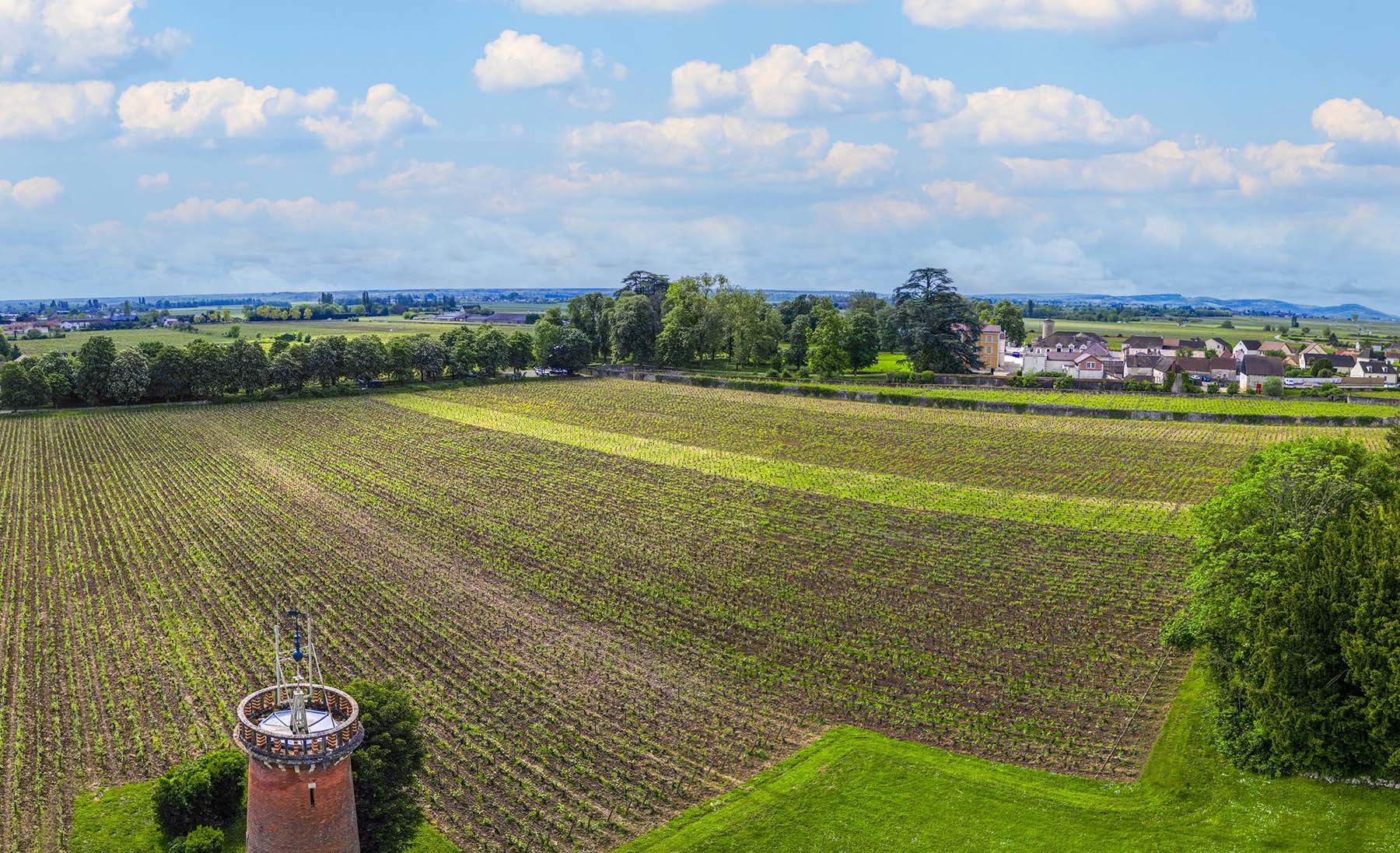
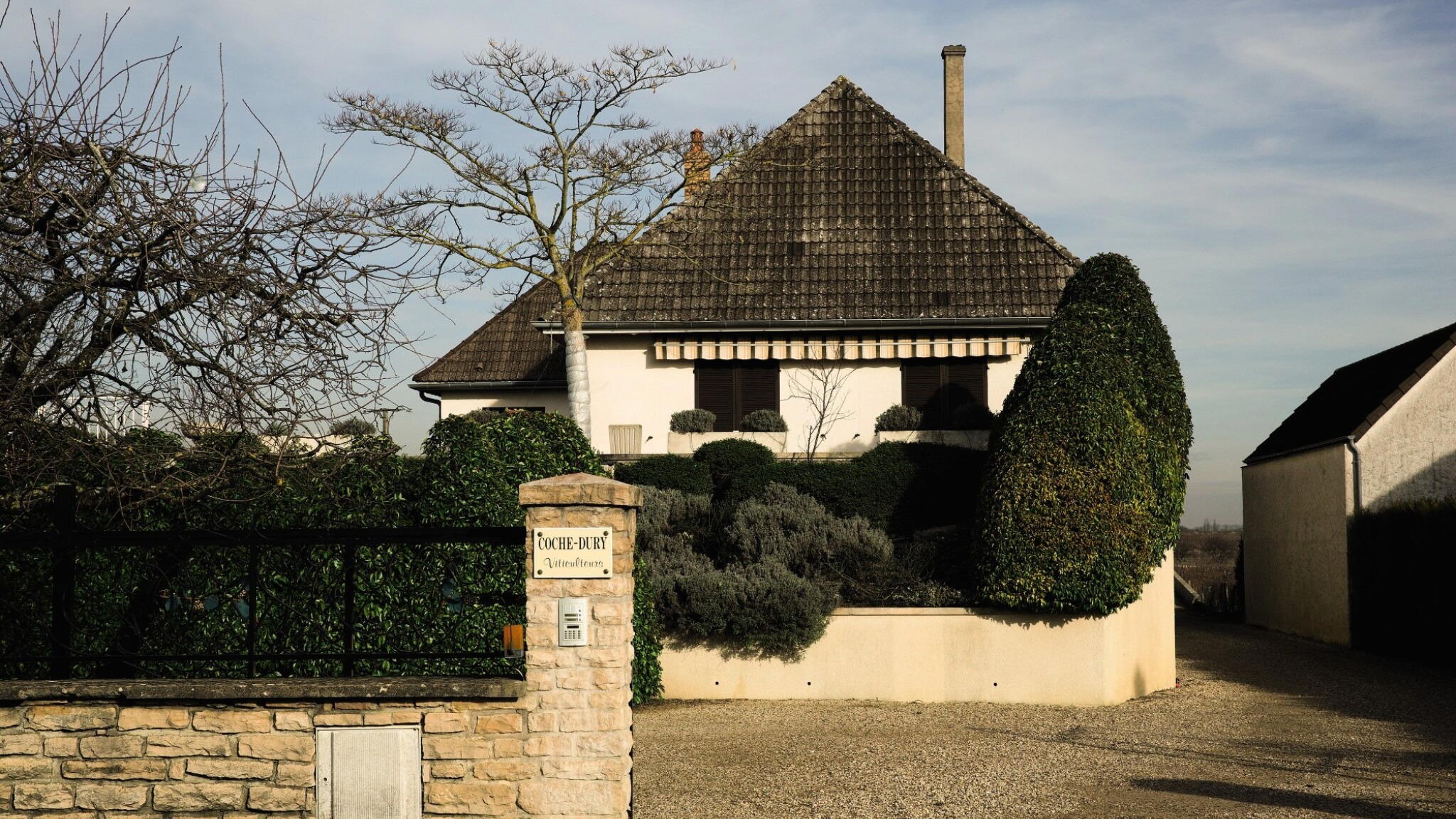

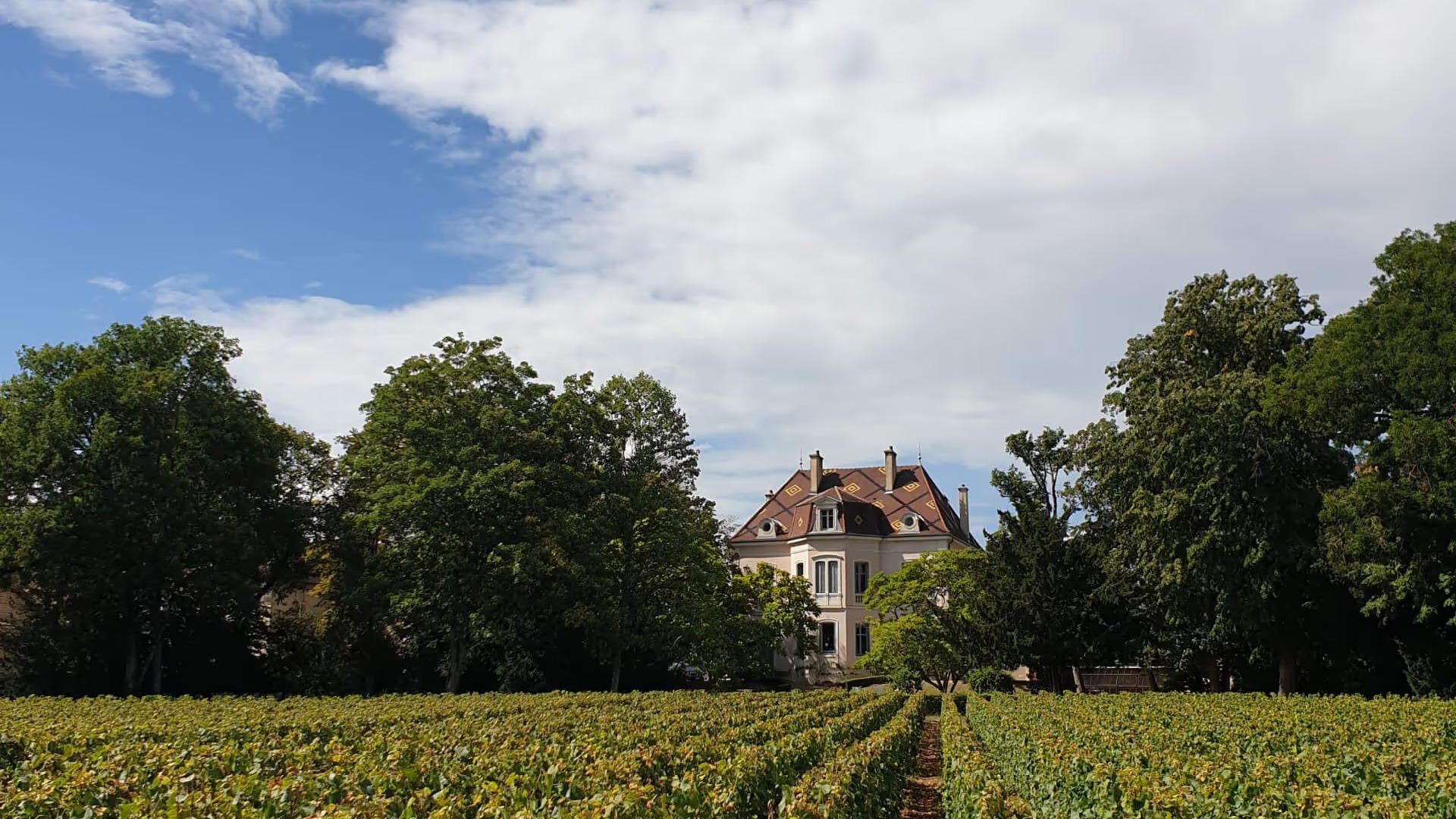
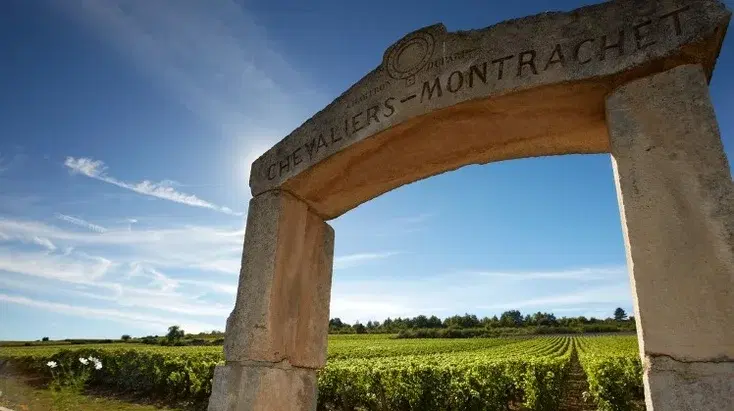
Bars in Beaune
Browse all →
Restaurants in Beaune
Browse all →
Details
- Classic
- Well Known
- Rustic
- Solo Exploration
- Wine Education
- Group Outing
- Estate Grounds
- Historic Building
- Sustainable
- Vineyard
- Still Red
- Still White
- Sparkling
Historic Bourgogne house associated with a large, traditional estate, with an atmosphere focused on terroir, heritage and classic Burgundy wine craftsmanship rather than on a design-driven visitor center.