Fietri

Falstaff Winery - Listed
Fietri is an organic Chianti Classico estate and agriturismo in Gaiole in Chianti, where Sangiovese, woodland, farm buildings and Tuscan cooking are treated as one rural experience. The appeal is less a formal tasting-room performance than a slow encounter with a small hilltop wine property: estate reds, a Sangiovese rosato, a classic-method sparkling wine, food pairings and countryside hospitality in the Chianti Classico zone.

Pearl is the En Primeur Club membership app — saves, bookings, and concierge access live there. Same editors, same standards.
- Address
- Gaiole in Chianti, Tuscany, Italien

Approaching Fietri means entering the quieter side of Chianti Classico: hilltop stone, vineyards broken by woods, and the agricultural rhythm of a small Tuscan village rather than the choreography of a large cellar door. In Gaiole in Chianti, wine tourism often divides between historic estates with grand narratives and smaller farm properties where the land does the talking. This one belongs to the second camp. The point is not spectacle; it is the way Sangiovese, olive groves, oak woods, walnut trees, terrace meals and farmhouse lodging sit inside the same rural system.
That matters in Chianti Classico because terroir here is rarely only a technical discussion of soil and exposure. The region’s identity comes through a working hill country shaped by vines, woods, white roads, seasonal cooking and small settlements. Fietri’s strength is its coherence: organic farming, estate-grown Sangiovese, an agriturismo format and a food-and-wine offer all point in the same direction. For travelers using Gaiole as a wine base, it reads as a countryside immersion rather than a quick tasting stop.
Sangiovese framed by woods, village scale and organic farming
Chianti Classico remains one of Italy’s defining Sangiovese territories, and Fietri keeps its wine identity close to that line. The estate works with Sangiovese and produces Chianti Classico DOCG, Chianti Classico Riserva DOCG, Rosato di Sangiovese IGT, a red IGT named Dedicato a Benedetta, and Kallistè, a classic-method sparkling wine. That range says something about contemporary Chianti estates: the core remains appellation red wine, but smaller producers increasingly use rosato, IGT bottlings and sparkling formats to widen the conversation without leaving the farm’s main grape behind.
The organic footing is not a decorative detail. In a zone where premium wine travel can drift toward polished villas and cellar architecture, organic agriculture returns attention to the field. The surrounding woods and vineyards also give the estate a sense of enclosure: this is Sangiovese in a mixed agricultural setting, not a monoculture presented as theatre. The absence of a heavily publicized technical cellar narrative is almost useful editorially, because it shifts the focus back to the broader Chianti Classico grammar: red-fruited Sangiovese tradition, Riserva as a longer-aging category, rosato as a seasonal register, and classic-method sparkling wine as a less expected extension of the estate range.
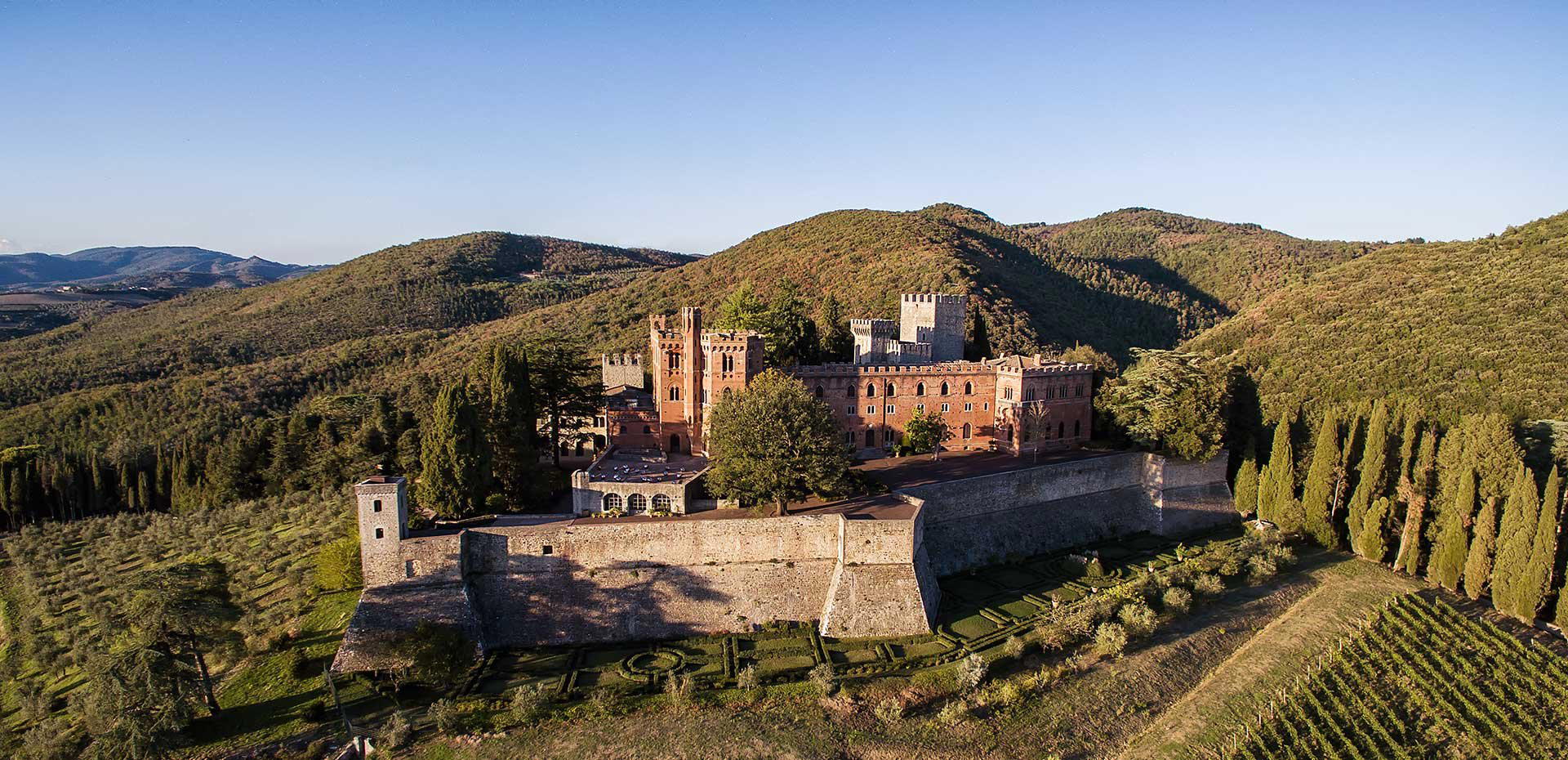
Kallistè is the outlier in the portfolio because metodo classico is not the usual calling card for a Chianti Classico address. Its presence gives the lineup a second axis beyond still red wine. The editorial takeaway is not that the sparkling wine replaces the estate’s Chianti identity; it shows how a small property can stretch its hospitality offer while remaining anchored in local viticulture. For visitors planning a broader route through the area, compare that place-led reading with other Gaiole winery pages such as Badia a Coltibuono, Barone Ricasoli (Brolio), Bertinga, Borratella and Capannelle.
The agriturismo format turns terroir into a stay, not a tasting slot
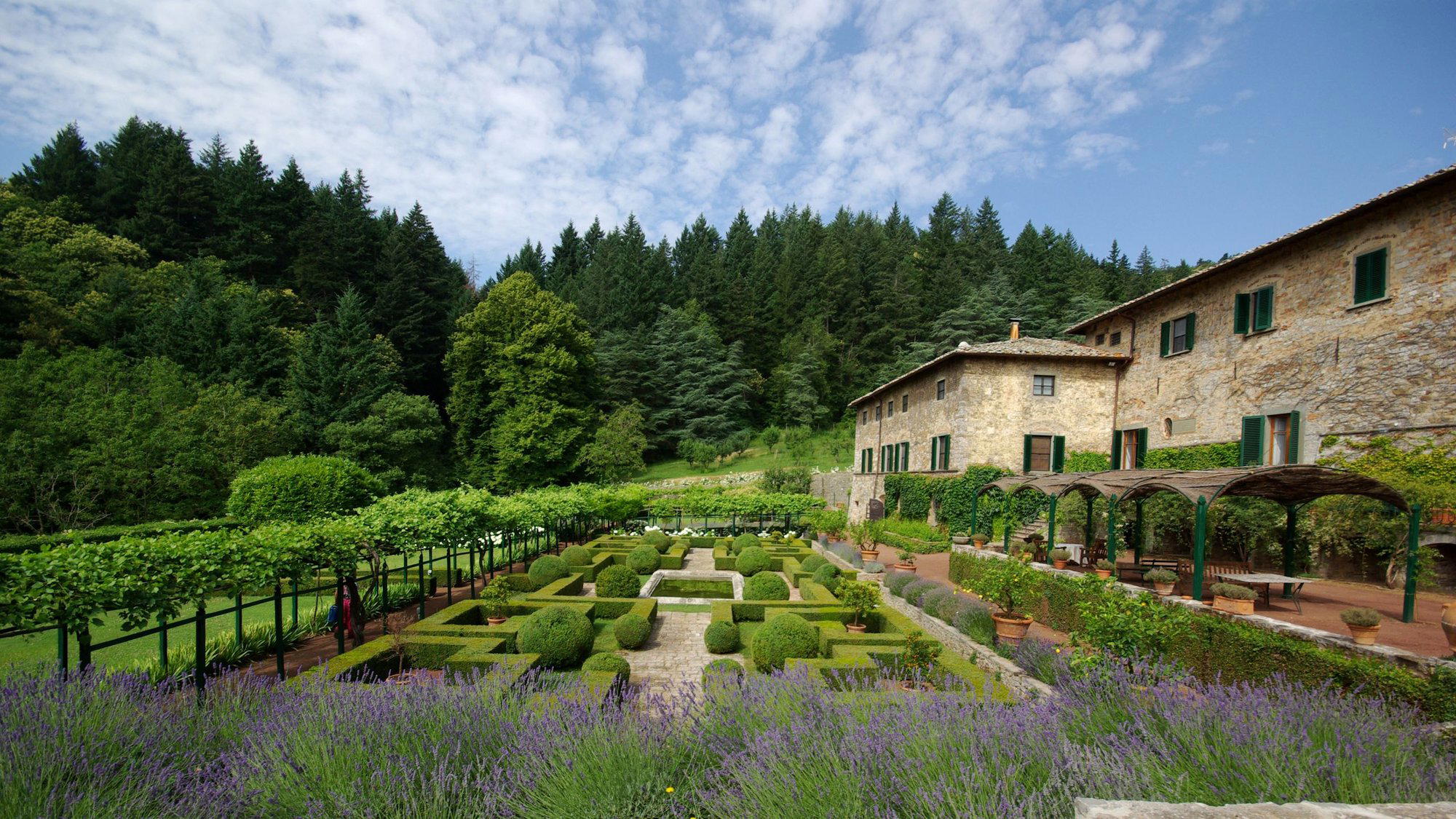
Fietri’s hospitality is built around the farm as a whole. Two renovated antique farmhouses, estate grounds, gardens, terrace space and surrounding countryside create a format closer to agriturismo than to a conventional urban wine bar or high-volume tasting counter. That distinction is important. In the Chianti hills, the more persuasive wine experiences often happen when the visitor has time to understand how the bottle fits with the place: the kitchen, the view, the old buildings, the walking routes and the agricultural calendar.
Food is part of that structure. The estate’s hospitality language points toward Tuscan specialties and seasonal products associated with the wider region, from Chianina beef and Pienza cheeses to white truffles, saffron, extra virgin olive oil and Cinta Senese charcuterie. Dishes tied to the territory, including pici with wild pig sauce, mushrooms from Amiata, Fiorentina steak, fried porcini, Ricciarelli, Panforte and copate, place the wine in a recognizably Tuscan register. Those references are not menu promises for every service; they indicate the culinary vocabulary around the farm. The useful reading is that wine here is meant to meet food, not sit in isolation.
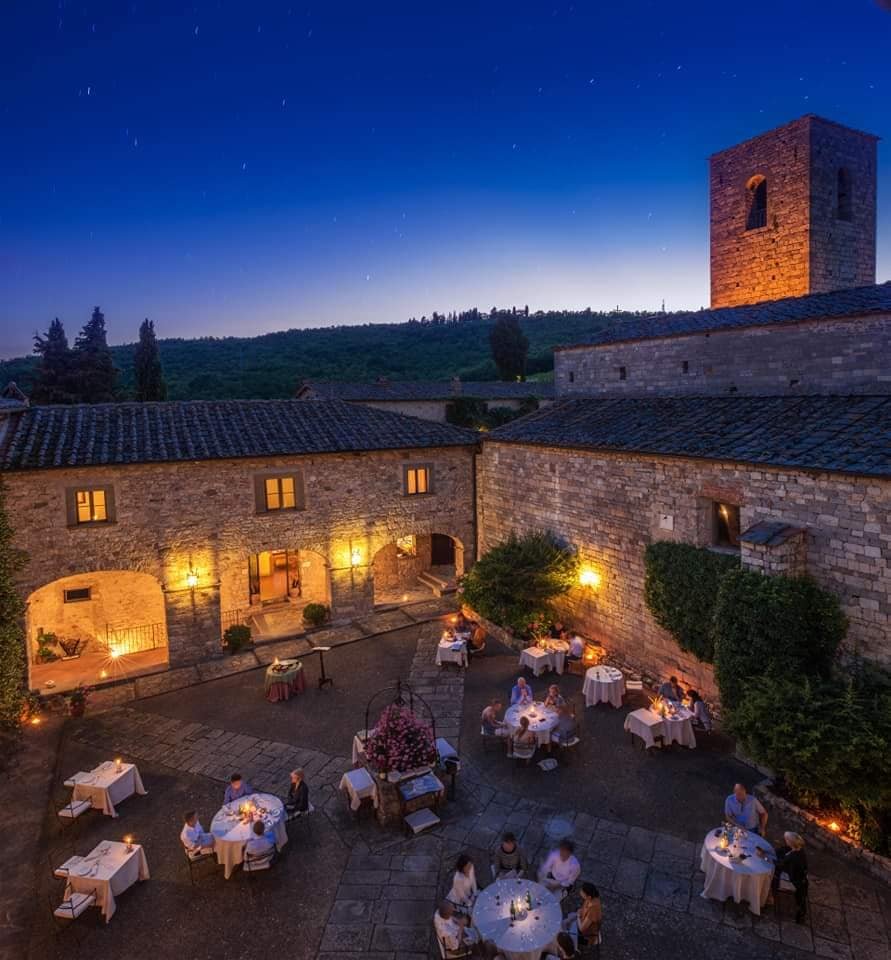
The setting also favors a slower traveler. Outdoor terrace tastings, vineyard-oriented experiences, food-and-wine pairings and estate grounds make more sense when folded into a half-day or overnight rhythm. Families, couples, small groups and solo travelers with an interest in wine education all fit the format. The tone is casual rather than ceremonial, which suits the farm setting: rural comfort, quiet surroundings and the practical informality of countryside hospitality.
How to place Fietri in a Gaiole wine itinerary
Gaiole in Chianti rewards travelers who resist treating wineries as interchangeable appointments. The village and its surrounding hills sit inside the Chianti Classico zone, where Sangiovese, medieval settlements, abbeys, farm roads and seasonal cooking form the actual travel logic. Fietri works well for those who want the agrarian side of that story: an organic small estate with lodging, food pairings, outdoor space and a portfolio that runs from Chianti Classico to rosato and classic-method sparkling wine.
Because the experience is by reservation and the property is small in scale, it should be planned rather than treated as a drop-in diversion. On-site parking and casual dress keep the logistics relaxed once arranged. The better strategy is to build the day around Gaiole itself: combine a winery visit with a meal, a walk, or a longer rural stay instead of stacking too many tastings. For broader planning, use Our full Gaiole in Chianti wineries guide alongside Our full Gaiole in Chianti restaurants guide, Our full Gaiole in Chianti hotels guide, Our full Gaiole in Chianti bars guide and Our full Gaiole in Chianti experiences guide.
Readers looking beyond Tuscany can also compare how small producers frame place in other regions through 3GP SRL in Treviso, 47 Anno Domini in Trebaseleghe, A Mano Wine in Noci, »der Steiner« Hans Steiner in Podersdorf am See and & Handwein in Mannheim. Fietri’s role in that wider map is clear: it is a Chianti Classico farm stay and winery where the argument for the wine begins outside the glass.
Recognition history
Dated appearances from independent guides and award organizations, with the underlying list record or original source where available.
Falstaff Winery - Listed
Falstaff
Continue exploring
More in Gaiole in Chianti
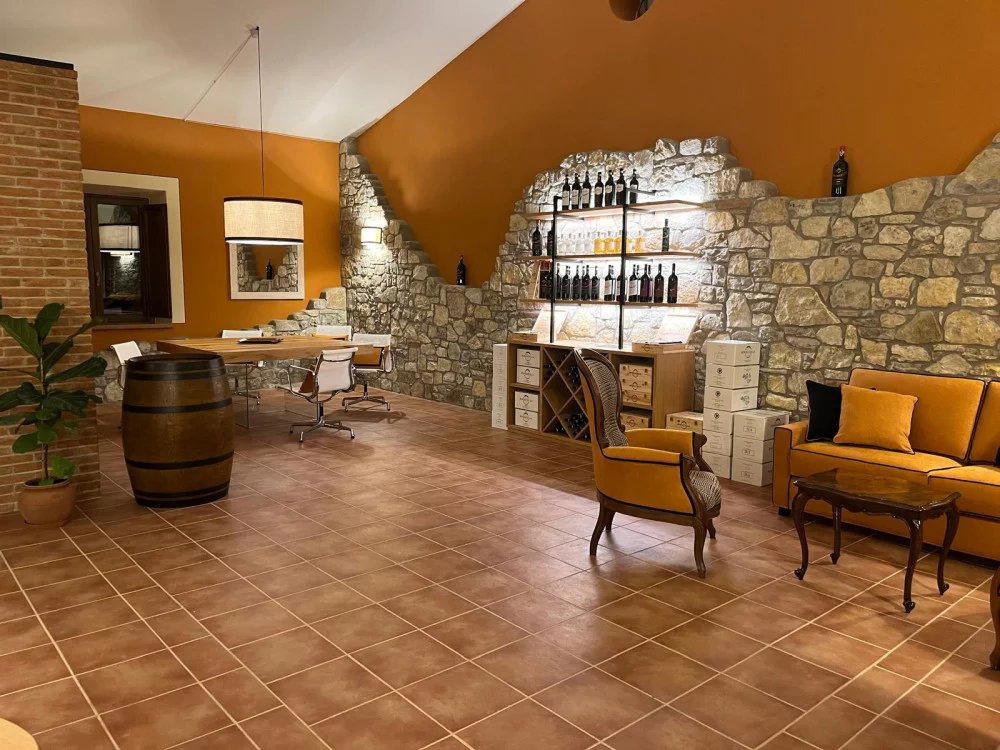
Wineries in Gaiole in Chianti
Browse all →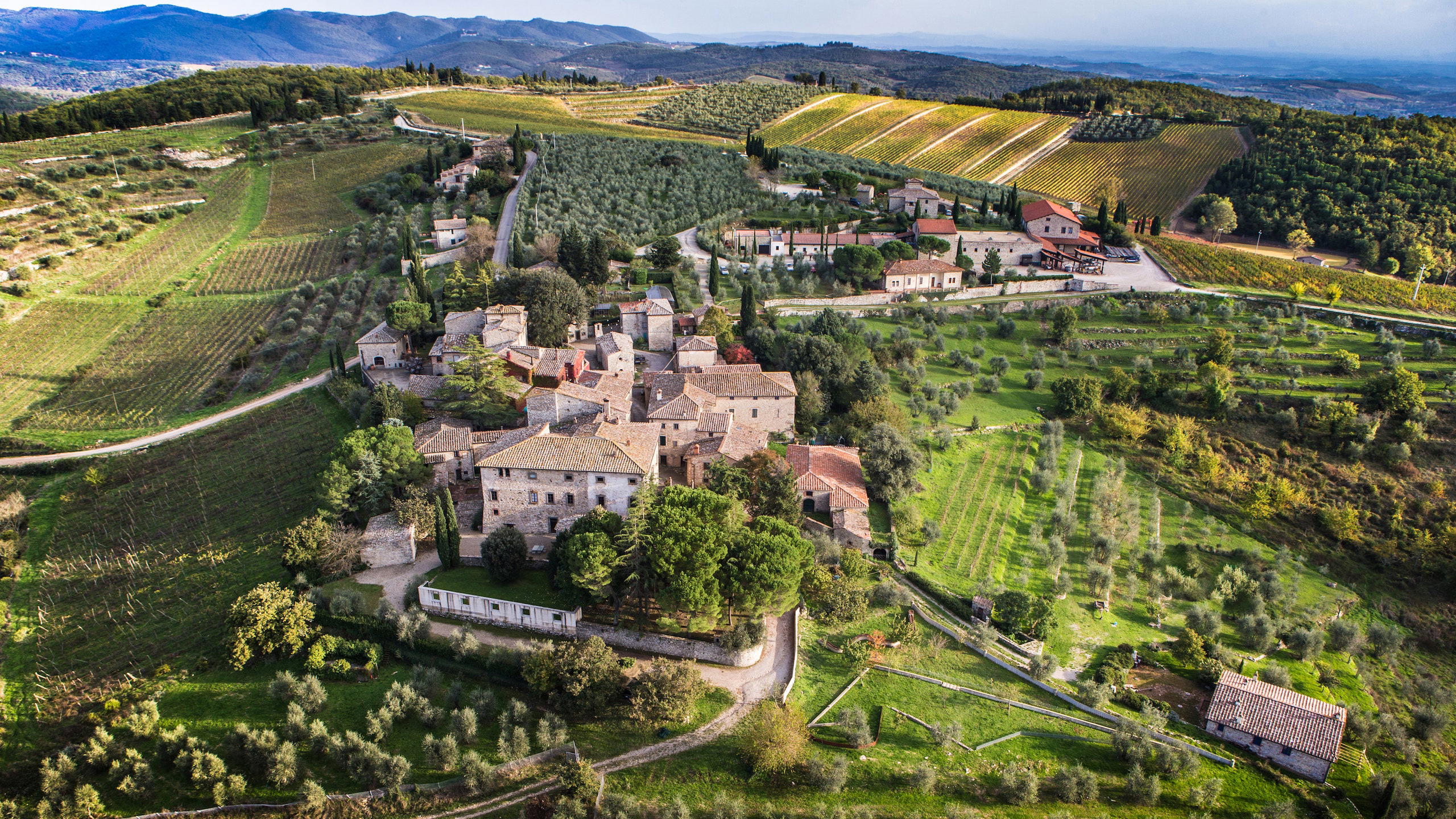
Restaurants in Gaiole in Chianti
Browse all →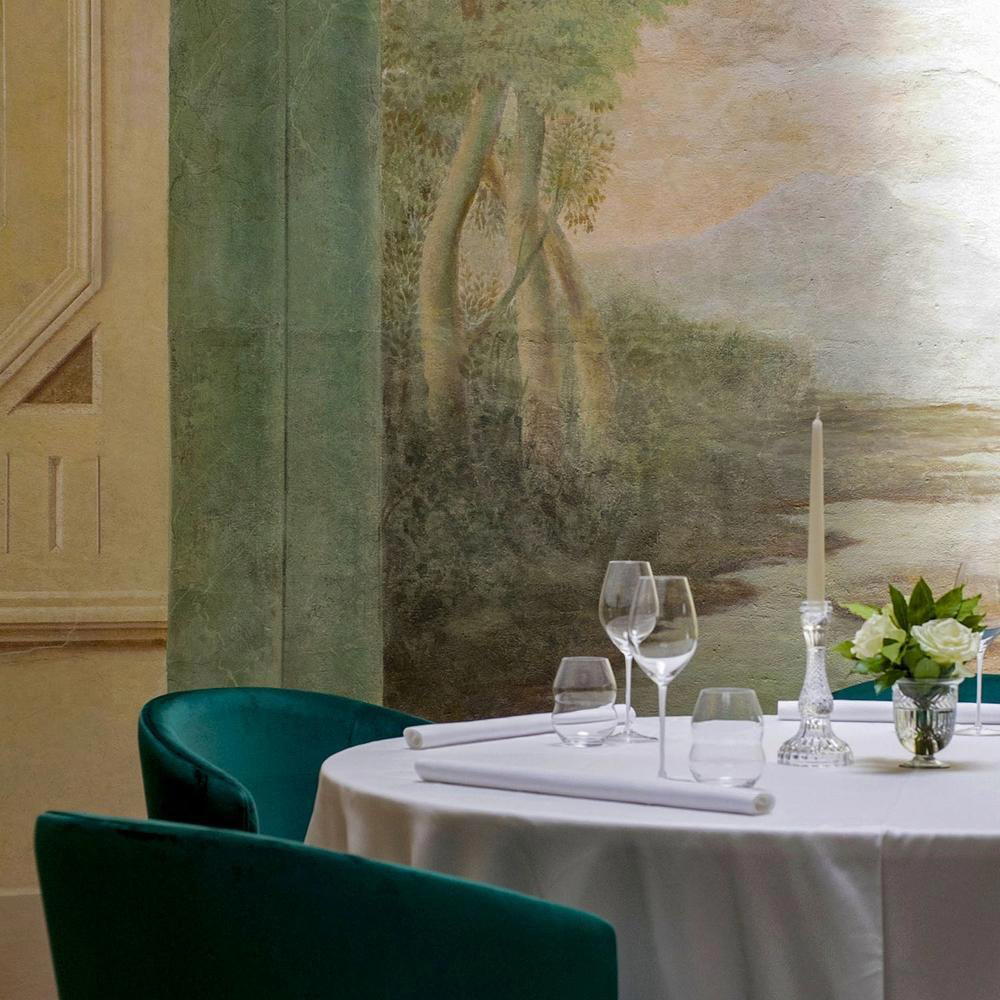
Hotels in Gaiole in Chianti
Browse all →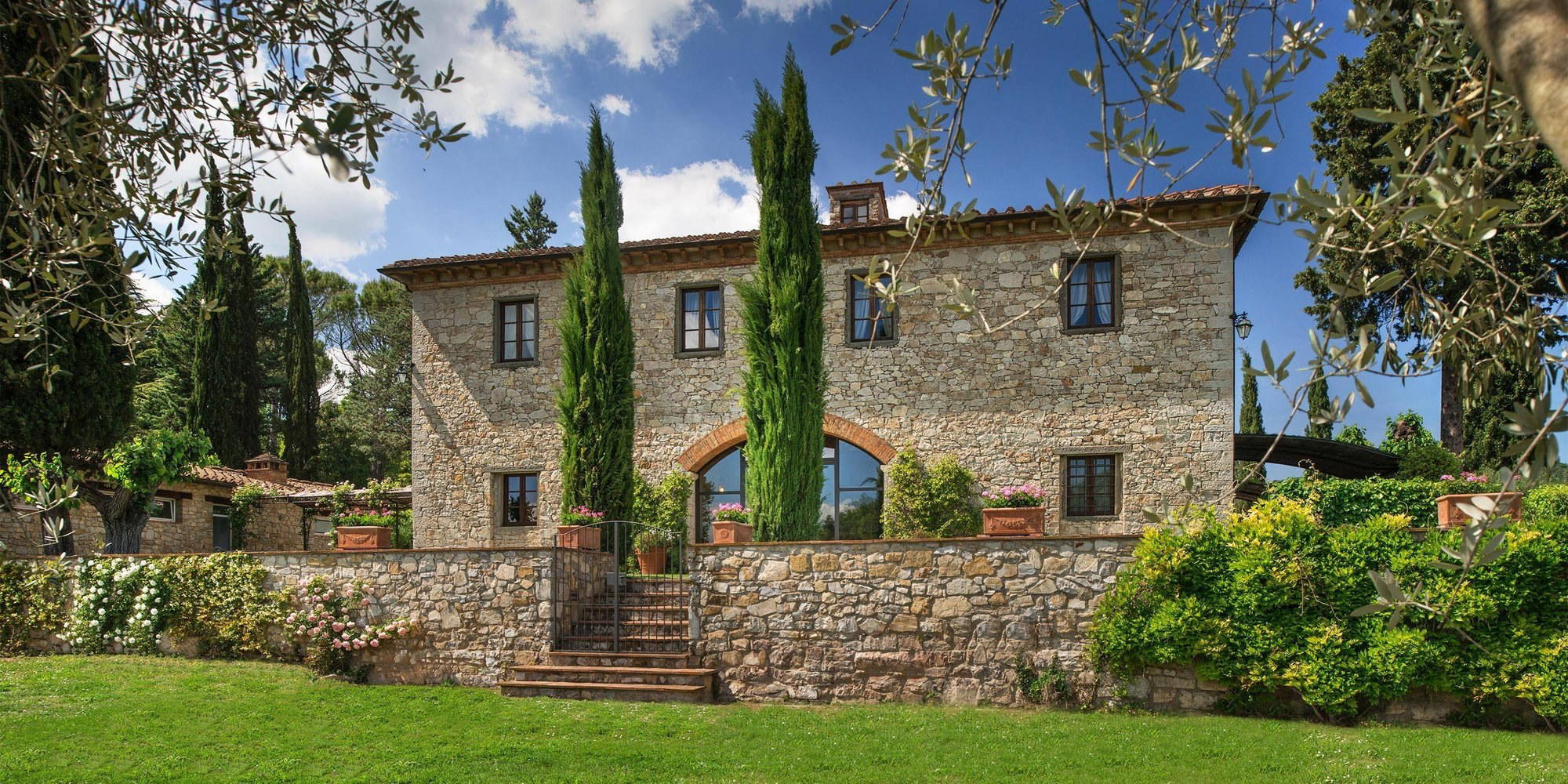
Details
- Scenic
- Rustic
- Romantic
- Cozy
- Classic
- Romantic Getaway
- Group Outing
- Family
- Solo Exploration
- Special Occasion
- Wine Education
- Estate Grounds
- Vineyard Tour
- Garden
- Terrace
- Panoramic View
- Historic Building
- Organic
- Sustainable
- Vineyard
- Garden
- Mountain
- Sangiovese
- Still Red
- Estate Tasting
- Vineyard Tour With Tasting
- Food And Wine Pairing Meal
- Outdoor Terrace Tasting
- Italian
- English
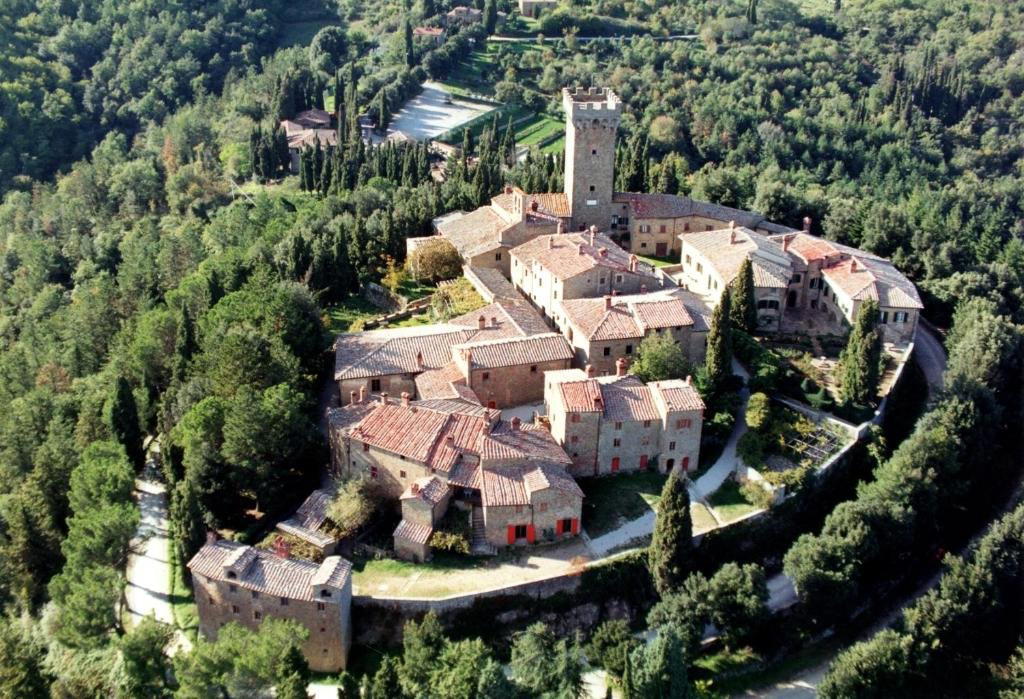
Rural Tuscan farmhouse atmosphere in a tiny hilltop village, surrounded by walnut forests, oak woods and vineyards, offering a quiet, nature-immersed and traditional Chianti Classico setting.