Bertinga

Falstaff Winery - 3 Stars
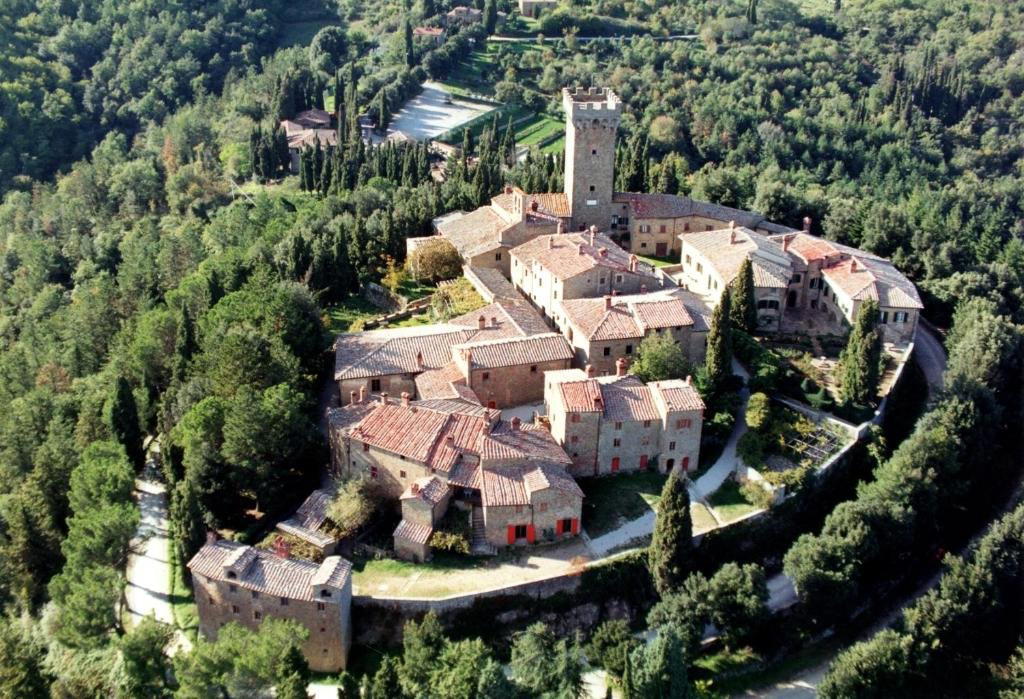
Bertinga brings a high-altitude, terroir-led reading of Gaiole in Chianti through organic farming, steep parcels, and a focused Sangiovese-Merlot identity. Founded in 2015, the estate works across Bertinga, Adine, and Vertine, with winemaker Stéphane Derenoncourt shaping a restrained cellar style that gives the vineyard material the lead role.

Pearl is the En Primeur Club membership app, where members save venues, book tables and use the concierge.
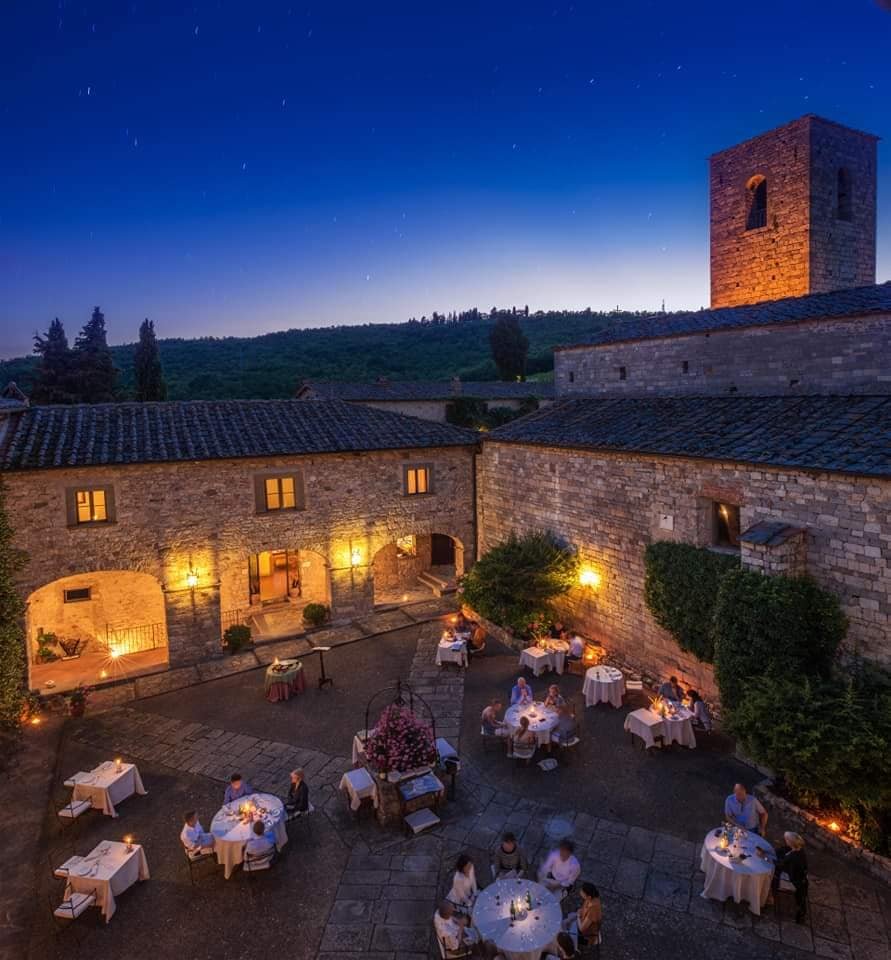
Approaching the wine culture of Gaiole in Chianti means dealing first with altitude, stone, and slope. This is not the softer postcard version of Tuscany; the commune’s northern hills give Sangiovese a cooler frame, with limestone, galestro, and marl doing as much of the talking as oak or cellar technique. Bertinga belongs to that higher, more precise register: quiet in tone, small in scale, and built around the idea that Chianti Classico can read as a set of parcels rather than a single regional shorthand.
The estate’s modern chapter began in 2015, which matters in a region where old names often dominate the conversation. Youth here is not a novelty act. It places the property inside a more recent Tuscan pattern: estates using historic vineyard material, international technical experience, and Toscana IGT flexibility to argue for site expression outside the narrowest reading of tradition. For a broader sense of the commune’s wine map, keep Our full Gaiole in Chianti wineries guide close; for the wider trip frame, the companion guides to Our full Gaiole in Chianti restaurants guide, Our full Gaiole in Chianti hotels guide, Our full Gaiole in Chianti bars guide, and Our full Gaiole in Chianti experiences guide help place the estate within the rhythm of a Chianti stay.
High-altitude Gaiole, read through three vineyard sites
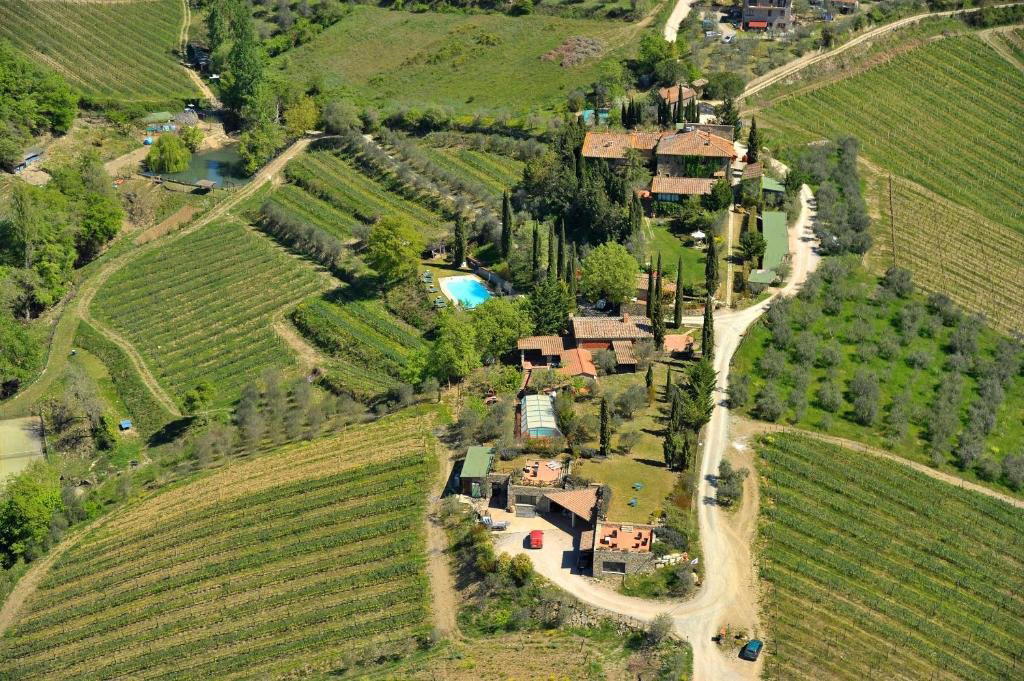
The important detail is not simply that the estate is in Gaiole in Chianti, but that its material comes from three named sites: Bertinga, Adine, and Vertine. The Bertinga vineyard sits at about 380 metres, while Adine reaches 520 metres and Vertine sits around 500 metres. Those numbers are not decorative. In Chianti Classico, elevation can mean slower ripening, firmer acidity, and a different kind of structure from the warmer, lower zones.
Soils sharpen the point. Alberese limestone and calcareous marl clay shape the Bertinga site; Adine brings fractured marine clay limestone; Vertine is associated with galestro and Alberese stones. This is the grammar of the wines: Sangiovese for line and tension, Merlot for depth when the cooler clay and elevation slow its ripening. The estate farms 9 hectares of established vines aged 17 to 25 years, with 3 hectares of younger plantings, and works organically by hand. In practical critical terms, that combination puts the emphasis on low-scale farming and parcel separation rather than volume.
Gaiole has older reference points, and the area’s identity is better understood by looking across several addresses rather than treating one estate as the whole story. Badia a Coltibuono carries monastic and historical weight; Barone Ricasoli (Brolio) speaks to the longue durée of Chianti; Capannelle, Capraia, and Borratella show how varied the commune’s producer culture can be. Bertinga’s lane is narrower: high-altitude parcels, organic viticulture, and a red-wine focus shaped around Sangiovese and Merlot.
IGT flexibility without losing the Chianti accent
The cellar approach follows the vineyard logic. Fermentation is handled parcel by parcel in stainless steel or concrete, with French oak and bottle aging used after the separate lots have declared themselves. That order of operations matters because it keeps blending as an act of selection rather than correction. The result is a portfolio that includes Toscana IGT wines alongside Chianti Classico DOCG, with the flagship Bertinga often framed around Sangiovese and Merlot rather than a rigid denominational formula.
The named wines make the estate’s argument clear. Bertinga is the central blend, Sassi Chiusi functions as the more accessible second wine, Punta di Adine focuses on Sangiovese from the high Adine parcel, Volta di Bertinga focuses on Merlot, and La Porta di Vertine ties the Vertine site back to the Chianti Classico DOCG framework. The point is not variety for its own sake. It is a controlled comparison between altitude, soil, grape, and regulatory category.
Stéphane Derenoncourt’s role as winemaker adds a serious credential, particularly because his Bordeaux background makes the Merlot question more interesting in Chianti Classico. The risk with international expertise in Tuscany is polish at the expense of place. Here, the more compelling reading is technical restraint applied to high-altitude material: enough cellar precision to define the wines, not so much that Gaiole disappears. Recognition has followed that argument. The 2019 Volta di Bertinga received 99 points from James Suckling after a blind tasting of Merlot-based reds, and the estate was named Best Emergent Producer 2022 by Best of Wines.
How Bertinga fits into a serious Chianti itinerary
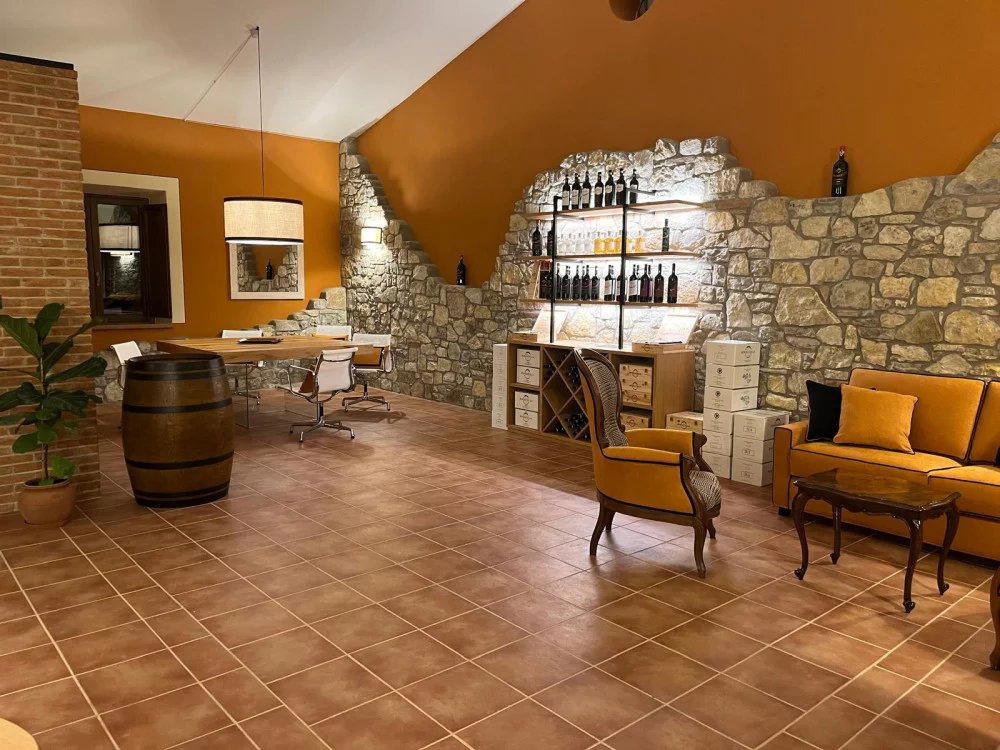
This is a small-production estate rather than a broad hospitality complex, and the experience makes sense for travellers who want to understand vineyard distinctions rather than simply taste a regional label. The setting is quiet, the farming is organic, and the visit format is aligned with private tasting and vineyard education. It suits a wine-focused day in Gaiole in Chianti, especially for drinkers tracking how contemporary Tuscany uses IGT freedom without abandoning Sangiovese, limestone, and altitude.
The broader lesson is that Chianti Classico is no longer a single stylistic lane. Some estates lean into long institutional history; others into hospitality architecture, cellar scale, or restaurant culture. Bertinga belongs to the more analytical side of the region: small scale, red-wine focus, parcel vocabulary, and a willingness to let Merlot share the conversation with Sangiovese when the site supports it. Readers building a wider Italian and European wine route can contrast that approach with producers beyond Tuscany, from 3GP SRL in Treviso and 47 Anno Domini in Trebaseleghe to A Mano Wine in Noci, »der Steiner« Hans Steiner in Podersdorf am See, and & Handwein in Mannheim. Against that wider field, Bertinga’s claim is specific rather than loud: Gaiole altitude, limestone structure, organic farming, and a cellar that treats precision as a means, not the story itself.
Recognition history
Dated appearances from independent guides and award organizations, with the underlying list record or original source where available.
Falstaff Winery - 3 Stars
Falstaff
Continue exploring
More in Gaiole in Chianti
Wineries in Gaiole in Chianti
All wineries in Gaiole in Chianti →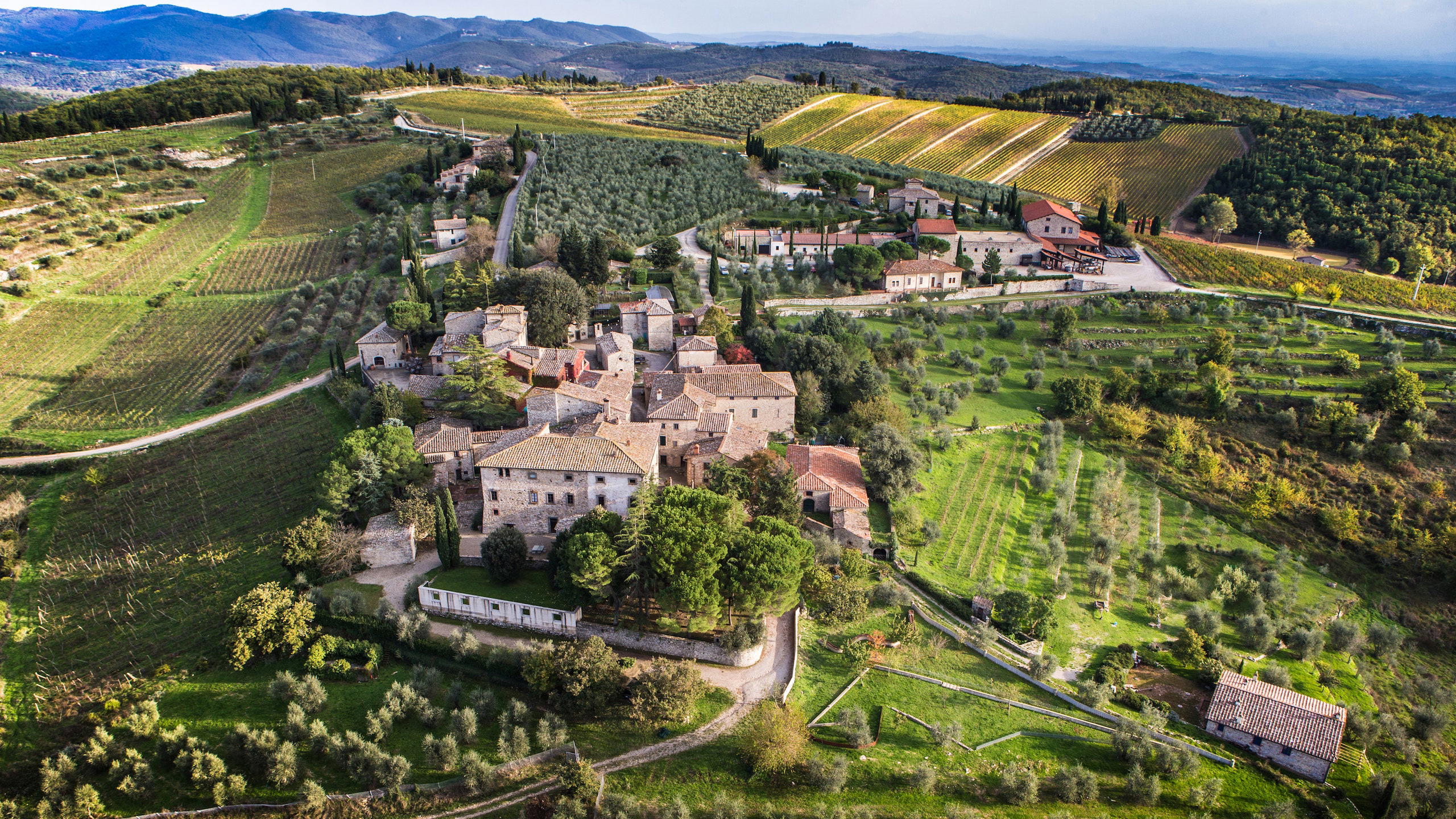
Restaurants in Gaiole in Chianti
All restaurants in Gaiole in Chianti →
Hotels in Gaiole in Chianti
All hotels in Gaiole in Chianti →
Details
- Scenic
- Sophisticated
- Quiet
- Elegant
- Wine Education
- Special Occasion
- Solo Exploration
- Group Outing
- Vineyard Tour
- Estate Grounds
- Historic Building
- Design Destination
- Organic
- Dry Farmed
- Vineyard
- Mountain
- Sangiovese
- Merlot
- Still Red
- Private Tasting
A terroir-focused, high-altitude estate with a restrained, precision-driven winemaking identity and a strong sense of place rooted in Chianti Classico hills.