Eikendal Vineyards
Eikendal Vineyards sits on the R44 between Stellenbosch and Somerset West, at an address that places it within the Helderberg's cool-influenced growing corridor. For visitors approaching from Cape Town, it represents a logical first or last stop on a Helderberg circuit.
Pearl is the En Primeur Club membership app — saves, bookings, and concierge access live there. Same editors, same standards.
- Address
- R44, Raithby, 7601
- Phone
- +27 21 855 1422
- Website
- eikendal.com
- Directions
- Get directions
 Saves & bookings on Pearl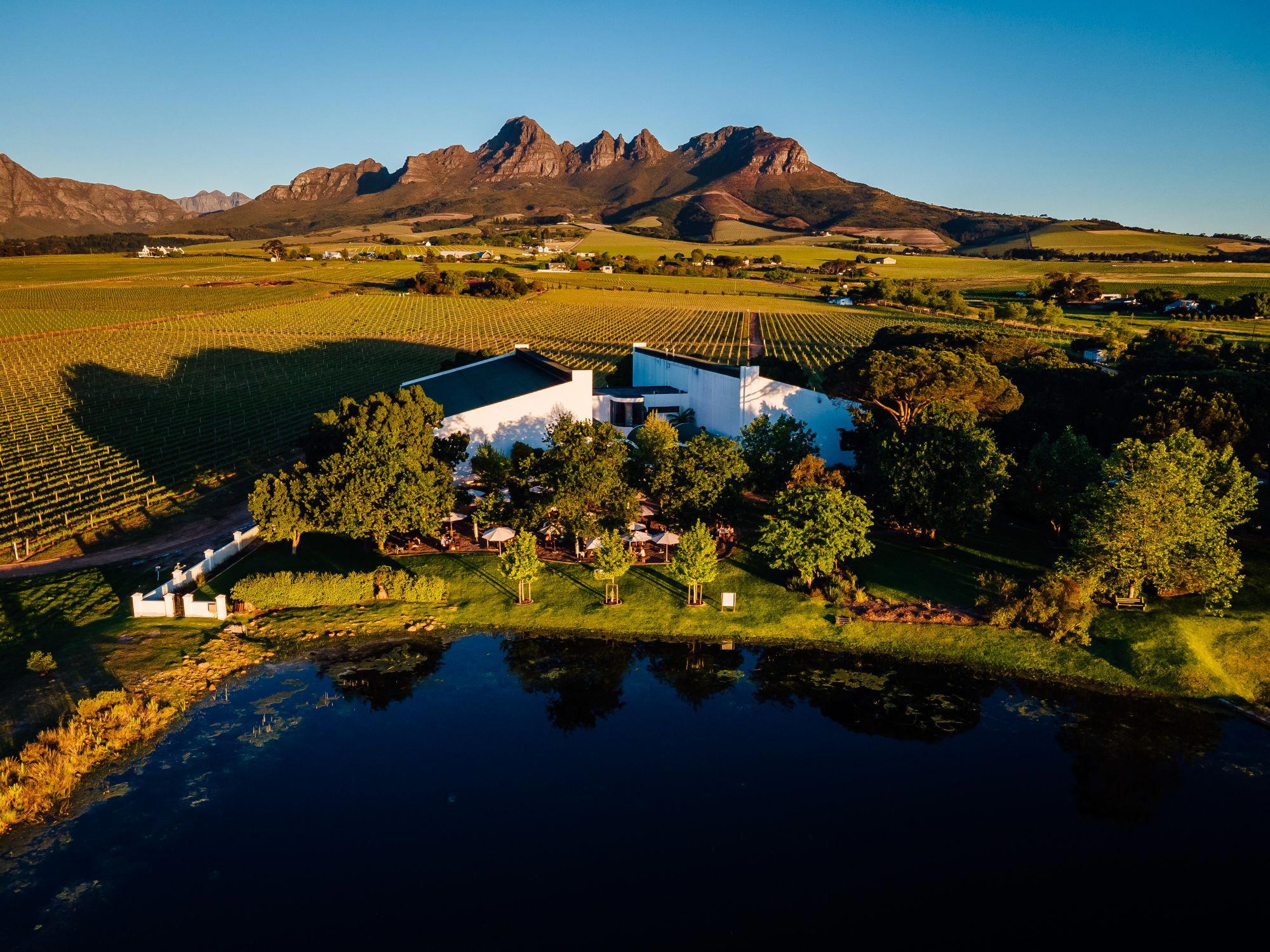
Where the Helderberg Corridor Shapes the Glass
The R44 between Stellenbosch and Somerset West is one of South Africa's more instructive wine routes, not because it concentrates particularly famous names, but because the geography is unusually legible. The Helderberg mountain range acts as a thermal regulator, drawing cool air off False Bay and moderating what would otherwise be a warm-climate growing zone. Vineyards on this corridor tend to produce wines with more structural tension than those deeper inland, and Eikendal Vineyards sits squarely within that agricultural logic, at the Raithby address on the R44.
In the broader Stellenbosch picture, the Helderberg sub-region has been gaining traction with wine buyers who track provenance at the ward level rather than the appellation level. That shift matters for how an estate like Eikendal is read: its address is a credential in itself, locating it within a comparable set defined by site characteristics rather than celebrity winemakers or design-led hospitality. Vergelegen Wine Estate in Somerset West anchors the southern end of this corridor with a long institutional history; Eikendal sits further north along the same axis, offering a less formally curated but equally site-committed experience.
For the visitor comparing options along the Helderberg route, that rating functions as a reliability signal. Properties like Delaire Graff Estate and Tokara Winery occupy the upper end of the Stellenbosch prestige tier with heavy investment in hospitality infrastructure. Eikendal's recognition sits on the wine quality axis rather than the experience-architecture axis, which makes it a different kind of proposition for the visitor whose primary interest is in what's in the glass.
The Sourcing Argument: Why Origin Matters Here
Winemaking in the Helderberg has always been shaped by a particular agricultural argument: that the proximity to False Bay's oceanic influence is worth more than any intervention in the cellar. The cool marine air that tracks inland through the afternoons slows ripening, preserves natural acidity, and allows phenolic development to pace itself across a longer growing season. The result, across the sub-region's better producers, is fruit with more defined structure at lower alcohol thresholds than Stellenbosch's warmer inland wards produce.
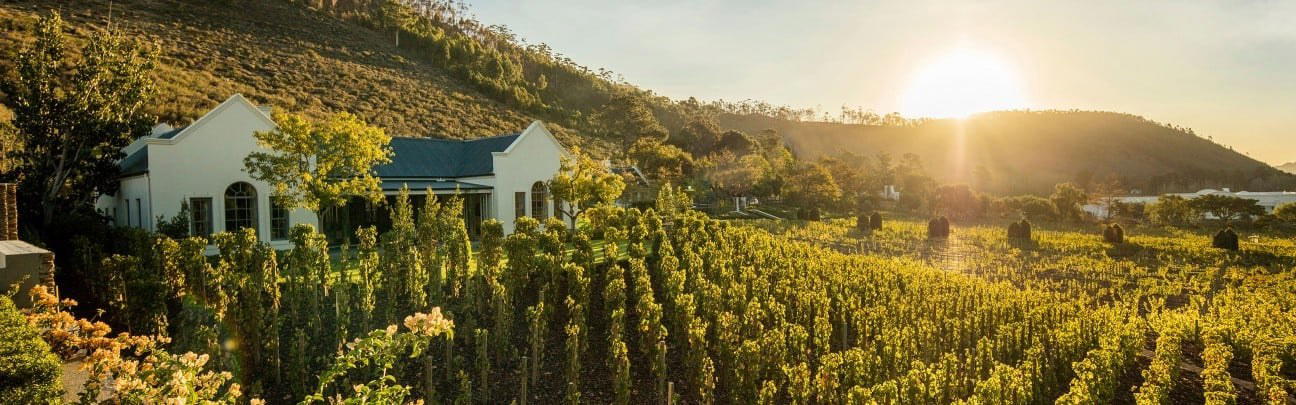
For an estate like Eikendal, that sourcing logic is foundational. The vineyards are not ornamental; they are the actual production base, and the wines in the tasting room trace directly to parcels on the property. That farm-to-glass lineage is less universal in the Cape Winelands than it might appear: some operations in Stellenbosch blend purchased fruit with estate production, particularly at volume price points. An estate model at a recognised address on the R44 carries a different provenance claim, one that connects the wine in your glass to a specific set of soil types and slope aspects rather than a blended regional source.
This is the same principle that drives interest in properties like Babylonstoren in Franschhoek, where the farm's agricultural identity is as central as the wine programme, or Creation Wines in Hermanus, where Walker Bay's climatic argument is built into every conversation at the tasting counter. Site specificity is the thread connecting credentialed producers across the Western Cape's cooler zones.
The Stellenbosch Context: Where Eikendal Sits in the Region
Stellenbosch remains South Africa's most competitive wine appellation, with a producer density that can make navigation difficult for the first-time visitor. The town and its surrounds host estates operating at every price tier, from volume-focused cooperatives to allocation-only cult producers. Understanding where any given estate fits requires knowing which sub-regional argument it's making.
Eikendal's Raithby address places it in the Helderberg's agricultural heartland, distinct from the more tourist-saturated routes closer to Stellenbosch town. Neethlingshof Estate and Spier Wine Farm sit along busier corridors with higher visitor volumes and broader hospitality offerings. Asara Wine Estate leans into accommodation and event infrastructure. Eikendal's identity is more concentrated around production, which appeals to visitors who prefer tasting rooms where the wine rather than the event calendar is the primary draw.
For those extending their Cape Winelands itinerary beyond Stellenbosch, Val de Vie Estate in Paarl and Constantia Glen in Cape Town offer instructive comparisons: both operate in cooler sub-regions with prestige recognition, and both demonstrate how geography shapes a wine programme differently than capital investment alone. Graham Beck Wines in Robertson and Oude Molen Distillery in Grabouw show the breadth of the Western Cape's credentialed producer landscape beyond Stellenbosch's borders.
Planning a Visit: What to Know Before You Go
Eikendal Vineyards is located on the R44 at Raithby, a short drive south of Stellenbosch town toward Somerset West. The road is well-signed and the address sits within easy range of Cape Town for a day trip, typically under an hour depending on traffic through the N2 interchange. The Helderberg route is best visited in the morning before afternoon coastal winds pick up, and the cooler months of March through May, after harvest, offer a quieter experience. Booking ahead is recommended. For a broader view of what the Stellenbosch region offers across dining and tasting experiences, the Stellenbosch guide maps the major producers and restaurants by zone and price tier.
Visitors combining Eikendal with other Helderberg stops should note that the R44 corridor rewards a slow approach: the density of credentialed producers between Stellenbosch and Somerset West is high enough that a single day can cover three or four estates without feeling rushed, provided appointments are staggered across the morning and early afternoon. For those also considering international reference points in their wine travel, estates like Aberlour in Aberlour and Accendo Cellars in St. Helena offer a useful counterpoint to the Helderberg's oceanic-influenced terroir.
Where It Fits
Comparable venues nearby, for context on price, style, and recognition.
| Venue | Cuisine | Price | Notes |
|---|---|---|---|
| Eikendal VineyardsThis venue — the venue you are viewing | Cabernet Sauvignon, Merlot | $$$ | Not listed |
| Neethlingshof Estate | Pinotage, Cabernet Sauvignon | $$$ | Stellenbosch |
| Jordan Wine Estate | Cabernet Sauvignon, Merlot | $$$ | Stellenbosch |
| Uva Mira Mountain Vineyards | Sauvignon Blanc, Chardonnay | $$$ | Helderberg |
| Rustenberg Wines | Cabernet Sauvignon, Chardonnay | $$$ | Stellenbosch |
| L’Avenir Wine Estate | Pinotage, Chenin Blanc | $$$ | Stellenbosch |
Continue exploring
More in Stellenbosch
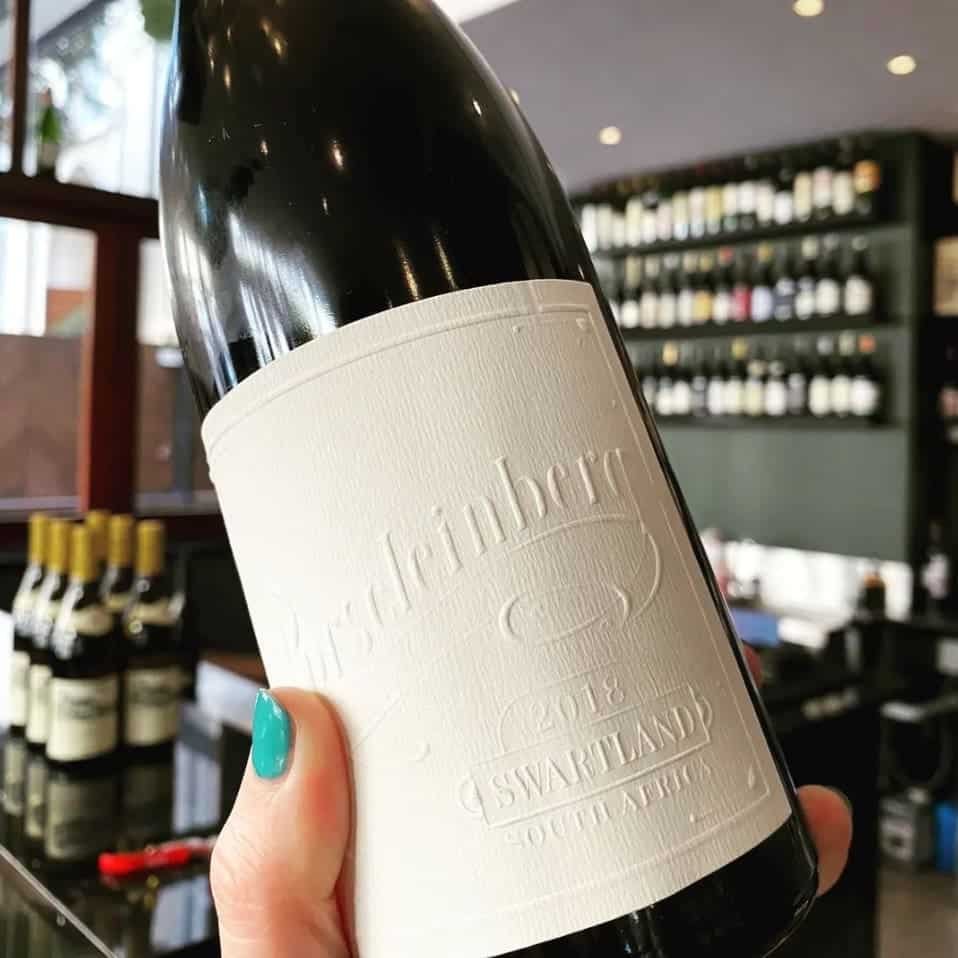
Wineries in Stellenbosch
Browse all →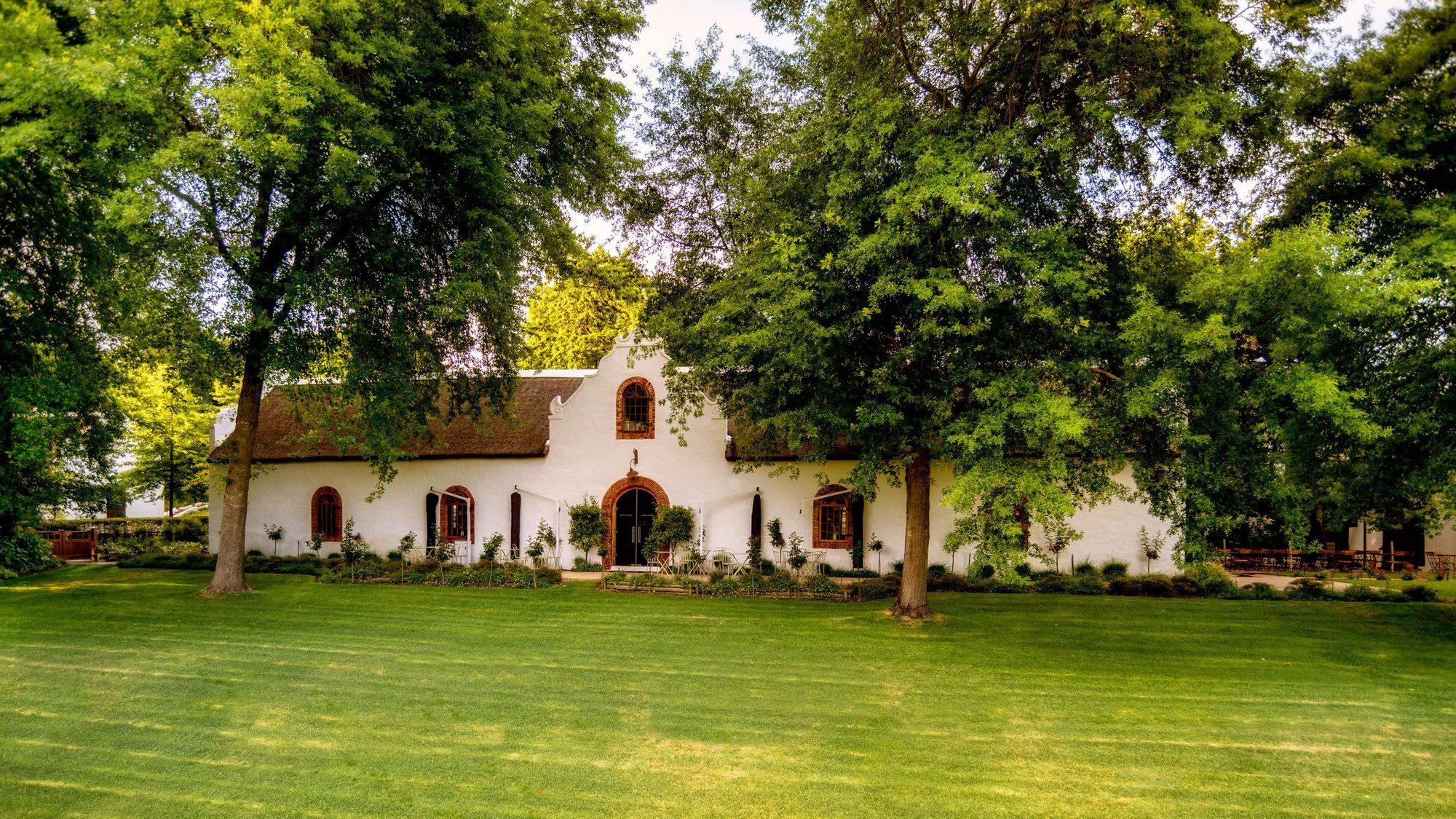
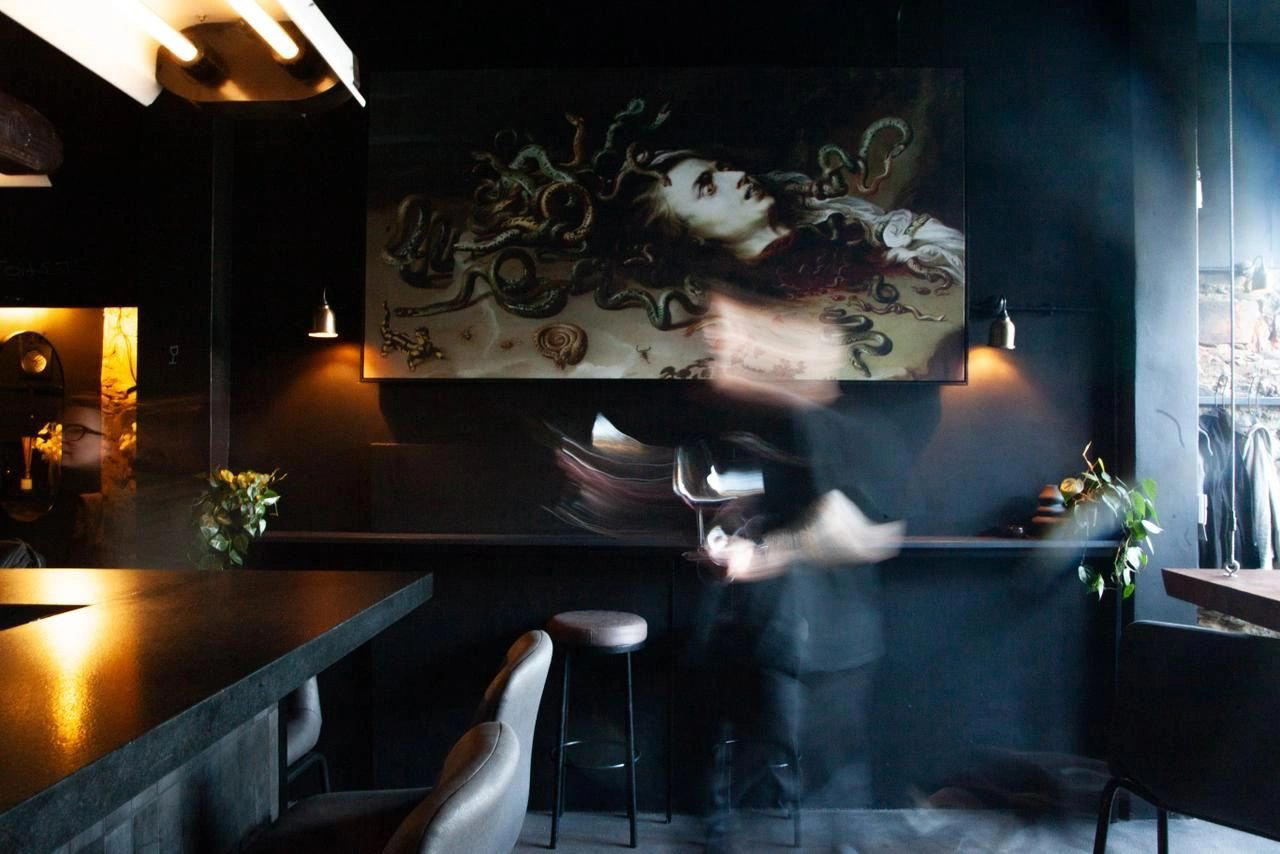
Bars in Stellenbosch
Browse all →
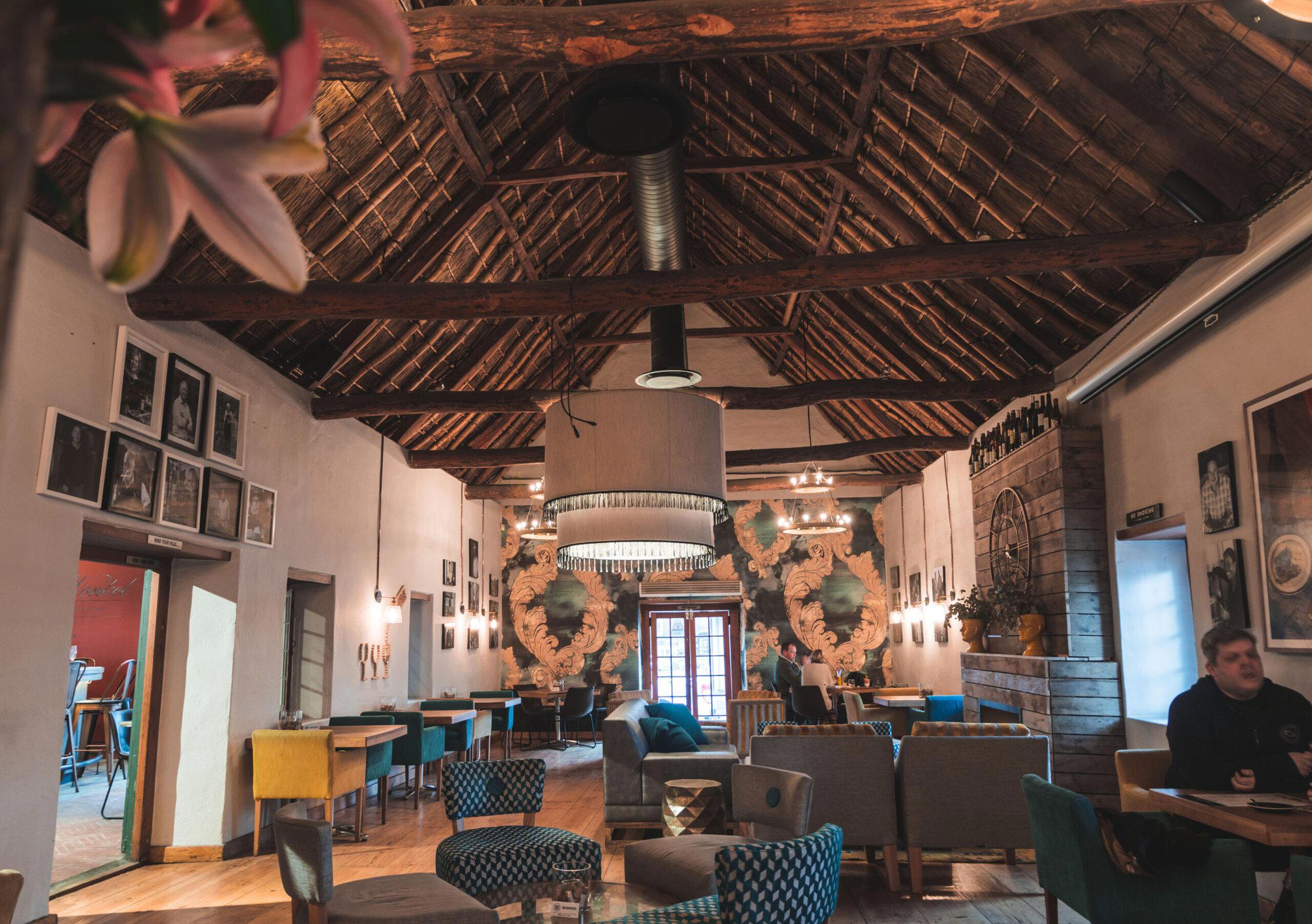
Restaurants in Stellenbosch
Browse all →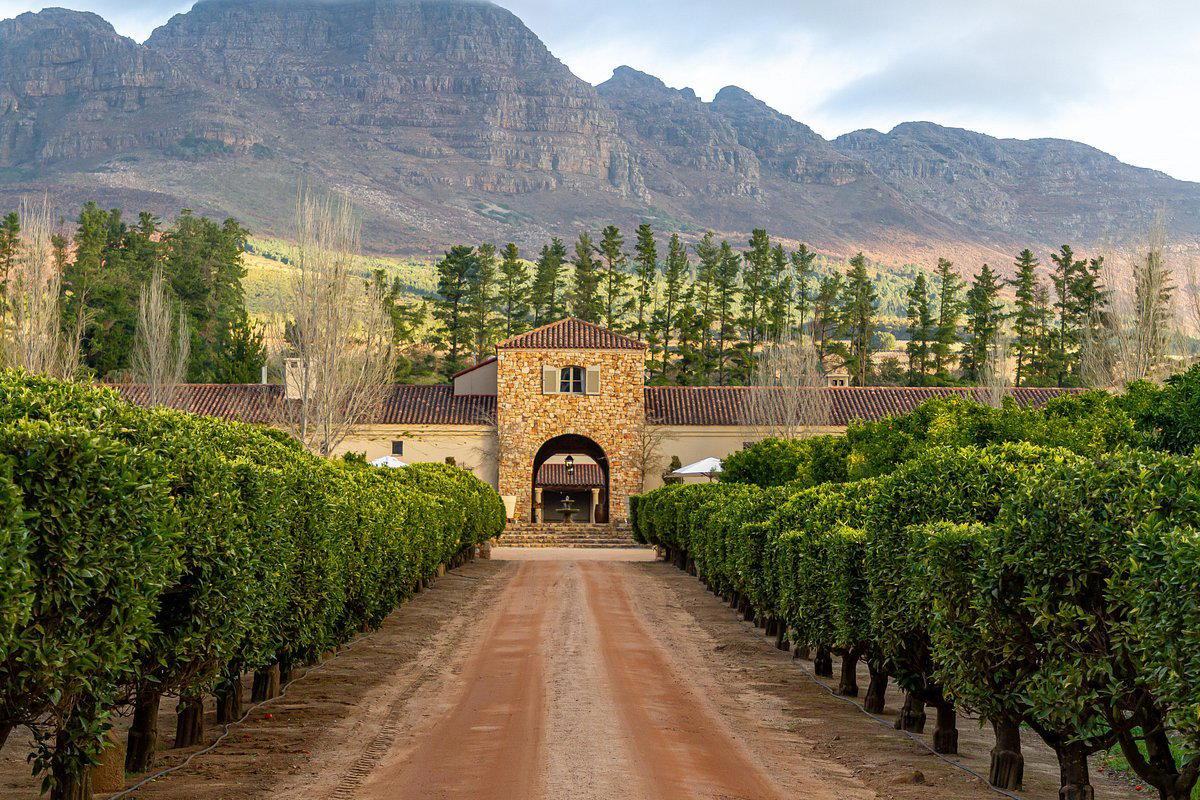
At a Glance
- Scenic
- Romantic
- Elegant
- Classic
- Romantic Getaway
- Group Outing
- Family
- Special Occasion
- Wine Education
- Vineyard Tour
- Estate Grounds
- Terrace
- Panoramic View
- Historic Building
- Private Tasting
- Sustainable
- Vineyard
- Mountain
- Garden
- Helderberg Ward
- Cabernet Sauvignon
- Merlot
- Chardonnay
- Sauvignon Blanc
- Shiraz
- Pinotage
- Cabernet Franc
- Cinsault
- Grenache
- Mourvèdre
- Still Red
- Still White
- Still Rosé
- Wine Tasting
- Wine And Cheesecake Pairing
- Express Tasting
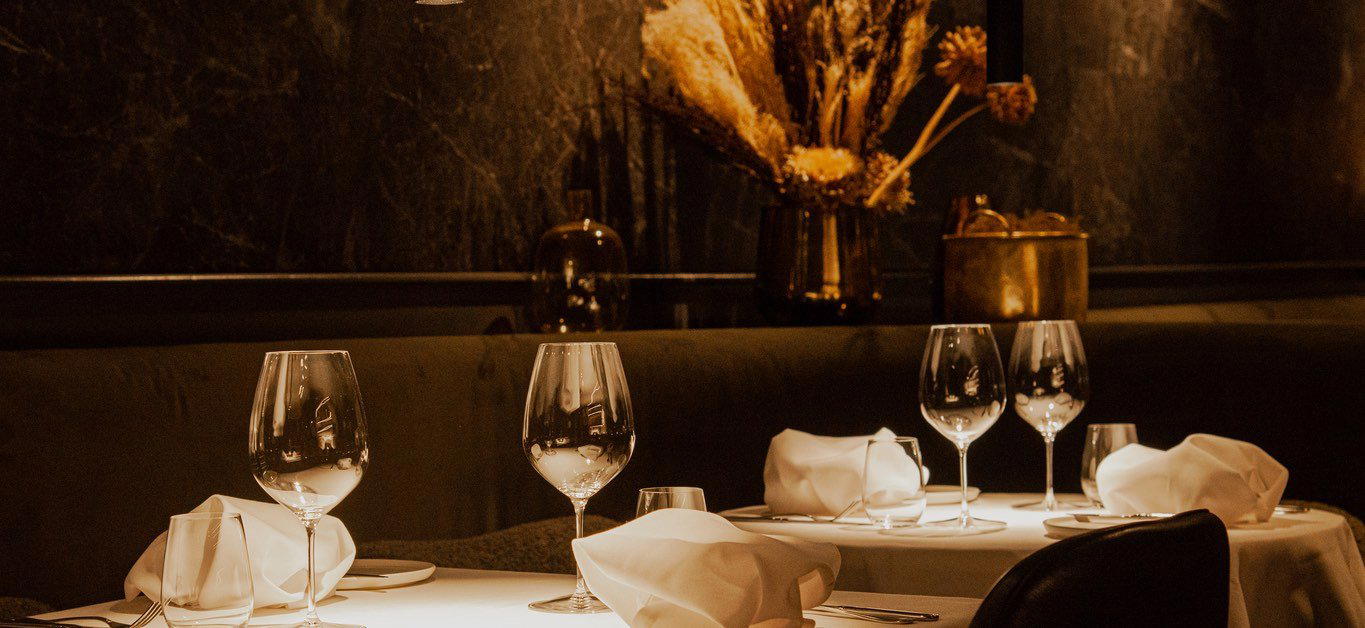
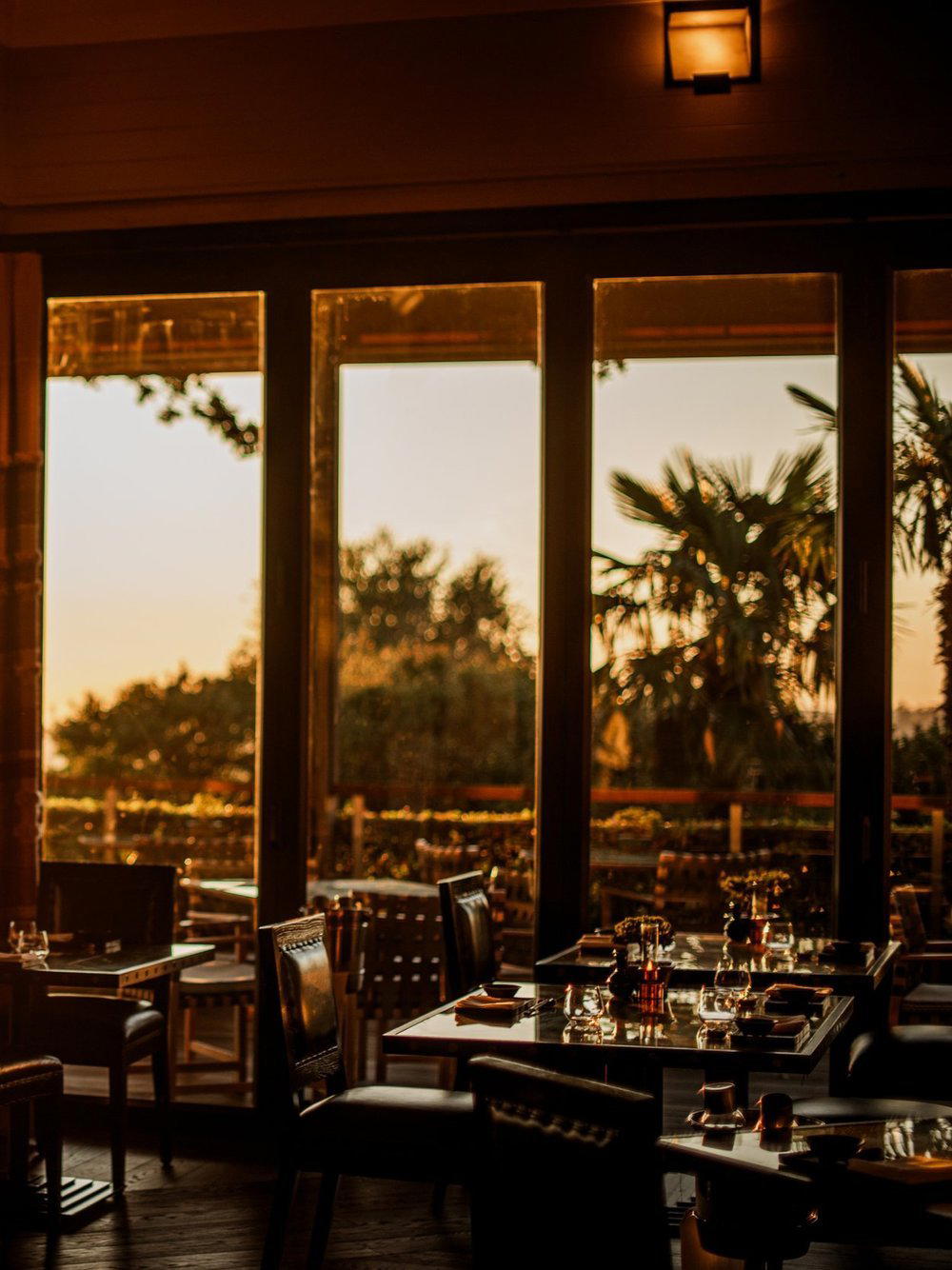
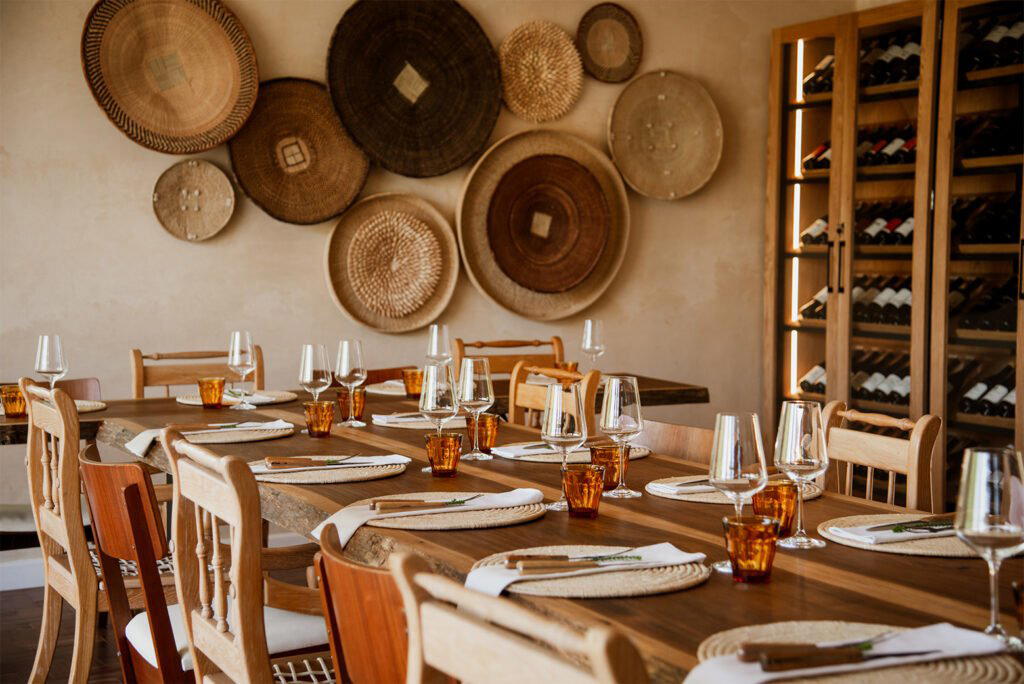
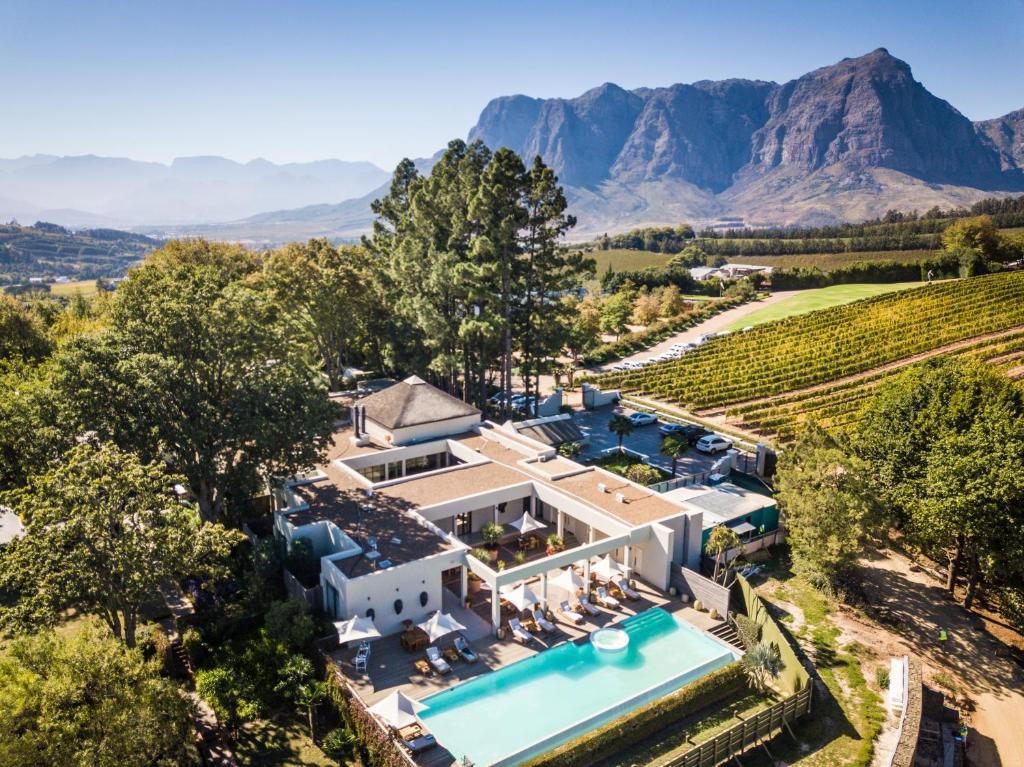
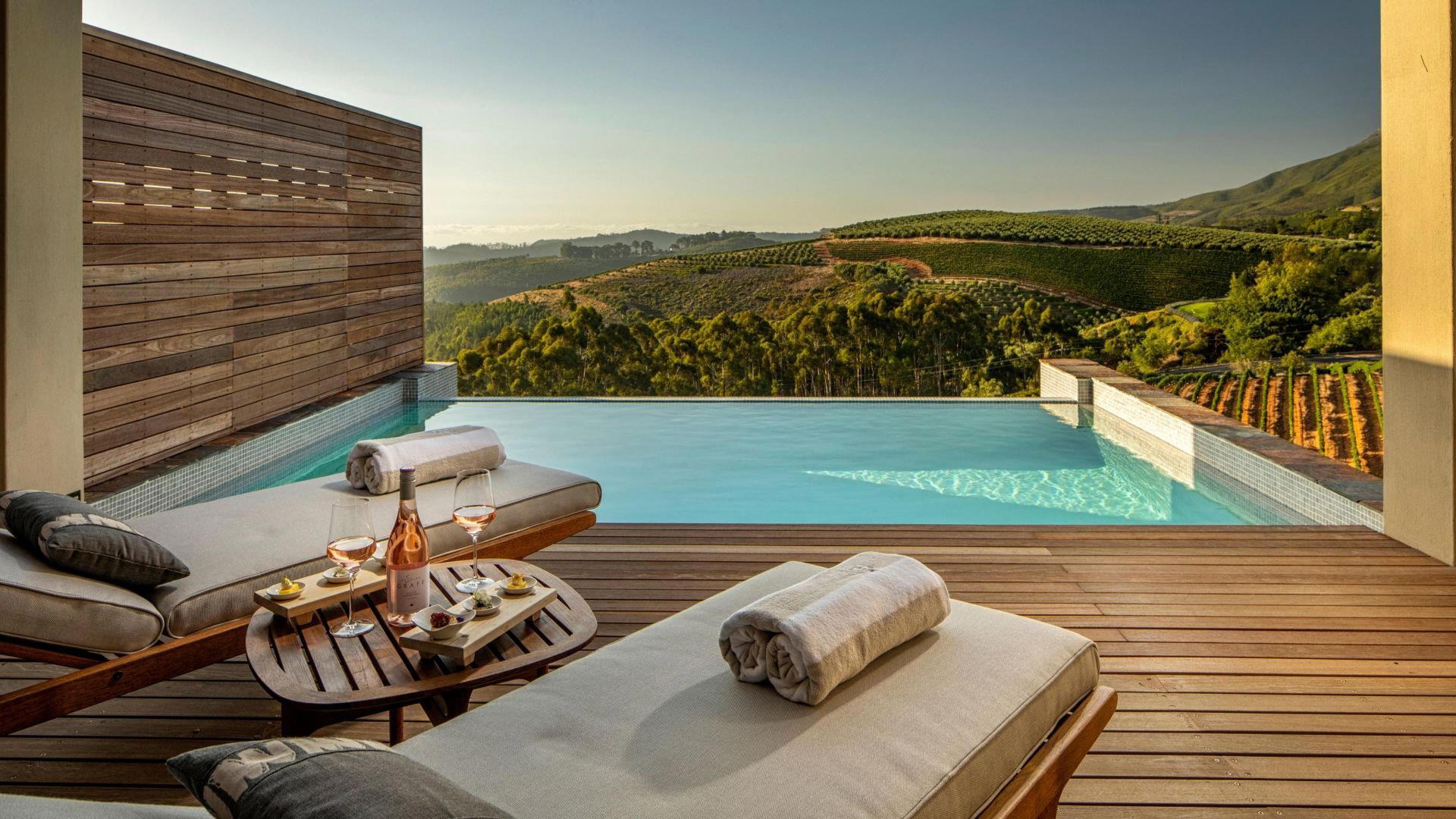
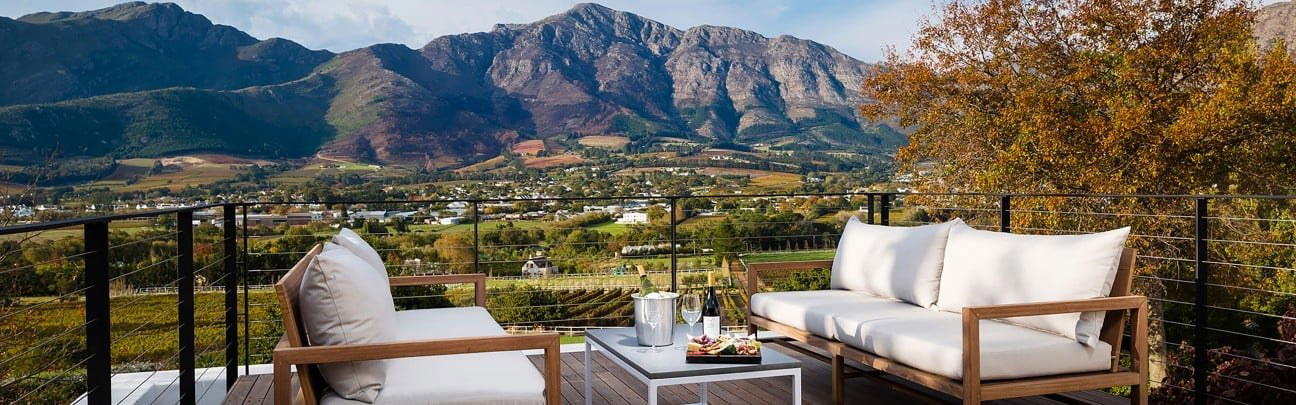
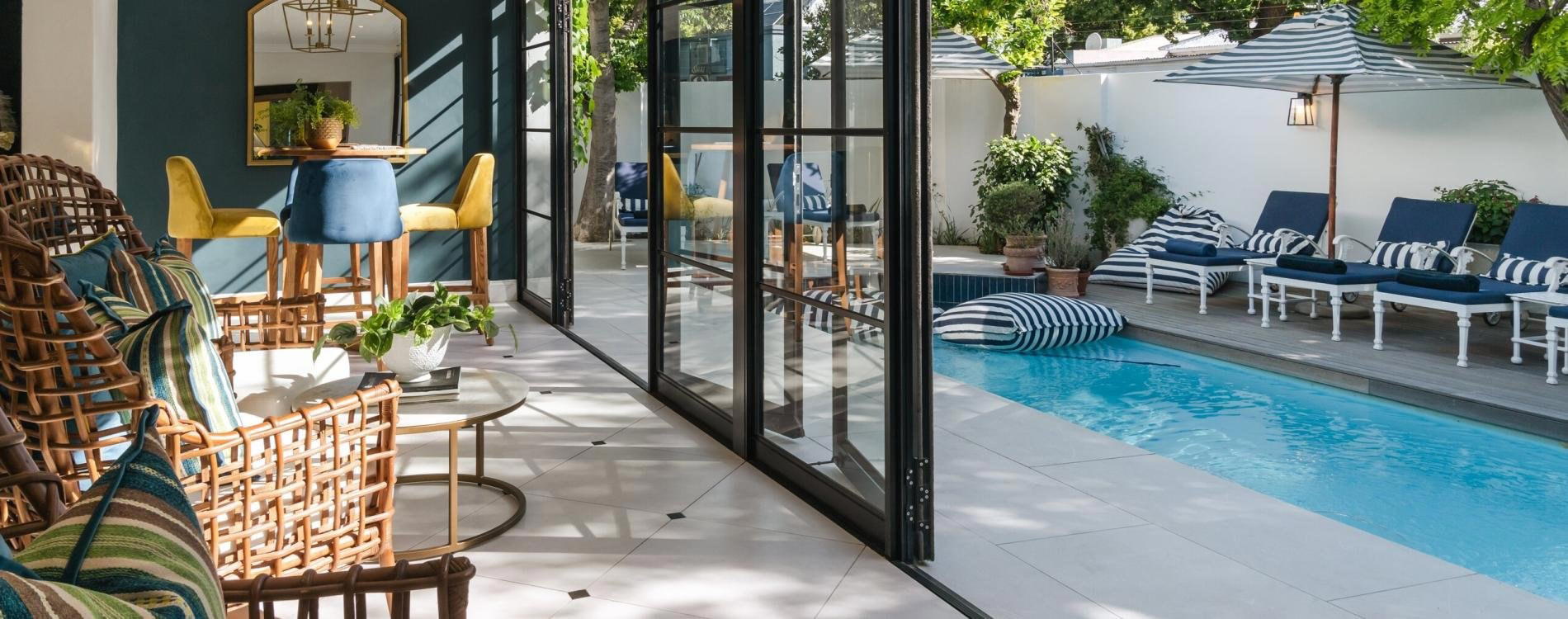
Bright, open setting with natural light from large windows overlooking vineyards and mountains; outdoor terrace with water views; elegant yet relaxed atmosphere suitable for both casual and special occasions.